Reviewed by our editorial team Updated
Where Ancient Athens Comes to Life
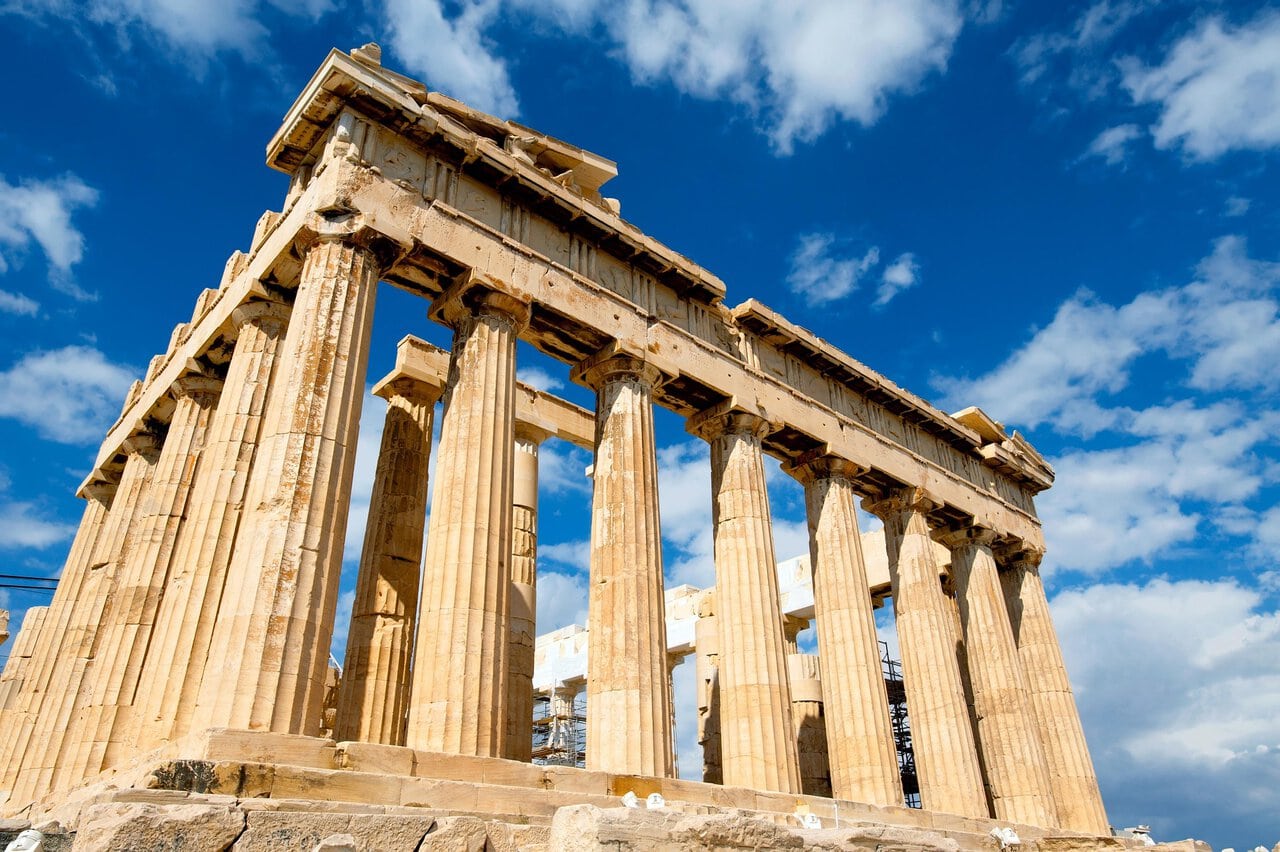
Standing proudly above the modern city, the Acropolis of Athens is one of the world’s most recognisable archaeological sites and the enduring symbol of Greece. Crowned by the magnificent Parthenon, this rocky hill has overlooked Athens for thousands of years and remains one of the most important surviving monuments of the ancient world. Whether you’re fascinated by classical history, Greek mythology or simply want to experience one of Europe’s greatest landmarks, visiting the Acropolis is an unforgettable part of any trip to Athens.
Today, millions of visitors climb to the summit each year to admire the extraordinary temples, enjoy panoramic views across the Greek capital and walk through the birthplace of democracy and Western civilisation. While the Acropolis is undoubtedly the highlight, the surrounding archaeological sites, ancient theatres and historic pathways are equally rewarding and help tell the complete story of ancient Athens.
This guide explains everything you need to know before you visit, including ticket options, opening hours, transport, accessibility, visitor facilities and practical advice. We’ll also explore the fascinating history behind the Acropolis and explain why it continues to capture the imagination of travellers from around the world.
A Brief History of the Acropolis & Parthenon
The word Acropolis simply means “high city”, and throughout ancient Greece many settlements were built around fortified hilltops that provided both protection and commanding views of the surrounding landscape. Athens’ Acropolis became far more than a defensive stronghold. Over time it developed into the city’s religious, political and cultural heart, with magnificent temples dedicated to the goddess Athena, the city’s patron deity.
The Acropolis reached its greatest splendour during the Golden Age of Athens in the fifth century BC. Following the Persian Wars, the Athenian statesman Pericles launched an ambitious rebuilding programme that transformed the hill into the architectural masterpiece visitors admire today. Under the guidance of renowned architects Ictinus and Callicrates, and the celebrated sculptor Phidias, construction began on the Parthenon, a temple dedicated to Athena Parthenos. Built from brilliant white Pentelic marble, it became one of the greatest achievements of classical architecture and remains an enduring symbol of ancient Greece.
The Parthenon was never simply a place of worship. It represented the wealth, confidence and artistic brilliance of Athens at the height of its power. The enormous gold and ivory statue of Athena that once stood inside the temple was regarded as one of the ancient world’s greatest masterpieces, while the intricate sculptures decorating the building celebrated both mythology and the achievements of the Athenian people.
Over the centuries, the Acropolis has witnessed countless changes. During the Byzantine period the Parthenon became a Christian church before later being converted into a mosque under Ottoman rule. One of the site’s darkest moments came in 1687, when Venetian forces bombarded Athens during a conflict with the Ottoman Empire. Gunpowder stored inside the Parthenon exploded, causing catastrophic damage and leaving much of the temple in the ruined state we see today.
Extensive conservation work continues across the Acropolis, with archaeologists and engineers carefully restoring damaged sections while preserving the site’s authenticity. Although scaffolding is sometimes visible, these restoration projects help ensure that future generations can continue to experience one of humanity’s greatest cultural treasures.
Browse hotels and accommodation for your visit to Athens.
View staysBrowse apartments, holiday homes and self-catering stays in Athens.
View rentalsSee hotel prices from multiple booking sites in one search.
Compare ratesWhy Visit the Acropolis?
Few places in the world combine such extraordinary history with breathtaking views. The Acropolis isn’t simply Athens’ most famous attraction. It’s a UNESCO World Heritage Site, one of the most influential archaeological monuments ever created and a place that has shaped architecture, politics, philosophy and art for more than two thousand years.
Walking through the Propylaea, standing beneath the towering columns of the Parthenon, or admiring the elegant Caryatids of the Erechtheion provides a remarkable connection with the ancient world. Every corner of the site tells a story, from the theatres where classical dramas were first performed to the temples that inspired generations of architects across Europe and beyond.
The Acropolis also offers some of the finest views in Athens. From the summit you’ll enjoy spectacular panoramas across the city towards Mount Lycabettus, the Temple of Olympian Zeus, Plaka, Monastiraki and the distant Saronic Gulf. Visiting early in the morning or later in the afternoon not only helps avoid the hottest part of the day but also provides some of the most beautiful lighting for photography.
Even if you’ve visited famous landmarks around the world, there’s something uniquely special about standing on the same hill where philosophers, politicians, artists and citizens gathered more than two millennia ago. It’s an experience that gives visitors a far greater appreciation of both ancient Greece and the remarkable legacy it has left behind.
Learn More from UNESCO
This destination is connected to a UNESCO World Heritage Site, recognised for its outstanding cultural, historical, or natural importance. You can explore official listings, background information, and protected heritage sites through UNESCO’s global database.
What You’ll See at the Acropolis
The Acropolis is much more than the Parthenon. While the famous temple dominates the skyline, the archaeological site is home to a remarkable collection of monuments that together tell the story of ancient Athens. From magnificent temples and ceremonial gateways to theatres where some of the world’s earliest plays were performed, every corner of the site reveals another chapter in Greece’s extraordinary history.
Allow plenty of time to wander around the plateau rather than heading straight to the Parthenon. Many visitors discover that some of the Acropolis’ lesser-known monuments become just as memorable as its most famous landmark.
| Monument | Why It’s Worth Seeing |
|---|---|
| Parthenon | The iconic temple dedicated to Athena and the defining symbol of Athens. |
| Propylaea | The impressive marble gateway that forms the ceremonial entrance to the Acropolis. |
| Erechtheion | Famous for its Porch of the Caryatids and unique architectural design. |
| Temple of Athena Nike | A beautifully proportioned temple celebrating Athena as the goddess of victory. |
| Theatre of Dionysus | Considered the birthplace of Greek theatre and Western drama. |
| Odeon of Herodes Atticus | A remarkably preserved Roman theatre that still hosts performances today. |
The Parthenon
The Parthenon is the masterpiece of the Acropolis and one of the most influential buildings ever constructed. Built between 447 and 432 BC, it was dedicated to Athena Parthenos, the patron goddess of Athens, and represented the city’s wealth, confidence and artistic achievement during its Golden Age.
Constructed almost entirely from brilliant white Pentelic marble, the temple originally housed an enormous gold and ivory statue of Athena created by the celebrated sculptor Phidias. Although the statue disappeared centuries ago, the building itself remains one of the greatest surviving examples of classical Greek architecture.
The Parthenon has endured earthquakes, wars and centuries of changing rulers. The greatest damage occurred in 1687, when an explosion caused by Venetian bombardment destroyed much of the structure. Today, the extensive restoration programme continues to carefully preserve and stabilise the monument, allowing visitors to appreciate its extraordinary scale while protecting it for future generations.
The Propylaea
Every visitor enters the Acropolis through the magnificent Propylaea, a monumental marble gateway that marked the transition from the everyday world into one of the most sacred places in ancient Greece.
Completed in the fifth century BC, the gateway was designed to impress. Its grand staircases, towering Doric columns and carefully planned layout immediately demonstrated the importance of the Acropolis to anyone approaching the hill. Even today, passing through the Propylaea creates a real sense of anticipation before the Parthenon comes into view.
Take a moment to look back as you pass through the gateway. The elevated position offers wonderful views across Athens and provides an appreciation of why the Acropolis occupied such a commanding position above the ancient city.
The Erechtheion
While the Parthenon attracts most of the attention, many historians consider the Erechtheion to be the Acropolis’ most fascinating building. Unlike the symmetrical Parthenon, it was constructed on uneven ground to accommodate several sacred sites connected with Athenian mythology.
The temple is best known for the Porch of the Caryatids, where six beautifully carved female figures support the roof instead of traditional columns. The statues seen on the Acropolis today are carefully crafted replicas, while the originals are preserved inside the nearby Acropolis Museum to protect them from weathering and pollution.
According to legend, this was also the site of the contest between Athena and Poseidon to become the patron deity of Athens. The temple therefore held enormous religious significance and became one of the city’s most sacred buildings.
The Temple of Athena Nike
Standing beside the Propylaea is the elegant Temple of Athena Nike, one of the smallest but most graceful buildings on the Acropolis.
Completed around 420 BC, the temple celebrated Athena as the goddess of victory and commemorated the military successes of Athens during the Persian Wars. Despite its relatively modest size, its elegant Ionic columns and elevated position make it one of the most photographed monuments on the site.
The temple also provides some excellent viewpoints across Athens and towards the surrounding hills. It’s well worth pausing here for a few moments before continuing through the Propylaea towards the Parthenon.
Theatre of Dionysus
Located on the South Slope of the Acropolis, the Theatre of Dionysus is widely regarded as the birthplace of theatre itself.
This vast open-air theatre could accommodate around 17,000 spectators and hosted performances by legendary playwrights including Sophocles, Euripides and Aristophanes. Many of the dramatic traditions developed here more than two thousand years ago continue to influence theatre across the world today.
Although only parts of the original structure survive, it’s still easy to imagine the atmosphere as thousands of Athenians gathered to watch performances during religious festivals dedicated to Dionysus, the god of wine and theatre.
Odeon of Herodes Atticus
Just below the Acropolis stands the magnificent Odeon of Herodes Atticus, a Roman theatre built in AD 161 by the wealthy benefactor Herodes Atticus in memory of his wife.
Unlike many ancient theatres, the Odeon remains in regular use today and hosts concerts, operas, ballet performances and international artists during the annual Athens Epidaurus Festival. Watching a performance here, with the illuminated Acropolis towering above, is considered one of the most memorable cultural experiences in Greece.
Even if you don’t attend an event, the theatre is an impressive sight from both inside the archaeological site and the pedestrian avenue of Dionysiou Areopagitou, where its remarkable stone seating and stage can be admired from several viewpoints.
Other Highlights Around the Acropolis
While the famous temples naturally attract most of the attention, the Acropolis is full of smaller details that many visitors pass without realising their significance.
The Acropolis itself is built upon a limestone outcrop rising approximately 150 metres above sea level, often referred to as the Sacred Rock. Archaeological evidence suggests people have lived, worshipped and defended this hill for thousands of years, long before the construction of the Parthenon. Standing on the plateau today, it’s easy to understand why this commanding position became the religious and political heart of ancient Athens.
As you explore the site, you’ll also notice sections of the impressive ancient fortification walls surrounding the Acropolis. Some of these defensive structures date back more than 2,500 years, while parts of the foundations incorporate even older Mycenaean masonry, making them among the oldest surviving features on the hill.
Many visitors also walk through the Beulé Gate without realising its importance. Added during the Roman period in the third century AD, it strengthened the entrance to the Acropolis centuries after the great classical temples had been completed, illustrating how the site continued to evolve throughout antiquity.
Keep an eye out for the large Greek flag flying proudly above the Acropolis. Visible from much of Athens, it has become one of the city’s best known landmarks and serves as a reminder that the Acropolis remains a powerful symbol of modern Greece as well as its ancient past.
Finally, don’t forget to pause at the various belvedere viewpoints around the plateau. While the Parthenon commands most of the attention, the surrounding viewpoints offer spectacular panoramas across Plaka, Monastiraki, the Ancient Agora, Mount Lycabettus, the Temple of Olympian Zeus and, on clear days, all the way to the Saronic Gulf.
Before leaving, allow yourself a few quiet moments to simply take in the atmosphere. For more than 2,500 years, rulers, philosophers, artists and travellers have climbed this same hill. Today, the Acropolis remains one of the world’s greatest archaeological sites and continues to inspire millions of visitors every year.
Buying Acropolis Tickets
The simplest way to visit the Acropolis is by purchasing an official entrance ticket through the Greek Government’s ticketing system. Standard adult admission currently costs €30, while eligible visitors can purchase reduced tickets for €15. Admission is also free on selected dates throughout the year, including 6 March, 18 April, 18 May, the last weekend of September, 28 October, and on the first and third Sunday of each month between November and March.
When purchasing an official ticket, you’ll select a specific date and timed entry slot for your visit. These timed admissions help manage visitor numbers throughout the day, and during the busy summer season the most popular morning slots often sell out well in advance. Booking early is therefore strongly recommended if you’re travelling between April and October.
If you’re only planning to visit the Acropolis, the official ticket is usually the most economical option. However, there are also combination tickets available that include additional archaeological sites such as the Ancient Agora, Roman Agora, Temple of Olympian Zeus, Aristotle’s School and the Panathenaic Stadium. These tickets can offer excellent value for visitors wanting to explore more of ancient Athens without purchasing a full sightseeing pass.
If your itinerary also includes attractions such as the Acropolis Museum, hop on hop off sightseeing buses, museums or even an island cruise, it’s worth comparing the available Athens Travel Passes before buying individual tickets. Some city passes bundle together several attractions and experiences, potentially saving both money and time. Our dedicated Athens Travel Passes Explained guide compares all of the major options to help you decide which offers the best value for your trip.
Opening Hours & Best Time to Visit
The Acropolis is open every day of the year, although opening hours vary depending on the season. During the height of summer, visitors benefit from extended evening opening, while shorter daylight hours mean earlier closing times throughout the winter.
| Period | Opening Hours |
|---|---|
| 1 April to 31 August | 08:00 to 20:00 |
| 1 September to 15 September | 08:00 to 19:30 |
| 16 September to 30 September | 08:00 to 19:00 |
| 1 October to 15 October | 08:00 to 18:30 |
| 16 October to 31 October | 08:00 to 18:00 |
| 1 November to 31 March | 08:00 to 17:00 |
Last admission is 20 minutes before closing.
The archaeological site is closed on 1 January, 25 March, 1 May, Easter Sunday, 25 December and 26 December.
If you’re visiting during the summer, arriving shortly after opening is highly recommended. Temperatures can exceed 35°C, and the exposed marble reflects the heat, making the climb considerably more challenging during the middle of the day. Early mornings also tend to be quieter, allowing you to enjoy the site before the largest tour groups arrive.
Late afternoon is another excellent time to visit. As the temperatures begin to fall, the golden light creates superb conditions for photography, while the views across Athens become even more spectacular as the sun begins to set.
Getting to the Acropolis
The Acropolis sits in the very heart of Athens, making it easy to reach from almost anywhere in the city. Whether you’re travelling by metro, bus, taxi or on foot, you’ll find several convenient ways to reach the archaeological site.
| Method | Details |
|---|---|
| Metro | Line 2 to Acropolis Station, around a 12 minute walk to the main entrance. Alternatively, Lines 1 and 3 serve Monastiraki Station, from where you can walk through the historic centre. |
| Bus | Route 230 stops at the Acropolis bus stop, just a short walk from the entrance. |
| Walking | Around 15 to 20 minutes from Syntagma Square, passing through the beautiful streets of Plaka. |
| Taxi | Taxis are widely available throughout central Athens and can drop passengers close to the entrance. |
| Car | Driving isn’t generally recommended due to heavy traffic and limited parking around the Acropolis. Public transport is usually quicker and far less stressful. |
Most visitors combine their visit with a stroll through Plaka, Anafiotika or Monastiraki, all of which are within easy walking distance. If you’re planning a full day of sightseeing, it’s easy to combine the Acropolis with the Acropolis Museum, Ancient Agora, Roman Agora and Temple of Olympian Zeus without needing additional transport.
Exploring the North & South Slopes
Although most visitors head straight for the summit, the North and South Slopes of the Acropolis are fascinating archaeological sites in their own right. Exploring these areas gives you a much fuller appreciation of ancient Athens and allows you to discover monuments that many visitors simply walk past.
The South Slope is the easiest to access from the main visitor entrance at the junction of Dionysiou Areopagitou and Thrasyllou Street. This approach takes you past the impressive Theatre of Dionysus, widely regarded as the birthplace of Greek drama, before continuing to the magnificent Odeon of Herodes Atticus, a beautifully restored Roman theatre that still hosts concerts and performances today. For many visitors, this is the most rewarding route to the Acropolis as it gradually builds anticipation before reaching the summit.
The North Slope offers a quieter and very different experience. Visitors can reach it via the northern side of the Acropolis, close to the charming neighbourhood of Anafiotika. This area includes sections of the ancient Peripatos, the pathway that once circled the sacred hill, together with caves, sanctuaries and smaller archaeological remains that receive far fewer visitors than the main plateau. The North Slope is also the location of the accessible entrance for wheelchair users and those with reduced mobility.
If time allows, it’s well worth exploring both slopes rather than simply climbing directly to the Parthenon. Together they help tell the complete story of the Acropolis and reveal how this remarkable hill functioned as the religious and cultural heart of ancient Athens.
Search routes and flight options for your trip to Athens.
Search flightsUse an eSIM to get online without hunting for a local SIM after arrival.
See eSIM optionsCheck private pickup options and plan your onward journey before arrival.
View transfersAccessibility & Visitor Facilities
The Acropolis has become considerably more accessible in recent years, with ongoing improvements helping more visitors experience one of Greece’s most important archaeological sites. While the summit remains an ancient monument with some uneven surfaces, a range of facilities are now available for visitors with reduced mobility, families and those simply looking for a more comfortable visit.
One of the most significant additions is the accessible elevator, located on the north side of the Acropolis, approximately 300 metres from the exit of the archaeological site. The elevator is available for visitors with mobility impairments and for adults accompanying two or more young children. It provides direct access to the Acropolis plateau, allowing visitors to explore the area around the Parthenon and Erechtheion without using the steep main approach.
Both the North Slope and South Slope also offer accessible routes. The North Slope can be entered through the specially designed accessible entrance on the western side of the archaeological site, allowing visitors to follow part of the historic Peripatos towards Anafiotika. The South Slope is accessible via the main entrance at the junction of Dionysiou Areopagitou and Thrasyllou Streets, where visitors can explore the area around the Theatre of Dionysus. Due to the historic nature of the site, assistance from a companion may still be advisable in some areas.
Visitors will also find a range of useful facilities available throughout the site.
| Facility | Available |
|---|---|
| Café / Restaurant | Yes |
| Museum Shop | Yes |
| Toilets | Yes |
| Free WiFi | Yes |
| Accessible Elevator | Yes |
| Accessible Toilets | Yes |
| Wheelchair Accessible Routes | Yes (selected areas) |
The Hellenic Heritage Museum Shop, located beside the main entrance, is well worth a visit before leaving the site. Alongside books and guidebooks, it sells officially licensed jewellery, decorative objects, replica artefacts and gifts inspired by the Parthenon, the Caryatids and other famous monuments of ancient Greece. Every purchase helps support Greece’s archaeological heritage, making it a worthwhile stop if you’re looking for a meaningful souvenir.

Rupert’s Handy Travel Tips
Planning a visit to the Acropolis? Here are a few tips to help you make the most of one of Greece’s most famous landmarks.
- Book your tickets early: Timed entry slots regularly sell out during spring and summer, particularly for morning visits. Reserving your tickets in advance gives you the widest choice of entry times.
- Start early if you can: The Acropolis offers very little shade, and the marble surfaces reflect the heat. Visiting soon after opening is usually the most comfortable option during the warmer months.
- Wear suitable footwear: Ancient marble can become surprisingly slippery, especially after rain. Comfortable shoes with good grip will make your visit much safer.
- Combine your visit with the Acropolis Museum: Many of the sculptures and artefacts removed from the Acropolis are now displayed in the nearby museum, helping bring the history of the site to life.
- Allow time for the surrounding sites: The North and South Slopes, Ancient Agora and Plaka are all within easy walking distance and add much more context to your visit than simply seeing the Parthenon alone.
Want to meet the reindeer behind our travel tips? Find out more in our page Who is Rupert?.
Frequently Asked Questions
How much does it cost to visit the Acropolis?
A standard adult ticket currently costs €30, while reduced admission is €15 for eligible visitors. Combination tickets and Athens travel passes are also available.
How long should I allow for my visit?
Most visitors spend two to three hours exploring the Acropolis. If you also plan to visit the North or South Slopes and the Acropolis Museum, allow at least half a day.
Do I need to book tickets in advance?
Yes. Timed entry is required, and the most popular time slots often sell out during the busy tourist season.
Is the Acropolis suitable for wheelchair users?
Yes. An accessible elevator on the north side of the site provides access to the plateau, and accessible routes are available on parts of both the North and South Slopes.
Can I buy tickets at the entrance?
Tickets may be available on the day, but advance booking is strongly recommended, particularly between April and October when demand is highest.
What is the best time of day to visit?
Early morning generally offers cooler temperatures and smaller crowds, while late afternoon provides beautiful light for photography.
Can I take food and drinks inside?
It’s advisable to carry water, particularly during the summer, but large bags, picnics and certain items may be restricted inside the archaeological site.
Is the Acropolis included in Athens travel passes?
Yes. Several Athens travel passes include Acropolis admission alongside museums, sightseeing buses and other attractions. Comparing the available passes before booking can often save money if you plan to visit multiple sights.
Further Reading
If you’re planning to spend a few days exploring the Greek capital, our Things To Do in Athens guide highlights the city’s must visit attractions, historic neighbourhoods and unforgettable experiences. From wandering through the narrow streets of Plaka to watching the changing of the guard at Syntagma Square, it’s the perfect companion after your visit to the Acropolis. Before setting off each day, our Athens Public Transport Guide explains how to use the metro, buses and trams, helping you travel easily between the city’s major sights.
If you’re still deciding how to buy your tickets, don’t miss our detailed Athens Travel Passes Explained guide. We compare the major sightseeing passes, combination tickets and attraction bundles, explaining who each one is best suited to and when buying a pass can save you money. Whether you’re only planning to visit the Acropolis or want to explore museums, archaeological sites and even enjoy an island cruise, our guide will help you choose the right option.
Many visitors combine the Acropolis with the nearby Acropolis Museum, one of Greece’s finest museums and home to many of the sculptures and artefacts discovered on the sacred hill. Once you’ve explored ancient Athens, our Athens Airport Transfers guide will help you plan your journey to and from the airport, while our Athens Ferry Routes & Piraeus Port Guide explains how to continue your adventure to destinations including Santorini, Mykonos, Crete and the beautiful Saronic Islands.
If Athens is just the beginning of your Greek adventure, our Greece Interrail Pass Guide explains how to travel across mainland Greece by rail, while our Greek Islands Interrail Guide shows how to combine train and ferry travel into one unforgettable itinerary. Before you leave home, it’s also worth reading our Best eSIMs guide to compare the latest mobile data providers and stay connected throughout your trip.