Reviewed by our editorial team Updated
Why Choose Bulgaria for a Ski Holiday?
When most people think about a European ski holiday, destinations such as France, Austria, Switzerland, or Italy usually come to mind first. Yet over the last two decades, ski resorts in Bulgaria have quietly established themselves as some of the best-value winter destinations on the continent. For travellers looking to combine reliable skiing, modern infrastructure, mountain scenery, and affordable prices, Bulgaria offers an increasingly attractive alternative to the Alps.
The country’s biggest advantage is value. Across much of Europe, ski holidays have become significantly more expensive, with accommodation, lift passes, equipment rental, ski lessons, and dining costs continuing to rise. In contrast, many Bulgarian ski resorts still provide a noticeably more affordable experience. Visitors can often stay in quality accommodation, eat well, rent equipment, and purchase lift passes for substantially less than they would pay in many Alpine destinations.
Affordability does not mean sacrificing quality. Bulgaria’s leading resorts have invested heavily in infrastructure, modern lift systems, snowmaking equipment, hotels, restaurants, and visitor facilities. Resorts such as Bansko, Borovets, and Pamporovo now attract skiers and snowboarders from across Europe, including many returning visitors who appreciate the combination of value and convenience.
Another major advantage is accessibility. Sofia Airport serves as one of southeastern Europe’s most important aviation hubs and provides easy access to several of the country’s major ski resorts. In the case of Borovets, visitors can travel from the airport to the slopes in around one hour, making it one of the most accessible ski destinations in Europe.
Snow reliability has also improved significantly due to modern snowmaking systems. While natural snowfall remains important, extensive snowmaking infrastructure helps maintain conditions throughout much of the season, particularly in the country’s largest resorts. Combined with elevations exceeding 2,500 metres in some areas, this helps support a ski season that often extends from December through March, and occasionally beyond.
Perhaps most importantly, Bulgaria offers something that many larger ski destinations struggle to provide: balance. Visitors can combine skiing with historic cities such as Sofia and Plovdiv, explore monasteries and mountain villages, enjoy traditional Bulgarian food, and experience a destination that still feels distinctively local rather than purely focused on international tourism.
For travellers seeking a ski holiday that combines mountain scenery, modern facilities, excellent value, and a genuinely different cultural experience, Bulgaria has become one of Europe’s most compelling winter destinations.
Bulgaria’s Ski Resorts at a Glance
| Resort | Region | Closest Airport | Highest Elevation | Best For |
|---|---|---|---|---|
| Bansko | Pirin Mountains | Sofia | 2,560m | Largest ski area |
| Borovets | Rila Mountains | Sofia | 2,550m | All-round resort |
| Pamporovo | Rhodope Mountains | Plovdiv | 1,926m | Beginners & families |
| Vitosha | Vitosha Mountains | Sofia | 2,290m | Day trips from Sofia |
| Chepelare | Rhodope Mountains | Plovdiv | 1,873m | Quiet skiing |
| Dobrinishte | Pirin Mountains | Sofia | 2,000m+ | Smaller ski area |
The majority of international visitors concentrate on Bansko, Borovets, and Pamporovo, which collectively account for most of Bulgaria’s ski tourism. However, the country’s smaller resorts also provide attractive alternatives for travellers seeking quieter slopes, lower prices, or a more local atmosphere.
One of Bulgaria’s strengths is variety. Visitors can choose between major international resorts with extensive infrastructure or smaller mountain areas that focus on affordability and simplicity. This flexibility allows Bulgaria to appeal to beginners, families, intermediate skiers, and experienced snowboarders alike.
Compare hotels and other places to stay in Bulgaria.
Check availabilityBrowse apartments, holiday homes and self-catering stays in Bulgaria.
View rentalsSee hotel prices from multiple booking sites in one search.
Compare ratesBansko: Bulgaria’s Largest Ski Resort
Among all the ski resorts in Bulgaria, none enjoys a higher international profile than Bansko. Located at the foot of the spectacular Pirin Mountains, a UNESCO-listed mountain range in southwestern Bulgaria, Bansko has evolved from a traditional mountain town into one of Europe’s best-known value ski destinations.
The resort’s ski area extends to approximately 75 kilometres of marked pistes, making it the largest lift-linked ski area in Bulgaria. Modern chairlifts, gondolas, snowmaking systems, and well-maintained runs allow Bansko to compete with many more expensive European resorts. The ski domain caters primarily to beginners and intermediate skiers, although advanced visitors will also find challenging terrain, off-piste opportunities, and more demanding slopes higher up the mountain.
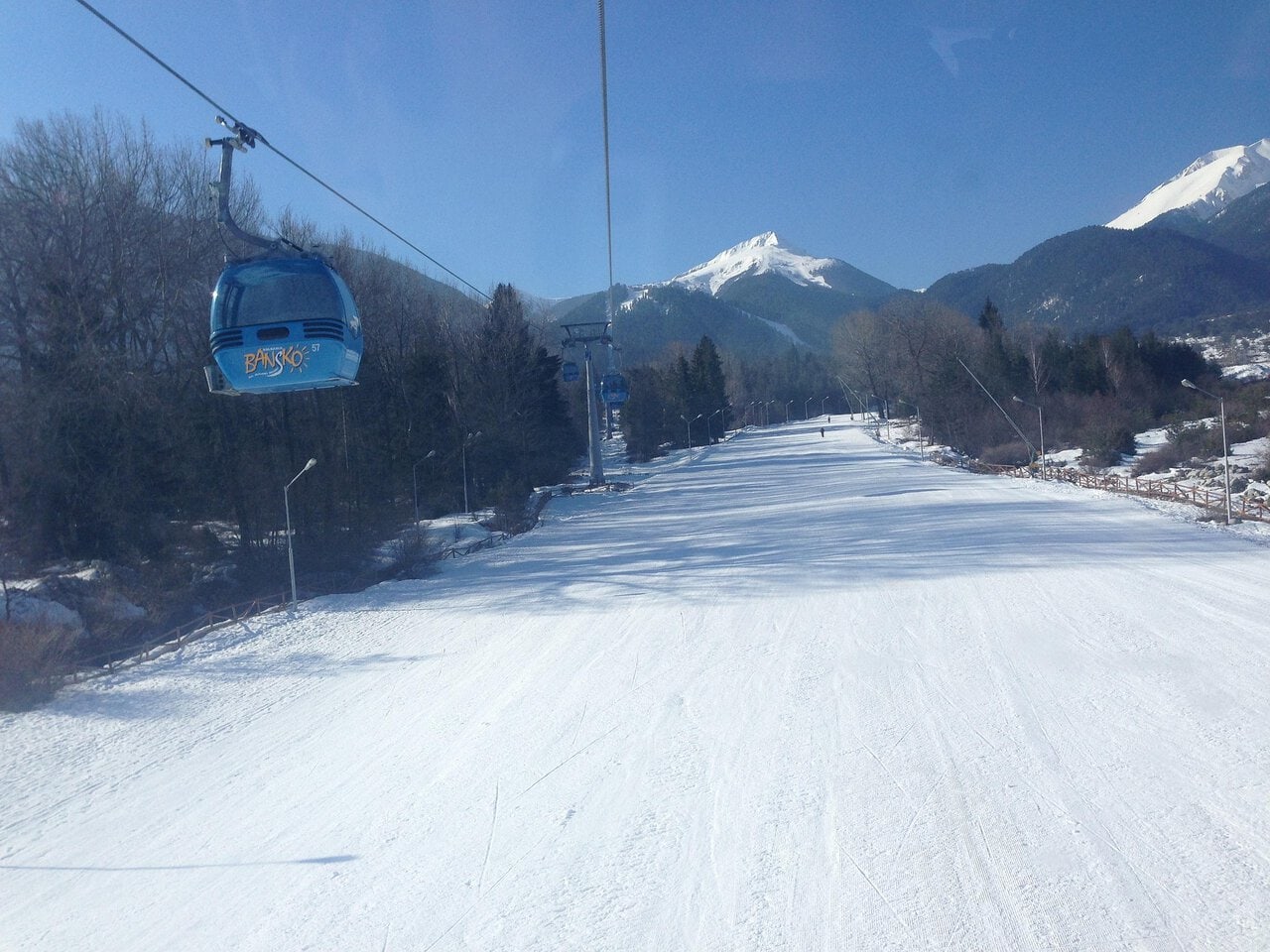
The centrepiece of the resort is the impressive Bansko Gondola, which transports skiers from the town to the main ski area. This lift has become one of the most recognisable features of Bulgarian skiing and provides rapid access to the mountain. During peak holiday periods, queues can become substantial, particularly around Christmas, New Year, and school holidays, making early starts advisable.
One of Bansko’s greatest strengths is the combination of skiing and atmosphere. Unlike many purpose-built ski resorts, Bansko remains a genuine town with centuries of history. Visitors can spend the day on the slopes before returning to traditional stone houses, historic streets, local taverns known as mehanas, and a lively après-ski scene. This combination of authenticity and modern tourism infrastructure helps distinguish Bansko from many larger European ski resorts.
Accommodation options are extensive. Visitors can choose from luxury spa hotels, modern apartment complexes, boutique guesthouses, and budget-friendly accommodation. This diversity makes Bansko particularly attractive to travellers with varying budgets.
The resort also benefits from strong snowmaking coverage. While natural snowfall remains important, extensive snowmaking helps maintain ski conditions throughout much of the season and improves reliability during warmer periods.
Access is relatively straightforward. Most international visitors arrive via Sofia Airport, located approximately 160 kilometres away. Transfer times generally range between 2½ and 3 hours, depending on road and weather conditions. Numerous shared shuttles, private transfers, and coach services operate throughout the winter season.
For visitors seeking the largest ski area, the broadest accommodation selection, and one of Europe’s strongest value-for-money ski experiences, Bansko remains Bulgaria’s flagship winter destination.
Borovets: Bulgaria’s Classic Mountain Resort
While Bansko may now be Bulgaria’s most famous ski destination, Borovets remains the country’s classic mountain resort and continues to attract visitors seeking a traditional winter holiday in the spectacular Rila Mountains.
Founded in the late nineteenth century as a royal retreat, Borovets is Bulgaria’s oldest ski resort and has played a central role in the country’s winter tourism development. Today it combines modern ski infrastructure with beautiful mountain scenery, extensive forest runs, and one of the most convenient locations of any ski resort in southeastern Europe.
The resort sits at approximately 1,350 metres above sea level, while lifts extend to elevations of around 2,550 metres. This elevation difference provides a respectable vertical drop and supports a diverse range of ski terrain. The ski area offers approximately 58 kilometres of pistes, with a strong emphasis on beginner and intermediate skiing.
One of Borovets’ defining characteristics is its forest environment. Many slopes weave through dense pine forests, creating attractive scenery and helping protect skiers from strong winds that can sometimes affect more exposed mountain terrain. During periods of fresh snowfall, the combination of snow-covered trees and mountain views creates some of Bulgaria’s most picturesque winter landscapes.
Borovets is particularly popular with families and first-time skiers. Numerous ski schools operate throughout the resort, while the relatively accessible terrain makes progression straightforward for beginners. Equipment rental, English-speaking instructors, and family-friendly facilities are widely available.
Perhaps the resort’s greatest advantage is proximity to Sofia Airport. Transfer times are typically around one hour, making Borovets one of Europe’s easiest ski resorts to reach from an international airport. Visitors can often land in Sofia and be checking into their hotel before many Alpine visitors have even completed their airport transfers.
The resort also offers a lively but generally manageable après-ski scene. Bars, restaurants, mountain huts, and entertainment venues provide plenty of evening options without the overwhelming nightlife associated with some larger European ski destinations.
For travellers seeking convenience, beautiful mountain scenery, strong beginner facilities, and easy airport access, Borovets remains one of the most attractive ski resorts in Bulgaria.
Pamporovo: Bulgaria’s Sunniest Ski Resort
Nestled in the heart of the beautiful Rhodope Mountains, Pamporovo offers a very different experience from both Bansko and Borovets. While the country’s larger resorts often focus on scale, infrastructure, and international tourism, Pamporovo has built its reputation around reliable sunshine, family-friendly skiing, spectacular scenery, and a relaxed mountain atmosphere.
The resort sits at approximately 1,620 metres above sea level beneath the iconic Snezhanka Peak, one of the most recognisable landmarks in the Rhodope Mountains. Although the ski area is smaller than Bansko, Pamporovo’s network of pistes remains substantial enough to satisfy most recreational skiers while offering a less intimidating environment for beginners and intermediates.
One of Pamporovo’s biggest selling points is its climate. The resort is frequently marketed as Bulgaria’s sunniest ski destination, with many winter days bringing clear blue skies and excellent visibility. This combination of sunshine and mountain scenery creates particularly enjoyable conditions for beginners and families who may find harsher winter weather elsewhere less appealing.
The resort offers approximately 37 kilometres of pistes, supported by a modern lift network and extensive snowmaking coverage. Beginners are particularly well catered for, with wide slopes, gentle gradients, and numerous ski schools providing instruction in multiple languages. Intermediate skiers also find plenty to enjoy, with long cruising runs and attractive forest descents throughout the mountain.
Families are among Pamporovo’s most loyal visitors. The resort’s manageable size means children are easier to supervise, while the generally relaxed atmosphere creates a less stressful environment than some larger ski destinations. Many visitors describe Pamporovo as one of the most approachable ski resorts in southeastern Europe.
Beyond skiing, the surrounding Rhodope Mountains provide some of Bulgaria’s most beautiful winter landscapes. The region is famous for its folklore, traditional villages, mountain cuisine, and cultural heritage. Visitors who venture beyond the pistes often discover a side of Bulgaria that many international tourists never experience.
Access is usually via Plovdiv Airport or Sofia Airport. Plovdiv is considerably closer, with transfer times typically around 90 minutes, while Sofia generally requires a journey of approximately 3½ to 4 hours depending on conditions.
For travellers seeking a relaxed atmosphere, excellent beginner facilities, beautiful scenery, and plenty of winter sunshine, Pamporovo remains one of the most appealing ski resorts in Bulgaria.

Vitosha: Sofia’s Local Ski Mountain
Few European capitals can claim to have a ski area rising directly above their skyline. Yet this is precisely what makes Vitosha Mountain such a unique part of the Sofia experience.
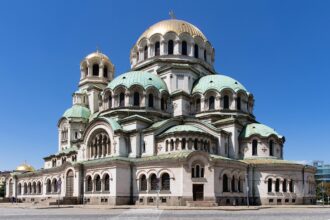
Located immediately south of Sofia, the mountain dominates the city’s skyline and provides one of the most accessible skiing opportunities anywhere in Europe. Visitors can spend the morning exploring Alexander Nevsky Cathedral, enjoying lunch in the city centre, and be standing in the snow a short time later.
Unlike Bulgaria’s larger ski resorts, Vitosha is not primarily designed for week-long ski holidays. Instead, it functions as a mountain playground for Sofia residents, day-trippers, and visitors seeking a quick introduction to Bulgarian winter sports. The result is a ski area that feels more local, more authentic, and considerably less commercial than some of the country’s larger destinations.
The mountain reaches approximately 2,290 metres, making it one of the highest points immediately accessible from a European capital. Historically, Vitosha played a hugely important role in the development of Bulgarian skiing and remains deeply connected to Sofia’s outdoor culture.
Snow conditions can vary significantly from year to year, and infrastructure challenges have occasionally limited operations. As a result, Vitosha should not necessarily be viewed as a substitute for Bansko or Borovets. However, when conditions are favourable, it offers a unique opportunity to ski virtually on the doorstep of a major city.
Even when skiing conditions are limited, Vitosha remains one of Sofia’s greatest winter attractions. Visitors can enjoy snow-covered forests, winter hiking trails, panoramic viewpoints, mountain huts, and spectacular views across the city and surrounding countryside.
The mountain is particularly attractive for travellers spending Christmas in Sofia or enjoying a short winter city break. Instead of committing to a full ski holiday, visitors can simply add a mountain excursion to their itinerary and experience Bulgaria’s winter landscapes without leaving the capital region.
For travellers with limited time, Vitosha provides something genuinely unusual: the chance to combine a European city break with mountain scenery and winter recreation on the same day.
Chepelare and Bulgaria’s Smaller Ski Resorts
While Bansko, Borovets, and Pamporovo dominate international attention, Bulgaria’s smaller ski areas continue to attract visitors looking for quieter slopes, lower prices, and a more local experience.
The most significant of these is Chepelare, located in the Rhodope Mountains not far from Pamporovo. Despite its relatively modest size, Chepelare enjoys an excellent reputation among Bulgarian skiers and offers some of the country’s best value skiing.
The resort centres around the Mechi Chal Ski Area, which features modern lift infrastructure, reliable snowmaking, and a respectable vertical drop. The slopes are particularly well suited to intermediate skiers and those seeking a more relaxed environment away from the crowds that can occasionally affect larger resorts during peak periods.
One of Chepelare’s greatest strengths is atmosphere. The town itself remains largely focused on local life rather than international tourism, giving visitors a more authentic insight into mountain Bulgaria. Accommodation is generally affordable, restaurants are welcoming, and the pace of life is noticeably slower than in some larger resorts.
Another interesting destination is Dobrinishte, located close to Bansko in the Pirin Mountains. Although much smaller than its famous neighbour, Dobrinishte appeals to visitors looking for a quieter experience and lower prices. The area is also known for its natural mineral springs, allowing visitors to combine skiing with spa experiences.
Several additional mountain areas throughout Bulgaria offer smaller-scale winter sports opportunities. While these destinations lack the extensive lift systems of the country’s major resorts, they continue to play an important role in domestic winter tourism and can provide excellent value for experienced travellers willing to explore beyond the main tourist circuit.
For visitors seeking solitude, affordability, and a stronger connection to local mountain culture, Bulgaria’s smaller ski resorts offer a compelling alternative to the country’s better-known destinations.
Which Bulgarian Ski Resort Is Right for You?
Choosing between the various ski resorts in Bulgaria depends largely on your priorities, skiing ability, budget, and travel style. Each resort offers a different experience, and understanding these differences can help ensure you select the right destination.
For visitors seeking the largest ski area and the broadest range of facilities, Bansko remains the obvious choice. Its extensive lift network, large accommodation stock, lively après-ski scene, and international reputation make it the country’s flagship winter resort. Intermediate skiers in particular tend to find Bansko highly rewarding.
Travellers looking for the easiest access from Sofia Airport often favour Borovets. With transfer times of around one hour, it offers exceptional convenience while still providing substantial skiing and attractive mountain scenery. Families and first-time skiers frequently find Borovets particularly appealing.
Those prioritising beginners’ facilities and a relaxed atmosphere are often drawn to Pamporovo. The combination of wide slopes, ski schools, sunny weather, and family-friendly infrastructure makes it one of the most approachable ski destinations in southeastern Europe.
Visitors planning a winter city break in Sofia may prefer Vitosha, which allows them to experience skiing and mountain scenery without leaving the capital region. While not a substitute for a full ski holiday, it provides a unique and highly convenient winter experience.
Travellers seeking a quieter and more authentic mountain environment may find Chepelare or Dobrinishte more appealing. These smaller resorts lack the scale of Bulgaria’s major destinations but compensate with affordability, charm, and a stronger local character.
The good news is that Bulgaria offers something for almost every type of winter traveller. Whether you’re looking for your first ski holiday, a family break, an affordable alternative to the Alps, or a combination of skiing and cultural sightseeing, there is almost certainly a Bulgarian ski resort that fits the bill.
Search flights and useful route combinations for your trip.
View flightsUse an eSIM to get online without hunting for a local SIM after arrival.
See eSIM optionsArrange a private airport pickup for your trip to Bulgaria.
Check transfersSkiing Costs in Bulgaria
One of the biggest reasons that international visitors choose ski resorts in Bulgaria is simple: value for money. While skiing has become increasingly expensive across much of Europe, Bulgaria continues to offer one of the most affordable ways to enjoy a winter sports holiday without sacrificing modern facilities or quality mountain scenery.
The difference becomes obvious when comparing overall holiday costs. In many French, Swiss, or Austrian resorts, visitors can spend hundreds of euros per day on accommodation, lift passes, meals, and equipment. In Bulgaria, the same budget often stretches significantly further, allowing travellers to stay longer, upgrade their accommodation, or enjoy additional activities during their trip.
Lift passes are typically among the biggest savings. Resorts such as Bansko, Borovets, and Pamporovo generally offer considerably lower prices than comparable Alpine destinations. An adult one-day lift pass in Bansko costs around BGN 115 (£51 / $64 / €59) for the 2025/26 season, while Borovets and Pamporovo are priced similarly, at around BGN 100 (£44 / $55 / €51) and BGN 98 (£44 / $54 / €50) respectively for an adult day pass. Prices vary each season, but visitors are often surprised by how affordable multi-day passes remain compared with Western Europe.
Equipment rental also tends to represent excellent value. Most major resorts provide extensive rental facilities offering skis, snowboards, boots, helmets, poles, and winter equipment. Visitors who do not own equipment can usually hire everything they need without dramatically increasing the overall holiday cost.
Ski lessons remain another area where Bulgaria performs particularly well. Private instruction and group lessons are generally much cheaper than in many Alpine resorts, making Bulgaria an excellent destination for beginners or families introducing children to skiing for the first time.
Accommodation offers perhaps the widest range of options. Visitors can choose from luxury spa hotels, ski-in ski-out properties, traditional guesthouses, modern apartments, and budget-friendly family-run accommodation. Even during peak periods such as Christmas, New Year, and February half-term, prices often remain competitive.
Food and drink provide additional savings. Traditional Bulgarian restaurants, mountain huts, and resort cafés typically offer generous portions and excellent value. Visitors can enjoy hearty mountain meals, local wine, and traditional dishes without encountering the inflated prices often found in some European ski destinations.
| Expense Category | Bulgaria | Alps Comparison |
|---|---|---|
| Lift Passes | Lower | Higher |
| Equipment Rental | Lower | Higher |
| Ski Lessons | Much Lower | Higher |
| Accommodation | Lower | Higher |
| Dining | Lower | Higher |
| Airport Transfers | Lower | Higher |
This combination of affordable skiing, modern facilities, and attractive mountain scenery explains why Bulgaria has become increasingly popular with families, first-time skiers, and travellers looking for a better-value alternative to the Alps.
Bansko: Reaching Bulgaria’s Premier Ski Destination
For most international visitors, the journey to Bansko begins at Sofia Airport, which serves as the principal gateway to Bulgaria’s winter sports industry. Located in the spectacular Pirin Mountains, approximately 160 kilometres south of Sofia, Bansko has become the country’s largest and most internationally recognised ski resort. Although the transfer is longer than for Borovets, the reward is access to Bulgaria’s largest ski area, extensive accommodation choices, and one of southeastern Europe’s most developed winter tourism destinations.
The vast majority of visitors travel by road. During the winter season, a huge network of shared ski shuttles, private airport transfers, package-holiday coaches, and hotel-operated transfer services connects Sofia Airport with Bansko. Journey times typically range between 2½ and 3 hours, although heavy snowfall, holiday traffic, and weekend arrivals can occasionally extend this slightly. Many visitors choose pre-booked transfers because they eliminate the complexity of navigating unfamiliar mountain roads during winter conditions.
Independent travellers can also reach Bansko by long-distance coach. Services operate from both Sofia Central Bus Station and Sofia Airport, with coaches running directly to Bansko throughout much of the year. The journey generally takes around 3 hours and remains one of the most economical ways to reach the resort. Upon arrival, most hotels can be reached by a short taxi journey or on foot.
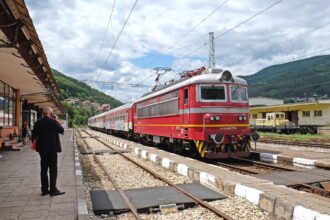
Rail travellers have a particularly interesting option. While there is no direct mainline railway to Bansko, the resort sits on the remarkable Septemvri–Dobrinishte Narrow Gauge Railway, one of Europe’s most scenic mountain railways. Travellers first take a standard train from Sofia Central Station to Septemvri, before transferring onto the narrow-gauge line towards Bansko and Dobrinishte. The journey passes through dramatic mountain scenery, forests, deep valleys, and the famous Avramovo Station, which at approximately 1,267 metres above sea level is the highest railway station in the Balkans.
The railway journey is significantly slower than travelling by road, often taking 5 to 6 hours in total from Sofia. However, for railway enthusiasts and travellers seeking a more memorable approach to the mountains, it is one of Bulgaria’s most distinctive transport experiences.
Visitors choosing to drive benefit from improving road infrastructure. Much of the journey follows the modern A3 Struma Motorway before continuing through mountain roads towards the resort. Winter tyres are essential, and drivers should remain aware that conditions can change rapidly during periods of heavy snowfall.
Despite being the furthest of Bulgaria’s major ski resorts from Sofia Airport, Bansko remains remarkably accessible. The combination of airport transfers, coaches, railway connections, and road access means visitors have multiple options depending on budget, travel style, and time available.

Plan Your Bulgaria Bus Journey with Busbud
Planning a bus or coach journey involving Bulgaria? Busbud lets you compare routes, departure times and ticket options from different operators in one place.
It can make planning easier when several companies serve the same route or when local booking systems are unfamiliar.
Borovets: The Closest Major Ski Resort to Sofia
Among all the ski resorts in Bulgaria, none is easier to reach than Borovets. Situated in the magnificent Rila Mountains, approximately 70 kilometres south of Sofia, the resort offers one of the shortest airport-to-slope transfer times anywhere in Europe. For visitors arriving on a weekend break or a short ski holiday, this convenience is one of Borovets’ biggest advantages.
Most travellers arrive through Sofia Airport, which handles direct flights from across Europe throughout the winter season. Once through arrivals, visitors can typically reach Borovets within one hour, allowing them to spend less time travelling and more time enjoying the slopes. Shared ski shuttles operate throughout the day, while private transfers provide the quickest and most comfortable option.
Coach travel is also possible. While there is no dedicated airport coach operating directly to the resort, visitors can travel via Sofia’s transport network and continue towards the mountain region using local and regional bus services. In practice, however, most visitors find shared transfer services significantly more convenient.
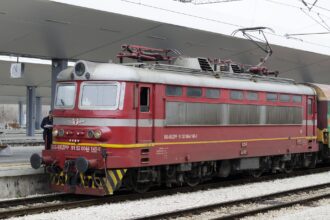
Rail travellers have one of Bulgaria’s most practical ski rail journeys available. Regular trains operate from Sofia Central Station to Kostenets, located on the important rail corridor linking Sofia with Plovdiv, Burgas, and Varna. The train journey usually takes around one hour, after which taxis and local transfers complete the remaining 25 to 30-kilometre journey into Borovets.
Although the rail-and-taxi combination requires an additional transfer, it remains one of the easiest ways to reach a Bulgarian ski resort without hiring a car. For environmentally conscious travellers, Interrail users, and railway enthusiasts, it is arguably the most practical rail-based ski trip in the country.
The road journey itself is straightforward. Travellers leave Sofia and gradually climb into the Rila Mountains, passing forests, mountain scenery, and increasingly dramatic landscapes. Even before reaching the resort, the journey helps create a sense of entering Bulgaria’s winter wilderness.
Borovets’ accessibility is one of the main reasons it remains so popular with families, first-time skiers, and short-break visitors. Few ski resorts in Europe allow travellers to land at a major international airport and be checking into a mountain hotel so quickly.
Pamporovo: Journeying into the Heart of the Rhodope Mountains
Among Bulgaria’s major ski destinations, Pamporovo feels the most remote and the most distinctly different. Located deep within the beautiful Rhodope Mountains, the resort is surrounded by dense forests, rolling peaks, traditional villages, and some of the country’s most picturesque mountain scenery. For many visitors, the journey to Pamporovo feels less like a transfer and more like the beginning of the holiday itself.
Unlike Bansko and Borovets, which both benefit from relatively straightforward access from Sofia, reaching Pamporovo requires a little more planning. The reward, however, is a resort that many travellers consider to be one of Bulgaria’s most scenic and relaxed winter destinations.
The closest airport is Plovdiv Airport, situated approximately 70 kilometres away. During the winter season, charter flights frequently operate from various European cities, allowing visitors to reach the resort in around 90 minutes after landing. For travellers able to find suitable flights, this is by far the easiest and fastest route into the mountains.
However, many international visitors arrive through Sofia Airport, which offers a far wider range of year-round international connections. The journey from Sofia covers approximately 230 kilometres and generally takes between 3½ and 4 hours, depending on weather and road conditions. Most visitors use shared ski shuttles, organised package-holiday transfers, or private transfer services, all of which operate extensively throughout the winter season.
Road travel remains the dominant form of transport. As visitors leave Sofia behind, the landscape gradually changes from urban development to rolling countryside before eventually entering the dramatic scenery of the Rhodope Mountains. The final section of the journey winds through forests, mountain valleys, and traditional settlements, providing a fitting introduction to one of Bulgaria’s most beautiful regions.
Travellers using public transport can reach Pamporovo without a car, although the journey requires more effort. Regular trains connect Sofia and Plovdiv, while onward coach services continue towards Smolyan, the principal town of the region. From there, local buses and taxis provide access to Pamporovo itself. Although perfectly possible, most winter visitors find transfers considerably easier.
One of the advantages of Pamporovo’s location is that it remains relatively free from the congestion sometimes experienced in larger ski destinations. Even during busy holiday periods, the journey into the resort often feels calmer and less hectic than routes serving some of Europe’s more famous mountain regions.
For travellers seeking sunshine, scenery, and a more relaxed ski atmosphere, the journey into the Rhodope Mountains forms an important part of the Pamporovo experience.
Vitosha: Sofia’s Mountain Playground
Few ski destinations anywhere in Europe enjoy a setting quite like Vitosha Mountain. Rising dramatically above Sofia, the mountain dominates the capital’s skyline and provides an extraordinary opportunity to combine urban sightseeing with winter sports and mountain scenery.
Unlike Bansko, Borovets, or Pamporovo, Vitosha is not primarily a resort destination. Instead, it serves as Sofia’s local mountain, attracting skiers, snowboarders, hikers, cyclists, and outdoor enthusiasts throughout the year. For visitors spending time in the capital, the ability to escape into the mountains within a matter of minutes remains one of Sofia’s greatest strengths.
Reaching Vitosha is remarkably straightforward. Visitors staying near Vitosha Boulevard, Serdika, Alexander Nevsky Cathedral, or other central districts can normally reach the mountain foothills within 20 to 30 minutes using public transport, taxi services, or ride-hailing apps. Depending on traffic and weather conditions, some mountain access points are closer to the city centre than many suburban districts.
Public transport provides one of the easiest options. Sofia’s bus network extends towards the mountain, allowing visitors to travel from the city centre to key access points without requiring a car. During busy winter periods, these services are particularly popular with local residents heading into the mountains for the day.
Taxis and ride-hailing services offer even greater convenience. Many visitors simply travel directly from their hotel to the mountain, avoiding the need to navigate public transport entirely. Compared with many Western European capitals, taxi fares remain relatively affordable, making this a realistic option for many travellers.
Visitors arriving at Sofia Airport are also surprisingly close to the mountain. Depending on traffic, it is entirely possible to travel from the airport to parts of Vitosha faster than some travellers reach the centres of major European cities.
While skiing infrastructure on Vitosha has faced challenges over the years, the mountain remains hugely important as a winter recreation area. Even visitors with no intention of skiing often head into the mountains to enjoy winter walks, snow-covered forests, panoramic viewpoints, and spectacular views across Sofia and beyond.
The mountain’s greatest advantage is flexibility. Travellers can spend the morning exploring Roman ruins, Orthodox cathedrals, and Christmas markets before enjoying snowy mountain scenery later the same day. Very few European capitals offer such a seamless transition between city life and mountain wilderness.
For visitors seeking a winter city break rather than a dedicated ski holiday, Vitosha provides one of Sofia’s most unique and rewarding experiences.
Beyond the Big Three: Exploring Chepelare and Dobrinishte
While international visitors tend to focus on Bansko, Borovets, and Pamporovo, Bulgaria’s smaller ski destinations offer a very different perspective on winter travel in the country. Resorts such as Chepelare and Dobrinishte may lack the scale of their larger competitors, but they compensate with authenticity, affordability, and a noticeably quieter atmosphere.
Chepelare is located in the beautiful Rhodope Mountains, approximately 10 kilometres south of Pamporovo. The town is home to the Mechi Chal Ski Area, which offers modern facilities, reliable snowmaking, and some excellent intermediate terrain. Unlike larger resorts that can become crowded during peak holiday periods, Chepelare often feels considerably more relaxed.
Most visitors reach Chepelare via Plovdiv Airport or Sofia Airport, using the same road network that serves Pamporovo. Private transfers, rental cars, and regional coach services provide the easiest access. Travellers using public transport can take trains to Plovdiv before continuing by bus into the Rhodope region.
The town itself remains far more local than Bulgaria’s major ski resorts. Traditional restaurants, lower accommodation prices, and a stronger connection to everyday Bulgarian life give Chepelare a character that many experienced travellers find particularly appealing.
Dobrinishte offers something even more unusual. Located just beyond Bansko in the Pirin Mountains, it combines skiing with thermal mineral springs, creating a destination that appeals to visitors seeking both winter sports and relaxation.
What makes Dobrinishte especially interesting is its railway connection. The town sits at the end of the famous Septemvri–Dobrinishte Narrow Gauge Railway, meaning visitors can reach it entirely by rail. Travellers journey from Sofia to Septemvri, transfer onto the narrow-gauge railway, and continue through some of Bulgaria’s most spectacular mountain scenery before arriving in Dobrinishte itself.
Although the journey is considerably slower than travelling by road, it remains one of the most distinctive ways to reach a ski destination anywhere in southeastern Europe. Railway enthusiasts often regard the route as a highlight of the trip rather than merely a means of transport.
For visitors willing to look beyond Bulgaria’s largest resorts, destinations such as Chepelare and Dobrinishte reveal a quieter and often more authentic side of the country’s mountain tourism industry. They may not offer the biggest ski areas, but they provide experiences that are increasingly difficult to find in many of Europe’s larger and more commercialised ski destinations.
Compare hostels and lower-cost places to stay in Bulgaria.
Search hostelsGet help with compensation, eligible lounge access and disruption support.
Explore AirHelp+Arriving before check-in or leaving later? Store your luggage and make more of your time in Bulgaria.
Store your bagsWhen Is Ski Season in Bulgaria?
The Bulgarian ski season typically runs from December through March, although exact conditions vary depending on snowfall, temperatures, and individual resort elevations.
December marks the beginning of the season and often coincides with the festive holiday period. Resorts work intensively to prepare slopes, activate snowmaking systems, and welcome Christmas and New Year visitors. Early-season conditions can vary, but the combination of natural snowfall and artificial snowmaking usually allows the main resorts to open substantial portions of their ski areas.
January is often considered one of the best months for skiing in Bulgaria. Cold temperatures help preserve snow conditions, while post-New Year crowds frequently decline. Visitors often enjoy quieter slopes, reliable snow cover, and excellent winter scenery throughout the mountains.
February generally represents the peak of the season. Snow depth is often at its best, daylight hours begin increasing, and skiing conditions are frequently excellent. School holidays across Europe can increase visitor numbers, particularly in the larger resorts.
Many experienced visitors favour March. Although temperatures begin rising, snow cover often remains good at higher elevations, while longer daylight hours and warmer weather create particularly enjoyable skiing conditions. March can offer an excellent balance between snow reliability and comfort.
The country’s major resorts also benefit from extensive snowmaking systems. While natural snowfall remains important, modern infrastructure helps maintain conditions throughout much of the season and improves reliability during milder periods.
Visitors seeking the highest probability of strong snow conditions generally focus on January, February, and early March, although Christmas and New Year remain hugely popular despite occasionally more variable early-season weather.
Christmas and New Year Ski Holidays in Bulgaria
The festive period is one of the most magical times to experience ski resorts in Bulgaria. Snow-covered mountains, decorated hotels, Christmas markets, traditional Bulgarian celebrations, and winter scenery combine to create a memorable holiday atmosphere.
Resorts such as Bansko, Borovets, and Pamporovo become particularly lively throughout December. Hotels decorate extensively, restaurants introduce festive menus, and seasonal events create a welcoming atmosphere for visitors arriving from across Europe.
For many travellers, Bulgaria offers an appealing alternative to expensive Alpine Christmas holidays. Families can often enjoy comfortable accommodation, skiing, festive meals, and seasonal entertainment for significantly less than they might pay in some of Europe’s most famous ski destinations.
Christmas also provides a fascinating opportunity to experience Bulgarian festive traditions. Local celebrations, Orthodox customs, seasonal foods, and cultural events add a distinctive flavour that differs from the Christmas experiences found elsewhere in Europe.
The proximity of Sofia creates additional possibilities. Visitors can combine several days of skiing with a stay in the capital, enjoying Christmas markets, Alexander Nevsky Cathedral, festive lights, winter shopping, and cultural attractions before or after heading to the mountains. This combination of city break and ski holiday is one of Bulgaria’s unique strengths.
New Year celebrations are particularly popular. Many resorts host special events, fireworks displays, gala dinners, live music, and festive entertainment. The atmosphere tends to be lively without feeling overwhelmingly crowded, creating an enjoyable balance for many visitors.
For travellers seeking a winter holiday that combines skiing, mountain scenery, Christmas atmosphere, and excellent value, Bulgaria remains one of Europe’s most underrated festive destinations. The combination of affordable prices, modern resorts, and genuine local traditions creates a winter experience that feels both distinctive and rewarding.

Rupert’s Handy Travel Tips
Thinking about hitting the slopes in Bulgaria? Rupert has spent plenty of time researching the country’s ski resorts and has a few practical tips that can save both money and frustration.
- Choose Borovets for an easy first trip: its short transfer from Sofia Airport means you can often be on the slopes within a couple of hours of landing.
- Pick Bansko for scale: it remains Bulgaria’s flagship ski resort, with the biggest ski area and the widest choice of hotels, restaurants, and nightlife.
- Choose Pamporovo for families and beginners: its gentle slopes, ski schools, and reputation for sunny weather make it particularly welcoming for newer skiers.
- Hire your ski kit locally: ski hire in Bulgaria is affordable enough that renting locally is usually the easier option rather than bringing your own equipment.
- Book early for Christmas and New Year: accommodation and airport transfers sell out fastest during these and the European school-holiday weeks.
- Add a night in Sofia: the combination of Christmas markets, historic attractions, mountain views, and easy airport access makes it one of Europe’s most underrated winter city breaks.
Rupert’s verdict: Bulgaria won’t replace the Alps for everyone, but if you’re looking for reliable skiing, modern resorts, shorter queues, and excellent value for money, it’s one of the smartest winter travel choices in Europe.
Want to learn more about Rupert? Visit our Who is Rupert? page.




Frequently Asked Questions About Ski Resorts in Bulgaria
Is Bulgaria good for skiing?
Yes. Bulgaria has become one of Europe’s most popular value-for-money ski destinations thanks to modern resorts, reliable snowmaking, affordable prices, and easy access from major European airports. Resorts such as Bansko, Borovets, and Pamporovo attract hundreds of thousands of international visitors every winter and offer facilities that compare favourably with many more expensive destinations.
What is the biggest ski resort in Bulgaria?
Bansko is the largest and most developed ski resort in Bulgaria. Located in the spectacular Pirin Mountains, it offers approximately 75 kilometres of pistes, modern lifts, extensive snowmaking infrastructure, and one of the country’s strongest après-ski scenes.
Is Bansko better than Borovets?
The answer depends on your priorities. Bansko offers a larger ski area, more accommodation choices, and a bigger international reputation. Borovets, however, benefits from a much shorter transfer from Sofia Airport, beautiful forest skiing, and a more compact layout. Many first-time visitors prefer Borovets, while experienced skiers often favour Bansko.
Which Bulgarian ski resort is best for beginners?
Both Borovets and Pamporovo are excellent choices for beginners. Pamporovo is particularly well known for its gentle slopes, extensive ski schools, and relaxed atmosphere, while Borovets offers excellent learning facilities and easy access from Sofia.
Which Bulgarian ski resort is best for families?
Borovets and Pamporovo are often considered the strongest family options. Both offer beginner-friendly terrain, ski schools, family accommodation, and a generally relaxed atmosphere. Pamporovo’s sunny weather is particularly popular with families travelling with younger children.
Does Bulgaria get enough snow for skiing?
Yes. Bulgaria’s mountain ranges receive regular snowfall throughout the winter season. In addition, the major resorts have invested heavily in snowmaking systems, helping maintain ski conditions throughout much of the season even when natural snowfall is limited.
When is the best time to ski in Bulgaria?
For the best combination of snow conditions and resort operations, most visitors choose January, February, or early March. February is often considered the most reliable month for snow cover, while March can provide longer days and more comfortable temperatures.
Which airport should I use for Bulgarian ski resorts?
Most international visitors use Sofia Airport, which serves both Borovets and Bansko. Travellers heading to Pamporovo may also consider Plovdiv Airport, which is closer to the resort but offers fewer international connections.
Can you ski as a day trip from Sofia?
Yes. Vitosha Mountain sits directly above the city and provides the easiest skiing access from Sofia. Borovets can also be visited as a day trip thanks to transfer times of approximately one hour from the capital.
Is skiing in Bulgaria cheaper than Austria or France?
Almost always. Visitors generally find that lift passes, equipment rental, ski lessons, accommodation, food, and airport transfers are significantly cheaper than in many Alpine resorts, making Bulgaria one of Europe’s strongest value ski destinations.

Further Reading & Related Guides
If you’re planning a Bulgarian winter holiday, our Christmas in Sofia Guide explains why the capital has become one of Europe’s most underrated festive city-break destinations. Visitors arriving by air should also read our Sofia Airport Transfers Guide, which explains the various transport options available from Bulgaria’s busiest airport.
Bulgaria is one of Europe’s best-value ski destinations, but every resort offers a different experience. If you’re still weighing up your options, our European Ski Resorts Guide compares the continent’s leading ski areas, from the affordable slopes of Bansko and Borovets to the world-famous resorts of the Alps.
Travellers combining skiing with wider exploration can continue with our Best Things To Do In Sofia Guide, How to Get from Sofia to Plovdiv Guide, and International Rail Connections to Bulgaria Guide. Rail enthusiasts may also find our International Rail Connections to Bulgaria Guide and Night Trains in Bulgaria Guide useful when planning winter journeys across the country.