Reviewed by our editorial team Updated
Christmas in Sofia: A Festive City Break in the Heart of the Balkans
Christmas in Sofia offers a completely different experience from the crowded festive capitals of Vienna, Prague, and Budapest. While those cities attract millions of visitors every winter, Bulgaria’s capital remains one of Europe’s most underrated Christmas destinations. Visitors can enjoy Christmas markets, festive lights, seasonal food, historic landmarks, mountain scenery, and even skiing, often at a fraction of the cost found elsewhere on the continent.
One of Sofia’s greatest strengths is the variety of experiences available within a remarkably compact area. During a single day, visitors can browse festive market stalls in the city centre, admire the magnificent Alexander Nevsky Cathedral, enjoy traditional Bulgarian Christmas dishes, explore museums and historic sites, and then escape to the nearby Vitosha Mountains for winter scenery and fresh mountain air. Few European capitals offer such an easy combination of Christmas atmosphere, history, and outdoor adventure.
The city also feels noticeably more authentic than many of Europe’s famous Christmas destinations. Rather than existing primarily for tourists, much of festive Sofia revolves around local traditions, family celebrations, church services, seasonal food, and community events. Visitors often find themselves sharing cafés, restaurants, Christmas markets, and festive attractions with local residents rather than simply joining a tourist crowd.
Another major advantage is affordability. Compared with destinations such as Vienna, Munich, Salzburg, or Prague, accommodation, dining, transport, and entertainment costs remain relatively reasonable throughout December. This allows travellers to enjoy a longer festive break without the high prices often associated with Europe’s most famous Christmas cities.
For travellers seeking a winter destination that combines Christmas markets, historic attractions, Bulgarian culture, and easy access to mountain scenery, Sofia at Christmas is one of Europe’s best-kept festive secrets.
Christmas in Sofia at a Glance
| Category | Information |
|---|---|
| Country | Bulgaria |
| Currency | Euro (EUR) |
| Airport | Sofia Airport |
| Christmas Market Season | Late November to Late December |
| Average December Temperature | -2°C to 7°C |
| Daylight Hours | Approximately 9 Hours |
| Main Christmas Market Area | Sofia City Centre |
| Snowfall Possible | Yes |
| Nearby Ski Resorts | Vitosha, Borovets, Bansko |
| Recommended Stay | 3–5 Days |
Winter in Sofia can be cold, but the seasonal weather is a major part of the city’s festive appeal. December often brings frosty mornings, crisp evenings, occasional snowfall, and clear winter skies that create a particularly atmospheric setting for exploring the city.
Visitors should be prepared for temperatures that frequently drop below freezing overnight, especially during the second half of December. Warm clothing, gloves, and suitable footwear are highly recommended, particularly if you plan to spend evenings exploring the markets or visiting nearby mountain areas.
The festive season generally begins in late November when Christmas decorations start appearing throughout the city centre. Markets, seasonal events, festive displays, and winter attractions continue throughout December before culminating in Christmas and New Year celebrations.
One of the most attractive aspects of Christmas holidays in Sofia is the balance between atmosphere and affordability. Hotels, restaurants, attractions, and transport services generally remain significantly cheaper than many comparable Christmas destinations in Western and Central Europe, allowing visitors to enjoy a festive city break without stretching their travel budget.
Compare hotels and other places to stay in Sofia.
Check availabilityExplore holiday homes and apartments around Sofia.
See holiday homesSee hotel prices from multiple booking sites in one search.
Compare ratesBulgarian Christmas Traditions, Public Holidays and Seasonal Customs
One of the most rewarding aspects of spending Christmas in Sofia is experiencing a festive season that feels both familiar and distinctly different. Visitors will recognise many of the traditional elements associated with Christmas across Europe, including decorated streets, festive markets, illuminated public squares, Christmas trees, seasonal food, and gift-giving. However, Bulgaria also preserves a number of unique customs and traditions that reflect the country’s rich cultural heritage and strong connection to the Bulgarian Orthodox Church.
Although Bulgaria is an Orthodox Christian country, Christmas is celebrated on 25 December, aligning with the date used throughout most of Europe. However, many of the traditions surrounding the holiday differ significantly from those found in countries such as the United Kingdom, Germany, or France. For many Bulgarian families, the most important celebration takes place not on Christmas Day itself but on Christmas Eve, known locally as Badni Vecher.
Traditionally, families gather on the evening of 24 December for a special meal that carries deep religious and cultural significance. The meal is usually meat-free and often consists of an odd number of dishes, with common foods including beans, stuffed peppers, walnuts, bread, rice dishes, dried fruits, and seasonal pastries.
Each item carries symbolic meaning connected to prosperity, health, fertility, or good fortune for the year ahead. Even today, many Bulgarian households continue to observe these traditions, making Christmas Eve one of the most important family occasions of the year.
One of Bulgaria’s best-known festive foods is Banitsa, a delicious pastry made from layers of filo dough and cheese. During the Christmas and New Year period, special festive versions of banitsa often contain small fortunes, lucky charms, or handwritten wishes hidden inside. Family members eagerly search for these surprises, believing they can predict good luck, success, health, or happiness during the coming year. Visitors travelling during the festive season will often find banitsa available in bakeries, restaurants, Christmas markets, and cafés throughout Sofia.
Another unique tradition is the custom of the Koledari. Historically, groups of young men would travel from house to house during the Christmas period singing traditional songs, offering blessings, and wishing prosperity upon local families. In return, households would offer food, drink, and gifts. While this practice is less common in modern urban areas than it once was, elements of the tradition can still be seen during cultural performances, village celebrations, and seasonal events throughout Bulgaria.
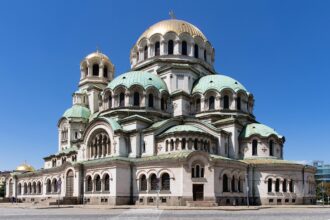
Religion also remains an important part of Christmas for many Bulgarians. Throughout December, churches across Sofia hold services and special events, culminating in Christmas Eve and Christmas Day celebrations. The magnificent Alexander Nevsky Cathedral becomes particularly atmospheric during the festive season, with worshippers, visitors, and photographers gathering beneath its famous golden domes. Even travellers with no religious interest often find the cathedral one of the most memorable places to visit during Christmas week.
Visitors should also be aware of Bulgaria’s Christmas public holidays. 24 December (Christmas Eve), 25 December (Christmas Day), and 26 December (Second Day of Christmas) are all public holidays. During this period, government offices, banks, and many smaller local businesses may close or operate reduced hours. However, Sofia remains one of the more visitor-friendly European capitals during Christmas itself. Major hotels, restaurants, shopping centres, and tourist areas generally continue operating, while Christmas markets and festive attractions often remain active throughout much of the holiday period.
Opening hours can vary during the festive week. Many shopping centres extend their hours during the run-up to Christmas before shortening them on Christmas Eve and Christmas Day. Restaurants in central Sofia typically remain open but often become extremely busy, making advance reservations highly advisable. Museums and cultural attractions may operate reduced schedules, while public transport generally continues running on holiday timetables. The Sofia Metro remains one of the easiest ways to move around the city during the festive period.
New Year’s Day (1 January) is also a public holiday. Bulgaria’s most recent New Year period ran unusually quiet, with the government designating 31 December, 1 January and 2 January 2026 as non-working days nationwide, largely to accommodate the practical work involved in the country’s switch to the euro, meaning the first working day of 2026 fell on Monday 5 January.
Banks and cash machines typically pause for a few hours overnight as systems update to the new currency, and government offices and post offices close for the holiday. Central shopping centres, restaurants, and the Christmas market generally stay open on reduced hours through this period, though it is worth confirming times for smaller independent businesses before visiting on 1 January.
For visitors, this creates an ideal balance. Sofia retains the atmosphere of a genuine family-centred Christmas celebration while remaining accessible and welcoming to travellers. Rather than feeling like a city that exists purely for tourism, Christmas in Sofia provides a rare opportunity to experience authentic Bulgarian traditions alongside festive markets, winter attractions, seasonal food, and one of Europe’s most underrated Christmas city breaks.
Sofia Christmas Market
The centrepiece of Christmas in Sofia is the annual Sofia Christmas Market, which brings festive lights, seasonal food, Christmas gifts, and winter entertainment to the heart of the Bulgarian capital. While it is smaller than the famous markets of Vienna, Prague, or Budapest, many visitors find Sofia’s market more relaxed, less commercialised, and considerably easier to enjoy.
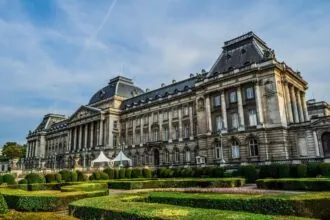
The market is traditionally held in Knyaz Alexander I Square, often referred to as the area around the former Royal Palace and close to the National Art Gallery, National Theatre Ivan Vazov, and Vitosha Boulevard. The easiest way to reach the market using public transport is via Serdika Metro Station, Sofia’s main city-centre interchange, which is approximately a 5 to 10-minute walk from the festive stalls.
Visitors arriving from Sofia Airport, Sofia Central Station, or other parts of the city can usually reach the market quickly using the Sofia Metro network.
The main stalls here form Sofia’s long-running Deutscher Weihnachtsmarkt (German Christmas Market) in front of the National Theatre, while a second, larger festive attraction, the Sofia Christmas Fest, runs separately in the gardens of the National Palace of Culture with a Ferris wheel, carousel and photo opportunities with Santa. Depending on the year, additional festive stalls and seasonal attractions may also appear in nearby parts of the city centre.
The market normally opens in late November and continues until late December, usually running through the Christmas period and sometimes extending into the New Year celebrations. Exact dates vary slightly each year, but visitors arriving between the beginning of December and Christmas Eve can generally expect the market to be operating. Confirmed dates and the wider festive programme are listed on Sofia’s official tourism site.
Opening hours typically begin during the late morning and continue into the evening, with most stalls operating until around 9pm or 10pm. The market is at its most atmospheric after sunset when thousands of festive lights illuminate the square and temperatures begin to drop. Many locals visit after work, creating a lively but generally manageable atmosphere.
Food is one of the biggest highlights. Visitors can expect stalls serving grilled meats, Bulgarian sausages, banitsa, sweet pastries, roasted nuts, festive desserts, and a variety of seasonal treats, with a typical snack such as churros or a grilled sausage costing around €2 (£1.75 / $2.20). Hot drinks including mulled wine, hot chocolate, and traditional winter beverages help visitors stay warm while exploring.
The shopping experience is focused more on local products than many larger European Christmas markets. Stalls frequently sell handmade ornaments, artisan crafts, Christmas decorations, candles, locally produced gifts, winter accessories, and Bulgarian souvenirs. For visitors looking to take home something unique, the market often provides better opportunities than the larger souvenir shops around the city.
Families will often find seasonal entertainment, festive decorations, Christmas displays, and occasionally children’s attractions depending on the year’s programme. The market’s central location also makes it easy to combine with visits to Alexander Nevsky Cathedral, Vitosha Boulevard, the National Theatre, and other major attractions.
Unlike some of Europe’s most famous Christmas markets, where overcrowding can become part of the experience, Sofia Christmas Market generally remains comfortable to explore. Visitors can browse the stalls, enjoy festive food and drinks, and soak up the atmosphere without spending most of their time navigating crowds.
For many travellers, the market becomes the focal point of a winter visit to Sofia and provides the perfect introduction to the city’s festive atmosphere.
Christmas Lights and Festive Atmosphere
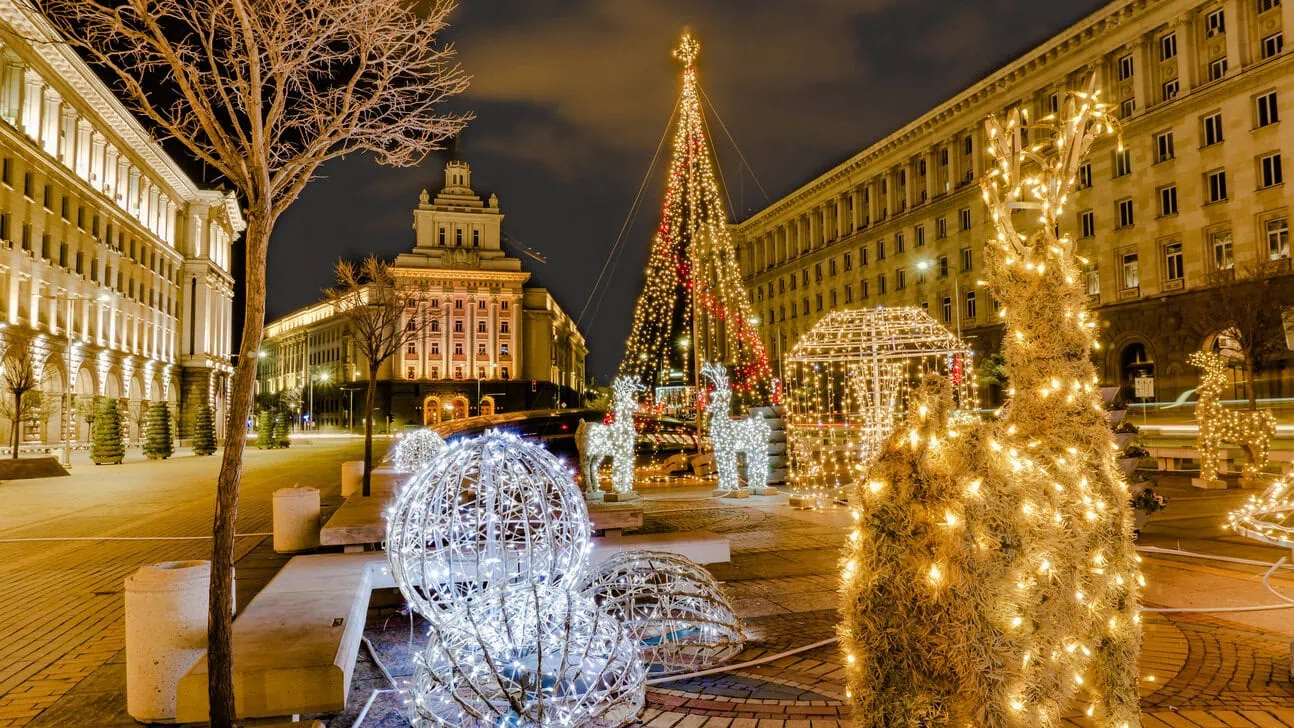
One of the greatest pleasures of Sofia at Christmas is simply exploring the city after dark. Throughout December, festive lighting transforms many of Sofia’s most famous streets, squares, landmarks, and public spaces into a winter wonderland filled with colour and seasonal charm.
The city’s festive decorations extend well beyond the Christmas market itself. Streets throughout the centre are illuminated with seasonal displays, public buildings are decorated for the holidays, and shopping districts adopt a distinctly festive appearance. Even visitors with no specific plans often find themselves enjoying long evening walks simply to experience the atmosphere.
The most impressive festive promenade is usually found along Vitosha Boulevard, Sofia’s principal pedestrian shopping street. During December, the boulevard becomes one of the city’s most attractive evening destinations. Christmas lights stretch above the street, shop windows display festive decorations, and restaurants and cafés provide warm refuges from the winter weather.
The area surrounding Alexander Nevsky Cathedral becomes particularly striking during the festive season. The cathedral is one of Bulgaria’s most important landmarks throughout the year, but winter lighting, Christmas decorations, and occasional snowfall create especially memorable scenes. Photographers will find some of Sofia’s best festive images in this part of the city.
Another favourite location is the area around the National Theatre Ivan Vazov. The elegant theatre building, surrounding gardens, illuminated trees, and nearby cafés combine to create one of Sofia’s most atmospheric evening settings. During the Christmas season, the area feels particularly festive and frequently attracts both locals and visitors.
What makes festive Sofia especially enjoyable is the way the atmosphere spreads naturally across the city rather than being confined to a single market or attraction. Visitors willing to wander through the city centre will continually discover decorated streets, illuminated buildings, seasonal displays, and unexpected festive scenes that make Christmas in Sofia feel genuinely immersive rather than staged for tourists.
Festive Food and Drink in Sofia
One of the highlights of Christmas in Sofia is the opportunity to experience traditional Bulgarian festive food. While Christmas markets and seasonal decorations attract most visitors initially, many travellers leave remembering the food just as much as the sights.
Bulgarian Christmas traditions are deeply connected to family gatherings and seasonal meals. Christmas Eve, known locally as Badni Vecher, is particularly important and traditionally features a table filled with symbolic dishes. Many Bulgarian families follow the Orthodox custom of serving a meat-free meal on Christmas Eve, with dishes often including beans, stuffed peppers, walnuts, bread, dried fruit, and seasonal pastries.
One of the most recognisable Bulgarian treats visitors may encounter during the festive season is Banitsa. This flaky pastry, made with layers of filo dough and cheese, appears throughout the year but takes on special significance during Christmas and New Year celebrations. Many families place lucky charms or fortunes inside festive banitsa, turning the meal into a fun tradition that continues into the New Year.
Another seasonal favourite is Tikvenik, a sweet pumpkin pastry that appears throughout Bulgaria during the colder months. Combining pumpkin, sugar, cinnamon, and filo pastry, it offers a distinctly festive flavour and is particularly popular during December.
Visitors exploring Sofia’s restaurants may also encounter dishes such as Kapama, a slow-cooked speciality combining meats, rice, sauerkraut, and spices. Although more commonly associated with winter than Christmas specifically, it perfectly suits Sofia’s colder weather and provides a hearty introduction to traditional Bulgarian cuisine.
The festive season is also an excellent time to try Bulgarian desserts, seasonal cakes, honey-based sweets, and locally produced chocolates. Many cafés and bakeries create special Christmas menus featuring both traditional recipes and modern festive interpretations.
Drinks are equally important. Visitors will find mulled wine available at Christmas markets and festive events throughout the city. Bulgaria’s long winemaking tradition means local wines often feature prominently during the Christmas season. Those seeking something stronger may wish to try Rakia, Bulgaria’s famous fruit brandy, which remains an integral part of many celebrations.
One of the greatest pleasures of winter in Sofia is escaping the cold and stepping into a warm traditional restaurant. Whether enjoying a festive dinner near Vitosha Boulevard, sampling pastries in a local bakery, or warming up with mulled wine at the Christmas market, food forms an essential part of the Sofia Christmas experience.
Best Things to Do in Sofia at Christmas
While the Christmas market attracts much of the attention, visitors will find that Sofia at Christmas offers far more than festive shopping. The city’s rich history, cultural attractions, religious landmarks, and winter atmosphere create countless opportunities for sightseeing throughout December.
No visit is complete without seeing Alexander Nevsky Cathedral, one of the most recognisable landmarks in the Balkans. The cathedral’s enormous golden domes dominate Sofia’s skyline and become particularly impressive during the festive season. Winter light, seasonal decorations, and occasional snowfall create some of the city’s most memorable photographs.
Another essential stop is the National Theatre Ivan Vazov, widely regarded as Sofia’s most beautiful building. The surrounding gardens remain pleasant even during winter, while the illuminated theatre creates a striking focal point during evening walks through the city centre.
Visitors interested in history should explore Saint Sofia Basilica, the landmark that gave the city its name. Nearby archaeological remains reveal layers of Roman, Byzantine, and medieval history that demonstrate just how old Sofia truly is.
The pedestrian-friendly Vitosha Boulevard becomes especially enjoyable during the Christmas season. Lined with shops, restaurants, cafés, and festive decorations, it serves as Sofia’s main social hub and offers an ideal location for leisurely winter strolls.
Museums provide an excellent alternative when temperatures drop. The National History Museum, National Archaeological Museum, and Regional History Museum Sofia all offer fascinating insights into Bulgaria’s past while providing welcome warmth during colder days.
December is also an excellent time to explore Sofia’s churches and religious heritage. Alongside Alexander Nevsky Cathedral, visitors can discover the historic Church of Saint George Rotunda, one of the oldest surviving buildings in the city, and numerous Orthodox churches decorated for the festive season.
For those willing to venture slightly beyond the city centre, Boyana Church, a UNESCO World Heritage Site, offers one of Bulgaria’s most important historical attractions. The surrounding winter scenery often enhances the experience, particularly after fresh snowfall.
What makes Christmas sightseeing in Sofia particularly enjoyable is the balance between festive activities and traditional attractions. Visitors are not limited to Christmas markets alone. Instead, they can combine seasonal experiences with some of Bulgaria’s most important cultural and historical landmarks, creating a richer and more varied winter city break.
Ice Skating and Winter Activities
Although Sofia is not usually considered a major winter sports destination, the city offers a surprising number of seasonal activities during the Christmas period.
Ice skating is among the most popular festive attractions. Temporary skating rinks frequently appear during the winter season, providing entertainment for both families and couples. The atmosphere is often enhanced by Christmas lights, seasonal music, and nearby food stalls, creating a classic festive experience. According to Sofia’s official tourism board, one of the more distinctive seasonal additions is the outdoor rink and show programme at Nu Boyana Film City, on the edge of the capital, which runs alongside the more central rinks each December.
For visitors travelling with children, winter events, seasonal performances, Christmas workshops, and festive entertainment frequently take place throughout December. Shopping centres, cultural venues, and public spaces often host family-friendly activities designed specifically for the holiday season.
One of Sofia’s greatest advantages is its proximity to the Vitosha Mountains. Rising dramatically above the city, the mountains provide opportunities for snow walks, winter photography, and outdoor recreation just a short distance from the city centre. On clear days, visitors can enjoy spectacular views back towards Sofia while experiencing a completely different environment.
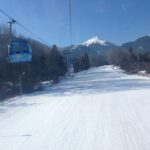
More adventurous travellers can use Sofia as a gateway to Bulgaria’s winter sports scene. Borovets, one of the country’s most popular ski resorts, sits approximately 70 kilometres from the capital and can often be reached as a day trip. The larger resort of Bansko is further away but remains accessible for visitors extending their stay.
Even for those with no interest in skiing, the mountains contribute significantly to Sofia’s winter appeal. The combination of urban Christmas atmosphere and nearby snow-covered landscapes gives the city a character that few European capitals can match.
For visitors seeking a festive city break with a genuine winter feel, the combination of Christmas markets, seasonal activities, and mountain scenery makes Sofia a particularly attractive choice during December.
Search routes and flight options for your trip to Sofia.
Search flightsUse an eSIM to get online without hunting for a local SIM after arrival.
See eSIM optionsHave a private airport pickup arranged before you travel.
Book a transferDay Trips from Sofia During the Christmas Season
One of the biggest advantages of spending Christmas in Sofia is that some of Bulgaria’s most impressive attractions lie within easy reach of the capital. Visitors are not limited to the city itself and can easily combine festive markets and Christmas lights with monasteries, mountain scenery, historic towns, and winter landscapes.
The most famous excursion is undoubtedly Rila Monastery, Bulgaria’s most important religious site and a UNESCO World Heritage Site. Located approximately two hours south of Sofia, the monastery sits among the snow-covered peaks of the Rila Mountains and often looks particularly magical during winter. The combination of mountain scenery, Orthodox architecture, colourful frescoes, and seasonal tranquillity creates an experience that many visitors regard as the highlight of their Bulgarian trip.
For travellers wanting to remain closer to the city, the Vitosha Mountains provide an excellent winter escape. Rising directly above Sofia, the mountains offer walking trails, panoramic viewpoints, forest scenery, and seasonal snow. On clear winter days, visitors can enjoy spectacular views across the city while experiencing an entirely different environment only a short distance from the capital.
Those interested in history should consider visiting Plovdiv, Bulgaria’s second-largest city and one of Europe’s oldest continuously inhabited settlements. During December, the city’s historic streets, Roman monuments, festive decorations, and welcoming cafés create a wonderful atmosphere. The combination of Plovdiv Old Town, the Ancient Theatre of Philippopolis, and the lively Kapana Creative District makes the city an excellent Christmas season destination in its own right.
Visitors looking for winter sports can head to Borovets, Bulgaria’s oldest ski resort. Located in the Rila Mountains, Borovets offers skiing, snowboarding, mountain restaurants, and winter scenery within relatively easy reach of Sofia. Even non-skiers often enjoy visiting simply for the festive alpine atmosphere.
For travellers willing to venture further, destinations such as Veliko Tarnovo, Koprivshtitsa, and Bansko offer additional opportunities to experience Bulgaria’s winter traditions, architecture, and seasonal landscapes. The variety of possible excursions means that a Christmas trip to Sofia can easily become a broader exploration of Bulgaria itself.
Christmas Shopping in Sofia
Visitors hoping to complete some Christmas shopping will find that Sofia at Christmas offers a good balance between festive markets, independent shops, local crafts, and modern shopping centres.
The city’s Christmas market naturally serves as the focal point for seasonal shopping. Stalls typically sell handmade decorations, festive ornaments, candles, wooden crafts, winter accessories, jewellery, local foods, and a variety of Bulgarian gifts. Unlike some larger European markets where many products are mass-produced, Sofia’s festive stalls often showcase locally made items that feel more distinctive and authentic.
For visitors seeking traditional Bulgarian souvenirs, Christmas is an excellent time to shop. Locally produced pottery, embroidered textiles, rose products, artisan food items, and handcrafted decorations can all make memorable gifts while supporting Bulgarian businesses.
The area around Vitosha Boulevard remains one of Sofia’s premier shopping districts throughout the year and becomes particularly attractive during the festive season. International brands, local retailers, cafés, and restaurants combine with Christmas lighting to create one of the city’s most enjoyable shopping environments.
Modern shopping centres such as Paradise Center, Serdika Center, and The Mall Sofia provide an alternative experience for visitors seeking larger retail options. During December, these centres are decorated extensively and frequently host Christmas displays, seasonal events, and family-friendly attractions.
Food lovers should also consider taking home some Bulgarian specialities. Local wines, traditional sweets, honey products, rose-flavoured treats, herbal products, and festive baked goods all make excellent gifts while providing a taste of Bulgaria long after the trip has ended.
One advantage of shopping in Sofia compared with many Western European capitals is value. Visitors often find that souvenirs, gifts, seasonal treats, and local products remain reasonably priced, allowing them to purchase meaningful gifts without the high costs associated with many famous Christmas destinations.
For planning purposes, Bulgarian shops generally keep longer hours than much of Western Europe: most shopping centres and city-centre retailers run from around 10am to 10pm, seven days a week, including Sundays, which many neighbouring countries still restrict. Around 24 to 26 December that pattern shortens, with many stores closing early on Christmas Eve and staying shut or on reduced hours for Christmas Day and the Second Day of Christmas, before returning to the normal rhythm.
Is Sofia Worth Visiting in Winter?
Many travellers automatically think of Vienna, Prague, Budapest, or Kraków when planning a European Christmas break. Yet winter in Sofia offers several advantages that make it a compelling alternative.
The most obvious benefit is affordability. Accommodation, dining, local transport, attractions, and festive activities generally cost significantly less than in many of Europe’s most famous Christmas cities. Visitors can often enjoy a longer stay, better hotel, or larger travel budget without increasing overall expenditure.
The city also offers a more authentic atmosphere. While Sofia certainly welcomes visitors during December, it remains first and foremost a functioning capital city rather than a destination built around Christmas tourism. This creates a more local feel and allows visitors to experience Bulgarian festive traditions alongside everyday life.
Another major advantage is variety. Few European capitals combine Christmas markets, Orthodox traditions, Roman history, mountain scenery, and ski resorts within such close proximity. A visitor can spend the morning exploring cathedrals, the afternoon browsing festive markets, and the following day skiing in the mountains.
Winter weather also enhances many of Sofia’s attractions. Snow-covered mountain backdrops, illuminated churches, festive decorations, and frosty city streets create a distinctive atmosphere that differs from the warmer months.
Sofia may not offer the enormous Christmas markets of Germany or Austria, but it compensates with authenticity, affordability, and diversity. For travellers seeking something slightly different from the usual Christmas city break destinations, Sofia is surprisingly difficult to beat.
Ski Resorts Near Sofia
One of the features that truly separates Christmas in Sofia from many other European city breaks is the ease with which visitors can access Bulgaria’s ski regions.
The closest option is Vitosha Mountain, which rises directly above the city. Depending on snow conditions and operating schedules, visitors can reach mountain areas surprisingly quickly from the centre of Sofia. The ability to combine urban sightseeing with mountain scenery on the same day remains one of Sofia’s greatest strengths.
The best-known resort near the capital is Borovets. Located approximately 70 kilometres from Sofia, Borovets is Bulgaria’s oldest and most established ski destination. The resort offers ski slopes for beginners and experienced skiers alike, modern lift infrastructure, mountain restaurants, ski schools, and a lively winter atmosphere throughout the festive season.
For visitors staying longer, Bansko is Bulgaria’s most famous ski resort and regularly attracts international visitors from across Europe. Although further from Sofia than Borovets, it offers a larger ski area, extensive accommodation options, and a vibrant winter tourism scene.
Another option is Pamporovo, located in the Rhodope Mountains. While further away and less practical as a day trip, it remains a popular destination for travellers combining a Sofia city break with a longer Bulgarian winter holiday.
Even visitors with no interest in skiing often enjoy visiting these mountain areas simply to experience the snowy scenery, mountain restaurants, winter landscapes, and festive atmosphere. The proximity of the mountains gives Sofia a unique advantage over many rival Christmas city break destinations.
For travellers seeking a combination of Christmas markets, historic attractions, winter scenery, and skiing opportunities, Sofia offers one of the most complete winter travel experiences in southeastern Europe.
Weather in Sofia During December
Understanding the weather is an important part of planning Christmas in Sofia. Unlike many popular festive destinations in Western Europe, Sofia experiences a genuinely continental winter climate, giving visitors a realistic chance of enjoying frosty mornings, snow-covered rooftops, and the kind of classic winter atmosphere many travellers hope for during a Christmas city break.
December temperatures typically range between -2°C and 7°C, although colder spells can push temperatures significantly lower, particularly during the second half of the month. Overnight temperatures frequently fall below freezing, while daytime conditions can vary depending on sunshine, cloud cover, and weather systems moving across the Balkan Peninsula.
One of the key reasons for Sofia’s colder climate is its location. The city sits at approximately 550 metres above sea level and is surrounded by mountains, most notably Vitosha Mountain, which rises dramatically above the capital. This elevated setting helps create a distinctly wintery atmosphere that feels very different from cities such as Rome, Barcelona, or even parts of Western Europe at the same time of year.
For many visitors, the possibility of snow is one of the biggest attractions. While a guaranteed white Christmas can never be promised, snowfall is certainly possible throughout December and occurs more frequently than in many European capitals. Even when snow does not settle within Sofia itself, the nearby Vitosha Mountains, Rila Mountains, and surrounding peaks are often covered in snow, creating spectacular winter backdrops visible from many parts of the city.
The shorter days of December also contribute significantly to the festive atmosphere. Sunrise typically occurs after 7:30am, while darkness arrives shortly after 5pm. Rather than being a disadvantage, the early evenings help showcase Sofia’s Christmas lights, illuminated landmarks, decorated streets, and festive displays. Visitors often find the period between late afternoon and early evening particularly atmospheric as the city gradually lights up for the night.
Travellers should prepare for genuine winter conditions. A warm winter coat, waterproof footwear, gloves, hat, and multiple layers are highly recommended, especially for those planning to spend time at the Christmas market, explore the city centre after dark, or take day trips into the mountains. The weather may be cold, but for many visitors it is precisely this combination of crisp winter air, festive lights, mountain scenery, and occasional snowfall that makes Sofia at Christmas feel so memorable.
Costs: Is Sofia a Cheap Christmas Destination?
One of the strongest reasons to consider Christmas in Sofia is value for money. While festive breaks in cities such as Vienna, Prague, Munich, Salzburg, or Budapest can become increasingly expensive during December, Sofia remains one of the most affordable capital-city Christmas destinations in Europe.
Accommodation is often where visitors notice the biggest difference. A well-rated mid-range hotel in the centre, close to Vitosha Boulevard or the main sights, typically runs from around €70 (£61 / $76) a night, noticeably less than an equivalent room in Vienna or Prague over the festive period.
Food and drink also offer excellent value. A casual sit-down meal in a traditional restaurant typically costs from around €10 (£8.50 / $11), and a local draught beer runs to roughly €2.50 (£2.20 / $2.70), prices that hold up well even in central, tourist-facing areas.
Transport costs remain another major advantage. A single ticket on the Sofia Metro, tram or bus costs €0.80 (£0.70 / $0.85), and taxis and airport transfers generally cost significantly less than in many comparable European capitals.
The same pattern extends to attractions. Entry to the National History Museum, one of the city’s main sights, costs around €7.50 (£6.50 / $8) for an adult, and most of Sofia’s churches, including Alexander Nevsky Cathedral, remain free to enter.
Even the Sofia Christmas Market compares favourably. A market snack such as churros or a grilled sausage generally costs around €2 (£1.75 / $2.20), noticeably cheaper than the same items at the famous markets of Germany or Austria.
Perhaps most importantly, Sofia’s affordability does not come at the expense of quality. Visitors still gain access to historic landmarks, beautiful churches, excellent restaurants, comfortable hotels and mountain scenery, all at a fraction of the cost of many rival Christmas city breaks.
For travellers seeking a festive city break that combines Christmas markets, winter scenery, historic attractions and Bulgarian culture at excellent value, Sofia at Christmas remains one of the best bargains in Europe.
Compare hostels and lower-cost places to stay in Sofia.
Search hostelsGet help with compensation, eligible lounge access and disruption support.
Explore AirHelp+Use convenient luggage storage around Sofia between arrival, check-in and departure.
Check storageChristmas Lights, Entertainment and Other Festive Events
Sofia’s festive lighting builds gradually through late November, but the city holds one official switch-on evening each year. In the most recently confirmed season, the mayor switched on the illuminated Christmas tree and more than 20,000 lights at St Alexander Nevsky Square on 2 December at 7pm, after a short concert.
A specific 2026 date had not been confirmed at the time of writing, but early December has been the consistent pattern in recent years. The evening is a genuine community occasion rather than a quiet flick of a switch, with the choir of the Sofia Theological Seminary of St John of Rila, children’s vocal groups and local pop artists all performing before the lights go up.
Live music runs on through the season rather than stopping after the switch-on. The same square hosts folk, rock, jazz and pop acts through December and into New Year’s Eve, and church choirs perform regularly around Alexander Nevsky Cathedral and Sofia’s other Orthodox churches during Advent.
Sofia also runs a handful of named events worth building a day around. A Coca-Cola Christmas Truck tour has finished its run at St Alexander Nevsky Square in the days before Christmas, drawing crowds for photos, and a costumed Motorcycle Santa ride through the city centre has become an annual fixture organised with a local biker club.
Families get their own dedicated programming too. The National Ethnographic Museum has run seasonal Christmas craft workshops for children in mid-December, and the Military History Museum has staged a weekend “Save Christmas” spy-trail game aimed at younger visitors.
Ice skating is not limited to the Nu Boyana rink covered earlier. Ice Park Sofia, a large outdoor rink in Knyazheska Garden near Orlov Most, is within easy walking distance of Serdika Metro, and a further seasonal rink typically opens beside the National Palace of Culture, giving visitors at least three realistic places to skate around the city each December.
Prices at the NDK-area rink have run from around €6.50 (£5.50 / $7) an hour on weekdays with skate hire included, rising to roughly €15 (£13 / $16) at weekends. None of these extra events carry fixed dates that repeat exactly year to year, so it is worth checking Sofia’s official tourism site closer to your visit.
New Year’s Eve in Sofia
New Year’s Eve in Sofia centres on the same square used for the Christmas market. Sofia Municipality hosts a free open-air concert called Stage under the Stars at Knyaz Alexander I (Battenberg) Square, with live sets from a rotating line-up of Bulgarian folk, rock, jazz and pop acts, and the stage typically starts around 10pm on 31 December and runs through midnight.
Sofia has moved away from a traditional midnight fireworks display. For the second consecutive year, the municipality replaced the public fireworks show with a large-scale light show timed to the countdown, a change introduced for safety and to make the celebration friendlier to children, pets and anyone sensitive to loud noise.
This does not mean the sky stays quiet everywhere. Residents are still permitted to set off lower-powered sparklers, and private firework use is confined to a short legal window either side of midnight, so visitors should expect some scattered noise around the city even without an official display.
The square sits at the heart of the same festive district as the Christmas market, within easy walking distance of the National Theatre and reachable via Serdika Metro Station. Arriving an hour or so before the concert begins is worth doing for a decent view, since the square fills up quickly once the performances start.
For visitors who prefer a quieter New Year, plenty of Sofia’s restaurants and hotel bars run their own countdown events, and the area around Alexander Nevsky Cathedral stays atmospheric without the concert crowds. Either way, 31 December is one of the best nights to be out in central Sofia.

Rupert’s Handy Travel Tips
Thinking about spending Christmas in Sofia? Rupert has picked up a few festive tips that can help you make the most of your winter city break.
- Dress for real cold: Sofia can be considerably colder than many visitors expect, especially after dark, so pack proper winter layers.
- Go in the evening: visit the Christmas market after dark, when the festive lights are at their most atmospheric.
- Make time for Vitosha: a trip into the nearby mountains rewards you with spectacular views back across Sofia during winter.
- Eat Bulgarian, not international: Christmas is one of the best times to try traditional festive dishes rather than relying on international restaurants.
- Extend the trip: if your schedule allows, combine Sofia with a visit to Plovdiv or Rila Monastery for a broader Bulgarian winter experience.
Rupert’s verdict: Sofia may not have the biggest Christmas market in Europe, but it offers something many famous festive cities have lost: authenticity. Add mountain scenery, excellent value, and Bulgarian hospitality, and you’ve got one of Europe’s most underrated Christmas breaks.
Want to learn more about Rupert? Visit our Who is Rupert? page.




Frequently Asked Questions
Does Sofia have a Christmas market?
Yes. Sofia hosts an annual Christmas market in the city centre featuring festive stalls, seasonal food, drinks, gifts, decorations, and entertainment.
Does it snow in Sofia at Christmas?
Snow is certainly possible during December and Christmas, although snowfall varies from year to year. The nearby Vitosha Mountains are much more likely to have snow cover throughout the festive season.
Is Sofia expensive at Christmas?
No. Sofia remains one of Europe’s most affordable capital-city Christmas destinations. Accommodation, food, transport, and attractions are generally cheaper than in many Western and Central European cities.
How many days do you need in Sofia at Christmas?
Most visitors find 3 to 5 days ideal. This provides enough time to explore the city, enjoy the Christmas market, visit museums and landmarks, and take at least one day trip.
Is Sofia worth visiting in December?
Absolutely. December combines festive markets, Christmas lights, winter scenery, cultural attractions, traditional food, and easy access to mountain destinations.
Can you ski near Sofia?
Yes. Vitosha Mountain, Borovets, and Bansko all provide skiing opportunities within reach of Sofia.
What is the weather like in Sofia during Christmas?
Temperatures generally range from -2°C to 7°C, with frost and occasional snowfall possible throughout the month.
What are the best day trips from Sofia in winter?
Popular winter excursions include Rila Monastery, Plovdiv, Vitosha Mountain, and Borovets Ski Resort.
Further Reading & Related Guides
If you’re planning a festive trip to Bulgaria, our Best Things To Do In Sofia Guide provides a comprehensive overview of the city’s attractions, transport options, neighbourhoods, and practical travel advice. Visitors arriving by air should also consult our Sofia Airport Transfers Guide, while those exploring further afield may find our How to Get from Sofia to Plovdiv Guide particularly useful.
Planning a festive European getaway? Sofia offers a more affordable and less crowded alternative to many famous markets, but it’s far from the only option. Explore our European Christmas Markets Guide to compare festive destinations across the continent, from the grand markets of Vienna and Prague to hidden gems in Eastern Europe.
Rail travellers can continue with our International Rail Connections to Bulgaria Guide, Night Trains in Bulgaria Guide, and Bulgaria Interrail Pass Guide. If you’re considering extending your winter break, our guides to Plovdiv, Varna, and Burgas offer additional inspiration for exploring Bulgaria beyond the capital.