Reviewed by our editorial team Updated
Why Burgas Should Be on Your Bulgaria Itinerary
Things to do in Burgas are often overlooked by travellers rushing towards Bulgaria’s famous beach resorts, but that is exactly what makes the city such a rewarding destination. Sitting on the shores of the Black Sea, Burgas combines attractive beaches, beautiful coastal parks, unique island excursions, important nature reserves, and easy access to some of Bulgaria’s most famous attractions.
Unlike nearby resort destinations, Burgas is a genuine working city that retains a strong local character. Visitors can enjoy long walks through the magnificent Sea Garden, explore protected wetlands filled with wildlife, visit historic islands, and experience authentic Bulgarian culture without the crowds often associated with larger tourist resorts. The city feels relaxed, spacious, and welcoming while still providing excellent facilities for visitors.
One of Burgas’ greatest strengths is its location. Positioned at the heart of Bulgaria’s southern coastline, the city serves as a gateway to destinations such as Nessebar, Sozopol, Pomorie, Sunny Beach, and the beautiful Strandzha Mountains. This makes Burgas an excellent base for exploring the wider region while avoiding the sometimes hectic atmosphere of the major holiday resorts.
Nature lovers are particularly well served. The surrounding Burgas Lakes, including Lake Burgas (Vaya) and Atanasovsko Lake, rank among Bulgaria’s most important wildlife habitats. Birdwatchers, photographers, and outdoor enthusiasts often find Burgas every bit as rewarding as the country’s more famous cultural destinations.
For travellers seeking a combination of Black Sea scenery, nature, culture, beaches, and day trips, Burgas is one of Bulgaria’s most underrated destinations.
Burgas at a Glance
| Fact | Information |
|---|---|
| Region | Southern Black Sea Coast |
| Population | Approximately 200,000 |
| Nearest Airport | Burgas Airport (BOJ) |
| Currency | Euro (EUR) |
| Best Time to Visit | May to September |
| Ideal Length of Stay | 2–5 Days |
| Known For | Sea Garden, Lakes, Islands, Beaches |
| Major Day Trips | Nessebar, Sozopol, Pomorie |
| Transport Links | Airport, Railway Station, Port |
Burgas combines coastal scenery, excellent transport connections, and some of Bulgaria’s most important nature reserves, making it one of the country’s most versatile destinations.
Compare hotels and other places to stay in Burgas.
Check availabilityBrowse apartments, holiday homes and self-catering stays in Burgas.
View rentalsCompare prices for Burgas hotels across multiple booking sites.
Check dealsExplore Burgas Sea Garden
The magnificent Sea Garden is unquestionably one of the best attractions in Burgas and forms the heart of the city’s waterfront. Stretching along the coastline for several kilometres, this beautifully maintained park provides spectacular views across the Black Sea while offering a peaceful escape from the urban environment.
Unlike many city parks, the Sea Garden feels deeply connected to the sea itself. Wide promenades, landscaped gardens, sculptures, fountains, and viewing terraces overlook the coastline, creating one of the most attractive public spaces anywhere on the Bulgarian coast. Visitors can spend hours wandering through the park without ever feeling rushed.
The park serves as both a recreational space and a cultural hub. Throughout the year, visitors encounter monuments, outdoor performance areas, cafés, art installations, and various events. During summer, the Sea Garden becomes especially lively as residents and tourists gather to enjoy the warm weather and coastal atmosphere.
One of the greatest pleasures of visiting Burgas is simply walking through the Sea Garden at different times of day. Early mornings bring peaceful sea views and quiet pathways, while evenings see the park come alive with families, couples, and visitors enjoying sunset over the Black Sea.
Many of Burgas’ other attractions are also located nearby, making the Sea Garden an ideal starting point for exploring the city.
Relax on Burgas Beaches
For many visitors, the beaches remain one of the main reasons to visit Burgas. While neighbouring resorts such as Sunny Beach often receive more international attention, Burgas offers attractive urban beaches that combine convenience with a more relaxed atmosphere.
The most popular stretch is Central Beach Burgas, located directly beside the Sea Garden. This wide sandy beach provides easy access from the city centre and offers visitors the opportunity to move seamlessly between sightseeing and relaxation. The beach is particularly popular during summer when warm temperatures and calm waters attract both locals and tourists.
Further along the coastline, North Beach Burgas provides additional space and often feels slightly less crowded. Visitors can enjoy long walks along the shoreline while taking in views across the Black Sea. The area’s beach bars, cafés, and restaurants help create a lively but manageable holiday atmosphere.
The city’s coastal promenade is another highlight. Walking along the waterfront allows visitors to enjoy sea views, public art, gardens, and recreational facilities while experiencing the relaxed pace of life that defines Burgas. Unlike some resort destinations, the coastline here feels integrated into the daily life of the city.
While Burgas may not compete with dedicated beach resorts in terms of nightlife or entertainment, its beaches provide an excellent balance between convenience, scenery, and accessibility. For visitors looking to combine culture, nature, and seaside relaxation, they are an important part of the overall experience.
Visit St Anastasia Island
Among all the things to do in Burgas, a visit to St Anastasia Island stands out as the city’s signature experience. Located a short distance offshore in the Black Sea, this small volcanic island combines history, culture, stunning coastal scenery, and one of the most enjoyable boat trips in Bulgaria.
Reaching the island is part of the attraction. Passenger boats depart from Burgas Port, carrying visitors across the bay while providing excellent views of the city’s skyline and coastline. The short crossing offers a completely different perspective of Burgas and helps create a sense of adventure before visitors even arrive.
The island itself has a fascinating history. Over the centuries, St Anastasia Monastery served as a religious retreat, prison, and refuge. Today, visitors can explore restored buildings, museum exhibits, historic cells, and religious structures while learning about the island’s colourful past. The combination of history and isolation creates an atmosphere unlike anywhere else on the Bulgarian coast.
One of the island’s greatest attractions is simply its setting. Surrounded by the waters of the Black Sea, visitors can enjoy spectacular views in every direction. The dramatic rocky shoreline, sea breezes, and peaceful environment make it feel surprisingly remote despite its proximity to Burgas.
The island also contains a restaurant and visitor facilities, allowing travellers to spend several hours exploring at a relaxed pace. For many visitors, St Anastasia Island becomes the highlight of their entire stay in Burgas and remains one of Bulgaria’s most distinctive coastal attractions.
Discover Burgas Pier
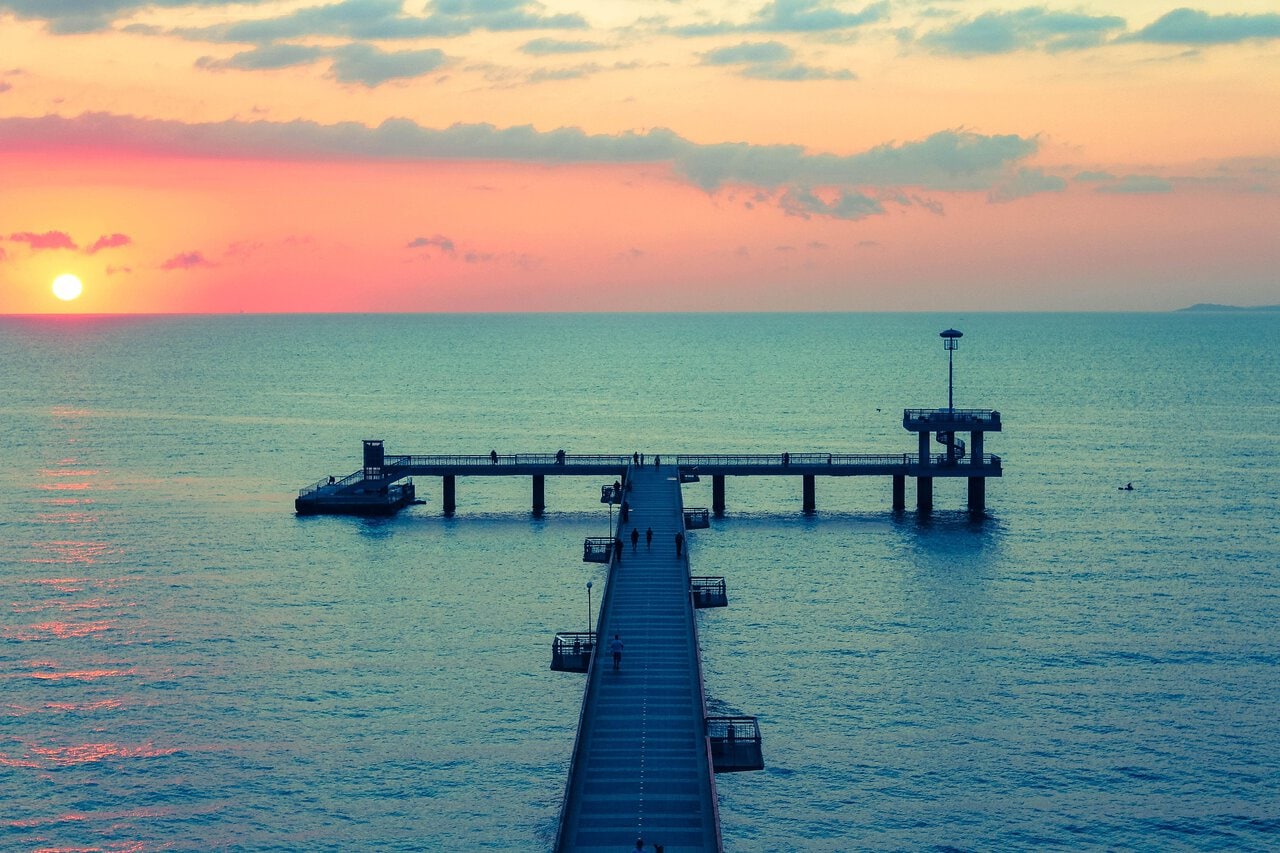
The iconic Burgas Pier is one of the city’s most recognisable landmarks and a favourite location for both visitors and residents. Extending hundreds of metres into the Black Sea, the pier offers uninterrupted views of the coastline and provides one of the best places in Burgas to appreciate the city’s maritime setting.
Walking along the pier is a simple but highly rewarding experience. As visitors move further out over the water, the sounds of the city gradually fade and are replaced by sea breezes and the movement of the waves below. Looking back towards the shoreline reveals excellent views of the Sea Garden, beaches, and city skyline.
The pier is particularly popular during sunset. As the sun begins to sink towards the horizon, photographers and sightseers gather to enjoy some of the most spectacular views available anywhere on Bulgaria’s southern coast. The changing colours reflected across the water create memorable scenes that are difficult to forget.
During the evening, the pier remains a lively gathering place where locals come to stroll, socialise, and enjoy the cooler temperatures. The combination of sea views, fresh air, and open space makes it one of Burgas’ most pleasant public areas.
For visitors looking for an easy and completely free attraction, Burgas Pier provides one of the city’s most enjoyable experiences.
Explore Lake Burgas (Vaya)
Many travellers are surprised to discover that some of the most important attractions around Burgas are not found along the coast but within the extensive wetland systems surrounding the city. Lake Burgas, also known as Lake Vaya, is the largest natural lake in Bulgaria and one of the country’s most significant wildlife habitats.
The lake forms part of the internationally important Via Pontica migration route, making it a crucial stopover point for migratory birds travelling between Europe and Africa. During migration seasons, thousands of birds pass through the area, creating exceptional opportunities for birdwatching and wildlife photography.
Visitors exploring the lake may encounter species including pelicans, herons, cormorants, egrets, and numerous birds of prey. Even those with only a casual interest in nature are often impressed by the diversity of wildlife found so close to a major city.
Beyond its ecological importance, Lake Burgas also provides attractive landscapes and a peaceful contrast to the beaches and urban attractions of the city centre. Viewing platforms, nature trails, and observation points allow visitors to experience the lake without disturbing its fragile ecosystems.
For nature enthusiasts, photographers, and anyone seeking a quieter side of Burgas, Lake Burgas (Vaya) offers one of the most rewarding experiences in the region.
Visit Atanasovsko Lake
If there is one natural attraction that truly distinguishes Burgas from every other destination on the Bulgarian coast, it is Atanasovsko Lake. This remarkable lagoon is famous for its wildlife, traditional salt production, therapeutic mud, and striking pink-coloured waters that have become increasingly popular on social media.
The lake is divided into several sections, some of which are used for salt harvesting, a tradition that has played an important role in the local economy for generations. Visitors can observe the salt pans and learn about the techniques used to extract salt from the shallow waters.
One of the lake’s most famous attractions is its therapeutic mud. Rich in minerals, the mud is believed to offer a variety of health benefits and attracts visitors looking to experience one of Bulgaria’s more unusual natural attractions. During summer, it is common to see visitors covering themselves in dark mineral-rich mud before washing off in the nearby waters.
The wildlife value of Atanasovsko Lake is equally impressive. As part of the Via Pontica migration route, the area supports enormous numbers of birds throughout the year. Birdwatchers travel from across Europe to observe species using the wetlands during migration periods. The site’s international status is documented in its Ramsar wetland listing.
The lake’s distinctive pink hues, created by microorganisms thriving within the saline environment, provide some of the most unusual scenery in Bulgaria. Combined with the surrounding wetlands and abundant birdlife, Atanasovsko Lake is one of the most unique attractions anywhere on the Black Sea Coast.
Search routes and flight options for your trip to Burgas.
Search flightsBrowse Airalo eSIM options for convenient travel data.
Check eSIMsArrange a private airport pickup for your trip to Burgas.
Check transfersLearn About Bulgaria’s Salt Industry
Burgas is home to one of Bulgaria’s most unusual and historically important industries. For centuries, the waters surrounding Atanasovsko Lake have been used for salt production, creating a tradition that continues to this day and helping shape the identity of the region.
The best place to learn about this heritage is the unique Salt Museum, located near the lake. Unlike most museums, the attraction combines indoor exhibits with working salt pans, allowing visitors to see the production process in action. Displays explain how salt has been harvested here for generations and how the industry contributed to the development of the wider Burgas region.
One of the most interesting aspects of the site is the opportunity to observe traditional methods that have changed little over time. Visitors can see how seawater is channelled into shallow basins where evaporation gradually leaves behind salt crystals ready for collection. The process is surprisingly fascinating and provides a deeper appreciation of an industry that many people rarely consider.
The surrounding landscape also plays an important role. The geometric patterns created by the salt pans, combined with the changing colours of the water, produce some of the most photogenic scenery around Burgas. Photographers frequently visit during sunrise and sunset when lighting conditions are particularly dramatic.
Combined with nearby Atanasovsko Lake, the Salt Museum offers an experience that is completely different from Bulgaria’s beaches, historic towns, and resort attractions.
Museums Worth Visiting
While Burgas is best known for its coastline and natural attractions, the city also offers a surprisingly strong collection of museums that help visitors understand the history, culture, and development of the region.
The excellent Burgas Regional Historical Museum serves as a good starting point. Through exhibits covering archaeology, local history, and cultural development, visitors can trace the story of Burgas from ancient times to the modern era. The museum provides valuable context for understanding how the city evolved into one of Bulgaria’s most important coastal centres.
The Archaeological Museum focuses on the rich heritage of the southern Black Sea Coast. Collections include Thracian, Greek, and Roman artefacts, many of which were discovered in the surrounding region. Visitors interested in ancient history will find the museum particularly rewarding, especially when combined with excursions to nearby historic destinations such as Nessebar.
Another worthwhile attraction is the Ethnographic Museum, which explores traditional Bulgarian customs, clothing, crafts, and daily life. Housed within a historic building, the museum offers insight into local traditions and provides a fascinating contrast to the more archaeological attractions.
Nature enthusiasts may wish to visit the Natural History Museum, where exhibits focus on the wildlife and ecosystems of the Burgas Lakes, Black Sea Coast, and nearby protected areas. Given the city’s strong connection to nature tourism, the museum provides an excellent introduction to the region’s remarkable biodiversity.
Together, these museums demonstrate that Burgas offers considerably more cultural depth than many visitors initially expect.
Religious & Cultural Landmarks
Although Burgas is often associated with beaches and nature reserves, the city also contains several important religious and cultural landmarks that deserve a place on any sightseeing itinerary.
The most prominent is the impressive Cathedral of Saints Cyril and Methodius, which dominates part of the city centre with its elegant architecture and striking domes. As one of the most important churches in Burgas, the cathedral serves both as a place of worship and as a symbol of the city’s cultural identity. Visitors can admire its exterior before stepping inside to appreciate the ornate decoration, icons, and peaceful atmosphere.
Walking through the centre of Burgas also reveals attractive civic buildings, monuments, and public spaces that reflect the city’s development during the nineteenth and twentieth centuries. Unlike some of Bulgaria’s older cities, Burgas has a more modern character, yet still contains plenty of architectural interest for visitors willing to explore beyond the waterfront.
The city’s cultural life remains active throughout the year. Theatres, galleries, concert venues, and cultural festivals help ensure there is always something happening, particularly during the summer season. Events often take place within the Sea Garden, creating a unique blend of culture and coastal scenery.
Visitors interested in understanding Burgas beyond its beaches will find these landmarks and cultural institutions provide valuable insight into the city’s character and development.
Food & Drink Experiences
Food and drink in Burgas reflect the city’s position on the Black Sea Coast. Fresh seafood, traditional Bulgarian dishes, local wines, and waterfront dining combine to create one of the most enjoyable culinary scenes in the country.
Seafood naturally takes centre stage. Restaurants throughout the city serve freshly prepared fish, mussels, squid, and other Black Sea specialities. Dining beside the waterfront while watching the sun set over the sea remains one of the most popular experiences for visitors and provides an excellent introduction to the region’s cuisine.
Traditional Bulgarian dishes are also widely available. Visitors should look out for favourites such as shopska salad, banitsa, kavarma, and a variety of grilled meats. Many restaurants combine these classic recipes with locally sourced ingredients, creating meals that feel both authentic and regional.
The area around the Sea Garden, Burgas Pier, and the city centre contains many of the best dining options. From casual cafés to elegant restaurants overlooking the water, there are choices to suit almost every budget and taste.
Burgas also benefits from its proximity to some of Bulgaria’s wine-producing regions. Local wines frequently appear on restaurant menus and provide an excellent accompaniment to seafood dishes. Visitors interested in Bulgarian wine often find the city’s restaurants a convenient introduction before exploring vineyards elsewhere in the country.
For many travellers, evenings spent enjoying food and drink along the waterfront become some of the most memorable moments of their visit to Burgas.
Best Viewpoints in Burgas
Burgas may not be built across dramatic hills like Plovdiv, but the city offers some outstanding coastal viewpoints that showcase the beauty of Bulgaria’s southern Black Sea Coast. From long piers stretching into the sea to island lookouts and lakeside observation points, there are plenty of opportunities to enjoy impressive scenery.
The most famous viewpoint is undoubtedly Burgas Pier. Extending deep into the Black Sea, the pier provides uninterrupted views of the coastline, beaches, and city skyline. Looking back towards the shore reveals the green expanse of the Sea Garden, while looking out to sea offers endless blue horizons. It is particularly spectacular during sunrise and sunset when the changing light transforms the surrounding landscape.
The elevated sections of the Sea Garden also provide excellent viewing opportunities. Throughout the park, visitors will find terraces, pathways, and open spaces overlooking the coastline. These locations are perfect for photography and offer some of the best perspectives of Burgas’ beaches and waterfront.
Visitors travelling to St Anastasia Island are rewarded with completely different views. From the island, the city appears on the horizon while the vast expanse of the Black Sea stretches in every direction. The combination of rocky coastline, open water, and distant cityscapes creates some of the most memorable scenery in the region.
Nature enthusiasts should also seek out viewpoints around Atanasovsko Lake and Lake Burgas (Vaya). Observation platforms overlooking these protected wetlands provide excellent opportunities to appreciate both the landscape and the remarkable birdlife that inhabits the area.
Whether you’re chasing sunsets, photographing wildlife, or simply enjoying the coastal scenery, Burgas offers far more viewpoints than many visitors expect.
Nightlife in Burgas
Burgas nightlife offers a more relaxed and authentic experience than the larger resort complexes found elsewhere along the Bulgarian coast. Rather than focusing solely on large-scale clubs and package-holiday entertainment, the city provides a varied mix of waterfront bars, live music venues, restaurants, and seasonal events.
The area around Burgas Pier, the Sea Garden, and the city centre forms the heart of the evening scene. Visitors can enjoy cocktails overlooking the Black Sea, sample Bulgarian wines in stylish bars, or simply relax at one of the many outdoor cafés that remain busy long after sunset.
During the summer season, the city’s nightlife becomes particularly lively. Seasonal beach bars, outdoor concerts, cultural festivals, and open-air events create a vibrant atmosphere without overwhelming the city. The result is a nightlife scene that feels energetic but considerably more relaxed than destinations such as Sunny Beach.
Music also plays an important role in Burgas’ identity. The city hosts various festivals and performances throughout the year, attracting both local and international artists. Many events take place within the Sea Garden, creating a unique setting that combines entertainment with beautiful coastal scenery.
One of the biggest advantages of nightlife in Burgas is affordability. Drinks, meals, and entertainment generally remain cheaper than in many Western European destinations, allowing visitors to enjoy evenings out without significantly increasing their travel budget.
For travellers looking for a balance between relaxation and entertainment, Burgas offers one of the most enjoyable evening scenes on the Bulgarian coast.
Compare hostels and lower-cost places to stay in Burgas.
Search hostelsFlying to Burgas? Get fast compensation payouts, eligible lounge benefits and expert help when flights go wrong.
See AirHelp+ benefitsArriving before check-in or leaving later? Store your luggage and make more of your time in Burgas.
Store your bagsFamily Attractions in Burgas
Burgas is one of Bulgaria’s most family-friendly coastal cities. The combination of beaches, parks, wildlife attractions, boat trips, and open spaces makes it an excellent destination for visitors travelling with children.
The expansive Sea Garden is perhaps the city’s greatest family asset. Its wide pathways, green spaces, playgrounds, cafés, and coastal viewpoints provide plenty of opportunities for children to explore while parents enjoy the scenery. The park’s safe and spacious environment makes it particularly attractive for families.
The city’s beaches are another obvious highlight. Central Beach Burgas and North Beach Burgas offer soft sand, shallow waters, and good facilities, making them suitable for families with younger children. During summer, these beaches become natural gathering places for both local and visiting families.
Wildlife experiences around Atanasovsko Lake and Lake Burgas (Vaya) provide something completely different. Children interested in nature often enjoy spotting birds and learning about the unique ecosystems that surround the city. The combination of education and outdoor exploration helps make these attractions surprisingly engaging for younger visitors.
Boat trips to St Anastasia Island are another family favourite. The short journey across the Black Sea feels like an adventure, while the island itself offers history, scenery, and plenty of space to explore.
Combined with affordable prices and a relaxed atmosphere, these attractions help make Burgas one of the most accessible family destinations on the Bulgarian coast.
Boat Trips & Black Sea Cruises
One of the most enjoyable things to do in Burgas is getting out onto the Black Sea itself. Boat trips and coastal cruises provide a completely different perspective on the city while allowing visitors to experience the coastline from the water.
The most popular excursion is the boat service to St Anastasia Island, which combines sightseeing with one of Bulgaria’s most unique visitor attractions. However, this is far from the only option available. During the summer season, various operators offer sightseeing cruises, sunset trips, and coastal excursions departing from Burgas Port.
Sunset cruises are particularly popular. Watching the sun disappear over the horizon while enjoying views of the city and coastline creates a memorable experience that appeals to couples, photographers, and families alike. The calm waters of the bay often make these excursions accessible even for travellers who are not regular boat users.
Some operators also provide longer coastal cruises, allowing visitors to explore sections of the southern Black Sea Coast from the water. Depending on the season, excursions may include swimming stops, fishing opportunities, or scenic tours focusing on the region’s natural beauty.
For travellers looking to add variety to their itinerary, a boat trip offers an excellent contrast to museums, beaches, and city sightseeing. It also provides some of the best opportunities to appreciate Burgas’ maritime character and its close relationship with the sea.
Day Trips from Burgas
Day trips from Burgas are one of the city’s biggest strengths. Thanks to its location on Bulgaria’s southern Black Sea Coast, visitors can easily reach ancient towns, nature reserves, archaeological sites, seaside resorts, and mountain landscapes within a relatively short journey. For many travellers, Burgas serves as the perfect base for exploring some of Bulgaria’s most famous attractions.
The UNESCO-listed Nessebar is undoubtedly the most popular excursion. Often described as the “Pearl of the Black Sea”, Nessebar Old Town sits on a rocky peninsula connected to the mainland by a narrow causeway. Visitors can spend hours exploring ancient churches, medieval streets, traditional houses, and stunning sea views. The combination of history, architecture, and coastal scenery makes Nessebar one of Bulgaria’s premier attractions.
Another favourite is Sozopol, one of the oldest towns on the Bulgarian coast. Unlike the larger resort developments found elsewhere, Sozopol retains a charming historic centre filled with wooden houses, narrow lanes, and attractive waterfront restaurants. Many visitors find its atmosphere even more appealing than nearby resort destinations.
The coastal town of Pomorie offers something completely different. Famous for its therapeutic mud, salt lakes, and long history of winemaking, Pomorie provides an interesting mix of wellness tourism, history, and seaside relaxation. The town is also home to the unique Pomorie Salt Museum, making it an excellent complement to attractions around Burgas.
Visitors looking for nature should consider the beautiful Ropotamo Nature Reserve. Boat trips along the Ropotamo River pass through lush landscapes filled with wildlife, creating one of the most distinctive natural experiences on the Bulgarian coast. The reserve feels worlds away from the beaches and urban areas nearby.
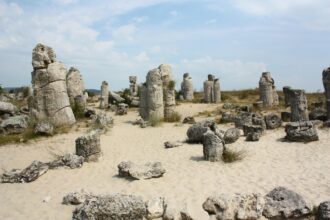
Those interested in ancient history should head towards Beglik Tash, often referred to as Bulgaria’s Stonehenge. This fascinating Thracian sanctuary contains massive stone formations, ceremonial structures, and archaeological remains that date back thousands of years. The site remains surprisingly under-visited despite being one of the country’s most important prehistoric landmarks.
For visitors seeking mountain scenery and traditional culture, the nearby Strandzha Mountains offer forests, villages, hiking trails, and a glimpse into a quieter side of Bulgaria that many tourists never experience. The region feels entirely different from the coastline and rewards travellers looking to venture beyond the beaches.
Together, these destinations help explain why Burgas works so well as a base for exploring southern Bulgaria.

Hidden Gems Around Burgas
While Nessebar, Sozopol, and St Anastasia Island receive most of the attention, the region surrounding Burgas contains numerous hidden gems that many visitors never discover. These lesser-known attractions often provide some of the most memorable experiences along the Bulgarian coast.
One of the most overlooked destinations is the small fishing settlement of Chengene Skele. Located south of Burgas, this traditional fishing village offers visitors the chance to experience a more authentic side of coastal Bulgaria. Fresh seafood, colourful boats, and a relaxed atmosphere make it a refreshing alternative to the larger tourist centres.
Another hidden gem can be found along the quieter sections of the coastline between Burgas and Sozopol. Here, visitors will discover smaller beaches, rocky coves, and scenic viewpoints that remain largely unknown to international tourists. These locations are perfect for travellers seeking tranquillity away from the busiest summer crowds.
Nature enthusiasts should explore some of the lesser-known areas surrounding Lake Burgas (Vaya) and Atanasovsko Lake. While the main observation points attract birdwatchers, quieter sections of the wetlands often provide equally impressive wildlife encounters with far fewer visitors.
The surrounding countryside also hides numerous traditional villages where life continues at a slower pace. Exploring these communities offers insight into rural Bulgaria and provides a fascinating contrast to the coastal tourism industry that dominates much of the region.
For travellers willing to venture beyond the obvious attractions, these hidden corners reveal a more authentic and often more rewarding side of Burgas.
Things to Do in Burgas When It Rains
Rainy weather does not mean your sightseeing plans need to stop. In fact, many of the most interesting things to do in Burgas can be enjoyed indoors, making the city a surprisingly good destination even when the weather is less favourable.
The city’s museums provide an excellent starting point. The Burgas Regional Historical Museum, Archaeological Museum, and Ethnographic Museum offer fascinating insights into the history and culture of the region. Together, they help explain how Burgas developed from a coastal settlement into one of Bulgaria’s most important cities.
The unique Salt Museum also remains a worthwhile option during poor weather. Learning about traditional salt production provides a completely different perspective on the region and helps visitors understand the importance of the nearby lakes.
Visitors interested in architecture and culture may wish to spend time exploring the impressive Cathedral of Saints Cyril and Methodius. Its beautiful interior and peaceful atmosphere make it one of the city’s most rewarding indoor attractions.
Burgas also offers a growing café and restaurant scene. A rainy afternoon can be an excellent excuse to sample local cuisine, enjoy Bulgarian wines, or simply relax while watching daily life unfold outside. The city’s slower pace makes these experiences particularly enjoyable.
Even when the Black Sea is hidden behind clouds, Burgas still provides more than enough attractions to fill a rewarding day.
Visiting Burgas in Winter
While many people associate Burgas with summer holidays and beach tourism, the city remains an interesting destination throughout the winter months. Visiting during the quieter season offers a very different experience and allows travellers to see a more authentic side of local life.
One of the biggest advantages of winter travel is the absence of crowds. Popular attractions such as the Sea Garden, Burgas Pier, and the city centre can be enjoyed in a much more relaxed atmosphere. Visitors often discover that they appreciate the city’s scenery and architecture more fully when not competing with peak-season tourism.
Winter is also an excellent time for birdwatching. The wetlands surrounding Lake Burgas (Vaya) and Atanasovsko Lake remain internationally important wildlife habitats throughout the year. Many bird species can still be observed during the colder months, attracting nature enthusiasts from across Europe.
The city’s museums, restaurants, and cultural venues continue to operate throughout winter, ensuring visitors still have plenty to see and do. Combined with lower accommodation prices, this makes Burgas an attractive option for travellers seeking value and authenticity.
Although swimming and beach activities are no longer the focus, the dramatic winter scenery along the Black Sea Coast can be surprisingly beautiful. Stormy seas, quieter promenades, and spectacular coastal views create an atmosphere completely different from the busy summer season.
For travellers interested in nature, culture, and local life, Burgas in winter offers a rewarding alternative to the traditional beach holiday experience.

How Many Days Do You Need in Burgas?
The ideal length of stay in Burgas depends on whether you simply want to explore the city itself or use it as a base for discovering the wider Southern Black Sea Coast. While some visitors only pass through on their way to nearby resorts, Burgas offers enough attractions to justify a longer stay.
A one-day visit allows enough time to walk through the Sea Garden, visit Burgas Pier, enjoy the beaches, and explore parts of the city centre. This works well for travellers following a tight itinerary, although it only scratches the surface of what the area has to offer.
A two to three-day stay is ideal for most visitors. This allows time to explore the city’s main attractions, take a boat trip to St Anastasia Island, visit the lakes and wetlands surrounding Burgas, enjoy the local food scene, and experience the relaxed atmosphere that makes the city so appealing.
Travellers interested in nature, birdwatching, or the wider coastline should consider spending four to five days in the region. This provides enough time for day trips to Nessebar, Sozopol, Pomorie, Ropotamo Nature Reserve, and the Strandzha Mountains while still leaving time to enjoy Burgas itself.
Many visitors initially view Burgas as a gateway to other destinations and then discover that the city deserves considerably more attention than expected. The combination of beaches, nature reserves, island excursions, coastal scenery, and excellent day trips makes it one of the most versatile destinations on the Bulgarian coast.
Where to Stay in Burgas
Choosing where to stay in Burgas is relatively easy because many of the city’s main attractions are concentrated around the waterfront and city centre. Most visitors will find that staying close to the Sea Garden provides the best balance of convenience, scenery, and access to attractions.
The area around the Sea Garden is particularly popular because it places visitors within walking distance of Burgas Pier, the beaches, restaurants, cafés, and cultural attractions. Hotels in this area often offer excellent views of the Black Sea while maintaining easy access to the city centre.
Visitors seeking a more traditional city experience may prefer accommodation in the central district, where shops, restaurants, museums, and transport connections are concentrated. Staying here makes it easy to explore Burgas on foot while remaining close to the railway station and bus services for day trips.
Luxury travellers often choose higher-end waterfront properties that combine sea views with modern facilities. Meanwhile, budget-conscious visitors will find a good selection of guesthouses, apartments, and smaller hotels throughout the city.
One advantage of Burgas is value. Compared with many other European coastal destinations, accommodation prices remain relatively reasonable, allowing visitors to secure well-located hotels without paying premium resort prices.
For most travellers, staying near the Sea Garden offers the best overall experience and provides easy access to everything that makes Burgas special.
Getting Around Burgas
Getting around Burgas is generally simple and affordable. The city is relatively compact, and many of the main attractions can be reached on foot, particularly those located around the Sea Garden, Burgas Pier, beaches, and city centre.
Walking is often the best way to explore. The waterfront areas are particularly pedestrian-friendly, allowing visitors to move easily between attractions while enjoying views of the Black Sea. Many travellers find that they rarely need transport during their time in the city.
For longer journeys, Burgas’ public transport network provides reliable connections across the city. Local buses link residential districts, shopping centres, Burgas Airport, and surrounding areas. Services are inexpensive and can be useful for reaching attractions outside the central districts.
Taxis remain widely available and are generally affordable compared with many Western European cities. Visitors should use reputable operators and ensure that meters are being used correctly. Ride-hailing services are also increasingly popular.
The city is well connected by rail. Burgas Railway Station provides services to destinations including Sofia, Plovdiv, and Varna, making Burgas an excellent stop for travellers exploring Bulgaria by train. Long-distance buses also connect the city with coastal resorts and inland destinations.
Thanks to its manageable size, strong transport links, and walkable waterfront, Burgas is one of the easiest cities on the Bulgarian coast to explore independently.

Rupert’s Handy Travel Tips
Planning a trip to Burgas? Rupert has a few practical suggestions to help you get the most from Bulgaria’s southern Black Sea coast.
- Don’t rush through Burgas on your way to the resorts. The city itself has plenty to offer, particularly around the Sea Garden and surrounding lakes.
- Book a trip to St Anastasia Island early in your stay. Weather can occasionally affect sailings, so having flexibility helps.
- Take time to visit Atanasovsko Lake. The combination of wildlife, salt pans, therapeutic mud, and pink water makes it one of Bulgaria’s most unusual attractions.
- Use Burgas as a base for exploring Nessebar, Sozopol, and Pomorie rather than constantly changing hotels.
- Head to Burgas Pier for sunset. It remains one of the finest free experiences anywhere on the Bulgarian coast.
Rupert’s verdict: Burgas is often overshadowed by nearby resorts, but visitors who stay a few days quickly discover one of Bulgaria’s most enjoyable coastal cities.
Want to learn more about Rupert? Visit our Who is Rupert? page.




Frequently Asked Questions
What are the best things to do in Burgas?
Exploring the Sea Garden, visiting St Anastasia Island, walking along Burgas Pier, discovering Atanasovsko Lake, and taking day trips to Nessebar and Sozopol are among the most popular activities in Burgas.
Is Burgas worth visiting?
Yes. Burgas combines Black Sea beaches, nature reserves, wildlife, island excursions, and excellent access to some of Bulgaria’s most famous coastal destinations.
How many days should I spend in Burgas?
Most visitors should spend two to four days in Burgas. This provides enough time to explore the city while also enjoying several day trips along the southern coast.
Can you swim in Burgas?
Yes. Central Beach Burgas and North Beach Burgas offer good swimming conditions throughout the summer season and are easily accessible from the city centre.
What is Burgas famous for?
Burgas is famous for its Sea Garden, St Anastasia Island, Atanasovsko Lake, birdwatching opportunities, beaches, and position as a gateway to Bulgaria’s southern Black Sea coast.
Is Burgas better than Varna?
Both cities offer different experiences. Varna has stronger Roman history and museum attractions, while Burgas excels in nature tourism, wetlands, island excursions, and access to destinations such as Nessebar and Sozopol.

Further Reading & Related Guides
If you’re exploring Bulgaria’s coastline, our Things to Do in Varna Guide highlights the attractions of Bulgaria’s northern Black Sea capital, while our Bulgaria Travel Guide covers the country’s major cities, transport networks, and visitor experiences. Travellers heading inland should also read our Things to Do in Plovdiv Guide and Sofia Travel Guide to discover more of Bulgaria’s cultural treasures.
Visitors arriving by air may find our future Burgas Airport Transfers Guide useful, while rail travellers should consult our Bulgaria Interrail Pass Guide when planning wider journeys across the country. Before travelling, don’t forget to compare connectivity options in our eSIM Guide to stay connected throughout your Bulgarian adventure.