Reviewed by our editorial team Updated
Why Plovdiv Should Be on Your Bulgaria Itinerary
Our guide for Things to do in Plovdiv combines some of the very best experiences Bulgaria has to offer. Often overshadowed by Sofia and the country’s famous Black Sea resorts, Plovdiv is one of Europe’s oldest continuously inhabited cities and a destination that effortlessly blends ancient history, colourful architecture, vibrant culture, and modern creativity.
Built across several hills in the heart of southern Bulgaria, Plovdiv has been shaped by Thracians, Romans, Byzantines, Ottomans, and Bulgarians over thousands of years. The result is a city where visitors can walk through an exceptionally preserved Old Town, explore Roman monuments that rival those found elsewhere in Europe, and discover trendy cafés and galleries hidden within the city’s creative districts.
One of Plovdiv’s greatest strengths is its atmosphere. Unlike many historic cities that feel overly commercialised, Plovdiv remains authentic and lived-in. Visitors can spend the morning exploring ancient ruins, enjoy lunch in a restored nineteenth-century mansion, and finish the day sipping local wine while overlooking centuries of history. The city feels relaxed, welcoming, and remarkably easy to explore.
The surrounding Thracian Valley adds another dimension to a visit. Known for producing some of Bulgaria’s finest wines, the region offers excellent opportunities for vineyard visits, food experiences, and scenic excursions. Combined with nearby monasteries, mountain landscapes, and historic villages, Plovdiv serves as an outstanding base for exploring southern Bulgaria.
For travellers looking beyond the obvious European city breaks, Plovdiv is one of the continent’s genuine hidden gems.
Plovdiv at a Glance
| Fact | Information |
|---|---|
| Region | Southern Bulgaria |
| Population | Approximately 340,000 |
| Nearest Airport | Sofia Airport |
| Currency | Euro (EUR) |
| Best Time to Visit | April to October |
| Ideal Length of Stay | 2–4 Days |
| Known For | Roman Ruins, Old Town, Kapana District, Wine |
| UNESCO Recognition | Old Town heritage significance |
| Former Title | European Capital of Culture 2019 |
Plovdiv combines Roman history, Bulgarian culture, excellent food, and a highly walkable city centre, making it one of the easiest and most rewarding destinations in Bulgaria to explore independently.
Compare hotels and other places to stay in Plovdiv.
Check availabilityBrowse apartments, homes and self-catering accommodation in Plovdiv.
Browse rentalsSee hotel prices from multiple booking sites in one search.
Compare ratesExplore Plovdiv Old Town
The heart of any visit to Plovdiv is undoubtedly the spectacular Old Town. Perched on one of the city’s historic hills, this beautifully preserved district contains some of Bulgaria’s finest architecture and offers visitors a chance to step back through centuries of history.
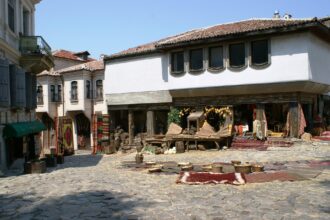
Walking through the Old Town feels like exploring an open-air museum. Narrow cobbled streets wind between colourful nineteenth-century mansions, churches, galleries, and museums. Every corner reveals another beautifully restored building, many of which date from the period known as the Bulgarian National Revival. Unlike many historic centres across Europe, Plovdiv’s Old Town remains remarkably authentic and retains much of its original character.
Many of the district’s most important attractions are located here, including the Ancient Theatre of Philippopolis, Nebet Tepe, several historic houses, and numerous churches. The elevated position of the Old Town also provides excellent views across modern Plovdiv, creating countless opportunities for photography.
One of the joys of exploring the district is simply wandering without a strict plan. Hidden courtyards, traditional houses, artisan workshops, and quiet viewpoints appear throughout the area. Visitors frequently discover unexpected highlights simply by following whichever street looks most interesting.
The Old Town is particularly atmospheric during the early morning and late afternoon when crowds are smaller and the warm light enhances the colours of the historic buildings. It remains one of Bulgaria’s most beautiful urban environments and is easily one of the country’s premier visitor attractions.
Visit the Ancient Theatre of Philippopolis
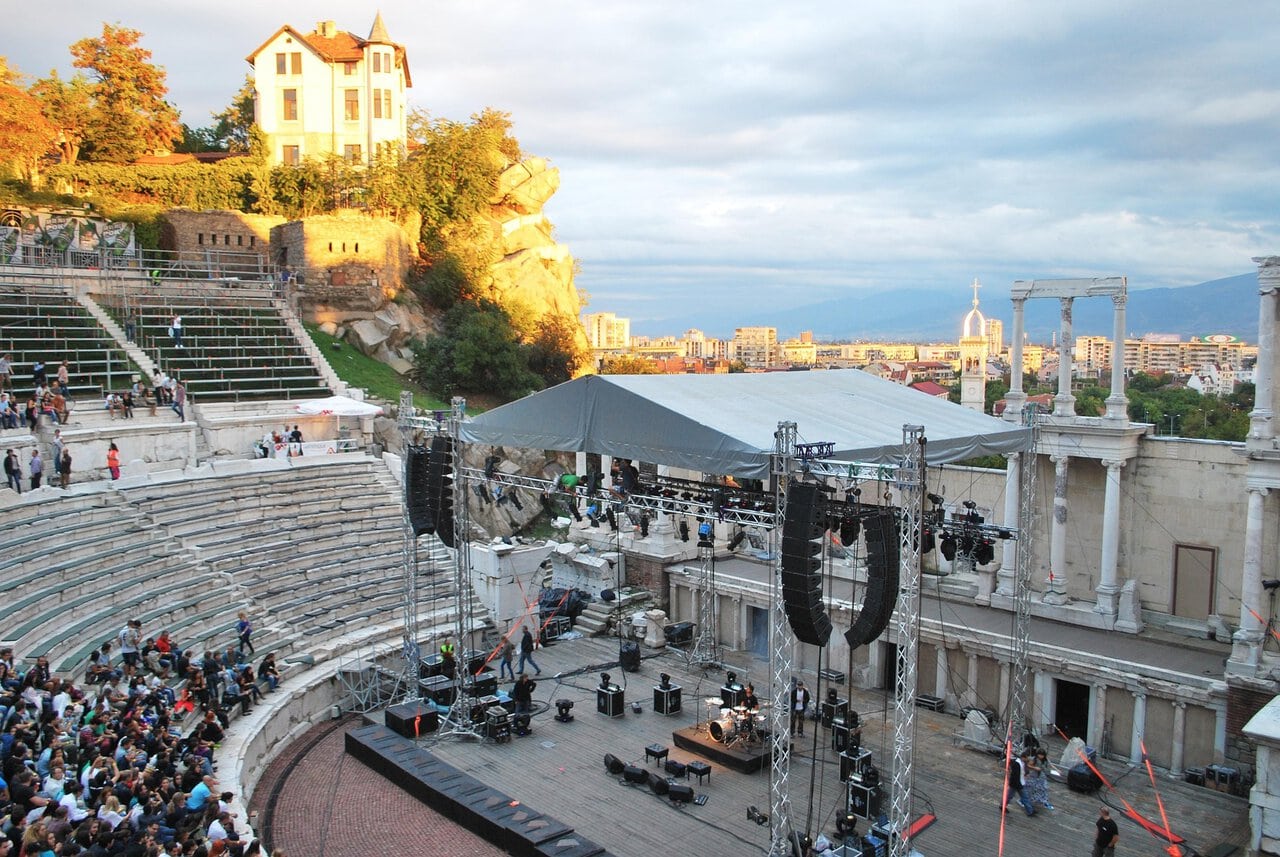
Few attractions define Plovdiv as clearly as the magnificent Ancient Theatre of Philippopolis. Built during the Roman period and dramatically positioned against the hillside, the theatre is one of the best-preserved ancient structures in the Balkans and remains one of Bulgaria’s most iconic landmarks.
Constructed during the first century AD, the theatre once hosted dramatic performances, public events, and important civic gatherings. Remarkably, much of the original structure survives today, allowing visitors to appreciate the sophistication and ambition of Roman engineering. The sweeping rows of seats, impressive stage area, and commanding views across the city create an unforgettable visitor experience.
Unlike many archaeological sites that function purely as historic monuments, the theatre continues to serve a practical purpose. Concerts, performances, and cultural events are still held here throughout the year, allowing modern audiences to enjoy the venue much as Roman citizens once did. Attending an event within the ancient theatre is widely regarded as one of the most memorable experiences available in Bulgaria.
Even visitors with only a casual interest in history are often impressed by the scale and condition of the site. The combination of ancient architecture and spectacular views makes it one of the most photogenic locations in Plovdiv and a highlight of any visit. Seasonal opening times are published on Old Plovdiv’s Ancient Theatre page.
The theatre also serves as a powerful reminder of Plovdiv’s importance within the Roman Empire and helps explain why the city remains such a fascinating destination for history enthusiasts.
Discover Roman Plovdiv
Roman Plovdiv extends far beyond the famous Ancient Theatre of Philippopolis. In fact, one of the most remarkable aspects of the city is how Roman history appears almost everywhere you look. Modern streets, cafés, shops, and public spaces often sit directly above ancient structures, creating a fascinating blend of past and present that few European cities can match.
One of the most impressive sites is the Roman Stadium of Philippopolis, which once held tens of thousands of spectators. Built during the second century AD, the stadium was one of the most important sporting venues in the Roman province of Thrace. Today, portions of the structure remain visible beneath the modern city centre, allowing visitors to stand above ancient remains while watching everyday life continue around them. The contrast between the ancient and modern city is one of Plovdiv’s most distinctive characteristics.
Visitors can also explore the remains of the Roman Forum, which served as the political, commercial, and social heart of Roman Philippopolis. Although less famous than the theatre, the forum provides valuable insight into how the city functioned during its peak and helps visitors understand the scale of Roman influence throughout the region.
The Roman Odeon offers another fascinating glimpse into ancient life. This smaller performance venue hosted meetings, musical events, and civic functions. Its restoration has helped preserve yet another chapter of Plovdiv’s remarkable Roman story.
What makes Plovdiv’s Roman heritage particularly special is its accessibility. Visitors do not need to visit a single archaeological park to experience it. Roman ruins appear throughout the city, often unexpectedly, making history feel like an integrated part of everyday life rather than something confined behind fences and ticket barriers.
For history enthusiasts, Plovdiv ranks among the most rewarding Roman destinations anywhere in Eastern Europe.
Wander Through Kapana Creative District
If the Old Town represents Plovdiv’s historic soul, then the Kapana Creative District represents its modern personality. Once a neglected commercial quarter, Kapana has been transformed into one of Bulgaria’s most vibrant cultural districts and has become one of the city’s most popular attractions.
The name Kapana, meaning “The Trap”, comes from the maze-like network of narrow streets that characterise the district. Visitors quickly understand the nickname as they wander through colourful lanes lined with independent cafés, art galleries, craft shops, studios, restaurants, and bars. Getting lost here is part of the experience.
One of Kapana’s greatest strengths is its creativity. Street art appears throughout the district, while local artists, designers, and entrepreneurs have helped create an atmosphere that feels distinctly different from other parts of the city. The area constantly evolves, with new murals, exhibitions, events, and businesses ensuring that every visit feels slightly different.
The district is particularly enjoyable during the afternoon and evening. Visitors can browse independent shops, relax in a café, sample Bulgarian craft beer, or simply soak up the atmosphere. As darkness falls, Kapana transforms into one of Plovdiv’s most popular nightlife areas, attracting both locals and visitors.
Numerous cultural festivals and events take place here throughout the year, further strengthening Kapana’s reputation as the creative heart of modern Plovdiv. Its success was one of the factors that helped establish the city as European Capital of Culture 2019, bringing international attention to this remarkable neighbourhood.
For many visitors, Kapana becomes one of the highlights of their trip and demonstrates that Plovdiv offers far more than ancient ruins and historic buildings.
Climb Nebet Tepe
For some of the best views in the city, visitors should make the short climb to Nebet Tepe. This historic hill is one of the oldest inhabited parts of Plovdiv and provides a fascinating combination of archaeology, history, and panoramic scenery.
Long before the arrival of the Romans, Nebet Tepe served as the site of an ancient Thracian settlement. Archaeological remains discovered here reveal that people have lived on this hill for thousands of years, making it one of the earliest chapters in Plovdiv’s extraordinary story. Visitors exploring the site can still see fragments of ancient fortifications and defensive walls that once protected the settlement.
Today, however, many people visit Nebet Tepe for the views. From the summit, visitors can enjoy sweeping panoramas across Plovdiv, including the Old Town, modern districts, surrounding hills, and distant mountain landscapes. The contrast between ancient ruins and contemporary city life is particularly striking from this elevated position.
The hill has become one of the city’s most popular sunset locations. During the evening, locals and visitors gather to watch the changing light spread across the rooftops and church domes below. The atmosphere is relaxed and informal, making it a wonderful place to pause and appreciate the city.
For photographers, history enthusiasts, and travellers seeking a deeper connection with Plovdiv’s past, Nebet Tepe provides one of the most rewarding experiences available in the city.
Visit Plovdiv’s Historic Houses
Among the most overlooked things to do in Plovdiv is exploring the city’s collection of beautifully preserved National Revival houses. While many visitors admire these buildings from the outside, stepping inside reveals an entirely different side of Bulgarian history and culture.
The magnificent Balabanov House is often considered one of the finest examples. Carefully restored to reflect its original appearance, the house showcases elegant interiors, traditional furnishings, decorative ceilings, and architectural features that demonstrate the wealth and sophistication of Plovdiv’s merchant class during the nineteenth century. Walking through its rooms provides a vivid impression of life during one of the most important periods in Bulgarian history.
Another highlight is the Hindliyan House, famous for its richly decorated interior and beautifully preserved living spaces. The house offers an exceptional glimpse into the lifestyle of prosperous merchants who helped shape Plovdiv’s development during the National Revival era.
The striking Kuyumdzhioglu House, which now hosts the Regional Ethnographic Museum, combines architectural beauty with extensive cultural displays. Visitors can learn about traditional Bulgarian customs, crafts, clothing, and daily life while exploring one of the most impressive historic buildings in the city.
Together, these houses help tell the story of Plovdiv’s transformation during the nineteenth century and provide a fascinating contrast to the city’s much older Roman attractions. They are among the finest examples of Bulgarian Revival architecture anywhere in the country and deserve far more attention than they often receive from visitors rushing between the major headline attractions.
Search flights and useful route combinations for your trip.
View flightsChoose an Airalo eSIM and arrange mobile data before you arrive.
Browse eSIMsHave a private airport pickup arranged before you travel.
Book a transferMuseums Worth Visiting
Plovdiv’s museums are among the finest in Bulgaria and provide an excellent opportunity to understand the city’s extraordinary history beyond its streets and monuments. While many visitors focus on the Ancient Theatre, Roman Stadium, and Old Town, the museums add important context that helps bring the city’s story to life.
The outstanding Regional Archaeological Museum should be near the top of every visitor’s itinerary. Home to an impressive collection of Thracian, Greek, and Roman artefacts, the museum explores the development of Philippopolis and the wider region across thousands of years. Visitors can view ancient sculptures, jewellery, coins, ceramics, and everyday objects that reveal how important Plovdiv was throughout antiquity.
Another highlight is the Regional Ethnographic Museum, housed within the magnificent Kuyumdzhioglu House. The building itself is one of the most beautiful examples of Bulgarian National Revival architecture, while the museum’s exhibits provide fascinating insight into traditional Bulgarian life, customs, crafts, clothing, and household practices. It remains one of the most atmospheric museums in the city.
Visitors with specialist interests may also enjoy the Natural History Museum, which contains displays covering wildlife, geology, and natural environments from across Bulgaria. Although smaller than some of the city’s better-known attractions, it offers an interesting alternative for families and nature enthusiasts.
For aviation enthusiasts, the nearby Aviation Museum showcases aircraft, equipment, and exhibits relating to Bulgaria’s aviation history. While located outside the historic centre, it can be a worthwhile addition for visitors interested in military and transport history.
Together, these museums demonstrate why Plovdiv is one of Bulgaria’s most culturally rich destinations and provide excellent rainy-day alternatives when the weather is less cooperative.
Religious & Cultural Landmarks
Plovdiv’s religious landmarks reflect the city’s long and complex history. Over the centuries, the city has been shaped by numerous cultures and faiths, leaving behind a remarkable collection of churches, mosques, cathedrals, and historic religious buildings.
One of the most recognisable landmarks is the impressive Dzhumaya Mosque, located in the heart of the city centre. Constructed during the Ottoman period, the mosque remains an important place of worship and serves as a visible reminder of the city’s multicultural past. Its distinctive architecture creates a striking contrast with the surrounding modern city and nearby Roman remains.
The beautiful Church of St Constantine and Helena is another must-see attraction. Hidden within the Old Town, this historic church features impressive frescoes, ornate decoration, and a peaceful atmosphere that offers a welcome escape from the busier tourist areas. Many visitors regard it as one of the most beautiful religious buildings in Plovdiv.
The Cathedral of St Louis, one of Bulgaria’s most important Catholic churches, adds another layer to the city’s religious heritage. Its elegant interior and historical significance make it an interesting stop for visitors exploring Plovdiv’s cultural landmarks.
Numerous smaller churches and chapels are scattered throughout the Old Town, often tucked away behind stone walls or hidden along quiet cobbled streets. Discovering these buildings is one of the pleasures of exploring Plovdiv and helps reveal the depth of history contained within the city.
These landmarks collectively illustrate why Plovdiv has remained an important cultural and religious centre for centuries.
Food & Drink Experiences
Food and drink experiences in Plovdiv rank among the very best in Bulgaria. The city has developed a reputation as one of the country’s culinary capitals, combining traditional Bulgarian cooking with modern restaurants, international influences, and outstanding regional wines.
Many of the best dining experiences can be found within the Old Town and the Kapana Creative District. Visitors will encounter everything from traditional taverns serving classic Bulgarian dishes to contemporary restaurants experimenting with modern interpretations of local cuisine. This variety helps make Plovdiv one of the country’s most exciting destinations for food lovers.
Traditional dishes such as shopska salad, banitsa, kebapche, and kavarma remain widely available and provide an excellent introduction to Bulgarian cuisine. Many restaurants also focus on seasonal ingredients sourced from the surrounding Thracian Valley, ensuring fresh and locally inspired menus throughout the year.
The city’s café culture is particularly strong. Independent coffee shops, artisan bakeries, and relaxed outdoor terraces are common throughout Kapana and the city centre. These venues provide excellent opportunities to slow down, observe local life, and enjoy the atmosphere that makes Plovdiv so appealing.
Food prices remain relatively affordable compared with many Western European destinations, allowing visitors to enjoy high-quality dining experiences without excessive expense. This combination of quality, variety, and value continues to strengthen Plovdiv’s reputation as one of Bulgaria’s leading gastronomic destinations.
Wine Experiences Around Plovdiv
Wine tourism has become one of the most compelling reasons to visit Plovdiv. Situated in the heart of the renowned Thracian Valley, the city provides easy access to one of Eastern Europe’s most important wine-producing regions.
The Thracian Valley enjoys favourable growing conditions that have supported winemaking for thousands of years. Ancient Thracian tribes produced wine here long before the arrival of the Romans, and modern Bulgarian wineries continue to build upon this remarkable heritage. Today, the region is internationally recognised for producing high-quality red wines, alongside an increasing range of excellent white and rosé varieties.
Visitors can choose from a variety of winery experiences ranging from informal tastings to guided vineyard tours. Many wineries welcome guests throughout the year, offering opportunities to learn about local grape varieties, production methods, and the history of Bulgarian winemaking. These visits often combine beautiful scenery with excellent food and hospitality.
Several vineyards lie within easy reach of Plovdiv, making wine tourism one of the city’s most accessible day-trip experiences. Visitors can spend the morning exploring Roman ruins and historic streets before heading into the countryside to sample wines produced in one of Europe’s oldest wine regions.
For many travellers, wine becomes one of the most memorable aspects of a visit to Plovdiv. The combination of history, landscapes, food, and world-class wine creates experiences that perfectly complement the city’s cultural attractions and help distinguish Plovdiv from other destinations in the Balkans.
Best Viewpoints in Plovdiv
Plovdiv’s unique geography is one of the reasons the city feels so different from many other destinations in Bulgaria. Built across several hills and surrounded by wide plains, the city offers numerous opportunities to enjoy spectacular panoramic views. Whether you are a photographer, history enthusiast, or simply someone who appreciates beautiful scenery, Plovdiv’s viewpoints should not be overlooked.
The most famous viewpoint is undoubtedly Nebet Tepe. From this ancient hilltop settlement, visitors can enjoy sweeping views across the Old Town, the modern city centre, and the distant mountains that frame the horizon. The combination of archaeological ruins, historic architecture, and urban landscapes makes Nebet Tepe one of the city’s most rewarding locations. Sunset is particularly popular, when warm light bathes the city’s red rooftops and church domes.
Another excellent location is Sahat Tepe, often referred to as Danov Hill. Slightly less visited than Nebet Tepe, this elevated viewpoint provides a different perspective across the city while offering a quieter atmosphere. Visitors looking to escape the busiest tourist areas often find Sahat Tepe particularly appealing.
The Ancient Theatre of Philippopolis also provides remarkable views. While most visitors come to admire the Roman architecture, many are equally impressed by the vistas across modern Plovdiv that unfold beyond the stage area. The contrast between the ancient monument and the contemporary city creates some of the most iconic photographs in Bulgaria.
Numerous smaller viewpoints are scattered throughout the Old Town. Simply wandering the cobbled streets often reveals hidden terraces, quiet courtyards, and elevated positions overlooking the surrounding districts. These unexpected discoveries frequently become some of the most memorable moments of a visit.
For travellers seeking beautiful scenery, photography opportunities, or a greater appreciation of Plovdiv’s geography, the city’s viewpoints are among its most rewarding attractions.
Nightlife in Plovdiv
Plovdiv’s nightlife is more sophisticated and relaxed than many visitors expect. Rather than focusing on large-scale beach clubs or resort-style entertainment, the city offers a blend of wine bars, craft beer venues, live music, rooftop terraces, and creative social spaces that perfectly complement its historic atmosphere.
The undisputed centre of Plovdiv’s evening scene is the Kapana Creative District. During the day, the area is filled with galleries, cafés, and independent shops. After dark, however, Kapana transforms into one of Bulgaria’s most vibrant nightlife districts. Streets fill with people moving between bars, restaurants, music venues, and outdoor terraces, creating an energetic but welcoming atmosphere.
One of the strengths of nightlife in Plovdiv is variety. Visitors can enjoy a quiet evening sampling wines from the Thracian Valley, listen to live music in an intimate venue, or explore bars serving Bulgarian craft beers. This diversity helps ensure that the city appeals to a broad range of travellers rather than focusing exclusively on one type of nightlife experience.
The city’s strong cultural scene also contributes to its evening appeal. Festivals, concerts, theatre performances, exhibitions, and special events take place throughout the year, particularly during the warmer months. Many of these events utilise historic venues, creating experiences that feel uniquely connected to the city’s heritage.
Compared with many European destinations, Plovdiv also remains relatively affordable. Visitors can enjoy quality food, drinks, and entertainment without facing the high costs associated with larger Western European cities. This combination of atmosphere, culture, and value continues to strengthen Plovdiv’s reputation as one of Bulgaria’s most enjoyable destinations after dark.
Compare hostels and lower-cost places to stay in Plovdiv.
Search hostelsFlying to Plovdiv? Get fast compensation payouts, eligible lounge benefits and expert help when flights go wrong.
See AirHelp+ benefitsLeave your luggage somewhere convenient and enjoy Plovdiv hands-free.
View storageFamily Attractions in Plovdiv
Plovdiv is not only a destination for history enthusiasts and culture lovers. Families will also find a wide range of attractions that make the city suitable for visitors of all ages. The combination of parks, fountains, museums, open spaces, and pedestrian-friendly districts creates an environment where families can explore comfortably and safely.
One of the city’s most popular family attractions is the impressive Singing Fountains located in Tsar Simeon Garden. These colourful fountains combine water displays, music, and lighting effects to create entertaining performances that attract both locals and tourists. Evening shows are particularly popular and provide a memorable experience for younger visitors.
The beautifully maintained Tsar Simeon Garden itself is worth exploring. Located in the city centre, the park offers green spaces, walking paths, playgrounds, and opportunities to relax between sightseeing stops. Families often use the park as a convenient place to unwind while exploring the city.
The Regional Natural History Museum is another attraction that appeals strongly to children. Interactive displays, wildlife exhibits, and educational presentations help make learning enjoyable while providing a welcome change from purely historical attractions.
Even many of Plovdiv’s historic sites work surprisingly well for families. The Ancient Theatre, Nebet Tepe, and sections of the Old Town provide open spaces where children can explore while adults appreciate the historical significance of the surroundings.
The city’s relatively compact layout is another advantage. Attractions are generally close together, reducing the need for lengthy transport journeys and making Plovdiv easier to explore with younger travellers than many larger European cities.
Day Trips from Plovdiv
Day trips from Plovdiv are among the strongest reasons to spend several days in the city. Located at the heart of southern Bulgaria, Plovdiv provides easy access to some of the country’s most important monasteries, fortresses, wine regions, mountains, and historic towns.
One of the most popular excursions is Bachkovo Monastery, Bulgaria’s second-largest monastery. Surrounded by forested hills, the monastery combines beautiful architecture, religious significance, and a peaceful atmosphere that attracts visitors throughout the year. The site provides a fascinating contrast to the urban environment of Plovdiv and remains one of Bulgaria’s most important cultural landmarks.
Nearby Asen’s Fortress offers one of the most dramatic historic settings in the country. Perched high above a river valley, the fortress provides spectacular views alongside a fascinating glimpse into medieval Bulgarian history. The combination of scenery and heritage makes it one of the most rewarding excursions from Plovdiv.
Nature lovers often head towards the Rhodope Mountains, which begin a short distance south of the city. The region offers hiking trails, traditional villages, scenic landscapes, and opportunities to experience a very different side of Bulgaria. Visitors can easily spend an entire day exploring the mountains before returning to Plovdiv in the evening.
The historic spa town of Hisarya provides another excellent option. Famous for its mineral springs and remarkably well-preserved Roman walls, the town combines relaxation with history and is easily accessible from Plovdiv.
Wine enthusiasts should consider visiting Starosel, one of Bulgaria’s most famous wine-producing areas. The region combines vineyards, wineries, archaeological sites, and beautiful countryside, creating a day-trip experience that perfectly complements Plovdiv’s own food and wine scene.
These destinations help demonstrate why Plovdiv works so well as a base for exploring southern Bulgaria. Few cities in the country offer access to such a diverse range of attractions within such a short distance.
Hidden Gems Around Plovdiv
While the Ancient Theatre, Old Town, and Kapana Creative District attract most visitors, some of Plovdiv’s most rewarding experiences can be found away from the main tourist routes. These lesser-known attractions provide a deeper understanding of the city and often become unexpected highlights for travellers willing to explore beyond the obvious landmarks.
One of the most overlooked areas is Bunardzhik Hill, home to the imposing Alyosha Monument. The hill provides excellent views across the city while offering a quieter atmosphere than the more famous Nebet Tepe. Many visitors discover that the combination of panoramic scenery, green spaces, and local life makes it one of the most enjoyable places to spend a peaceful afternoon.
Another hidden gem can be found within the quieter corners of the Old Town. While most tourists follow the main routes between attractions, some of the district’s most beautiful streets remain surprisingly empty. Wandering away from the busiest areas often reveals hidden courtyards, traditional houses, artisan workshops, and viewpoints that many visitors never encounter.
Art lovers should also keep an eye out for the smaller galleries scattered throughout Kapana and the city centre. These independent spaces frequently showcase contemporary Bulgarian artists and provide insight into the city’s thriving creative scene. Because exhibitions change regularly, every visit can offer something new.
The remains of lesser-known Roman structures are another fascinating aspect of Plovdiv. While the theatre and stadium attract most attention, fragments of ancient walls, foundations, and archaeological discoveries continue to appear throughout the city. These discoveries reinforce the feeling that history is woven into the very fabric of modern Plovdiv.
For travellers seeking experiences that feel more authentic and less crowded, these hidden corners often reveal a side of Plovdiv that many guidebooks barely mention.

Things to Do in Plovdiv When It Rains
A rainy day does not need to disrupt your plans because many of the best things to do in Plovdiv can be enjoyed indoors. The city’s rich cultural heritage, excellent museums, historic houses, and food scene ensure that visitors still have plenty of options when the weather is less favourable.
The outstanding Regional Archaeological Museum should be high on the list. Its collection of Thracian, Greek, and Roman artefacts provides an excellent introduction to the region’s history and can easily occupy several hours. Visitors interested in understanding the significance of Philippopolis will find the museum particularly rewarding.
The beautifully preserved historic houses of the Old Town are also ideal during wet weather. Buildings such as the Balabanov House, Hindliyan House, and Kuyumdzhioglu House allow visitors to explore stunning interiors while learning about Bulgarian history and culture. Many travellers actually find these attractions more enjoyable during cooler or wetter conditions.
The cafés and restaurants of Kapana offer another excellent option. The district’s creative atmosphere remains appealing regardless of the weather, and spending a few hours enjoying local cuisine, coffee, wine, or craft beer can be a pleasant way to experience the city.
Visitors may also wish to explore Plovdiv’s churches, galleries, and cultural venues. The city’s strong artistic and cultural scene means there is usually something happening, whether it be an exhibition, performance, or special event.
Rain may alter your itinerary, but it certainly does not prevent visitors from enjoying one of Bulgaria’s most fascinating cities.
Visiting Plovdiv in Winter
Although Plovdiv is often associated with warm weather and outdoor exploration, the city remains an excellent destination during the winter months. In fact, many visitors find that the quieter atmosphere allows them to appreciate the city’s history and culture in a more relaxed way.
One of the biggest advantages of visiting during winter is the reduced number of tourists. Popular attractions such as the Ancient Theatre, Roman Stadium, and Old Town can often be explored without the crowds that arrive during spring and summer. This creates a more intimate experience and provides excellent opportunities for photography.
The city’s cafés, wine bars, and restaurants become particularly inviting during colder weather. Exploring the atmospheric streets of Kapana, before warming up with local food and wine, is one of the pleasures of a winter visit. The city’s thriving culinary scene remains active throughout the year and helps ensure there is always something enjoyable to do.
Winter is also an excellent time to explore Plovdiv’s museums, historic houses, and religious landmarks. Attractions such as the Regional Archaeological Museum, Ethnographic Museum, and the city’s many churches provide fascinating indoor experiences while offering shelter from the weather.
Accommodation prices are often lower outside the main tourism season, allowing visitors to enjoy higher-quality hotels at more affordable rates. Combined with the city’s generally good value for money, this can make winter one of the most economical times to visit.
For travellers interested in culture, history, food, and authentic local experiences, Plovdiv in winter can be every bit as rewarding as a summer visit.
How Many Days Do You Need in Plovdiv?
The ideal length of stay depends on how deeply you wish to explore the city and its surroundings. While some travellers visit as a day trip from Sofia, most visitors quickly discover that Plovdiv deserves considerably more time.
A one-day visit allows enough time to explore the highlights of the Old Town, visit the Ancient Theatre, walk through Kapana, and see portions of the city’s Roman heritage. While this provides a useful introduction, many visitors leave feeling they have only scratched the surface.
A two to three-day stay is ideal for most travellers. This timeframe allows visitors to explore the major attractions at a relaxed pace, enjoy the city’s restaurants and wine bars, visit museums, and fully appreciate the atmosphere that makes Plovdiv so special. It also leaves time to discover some of the hidden corners that many short-stay visitors miss.
Travellers interested in wine tourism, history, or day trips may wish to spend four or five days in the region. This allows time for excursions to Bachkovo Monastery, Asen’s Fortress, Hisarya, Starosel, and the wider Thracian Valley while still enjoying everything Plovdiv itself has to offer.
Most visitors arrive expecting a pleasant historic city and leave wondering why they did not allocate more time. The combination of Roman heritage, creative culture, food, wine, and surrounding attractions makes Plovdiv one of Bulgaria’s most rewarding destinations for a longer stay.

Where to Stay in Plovdiv
Choosing where to stay in Plovdiv is relatively straightforward because many of the city’s main attractions are concentrated within a compact area. Most visitors will find that staying close to the Old Town, Kapana, or the city centre provides the best balance of convenience, atmosphere, and accessibility.
For first-time visitors, the area surrounding the Old Town is often the most rewarding choice. Staying here places travellers within walking distance of major attractions such as the Ancient Theatre of Philippopolis, Roman Stadium, historic houses, churches, and museums. The district’s cobbled streets, colourful architecture, and panoramic viewpoints also help create a uniquely memorable atmosphere that cannot be replicated elsewhere in the city.
Visitors seeking restaurants, bars, cafés, and nightlife should consider accommodation near the Kapana Creative District. This vibrant neighbourhood has become one of Plovdiv’s most popular areas and offers easy access to both the historic centre and the modern city. The combination of culture, dining, and entertainment makes it particularly attractive for couples and weekend visitors.
Luxury travellers often gravitate towards properties such as the DoubleTree by Hilton Plovdiv Center, which provides modern facilities while remaining conveniently located for sightseeing. Other highly regarded options include the elegant Gallery 37 Powered by Aston and the historic Hotel Evmolpia, both of which complement the city’s character and charm.
Travellers arriving by train may prefer accommodation closer to Plovdiv Railway Station, particularly if they are continuing onwards through Bulgaria. However, even the station area remains within relatively easy reach of the city’s principal attractions.
One of Plovdiv’s greatest advantages is value. Compared with many historic cities across Europe, visitors can often stay in beautifully restored buildings and boutique hotels without paying premium prices. This allows travellers to enjoy exceptional locations while keeping accommodation costs under control.
Compare hotel prices in Plovdiv with Vio
Vio compares prices across major booking sites, including Booking.com, Expedia, Agoda and Hotels.com, so you can check whether the same stay is cheaper elsewhere before you book.
Other booking options
Hotel group websites
Click the map to open a larger interactive view and explore more accommodation options.
Getting Around Plovdiv
Getting around Plovdiv is remarkably easy, largely because many of the city’s main attractions are located within walking distance of one another. Visitors can comfortably explore much of the Old Town, Kapana, Roman Stadium, and city centre on foot, making walking the preferred method of transport for most travellers.
The compact nature of the historic centre means that many of Plovdiv’s highlights can be linked together into a single day of sightseeing. Walking also allows visitors to appreciate the city’s architecture, discover hidden streets, and stumble across unexpected attractions that might otherwise be missed.
For journeys beyond the central districts, Plovdiv’s bus network provides extensive coverage across the city. Buses are inexpensive and connect residential areas, shopping centres, transport hubs, and surrounding districts. While many tourists rarely need to use public transport, it remains a useful option for reaching locations outside the historic core.
Taxis are widely available and generally affordable. Compared with many Western European cities, taxi fares remain relatively low, making them a practical option for visitors travelling longer distances or returning to accommodation after an evening out. As always, travellers should use reputable operators and ensure that meters are being used correctly.
The city’s excellent rail connections are another major advantage. Plovdiv Railway Station sits on Bulgaria’s most important rail corridor and offers regular services to Sofia, Burgas, Varna, and numerous other destinations. This makes Plovdiv an ideal stop for travellers exploring Bulgaria by train or using an Interrail Pass.
Thanks to its manageable size, excellent walkability, and strong transport links, Plovdiv is one of the easiest cities in Bulgaria to explore independently.

Rupert’s Handy Travel Tips
Planning a visit to Plovdiv? Rupert has a few suggestions to help you make the most of one of Bulgaria’s most fascinating cities.
- Allow time to simply wander through the Old Town. Some of Plovdiv’s most memorable moments come from exploring its cobbled streets without a strict itinerary.
- Visit the Ancient Theatre of Philippopolis early in the morning or late in the afternoon when lighting conditions are at their best for photographs.
- Don’t treat Kapana as just a nightlife district. The area is equally enjoyable during the day when galleries, cafés, and independent shops are open.
- If possible, include at least one Thracian Valley winery in your plans. The wine scene is one of the region’s most underrated attractions.
- Spend a sunset on Nebet Tepe. The views across Plovdiv are among the finest in Bulgaria and are completely free to enjoy.
Rupert’s verdict: Many visitors arrive expecting a pleasant historic city and leave believing Plovdiv is one of the highlights of Bulgaria. Give yourself at least two nights and the city will reward you.
Want to learn more about Rupert? Visit our Who is Rupert? page.




Frequently Asked Questions
What are the best things to do in Plovdiv?
Exploring the Old Town, visiting the Ancient Theatre of Philippopolis, discovering the Roman Stadium, wandering through Kapana, and enjoying the city’s food and wine scene are among the most popular activities in Plovdiv.
Is Plovdiv worth visiting?
Yes. Plovdiv combines exceptional Roman history, beautiful National Revival architecture, a thriving cultural scene, excellent food, and easy access to the Thracian Valley, making it one of Bulgaria’s most rewarding destinations.
How many days should I spend in Plovdiv?
Most visitors should spend at least two to three days in Plovdiv. This allows enough time to explore the city’s major attractions while also enjoying its cafés, restaurants, museums, and viewpoints.
Can you visit Plovdiv as a day trip from Sofia?
Yes. Regular trains connect Sofia and Plovdiv, making day trips possible. However, many visitors find that the city deserves at least one overnight stay to fully appreciate its atmosphere.
What is Plovdiv famous for?
Plovdiv is famous for its Roman ruins, Ancient Theatre, Old Town, Kapana Creative District, and status as one of the oldest continuously inhabited cities in Europe.
Is Plovdiv expensive?
No. Compared with many European city-break destinations, Plovdiv remains affordable for accommodation, dining, attractions, and transport, making it excellent value for visitors.
Further Reading & Related Guides
If you’re exploring Bulgaria beyond Plovdiv, our comprehensive Bulgaria Travel Guide covers the country’s major cities, transport networks, attractions, and practical travel advice. Visitors planning to continue their journey should also read our Sofia Travel Guide, which explores Bulgaria’s capital and its many cultural and historical attractions.
Rail travellers may find our Sofia to Plovdiv Train Guide particularly useful, especially if travelling through Bulgaria using an Interrail Pass. For wider rail adventures, our Bulgaria Interrail Pass Guide explains how to make the most of the country’s growing rail network.
If you’re continuing towards the coast, our Things to Do in Varna Guide highlights Bulgaria’s Black Sea capital, while our eSIM Guide can help you stay connected throughout your travels without expensive roaming charges.