Reviewed by our editorial team Updated
Your Transfer Options from Sofia Airport
Sofia Airport transfers are the first transport decision most visitors make when arriving in Bulgaria’s capital city. Located on the eastern side of Sofia, the airport serves as the country’s busiest aviation hub and provides connections across Europe, the Middle East and beyond. Whether you are heading into the city centre, catching a train across Bulgaria or beginning a wider Balkan adventure, understanding the available transfer options can save both time and money.
Unlike many European capitals, reaching central Sofia is relatively straightforward. Travellers can choose between the Sofia Metro, local buses, licensed taxis, private transfers and car hire. The airport’s direct metro connection is particularly useful, providing a fast and affordable link into the heart of the city without the traffic delays that can affect road transport during busy periods.
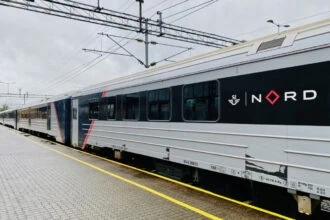
The airport is also an important gateway for rail travellers. Many visitors arriving by air continue their journey using Sofia Central Railway Station, which offers services to destinations such as Plovdiv, Varna, Burgas, Dobrich, Silistra and even international routes towards Turkey. Thanks to the metro network, these onward connections are easier than many first-time visitors expect.
For those planning a city break, transfer times are generally short. Most central districts, including Vitosha Boulevard, the National Palace of Culture, Serdika and the historic centre, can be reached within an hour of landing. This makes Sofia one of Europe’s easier capital cities to navigate, particularly when compared with larger airports located far outside urban areas.
Whether you are visiting for business, history, mountain hiking, rail travel or a wider Balkan itinerary, choosing the right Sofia Airport transfer can help ensure your trip begins smoothly.
Sofia Airport at a Glance
Before choosing the best transfer option, it helps to understand the airport itself. Although considerably smaller than hubs such as Heathrow, Frankfurt or Istanbul Airport, Sofia Airport handles millions of passengers each year and offers a modern gateway to Bulgaria.
| Item | Information |
|---|---|
| Official Name | Sofia Airport |
| IATA Code | SOF |
| Location | Eastern Sofia |
| Distance to City Centre | Approximately 10 km |
| Number of Terminals | 2 |
| Metro Connection | Yes |
| Public Bus Services | Yes |
| Taxi Rank | Yes |
| Car Hire Facilities | Yes |
| Railway Station On Site | No |
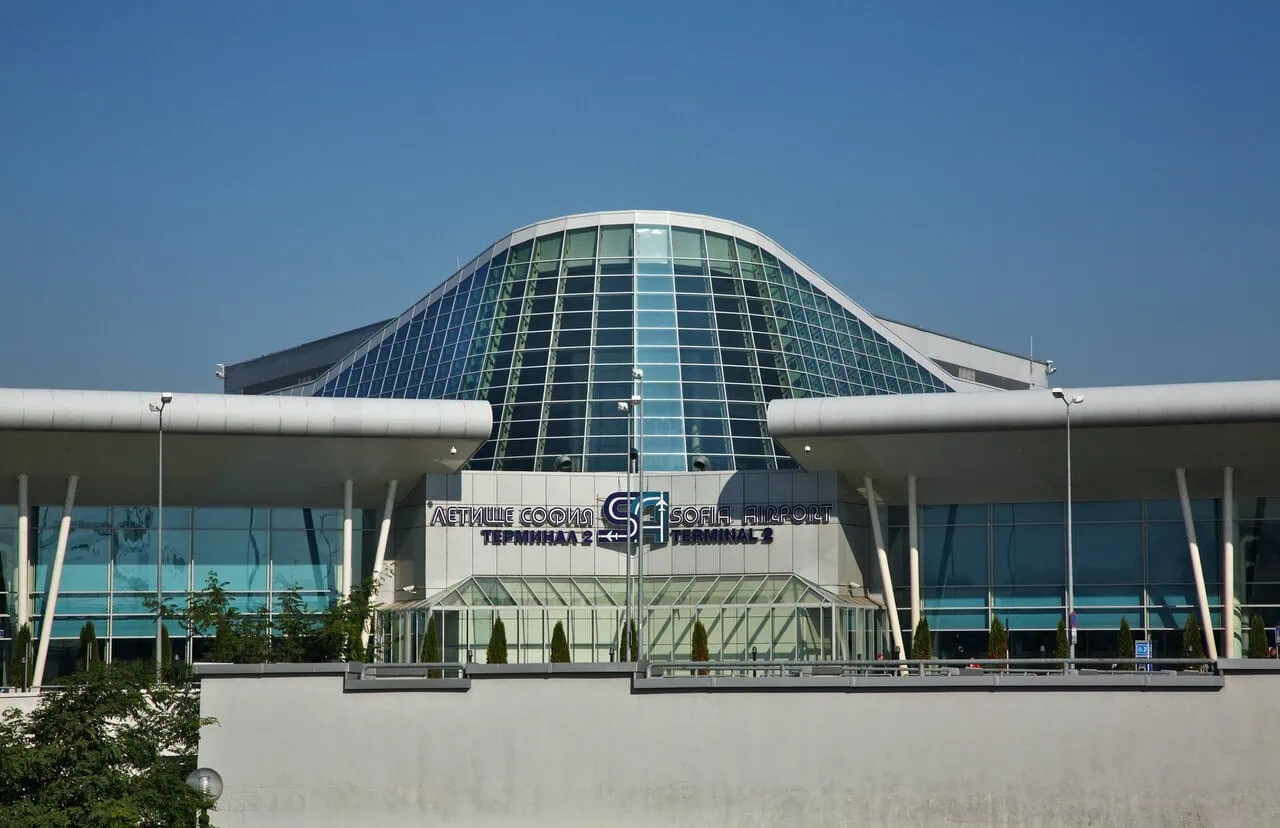
The airport consists of Terminal 1 and Terminal 2, with a free shuttle bus operating between the two. Most scheduled international airlines now use Terminal 2, which also houses the airport’s metro station. However, some low-cost and charter services may still operate from Terminal 1, making it important to check your arrival or departure terminal before travelling.
One of the airport’s biggest strengths is its proximity to the city. Unlike airports located 30 to 50 kilometres from the centre, Sofia Airport sits relatively close to the main urban area. This keeps transfer times short and makes public transport a realistic option even for visitors carrying luggage.
For travellers continuing their journey elsewhere in Bulgaria, the airport’s location also provides easy access to the city’s major road, rail and coach networks, helping to position Sofia as one of the Balkans’ most useful transport hubs.
Compare hotels and other places to stay in Sofia.
Check availabilityBrowse apartments, homes and self-catering accommodation in Sofia.
Browse rentalsSee hotel prices from multiple booking sites in one search.
Compare ratesWhere Is Sofia Airport?
Situated on the eastern edge of the Bulgarian capital, Sofia Airport lies approximately 10 kilometres from Sofia city centre. The airport occupies a strategic position close to major roads, allowing convenient access to both the city itself and destinations across Bulgaria.
The airport is divided between Terminal 1 and Terminal 2, which sit a short distance apart. A free shuttle bus links the terminals throughout the day, allowing passengers to transfer between them when required. Most visitors arriving on major European airlines will pass through Terminal 2, while certain low-cost and seasonal operators continue to use Terminal 1.
One of the advantages of Sofia’s airport location is its excellent connection to the city’s transport infrastructure. The airport sits directly on the Metro Line M4, giving passengers quick access to central districts without needing to rely on taxis or private transfers. This direct rail connection is one of the reasons many travellers find Sofia easier to navigate than other European capitals.
The surrounding area is largely commercial and residential rather than tourist-focused, meaning most visitors will continue directly into the city after arrival. Popular destinations such as Serdika, Vitosha Boulevard, the National Palace of Culture, Sofia Central Railway Station and Sofia Central Bus Station are all easily reached from the airport.
For travellers heading beyond Sofia, the airport also provides straightforward access to the country’s main motorway network. Routes towards Plovdiv, Varna, Burgas, Veliko Tarnovo and the Black Sea coast all begin with relatively simple transfers from the airport area.
Metro from Sofia Airport
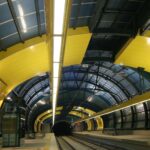
For most visitors, the Sofia Metro is the easiest and cheapest way to travel from Sofia Airport into the city. The airport is served by Metro Line M4, with a station located directly outside Terminal 2. Passengers arriving at Terminal 1 can use the free airport shuttle bus to reach the metro station within a few minutes.
A single metro journey currently costs approximately €0.80, making it by far the most affordable transfer option. Tickets can be purchased from station ticket machines, ticket offices and increasingly through contactless bank card payment systems at the barriers. For most international visitors, contactless payment is the simplest option.
Services run frequently throughout the day, with waiting times usually short and intervals lengthening in the early morning and late evening. Journey times to central Sofia are usually around 20 minutes, with slightly longer needed if your destination requires a change of line.
Travellers heading to the historic centre should normally remain on the metro until Serdika Station, which sits close to many of Sofia’s main attractions, hotels and pedestrian shopping streets. Visitors staying near Vitosha Boulevard or the National Palace of Culture can continue using the metro network or walk from central stations.
The metro is also the best option for rail travellers. To reach Sofia Central Railway Station and Sofia Central Bus Station, passengers can change onto the appropriate metro line and continue to Central Railway Station (Tsentralna Gara). The entire journey usually takes under 30 minutes, considerably cheaper than a taxi.
Unlike buses, the metro offers dedicated luggage space and avoids Sofia’s road traffic. For most travellers arriving at Sofia Airport, it remains the transfer option that provides the best balance of price, speed and convenience.
Bus Services from Sofia Airport
While the metro is usually the fastest option, bus services from Sofia Airport remain a useful alternative for travellers whose accommodation is not located close to a metro station. The airport is served by several city bus routes that connect the terminals with different parts of the Bulgarian capital.
The most important route for visitors is Bus 84, which runs between the airport and central Sofia. This service has long been one of the main public transport links into the city and remains popular with both residents and visitors. Alongside it, Bus 184 provides a similar route with fewer intermediate stops, helping reduce journey times during busy periods.
Another useful service is Bus 384, which connects the airport with parts of the city’s eastern districts and provides additional transport options depending on your final destination. Route details for all three services appear on the airport’s own transport page.
A single public transport ticket currently costs around €0.80, making the bus one of the cheapest ways to leave the airport. Tickets can usually be purchased through contactless payment systems onboard or via Sofia’s public transport network. Travellers should always verify the latest payment arrangements before boarding, as ticketing systems continue to evolve.
Journey times vary considerably depending on traffic. During quiet periods, reaching central Sofia may take around 35 to 45 minutes, while peak-hour congestion can extend this significantly. Unlike the metro, buses are affected by road conditions and traffic delays, particularly during weekday rush hours.
For travellers carrying large suitcases, the metro is often the more comfortable option. However, buses can be useful when travelling to districts that would otherwise require multiple metro changes. They also provide an opportunity to see more of the city during the journey, something underground transport naturally cannot offer.
Although most visitors will choose the metro, the airport’s bus network remains an important part of Sofia’s transport system and offers a low-cost alternative for reaching many parts of the city.
Sofia Airport Taxi Transfers
For travellers seeking a direct door-to-door journey, Sofia Airport taxi transfers remain one of the most convenient options. Taxis are available throughout the day and night, making them particularly useful for late arrivals, early departures or travellers carrying significant amounts of luggage.
The airport’s official taxi partner is OK Supertrans AD (+359 2 973 2121), identifiable by yellow floor markings leading to its dedicated stand outside the terminals. Upon leaving the arrivals area, passengers should follow signs to the authorised taxi stand rather than accepting offers from individuals inside the terminal buildings; the airport explicitly advises against using taxi services offered outside this office or in front of the terminal, as unofficial drivers occasionally target arriving passengers.
Journey times into central Sofia are generally between 15 and 30 minutes, depending on traffic conditions and the exact destination. Popular areas such as Serdika, Vitosha Boulevard, the National Palace of Culture and Sofia Central Railway Station can usually be reached relatively quickly outside peak traffic periods.
Typical fares to the city centre are often in the region of €10 to €18, although prices vary depending on distance, traffic and time of day. Travellers should always confirm that the meter is running correctly and request a receipt at the end of the journey.
Taxis become particularly attractive for groups. While a solo traveller may find the metro significantly cheaper, the cost difference narrows considerably when split between several passengers. Families with children and travellers carrying multiple bags often find the convenience worth the additional expense.
For those arriving after midnight, taxis are also one of the simplest transfer options. Although public transport continues operating for much of the day, taxi services provide flexibility regardless of arrival time and eliminate the need to navigate unfamiliar transport systems immediately after landing.
Private Transfers from Sofia Airport
Travellers looking for maximum convenience may wish to consider a private transfer from Sofia Airport. Unlike standard taxis, these services are booked in advance and typically include a driver waiting inside the terminal with a name board upon arrival.
Private transfers are particularly popular among first-time visitors to Bulgaria. After a long flight, the ability to walk directly from arrivals to a waiting vehicle can remove much of the uncertainty associated with navigating a new city. This is especially useful for travellers arriving late at night or those unfamiliar with local transport systems.
Most private transfer providers offer fixed pricing, meaning passengers know the cost before travel. This removes concerns about traffic delays affecting the fare and can provide additional peace of mind when budgeting for a trip.
Families, larger groups and travellers carrying substantial luggage often benefit most from private transfers. Vehicles can be selected according to passenger numbers, and many operators provide child seats if requested in advance.
Private transfers are also useful for visitors continuing directly to destinations outside Sofia. Popular onward routes include Borovets, Bansko, Plovdiv, Veliko Tarnovo and various destinations along the Black Sea coast. In these cases, a private transfer can sometimes eliminate the need for additional train or bus connections.
Although more expensive than public transport, private transfers offer the highest level of convenience and are often the least stressful way to begin a trip to Bulgaria.
Bolt also operates throughout Sofia and can be requested from the airport via the app; Uber does not currently operate in Bulgaria.

Pre-Book a Sofia Airport Transfer
If you would prefer your onward journey to be organised before landing in Sofia, you can reserve a private airport transfer through Welcome Pickups.
Your driver meets you on arrival and takes you directly to your accommodation, which can make the first part of your visit considerably simpler.
Compare airport transfer prices in Sofia. You can also check another transfer provider before booking.
Car Hire at Sofia Airport
Hiring a car at Sofia Airport can be an excellent option for travellers planning to explore more of Bulgaria beyond the capital. While public transport is generally sufficient for visiting Sofia itself, a rental vehicle provides considerably greater flexibility when travelling to mountain resorts, rural areas and smaller towns.
Confirmed operators at the airport include Avis, Hertz and Europcar, alongside other international and local rental companies, with collection facilities available close to the terminals. Booking in advance often results in lower prices and a wider choice of vehicles, particularly during the summer tourism season and winter ski period.
Driving conditions in Sofia are broadly similar to those found elsewhere in Europe, although traffic can become busy during peak commuting hours. Outside the capital, road quality varies. Major motorways linking Sofia, Plovdiv, Burgas and Varna are generally modern and well maintained, while some secondary roads may require more caution.
Travellers should familiarise themselves with Bulgaria’s road rules before driving. Speed limits, parking regulations and motorway requirements may differ from those in their home country. Those planning extensive motorway travel should also ensure their vehicle complies with any applicable vignette requirements.
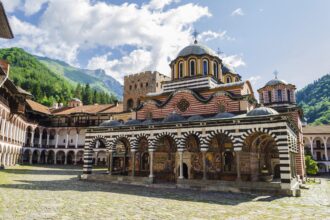
Car hire becomes particularly attractive for visitors planning to explore destinations such as Rila Monastery, Seven Rila Lakes, Bansko, Borovets, Veliko Tarnovo, Plovdiv or the more remote sections of the Black Sea coast. Many of these destinations are accessible by public transport, but a car provides significantly greater flexibility.
For visitors spending their entire trip in Sofia, however, a rental vehicle is often unnecessary. The city’s metro, buses, trams and taxis generally provide all the transport most travellers require, often at a much lower cost.
Book Car Hire for Your Sofia Trip
If your plans in Sofia include day trips, rural areas or several stops, having your own car can make the itinerary much easier to manage.
Discover Cars and EconomyBookings both let you compare available vehicles and prices from a range of rental companies.
Compare routes and fares for your journey to Sofia.
Compare flightsBrowse Airalo eSIM options for convenient travel data.
Check eSIMsArrange a private airport pickup for your trip to Sofia.
Check transfersSofia Airport to Sofia City Centre
One of the reasons many travellers enjoy visiting Sofia is the ease with which they can reach the city centre after landing. Unlike airports located far from their host cities, Sofia Airport sits only around 10 kilometres from the heart of the capital, making transfers relatively quick and affordable.
Several transport options are available, each with different advantages depending on budget, luggage requirements and arrival time.
| Transport Option | Typical Time | Typical Cost | Best For |
|---|---|---|---|
| Metro | Around 20 mins | Around €0.80 | Most travellers |
| Bus | 35–50 mins | Around €0.80 | Budget travellers |
| Taxi | 15–30 mins | €10–€18 | Convenience |
| Private Transfer | 15–30 mins | Higher fixed fare | Families and groups |
| Car Hire | Varies | Varies | Exploring Bulgaria |
For most visitors, the metro from Sofia Airport offers the best overall balance of price, speed and convenience. Trains avoid road congestion and provide direct access to central areas such as Serdika, which sits close to many of the city’s attractions, restaurants and hotels.
Travellers staying near Vitosha Boulevard, the National Palace of Culture, the historic centre or the government district will often find the metro more practical than road transport. The network is easy to navigate, affordable and generally reliable throughout the day.
Taxis and private transfers become more attractive when travelling with large amounts of luggage, arriving very late at night or staying in neighbourhoods located away from the metro network. Journey times are often quicker than public transport during quieter periods, although traffic can increase travel times significantly during rush hour.
Overall, reaching central Sofia is far simpler than many first-time visitors expect. Whether travelling on a tight budget or looking for maximum convenience, there is a transfer option suitable for almost every type of traveller.
Sofia Airport to Sofia Central Railway Station
One of the most important onward connections is the journey from Sofia Airport to Sofia Central Railway Station. The station serves as Bulgaria’s principal rail hub and provides connections across the country as well as international services into neighbouring countries.
The easiest way to reach Sofia Central Railway Station is by using the Sofia Metro. From Sofia Airport Metro Station on Line M4, board a train towards the city centre and travel to Serdika Station, one of the network’s main interchange points. At Serdika, change to Metro Line M2 heading towards Obelya and continue for two stops to Tsentralna Gara Station. The metro station is located directly beneath Sofia Central Railway Station and a short walk from the adjacent Sofia Central Bus Station.
The journey typically takes under 30 minutes, depending on waiting times for connections, and costs the same as a standard metro ticket. For travellers connecting to the night trains from Sofia or long-distance services to Plovdiv, Varna, Burgas, Dobrich, Silistra and Istanbul, it is usually the cheapest and most reliable transfer option available.
Travellers carrying substantial luggage may prefer a taxi or private transfer. Road journeys generally take around 20 to 30 minutes depending on traffic conditions. While more expensive than the metro, they eliminate the need for transfers and can be particularly useful when connecting with early morning or late evening trains.
For anyone planning to explore Bulgaria by rail, the connection between Sofia Airport and Sofia Central Railway Station is straightforward and easy to manage, even for first-time visitors.
Sofia Airport to Sofia Central Bus Station
Located directly beside Sofia Central Railway Station, the Sofia Central Bus Station serves long-distance coach routes throughout Bulgaria and the wider Balkans. Travellers heading to destinations not easily reached by train often use the station as their next stop after arriving at the airport.
The metro provides the most economical transfer option. By travelling from the airport via the metro network and continuing towards Tsentralna Gara, passengers can reach both the railway station and bus station using the same journey. The two transport hubs sit next to one another, allowing easy movement between rail and coach services.
Journey times are generally similar to those required for the railway station, typically under 30 minutes from the airport depending on waiting times and connections.
Taxi transfers offer a faster alternative, particularly when carrying luggage or travelling outside peak traffic periods. Most journeys take between 20 and 30 minutes, although congestion can increase travel times during busy periods.
The bus station itself offers coach services to destinations throughout Bulgaria, including smaller towns that may have limited rail connections. International services also operate towards countries such as Greece, Romania, Serbia, North Macedonia and Turkey, making the station an important gateway for wider Balkan travel.
Visitors planning onward coach travel should allow extra time when making connections, particularly during busy travel periods when roads entering central Sofia can become congested.
Popular Journeys from Sofia Airport
Many visitors arriving at Sofia Airport are not simply heading into the city centre. Bulgaria offers a wide range of attractions, historical sites, mountain resorts and transport hubs that can all be reached from the airport using a combination of public transport and road transfers.
| Destination | Best Transfer Option | Typical Time |
|---|---|---|
| Sofia City Centre | Metro | Around 20 mins |
| Sofia Central Railway Station | Metro | Under 30 mins |
| Sofia Central Bus Station | Metro | Under 30 mins |
| Vitosha Boulevard | Metro | 30–40 mins |
| National Palace of Culture | Metro | 30–40 mins |
| Boyana Church | Metro + Bus/Taxi | 45–60 mins |
| Vitosha Mountain | Taxi or Transfer | 40–60 mins |
One of the most popular destinations is Vitosha Boulevard, Sofia’s main pedestrian shopping and dining street. Many first-time visitors stay in this area due to its central location and proximity to major attractions.
The National Palace of Culture (NDK) is another common destination, particularly for business travellers and conference attendees. The metro provides convenient access to this part of the city, making it easy to reach without a taxi.
Visitors interested in history often head towards Boyana Church, a UNESCO-listed site famous for its medieval frescoes. Although public transport connections exist, many travellers find taxis or private transfers more convenient for reaching this part of the city.
For outdoor enthusiasts, Vitosha Mountain rises dramatically above Sofia and offers hiking, skiing and panoramic views across the capital. While public transport options are available, direct road transfers generally provide the fastest and simplest route to the mountain’s main access points.
Sofia Airport for Interrail Travellers
For many visitors, Sofia Airport is not the final destination but the starting point of a much larger rail journey. As the principal gateway to Bulgaria, the airport provides convenient access to Sofia Central Railway Station, which serves as the country’s main rail hub and the starting point for domestic and international train services.
Reaching the station is relatively straightforward using the Sofia Metro. From Sofia Airport Metro Station, board Metro Line M4 towards the city centre and travel to Serdika Station. Here, change to Metro Line M2 towards Obelya and continue to Tsentralna Gara Station. The railway station sits directly above the metro station, making the transfer simple even for first-time visitors.
For Interrail Pass and Eurail Pass holders, Sofia is an important hub within the Balkans. While Bulgaria’s rail network is often overlooked in favour of Western European countries, it offers extensive coverage and some of Europe’s most affordable reservation fees. Travellers can reach major destinations across the country while avoiding the high supplement costs often associated with trains elsewhere in Europe.
Popular routes from Sofia Central Railway Station include services to Plovdiv, Bulgaria’s second-largest city and one of Europe’s oldest continuously inhabited settlements. Longer routes continue to the Black Sea coast, including trains to Varna and Burgas, while regional services connect smaller cities and towns throughout the country.
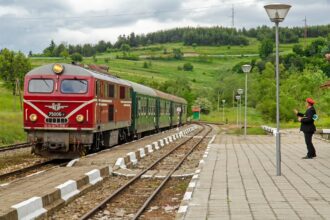
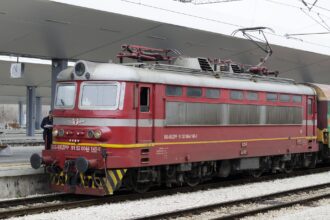
The station is also the departure point for Bulgaria’s overnight rail network. Travellers can board the night trains from Sofia to Varna, Burgas, Dobrich and Silistra, allowing them to cross much of the country while sleeping. The international Sofia to Istanbul sleeper train also departs from here, offering one of the Balkans’ most interesting overnight rail experiences.
For rail travellers planning a wider European journey, Sofia can serve as an excellent bridge between Central Europe, the Balkans and Turkey. Although international rail services in the region are not as extensive as those found in Western Europe, the city remains one of the most useful railway gateways in south-eastern Europe.
Is Sofia Airport Easy to Use?
Compared with many European capitals, Sofia Airport is generally considered straightforward to navigate. Its relatively compact size means passengers spend less time walking between facilities, while clear signage in both Bulgarian and English helps international visitors find their way around.
One of the airport’s greatest strengths is its excellent public transport connection. The direct metro station at Terminal 2 provides a fast and inexpensive link into the city centre, something many larger European airports still lack. This significantly reduces transfer costs and makes Sofia particularly attractive to budget-conscious travellers.
The airport’s two-terminal layout is also relatively simple. While Terminal 1 and Terminal 2 are separate buildings, the free shuttle bus between them ensures transfers remain straightforward. Most international travellers will use Terminal 2, which houses the metro station and the majority of the airport’s passenger facilities.
Facilities inside the terminals include restaurants, cafés, currency exchange services, car hire desks and airport lounges. Although the airport is smaller than major hubs such as Heathrow, Frankfurt Airport or Istanbul Airport, most travellers find the available services more than adequate for short waits before departure or after arrival.
Accessibility has improved significantly in recent years, with lifts, escalators and step-free access available throughout much of the airport. Travellers with reduced mobility should still contact their airline in advance if assistance is required, particularly during busy travel periods.
No airport is perfect, and Sofia can experience congestion during peak departure waves. However, compared with many airports handling a similar number of passengers, it performs well in terms of simplicity, ease of navigation and transport connectivity.
For most visitors, the combination of a direct metro link, short transfer times and straightforward terminal layout makes Sofia Airport one of the easier airports to use in the Balkans.

Rupert’s Handy Travel Tips
Arriving at Sofia Airport? Here are a few practical tips Rupert recommends before heading into the city.
- The metro from Sofia Airport is usually the fastest and cheapest transfer option for most travellers.
- If arriving at Terminal 1, allow a few extra minutes to use the free shuttle bus to Terminal 2 and the metro station.
- Keep some small change or a contactless payment card available for public transport tickets.
- Allow extra time when connecting to one of the night trains from Sofia, particularly if travelling during peak traffic periods.
- Use only official taxis from the designated airport taxi ranks and avoid accepting unsolicited offers inside the terminal.
- If visiting during winter, check weather conditions before travelling onwards to mountain resorts such as Borovets or Bansko.
Rupert’s verdict: Sofia Airport is one of the easiest airports in the Balkans to navigate. The metro connection makes reaching the city centre remarkably simple, even for first-time visitors.
Want more practical travel tips? Visit our Who is Rupert? page to learn more.




Frequently Asked Questions
How far is Sofia Airport from the city centre?
Sofia Airport is located approximately 10 kilometres east of central Sofia, with journey times typically ranging from 15 to 35 minutes depending on the transport option used.
Does Sofia Airport have a metro station?
Yes. A dedicated metro station serves Terminal 2 on Metro Line M4, providing direct connections to central Sofia and the wider metro network.
What is the cheapest way to get from Sofia Airport to the city centre?
The Sofia Metro is usually the cheapest option, with a standard public transport fare costing around €0.80.
How much is a taxi from Sofia Airport to central Sofia?
Most journeys to central Sofia cost approximately €10 to €18, depending on traffic conditions and the exact destination.
How do I get from Sofia Airport to Sofia Central Railway Station?
Take Metro Line M4 from the airport to Serdika Station, change to Metro Line M2 towards Obelya, then continue to Tsentralna Gara Station, located beneath the railway station.
Can I use public transport from Sofia Airport?
Yes. The airport is served by both the Sofia Metro and several public bus routes, making it easy to reach different parts of the city.
Is Sofia Airport open 24 hours a day?
Yes. Sofia Airport operates around the clock, although individual airline, transport and retail services may have different operating hours.
Compare hostels and budget-friendly accommodation around Sofia.
Browse hostelsGet help with compensation, eligible lounge access and disruption support.
Explore AirHelp+Leave your luggage somewhere convenient and enjoy Sofia hands-free.
View storageFurther Reading & Related Guides
Once you’ve arrived in the Bulgarian capital, it’s time to start exploring. Our Things to Do in Sofia guide covers the city’s major attractions, museums and historic landmarks, while our Day Trips from Sofia guide highlights destinations such as Rila Monastery, Plovdiv and the Seven Rila Lakes.
Rail travellers should also read our Night Trains from Sofia guide and Interrail Bulgaria Guide to discover how easily the country can be explored by train. Before travelling further, don’t forget to arrange mobile data using our eSIM Guide.