Reviewed by our editorial team Updated
Why Take a Night Train from Sofia?
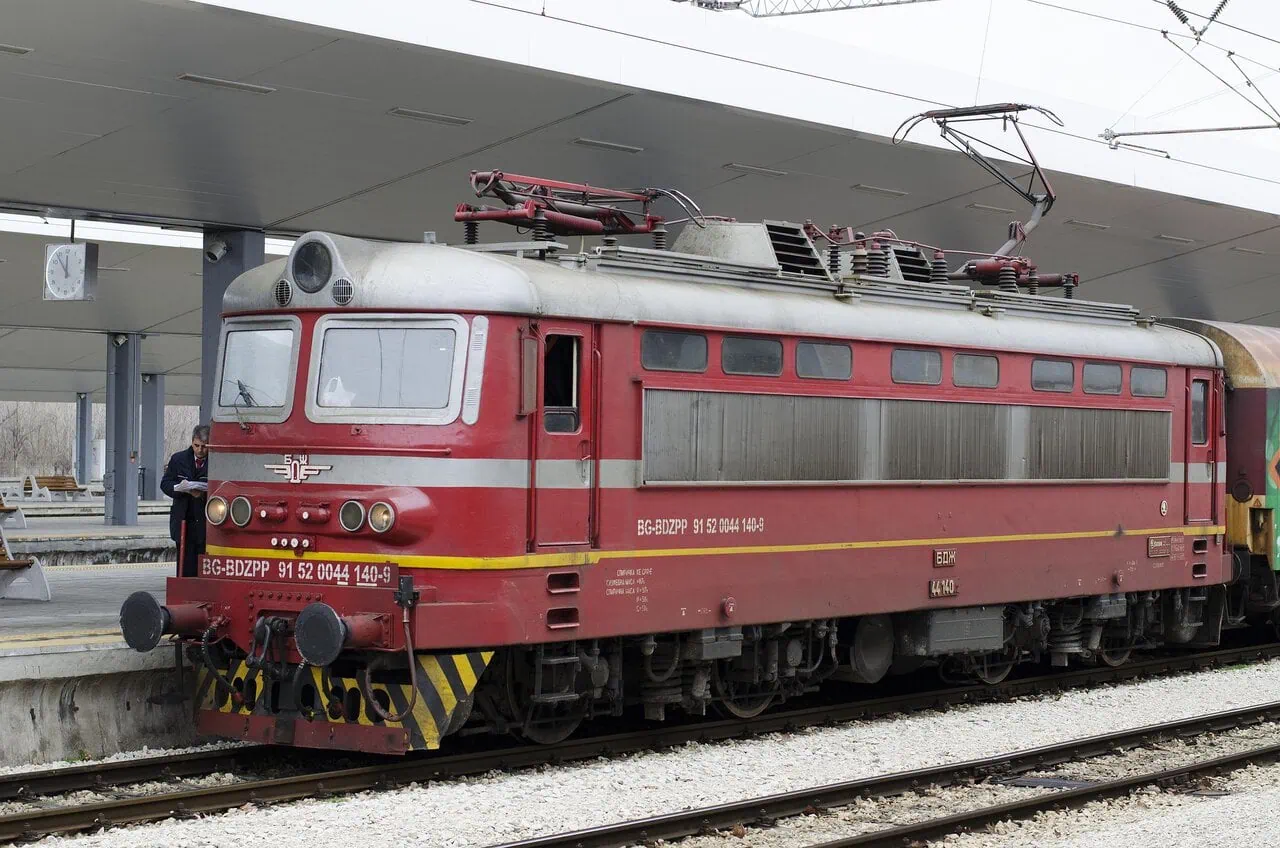
Night trains from Sofia remain one of the most practical and underrated ways to travel around Bulgaria and beyond. While much of Europe has spent recent decades reducing overnight rail services, Bulgaria has retained an extensive sleeper network connecting the capital with the Black Sea coast, the Danube region, northern Bulgaria and even Istanbul in neighbouring Turkey. For travellers looking to maximise sightseeing time while reducing accommodation costs, these trains often provide a compelling alternative to domestic flights, long-distance coaches and daytime rail services.
The greatest advantage of using overnight trains from Sofia is the ability to travel while you sleep. Instead of losing an entire day crossing the country, passengers can board in the evening at Sofia Central Railway Station, settle into their compartment and wake up in destinations such as Varna, Burgas, Dobrich or Silistra. This makes overnight rail particularly attractive during the busy summer months when Bulgaria’s coastal resorts become increasingly popular with both domestic and international visitors.
For many travellers, the experience itself is also part of the appeal. Bulgaria’s sleeper trains pass through some of the country’s most varied landscapes, from the valleys surrounding Plovdiv and Pazardzhik to the rolling plains of northern Bulgaria and the approaches to the Black Sea. While much of the scenery is crossed during darkness, early morning arrivals often reveal beautiful views as the train approaches its final destination.
International passengers will find the Sofia to Istanbul sleeper train particularly fascinating. Few rail journeys in Europe still involve traditional overnight border crossings, passport checks and sleeping cars travelling between two major capitals. The route provides a unique way to travel between the European Union and Turkey, offering an experience that feels increasingly rare in modern rail travel.
Despite their relatively low profile internationally, Bulgaria’s night trains continue to provide an affordable, comfortable and environmentally friendly way to explore the country. For visitors seeking an authentic travel experience, they remain one of the most enjoyable forms of transport available.
Night Trains from Sofia at a Glance
The current overnight rail network radiating from Sofia covers much of Bulgaria and extends internationally into Turkey. Some routes focus on the country’s major tourism destinations, while others provide important transport links to regions that are less frequently visited by foreign travellers.
| Route | Departure | Arrival | Duration |
|---|---|---|---|
| Sofia – Istanbul Halkalı | 18:50 | 09:56 | 15h 06m |
| Sofia – Burgas | 22:50 | 05:50 | 7h 00m |
| Sofia – Varna (South Route) | 21:00 | 05:42 | 8h 42m |
| Sofia – Dobrich | 23:00 | 08:05 | 9h 05m |
| Sofia – Varna (North Route) | 23:00 | 06:52 | 7h 52m |
| Sofia – Silistra | 20:10 | 07:25 | 11h 15m |
The most popular services are typically the routes to Varna and Burgas, both of which provide direct overnight access to Bulgaria’s famous Black Sea coastline. These trains become especially busy during the summer holiday season as travellers head towards the country’s beaches and seaside resorts.
Meanwhile, routes to Dobrich and Silistra serve northern Bulgaria and the Danube region, providing valuable transport links that would otherwise require lengthy daytime journeys. Although these services receive less attention from international visitors, they remain important components of Bulgaria’s overnight rail network.
At the top of the list sits the international service to Istanbul Halkalı, one of the Balkans’ most interesting sleeper routes. Covering more than 15 hours and crossing an international border overnight, it offers a travel experience that combines practicality with a sense of adventure.
Compare hotels and other places to stay in Sofia.
Check availabilityBrowse apartments, homes and self-catering accommodation in Sofia.
Browse rentalsSee hotel prices from multiple booking sites in one search.
Compare ratesSofia Night Train Network Map and Coverage
Looking at Bulgaria’s rail geography, it becomes clear why Sofia serves as the natural hub for the country’s overnight train network. Located in western Bulgaria and surrounded by mountain ranges, the capital acts as the primary gateway to destinations across the country.
The network broadly splits into two major corridors. The southern corridor passes through Plovdiv, Pazardzhik, Dimitrovgrad and Stamboliyski, serving destinations across southern Bulgaria before continuing towards the Black Sea coast or the Turkish border. This route carries trains to Burgas, one of Bulgaria’s largest coastal cities, as well as the international service to Istanbul.
The northern corridor follows a very different path. After leaving Sofia, trains travel through the dramatic Iskar Gorge, one of Bulgaria’s most scenic railway sections. Services then continue via Mezdra, Pleven, Shumen and other important northern cities before branching towards Varna, Dobrich and Silistra.
One of the more unusual aspects of Bulgaria’s sleeper network is the existence of two separate overnight routes to Varna. Rather than simply following a single corridor, passengers can choose between a southern route passing through Plovdiv and a northern route passing through Pleven and Shumen. This provides flexibility while extending overnight rail coverage across a larger portion of the country.
For travellers, the result is a surprisingly comprehensive network that reaches nearly every corner of Bulgaria. Whether your goal is the beaches of the Black Sea, the historic cities of northern Bulgaria or an onward journey into Turkey, Sofia’s sleeper trains provide direct overnight connections that remain highly relevant in modern travel.
Sofia to Istanbul Sleeper Train
The Sofia to Istanbul sleeper train is arguably the most famous overnight rail service operating from Bulgaria. Running between Sofia Central Station and Istanbul Halkalı Station, this international route links two of south-eastern Europe’s most important cities while providing one of the continent’s last traditional overnight border-crossing experiences.
After departing Sofia at 18:50, the train heads east through Plovdiv, Bulgaria’s second-largest city and one of the country’s oldest settlements. From there, it continues through Dimitrovgrad and Svilengrad before reaching the Bulgarian border. During the night, passengers undergo passport and customs procedures before crossing into Turkey via Kapıkule and continuing towards Edirne.
Unlike many modern European sleeper services, the border crossing remains a memorable part of the journey. Passengers are normally required to present passports and occasionally leave their compartments during checks. While this can interrupt sleep, it also adds a sense of adventure that many travellers appreciate.
Accommodation typically consists of sleeping cars and couchette-style compartments, providing significantly more comfort than remaining seated for the entire journey. Travellers heading to Istanbul often find that the sleeper supplement is worthwhile, particularly given the train’s overnight schedule and lengthy journey time.
Arrival takes place at Istanbul Halkalı at approximately 09:56, providing convenient onward connections into central Istanbul via the city’s Istanbul Metro network and Marmaray suburban rail line. For many visitors, waking up in Turkey after falling asleep in Bulgaria remains one of the most memorable rail experiences available in the Balkans.
Beyond simple transportation, the route offers a fascinating glimpse into the historical importance of the rail corridor linking Central Europe, the Balkans and Istanbul. While famous services such as the Orient Express have long disappeared, the Sofia to Istanbul sleeper still captures some of that same atmosphere, making it one of the most rewarding overnight rail journeys in the region.
Tickets for the Sofia to Istanbul sleeper train can be purchased through the official TCDD Taşımacılık website, Turkey’s national passenger rail operator. When searching for the service, travellers should be aware that station names are displayed using Turkish spellings.
To find the train:
| Departure Station | Arrival Station |
|---|---|
| SOFYA | İstanbul (Halkalı) |
Many travellers mistakenly search for “Sofia” and cannot find any services. Entering SOFYA instead will display the correct international train.
The service operates between Sofia Central Railway Station and İstanbul Halkalı, the western rail terminus for international trains entering Istanbul. After arriving at Halkalı, passengers can continue into central Istanbul using the Marmaray suburban rail network and the wider Istanbul Metro system.
Because the sleeper has a limited number of couchettes and sleeping berths, booking as early as possible is recommended, particularly during summer and holiday periods when demand is highest.
Sofia to Burgas Night Train
The Sofia to Burgas night train is one of Bulgaria’s most important overnight rail services, connecting the capital with the country’s southern Black Sea coast. For both domestic travellers and international visitors, it provides a convenient way to reach the seaside without sacrificing a full day of travel.
Train ICF 8657 departs Sofia at 22:50 and arrives in Burgas at 05:50, making it one of the fastest overnight journeys in the Bulgarian network. The timing is particularly attractive because passengers can board after dinner, settle into their compartment and arrive at the coast shortly after sunrise.
The route follows Bulgaria’s southern rail corridor through Poduiane, Elin Pelin, Ihtiman, Kostenets, Belovo, Septemvri and Pazardzhik before reaching Plovdiv, one of the country’s most important railway hubs. From there the train continues east through Nova Zagora, Yambol, Straldzha, Karnobat and Aytos before arriving at Burgas.
For holidaymakers, Burgas serves as the gateway to many of Bulgaria’s most popular coastal destinations. Resorts such as Sunny Beach, Nessebar, Sozopol, Pomorie and Saint Vlas can all be reached from Burgas using local buses, coaches and taxis. As a result, this overnight train often becomes one of the busiest services during the summer season.
The journey also offers excellent value. By travelling overnight, passengers effectively combine transport and accommodation into a single expense while arriving early enough to maximise their first day on the coast. For budget-conscious travellers exploring Bulgaria, this remains one of the most practical transport options available.
Sofia to Varna Night Train
The route between Sofia and Varna is unusual because travellers can choose between two separate overnight services that follow completely different paths across Bulgaria. Together, these trains provide extensive coverage of both northern and southern regions while connecting the capital with Bulgaria’s largest Black Sea city.
The first service, ICF 2637, departs Sofia at 21:00 and arrives in Varna at 05:42. This route follows the southern corridor through Pazardzhik, Plovdiv, Parvomai, Dimitrovgrad, Komunari, Dalgopol and Beloslav before reaching Varna. The route serves much of southern Bulgaria and provides convenient overnight connections for passengers travelling from the country’s larger population centres.
The second service, ICF 9647, departs Sofia at 23:00 and arrives in Varna at 06:52. Rather than heading south, this train follows the northern route through the spectacular Iskar Gorge before continuing via Mezdra, Pleven, Targovishte, Shumen, Kaspichan and Provadiya.
For rail enthusiasts, the northern route is particularly interesting because it passes through some of Bulgaria’s most important inland cities and follows one of the country’s historic railway corridors. Meanwhile, the southern route generally serves larger population centres and may be more convenient depending on where passengers are boarding.
Upon arrival, travellers gain access to Varna, often referred to as the “Sea Capital of Bulgaria.” The city offers beaches, museums, nightlife, ferry services and easy access to nearby destinations such as Golden Sands, Albena, Balchik and the famous Aladzha Monastery.
The existence of two separate overnight routes to Varna is relatively rare in modern European rail networks and demonstrates the continued importance of sleeper services within Bulgaria.
Sofia to Dobrich Night Train
The Sofia to Dobrich night train is one of Bulgaria’s lesser-known sleeper services but remains an important connection between the capital and the north-eastern part of the country. For travellers heading beyond the main tourist centres, it provides a comfortable and efficient overnight option.
Train ICF 2627 departs Sofia at 23:00 and reaches Dobrich at 08:05 the following morning. The route initially follows the northern corridor through Sofia Sever, Svoge, Lakatnik, Zverino and Mezdra, travelling through the dramatic scenery of the Iskar Gorge before entering the plains of northern Bulgaria.
Further along the journey, the train serves major regional centres including Pleven, Devnya, Suvorovo, Valchi Dol and General Kiselovo before finally arriving in Dobrich. These communities rely heavily on overnight rail services, helping explain why the route continues to operate despite receiving relatively little attention from foreign visitors.
Dobrich itself is an important regional city located inland from the Black Sea coast. Although not as famous internationally as Varna or Burgas, it serves as a useful base for exploring north-eastern Bulgaria and provides access to coastal destinations including Balchik, Kavarna and the resorts around Cape Kaliakra.
For travellers interested in exploring a less-touristed side of Bulgaria, this route offers an opportunity to reach regions that many international visitors overlook. Combined with the affordability of Bulgarian sleeper services, it remains one of the country’s hidden rail travel gems.
Sofia to Silistra Night Train
The Sofia to Silistra night train is the longest domestic overnight service in Bulgaria and provides an important connection between the capital and the country’s remote north-eastern frontier along the Danube River.
Departing Sofia at 20:10, the train reaches Silistra at 07:25 the following morning after more than eleven hours on the rails. The route follows the northern corridor through Kurilo, Svoge, Lakatnik, Zverino, Mezdra and Pleven before continuing east through Levski, Pavlikeni, Gorna Oryahovitsa, Polski Trambesh, Borovo, Samuil, Isperih, Todorovo and Dulovo.
This extensive route effectively crosses much of northern Bulgaria and provides overnight access to numerous communities that have limited alternatives for long-distance travel. It is one of the best examples of how Bulgaria’s sleeper network still performs an important public transport function rather than serving purely tourist markets.
The final destination, Silistra, sits directly on the banks of the Danube River opposite Romania. The city has a rich history stretching back to Roman times and occupies a strategic position on one of Europe’s most important waterways. While it receives relatively few international tourists compared with Bulgaria’s coastal resorts, it offers a fascinating glimpse into a different side of the country.
For travellers seeking unusual rail journeys, the Sofia to Silistra sleeper is one of Bulgaria’s most distinctive routes. Covering a vast distance overnight while connecting multiple regions, it demonstrates the remarkable reach of the country’s remaining night train network and remains an excellent option for exploring Bulgaria beyond the standard tourist trail.
Compare routes and fares for your journey to Sofia.
Compare flightsBrowse Airalo eSIM options for convenient travel data.
Check eSIMsCheck private pickup options and plan your onward journey before arrival.
View transfersSleeper Accommodation on Bulgarian Night Trains
One of the biggest questions travellers ask about night trains from Sofia concerns the quality of the accommodation onboard. While Bulgaria’s sleeper trains are not marketed as luxury experiences, they remain a highly practical and comfortable way to cross the country overnight, particularly when compared with spending hours in an airport or on a long-distance coach.
Most Bulgarian night trains offer a combination of standard seated coaches, couchette-style accommodation and sleeping compartments. The exact mix can vary depending on the route, train type and season, but travellers usually have several options available. This flexibility allows passengers to choose between the lowest possible fare and a more comfortable overnight experience.
For shorter overnight journeys such as Sofia to Burgas or the faster Sofia to Varna services, some travellers opt for a standard seat. However, those looking to arrive refreshed will generally find that a proper sleeping berth is well worth the additional cost. Unlike daytime rail travel, the ability to enjoy several hours of uninterrupted sleep can effectively turn travel time into productive rest.
The sleeping compartments are often the most attractive option for visitors exploring Bulgaria by train. These compartments provide proper beds with supplied bedding and allow passengers to stretch out comfortably during the journey. On longer routes such as the Sofia to Istanbul sleeper or the Sofia to Silistra night train, the difference between a seat and a sleeper can be significant.
Security is generally good throughout the network. Many compartments can be locked from the inside, while passengers travelling in sleeper accommodation benefit from greater privacy than those travelling in open seating areas. Solo travellers, couples and families often find these compartments particularly appealing.
Compared with famous overnight services such as the Nightjet network in Austria, the Caledonian Sleeper in the United Kingdom or Sweden’s Arctic sleeper trains, Bulgarian sleeper trains remain remarkably affordable. While the onboard facilities may be simpler, the overall value for money is often exceptional. For many rail enthusiasts, Bulgaria offers one of the last opportunities to experience traditional European sleeper travel without paying premium Western European prices.
Ticket Prices and Reservations
One of the strongest arguments for using night trains from Sofia is the outstanding value they offer. Across much of Europe, sleeper trains have become increasingly expensive as demand has grown. In contrast, BDŽ’s overnight services remain among the most affordable long-distance rail journeys on the continent.
The cost of travel normally consists of two separate elements. The first is the standard rail fare covering the journey itself. The second is the additional charge for the type of accommodation selected. Travellers choosing a sleeping compartment, couchette berth or upgraded accommodation will pay more than passengers using a standard seat, but the difference is often surprisingly reasonable.
This is particularly important when considering the overall economics of travel. A journey on the Sofia to Burgas night train, Sofia to Varna sleeper or Sofia to Silistra service not only covers transportation costs but may also eliminate the need for a hotel night. When viewed this way, overnight rail can often work out cheaper than flying or travelling during the day.
The most popular services are usually the trains serving the Black Sea coast. During the summer season, routes to Burgas, Varna, Sunny Beach, Nessebar and surrounding coastal resorts experience significantly higher demand. Reservations become especially important between June and September, when domestic holidaymakers and international tourists compete for limited sleeper accommodation.
The international Sofia to Istanbul sleeper train is another service where advance booking is highly recommended. As one of the Balkans’ best-known overnight rail journeys, sleeper berths can sell out well before departure dates, particularly during holiday periods and weekends.
Although prices change periodically, travellers are often pleasantly surprised by how affordable Bulgarian overnight rail remains. Even when adding sleeper supplements, reservations and international surcharges, many routes still represent excellent value compared with equivalent journeys elsewhere in Europe.
How to Book Bulgarian Night Trains
Booking overnight trains in Bulgaria is becoming easier, although the process still differs slightly from what travellers may be accustomed to in countries such as Germany, France, Austria or the United Kingdom. Understanding the available booking methods before travelling can save time and help secure the best accommodation options.
The primary operator is BDŽ (Bulgarian State Railways), which manages the country’s domestic sleeper network. Depending on the route and ticket type, passengers may be able to purchase tickets online, through official sales channels or directly at railway stations.
For many visitors, Sofia Central Railway Station remains the most reliable place to book overnight rail tickets. The station handles domestic services to Varna, Burgas, Dobrich and Silistra, while also offering assistance for international journeys such as the route to Istanbul Halkalı. Staff can normally confirm availability, explain accommodation types and issue reservations where required.
Travellers planning further ahead may prefer to secure tickets before arriving in Bulgaria. This is particularly sensible during the busy summer months when sleeper berths on coastal routes become increasingly scarce. Popular departures to Varna and Burgas can attract significant demand from both tourists and local travellers heading to the Black Sea.
The Sofia to Istanbul sleeper train can be booked through the official TCDD Taşımacılık website, which operates the Turkish section of the route. When searching for tickets, travellers should note that the booking system uses Turkish station names rather than English spellings.
To find the service, enter SOFYA as the departure station and İstanbul (Halkalı) as the arrival station. Many first-time users search for “Sofia” and cannot locate the train, so using the correct station names is essential.
Regardless of the booking method used, travellers should always verify the accommodation category shown on their ticket. A reservation for a standard seat differs significantly from a reservation for a sleeping compartment. Taking a few moments to check the details before departure can help ensure the journey matches expectations.
Interrail and Eurail on Bulgarian Night Trains
Interrail Passes and Eurail Passes are valid on most domestic night trains from Sofia, including routes to Varna, Burgas, Dobrich and Silistra. However, pass holders must still pay any required reservation or sleeper supplements when using couchettes or sleeping compartments.
For many travellers, Bulgaria is one of the best-value countries in Europe for Interrail travel. Reservation fees are typically much lower than those found on overnight trains in countries such as France, Italy or Austria, making sleeper travel particularly affordable.
The international Sofia to Istanbul sleeper train is more complicated. While portions of the route may be covered by an Interrail or Eurail Pass, additional reservations and international supplements are usually required. Travellers should check current rules before departure, as international sleeper arrangements can change.
One of the biggest advantages for pass holders is the ability to use overnight services without consuming valuable daytime sightseeing hours. Travellers can spend a full day exploring Sofia, board a sleeper train in the evening and wake up on the Black Sea coast or near the Danube River the following morning.
For Interrail users travelling across the Balkans, Bulgarian night trains can also be combined with routes in Romania, Turkey, Serbia and Greece, creating efficient multi-country itineraries while keeping accommodation costs under control.
What to Expect Onboard
Travelling on a Bulgarian sleeper train offers a very different experience from flying. Instead of airport security queues, boarding gates and cramped seating, passengers enjoy a slower, more traditional style of travel that remains surprisingly effective for covering long distances overnight.
Most journeys begin at Sofia Central Railway Station, where passengers can board well before departure and settle into their accommodation. Once underway, trains typically maintain a calm and relaxed atmosphere, particularly after the evening rush has subsided and travellers prepare for the night ahead.
The interiors vary across the fleet. Some coaches have benefited from refurbishment programmes, while others retain a more classic railway appearance. Regardless of the carriage type, the focus remains on providing practical overnight transportation between major destinations such as Varna, Burgas, Dobrich, Silistra and Istanbul.
Luggage storage is generally straightforward. Unlike air travel, there are no strict checked baggage procedures, allowing passengers to keep their belongings nearby throughout the journey. This convenience is particularly appreciated by travellers carrying larger suitcases, backpacks or travel equipment.
Facilities onboard can vary depending on the specific route and carriage. Toilets are available throughout the train, while some sleeping cars may offer additional washing facilities. Food service is generally limited compared with premium sleeper trains elsewhere in Europe, so experienced travellers often bring snacks, drinks and breakfast items before departure.
Power sockets may be available, but availability cannot always be guaranteed across the entire fleet. Travellers planning to use phones, cameras, tablets or laptops extensively should consider carrying a portable battery pack. This is especially useful on longer journeys such as the 15-hour Sofia to Istanbul sleeper or the 11-hour Sofia to Silistra route.
Perhaps the greatest appeal of night trains from Sofia is the simple pleasure of waking up in a completely different part of the country. Falling asleep beneath the mountains surrounding Sofia, then opening the curtain the following morning near the Black Sea coast, the Danube River or the outskirts of Istanbul, remains one of the most rewarding experiences in European rail travel. For many visitors, it becomes one of the highlights of their entire trip to Bulgaria.
Is a Night Train Better Than Flying in Bulgaria?
For many travellers, choosing between a night train from Sofia and a domestic flight comes down to far more than simply comparing journey times. While flying may appear faster on paper, the reality is often more nuanced once airport transfers, security procedures, baggage collection and waiting times are taken into account.
| Factor | Night Train | Domestic Flight |
|---|---|---|
| City Centre to City Centre | Yes | Usually No |
| Overnight Travel | Yes | No |
| Sleeping Accommodation | Yes | No |
| Luggage Flexibility | High | Often Restricted |
| Environmental Impact | Lower | Higher |
| Airport Transfers Required | No | Usually Yes |
| Scenic Value | Moderate | Limited |
| Comfort for Long Journeys | Often Better | Limited |
One of the biggest advantages of night trains from Sofia is convenience. Services depart directly from Sofia Central Railway Station, located within the city itself, and arrive at centrally located stations in destinations such as Varna, Burgas, Dobrich and Silistra. Travellers avoid lengthy airport journeys, security queues and baggage restrictions.
The economics can also be surprisingly favourable. A berth on a Sofia to Varna sleeper train or Sofia to Burgas night train often costs less than a flight when baggage fees, airport transfers and accommodation costs are considered. Because passengers travel while sleeping, they effectively save the cost of a hotel night while preserving a full day for sightseeing or business activities.
Environmental considerations increasingly influence travel decisions as well. Rail travel generally produces significantly lower carbon emissions than flying, making Bulgarian sleeper trains an attractive option for travellers seeking more sustainable ways to explore the country.
Flights still have their place, particularly for travellers with extremely limited time. However, for many visitors heading to the Black Sea coast or exploring lesser-known parts of Bulgaria, the combination of convenience, affordability and experience means the train often comes out ahead.
In short, if your goal is simply to get somewhere as quickly as possible, a flight may win. If your goal is to maximise time, reduce costs and enjoy the journey itself, overnight trains from Sofia are often the better choice.

Rupert’s Handy Travel Tips
Planning to use one of the night trains from Sofia? Here are a few tips Rupert has picked up from researching overnight rail travel across Europe.
- Book sleeper accommodation as early as possible if travelling to Varna, Burgas or Istanbul during summer.
- Carry snacks and drinks before boarding. Catering facilities can be limited on some Bulgarian night trains.
- A lightweight eye mask and earplugs can make a noticeable difference on longer journeys.
- Keep passports easily accessible when travelling on the Sofia to Istanbul sleeper train as border checks take place overnight.
- Bring a portable power bank as not every carriage guarantees convenient access to power sockets.
- Arrive at Sofia Central Railway Station at least 30 minutes before departure, particularly if collecting tickets or finding your sleeping car.
Rupert’s verdict: Bulgaria offers some of Europe’s best-value sleeper trains. They may not be luxurious, but they are affordable, practical and often far more memorable than flying.
Want more practical travel tips? Visit our Who is Rupert? page to learn more.




Frequently Asked Questions
Are sleeper cabins available on all night trains from Sofia?
Most overnight routes offer some form of sleeping accommodation, although the exact options vary by train. Popular services to Varna, Burgas and Istanbul typically provide the widest choice.
Which is the longest night train from Sofia?
The international service from Sofia to Istanbul Halkalı is the longest route, taking approximately 15 hours and 6 minutes including the overnight border crossing.
Can tourists use Bulgarian sleeper trains?
Yes. Domestic routes and international services are open to foreign visitors, making them an excellent way to explore Bulgaria by rail.
Which Sofia night train is best for the Black Sea coast?
The routes to Varna and Burgas are the best choices. Varna serves Bulgaria’s northern Black Sea coast, while Burgas provides access to the southern resorts.
Is the Sofia to Istanbul sleeper train running year-round?
Services can change depending on railway timetables and international agreements. Always check current schedules before travelling.
Are Bulgarian night trains safe?
Yes. Overnight rail travel in Bulgaria is generally considered safe, particularly when travelling in reserved sleeping accommodation and following normal travel precautions.
Can I travel from Sofia to Varna overnight?
Yes. Sofia is unusual in offering two separate overnight routes to Varna, giving passengers a choice of northern and southern corridors across Bulgaria.
Compare hostels and lower-cost places to stay in Sofia.
Search hostelsAccess compensation support, eligible lounge benefits and faster payouts when flights go wrong.
See the benefitsArriving before check-in or leaving later? Store your luggage and make more of your time in Sofia.
Store your bagsFurther Reading & Related Guides
Planning a rail adventure beyond Bulgaria’s capital? Before boarding one of the overnight services from Sofia, make sure you understand how Bulgaria’s rail network works with our Interrail Bulgaria Guide, which explains routes, passes and train travel across the country. If you’re arriving by air, our Sofia Airport Transfers Guide covers the easiest ways to reach the city centre and railway station.
Visitors spending time in the capital before departure should also explore our Things to Do in Sofia guide and Day Trips from Sofia guide. To stay connected while travelling overnight, compare the options in our eSIM Guide before you leave.