Reviewed by our editorial team Updated
Why Sofia Surprises So Many Visitors
For many travellers, Sofia is one of Europe’s biggest surprises. Bulgaria’s capital rarely receives the same attention as cities such as Prague, Budapest or Kraków, yet visitors often leave wondering why it isn’t discussed more often. The city combines nearly 2,000 years of history, impressive architecture, excellent museums, mountain scenery and some of the most affordable prices found in a European capital.
One of Sofia’s greatest strengths is its diversity. Within a single day, visitors can explore ancient Roman ruins, admire magnificent Orthodox cathedrals, walk through elegant nineteenth-century boulevards and finish the afternoon on the slopes of Vitosha Mountain. Few capitals offer such a varied mix of experiences within such a compact area.
History is visible almost everywhere. Beneath modern streets lie the remains of ancient Serdica, the Roman city that once stood here. Ottoman-era landmarks survive alongside Communist-era architecture, while grand churches and government buildings tell the story of Bulgaria’s long and often turbulent past. Rather than feeling like a city dominated by a single period, Sofia feels like multiple eras layered on top of one another.
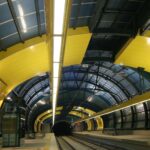
The city is also remarkably easy to explore. Many of the main attractions sit within walking distance of one another, while the Sofia Metro provides quick access to districts further from the centre. Combined with relatively low accommodation, transport and restaurant prices, Sofia offers excellent value for travellers seeking a European city break without Western European costs.
Whether you are interested in history, culture, museums, food, hiking, architecture or simply discovering a destination that remains under the radar, Sofia delivers far more than many visitors expect.
Sofia at a Glance
Before exploring the city’s attractions, it helps to understand what makes Sofia unique among European capitals.
| Item | Information |
|---|---|
| Country | Bulgaria |
| Population | Approximately 1.3 million |
| Founded | Ancient Serdica origins |
| Currency | Euro (EUR) |
| Language | Bulgarian |
| Airport | Sofia Airport (SOF) |
| Nearest Mountain | Vitosha Mountain |
| UNESCO Site | Boyana Church |
| Famous Landmark | Alexander Nevsky Cathedral |
| Best For | History, Culture, Food and Mountain Access |
Unlike many European capitals, Sofia sits at the foot of a mountain rather than beside a river or coastline. This creates a dramatic backdrop throughout the city, with Vitosha Mountain visible from many streets and viewpoints.
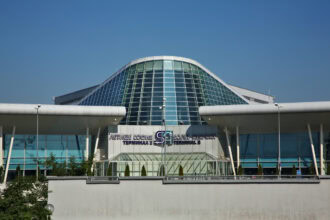
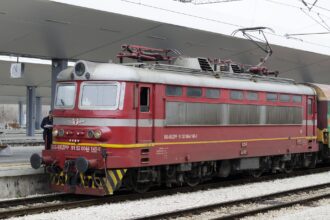
The city also serves as Bulgaria’s main transport hub. Visitors arriving at Sofia Airport can quickly access the city centre, while Sofia Central Railway Station provides connections across the country and beyond. This makes Sofia an excellent base for exploring wider Bulgaria, including destinations such as Plovdiv, the Black Sea coast and the famous Rila Monastery.
For travellers with limited time, many of Sofia’s most important attractions can be explored over a long weekend. Those staying longer will discover a city with far greater depth than its relatively modest international profile might suggest.
See hotel options and places to stay in Sofia.
Browse hotelsExplore holiday homes and apartments around Sofia.
See holiday homesCompare hotel deals in Sofia from multiple booking sites.
Compare pricesDiscover Ancient Serdica
Long before Sofia became Bulgaria’s modern capital, it was known as Serdica, one of the most important Roman cities in the Balkans. Today, traces of this ancient settlement can still be found throughout the city centre, making Sofia one of Europe’s most underrated destinations for Roman history.
The most impressive remains are located around Serdika Metro Station and the Largo Complex, where excavated Roman streets, foundations and public buildings sit directly beneath modern government offices and pedestrian walkways. Rather than hiding its ancient past underground, Sofia has integrated many of these archaeological discoveries into everyday city life.
Walking through the area provides a fascinating glimpse into Roman urban planning. Visitors can see sections of ancient roads, building remains and defensive structures while standing in the heart of the modern capital. Informational displays help explain how the city developed over the centuries and why Serdica became such an important settlement.
The Roman connection runs deeper than many realise. The city was highly regarded by Emperor Constantine the Great, who reportedly declared that “Serdica is my Rome.” Its strategic location helped establish it as a major administrative and commercial centre within the Roman Empire.
Beyond the Largo, additional Roman remains can be found throughout central Sofia. Archaeological discoveries continue to emerge during construction projects, reinforcing the sense that modern Sofia sits directly atop an ancient city. For history enthusiasts, exploring Serdica provides one of the most rewarding experiences in Bulgaria and offers a distinctive identity that separates Sofia from many other European capitals.
Explore Alexander Nevsky Cathedral and Sofia’s Religious Landmarks
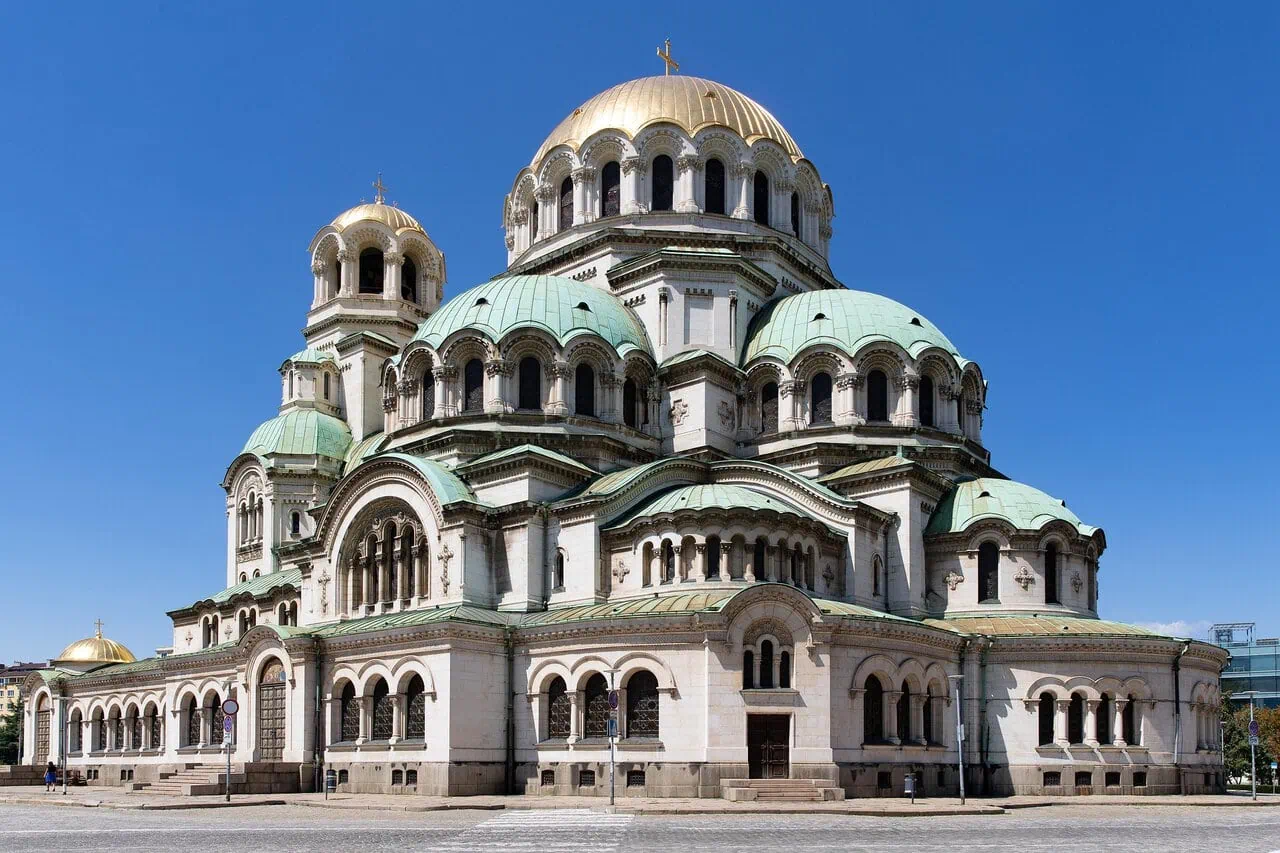
No visit to Sofia is complete without seeing Alexander Nevsky Cathedral, one of the largest and most recognisable Orthodox churches in the world. Its golden domes dominate the skyline and have become the city’s defining landmark.
Completed in the early twentieth century, the cathedral was built in honour of Russian soldiers who died during the Russo-Turkish War, a conflict that ultimately contributed to Bulgaria’s liberation from Ottoman rule. The scale of the building is immediately impressive. Its vast interior, ornate decoration and beautiful frescoes attract visitors from around the world.
The cathedral also serves as the centrepiece of one of Sofia’s most historically significant districts. Within a short walk, visitors can explore several other important religious landmarks that showcase the city’s cultural diversity.
Among the most notable is Saint Sofia Church, from which the city itself takes its name. Dating back to the sixth century, this church predates many of Sofia’s other famous landmarks and provides a direct connection to the city’s Byzantine heritage.
Nearby, the small but distinctive Russian Church attracts visitors with its striking green and gold domes, while the Rotunda of Saint George offers another remarkable glimpse into Sofia’s ancient past. Hidden within a courtyard surrounded by government buildings, this fourth-century structure is one of the oldest surviving buildings in the city.
Sofia’s religious diversity extends beyond Christianity. Visitors can also explore the historic Banya Bashi Mosque and the impressive Sofia Synagogue, both located within walking distance of the city centre. Together, these landmarks reflect centuries of coexistence between different communities and help explain Sofia’s rich cultural character.
For many visitors, this collection of churches, mosques and synagogues becomes one of the highlights of their time in Bulgaria’s capital. The variety of architecture and history found within a relatively compact area is remarkable and provides an excellent introduction to Sofia’s past.
Walking Through the Historic Centre
One of the best things to do in Sofia is simply explore the city on foot. Unlike many European capitals where attractions are spread across large distances, much of Sofia’s historic core can be comfortably explored in a single day. This makes walking one of the most rewarding ways to discover the city.
The natural starting point for most visitors is Vitosha Boulevard, Sofia’s main pedestrian avenue. Lined with cafés, restaurants, shops and outdoor terraces, it serves as the social heart of the city. The boulevard stretches south towards the dramatic backdrop of Vitosha Mountain, creating one of Sofia’s most recognisable views. On a clear day, the mountain seems almost close enough to touch.
From Vitosha Boulevard, visitors can wander towards the elegant gardens surrounding the Ivan Vazov National Theatre, widely regarded as one of Bulgaria’s most beautiful buildings. The theatre’s distinctive architecture and surrounding park make it one of the most photographed locations in the city.
A short walk away lies Independence Square, home to the Presidency, the Council of Ministers and several other important government buildings. Visitors often gather here to watch the ceremonial changing of the guard outside the Presidency, one of the city’s most popular free attractions.
The nearby Largo Complex provides another fascinating contrast between ancient and modern Sofia. Roman ruins sit beneath modern government buildings, creating a unique cityscape where multiple periods of history coexist side by side.
Walking through central Sofia also reveals countless smaller discoveries. Hidden courtyards, historic churches, Communist-era monuments and lively public squares appear throughout the city, rewarding visitors who take the time to explore beyond the main tourist landmarks.
Museums Worth Visiting
Sofia’s museums offer one of the best ways to understand the country’s history, culture and identity. From ancient Thracian treasures to modern interactive exhibits, the city contains a surprisingly diverse collection of attractions that appeal to both history enthusiasts and families looking for something different.
One of the most important cultural institutions in the country is the National Museum of History. Housed within a former government residence, the museum takes visitors on a journey through thousands of years of Bulgarian history, covering everything from prehistoric settlements and Thracian civilisations to the medieval Bulgarian kingdoms and the modern state. The scale of the collection is impressive, making it one of the most significant museums in the Balkans.
Equally fascinating is the National Archaeological Museum. Located inside a beautifully preserved Ottoman-era mosque, the museum contains some of Bulgaria’s most important archaeological discoveries. Visitors can admire Roman sculptures, Byzantine artefacts, ancient coins and remarkable treasures recovered from archaeological sites across the country. The building itself is almost as interesting as the exhibits inside.
For visitors seeking something more interactive, Phenomena offers a completely different experience. Rather than traditional display cases and information boards, visitors encounter a world of optical illusions, scientific experiments, interactive exhibits and hands-on demonstrations designed to challenge perception and encourage curiosity. It has become one of the most popular modern attractions in Sofia and appeals equally to children and adults.
What makes Phenomena particularly enjoyable is its emphasis on participation. Visitors are encouraged to interact with the exhibits rather than simply observe them, creating a fun and memorable experience that stands out from many traditional museums. For families visiting Sofia, it is often one of the highlights of the trip.
Together, these attractions demonstrate the remarkable variety of Sofia’s museum scene. Whether your interests lie in ancient history, archaeology, science, interactive learning or modern exhibitions, the Bulgarian capital offers far more cultural depth than many visitors expect.
Immersive Experiences in Sofia
While Sofia is best known for its Roman ruins, Orthodox churches and historical museums, the city is also developing a reputation for more modern and innovative attractions. Visitors looking for something beyond traditional sightseeing will find a growing number of immersive experiences that combine technology, art and storytelling.
Among the most exciting is Videnie Immersive Art Space. This unique attraction transforms digital artwork into a fully immersive environment using large-scale projections, surround sound, lighting effects and interactive installations. Rather than viewing art from a distance, visitors become part of the experience itself.
The exhibitions at Videnie Immersive Art Space frequently change, meaning no two visits are necessarily the same. Depending on the programme, visitors may find themselves surrounded by moving landscapes, abstract visual displays or digital interpretations of famous artistic styles. The result is a highly visual experience that feels dramatically different from a conventional gallery.
One of the attraction’s biggest strengths is its accessibility. Visitors do not need any prior knowledge of art to enjoy the experience. The combination of music, motion, colour and projection technology creates an atmosphere that appeals to a wide audience, including travellers who might not normally visit museums or galleries.
The contrast between ancient Sofia and modern Sofia becomes particularly apparent when combining Videnie with the city’s historic attractions. A morning spent exploring Ancient Serdica, Alexander Nevsky Cathedral and the Rotunda of Saint George can be followed by an afternoon surrounded by cutting-edge digital art. Few cities in the Balkans offer such a dramatic shift between old and new within such a compact area.
For visitors searching for something distinctive and memorable, Videnie Immersive Art Space has quickly become one of the most interesting things to do in Sofia and represents a different side of the city that many guidebooks overlook.
Parks, Gardens and Green Spaces
One of the reasons visitors often enjoy Sofia more than expected is the amount of greenery woven throughout the city. Despite being Bulgaria’s largest city, Sofia feels noticeably less crowded and less built-up than many European capitals. Large parks, tree-lined streets and mountain views create a surprisingly relaxed atmosphere.
The most famous green space is Borisova Gradina, the city’s oldest and largest park. Covering a vast area east of the centre, it serves as Sofia’s outdoor living room. Locals come here to exercise, cycle, walk, meet friends and escape the summer heat beneath the park’s mature trees. Visitors will find lakes, sports facilities, cafés, monuments and countless walking paths spread throughout the park.
One of the great pleasures of visiting Borisova Gradina is simply observing daily life in Sofia. Unlike many tourist attractions, the park provides a genuine glimpse into how residents use and enjoy their city. During warm evenings, families, joggers and groups of friends fill the pathways, creating a lively but relaxed atmosphere.
Closer to the historic centre lies the charming City Garden, located beside the magnificent Ivan Vazov National Theatre. This smaller park is one of the most attractive spots in central Sofia and offers excellent views of one of the city’s most beautiful buildings. It is also a popular location for outdoor chess games, street performances and casual people-watching.
Other notable green spaces include Doctor’s Garden, Crystal Garden, South Park and several smaller neighbourhood parks. Each offers its own character, helping to break up the urban environment and making Sofia feel far greener than many visitors anticipate.
Perhaps the most impressive backdrop to all of this greenery is Vitosha Mountain, which dominates the southern skyline. From many parts of the city, visitors can enjoy uninterrupted views of the mountain rising above the rooftops. This constant connection between the city and the surrounding landscape is one of Sofia’s defining features and contributes greatly to its appeal.
Compare routes and fares for your journey to Sofia.
Compare flightsChoose an Airalo eSIM and arrange mobile data before you arrive.
Browse eSIMsHave a private airport pickup arranged before you travel.
Book a transferExperience Vitosha Mountain
One of the most remarkable things about Sofia is that a genuine mountain landscape rises directly above the city. While many European capitals require lengthy journeys to reach hiking trails, forests and panoramic viewpoints, Vitosha Mountain can be reached using public transport directly from the Bulgarian capital. For many visitors, it becomes the single most memorable experience of their trip and is one of the main reasons Sofia feels so different from other European city-break destinations.
Visible from almost every part of the city, Vitosha Mountain dominates the southern skyline and provides a dramatic backdrop to daily life in Sofia. The mountain offers hiking trails, mountain huts, viewpoints, ski slopes, nature reserves and some of the best scenery in Bulgaria, all within easy reach of the city centre.
The easiest way to visit the mountain is to head for Aleko Hut, which serves as the main gateway to the higher slopes of Vitosha. From central Sofia, take the M2 Metro Line to Vitosha Metro Station, the southern terminus of the line, located beside Paradise Center, one of the city’s largest shopping centres. Once outside the station, look for Bus 66, which operates directly between Vitosha Metro Station and Aleko Hut. This is the route used by most independent travellers visiting the mountain without a car.
The journey itself is part of the experience. After leaving the city behind, Bus 66 gradually climbs into the mountains through forested slopes and increasingly impressive scenery before terminating at Aleko. Depending on traffic and seasonal conditions, the bus journey normally takes around 35 to 45 minutes. Combined with the metro ride from central Sofia, most visitors can reach Aleko in around one hour.
At approximately 1,800 metres above sea level, Aleko Hut is much more than simply a bus stop. Visitors will find restaurants, cafés, mountain lodges, toilets, viewing areas and access to numerous walking routes. Many travellers spend several hours here enjoying the scenery without undertaking any serious hiking. On a clear day, the views across Sofia, the surrounding valleys and the distant mountains are spectacular.
For visitors wanting a more adventurous experience, Aleko is also the starting point for the hike to Cherni Vrah, the highest point on Vitosha Mountain at 2,290 metres. The route is well known throughout Bulgaria and is one of the country’s most popular mountain walks. Depending on pace and conditions, the walk to the summit usually takes around two to three hours each way. Those who make the climb are rewarded with panoramic views stretching across much of western Bulgaria.
Another popular destination on the mountain is Golden Bridges (Zlatnite Mostove). This remarkable natural attraction consists of vast rivers of stone flowing down the mountainside and is one of Vitosha’s most unusual geological features. The area offers several easy walking routes and provides an excellent alternative for visitors seeking a more relaxed mountain experience.
Historically, many visitors reached the mountain using the Simeonovo Gondola Lift, which connected the outskirts of Sofia with the higher slopes of Vitosha. However, operations have varied in recent years and visitors should always check the latest status before planning their journey. If the lift is operating during your visit, it provides one of the most scenic ways to reach the mountain and offers outstanding views across the city as you ascend above the forests.
During winter, Vitosha Mountain transforms into Sofia’s local ski area. Depending on snow conditions, visitors may find ski slopes, snowboarding facilities, winter hiking routes and seasonal mountain activities. Very few European capitals allow visitors to leave a city centre and reach a ski area within such a short period of time.
What makes Vitosha Mountain truly special is its accessibility. In the morning, you can be exploring Ancient Serdica, visiting Alexander Nevsky Cathedral or enjoying coffee on Vitosha Boulevard. By lunchtime, you can be standing at nearly 1,800 metres above sea level, surrounded by mountain scenery and looking back across the Bulgarian capital. Few cities anywhere in Europe offer such a dramatic contrast between urban life and nature, which is why Vitosha Mountain remains one of the very best things to do in Sofia.
Food, Markets and Bulgarian Specialities
One of the most enjoyable things to do in Sofia is simply eat your way around the city. While Bulgaria may not receive the same culinary attention as countries such as Italy, Spain or France, visitors are often pleasantly surprised by the quality, variety and value of the food available throughout the capital.
Traditional Bulgarian cuisine combines influences from the Balkans, Ottoman Empire, Eastern Europe and the Mediterranean, creating a distinctive food culture that feels both familiar and unique. Visitors should look out for dishes such as shopska salad, often considered Bulgaria’s national dish, as well as banitsa, a delicious pastry filled with cheese, and kebapche, a popular grilled meat speciality.
One of the best places to experience local food culture is the Central Market Hall. Located close to the historic centre, this restored market combines traditional vendors with modern food outlets and provides an excellent introduction to local ingredients, snacks and everyday Bulgarian life. It is also one of the easiest places for visitors to sample regional products without travelling far from the city’s main attractions.
For a more authentic local experience, many visitors head to Zhenski Pazar (Women’s Market). This bustling market offers fresh fruit, vegetables, spices, cheeses and traditional products while providing a glimpse into a side of Sofia that many tourists never see. The atmosphere is lively, colourful and distinctly local.
Sofia has also developed a thriving café culture. Across the city, visitors will find independent coffee shops, bakeries and modern brunch venues sitting alongside traditional restaurants. Areas around Vitosha Boulevard, Shishman Street and the city centre contain some of the capital’s most popular dining districts.
Food tours have become increasingly popular in recent years and provide an excellent introduction to Bulgarian cuisine, local wines and the country’s famous rakia. For many visitors, discovering Sofia’s food scene becomes one of the most memorable parts of their trip and often challenges preconceptions about Balkan cuisine.
Family-Friendly Things to Do in Sofia
Although Sofia is often viewed as a destination for history lovers and city-break travellers, it also offers plenty of attractions for families. The city’s combination of parks, interactive museums, outdoor activities and educational attractions makes it surprisingly family friendly.
One of the most popular family attractions is Sofia Zoo. As the largest zoo in Bulgaria, it houses hundreds of animals and provides a pleasant day out, particularly for younger visitors. The zoo’s location in the southern part of the city also places it relatively close to Vitosha Mountain, making it easy to combine with other attractions.
Families looking for interactive experiences should consider Phenomena. Its hands-on exhibits, optical illusions and scientific demonstrations encourage participation rather than passive observation, making it one of the most engaging attractions in the city for children and teenagers. Unlike many traditional museums, visitors are actively encouraged to experiment, interact and explore.
The city’s numerous parks also make family travel easier. Borisova Gradina, South Park and several smaller green spaces provide plenty of opportunities for children to run around between sightseeing stops. This balance between attractions and open space helps make Sofia less exhausting than many large cities when travelling with younger family members.
Another advantage of visiting Sofia as a family is affordability. Attraction prices, restaurant meals and public transport costs are generally lower than in many Western European capitals, making it easier to enjoy multiple activities without significantly increasing the overall travel budget.
For families seeking a destination that combines culture, outdoor activities and interactive attractions, Sofia offers a surprisingly strong mix of experiences.
Exploring Communist-Era Sofia
Modern Sofia is shaped not only by its Roman and medieval history but also by its decades under Communist rule. Visitors interested in twentieth-century history will find numerous reminders of this period scattered throughout the city.
One of the most obvious examples is the Largo Complex, where imposing government buildings dominate the city centre. Constructed during the Communist era, these monumental structures were designed to project power and authority. Today they remain among Sofia’s most recognisable landmarks and provide an interesting contrast to the Roman ruins located directly beneath them.
The Museum of Socialist Art offers one of the most comprehensive introductions to this period of Bulgarian history. Its collection includes statues, propaganda artwork and historical exhibits that explore life during the Communist era. For visitors seeking a deeper understanding of Bulgaria’s recent past, it is one of the most interesting museums in the city.
Elsewhere in Sofia, examples of Socialist architecture, government buildings and public monuments continue to shape the urban landscape. Walking through the city reveals a fascinating mixture of architectural styles, reflecting the many political and cultural influences that have shaped Bulgaria over the centuries.
Guided Communist-era walking tours have also become increasingly popular. These tours often combine historical explanation with visits to key landmarks, helping visitors understand how Bulgaria changed during the twentieth century and how those changes continue to influence the country today.
For travellers interested in politics, history and architecture, exploring Communist-era Sofia adds an important layer of context to the city and helps explain many aspects of modern Bulgarian society.
Hidden Gems Most Visitors Miss
While attractions such as Alexander Nevsky Cathedral, Ancient Serdica and Vitosha Mountain deserve their popularity, some of Sofia’s most rewarding experiences lie away from the main tourist trail.
One example is Videnie Immersive Art Space. Despite becoming increasingly well known, it still receives far fewer visitors than many of the city’s traditional attractions. Its combination of digital art, immersive technology and creative storytelling offers something genuinely different from the typical museum experience.
The Rotunda of Saint George is another attraction that many visitors accidentally overlook. Hidden within a courtyard surrounded by government buildings, this small fourth-century church is one of Sofia’s oldest surviving structures. Its modest size makes the discovery feel even more special.
Neighbourhood exploration can also reveal a different side of the city. Areas beyond the immediate historic centre contain attractive residential streets, independent cafés, local restaurants and architectural details that many visitors never encounter. Spending time wandering away from the busiest tourist routes often leads to some of the most memorable discoveries.
Even Vitosha Mountain contains lesser-known corners that remain overlooked by many travellers. While most visitors head directly to the most popular viewpoints and hiking routes, quieter trails, monasteries and natural landmarks provide opportunities to escape the crowds.
Part of Sofia’s appeal lies in these unexpected discoveries. The city rewards curiosity, and visitors willing to explore beyond the obvious attractions often uncover a side of the Bulgarian capital that feels authentic, relaxed and genuinely distinctive.
Day Trips from Sofia
One of Sofia’s biggest advantages is its location. The capital sits at the heart of Bulgaria’s transport network, making it an excellent base for exploring some of the country’s most impressive monasteries, mountains, historic towns and natural landscapes. Many of Bulgaria’s best destinations can be reached within a few hours of the city, allowing visitors to experience far more than the capital alone.
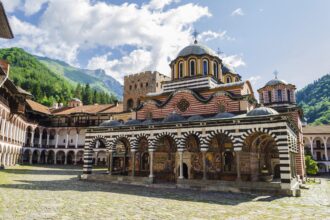
The most famous excursion is undoubtedly Rila Monastery. Nestled deep within the Rila Mountains, this UNESCO World Heritage Site is one of Bulgaria’s most important cultural and religious landmarks. Surrounded by forested mountains and decorated with colourful frescoes, it is often regarded as the country’s most beautiful attraction. Many visitors consider it an essential part of any trip to Bulgaria.
Another popular option is the Seven Rila Lakes, a collection of glacial lakes located high in the mountains. The hike between the lakes offers some of the most spectacular scenery in the country and attracts walkers from across Europe. During summer, the area provides a dramatic contrast to the urban environment of Sofia.
| Day Trip | Typical Travel Time | Best For |
|---|---|---|
| Rila Monastery | 2 hours | History and culture |
| Seven Rila Lakes | 2 hours | Hiking and scenery |
| Plovdiv | 2 hours | History and architecture |
| Koprivshtitsa | 2–2.5 hours | Bulgarian heritage |
| Belogradchik Rocks | 3–4 hours | Natural wonders |
| Iskar Gorge | 1–2 hours | Scenic rail journeys |
| Vitosha Mountain | Under 1 hour | Outdoor activities |
The historic city of Plovdiv is another outstanding destination. Often described as one of Europe’s oldest continuously inhabited cities, Plovdiv combines Roman ruins, colourful nineteenth-century architecture and a thriving cultural scene. The beautifully preserved Old Town is one of the highlights of Bulgaria and easily justifies a day trip from Sofia.
Visitors interested in traditional Bulgarian architecture should consider Koprivshtitsa. This small historic town preserves many of the buildings associated with Bulgaria’s National Revival period and provides a glimpse into a very different side of the country’s history.
Nature lovers may prefer the dramatic rock formations of Belogradchik Rocks, while railway enthusiasts often enjoy travelling through the spectacular Iskar Gorge, one of the most scenic rail routes in the Balkans.
The sheer variety of destinations available within a few hours of Sofia is one of the reasons many visitors end up staying longer than originally planned.
Compare hostels and budget-friendly accommodation around Sofia.
Browse hostelsFlying to Sofia? Get fast compensation payouts, eligible lounge benefits and expert help when flights go wrong.
See AirHelp+ benefitsLeave your luggage somewhere convenient and enjoy Sofia hands-free.
View storageGetting Around Sofia
Exploring Sofia is generally straightforward thanks to a combination of walking, public transport and affordable taxis. Compared with many European capitals, the city remains relatively compact, allowing visitors to see many of the main attractions without spending excessive amounts of time travelling.
The Sofia Metro is the backbone of the city’s transport system. Modern, efficient and inexpensive, it connects the city centre with Sofia Airport, major residential districts and several key attractions. For visitors staying in Sofia for a few days, the metro is often the quickest and most convenient way to travel longer distances.
Public transport is supplemented by an extensive network of buses, trams and trolleybuses. These services fill gaps not covered by the metro and can be useful when travelling to attractions located outside the city centre. Contactless payment has made using public transport significantly easier for international visitors.
Many of Sofia’s most famous attractions are concentrated within the central districts. Visitors can comfortably walk between Alexander Nevsky Cathedral, Saint Sofia Church, Ancient Serdica, the National Theatre, Vitosha Boulevard and many museums without needing public transport at all.
Taxis remain affordable by European standards and can be useful for reaching destinations such as Boyana Church, Vitosha Mountain access points or attractions located further from the metro network. Ride-hailing apps are also widely used and often provide a convenient alternative to traditional taxis.
For most visitors, the ideal approach combines walking with occasional metro journeys. This allows travellers to experience the city’s atmosphere while still reaching attractions quickly and efficiently.
How Many Days Should You Spend in Sofia?
The answer depends largely on your interests, but most visitors find that two to four days provides enough time to experience the city’s highlights without rushing.
A single day is sufficient to see the most famous landmarks. Visitors can explore Alexander Nevsky Cathedral, walk through Ancient Serdica, visit Vitosha Boulevard and spend time around the historic centre. While this provides a good introduction to Sofia, it barely scratches the surface of what the city has to offer.
A stay of two to three days allows a much more balanced experience. Visitors can add museums, parks, food experiences and attractions such as Boyana Church, Phenomena, Videnie Immersive Art Space and Borisova Gradina. This is often the ideal length for a city break.
Those staying four or five days can begin incorporating day trips. Destinations such as Rila Monastery, Plovdiv, the Seven Rila Lakes or Koprivshtitsa become realistic additions to the itinerary without making the trip feel rushed.
Travellers interested in hiking, mountain scenery or Bulgarian history may wish to stay even longer. The combination of Vitosha Mountain, Sofia’s museums and the wealth of nearby day-trip destinations provides more than enough attractions to fill a week.
Unlike some capitals where visitors quickly run out of things to do, Sofia rewards those who spend a little extra time exploring. The city reveals its character gradually, and many of its best experiences are discovered beyond the most obvious tourist landmarks.
Is Sofia Worth Visiting?
Absolutely.
While Sofia may not enjoy the same international reputation as Prague, Budapest, Vienna or Kraków, it offers a combination of experiences that few European capitals can match. The city blends Roman history, Orthodox architecture, Communist-era heritage, modern cultural attractions and mountain scenery within a surprisingly compact and affordable destination.
One of Sofia’s greatest strengths is authenticity. Tourism exists, but it does not dominate the city. Visitors still encounter a functioning capital where daily life continues largely unchanged by international visitor numbers. This creates a more genuine atmosphere than many heavily visited European destinations.
The city also provides excellent value. Accommodation, restaurants, attractions and transport are generally more affordable than in Western Europe, allowing travellers to experience more while spending less. For budget-conscious visitors, this represents a significant advantage.
The proximity of Vitosha Mountain gives Sofia another unique characteristic. Very few capitals allow visitors to explore Roman ruins in the morning, enjoy a museum in the afternoon and stand on a mountain overlooking the city before sunset.
Perhaps most importantly, Sofia rewards curiosity. Visitors arriving with modest expectations often leave pleasantly surprised by the depth of history, culture and experiences available. It may not be Europe’s most famous capital, but it is undoubtedly one of its most underrated.
For travellers seeking somewhere different, affordable and genuinely interesting, Sofia is absolutely worth visiting.

Rupert’s Handy Travel Tips
Exploring Sofia? Here are a few practical tips Rupert recommends before setting off around Bulgaria’s capital.
- Spend at least one morning exploring Ancient Serdica, Alexander Nevsky Cathedral and the surrounding historic centre on foot. Many of Sofia’s best attractions are closer together than they first appear.
- Use the Sofia Metro whenever possible. It is clean, inexpensive and often much faster than travelling by road during busy periods.
- Allow time for Vitosha Mountain. Many visitors focus entirely on the city centre and miss one of Sofia’s greatest attractions.
- Carry a contactless bank card for public transport. Paying for metro, bus and tram journeys is generally straightforward and avoids the need to search for ticket offices.
- Don’t limit yourself to churches and museums. Attractions such as Phenomena and Videnie Immersive Art Space provide a completely different side of modern Sofia.
- If you’re staying for more than two days, consider a day trip to Rila Monastery or Plovdiv. Both rank among Bulgaria’s finest destinations.
Rupert’s verdict: Sofia is one of Europe’s most underrated capitals. The combination of Roman history, mountain scenery, affordable prices and excellent day trips makes it a destination that often exceeds expectations.
Want more practical travel tips? Visit our Who is Rupert? page to learn more.




Frequently Asked Questions
What are the best things to do in Sofia?
Visiting Alexander Nevsky Cathedral, exploring Ancient Serdica, walking along Vitosha Boulevard, discovering Vitosha Mountain and visiting attractions such as Phenomena and Videnie Immersive Art Space are among the most popular things to do in Sofia.
Is Sofia worth visiting?
Yes. Sofia combines Roman ruins, Orthodox churches, museums, mountain scenery and affordable prices, making it one of Europe’s most underrated capital cities.
How many days do you need in Sofia?
Most visitors should spend at least two to three days in Sofia. This allows enough time to see the main attractions, enjoy the city’s food scene and potentially visit Vitosha Mountain.
What is Sofia famous for?
Sofia is best known for Alexander Nevsky Cathedral, Ancient Serdica, Vitosha Mountain and its role as Bulgaria’s political, cultural and transport hub.
Can you visit Vitosha Mountain from Sofia?
Yes. One of Sofia’s greatest advantages is that Vitosha Mountain can be reached in under an hour from the city centre, making it one of the easiest mountain excursions available from any European capital.
Is Sofia expensive for tourists?
No. Compared with many Western European capitals, Sofia remains relatively affordable for accommodation, attractions, restaurants and public transport.
What are the best day trips from Sofia?
Popular day trips include Rila Monastery, Plovdiv, the Seven Rila Lakes, Koprivshtitsa and the Belogradchik Rocks.
Is Sofia walkable?
Yes. Many of the city’s main attractions, including Alexander Nevsky Cathedral, Ancient Serdica, Saint Sofia Church, Vitosha Boulevard and the National Theatre, are located within the historic centre and can easily be explored on foot.

Further Reading & Related Guides
Ready to see more of Bulgaria after exploring Sofia? Our Day Trips from Sofia guide covers the country’s best excursions, including Rila Monastery, Plovdiv and Iskar Gorge. If the city’s twentieth-century landmarks interest you, continue with our Sofia’s Hidden History & Dark Toursim Guide, which explores Cold War sites, communist-era architecture and overlooked historical stories across the capital.
Travellers interested in Bulgaria’s railways should also read our Night Trains from Sofia guide and Interrail Bulgaria Guide, while visitors arriving by air may find our Sofia Airport Transfers Guide useful. To stay connected while exploring the capital and beyond, compare your options in our eSIM Guide.