Reviewed by our editorial team Updated
Arriving At One Of Europe’s Most Spectacular Cruise Destinations
If you’re keen to see more of this stretch of coastline after your cruise ends, our Bay of Kotor scenic drive guide covers a full day exploring the bay by road, while our things to do in Kotor guide goes into far more depth than a single port call ever could.
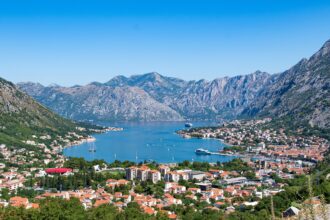
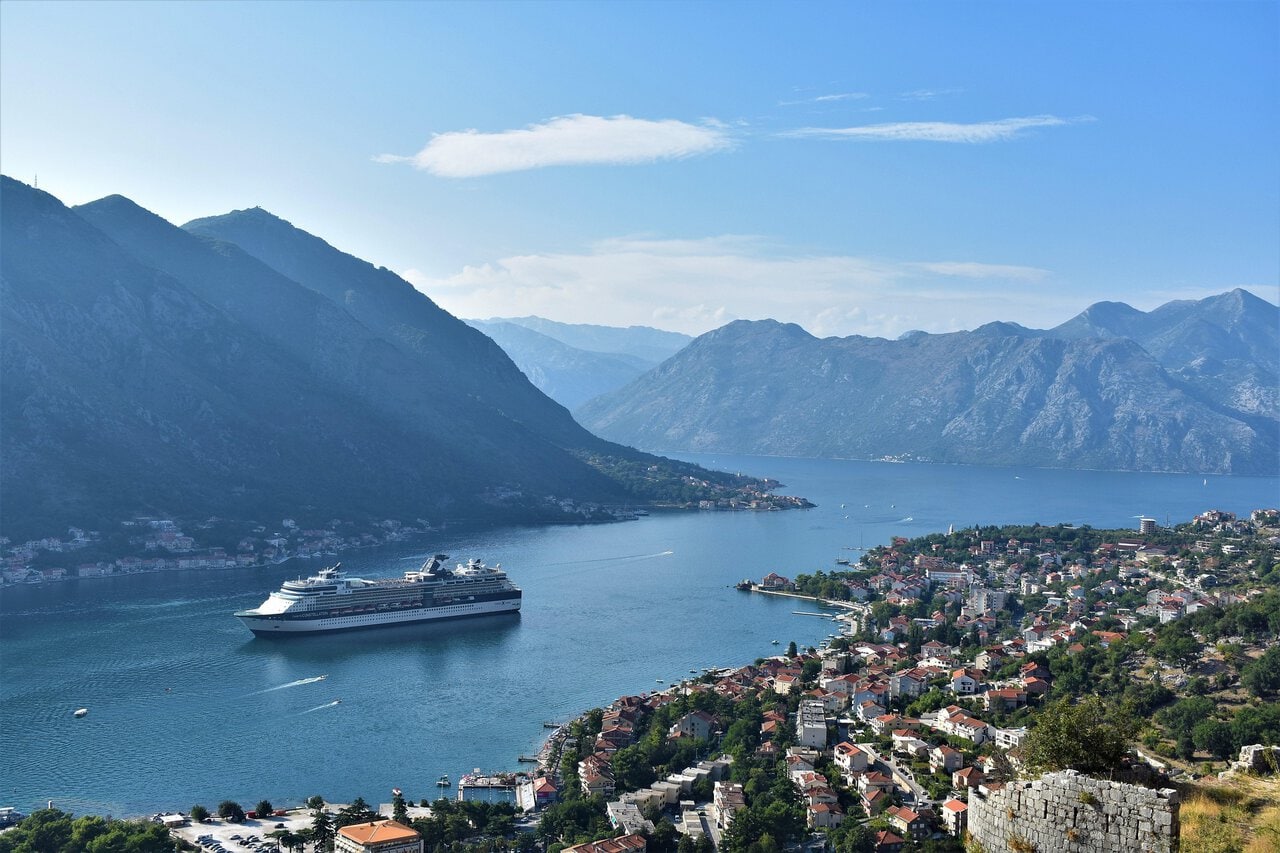
Few cruise arrivals anywhere in the world can match the experience of sailing into Kotor. As your ship slowly navigates the narrow entrance to the Bay of Kotor, you’ll pass towering limestone mountains, picturesque waterfront villages and centuries-old churches before finally arriving beneath the medieval walls of one of Europe’s best-preserved historic towns.
Unlike many cruise ports built around large industrial harbours, Kotor places you right beside a UNESCO World Heritage Site. Within minutes of leaving your ship you’ll be standing outside the impressive city walls, ready to explore winding medieval streets, historic churches, lively cafés and one of the Adriatic’s most beautiful waterfronts.
Kotor has become one of the Mediterranean’s fastest-growing cruise destinations, welcoming hundreds of cruise calls each year from major lines including MSC Cruises, Royal Caribbean, Celebrity Cruises, Norwegian Cruise Line, Princess Cruises, Costa Cruises and many others. While some passengers simply wander through the Old Town, those with a little planning can experience far more, from mountain viewpoints and cable cars to unforgettable boat trips around the bay.
This guide explains everything you need to know about Kotor Cruise Port, including where ships dock, how to reach the Old Town, available facilities, transport options and the very best ways to make the most of your time ashore.
Where Do Cruise Ships Dock?
It’s worth checking your cruise line’s daily programme the evening before arrival, since it usually confirms whether your ship is expected to dock alongside or anchor offshore. This small detail can shape how you plan your morning, particularly if you’re hoping to be among the first ashore before the Old Town gets busy.
Kotor’s cruise facilities are unusually convenient compared with many Mediterranean ports. Smaller and medium-sized cruise ships are often able to dock directly alongside the cruise quay, allowing passengers to simply walk ashore before entering the Old Town just a few minutes later.
When larger ships visit, or when several vessels arrive on the same day, ships may instead anchor in the Bay of Kotor and transfer passengers ashore using tender boats. Although this adds a little extra time to your arrival, it also provides spectacular views back towards the medieval walls and surrounding mountains during the short crossing.
After disembarking you’ll pass through the small cruise terminal area, where you’ll normally find tourist information, ATMs, taxi drivers, souvenir stalls and representatives offering organised excursions. Public toilets are available close to the port, while cafés and convenience stores are only a short walk away. Most visitors find the terminal straightforward to navigate, with clear signs directing passengers towards the Old Town.
Because Kotor is a relatively compact port, there are no lengthy shuttle bus journeys or industrial dock areas to negotiate. From stepping ashore to standing beneath the historic city walls usually takes only a matter of minutes.
Compare hotels and other places to stay in Kotor.
Check availabilityBrowse apartments, homes and self-catering accommodation in Kotor.
Browse rentalsCompare hotel deals in Kotor from multiple booking sites.
Compare pricesHow To Get From Kotor Cruise Port To The Old Town
Signposting between the port and the Old Town is generally clear in English as well as Montenegrin, so getting lost is unlikely even on your first visit. If several ships are in port on the same day, the walkway can feel busier than usual, though the short distance means it rarely causes any real delay.
One of Kotor’s greatest advantages is that you don’t need any transport at all. The Old Town is located only a five to ten-minute walk from the cruise terminal, making it one of the easiest cruise destinations in Europe to explore independently.
After leaving the port area, simply follow the clearly marked pedestrian route towards the impressive stone walls surrounding the historic centre. The walk is almost completely flat and suitable for most visitors, passing cafés, small shops and the attractive waterfront before reaching the magnificent Sea Gate, the principal entrance into the Old Town.
Once through the gate you’ll immediately find yourself surrounded by medieval streets, lively squares and centuries-old buildings. Major attractions including St Tryphon’s Cathedral, the Square of Arms, museums and numerous restaurants are all within a few minutes’ walk of one another, allowing you to make the most of even a short visit.
Passengers with limited mobility should be aware that although the walk from the port is easy, many of the streets inside the Old Town are paved with smooth historic stone, which can become slippery after rain. Comfortable footwear is recommended, particularly if you’re planning to climb the city walls or spend several hours exploring on foot.
Is Kotor Walkable?
Comfortable, closed-toe shoes make a noticeable difference if you’re planning to climb the fortress or spend several hours on your feet, since sandals and flip-flops can be awkward on the smoother sections of stone paving, particularly if there’s been any recent rain.
Wheelchair and pushchair users should be aware that while the main routes through the Old Town are reasonably flat, some of the smaller side streets have uneven historic paving that can be trickier to navigate. Sticking to the main squares and principal routes between attractions generally avoids the most awkward surfaces.
Absolutely. Kotor is one of the most walkable cruise destinations anywhere in the Mediterranean. The compact layout means you can comfortably explore the Old Town, stroll along the waterfront and enjoy many of the city’s highlights without needing buses, taxis or organised transport.
Most visitors spend their first hour simply wandering through the maze of medieval streets, discovering hidden squares, beautiful churches and charming cafés. Because vehicles are not permitted inside the Old Town, the atmosphere is wonderfully relaxed and safe for pedestrians, allowing you to explore at your own pace without worrying about traffic.
Even the famous Kotor Fortress begins only a short walk from the main square, making it possible for active visitors to climb the historic city walls and return to the cruise port within a few hours. Those preferring a gentler experience can enjoy museums, waterfront restaurants and leisurely shopping before returning to their ship.
The only attractions requiring transport are those located outside the historic centre, such as the Kotor Cable Car or nearby towns including Perast and Tivat. For everything else, your own feet are all you’ll need.
Making The Most Of A Short Port Call
If your ship’s schedule allows only a few hours ashore, it’s worth deciding in advance whether the fortress climb or a slower wander through the Old Town matters more to you, since trying to fit both in comfortably alongside lunch can feel rushed on a very short call. Prioritising one or the other usually makes for a more relaxed visit.
Most cruise ships spend between six and ten hours in Kotor, giving passengers plenty of time to experience the city’s highlights without feeling rushed. Because the cruise port sits so close to the Old Town, you can maximise your sightseeing instead of spending valuable time travelling between attractions.
A perfect itinerary begins by entering the Old Town as early as possible, before the narrow streets become busier. Spend time exploring the beautiful Square of Arms, visit St Tryphon’s Cathedral, wander through the medieval alleyways and stop to admire the elegant Venetian architecture that has made Kotor a UNESCO World Heritage Site.
If you’re reasonably fit, continue to the famous Kotor Fortress. Allow around two hours for the climb and descent, giving yourself plenty of time to stop for photographs along the way. The views across the Bay of Kotor are among the finest anywhere in the Adriatic and are well worth the effort.
Finish your visit with a leisurely lunch beside the waterfront before browsing the local shops or enjoying an ice cream while watching yachts and cruise ships come and go. Even visitors with only a few hours ashore can experience many of Kotor’s highlights without ever feeling rushed.
Join A Guided Walking Tour
Language options are generally good given how international Kotor’s cruise traffic has become, with English-language tours widely available and other languages often on offer during the busiest parts of the season. It’s still worth confirming the language of your specific tour when booking, particularly for smaller or more specialised group sizes.
Group sizes and meeting arrangements vary between operators, so it’s worth checking exactly where and when your tour begins relative to your ship’s actual berth, particularly if you’ve docked further from the Sea Gate than usual due to other vessels in port that day.
If you’re visiting Kotor for the first time, a guided walking tour is one of the best ways to understand the city’s remarkable history while making sure you don’t miss its most important landmarks. Local guides bring the medieval streets to life, sharing stories about Venetian rule, maritime trade, earthquakes and the fascinating people who shaped Kotor over the centuries.
Most walking tours begin just outside the Sea Gate, only a few minutes from the cruise terminal, making them particularly convenient for cruise passengers. Tours generally last between 90 minutes and two hours, leaving plenty of free time afterwards to explore independently, enjoy lunch or climb the fortress.
During the tour you’ll usually visit the Square of Arms, St Tryphon’s Cathedral, historic palaces, hidden courtyards and several lesser-known corners that many independent visitors simply walk past without noticing. It’s an excellent introduction to the city, particularly if this is your first visit to Montenegro.
Because tour groups are often limited in size, booking your walking tour before your cruise arrives is recommended, especially during the busy summer season when several ships may be visiting Kotor on the same day.
Ride The Kotor Cable Car
A café at the summit serves food and drinks if you’d like to make a longer stop of it, and several short walking trails let you explore a little further from the main viewing platform without needing any special equipment or a long detour from the main visitor area.
Weather can affect visibility at the summit, so it’s worth checking conditions before committing a large part of your limited port time to the trip. On clear days the views stretch across the entire bay and out towards the open Adriatic, making it one of the most rewarding excursions available to cruise passengers.
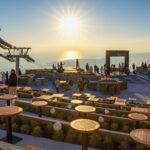
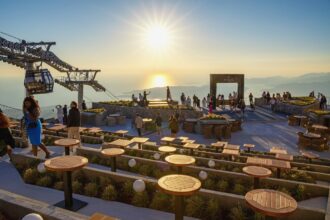
If your ship has a longer stay in port, the spectacular Kotor Cable Car is one of the very best excursions you can take. Opened in 2023, it has quickly become one of Montenegro’s flagship attractions, transporting visitors from near sea level to more than 1,300 metres above the Bay of Kotor in just 11 minutes.
The cable car’s lower station is located approximately 15 minutes by taxi from the cruise terminal, making it an easy excursion even for passengers with limited time ashore. Once at the summit you’ll enjoy extraordinary panoramic views across the bay, while cafés, restaurants and scenic walking trails provide plenty of opportunities to relax and admire the spectacular mountain landscape.
Most cruise passengers should allow around three to four hours for the complete experience, including taxi journeys, the cable car ride and time at the summit. This still leaves enough time to explore Kotor’s Old Town before returning to the ship.
As one of Montenegro’s most popular attractions, booking cable car tickets in advance is highly recommended. This avoids unnecessary queues and helps ensure you can fit everything comfortably into your cruise itinerary.
Cruise Around The Bay
Most boats operating these shorter cruises are relatively small, which means a more personal experience than the large excursion coaches used for land-based tours, but also means it’s worth booking a little ahead during the busiest weeks of summer when demand for boat capacity can outstrip availability.
Seeing Kotor from the sea is every bit as memorable as exploring it on foot. If your ship remains in port for most of the day, a shorter Bay of Kotor boat tour is an excellent way to experience the surrounding scenery while visiting places that larger cruise ships simply can’t reach.
Many excursions depart directly from the waterfront beside the Old Town and include visits to the beautiful town of Perast, the famous island church of Our Lady of the Rocks, the historic submarine tunnels carved into the mountainside and, on longer tours, the spectacular Blue Cave, where sunlight creates an incredible blue glow beneath the water.
Shorter cruises usually last around three hours, making them ideal for cruise passengers who still want time to explore Kotor itself. Longer excursions provide additional swimming stops and more time on the water but should only be booked if your ship has an extended stay in port.
As with all shore excursions, it’s important to choose a tour that comfortably fits within your ship’s schedule. Booking through a reputable operator before you arrive provides peace of mind and helps ensure you return to the port with plenty of time before your ship sails.
Compare routes and fares for your journey to Kotor.
Compare flightsUse an eSIM to get online without hunting for a local SIM after arrival.
See eSIM optionsHave a private airport pickup arranged before you travel.
Book a transferIndependent Shore Excursions
Independent travel generally works out considerably cheaper than an organised shore excursion covering the same destinations, though it does require a little more confidence navigating local buses and timetables without a guide. For first-time visitors to Montenegro, easing into it with a short trip to Perast is usually more manageable than a longer independent excursion to Budva.
One of the advantages of cruising into Kotor is that it’s very easy to explore beyond the city if you have a full day in port. Thanks to Montenegro’s excellent bus network, several nearby destinations can be visited independently without needing to join an organised shore excursion.
The closest destination is Perast, reached in around 20 minutes by Blue Line bus from Kotor or by taxi. It’s an excellent choice if you want to experience another historic town before taking a short boat across to Our Lady of the Rocks. Many visitors spend two or three hours here before returning to Kotor for lunch and further sightseeing.
Budva is another popular option. Frequent buses leave from Kotor Bus Station, around a 10-minute walk from the cruise terminal, with journey times of approximately 30 to 40 minutes. This gives you enough time to explore the charming Old Town, enjoy one of the nearby beaches and return comfortably before your ship departs.
If you’re planning an independent excursion, always allow plenty of time to return to the port. Unlike organised cruise excursions, the ship will not wait if public transport is delayed. Aim to be back in Kotor at least one hour before your ship’s all-aboard time, particularly during the busy summer months when traffic around the bay can become congested.
Shopping Near Kotor Cruise Port
If you’re short on time, the streets immediately around the Square of Arms tend to have the widest concentration of shops within just a couple of minutes’ walk of each other, making it possible to pick up a few gifts without straying far from the main sightseeing route.
Prices in the Old Town’s shops are generally fixed rather than negotiable, unlike some Mediterranean cruise ports where bargaining is expected. It’s worth comparing a couple of shops before committing to a purchase, since similar souvenirs can vary noticeably in price between stalls just a short walk apart.
The area surrounding the cruise port offers plenty of opportunities to pick up souvenirs, gifts and authentic Montenegrin products before returning to your ship. Most shops are located within the Old Town, where centuries-old buildings now house independent boutiques, artisan workshops and specialist food stores.
Montenegro is well known for its excellent olive oil, local wines, fruit brandies (rakija) and the famous Njeguški pršut, making these popular choices for visitors wanting to take home a taste of the country. Handmade jewellery, traditional ceramics and locally produced artwork are also widely available, while many smaller shops sell unique gifts that are difficult to find elsewhere.
Kotor is equally famous for its affection for cats, which have become one of the city’s unofficial symbols. You’ll find countless souvenirs featuring feline designs, from postcards and magnets to artwork and clothing. If you’re looking for something distinctly Kotor, these make fun and memorable keepsakes.
Most shops accept credit and debit cards, although carrying a small amount of euros is useful for smaller purchases and market stalls.
Where To Eat During Your Visit
Prices in the Old Town are generally reasonable compared with many Mediterranean cruise destinations, though the very best waterfront spots with the finest views understandably charge a small premium over the quieter side-street restaurants just a few doors back.
Vegetarian options are increasingly common on menus throughout the Old Town, even at restaurants that focus primarily on seafood, so travellers with dietary preferences shouldn’t have much trouble finding something suitable within easy walking distance of the port.
During the busiest cruise days, the most popular waterfront restaurants can fill up quickly around midday, so arriving a little earlier or later than the peak lunch rush often means a shorter wait for a table with a view.
Whether you have just an hour before returning to your ship or plenty of time for a leisurely meal, Kotor offers an excellent choice of cafés and restaurants within easy walking distance of the cruise terminal.
The Old Town is the best place to experience traditional Montenegrin cuisine. Here you’ll find restaurants serving fresh Adriatic seafood, grilled fish, octopus, black risotto and local specialities including Njeguški pršut and regional cheeses. Many establishments occupy historic stone buildings with outdoor terraces overlooking charming medieval squares, creating a memorable setting for lunch.
If you prefer sea views, head towards the waterfront promenade, where restaurants overlook the marina and the spectacular Bay of Kotor. These are perfect for enjoying a relaxed meal while watching cruise ships, sailing yachts and fishing boats move across the calm waters.
For visitors with limited time, numerous cafés and bakeries offer sandwiches, pastries, coffee and excellent Italian-style gelato, allowing you to enjoy a quick break before continuing your sightseeing or returning to the ship.
Cruise Port Facilities
Although Kotor Cruise Port is relatively small compared with some Mediterranean cruise terminals, it offers all the facilities most visitors are likely to need during their visit.
Immediately outside the secure port area you’ll usually find a tourist information office, ATM machines, licensed taxis, organised excursion representatives and a selection of souvenir stalls. Public toilets are available nearby, while convenience stores provide drinks, snacks and other essentials for your day ashore.
Free Wi-Fi is available in some cafés and public areas around the Old Town, although coverage and speeds can vary depending on how many cruise ships are in port. Mobile phone reception is generally excellent throughout Kotor, but if you’re travelling from outside Montenegro, check your roaming charges before using mobile data.
The port and surrounding streets are generally easy to navigate, although visitors with reduced mobility should be aware that the Old Town’s historic stone paving can be uneven in places. Comfortable footwear is recommended for all visitors, particularly if you’re planning to spend several hours exploring on foot or climbing the city walls.

Rupert’s Handy Travel Tips
Heading to Kotor by cruise ship? Here are a few useful tips to help you make the most of your time ashore:
- Explore the Old Town first: Cruise passengers arrive early, so wandering the UNESCO-listed Old Town before it becomes busy is one of the best ways to enjoy its medieval streets.
- Allow plenty of time to return: If you’re travelling independently to places such as Budva or Perast, aim to be back at the port at least an hour before your ship’s all-aboard time.
- Book popular excursions in advance: The Kotor Cable Car, Bay of Kotor boat tours and guided walking tours regularly sell out when several cruise ships are visiting.
- Wear comfortable shoes: The Old Town’s historic stone streets can be slippery, while climbing to Kotor Fortress involves more than 1,300 steps.
- Carry a few euros: Credit cards are widely accepted, but cash is useful for small cafés, souvenir stalls and local transport.
Want to meet the reindeer behind our travel tips? Find out more in our page Who is Rupert?.




Frequently Asked Questions
Do cruise ships dock in Kotor?
Yes. Smaller and medium-sized cruise ships usually dock alongside the cruise quay, while larger ships may anchor in the bay and transfer passengers ashore by tender boat.
How far is Kotor Cruise Port from the Old Town?
The Old Town is only a five to ten-minute walk from the cruise terminal, making Kotor one of the easiest cruise destinations to explore independently.
Is there a shuttle bus into Kotor?
No. A shuttle bus isn’t normally required because the historic centre is within easy walking distance of the cruise port.
Is Kotor walkable for cruise passengers?
Absolutely. Most of Kotor’s main attractions, including St Tryphon’s Cathedral, the Square of Arms, museums and the waterfront, can all be reached on foot.
Can I climb Kotor Fortress during a cruise stop?
Yes, provided your ship is in port for several hours. Allow around two hours for the climb and descent, plus extra time to enjoy the spectacular views from the top.
Is the Kotor Cable Car worth visiting from a cruise ship?
Yes. If your ship has a longer port call, the Kotor Cable Car is one of Montenegro’s best attractions and can comfortably be visited within three to four hours, including transport.
Can I visit Perast during a cruise stop?
Yes. Perast is around 20 minutes from Kotor by local bus or taxi and is also included in many Bay of Kotor boat tours.
What currency is used in Kotor?
Montenegro uses the Euro (€), even though it is not a member of the European Union.
Are taxis available at Kotor Cruise Port?
Yes. Licensed taxis wait outside the cruise terminal throughout the day and can take you to nearby attractions including the Kotor Cable Car, Perast and Tivat.
Is Kotor a good cruise destination?
Definitely. Kotor combines a spectacular natural setting with a UNESCO World Heritage Site, excellent independent sightseeing, memorable shore excursions and one of the most beautiful cruise arrivals anywhere in Europe.
Further Reading
A port call is a taste of Kotor rather than the full experience, so if you end up with more time than expected, this guide to the town covers Kotor Fortress, St Tryphon’s Cathedral and where to eat once you’re through the walls. Got a whole extra day? these excursions are worth a look too.
Perast and Budva are the two places most passengers head to independently, and if you’d rather drive the bay yourself than book a shore excursion, this route lays out where to stop.
Flying in or out through Tivat? Here’s how the transfer works, and if you’re relying on buses rather than a hire car, the public transport guide covers the routes around the bay. Podgorica travellers can find the same information in our guide to that airport.
Turning your visit into a longer trip around the country? This 14-day itinerary shows how Kotor fits alongside the coast, the mountains and the national parks.