Reviewed by our editorial team Updated
More Than Just A Medieval Town
If you’re arriving by ferry rather than road, our Kamenari–Lepetane Ferry guide covers the short crossing many visitors use to reach Kotor from the northern side of the bay, while our Bay of Kotor scenic drive guide shows how to combine Kotor with several neighbouring towns in a single day.
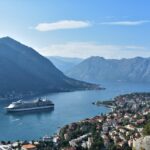
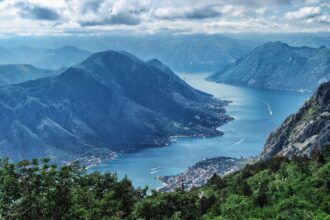
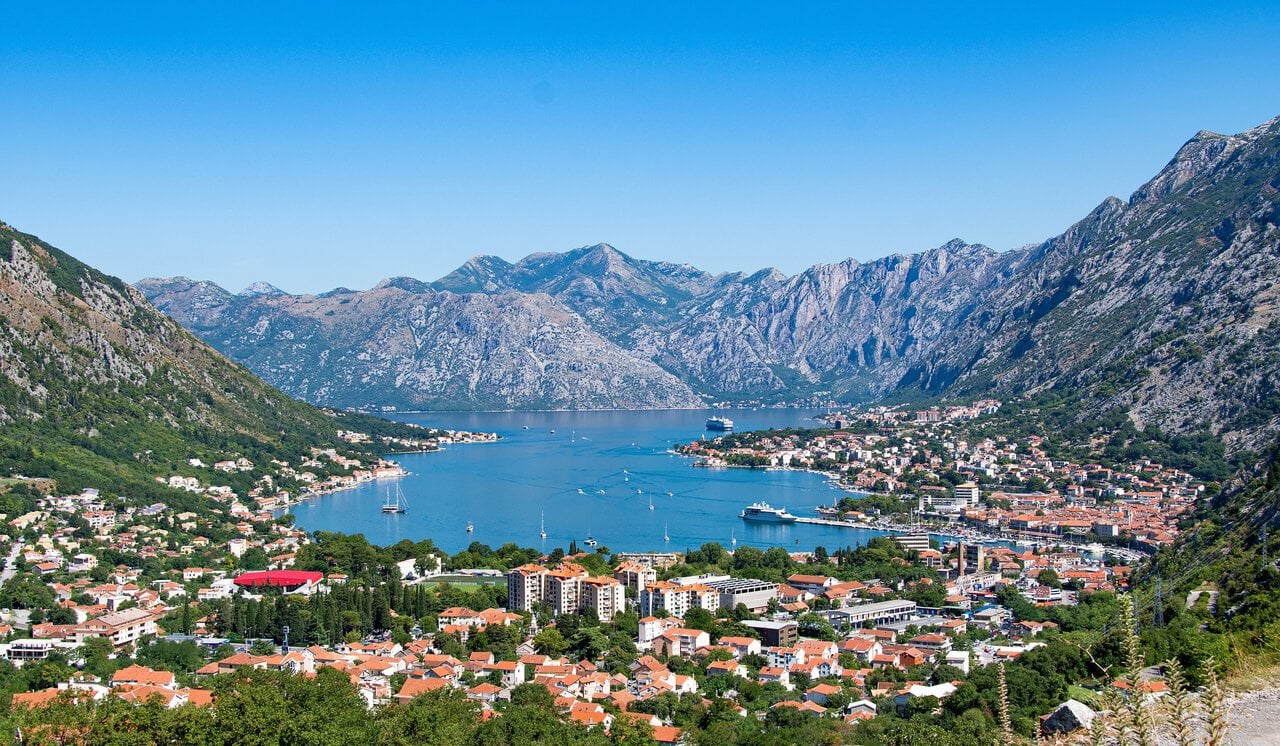
Surrounded by towering limestone mountains and sparkling blue water, Kotor is one of the most spectacular destinations in the Balkans. Nestled at the end of the breathtaking Bay of Kotor, this UNESCO World Heritage Site combines over 2,000 years of history, beautifully preserved Venetian architecture, dramatic mountain scenery and unforgettable boat trips into one remarkable destination.
While many visitors arrive aboard cruise ships for just a few hours, Kotor deserves much longer. Beyond the famous medieval streets lies an impressive fortress climbing high into the mountains, panoramic viewpoints, fascinating museums, hidden churches and one of Europe’s most scenic cable cars. Add in excellent seafood restaurants, welcoming cafés and easy access to neighbouring towns such as Perast, Tivat and Herceg Novi, and it’s easy to understand why Kotor has become Montenegro’s most popular destination.
Whether you’re visiting for a day, staying for a long weekend or beginning a wider tour of Montenegro, Kotor offers something for every traveller. History enthusiasts will love its ancient city walls, outdoor adventurers can climb to spectacular viewpoints above the bay, while families and couples can enjoy relaxing boat cruises across one of Europe’s most beautiful natural harbours.
This guide covers the very best things to do in Kotor, including the city’s top attractions, unforgettable experiences, practical travel advice and the tickets worth booking before you arrive.
Why Visit Kotor?
It’s also worth remembering that Kotor rewards repeat visits at different times of day. The Old Town before breakfast, with cruise passengers still aboard and locals opening their shops, feels like a genuinely different place from the same streets at the height of a summer afternoon, and both versions are worth experiencing if your schedule allows.
Few places in Europe combine such extraordinary scenery with such a rich history. Kotor’s UNESCO-listed Old Town is enclosed within imposing medieval walls that climb dramatically up the mountainside, while the sheltered waters of the Bay of Kotor provide one of the most spectacular backdrops you’ll find anywhere along the Adriatic.
The city is wonderfully compact, making it ideal for exploring on foot. Within just a few minutes you can stroll from lively café-lined squares to centuries-old churches, Venetian palaces and hidden alleyways that have changed remarkably little over hundreds of years. Around almost every corner you’ll discover another beautiful courtyard, historic building or inviting restaurant.
Kotor also makes an outstanding base for exploring the rest of Montenegro. Regular buses connect the city with Budva, Tivat, Herceg Novi and Podgorica, while organised tours make it easy to visit Lovćen National Park, Cetinje and other highlights across the country. Even if you’re staying elsewhere along the coast, Kotor is a destination that deserves at least one full day.
Perhaps the biggest surprise for many visitors is how much there is to do beyond the Old Town itself. From scenic cable car rides and mountain viewpoints to island churches and boat trips across the bay, Kotor offers far more than simply wandering historic streets.
See hotel options and places to stay in Kotor.
Browse hotelsBrowse apartments, holiday homes and self-catering stays in Kotor.
View rentalsSee hotel prices from multiple booking sites in one search.
Compare ratesExplore Kotor Old Town
It’s worth setting aside any strict sightseeing checklist for at least part of your visit, since some of the most memorable moments here come from simply following whichever alley looks most interesting rather than moving briskly between named attractions.
The heart of Kotor is its magnificent Old Town, one of the best-preserved medieval settlements on the Adriatic. Protected as a UNESCO World Heritage Site, the maze of narrow stone streets, charming squares and historic buildings reflects centuries of Venetian influence while retaining a distinctly Montenegrin character.
Unlike many historic centres that have become heavily commercialised, Kotor still feels wonderfully authentic. Local residents share the streets with visitors, laundry hangs from ancient stone buildings and small cafés spill into picturesque squares where people gather throughout the day. The compact layout makes exploring easy, and getting pleasantly lost among the winding alleyways is one of the city’s greatest pleasures.
As you wander, you’ll pass elegant palaces, tiny chapels, hidden courtyards and impressive defensive walls that once protected Kotor from invading armies. Several medieval gates provide access to the Old Town, with the Sea Gate serving as the main entrance for most visitors arriving from the waterfront.
Leave plenty of time simply to explore at your own pace. Every corner seems to reveal another historic building, quiet square or welcoming restaurant, making the Old Town far more than just a collection of individual attractions. It’s the atmosphere itself that makes Kotor such a memorable place to visit.
Climb To Kotor Fortress
No visit to Kotor is complete without climbing to the spectacular Fortress of San Giovanni, often simply known as Kotor Fortress. Rising high above the Old Town, this remarkable defensive complex rewards visitors with some of the most breathtaking views anywhere in Montenegro.
The climb follows a historic stone pathway containing more than 1,300 steps, winding steadily upwards alongside the city’s ancient defensive walls. Although the ascent is demanding, most reasonably fit visitors complete it in 45 to 60 minutes, with numerous opportunities to stop, catch your breath and admire the increasingly spectacular scenery below.
Part way up the mountain you’ll reach the charming Church of Our Lady of Remedy, which provides an excellent resting point before continuing towards the summit. From here the panoramic views become even more impressive, stretching across the Bay of Kotor, the red roofs of the Old Town and the dramatic mountains surrounding the city.
At the top, you’ll discover the remains of the historic fortress together with one of the finest viewpoints in the Balkans. Visiting early in the morning or later in the afternoon is recommended, particularly during summer, when the climb can become extremely hot in the middle of the day.
The fortress requires an admission ticket, and purchasing your ticket in advance can help you avoid queues during the busy cruise season. If climbing to the top is on your itinerary, it’s well worth booking ahead so you can simply arrive and begin your ascent.
Climb the Famous Ladder of Kotor
Most visitors stop once they reach Kotor Fortress, but adventurous walkers can continue beyond the summit on the historic Ladder of Kotor, one of Montenegro’s most spectacular mountain trails.
Originally constructed by the Austro-Hungarian Empire as a military road, the route climbs the mountainside through a series of dramatic hairpin bends that can clearly be seen from the Old Town below. While experienced hikers often complete the full trail towards Njeguši, you don’t need to tackle the entire route to enjoy the experience.
Simply continuing for another 20 to 30 minutes beyond the fortress rewards you with even more spectacular panoramic views across the Bay of Kotor. Looking back, the medieval town appears tiny beneath the towering limestone mountains, while the winding bay stretches towards Perast, Tivat and the Adriatic beyond.
Because relatively few visitors continue beyond the fortress itself, this section of the trail feels far quieter, offering a peaceful opportunity to appreciate the extraordinary landscape without the crowds often found lower down.
Good walking shoes, water and sun protection are essential, particularly during summer, but even walking a short distance along the Ladder of Kotor gives you the chance to experience one of Montenegro’s most famous hiking routes.
Visit St Tryphon’s Cathedral
The cathedral has been rebuilt more than once following earthquake damage, most notably after the major tremor of 1979, and the reconstruction work is part of what gives the interior its slightly layered feel, with older Romanesque elements sitting alongside more recent restoration. A small treasury museum on the upper floor holds a collection of gold and silver reliquaries, liturgical objects and vestments accumulated over centuries, including relics associated with Saint Tryphon himself, and is usually included in the modest entry fee. Photography is generally permitted inside, though as with any working place of worship it’s worth being discreet if a service happens to be underway. The twin bell towers are a useful landmark for orienting yourself in the Old Town’s tangle of narrow lanes, visible from several of the surrounding squares even when the cathedral entrance itself is easy to miss.
Modest dress is generally expected when visiting, in keeping with its status as an active place of worship, so it’s worth covering shoulders and knees if you’re planning to step inside rather than just admiring the exterior from the square.
Standing proudly in the heart of the Old Town, St Tryphon’s Cathedral is Kotor’s most important religious building and one of the finest examples of Romanesque architecture on the Adriatic coast. Originally consecrated in 1166, the cathedral has survived earthquakes, wars and centuries of change, remaining a symbol of Kotor’s remarkable history.
The impressive twin bell towers dominate the surrounding streets, while inside you’ll find beautifully decorated chapels, ornate stonework and an atmosphere that reflects more than eight centuries of Christian worship. The cathedral is dedicated to Saint Tryphon, Kotor’s patron saint, whose relics have been kept here since the ninth century and continue to attract pilgrims from across the region.
Visitors can also explore the Cathedral Treasury and Museum, where a fascinating collection of religious artefacts, manuscripts, paintings and precious metalwork helps tell the story of Kotor’s religious and cultural development. Combined with the cathedral itself, allow around 30 to 45 minutes for your visit.
Even if you’re not particularly interested in religious history, St Tryphon’s Cathedral remains one of Kotor’s architectural highlights and deserves a place on every itinerary through the Old Town.
Browse Kotor’s Vibrant Farmers’ Market
One of the best ways to experience everyday life in Kotor is to spend time at the city’s traditional farmers’ market, located immediately outside the Sea Gate, the main entrance to the Old Town. Before even stepping through the medieval walls, you’re greeted by colourful stalls piled high with fresh fruit, vegetables, herbs and locally produced delicacies that showcase the flavours of Montenegro.
The market has been part of Kotor’s daily routine for generations and remains a popular shopping destination for local residents as well as visitors. Early mornings are the liveliest time to visit, when producers arrive from surrounding villages with seasonal produce harvested only hours earlier. Depending on the time of year, you’ll find cherries, figs, peaches, pomegranates and citrus fruits alongside fragrant herbs and freshly picked vegetables.
Several stalls specialise in traditional Montenegrin products, including Njeguški pršut, local cheeses, mountain honey, homemade jams, olives and extra virgin olive oil. It’s an excellent place to sample regional specialities or pick up edible souvenirs to take home. Friendly stallholders are often happy to offer tastings and explain how their products are made.
Even if you don’t buy anything, wandering through the market provides a wonderful introduction to Kotor before entering the Old Town. The lively atmosphere, colourful displays and backdrop of medieval walls create one of the city’s most authentic experiences, reminding visitors that Kotor remains a living community rather than simply an open-air museum.
Explore Kotor’s Historic City Gates
Most visitors enter Kotor through the impressive Sea Gate, but the city’s ancient fortifications actually contain three historic gateways, each with its own story and character. Taking the time to explore all of them offers a fascinating insight into how Kotor was defended for centuries.
The Sea Gate, built during the Venetian period, remains the principal entrance and opens directly onto the bustling Square of Arms. Above the entrance you’ll notice historic inscriptions and decorative stonework reflecting Kotor’s long and varied past.
On the quieter northern side of the Old Town stands the North Gate, also known as the River Gate, spanning the clear waters of the Škurda River. Surrounded by towering defensive walls and backed by steep limestone cliffs, it’s one of the city’s most photogenic locations and is often remarkably peaceful compared with the busy main entrance.
At the southern end you’ll find the equally impressive Gurdić Gate, protected by a drawbridge and overlooking the freshwater Gurdić Spring, which historically supplied water to the town and formed part of its natural defences. During periods of heavy rainfall the spring becomes particularly dramatic, with water flowing powerfully beneath the ancient walls.
Walking between all three gates allows you to appreciate the scale of Kotor’s impressive fortifications while discovering corners of the city that many visitors overlook.
Compare routes and fares for your journey to Kotor.
Compare flightsUse an eSIM to get online without hunting for a local SIM after arrival.
See eSIM optionsHave a private airport pickup arranged before you travel.
Book a transferVisit Kotor’s Charming Cats Museum
It’s impossible to spend long in Kotor without noticing the city’s famous feline residents. Cats have become an unofficial symbol of the Old Town, quietly sleeping in sunny squares, wandering ancient alleyways and charming visitors from around the world. Celebrating this unique connection is the delightful Cats Museum, one of Kotor’s quirkiest attractions.
Hidden within the Old Town, the small museum houses an eclectic collection of cat-themed artwork, vintage postcards, books, stamps, coins and memorabilia donated by cat lovers from across the globe. Although modest in size, it provides a fascinating glimpse into the affection that both residents and visitors have developed for Kotor’s feline population over the years.
The museum can comfortably be explored in 20 to 30 minutes, making it an ideal stop while wandering through the Old Town’s maze of narrow streets. Families, animal lovers and anyone looking for something a little different will particularly enjoy its light-hearted atmosphere.
Outside, you’ll almost certainly encounter many of Kotor’s real cats, which are cared for by local residents and volunteers. Small donation boxes around the museum help support their welfare, making a visit not only entertaining but also a chance to contribute towards caring for one of Kotor’s most recognisable and much-loved traditions.
Visit the Historic Church of St Luke
Hidden among the narrow streets of Kotor’s Old Town, the Church of St Luke is one of the city’s oldest and most historically significant buildings. Constructed in 1195, this modest Romanesque church has witnessed more than eight centuries of Kotor’s remarkable history and remains one of the few places in the Balkans where Catholic and Orthodox traditions peacefully shared the same building for centuries.
Originally built as a Catholic church during the rule of the Serbian Grand Prince Stefan Nemanja, St Luke’s later welcomed Orthodox worshippers after refugees arrived from surrounding areas. For hundreds of years, the church contained both a Catholic and an Orthodox altar, allowing followers of each faith to worship side by side. This unique arrangement is widely regarded as a powerful symbol of religious tolerance and coexistence.
Although the exterior is relatively simple, stepping inside reveals beautiful medieval frescoes, intricate iconography and an atmosphere of quiet reflection that contrasts with the lively streets outside. The small interior encourages visitors to slow down and appreciate one of Kotor’s most important historic landmarks.
Located only a few minutes’ walk from the Sea Gate, St Luke’s Church is easy to include while exploring the Old Town and provides valuable insight into the cultural and religious history that helped shape the Bay of Kotor over the centuries.
Admire the Magnificent Church of St Nicholas
Standing proudly on St Luke’s Square, the impressive Church of St Nicholas is the principal Serbian Orthodox church in Kotor and one of the city’s most recognisable landmarks. Built in the early twentieth century after an earlier church on the site was destroyed by fire, its striking twin bell towers dominate the surrounding rooftops.
Visitors are immediately drawn to the richly decorated interior, where glittering chandeliers, colourful icons and beautifully carved wooden furnishings create a spectacular display of Orthodox religious art. The church’s magnificent iconostasis, separating the nave from the sanctuary, is particularly impressive and reflects the craftsmanship for which Orthodox churches are renowned.
Outside, the broad square provides an excellent place to pause while exploring the Old Town. Small cafés surround the church, making it easy to enjoy a coffee while admiring one of Kotor’s finest buildings and watching daily life unfold around you.
Although St Tryphon’s Cathedral understandably attracts much of the attention, the Church of St Nicholas offers visitors the opportunity to experience another important aspect of Kotor’s cultural heritage. Visiting both churches provides a deeper understanding of the city’s diverse religious history and the communities that have lived here throughout the centuries.
Experience the Magic of Kotor After Dark
Many cruise passengers leave Kotor during the late afternoon, but those who stay overnight are rewarded with a completely different atmosphere once the crowds disappear. As evening falls, the narrow streets of the Old Town become quieter, the ancient stone buildings are softly illuminated and the city’s medieval character feels more authentic than at any other time of day.
Restaurants spill onto the squares beneath centuries-old churches, while small wine bars and cafés fill with both local residents and visitors enjoying long summer evenings. Rather than loud nightlife, Kotor offers a relaxed atmosphere where conversations drift through the historic streets and live music occasionally echoes across the squares.
Walking through the Old Town after sunset is a wonderful experience in itself. Famous landmarks such as St Tryphon’s Cathedral, the Clock Tower and the Square of Arms take on an entirely different appearance beneath carefully placed lighting, creating some of the city’s best photographic opportunities.
The waterfront is equally enjoyable during the evening. Looking back towards the illuminated city walls climbing the mountainside is one of the classic views of Kotor, while the calm waters of the bay reflect the lights of the Old Town and surrounding villages.
If your itinerary allows, spending at least one night in Kotor is highly recommended. Experiencing the city after the day-trippers and cruise passengers have departed reveals a quieter, more romantic side of Montenegro’s best-known destination that many visitors never have the chance to enjoy.
Walk Along Kotor’s Mighty City Walls
While thousands of visitors climb to San Giovanni Fortress, far fewer take the time to appreciate the remarkable city walls from ground level. Stretching for almost 4.5 kilometres around the Old Town and climbing high into the surrounding mountains, these impressive fortifications are among the most complete medieval defensive systems anywhere on the Adriatic.
Walking around the outside of the walls allows you to admire their enormous scale from a completely different perspective. Massive stone towers, defensive bastions and fortified gateways reveal just how important Kotor once was as a strategic trading port protected by both Venice and the surrounding mountains.
Some of the best views can be found beside the Škurda River near the North Gate, where the walls rise dramatically from the water, and around the Gurdić Gate, where natural springs formed part of the city’s defensive system. These quieter areas are often overlooked by visitors rushing towards the Old Town but offer some of Kotor’s finest photo opportunities.
Exploring the walls at ground level also helps you appreciate how cleverly the city’s medieval engineers used the surrounding landscape for protection. With sheer limestone cliffs behind the town and fortified walls enclosing the remaining approaches, Kotor was one of the most formidable strongholds on the Adriatic for centuries. For history lovers and photographers alike, it’s an experience that shouldn’t be missed.
next
Walk to Muo for Kotor’s Best View
If you’ve admired photographs of Kotor’s medieval Old Town reflected in the calm waters of the bay, there’s a good chance they were taken from the small village of Muo. Located just 1.5 kilometres south of Kotor, it’s an easy 20 to 25-minute walk along the waterfront and one of the simplest ways to escape the busiest parts of the city without needing transport.
The route follows the shoreline beside the Bay of Kotor, passing old stone houses, tiny private jetties and traditional waterfront cafés. Unlike the busy streets inside the Old Town, the walk is peaceful and offers uninterrupted views back towards Kotor’s imposing city walls as they climb dramatically into the mountains.
As you continue towards Muo, the perspective becomes even more impressive. From here, the entire Old Town, San Giovanni Fortress, the surrounding limestone cliffs and the sheltered waters of the bay combine to create what many photographers consider the finest panorama of Kotor. Early morning is particularly beautiful, when the water is often perfectly still, while sunset bathes the ancient walls in warm golden light.
Muo itself is a quiet residential village with a long maritime history. Small churches, elegant stone houses and family-run restaurants line the waterfront, creating a relaxed atmosphere that feels worlds away from the crowds around the Sea Gate. It’s an excellent place to stop for lunch or simply enjoy a coffee while watching boats glide across the bay.
For visitors looking to discover a quieter side of Kotor, the walk to Muo is highly recommended. It’s completely free, requires very little effort and rewards you with some of the most spectacular views anywhere in Montenegro. Sometimes the best way to appreciate Kotor is by stepping just outside its famous walls.
Browse hostels and budget-friendly stays around Kotor.
See hostelsAccess compensation support, eligible lounge benefits and faster payouts when flights go wrong.
See the benefitsUse convenient luggage storage around Kotor between arrival, check-in and departure.
Check storageRide The Spectacular Kotor Cable Car
Weather can affect both visibility and operating hours, so it’s worth checking conditions on the morning of your visit rather than assuming clear skies at sea level guarantee the same at the summit, particularly if cloud tends to gather around the higher peaks later in the day.
One of Montenegro’s newest and most exciting attractions is the Kotor Cable Car, which has transformed access to the mountains towering above the Bay of Kotor. In just 11 minutes, modern gondolas carry visitors from near the coast to an altitude of more than 1,300 metres, revealing breathtaking views that would otherwise require hours of climbing.
The journey itself is every bit as memorable as the destination. As the cabins rise steadily above Kotor, the entire Bay of Kotor unfolds beneath you, with medieval towns, sparkling blue water and rugged mountains creating one of the most spectacular panoramas in Europe. On clear days, the visibility stretches for many kilometres across Montenegro’s dramatic coastline.
At the summit you’ll find far more than just a viewing platform. Walking trails lead into Lovćen National Park, while restaurants and cafés provide the perfect setting for lunch with unforgettable views. Adventure activities are also available during the summer months, making the cable car an attraction that appeals to families, photographers, hikers and anyone wanting to experience Montenegro from a completely different perspective.
Because the cable car has become one of Montenegro’s most popular attractions, booking tickets in advance is highly recommended during the busy summer season and on days when cruise ships are in port. Pre-booking not only guarantees your preferred departure time but also allows you to spend more time enjoying the summit instead of waiting in queues.
Wander Kotor’s Historic Squares
Early morning is a particularly rewarding time to wander these squares, before the day’s visitors arrive in numbers and while the light is still soft across the surrounding stonework. It’s a good window for photography as well as simply enjoying a quiet coffee before the city wakes up properly.
Although the narrow alleyways are full of charm, Kotor’s beautiful historic squares are where the city truly comes to life. Each piazza has its own character, offering a fascinating glimpse into the city’s Venetian past while providing wonderful places to stop for a coffee or simply watch the world go by.
Most visitors begin in the impressive Square of Arms, the largest square in the Old Town and home to the elegant Clock Tower, one of Kotor’s best-known landmarks. Surrounded by cafés and historic buildings, it’s the perfect place to pause after entering through the Sea Gate and soak up the atmosphere before exploring further.
Nearby, Flour Square reflects Kotor’s prosperous trading history and is surrounded by grand palaces that once belonged to wealthy merchant families. The beautifully preserved buildings provide an insight into the city’s importance as a commercial centre during the Venetian period, while several excellent restaurants now occupy these historic surroundings.
As you continue exploring, you’ll encounter smaller hidden courtyards, peaceful squares and attractions such as the quirky Cats Museum, celebrating Kotor’s famous feline residents. These quiet corners are often every bit as memorable as the city’s major landmarks and reward visitors who take the time to wander without a fixed itinerary.
Cruise The Beautiful Bay Of Kotor
If you’re deciding between operators, it’s worth checking exactly which stops are included, since itineraries billed similarly can vary quite a bit in practice. A quick comparison of a few tours before booking usually reveals which one best matches what you actually want to see.
While Kotor’s Old Town is spectacular, the Bay of Kotor is the destination’s greatest natural attraction. Surrounded by towering mountains and picturesque villages, the bay is often described as Europe’s southernmost fjord, although it’s actually a submerged river canyon. The best way to experience its beauty is undoubtedly from the water.
A wide variety of boat tours depart from Kotor throughout the day, ranging from short sightseeing cruises to full-day excursions exploring the wider bay. Many itineraries include stops at the famous Blue Cave, the mysterious former Yugoslav submarine tunnels, the fortified island of Mamula, and the beautiful town of Perast, allowing visitors to experience several of Montenegro’s highlights in a single trip.
Depending on the tour you choose, there are opportunities for swimming, snorkelling, sightseeing and relaxing as you cruise through one of Europe’s most spectacular landscapes. Smaller speedboat tours provide a more adventurous experience, while larger boats offer a slower, more leisurely way to admire the scenery.
These cruises regularly sell out during the summer months, particularly when several cruise ships are visiting Kotor. Booking your Bay of Kotor boat tour in advance is strongly recommended to secure your preferred departure time and avoid missing one of the very best experiences Montenegro has to offer.

Visit Our Lady Of The Rocks
Boats to the islet typically depart from Perast itself, so many visitors combine this stop with a wander around Perast’s own waterfront before or after the short crossing. The islet is entirely artificial, built up over centuries by local sailors who deliberately sank rocks and, according to tradition, old ships around a small outcrop where an icon of the Virgin Mary was reportedly found.
One of the most iconic sights in Montenegro is Our Lady of the Rocks, a beautiful artificial island floating in the heart of the Bay of Kotor. Home to a striking blue-domed church and a fascinating museum, it’s one of the country’s most visited attractions and an easy excursion from Kotor.
According to local legend, the island was created after sailors discovered an icon of the Virgin Mary on a small rock in the bay. For centuries they continued adding stones after successful voyages, gradually creating the island that visitors see today. Even now, the tradition continues during the annual Fašinada festival, when local boats carry rocks to the island in celebration of its remarkable history.
The easiest way to visit is by boat. Regular services depart from both Kotor and the nearby town of Perast, with the crossing from Perast taking only around five minutes. Most organised boat tours around the bay also include a stop here, making it one of the highlights of a wider sightseeing cruise.
Inside the church you’ll find impressive artwork, marble altars and the famous embroidered tapestry created over many years using silk and strands of the artist’s own hair. The adjoining museum contains historic paintings, maritime artefacts and exhibits explaining the island’s unique story. Booking a boat trip that includes Our Lady of the Rocks is one of the easiest and most enjoyable ways to experience this extraordinary landmark.
Every year on 22 July, residents from Perast row out and add fresh stones to the surrounding reef, a tradition known as Fašinada that keeps the islet’s foundations intact. Inside the church itself, look for the collection of votive silver plaques left by sailors and their families over the centuries, along with a large embroidered tapestry said to have taken one woman more than twenty years to complete, much of it stitched using her own hair once the silver thread ran out.
It’s a small site and a visit rarely takes more than twenty or thirty minutes, but the setting alone, a man-made island in the middle of the bay with the mountains rising directly behind it, makes the short boat trip worthwhile.
Explore The Elegant Town Of Perast
Perast makes an easy half-day addition to a Kotor visit, whether you arrive by local bus, taxi, or one of the boat trips that combine the town with Our Lady of the Rocks. Unlike Kotor’s Old Town, Perast has never been heavily commercialised, and its single main street runs quietly along the waterfront past a row of Baroque palaces built by sea captains and merchant families during the town’s maritime heyday. St Nicholas’ Church and its bell tower dominate the skyline and are worth the climb for a different angle on the bay than the view from Kotor’s own fortress. Because Perast is so much smaller than Kotor, it’s possible to see the essentials in an hour or two, which makes it a natural stop on the way to or from Our Lady of the Rocks rather than a destination that needs a full day of its own. For a closer look at getting there independently, our Perast guide covers the town in more depth, including its museums and the best spots for a coffee overlooking the water.
Just 12 kilometres north of Kotor, the beautiful town of Perast offers a completely different atmosphere from its larger neighbour. Smaller, quieter and wonderfully elegant, this former Venetian settlement is lined with magnificent stone palaces, charming churches and waterfront cafés overlooking the calm waters of the bay.
Reaching Perast is straightforward. Blue Line local buses operate regularly between Kotor and Perast throughout the day, with the journey taking around 20 minutes. Taxis are also readily available, while many visitors arrive by boat tour, allowing them to experience the stunning scenery from the water before stepping ashore.
Unlike Kotor, Perast has no maze of narrow streets or busy shopping areas. Instead, life revolves around the attractive waterfront promenade, where restaurants and cafés overlook colourful boats gently bobbing in the bay. It’s the perfect place to enjoy a leisurely seafood lunch while taking in the spectacular mountain scenery.
Most visitors combine Perast with a visit to Our Lady of the Rocks, but the town itself deserves time to explore. Its peaceful atmosphere, beautifully preserved Venetian architecture and breathtaking setting make it one of the most picturesque destinations anywhere in Montenegro.
Discover Kotor’s Maritime Heritage
Many of the exhibits were donated by local seafaring families, and the labelling often includes personal stories alongside the historical context, which gives the collection a more intimate feel than a typical municipal museum. Ship models, navigational instruments and captains’ portraits fill several rooms across the three floors, tracing Kotor’s maritime importance from the medieval period through to the twentieth century, when local sailors continued to serve on merchant vessels around the world. The building itself, a former palace belonging to one of Kotor’s noble families, is worth a look independent of the exhibits, with period furnishings preserved in a handful of rooms upstairs. It’s a quieter stop than the cathedral or the fortress climb, and usually takes no more than 45 minutes to an hour to see properly, making it easy to fit in on a morning of Old Town wandering.
The museum’s setting inside a genuine Venetian-era palace is almost as interesting as the exhibits themselves, offering a rare chance to see the inside of one of the grand buildings that line Kotor’s streets rather than just admiring its façade from outside.
For centuries, Kotor’s prosperity depended upon the sea, and nowhere tells that story better than the excellent Maritime Museum of Montenegro. Housed inside the elegant Grgurina Palace, this fascinating museum explores the city’s long naval tradition and the important role it played within the Venetian Republic.
Inside you’ll discover beautifully presented collections of historic maps, ship models, navigational instruments, naval uniforms and weapons, alongside portraits of famous captains who helped establish Kotor as one of the Adriatic’s most important maritime centres. Interactive displays and detailed exhibits help bring centuries of seafaring history to life.
The museum is compact enough to explore comfortably in 45 minutes to an hour, making it easy to combine with the cathedral, Old Town and nearby cafés during the same morning or afternoon. Visitors interested in history, shipping or the Venetian period will find it particularly rewarding.
Even if museums aren’t usually your priority, the Maritime Museum provides valuable context for understanding why Kotor became such a wealthy and strategically important city, helping visitors appreciate the stories hidden behind the beautiful stone buildings surrounding them.

Relax Along Kotor’s Waterfront
Benches along the promenade make it easy to simply sit for a while rather than feeling obliged to keep moving, and it’s a genuinely pleasant spot to people-watch, particularly as cruise passengers make their way back to their ships in the late afternoon.
After climbing fortress walls and exploring medieval streets, Kotor’s attractive waterfront promenade provides the perfect place to slow down and enjoy the atmosphere. Stretching alongside the harbour, it’s where locals and visitors gather throughout the day to admire the scenery, enjoy a meal or simply watch the constant procession of yachts, sailing boats and cruise ships entering the bay.
Numerous cafés and restaurants line the waterfront, many specialising in fresh Adriatic seafood, traditional Montenegrin dishes and locally produced wines. Whether you’re stopping for a morning coffee, a long leisurely lunch or dinner overlooking the bay, it’s one of the most enjoyable places in the city to unwind.
As the afternoon turns to evening, the promenade becomes increasingly lively. The setting sun casts a golden glow across the surrounding mountains, while the illuminated walls of the Old Town create one of Montenegro’s most memorable views. It’s an ideal time to enjoy a drink, sample local cuisine or simply sit on one of the benches and watch life unfold around the harbour.
If you’re arriving by cruise ship, the waterfront is also your first introduction to Kotor. Even visitors spending only a few hours ashore quickly discover why this spectacular setting has made Kotor one of the Adriatic’s most popular cruise destinations.
Sample Traditional Montenegrin Cuisine
Reservations are generally advisable for the most popular waterfront restaurants during peak season, particularly for dinner, though the smaller family-run places tucked into the Old Town’s side streets tend to have more flexibility for walk-ins throughout the day.
Exploring Kotor isn’t just about history and spectacular scenery. The city is also one of the best places in Montenegro to discover the country’s traditional cuisine, which combines influences from the Adriatic, the Balkans and centuries of Venetian rule.
Being located beside the sea, fresh seafood naturally features on many menus. Grilled sea bass, octopus salad, black risotto, mussels and locally caught fish are all popular choices, often served with locally produced olive oil and seasonal vegetables. Restaurants overlooking the bay provide the perfect setting to enjoy these dishes while watching boats glide across the water.
Away from the waterfront, be sure to try some of Montenegro’s traditional specialities. Njeguški pršut, a dry-cured ham from nearby Njeguši, is one of the country’s most famous delicacies and is often served alongside local cheeses and freshly baked bread. Hearty dishes such as ćevapi, burek, slow-cooked lamb and mountain cheeses reflect Montenegro’s inland culinary traditions and provide an excellent contrast to the seafood served along the coast.
Don’t leave without sampling a glass of Vranac, Montenegro’s best-known red wine, or a refreshing local white wine from the country’s growing vineyards. Whether you’re enjoying a simple café lunch or a leisurely evening meal overlooking the bay, food is an important part of the Kotor experience.
Experience Montenegro Beyond The Bay
If you’d rather explore independently than join an organised tour, hiring a car for a day is another option worth considering, particularly if you want more flexibility to stop at viewpoints along the Serpentine Road than a group tour itinerary typically allows.
Although Kotor itself offers enough attractions to fill several days, it’s also the perfect starting point for discovering the spectacular mountains and historic towns beyond the coast. Some of Montenegro’s most memorable scenery lies just a short drive inland, where winding mountain roads reveal breathtaking viewpoints, traditional villages and dramatic national parks.
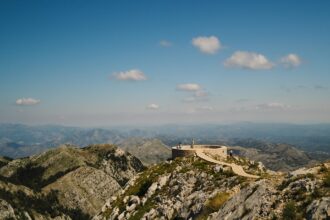
One of the most popular excursions is the Great Montenegro Tour, a full-day journey that combines several of the country’s most famous highlights into a single unforgettable experience. Most tours travel along the spectacular Serpentine Road, climbing high above the Bay of Kotor before reaching Lovćen National Park, where visitors can enjoy panoramic views stretching across much of Montenegro.
The itinerary usually continues to the former royal capital of Cetinje, allowing time to explore its historic streets before visiting traditional villages such as Njeguši, where local smoked ham, cheese and other regional specialities can be sampled. The constantly changing scenery means the journey is every bit as memorable as the destinations themselves.
Joining an organised tour is often the easiest way to experience inland Montenegro, particularly if you don’t plan to hire a car. Booking the Great Montenegro Tour in advance is recommended during the summer months, as it’s one of the country’s most popular excursions and an excellent way to see far more than the Bay of Kotor alone.

Things To Do In Kotor With Children
The fortress climb is best avoided with very young children given the uneven steps and lack of shade for much of the route, but older kids who enjoy a challenge often treat it as an adventure rather than a chore, especially with the promise of the view and an ice cream afterwards. The Cats Museum, a small privately run collection of cat-themed art and memorabilia tucked into one of the Old Town’s side streets, is a reliably popular stop for younger visitors and ties in neatly with Kotor’s large population of resident street cats.
Boat trips to Our Lady of the Rocks tend to work well for families too, since the crossing is short and the novelty of visiting a man-made island usually keeps children engaged. Many of the waterfront restaurants are relaxed about children, with outdoor seating that gives younger visitors room to move around without disturbing other diners.
Ice cream stops are rarely more than a few minutes apart throughout the Old Town, which helps keep younger children motivated during longer sightseeing stretches, and most restaurants are relaxed about families dining with kids in tow.
Kotor is an excellent destination for families, offering a mixture of history, outdoor adventure and easy sightseeing without feeling overwhelming. The compact Old Town means children don’t have to walk long distances between attractions, while the pedestrian streets provide a safe environment for exploring.
Many families begin with a stroll through the Old Town, where youngsters often enjoy spotting the city’s famous cats, which have become one of Kotor’s best-loved symbols. Small squares provide plenty of space to stop for an ice cream, while the ancient walls and gateways make the city feel like something straight from a fairy tale.
The Kotor Cable Car is another favourite with children. The exciting ride high above the bay offers spectacular views, while the summit provides plenty of open space to explore. Families who enjoy being on the water should also consider one of the shorter boat trips around the Bay of Kotor, many of which include swimming stops during the warmer months.
If your children enjoy beaches, combine your visit with a few hours along the waterfront or head to nearby Dobrota, where small beaches and calm waters provide a relaxing change of pace after exploring the historic centre.
The Best Beaches Near Kotor
If you’re staying in Kotor without a car, most of these beaches are reachable by local bus or a short taxi ride, and several coastal towns along the bay run their own small ferries in peak season that make beach-hopping straightforward. Shade can be limited at some of the smaller pebble coves, so it’s worth bringing a beach umbrella or arriving early to claim a spot under one of the natural rock overhangs where available.
Water quality throughout the Bay of Kotor is generally very clear, since the enclosed bay avoids the stronger currents found along more open stretches of the Adriatic coast, though it can also mean the water warms up more slowly in early summer than beaches further south. Combining a beach afternoon with one of the nearby towns, Perast or Tivat in particular, is a popular way to break up a day that would otherwise be spent entirely in the Old Town.
None of these beaches charge for basic access, though sunbeds and umbrellas are usually available to hire for a modest fee at the busier spots. If you’re staying in the Old Town, Dobrota is close enough to reach on foot for an afternoon swim without needing any transport.
Although Kotor is famous for its medieval streets rather than sandy beaches, there are several attractive places nearby where you can enjoy a swim while surrounded by the spectacular scenery of the Bay of Kotor.
The closest option is Kotor Beach, located just a short walk from the Old Town. This small pebbly beach offers easy access to the calm waters of the bay and is ideal if you simply want to cool off after sightseeing. Facilities nearby include cafés, restaurants and places to hire sunbeds during the summer season.
A little further north, the coastal suburb of Dobrota has a number of small bathing areas stretching along the waterfront. These are popular with locals thanks to their clear water and peaceful atmosphere, while the scenic promenade makes the area ideal for an evening walk.
For visitors with a car, beaches such as Orahovac and Bajova Kula offer a quieter alternative with beautiful mountain scenery reflected in the calm waters of the bay. Although they don’t have the wide sandy beaches found elsewhere along the Adriatic, they provide a wonderfully relaxing setting that’s perfect for spending a sunny afternoon before returning to Kotor.
Easy Day Trips From Kotor
Most of these destinations can be reached without a rental car, whether by local bus, organised tour, or the water taxis that operate around the bay in summer, though having your own transport does make it easier to combine two or three stops in a single day.
If you’re planning to base yourself in Kotor for several days, it’s worth mapping out which excursions pair naturally together, since Perast, Our Lady of the Rocks and Tivat all sit along the same stretch of coastline and can often be combined, while destinations further afield like Cetinje or the Lovćen viewpoints generally work better as a dedicated day on their own. Our Bay of Kotor scenic drive guide lays out a route that links several of these towns together if you’d rather explore independently than book an organised excursion.
Kotor’s central position on the Bay of Kotor makes it one of the best places in Montenegro to base yourself. Excellent road connections, regular local buses and organised excursions place many of the country’s highlights within easy reach, allowing you to experience historic towns, mountain scenery and beautiful beaches without changing hotels.
The elegant waterfront town of Perast is just 20 minutes away and is easily reached by Blue Line buses, taxi or boat. Nearby Tivat can be reached in around 15 minutes by bus or car, where you’ll find the luxury marina of Porto Montenegro, stylish restaurants and the Kotor Cable Car lower station.
Further along the coast, Budva is around 30 to 40 minutes away by regular intercity bus, making it an easy day trip for visitors wanting to experience Montenegro’s lively beaches, nightlife and beautifully preserved Old Town. To the north, Herceg Novi sits close to the Croatian border and is around one hour away by bus or car, offering attractive squares, waterfront promenades and a much more relaxed atmosphere.
If you’re looking to explore Montenegro’s spectacular mountains, organised day tours are often the simplest option. Popular excursions combine Lovćen National Park, Cetinje and panoramic viewpoints above the Bay of Kotor, while longer trips visit Lake Skadar, Durmitor National Park and the dramatic Tara River Canyon. Kotor is perfectly positioned for exploring almost every corner of the country.

Getting Around Kotor
If you’re planning several day trips during your stay, it’s worth deciding early on whether public buses will cover everything comfortably or whether hiring a car for a day or two makes more sense, particularly for the mountain excursions that are harder to reach on fixed bus timetables.
One of Kotor’s biggest advantages is how easy it is to explore. The Old Town is completely pedestrianised, allowing visitors to wander its medieval streets without worrying about traffic. Most of the city’s major attractions are only a few minutes apart, making walking by far the best way to discover its hidden squares, churches and historic buildings.
For journeys beyond the city walls, Blue Line buses provide frequent services around the Bay of Kotor, linking destinations including Perast, Dobrota, Risan, Tivat and Herceg Novi. Longer-distance buses also connect Kotor with Budva, Podgorica, Bar and other major towns throughout Montenegro, departing from the main bus station located around 10 minutes’ walk from the Old Town.
Taxis are widely available and are a convenient option for reaching the Kotor Cable Car, nearby beaches or accommodation outside the city walls. If you’re planning to explore several destinations or venture into the mountains, hiring a car offers greater flexibility, although parking around the Old Town can become very limited during the busy summer season.
Many visitors also choose to explore the bay by boat, with regular excursions and water taxis operating during the tourist season. Whether you’re travelling on land or water, Kotor’s excellent transport links make it easy to experience both the historic town and the surrounding coastline.
Choosing Where To Stay
Where you stay in Kotor can have a big impact on your holiday, with each area offering a slightly different experience. Whether you’re looking for historic charm, peaceful waterfront views or easy access to the beaches, there’s an area to suit every type of traveller.
For first-time visitors, the Old Town is the obvious choice. Staying within the medieval walls places you just steps away from Kotor’s main attractions, restaurants and cafés, while the unique atmosphere after the day-trippers and cruise passengers have left is something many visitors never forget. Boutique hotels and restored historic buildings make this one of Montenegro’s most memorable places to stay.
If you prefer a little more space and quieter surroundings, Dobrota is an excellent alternative. Stretching along the waterfront immediately north of Kotor, it offers beautiful views across the bay, small beaches and a relaxed atmosphere, while remaining within walking distance of the Old Town.
Travellers arriving by car often choose accommodation slightly outside the centre, where parking is easier and hotels generally offer larger rooms and swimming pools. Visitors planning to explore the wider region may also consider splitting their stay between Kotor and nearby destinations such as Budva or Herceg Novi, allowing them to experience different parts of Montenegro’s spectacular coastline.

Rupert’s Handy Travel Tips
Heading to Kotor? Here are a few useful tips to make your visit smoother:
- Start your day early: Kotor can become very busy when cruise ships are in port, so visit the Old Town and Fortress early if possible.
- Wear sturdy footwear: The climb to Kotor Fortress involves more than 1,300 stone steps, so comfortable shoes are essential.
- Book popular attractions ahead: The Kotor Cable Car and Bay of Kotor boat tours are among Montenegro’s most popular experiences and can sell out in peak season.
- Use local buses for nearby towns: Regular services make it easy to visit Perast, Tivat, Budva and Herceg Novi without hiring a car.
- Stay after the cruise ships leave: Early evening is one of the best times to enjoy Kotor, when the streets become quieter and the Old Town feels far more atmospheric.
Want to meet the reindeer behind our travel tips? Find out more in our page Who is Rupert?.




Frequently Asked Questions
Is Kotor worth visiting?
Yes. Kotor is widely regarded as Montenegro’s most beautiful destination, combining a stunning UNESCO-listed Old Town, dramatic mountain scenery, spectacular boat trips and one of the most picturesque natural harbours in Europe.
How many days should I spend in Kotor?
Two to three days is ideal. This gives you enough time to explore the Old Town, climb Kotor Fortress, ride the Kotor Cable Car, take a Bay of Kotor boat tour and visit nearby places such as Perast and Tivat.
Can you explore Kotor on foot?
Absolutely. The Old Town is completely pedestrianised and most of Kotor’s main attractions are within a few minutes’ walk of one another. Comfortable shoes are recommended because many of the streets are paved with polished stone.
Is the climb to Kotor Fortress worth it?
Yes. Although the climb is steep, the reward is one of the finest viewpoints in Montenegro. Looking down across the Old Town and the Bay of Kotor is an unforgettable experience and one of the highlights of any visit.
Is the Kotor Cable Car worth it?
Yes. The Kotor Cable Car offers breathtaking views across the bay while taking visitors into Lovćen National Park in just a few minutes. The scenery from the summit is spectacular, and it’s one of Montenegro’s newest and most popular attractions.
Can you visit Our Lady of the Rocks from Kotor?
Yes. Regular boat trips depart from Kotor throughout the day, while many organised cruises around the Bay of Kotor include Our Lady of the Rocks, Perast and the Blue Cave in a single excursion.
When is the best time to visit Kotor?
May, June, September and October offer warm weather, fewer crowds and excellent conditions for sightseeing. July and August are the busiest months, particularly when multiple cruise ships are in port.
Can you visit Kotor without a car?
Yes. Kotor is one of the easiest places in Montenegro to explore using public transport. Regular buses connect the town with Budva, Tivat, Herceg Novi, Podgorica and other destinations, while many attractions are within walking distance of the Old Town.
Is Kotor a good base for exploring Montenegro?
Definitely. Kotor is perfectly located for visiting Perast, Budva, Herceg Novi, Lovćen National Park, Cetinje and many other highlights. It’s one of the best places in the country to base yourself for several days.
Can cruise passengers see Kotor in one day?
Yes. The cruise terminal is only a short walk from the Old Town, allowing visitors to see many of the city’s highlights in a single day. If time allows, consider adding the Kotor Fortress or a short Bay of Kotor boat trip to make the most of your visit.
Further Reading
Kotor rarely stands alone on a Montenegro trip, and a handful of the excursions mentioned above are worth reading up on before you set off. Day Trips from Kotor walks through the organised excursions to Perast, Budva and Cetinje in more depth, and if you’d rather drive yourself around the bay, our scenic drive route lays out exactly where to stop along the way.
Arriving by cruise ship changes the logistics quite a bit, so it’s worth a quick look at what to expect at the port before your ship docks. Flying in instead? Tivat is the closer of the two airports, and once you’ve landed, the bus network covers most of the route between there and Kotor.
The wider bay rewards a bit of extra exploring too. Perast, Tivat and Budva each have a very different character, from Perast’s sleepy Baroque waterfront to Budva’s beach-and-nightlife energy, and inland, Lovćen and Lake Skadar are the two national parks most people pair with a Kotor base.
And if Kotor is just one stop on a longer trip, this 14-day route around the whole country shows how it all fits together with the coast, the mountains and the national parks.