Reviewed by our editorial team Updated
Lovćen National Park: Montenegro’s Mountain of Legends
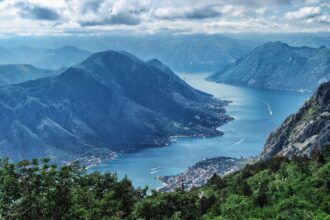
Rising sharply above the Bay of Kotor and the historic town of Cetinje, Lovćen National Park is one of Montenegro’s most important natural and cultural sites. Covering more than 60 square kilometres of limestone mountains, dense forest and viewpoint after viewpoint, the park is home to the country’s most important monument, the Njegoš Mausoleum.
For Montenegrins, Mount Lovćen isn’t just another mountain, it’s practically a symbol of the nation, tied up with the country’s history, independence and sense of identity. Its summit has inspired poets and rulers for centuries, and on a clear day the views from up there stretch across mountains, valleys and out to the Adriatic itself.
It’s also refreshingly easy to visit. Whether you drive the famous Kotor Serpentine Road yourself, join a guided tour from the coast, or head up independently from Cetinje, the journey there is honestly just as memorable as the summit.
Between the scenery, the history and one of Europe’s more dramatic viewpoints, Lovćen earns its place on pretty much every Montenegro itinerary, including our own 14-Day Montenegro Itinerary.
You’ll notice the mood change the moment you start climbing away from the coast. The air cools, the traffic thins out, and the sea gives way to pine forest and bare limestone within a matter of minutes. It’s a genuinely different side of Montenegro from the beaches and cruise ports most visitors picture, and one that tends to leave a stronger impression than almost anywhere else on a typical coastal itinerary.
Why Lovćen Stands Apart From Montenegro’s Other National Parks
Montenegro has several beautiful national parks, but Lovćen is different because it combines natural beauty with history and national identity in one place, rather than being scenery alone.
The mountain scenery itself is reason enough to visit. Dense forest, rocky peaks and winding roads make for dramatic landscapes, and dozens of viewpoints reveal panoramas across the surrounding countryside. On an exceptionally clear day, you can even pick out both the Adriatic and the mountains of neighbouring countries from the highest points.
For most people, though, the real draw is the Njegoš Mausoleum on the summit of Mount Lovćen. Getting there means climbing 461 stone steps, but the payoff is one of the best views anywhere in the Balkans.
Unlike some of Montenegro’s more demanding national parks, Lovćen genuinely suits almost anyone. Families, photographers, history fans, hikers, motorcyclists and cruise passengers all find something worth the trip, which is a big part of why it’s so popular.
There’s also a manageable scale to Lovćen that some of the country’s larger parks don’t share. You don’t need several days or specialist equipment to feel like you’ve properly experienced it; a well-planned half day covers the highlights, while a full day lets you add the hiking trails and Ivanova Korita without ever feeling rushed. That accessibility is a big part of why it appears on so many Montenegro itineraries, ours included.
It also photographs unusually well in every season, which isn’t true of every mountain park. Summer brings clear long-distance views, autumn turns the beech forest gold, and even a grey winter’s day has a stark, dramatic quality that suits black-and-white photography particularly well.
See hotel options and places to stay for your trip.
Browse hotelsBrowse apartments, holiday homes and self-catering stays.
View rentalsCompare hotel prices across multiple booking sites.
Compare ratesThe Njegoš Mausoleum: 461 Steps to Montenegro’s Greatest Monument
Standing on the summit of Jezerski Vrh, the Njegoš Mausoleum is the centrepiece of Lovćen National Park and one of the most important monuments anywhere in Montenegro.
It honours Petar II Petrović-Njegoš, ruler, bishop, philosopher and poet, and one of the most influential figures in Montenegro’s history. Njegoš specifically asked to be buried on Mount Lovćen, a place that clearly meant a great deal to him throughout his life.
Getting there is part of the experience. After parking, you’ll climb 461 stone steps through a long tunnel cut straight into the mountainside, with the anticipation building the whole way up until you finally emerge into open air at the summit.
At the entrance, two enormous granite statues guard the mausoleum, and inside sits the imposing figure of Njegoš, carved from dark granite beneath a striking gilded ceiling. The scale and craftsmanship make it one of the most impressive memorials anywhere in the region.
Give yourself time on the terraces afterwards too. Plenty of visitors end up spending as long taking in the scenery outside as they do inside the monument itself.
The tunnel itself is cool even on the hottest days, cut straight through solid rock with only intermittent lighting, which adds a slightly theatrical build-up before the summit opens out above you. Guides are available at the entrance for those who want the fuller history, though the information panels inside cover the basics well enough for anyone happy to explore independently.
Take the climb at your own pace. There’s no rush, and several small landings along the tunnel make natural spots to catch your breath without feeling like you’re holding anyone up behind you.
Taking the Kotor Cable Car to Lovćen
If you’d like to experience Mount Lovćen without driving the famous Kotor Serpentine Road, the Kotor Cable Car is an excellent alternative. Opened in 2023, it carries visitors from the outskirts of Kotor high into the mountains in around 11 minutes, climbing more than 1,300 metres above the Bay of Kotor and providing some of the finest panoramic views in Montenegro.
The lower cable car station is located at Dub, a few kilometres outside Kotor. While many visitors arrive by car or taxi, there’s also an official shuttle bus connecting Kotor Bus Station with the lower cable car station throughout the day, making it easy to visit even if you don’t have your own transport.
The shuttle operates approximately every 30 minutes, with departures from Kotor Bus Station between 09:00 and 20:30, while return services from the Dub lower station run between 09:30 and 22:00. On Tuesdays, the cable car opens later, with the first departures beginning from 10:30.
The shuttle is reasonably priced, with a single ticket costing €10, a return ticket €15, while a combined return shuttle and cable car ticket costs €36, making it one of the easiest ways to reach the mountains from Kotor without hiring a car.
Once you reach the upper cable car station, you’ll find restaurants, cafés, panoramic viewing terraces and walking trails. The Njegoš Mausoleum itself is located further into Lovćen National Park, approximately 20 to 25 minutes away by road, and can be reached by seasonal shuttle services, organised excursions or taxi. If you’re driving, many visitors choose to descend by cable car before collecting their vehicle from the lower station.
Whether you arrive by cable car or road, the scenery is unforgettable. Looking back across the Bay of Kotor, you’ll gain a completely different perspective on Montenegro’s dramatic coastline, and for many visitors the cable car ride becomes one of the highlights of the entire trip.
Official Kotor Cable Car Shuttle Timetable
| From Kotor Bus Station | From Dub Lower Station |
|---|---|
| Every 30 minutes | Every 30 minutes |
| 09:00 – 20:30 | 09:30 – 22:00 |
| Tuesday: First departure 10:30 | Tuesday: Services begin after the later opening |
The View From the Summit: Arguably Montenegro’s Finest
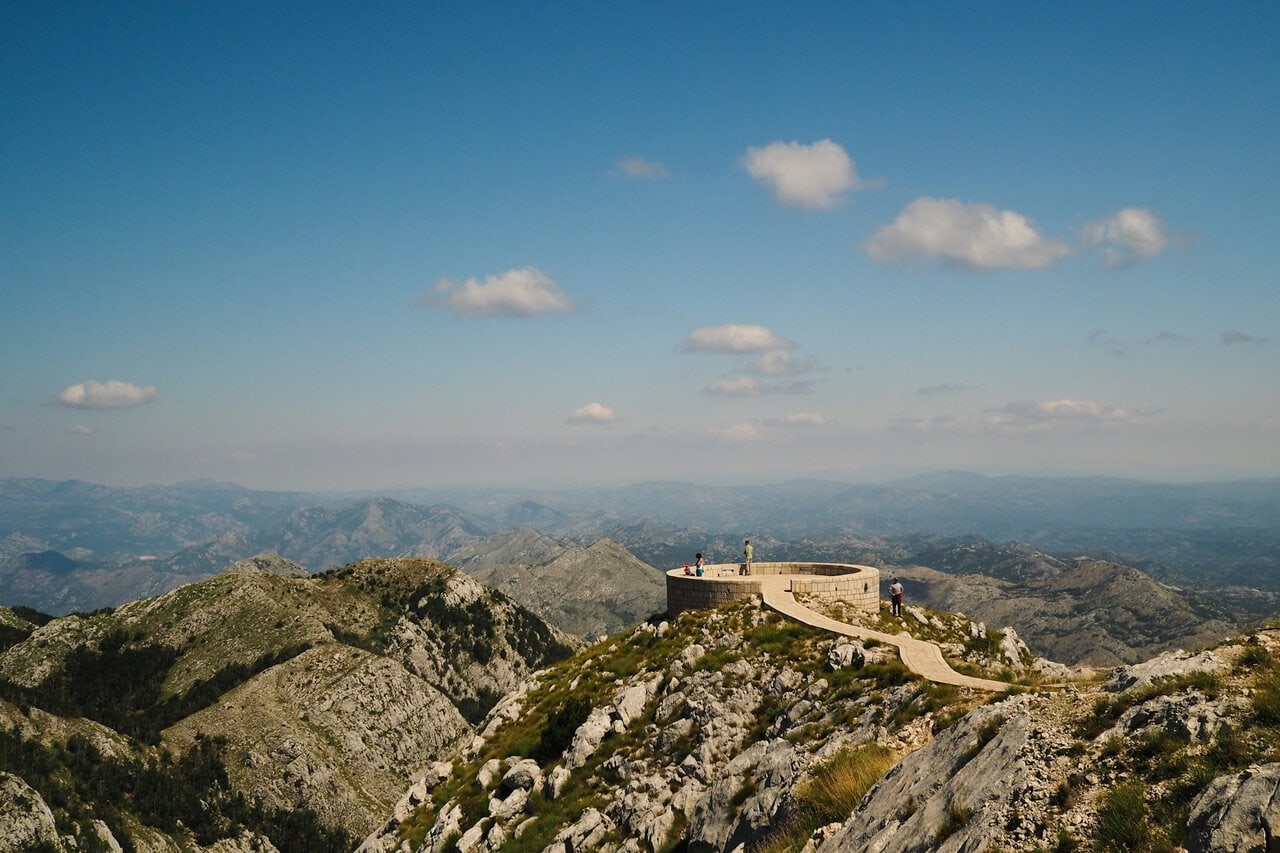
The climb to the Njegoš Mausoleum is rewarded with what a lot of people rate as the single best viewpoint in Montenegro.
From the viewing platform, you get a full 360-degree sweep of mountains, forest, valleys and the shimmering Adriatic in the distance. Look west and the Bay of Kotor stretches out towards the sea; look east and the mountains of central Montenegro just keep going until they fade into haze.
On exceptionally clear days, local guides will sometimes claim you can see around 70% of Montenegro from up here. Whether that figure holds up to scrutiny is beside the point really, the view is genuinely one of the widest and most dramatic in the country.
Early morning and late afternoon are best for photos, when softer light picks out the folds in the mountains and the coastline glows under the setting sun. Even well-travelled visitors to the Balkans tend to rank the summit of Mount Lovćen among the highlights of an entire Montenegro trip.
Bring a jacket even in summer, since the wind at this altitude is genuinely sharp and rarely lets up for long. The viewing platform can get crowded around midday when coach tours arrive en masse, so if photography matters to you, it’s worth timing your visit for first thing in the morning or later in the afternoon instead.
On a hazy day, don’t be too disappointed. Even reduced visibility still reveals an impressive stretch of mountains close by, and returning on a clearer day later in your trip is always an option if you’re based nearby for a while.

Ride the Lovćen Alpine Coaster
If you’re travelling to Lovćen by the Kotor Cable Car, don’t rush straight to the mausoleum. The upper station is also home to the Lovćen Alpine Coaster, one of Montenegro’s newest adventure attractions and a fun addition to a day in the national park.
Built into the mountainside, the coaster follows a twisting downhill track with sweeping views across the surrounding peaks. Riders control their own speed using hand brakes, meaning you can either take a gentle ride while enjoying the scenery or tackle the course a little faster if you’re looking for more excitement. It’s suitable for most families, with younger children able to ride alongside an adult.
The attraction sits within the Lovćen Adventure Park at the upper cable car station, alongside cafés, restaurants, viewing terraces and walking paths. Many visitors spend an hour or two here before continuing by shuttle bus, taxi or car to the Njegoš Mausoleum, making it easy to combine several attractions in a single visit.
Although the alpine coaster is separate from the national park itself and requires an additional ticket, it’s become one of the most popular activities in the area since the cable car opened. During the busiest summer months, queues can develop in the middle of the day, so visiting earlier in the morning or later in the afternoon often means a shorter wait.
Whether you’re travelling as a family, looking for something a little different or simply want another excuse to enjoy the mountain scenery, the Lovćen Alpine Coaster adds an extra dimension to a visit that many people don’t expect to find high above the Bay of Kotor.
Driving the Kotor Serpentine Road’s 25 Hairpin Bends
Part of the appeal of Lovćen starts well before you reach the summit. The Kotor Serpentine Road is considered one of Europe’s great mountain drives, climbing from the shore of the Bay of Kotor through 25 dramatic hairpin bends before reaching the national park.
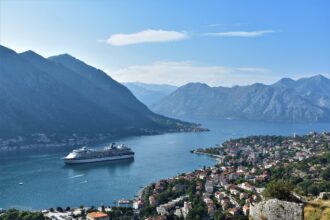
Every few bends brings another viewpoint. As you climb, Kotor’s medieval rooftops shrink below you, cruise ships in the bay start to look like toys, and the surrounding mountains unfold in every direction. It’s a road that rewards going slowly, with plenty of safe places to pull over for photos.
The road is fully paved but narrow in places, with several tight bends, so take care, particularly in peak summer when motorhomes, tour buses, cyclists and motorcycles are all sharing the same stretch of tarmac. Traffic generally moves slowly, which at least gives you time to enjoy the view rather than just the road.
For a lot of visitors, the drive itself is as memorable as the mausoleum at the end of it, and it’s one of Montenegro’s genuinely great road trips. If you’re combining it with the coastal route below, our Bay of Kotor Scenic Drive guide covers that stretch in more detail.
Automatic transmission makes the drive noticeably easier if you have the choice when renting a car, since the constant gear changes on a manual can wear on your concentration over so many consecutive bends. Try to avoid driving it for the first time after dark. The views are obviously invisible, and the road’s narrower sections are considerably easier to judge in daylight.
Hiking Trails Beyond the Mausoleum
Most visitors head straight for the mausoleum, but Lovćen also has a decent network of walking trails that lead into quieter corners of the mountain, away from the main viewpoints.
Gentle forest walks pass through old beech and pine woodland, while longer routes climb across limestone ridges to panoramic viewpoints over both the mountains and the coast. In spring and early summer, many of the meadows fill with wildflowers, which changes the character of the walk completely.
There’s something for most fitness levels here. Families can stick to shorter nature trails near Ivanova Korita, while more experienced walkers can happily spend a full day exploring the higher, quieter parts of the park.
Whichever route you pick, bring proper walking shoes, water and a light jacket. Weather at altitude can shift quickly here, even in summer, and it’s always a little cooler than the coast.
Trail markers are generally clear and well maintained, following the standard Montenegrin hiking waymarks, though a downloaded map is still worth having since mobile signal drops out in several of the deeper valleys. Most routes loop back to a car park rather than requiring you to arrange a pickup elsewhere, which makes planning considerably simpler than in some of Montenegro’s more remote hiking areas.
A modest café near the main trailhead sells coffee, snacks and cold drinks, useful if you’d rather travel light and refuel there rather than carrying everything from the coast.
Autumn is arguably the best season for these trails, with cooler air, fewer insects and the beech forest turning a genuinely spectacular gold that’s worth planning a trip around if hiking is a priority for you.
Search routes and flight options for your journey.
Search flightsUse an eSIM to get online without hunting for a local SIM after arrival.
See eSIM optionsArrange a private pickup before travel instead of sorting transport after landing.
Book a transferExplore Lovćen on a Guided Day Tour
If you don’t want to hire a car or navigate Montenegro’s mountain roads yourself, a full-day guided tour is one of the easiest ways to experience Lovćen National Park. With departures from Kotor, Tivat and Budva, it’s an excellent option for visitors based along the Adriatic coast who want to see several of Montenegro’s highlights in a single day.
Rather than simply visiting the Njegoš Mausoleum, the excursion combines many of central Montenegro’s most famous attractions into one carefully planned itinerary. The day begins with a spectacular ride on the Kotor Cable Car, climbing high above the Bay of Kotor before continuing into the mountains towards Lovćen National Park. If weather conditions prevent the cable car from operating, the tour instead follows the historic Austro-Hungarian Serpentine Road, ensuring you still experience one of Montenegro’s most famous scenic routes.
After visiting the summit and climbing the 461 steps to the Njegoš Mausoleum, the tour continues to Cetinje, Montenegro’s historic royal capital. Here you’ll enjoy a guided walking tour taking in landmarks including Cetinje Monastery, historic embassies and the former royal buildings that helped shape Montenegro’s history.
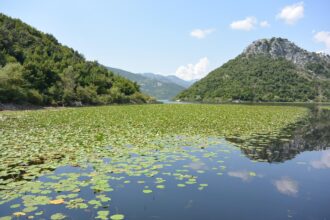
The afternoon moves on to the picturesque River Crnojevića, where there’s time for lunch beside the water before joining a relaxing one-hour boat cruise through one of the most beautiful parts of the Lake Skadar region. Depending on conditions, there may also be an opportunity for a swim before returning towards the coast.
Before arriving back, the tour pauses above Sveti Stefan, giving you the chance to photograph Montenegro’s most iconic island resort from its famous viewpoint.
The tour includes return transport, an English-speaking guide and the River Crnojevića boat cruise, while entrance fees for Lovćen National Park, the Njegoš Mausoleum, Lake Skadar National Park and the Kotor Cable Car are paid separately on the day. Multiple departure points are available, making it convenient whether you’re staying in Kotor, Tivat or Budva.
With more than 1,100 reviews and an average rating of 4.9 out of 5, it’s one of the highest-rated day trips in Montenegro. For first-time visitors wanting to experience the country’s mountains, history, coastline and national parks without worrying about driving or logistics, it represents excellent value and is one of the easiest ways to see many of Montenegro’s greatest highlights in a single unforgettable day.
We recommend booking in advance, particularly during the summer months, as this is one of Montenegro’s most popular organised excursions and frequently sells out several days ahead.
Wildlife and Nature in Lovćen National Park
Lovćen is best known for its history, but it’s also one of Montenegro’s most important protected landscapes, supporting a genuinely impressive range of wildlife across its forests, rocky slopes and alpine meadows.
The woodland shelters foxes, wild boar, deer and various smaller mammals, while golden eagles, peregrine falcons and other birds of prey patrol the skies above. Birdwatchers will also find woodpeckers, owls and plenty of other woodland species scattered through the park.
Botanists do just as well here. Hundreds of plant species grow within the park, many of them native to the Balkans, and through spring and summer the mountain meadows fill with colourful wildflowers set against the pale limestone peaks.
All of which is to say, Lovćen is a lot more than just the mausoleum on top. It rewards anyone willing to venture a little beyond the main viewpoints.
Early morning is by far the best time for wildlife spotting, before the day’s visitors arrive and while the light is still soft enough for photography. Bring binoculars if birdwatching is a genuine interest, since the birds of prey here tend to soar at a height that’s hard to appreciate with the naked eye alone.
Wild boar sightings are occasionally reported near Ivanova Korita at dusk, though they’re generally shy and keep well away from people, so don’t plan a visit around seeing one.
Bring a decent zoom lens if wildlife photography interests you, since most sightings happen at a distance across open meadow or forest edge rather than up close.
Ivanova Korita: The Park’s Quieter Recreation Area
Often skipped by visitors heading straight for the summit, Ivanova Korita is the main recreational hub of Lovćen National Park, and a good place to spend a couple of hours surrounded by nature rather than crowds.
Set in a broad mountain valley below the higher peaks, it has the National Park Visitor Centre, picnic areas, a children’s play area, walking trails and open grassland that’s ideal for resting after the mountain roads. It’s also the starting point for several of the park’s more popular hikes.
Families tend to love the open space here, and walkers appreciate having somewhere quieter to explore, away from the busiest viewpoints. In summer, the cooler mountain air is a genuine relief after the heat down on the coast.
If you’re driving through the park, it’s worth stopping here before continuing on to the mausoleum. It gives you a completely different sense of Lovćen and shows just how much more there is to the park than its famous summit.
A small restaurant near the visitor centre serves simple, hearty food, which makes Ivanova Korita a sensible lunch stop if you’re spending the whole day in the park. In winter, the same open meadows occasionally see enough snowfall for a bit of informal sledging, a detail that surprises visitors who only associate Montenegro with its coastline.
It’s also a sensible spot to let children run around after a long car journey, with enough open, flat ground that you don’t need to worry about the drops and ledges found closer to the summit.
Practical Tips for Visiting the Mausoleum
The 461 steps are the main thing to plan around. They’re not technically difficult, just a steady, tunnelled climb, so comfortable shoes matter more than fitness. Going early in the day means cooler air in the tunnel and a quieter summit for photos, since coach tours tend to arrive from mid-morning onwards.
It’s worth packing a light jacket even in summer, since the wind on the exposed summit terraces can be surprisingly sharp compared with the sheltered climb up. And however tempting it is to rush back down after the mausoleum, the terraces just outside are genuinely worth lingering on for the view alone.
There’s a small entrance fee payable near the base of the steps, separate from the general national park fee, so keep some cash on hand rather than assuming card payment will be available. Visiting outside peak summer weekends also makes a genuine difference here, since the tunnel and summit platform can both feel considerably more crowded once several coach tours arrive within the same hour.
If you’re travelling with anyone who finds stairs difficult, be aware there’s no lift or alternative route to the summit, so it’s worth planning around that limitation in advance rather than discovering it at the base of the tunnel.
Toilets are available near the car park at the base, but not at the summit itself, so it’s worth using them before you start the climb.
Pairing Lovćen With Historic Cetinje
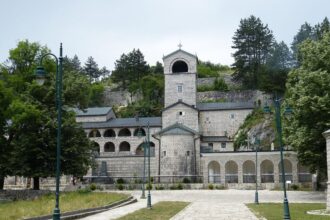
Just a 20-minute drive from the park, Cetinje makes the natural companion to a morning on the mountain. Once Montenegro’s Royal Capital, it played a central role in the country’s political, cultural and religious life for centuries and remains one of the most interesting towns in Montenegro today.
The town has former embassies, museums, monasteries and grand historic buildings reflecting its importance during the nineteenth and early twentieth centuries. Highlights include Cetinje Monastery, King Nikola’s Museum and the old Royal Palace, with plenty of pleasant pedestrian streets and cafés for a relaxed lunch after descending from the mountain.
A lot of visitors combine the two in a single day, and it works well: dramatic mountain scenery in the morning, history and culture in the afternoon. If time allows, it’s genuinely one of the best day trips in the country. Our Cetinje guide covers the town in full.
If you’re short on time, doing the mountain first and Cetinje second tends to work better than the reverse, since the light for photography on the summit is generally best earlier in the day, and the museums in Cetinje keep more forgiving afternoon hours.
Public transport between the two is limited, so this pairing works best if you have a car or have booked a tour, rather than relying on buses to link the mountain and the town in a single day.
A rental car with a full tank makes this pairing considerably easier, since it lets you set your own pace between the two rather than working around a tour bus schedule.
Getting to Lovćen National Park from Kotor, Budva and Podgorica
Despite its mountain setting, Lovćen is genuinely easy to reach from most of central and coastal Montenegro, which is a big part of why it’s such a popular day trip.
| Starting Point | Bus | Car | Typical Journey |
|---|---|---|---|
| Cetinje | Limited | ✔ | Around 20 minutes |
| Kotor | Via Cetinje | ✔ | Around 45–60 minutes |
| Budva | Via Cetinje | ✔ | Around 1 hour |
| Tivat | Via Kotor | ✔ | Around 1 hour |
| Podgorica | Via Cetinje | ✔ | Around 1 hour 15 minutes |
Driving is by far the easiest way to visit, giving you the freedom to stop at viewpoints along the Kotor Serpentine Road and explore places like Ivanova Korita at your own pace. There’s parking close to the mausoleum, though you’ll still need to tackle those 461 steps to reach the summit.
Public transport is more limited. Buses run regularly to Cetinje, but onward services into the park itself are infrequent, so an organised day tour or private transfer from Kotor, Budva, Tivat or Podgorica is usually the most practical option if you don’t have a car.
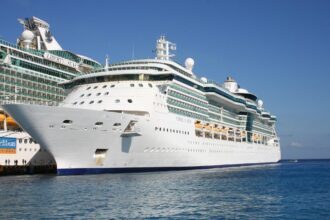
If you’re arriving by cruise ship into Kotor, Lovćen is one of the most popular shore excursions going. Many tours combine the Serpentine Road, the mausoleum and Cetinje into one trip, which is a genuinely efficient way to see several of Montenegro’s highlights in a single day.
Fuel up before you leave the coast, since petrol stations become considerably sparser once you’re on the mountain roads. Mobile signal is patchy in places too, so it’s worth downloading an offline map or noting your route in advance rather than relying entirely on live navigation once you’re climbing.
Compare hostels and budget-friendly places to stay.
Browse hostelsGet help with compensation, eligible lounge access and disruption support.
Explore AirHelp+Leave your luggage somewhere convenient and explore hands-free.
View storageBest Time to Visit Lovćen National Park
Lovćen is beautiful all year round, though each season feels genuinely different up here.
Spring brings fresh mountain air, wildflowers and comfortable temperatures, making it one of the best times for hiking and sightseeing, with visibility that’s often excellent for the views towards the Adriatic.
Summer turns the park into a welcome escape from the coastal heat. Temperatures stay noticeably cooler than in Kotor, Budva or Tivat, which makes it ideal for walking, driving and exploring the mausoleum, though it’s also the busiest season, so arriving early is worth doing.
Autumn turns the forests gold and orange, with cooler weather that suits hiking and photography particularly well. Plenty of regular visitors rate it as the most peaceful season to experience the park.
Winter has its own character entirely. Snow occasionally settles on the higher peaks around the mausoleum, and while road access can be affected by weather, a clear winter’s day rewards you with some of the most dramatic views Montenegro has to offer.

Rupert’s Handy Travel Tips
Planning a visit to Lovćen National Park? Here are a few tips to make the most of your trip:
- Wear comfortable footwear: You’ll need to climb 461 steps to reach the Njegoš Mausoleum, so comfortable shoes are essential.
- Drive the Kotor Serpentine if you can: It’s one of Montenegro’s greatest scenic roads, with incredible views over the Bay of Kotor.
- Bring an extra layer: Even in summer, temperatures at the summit can be much cooler than along the coast.
- Allow a full day: Combine the Njegoš Mausoleum, Ivanova Korita, the scenic viewpoints and nearby Cetinje for one of Montenegro’s best day trips.
- Visit early: Morning offers the clearest views, easier parking and a much quieter experience at the mausoleum.
Want to meet the reindeer behind our travel tips? Find out more in our page Who is Rupert?.




Frequently Asked Questions
Is Lovćen National Park worth visiting?
Absolutely. It combines spectacular mountain scenery, the iconic Njegoš Mausoleum, panoramic viewpoints, a genuinely great scenic drive and good hiking, and it’s one of the best day trips from the Adriatic coast.
How many steps are there to the Njegoš Mausoleum?
461 stone steps through a tunnel cut into the mountain. The climb is manageable for most people, and the view from the summit makes the effort worthwhile.
Do you have to pay to enter Lovćen National Park?
Yes. There’s a national park entrance fee, plus a separate admission ticket for the Njegoš Mausoleum. Fees are modest and go towards maintaining the park.
Can you drive to the Njegoš Mausoleum?
Yes, a mountain road leads to a car park close by, but you’ll still need to climb the 461 steps to reach the monument itself.
How long should I spend in Lovćen National Park?
Allow at least half a day, though a full day is better if you want the scenic drive, Ivanova Korita, the viewpoints and a stop in nearby Cetinje.
Is the Kotor Serpentine Road difficult to drive?
It’s narrow and winding, with 25 famous hairpin bends, but fully paved and manageable for most confident drivers. Taking it slowly and using the passing places makes it an enjoyable drive rather than a stressful one.
Can you visit Lovćen National Park from Kotor?
Yes, it’s around 45 to 60 minutes by car and one of the most popular day trips from the Bay of Kotor. Many organised tours combine it with Cetinje and the scenic mountain road.
Is Lovćen National Park suitable for children?
Yes. Families regularly visit for the viewpoints, visitor centre, picnic areas and shorter trails, and children who can manage stairs will usually enjoy the climb to the mausoleum too.
When is the best time to visit Lovćen National Park?
Late spring, summer and early autumn generally have the best weather. Going early in the day means cooler temperatures, fewer people and the clearest views.
What makes Lovćen National Park so important?
Beyond the scenery, Lovćen is seen as the symbolic heart of Montenegro. It’s home to the Njegoš Mausoleum, resting place of one of the country’s greatest rulers and poets, making it both a spectacular natural attraction and a deeply significant historical site.
Further Reading
Lovćen and Cetinje sit right next to each other, so it’s an easy pairing, the royal palaces and museums down in the old capital balance out a morning spent up on the mountain.
Driving down towards the coast afterwards, Kotor and the cruise port sit at the bottom of the Serpentine Road, and this coastal driving route is worth following if you want to keep going from there.
Central Montenegro has more to offer too: Ostrog Monastery and Lake Skadar both make good additions, while Durmitor and the Tara River Canyon cover the mountainous north if you’re heading that way instead.
To see how it all fits together, this 14-day itinerary maps out a full route around the country.