Reviewed by our editorial team Updated
Why Bryggen Became a UNESCO World Heritage Site
The colourful harbour district of Bryggen became a UNESCO World Heritage Site because it represents one of the finest surviving examples of a medieval Hanseatic trading settlement anywhere in northern Europe. The district preserves the commercial, architectural and maritime legacy of the powerful Hanseatic League, which dominated huge sections of trade across the Baltic Sea, the North Sea and wider northern Europe during the medieval period.
UNESCO recognised Bryggen because the waterfront demonstrates how important Bergen once was within the wider commercial networks connecting Norway, Germany, the Baltic region and the trading cities of northern Europe. For centuries, Bergen served as one of Scandinavia’s most important ports, particularly through the export of stockfish transported southward from Arctic Norway.
What makes Bryggen especially significant is that the district still preserves the overall urban structure and atmosphere of the old merchant quarter despite repeated destruction from catastrophic fires throughout Bergen’s history. The narrow wooden alleyways, tightly packed trading houses and harbour-facing warehouses still reflect the appearance of the medieval settlement that once dominated the waterfront.
UNESCO status also recognises how rare surviving wooden medieval urban districts have become across Europe. Fire, redevelopment, industrialisation and war destroyed many comparable trading quarters elsewhere on the continent, making Bryggen one of the most historically important surviving examples anywhere in Scandinavia.
Today, Bryggen is far more than simply Bergen’s most famous tourist attraction. It is considered one of the defining historic landscapes of northern Europe and one of the most important surviving reminders of medieval maritime trade in the Nordic world.
What Is Bryggen in Bergen
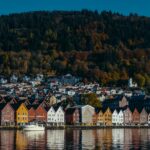
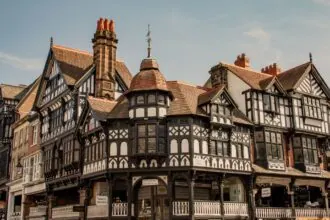
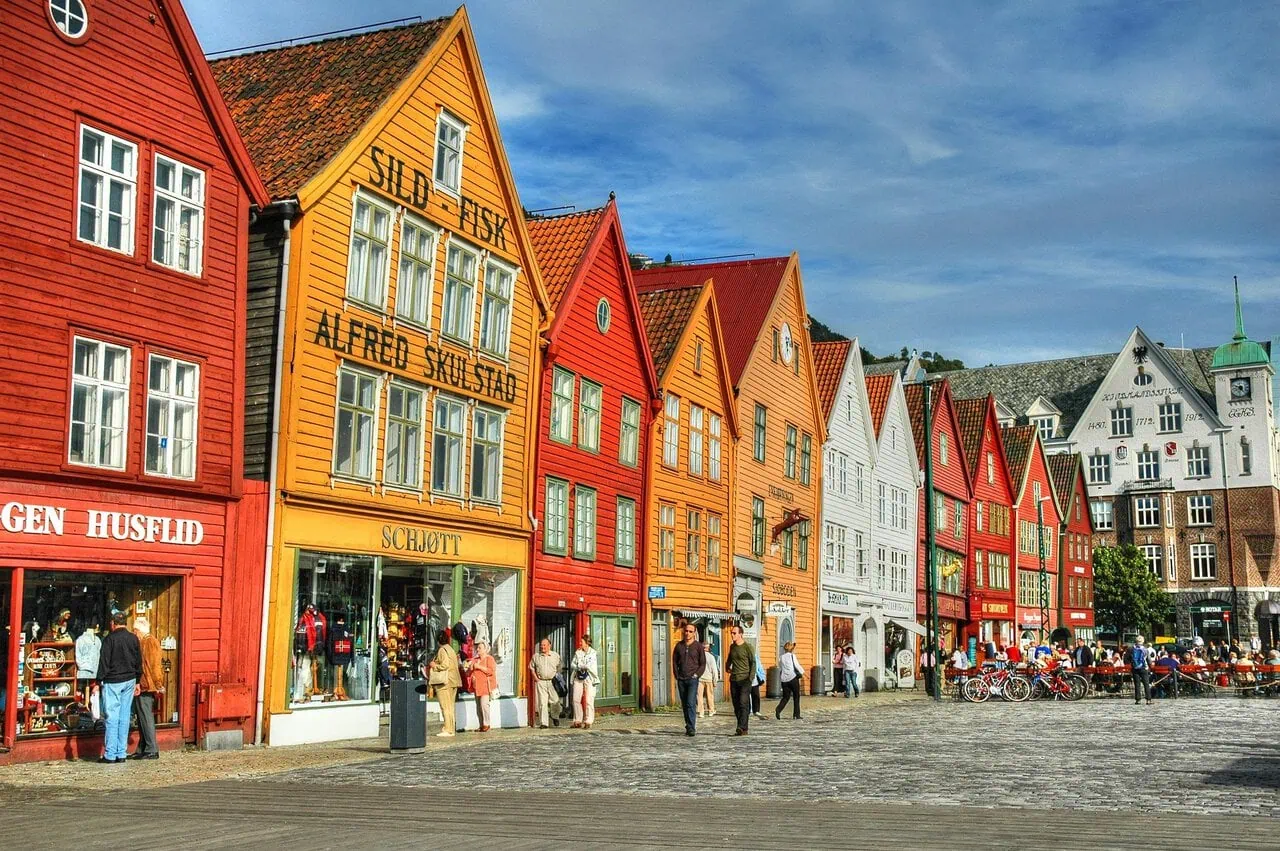
Bryggen is the historic waterfront district of Bergen and one of the most recognisable locations anywhere in Norway. The district consists of rows of colourful wooden merchant buildings facing the harbour, with narrow alleyways and dark passageways extending behind the waterfront facades.
For centuries, Bryggen functioned as the commercial heart of Bergen and one of northern Europe’s most important trading centres. German Hanseatic merchants established themselves here during the medieval period and transformed the harbour into a major maritime hub linking Norway with the wider markets of Europe.
The district visitors see today is the result of centuries of rebuilding following repeated fires, but the overall appearance still strongly reflects the atmosphere of the old trading quarter. Leaning timber buildings, narrow wooden corridors and tightly packed harbour warehouses continue to define the landscape around the waterfront.
Modern Bryggen now combines historic architecture, museums, cafés, galleries, seafood restaurants and independent shops, although the historic harbour environment remains the dominant attraction. The district becomes especially atmospheric during quieter early morning and evening periods when the cruise crowds begin disappearing from the waterfront.
The location of Bryggen also places it at the centre of most visits to Bergen itself. The harbour, Fløibanen, Bergenhus Fortress and several of the city’s most important museums all sit within relatively short walking distance of the UNESCO district.
Learn More from UNESCO
This destination is connected to a UNESCO World Heritage Site, recognised for its outstanding cultural, historical, or natural importance. You can explore official listings, background information, and protected heritage sites through UNESCO’s global database.
Compare hotels and other places to stay in Bergen.
Check availabilityExplore holiday homes and apartments around Bergen.
See holiday homesCompare hotel deals in Bergen from multiple booking sites.
Compare pricesQuick Facts About Bryggen
| Feature | Details |
|---|---|
| Location | Bergen |
| UNESCO Status | World Heritage Site |
| Known For | Hanseatic trading district |
| Architecture | Historic wooden merchant buildings |
| Main Historical Period | Medieval Hanseatic era |
| Most Famous Feature | Colourful harbour waterfront |
| Nearby Landmark | Bergenhus Fortress |
| Nearest Mountain Attraction | Mount Fløyen |
| Main Museum | Bryggens Museum |
| Best Time for Photography | Early morning and evening |
| Cruise Ship Access | Walking distance from harbour |
| Major Theme | Maritime trade and medieval Bergen |
The Hanseatic League and Medieval Bergen
The rise of Bryggen is deeply connected to the power of the Hanseatic League, the enormous commercial network of merchant cities that dominated trade across northern Europe during the medieval period.
German merchants established themselves in Bergen because the city occupied a hugely important strategic position between the fishing regions of northern Norway and the commercial markets of continental Europe. Bergen became especially wealthy through the export of stockfish, the dried cod transported southward from Arctic Norway before being shipped onward across Europe.
The Hanseatic merchants operating from Bryggen effectively controlled major sections of Bergen’s commercial activity for centuries. Warehouses, trading rooms, merchant offices and harbour buildings lined the waterfront while ships constantly moved goods between Norway and the wider European trading world.
This international trade transformed Bergen into one of Scandinavia’s most important medieval cities. At its peak, the harbour connected Norway not only with Germany but also with the Baltic world, England and numerous other commercial centres across northern Europe.
The influence of the Hanseatic period still shapes Bryggen today. The layout of the district, the architecture of the merchant buildings and the organisation of the harbour all reflect the commercial priorities of the medieval trading settlement that once operated here.
Walking through Bryggen today still feels heavily connected to this history. The narrow timber passageways, dark wooden corridors and harbour warehouses continue to preserve the atmosphere of one of medieval Europe’s greatest maritime trading districts.
Why Bryggen Was Important to Northern Europe
During the medieval period, Bryggen was far more than simply a local harbour district. It functioned as one of the most important commercial gateways anywhere in northern Europe and played a central role in connecting the resources of Norway with the wider economies of the continent.
The district became especially important because of the enormous trade in stockfish, the dried cod harvested in the far north of Norway. Fish from Arctic regions travelled southward to Bergen, where Hanseatic merchants organised exports toward Germany, the Baltic, England and wider trading networks across Europe.
At its peak, Bergen became one of the largest and wealthiest cities in Scandinavia. The harbour surrounding Bryggen was constantly filled with merchant vessels, cargo ships, warehouses and international trading activity linked directly to the enormous commercial system of the Hanseatic League.
The district also became politically important because trade created wealth, influence and international connections that helped shape medieval Norway itself. Bergen evolved into a major royal and administrative centre partly because of the economic power generated through the harbour and maritime trade.
What made Bryggen especially valuable was its strategic location between the fisheries of northern Norway and the markets of continental Europe. Few ports were as well positioned to control the movement of Arctic fish exports into the rest of Europe.
The importance of the harbour can still be felt today while walking through the waterfront district. The warehouses, timber passageways and harbour-facing merchant buildings were all designed around commercial efficiency, maritime trade and the constant movement of goods between ships and traders operating across northern Europe.
Fires, Reconstruction and the Survival of Bryggen
One of the most remarkable aspects of Bryggen is that the district survives at all. For centuries, catastrophic fires repeatedly swept through Bergen, destroying huge sections of the tightly packed wooden harbour quarter.
The combination of dense timber construction, warehouse storage, open flames and crowded medieval streets made fires almost inevitable throughout Bergen’s history. Entire sections of Bryggen were repeatedly destroyed and rebuilt while commercial life continued around the harbour.
The most devastating modern fire occurred in 1955, when large parts of the district suffered severe damage. During the rebuilding and archaeological work that followed, important medieval remains were discovered beneath the harbour area, dramatically increasing understanding of Bergen’s early history and helping strengthen the case for international preservation.
Despite the repeated destruction, the rebuilt structures continued following the traditional layout and architectural style of the original Hanseatic settlement. This continuity helped preserve the overall atmosphere and urban structure that UNESCO later recognised as globally significant.
The survival of Bryggen is especially extraordinary because many comparable wooden trading districts elsewhere in Europe disappeared entirely through industrialisation, wartime destruction or modern redevelopment. Bergen’s commitment to preserving the historic harbour environment allowed Bryggen to remain one of the last major surviving examples anywhere in northern Europe.
Even today, preservation remains a constant challenge. The wooden buildings require ongoing maintenance because of moisture, rainfall, weather exposure and the harsh coastal climate of western Norway.
The slightly leaning angles visible across parts of the district also form part of Bryggen’s unique appearance. Uneven foundations, centuries of rebuilding and the gradual movement of timber structures over time have all contributed to the distinctive visual character of the harbour waterfront.
Walking Through Bryggen Today
Walking through Bryggen remains one of the most atmospheric experiences anywhere in Norway. Although the district attracts huge numbers of visitors, many sections still feel surprisingly intimate once you move beyond the main waterfront itself.
The most famous view is the colourful line of wooden merchant buildings facing the harbour, but some of the most fascinating parts of Bryggen actually sit hidden behind the waterfront facades. Narrow alleyways, dark timber corridors and uneven wooden passageways create a maze-like environment still deeply connected to the district’s medieval origins.
The further visitors move into the interior sections of Bryggen, the more the atmosphere changes. Tourist crowds often thin out quickly while the sounds of the harbour become quieter beneath the old timber structures and shadowed passageways.
Many of the historic merchant buildings now contain independent shops, artist studios, cafés, galleries and workshops, although the architecture itself remains the dominant attraction. Timber beams, creaking wooden walkways and leaning walls constantly reinforce the age and historical importance of the district.
Early morning is often the best time to explore Bryggen because the harbour area is far quieter before cruise passengers and organised tour groups begin arriving in larger numbers. Evening also creates an especially atmospheric environment as lights reflect across the waterfront while the surrounding mountains darken above the harbour.
The district changes dramatically depending on the weather as well. Rain frequently enhances the atmosphere rather than damaging it. Wet timber surfaces, mist drifting through the harbour and reflections across the cobbled streets can make Bryggen feel even more cinematic and historically immersive than during bright sunshine.
Bryggen’s Wooden Architecture and Narrow Alleyways
One of the most distinctive features of Bryggen is its extraordinary wooden architecture, which immediately separates the district from most other historic waterfronts in Europe. Rows of narrow timber merchant buildings stand directly beside the harbour while dark passageways and tightly packed alleyways disappear behind the colourful facades.
The architecture was designed primarily for trade and storage rather than beauty alone. Warehouses, offices, storerooms and merchant quarters were all compressed into a dense harbour environment built around commercial efficiency and access to the waterfront.
The narrow alleyways running behind the harbour buildings are among the most atmospheric parts of Bryggen. Timber walls lean inward, wooden walkways creak beneath visitors and small courtyards suddenly appear hidden behind the main waterfront. These darker interior spaces often feel far more medieval and authentic than the colourful postcard-facing harbour itself.
Many of the buildings appear uneven or slightly distorted because centuries of rebuilding, shifting foundations and exposure to Bergen’s wet coastal climate gradually altered the structures over time. Rather than damaging the district’s appeal, these imperfections have become part of Bryggen’s unique visual identity.
The architecture also reflects the strong influence of the Hanseatic merchants who dominated trade in medieval Bergen. Long rows of connected buildings, shared trading areas and harbour-facing warehouses were all designed to support large-scale commercial activity linked to the export of stockfish and other maritime goods.
Rain dramatically changes the appearance of the district as well. Wet timber darkens, reflections appear across the narrow streets and the old wooden passageways feel even more atmospheric beneath low cloud and mist drifting through the harbour.
For many visitors, the interior alleyways behind Bryggen become the most memorable part of the UNESCO site because they preserve such a strong sense of medieval atmosphere rarely found elsewhere in northern Europe.
Search flights and useful route combinations for your trip.
View flightsUse an eSIM to get online without hunting for a local SIM after arrival.
See eSIM optionsArrange a private airport pickup for your trip to Bergen.
Check transfersBryggens Museum, Hanseatic Museum and Historic Exhibitions
The museums surrounding Bryggen provide essential context for understanding why the district became so historically important within medieval Europe. Without visiting at least one of these museums, many travellers only experience the surface appearance of the harbour rather than the deeper commercial and political history that shaped Bergen itself.
Bryggens Museum is particularly important because it was built around archaeological discoveries uncovered after the devastating fire of 1955. Excavations revealed medieval foundations, artefacts and trading remains buried beneath the harbour district, dramatically improving understanding of Bergen’s early development.
The museum explains how medieval Bryggen functioned as a working commercial settlement filled with merchants, warehouses, imported goods and maritime trade routes stretching across northern Europe. Archaeological remains, everyday objects and preserved structures help reveal what life inside the harbour district may actually have looked like centuries ago.
Nearby, The Hanseatic Museum focuses more directly on the German merchants who dominated Bergen’s trading economy during the Hanseatic era. The exhibitions explore merchant life, trading systems, living conditions and the strict commercial organisation that once governed large sections of the harbour.
Together, the museums reveal how international and commercially connected Bergen became during the medieval period. Ships arriving from Germany and the Baltic transformed the city into one of Scandinavia’s most important maritime centres.
Several additional exhibitions and smaller museums around Bryggen also explore Bergen’s wider maritime history, archaeology and cultural development. Combined with the surviving waterfront architecture itself, these museums help transform the UNESCO district from a photogenic harbour into a much deeper historical experience.
The museums are also especially valuable during Bergen’s rainy weather, when the dark timber streets and indoor historic exhibitions combine naturally into one of the most atmospheric visitor experiences anywhere in Norway.
Bergenhus Fortress and the Historic Harbour
The area surrounding Bergenhus Fortress forms an important extension of the historic environment around Bryggen and helps explain how politically and strategically important Bergen once became.
Positioned directly beside the harbour, the fortress complex protected one of medieval Scandinavia’s most valuable trading ports while reinforcing Bergen’s role as both a commercial and political centre of Norway.
One of the most famous buildings within the fortress grounds is Håkon’s Hall, the vast medieval ceremonial hall constructed during the reign of King Håkon Håkonsson in the thirteenth century. The building reflected Bergen’s growing wealth and importance during the height of the medieval period.
Nearby, the imposing Rosenkrantz Tower overlooks the harbour approaches and reinforces the military significance of the waterfront. The tower’s thick stone walls and defensive position contrast sharply with the timber merchant architecture surrounding Bryggen itself.
Walking between Bryggen and Bergenhus Fortress reveals how closely commerce, shipping, politics and defence were connected within medieval Bergen. The harbour functioned simultaneously as a trading hub, royal centre and strategic maritime gateway.
The waterfront surrounding the fortress also provides some of the best open views back toward Bryggen itself. From here, the colourful harbour buildings, surrounding mountains and busy waterfront combine into one of the most recognisable urban landscapes anywhere in Scandinavia.
Best Viewpoints and Photography Spots Around Bryggen
One of the reasons Bryggen has become one of the most photographed locations in Scandinavia is the sheer variety of viewpoints surrounding the historic harbour district. Colourful timber buildings, mountain backdrops, harbour reflections and constantly changing coastal weather combine to create exceptional photography conditions throughout much of the year.
The classic waterfront perspective directly opposite Bryggen remains the most recognisable view. From across the harbour, the rows of colourful merchant buildings line the water beneath the mountains surrounding Bergen, creating one of the defining cityscapes of Norway.
Some of the best photographs actually come from the narrow alleyways hidden behind the harbour facades. Dark timber corridors, uneven wooden passageways and small courtyards create a far more intimate and atmospheric environment than the busy waterfront itself. Early morning often works particularly well because the interior alleyways remain quieter before large tour groups and cruise passengers arrive.
The elevated viewpoints from Mount Fløyen provide the most dramatic panoramas over Bryggen and the harbour. From the summit, the entire UNESCO district becomes visible beneath the surrounding mountains, fjords and coastal islands stretching beyond the city.
The harbour area around Bergenhus Fortress also provides excellent angles looking back toward Bryggen itself. From here, the colourful merchant buildings, harbour activity and mountain scenery combine into one of the strongest urban landscapes anywhere in northern Europe.
Lighting conditions change dramatically throughout the day. Early morning creates softer light and calmer harbour conditions, while evenings often produce reflections across the waterfront as the surrounding mountains darken above the city.
Rain and mist frequently improve the atmosphere rather than ruining it. Wet timber surfaces, fog drifting through the harbour and low cloud surrounding the mountains often make Bryggen appear even more cinematic and historically immersive than during bright sunshine.

Cruise Ships, Crowds and Best Times to Visit Bryggen
Because Bryggen is one of the most famous attractions in Norway, visitor numbers can become extremely heavy during the peak summer cruise season.
Large cruise ships regularly dock within walking distance of the harbour district, bringing thousands of passengers directly into the centre of Bergen. On busy days, the waterfront areas around Bryggen can feel extremely crowded during the middle of the day, particularly between late morning and mid-afternoon.
Early morning is usually the best time to explore the district properly. Before most cruise passengers arrive, the harbour feels significantly calmer and the narrow alleyways behind Bryggen become much easier to experience without large crowds blocking the passageways.
Evening also creates a much quieter atmosphere once organised tour groups begin returning to ships or hotels. The combination of harbour reflections, illuminated waterfront buildings and darker mountain backdrops can make Bryggen feel especially atmospheric later in the day.
Winter visits provide a completely different experience. Although weather conditions are colder and wetter, visitor numbers drop dramatically compared with summer. This allows the historic district to feel quieter, moodier and far closer to its original atmosphere.
Rainy weather also tends to reduce crowds significantly, even during busy cruise periods. Ironically, some of the most atmospheric conditions around Bryggen occur during wet weather when mist drifts through the harbour and reflections appear across the timber streets and waterfront.
Travellers wanting the best balance between atmosphere and manageable visitor numbers often find that spring and autumn provide the strongest experience. Cruise traffic is lower, hotel prices can be slightly more reasonable and the harbour district feels less overwhelmed by mass tourism.
Food, Cafés and Seafood Around Bryggen
The waterfront surrounding Bryggen remains one of the best areas in Bergen for experiencing traditional seafood, harbour dining and Bergen’s historic maritime atmosphere.
For centuries, the harbour economy of Bergen revolved around fishing, maritime trade and seafood exports, particularly the stockfish trade that helped make the city wealthy during the Hanseatic era. That relationship with the sea still strongly shapes the food culture surrounding Bryggen today.
The nearby Bergen Fish Market remains one of the city’s best-known culinary attractions. Seafood stalls, outdoor counters and waterfront restaurants serve fresh fish, shellfish and traditional Norwegian dishes directly beside the harbour itself.
Restaurants around Bryggen often focus heavily on salmon, cod, king crab, shrimp, fish soups and wider Nordic seafood traditions. Many venues also take advantage of harbour views and historic surroundings, creating a dining atmosphere strongly connected to Bergen’s maritime identity.
Smaller cafés and bakeries hidden inside the alleyways behind Bryggen provide a quieter contrast to the busy waterfront itself. These interior sections of the district often feel calmer and more atmospheric than the harbour-facing tourist areas during busy periods.
The district also works especially well for slow wandering rather than rigid sightseeing schedules. Many visitors naturally move between museums, harbour walks, cafés and photography stops while exploring the waterfront throughout the day.
During colder months, warm cafés and seafood restaurants become even more appealing as rain, fog and coastal weather move across the harbour. The combination of historic wooden architecture, harbour views and warm indoor spaces creates one of the most atmospheric dining environments anywhere in Scandinavia.
How to Reach Bryggen from Bergen Airport and the Bergen Line
Reaching Bryggen is relatively straightforward because the UNESCO waterfront sits close to the centre of Bergen and within easy reach of the city’s main transport infrastructure.
Travellers arriving at Bergen Airport Flesland can use the modern Bybanen light rail system to travel directly toward the city centre. The journey provides one of the cheapest and easiest airport transfer options in Bergen and is fully included with the Bergen Card.
Once in the centre, Bryggen sits within relatively short walking distance of the main harbour districts and central transport areas. The colourful waterfront buildings become visible quickly after reaching the harbour area itself.
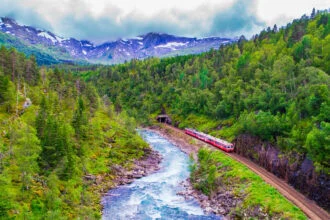
Travellers arriving via the spectacular Bergen Line from Oslo can also reach Bryggen easily from Bergen Railway Station. The walk toward the harbour passes directly through the centre of the city and usually takes around fifteen to twenty minutes depending on luggage and weather conditions.
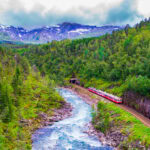
Many visitors combine arrival on the Bergen Line with immediate exploration of Bryggen because the UNESCO district sits so naturally within wider Norway rail itineraries. The transition from mountain railway landscapes to the historic harbour environment is one of the strongest contrasts within Norwegian travel.
Cruise passengers have the easiest access of all because many ships dock within walking distance of Bryggen itself. During summer, thousands of visitors move directly from the harbour terminals into the UNESCO district within minutes of arrival.
Because Bryggen sits so centrally within Bergen’s urban layout, the district naturally becomes one of the first major landmarks experienced by most visitors arriving in the city.
Compare hostels and lower-cost places to stay in Bergen.
Search hostelsGet help with compensation, eligible lounge access and disruption support.
Explore AirHelp+Use convenient luggage storage around Bergen between arrival, check-in and departure.
Check storageBryggen as Part of a Bergen and Fjord Itinerary
For many travellers, Bryggen acts as the historic centrepiece of a much wider western Norway itinerary combining fjords, railways, mountains and coastal travel.
The district connects naturally into the wider transport and sightseeing systems surrounding Bergen. Visitors can move from the medieval harbour directly onto fjord cruises, mountain funiculars, scenic railways and coastal ferries within relatively short distances.
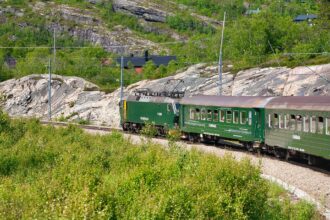
One of the most popular combinations links Bryggen with the Bergen Line and the world-famous Flåm Railway. Travellers often arrive in Bergen via the mountain railway, explore the UNESCO waterfront and then continue into the fjord regions surrounding Flåm and western Norway.
The harbour also acts as a gateway toward the fjord cruise network surrounding Bergen. Excursions toward Mostraumen and wider coastal Norway frequently depart within walking distance of Bryggen itself, making the historic district feel deeply connected to the maritime geography surrounding the city.
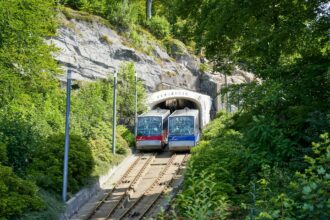
The nearby Fløibanen adds another important dimension because visitors can move directly from the medieval harbour streets to panoramic mountain viewpoints overlooking the entire UNESCO district and surrounding fjords.
Because Bryggen combines UNESCO history, mountain scenery, fjord access, harbour culture and strong transport connections within one compact area, the district has become one of the defining centres of tourism in western Norway itself.

Rupert’s Handy Travel Tips
Bryggen may look compact on a map, but Rupert says the real magic of the UNESCO district appears once you slow down and explore beyond the colourful harbour frontage.
- Visit Bryggen early in the morning because the narrow alleyways and wooden passageways feel dramatically quieter before the cruise crowds arrive.
- Walk behind the waterfront buildings because the hidden timber corridors and courtyards are often far more atmospheric than the harbour-facing facades.
- Do not avoid Bryggen in rainy weather because mist, wet timber and harbour reflections often make the UNESCO district look even more cinematic.
- Combine Bryggen with the Fløibanen because the elevated views from Mount Fløyen provide some of the best panoramas across the historic harbour.
- Use the Bergen Card if visiting multiple museums because attractions around Bryggen can quickly become expensive when purchased separately.
Want to meet the reindeer behind our travel tips? Find out more in our page Who is Rupert?.
Frequently Asked Questions About Bryggen UNESCO Site
Why is Bryggen a UNESCO World Heritage Site?
Bryggen became a UNESCO World Heritage Site because it preserves one of the best surviving examples of a medieval Hanseatic trading settlement anywhere in northern Europe.
What does Bryggen mean?
The word “Bryggen” roughly translates to “the wharf” or “the harbour frontage”, reflecting the district’s historic role as Bergen’s commercial waterfront.
Is Bryggen free to visit?
Yes, visitors can walk through the harbour district and alleyways freely, although museums and some exhibitions charge separate admission fees.
How old is Bryggen in Bergen?
The origins of Bryggen date back to the medieval period, with Hanseatic merchants becoming established in Bergen from the fourteenth century onward.
Can you walk from Bergen cruise port to Bryggen?
Yes, most cruise passengers can reach Bryggen easily on foot because the harbour terminals sit relatively close to the UNESCO waterfront district.
What is the best time to visit Bryggen?
Early morning and evening are usually the best times because the district becomes quieter and the lighting across the harbour is often more atmospheric.
Further Reading & Related Guides
Travellers exploring Bryggen will often also want to experience the wider landscapes surrounding Bergen. Our guides to the Bergen Line, the Flåm Railway and the best things to do in Bergen explain how to combine UNESCO history, mountain railways and fjord scenery into a larger western Norway itinerary.
Visitors interested in maritime history and scenic Norway travel should also explore our growing coverage of Norway night trains, fjord cruises, Arctic Norway rail journeys and wider Scandinavian transport routes linking Norway with Sweden and northern Europe.
For travellers continuing beyond Bergen, our Norway guides also cover scenic rail routes, ferry connections and some of the most dramatic landscapes anywhere in Scandinavia.