Reviewed by our editorial team Updated
Lake Skadar National Park: Montenegro’s Largest National Park
Covering more than 400 square kilometres and spilling across the border between Montenegro and Albania, Lake Skadar National Park is one of the country’s great natural treasures. It contains the largest lake in the Balkans, and the landscape around it mixes tranquil waterways, dramatic hills, historic monasteries, traditional fishing villages and a genuinely staggering amount of wildlife.
Compared with the busier stretches of the Adriatic coast, Lake Skadar moves at a noticeably slower pace. People come here to drift through reed-filled channels, watch rare birds, try local wines, paddle across still water and take in viewpoints that seem to change character depending on the light. Whether you’re after adventure or simply somewhere quiet to unwind for a day, it delivers either without much effort.
It’s also internationally recognised under the Ramsar Convention as one of Europe’s most important wetland habitats. More than 280 bird species have been recorded here, including the iconic Dalmatian pelican, which alone makes it worth the detour for birdwatchers, photographers and anyone who simply enjoys watching wildlife go about its day undisturbed.
Whether you’re passing through for a few hours or giving it a full day, Lake Skadar offers a genuinely different side of Montenegro to the coastal towns, and it’s easy to see why it earns a place on almost every serious Montenegro itinerary, including our own 14-Day Montenegro Itinerary.
It’s easy to treat Lake Skadar as a single half-day excursion, but travellers who give it more time tend to come away the most impressed. The park is genuinely large enough to reward a slower pace, with entire sections of shoreline that most day-trippers never reach simply because they’re working to a tighter schedule.
Why Lake Skadar Belongs on Your Montenegro Itinerary
Few places in Montenegro pack in quite this range of experiences within a single day. You can glide across peaceful water in the morning, spot rare wildlife along the way, stop for lunch at a family-run vineyard, swim in clear freshwater in the afternoon and finish watching the sun drop behind the surrounding mountains.
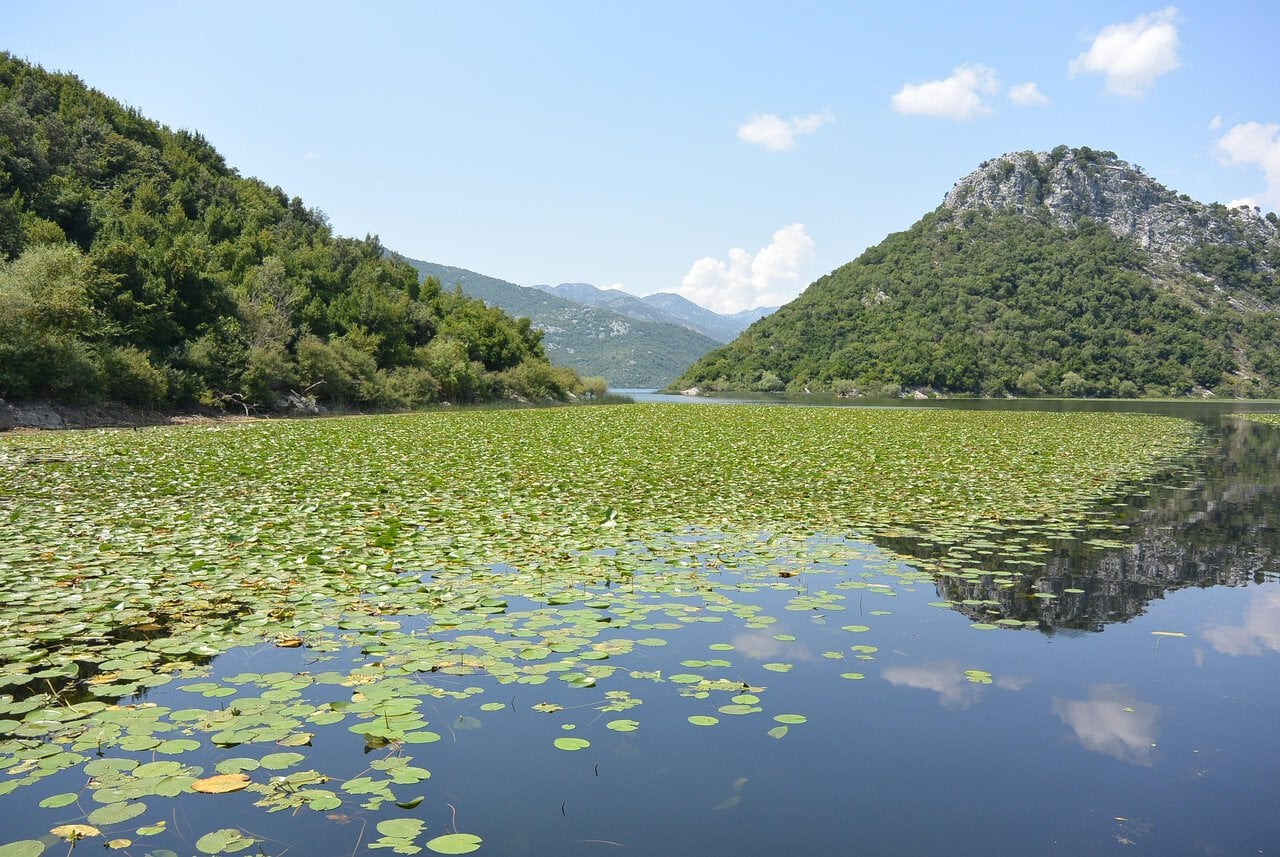
The lake itself is the obvious headline. Vast stretches of open water are broken up by water lilies, small islands, reed beds and centuries-old monasteries, so the scenery genuinely keeps shifting as you move through the park rather than staying static for the whole trip. Every boat trip tends to turn up some corner you weren’t expecting.
Food and wine are just as much a part of the appeal. The surrounding countryside produces some of Montenegro’s best Vranac red wine, and lakeside restaurants specialise in freshly caught fish, local cheeses, smoked ham and unhurried home-cooked meals. A long lunch here overlooking the water is one of the better ways to spend an afternoon in this part of the country.
Despite the reputation, Lake Skadar rarely feels crowded, even at the height of summer. The park is simply too large for visitor numbers to overwhelm it, and it’s still entirely possible to find a quiet corner of water or shoreline to yourself even on a busy August afternoon.
It also pairs naturally with several other parts of the country. Combine it with a night in Podgorica, or treat it as a scenic stop on the way between the coast and central Montenegro, and it earns its place on the itinerary without needing a dedicated multi-day detour.
Best for a short trip. Compare rooms by neighbourhood, price and guest rating before you book.
Compare hotelsBest for groups who want one address and separate bedrooms rather than three hotel rooms.
See holiday homesBest for double-checking. Runs the same search across several booking sites so you are not leaving money behind.
Compare pricesVisiting Kom Monastery
Perched on Odrin Hill and surrounded by the waters of Lake Skadar National Park, Kom Monastery is one of Montenegro’s most atmospheric historic sites. Unlike many monasteries across the country, there is no road directly to the monastery. Instead, most visitors arrive by traditional wooden boat before climbing the short stone path to the entrance, making the journey itself part of the experience.
Founded during the 15th century by the Crnojević dynasty, the monastery occupies a strategic position overlooking the lake and surrounding wetlands. Its elevated location once allowed monks to watch over important routes across Lake Skadar, while today it rewards visitors with sweeping views of the islands, reed beds and distant mountains. Inside, you’ll find a peaceful church containing well-preserved medieval frescoes, offering a fascinating glimpse into Montenegro’s Orthodox heritage.
Most organised boat excursions from Virpazar include a 30-minute stop at Kom Monastery, giving visitors enough time to explore the church, admire the views and wander around the small monastery grounds before returning to the boat. Because the monastery can only be reached from the lake, it feels noticeably quieter than famous attractions such as Ostrog Monastery, making it one of Lake Skadar’s genuine hidden gems.
The short walk from the landing stage involves a gentle uphill climb along uneven stone steps, so comfortable footwear is recommended. As this remains an active religious site, visitors should also dress respectfully by covering shoulders and avoiding overly revealing clothing.
If you’re deciding between the various Lake Skadar cruises, the tours that include Kom Monastery are well worth the extra hour. They combine the lake’s spectacular scenery, wildlife and traditional wooden boats with one of the region’s most important historic landmarks, creating a much richer experience than a simple sightseeing cruise.
A Two-Hour Cruise Through Lake Skadar’s Waterways
For visitors who want to experience the lake properly without committing most of the day, the Skadar Lake National Park Guided Boat Tour with Wooden Boat is an excellent introduction. Departing from Virpazar, the two-hour cruise travels through the narrow channels leading away from the village before opening onto the wider lake, where the surrounding mountains, floating vegetation and birdlife become the main attraction.
The journey is operated aboard a traditional wooden boat, small enough to travel through channels that larger vessels cannot reach. Shortly after leaving Virpazar, you pass beneath the nearby bridges and continue towards Fort Lesendro, the ruined stronghold often described as the former “Key of Lake Skadar”. Birds regularly perch on the remains, while the surrounding water chestnuts and lilies create some of the most distinctive scenery on the lake.
The cruise then continues towards the islands and wetlands close to the mouth of the Morača River, one of the best areas for spotting herons, cormorants and other water birds. The tour includes commentary from an English-speaking guide, along with written information and a map of Lake Skadar, so it works well for visitors who want to understand the landscape rather than simply admire it from the boat.
A glass of local Vranac wine or juice is included during the journey, and the cruise normally pauses for a refreshing swim before returning to Virpazar. Bringing swimwear, a towel and biodegradable sunscreen is therefore worthwhile, even if you are not certain you will enter the water. Binoculars can also make a considerable difference if birdwatching is one of your priorities.
This option is particularly well suited to families, first-time visitors and anyone working with a tighter itinerary. It delivers the narrow channels, Fort Lesendro, wildlife, mountain scenery and swimming experience without taking over the entire day. The trip is highly rated by previous travellers and can be booked with free cancellation up to 24 hours before departure, with the option to reserve now and pay later.
Check availability and book the two-hour Lake Skadar wooden boat tour before arriving in Virpazar, particularly during July and August when the most convenient departure times can sell out.
A Longer Cruise to Kom Monastery
Visitors with more time should consider the three-hour guided boat tour to Kom Monastery, which combines Lake Skadar’s natural scenery with one of its most atmospheric historic sites. The journey follows a similar route out of Virpazar, passing through narrow reed-lined waterways, beneath the bridges and towards the ruins of Fort Lesendro, before continuing much deeper into the lake.
The longer duration gives the guide more time to explain the region’s history, wildlife and traditional way of life. You will pass the slopes of Vranjina, travel through water chestnut meadows and move between islands covered with thousands of water lilies. As with the shorter cruise, birds are a constant presence, and the small wooden boat makes it possible to approach quieter channels that larger sightseeing vessels cannot enter.
The defining feature of this tour is the stop at Kom Monastery, located on Odrin Hill and accessible from the lake. The medieval monastery is known for its peaceful setting and remarkably well-preserved frescoes, while the elevated position offers beautiful views across the surrounding wetlands and mountains. Around 30 minutes is normally allowed for exploring the monastery and taking in the scenery before returning to the boat.
Local wine, juice and light refreshments are included, and the journey also features a brief swimming stop in Lake Skadar when weather and conditions allow. The cruise includes an English-speaking guide, monastery admission, the Lake Skadar National Park fee and safety equipment, making it a particularly complete option for visitors who want both natural and cultural highlights included in a single excursion.
At three hours, this trip still leaves enough time to explore Virpazar, enjoy lunch beside the water or continue towards another part of the national park later in the day. However, it feels noticeably more substantial than the shorter cruise and is the stronger choice for anyone interested in monasteries, local history and reaching less accessible areas of the lake.
Previous travellers regularly praise the relaxed pace, friendly guides, swimming stop and the beauty of Kom Monastery. The tour offers free cancellation up to 24 hours in advance and can be reserved without paying immediately, which is useful when weather conditions around the lake remain uncertain.
Book the Lake Skadar boat tour to Kom Monastery in advance if this is one of the main experiences you want from your visit, as its combination of scenery, history and wildlife makes it one of the most popular excursions departing from Virpazar.

Which Lake Skadar Boat Tour Should You Choose?
| Tour | Best For | Duration | Main Highlights |
|---|---|---|---|
| Guided Wooden Boat Tour | Shorter visits, families and first-time visitors | 2 hours | Fort Lesendro, waterways, birdlife, wine and swimming |
| Kom Monastery Boat Tour | History, culture and a more complete lake experience | 3 hours | Fort Lesendro, Kom Monastery, wildlife, wine and swimming |
The two-hour wooden boat tour is the better choice if you want a broad introduction to Lake Skadar while keeping the rest of your day free. It includes the scenery most people come to see, along with birdwatching, local wine and an opportunity to swim.
The three-hour Kom Monastery tour is worth the extra time if you want the boat trip to become one of the main experiences of your visit. Reaching the monastery by water adds a genuine sense of exploration, while the longer route provides more time to appreciate the quieter sections of the national park.
Whichever option you choose, arrive in Virpazar at least 30 minutes before departure. Parking around the village can become difficult during the summer, even though most public spaces are free, and arriving early gives you enough time to find the Kingfisher information desk beside the central bridge without rushing.
Virpazar: The Lakeside Village Gateway to the Park
Every visit to Lake Skadar starts in Virpazar, a picturesque lakeside village that serves as the park’s main hub. It’s small, but it packs in everything you need before heading out onto the water, including boat operators, restaurants, cafés, souvenir shops and the National Park visitor centre.
One of Virpazar’s real strengths is how compact it is. The railway station, bus stop, harbour, ticket office and most restaurants all sit within five to ten minutes’ walk of one another, which makes it genuinely easy to explore even if you’ve arrived without a car.
Before your boat trip, it’s worth spending some time simply wandering the village itself. Traditional stone buildings, small bridges and waterside cafés create an atmosphere that feels a world away from Montenegro’s larger coastal towns, and it’s a genuinely nice spot for a coffee or a plate of local specialities before setting out.
If you’re driving, there’s parking close to the harbour, though spaces fill quickly through July and August. Arriving early in the morning gives you the best pick of boat departures and lets you dodge the busiest stretch of the day, which tends to be somewhere around late morning.
Even if you’re not staying overnight, it’s worth timing your visit so you’re not rushing straight from car or train onto a boat. A slow coffee by the harbour before you set off tends to make the whole day feel less like a checklist and more like a proper visit.
Wildlife at Lake Skadar: Dalmatian Pelicans and 280 Bird Species
One of the main reasons Lake Skadar is internationally recognised is its wildlife. The lake supports one of the richest wetland ecosystems anywhere in Europe, which makes it one of the continent’s better destinations for birdwatching, nature photography and quiet wildlife cruises.
More than 280 bird species have been recorded here across the year. The lake’s best-known resident is the Dalmatian pelican, one of the largest flying birds in the world and one of Europe’s rarest. Watching one glide across the water is genuinely one of the highlights of a visit here, and not something you’ll easily see elsewhere on a Montenegro trip.
You’ve also got a decent chance of spotting great white egrets, grey herons, cormorants, kingfishers, marsh harriers and grebes among the reed beds and lilies. Spring and autumn are particularly rewarding, since thousands of migratory birds pass through the park on their seasonal journeys.
The lake is just as busy beneath the surface. Carp, bleak, eel and various other freshwater fish support both the local fishing communities and the birdlife above, while turtles, frogs and dragonflies are all commonly spotted through the warmer months.
A decent pair of binoculars makes a genuine difference here, since a lot of the more interesting sightings happen at a distance across open water rather than right beside the boat. Serious birdwatchers often bring their own rather than relying on what’s available to borrow locally.
Local boat operators tend to know the more reliable pelican feeding spots from week to week, so it’s worth asking directly rather than assuming every route covers them equally well.
Best for finding routes the airlines do not sell as a single ticket. Combines carriers to bring the fare down.
Search flightsBest if you want maps and messaging working the moment you switch your phone on.
See eSIM plansBest after a long flight or a late landing. Price agreed before you travel, and no taxi queue.
Check transfersKayaking and Paddleboarding Across the Lake
Boat cruises are the relaxing way to see Lake Skadar, but kayaking or paddleboarding lets you explore at your own pace instead. Quiet water, sheltered channels and consistently good scenery make this one of the better spots in Montenegro for paddlesports of any kind.
Several operators in Virpazar hire kayaks and paddleboards by the hour or for a full day. Even complete beginners will find plenty of the lake easy to navigate, since many routes stick to calm water sheltered from stronger winds by reed beds and small islands.
Paddling under your own steam also gets you into spots the bigger excursion boats simply can’t reach. Hidden coves, narrow reed-lined channels and quiet stretches of open water make for genuinely good wildlife watching and bird photography, along with a level of quiet that’s hard to get on a shared boat trip.
Early morning tends to be the best window. Wildlife is more active, the temperature is cooler and the lake is often glassy calm, which makes for ideal paddling conditions. Booking equipment ahead is worth doing during peak summer, since the more popular operators do sell out.
Life jackets are generally included with hire equipment, and most operators run a brief safety briefing before you set off, so it’s a reasonably approachable activity even if you’ve never paddled before and aren’t especially confident in the water.
Sun protection is worth taking seriously out here, since there’s very little shade once you’re away from the reed beds, and the glare off the water can be stronger than it feels.
Wine Tasting at the Vineyards Around Lake Skadar
The fertile hills around Lake Skadar produce some of Montenegro’s best wine, which makes tasting your way through the region one of its more enjoyable experiences. Vineyards have thrived here for centuries thanks to the warm Mediterranean climate, rich soil and near-constant sunshine around the lake.
The signature grape is Vranac, Montenegro’s well-known full-bodied red. Rich and packed with dark fruit flavour, it pairs naturally with the region’s traditional dishes. Plenty of family-run wineries also produce a good Krstač, a crisp white that suits the warmer months rather better.
Many vineyards welcome visitors for guided tastings, often pairing several wines with locally produced olive oil, cheese, Njeguški pršut, fresh bread and other regional specialities. These tend to be relaxed, unhurried affairs, and a genuinely good way to learn about local winemaking while taking in the view across the countryside.
If you don’t have a car, guided wine tours are a solid option, usually combining a vineyard visit with a boat cruise or wider sightseeing around the park, so you don’t need to plan the logistics yourself.
Most wineries are family-run rather than large commercial operations, so it’s worth calling ahead to confirm opening times, particularly outside the main summer season when hours can be considerably more flexible than posted.
Bringing home a bottle or two is easy and generally inexpensive by Western European standards, and most wineries are happy to pack bottles securely for onward travel if you ask.
Pavlova Strana and the Best Viewpoints Over the Lake
Most visitors experience Lake Skadar from the water, but some of its finest views are actually found high above it. The hills surrounding the lake hold several genuinely spectacular viewpoints that show off the scale of the park in a way boat trips alone can’t quite manage.
The best known is Pavlova Strana, where the Crnojević River curves dramatically through the landscape before flowing into the lake. It’s turned up in enough travel magazines and postcards to be considered one of the most photographed spots in Montenegro, and the panorama across the mountains and waterways below genuinely earns the reputation.
Nearby, Rijeka Crnojevića is a charming historic village with riverside walks, traditional stone buildings and quiet cafés overlooking the water. The surrounding area also has several scenic walking trails if you’d rather find your own quieter viewpoint away from the main lookout.
Whether you visit at sunrise, midday or as the light starts to fade, these elevated viewpoints produce some of the most memorable photographs you’ll take anywhere in Montenegro, and they’re well worth building into your visit rather than treating as optional extras.
The road up to Pavlova Strana has a small parking area near the top, though it fills quickly during sunset hours in summer, so arriving with a little time to spare is sensible if you want a clear spot for photos.
A short walk from the car park gets you to the main lookout, though a bit of further exploring along the ridge often reveals quieter spots with the crowds thinned right out.

Swimming in Lake Skadar’s Freshwater
On a warm day, there’s a lot to be said for a swim in Lake Skadar’s clear freshwater. Compared with Montenegro’s busy Adriatic beaches, the lake offers a much calmer, quieter setting, ringed by mountains, reed beds and genuinely striking scenery.
Plenty of boat cruises build in a dedicated swimming stop, usually in a sheltered spot where the water is clean and calm. For a lot of visitors, jumping straight off the boat into the lake is one of the highlights of the whole trip, particularly during the hotter months.
If you’re exploring independently, there are also a few small lakeside spots around Virpazar and nearby villages where it’s safe to get in the water. As always, follow local advice, and steer clear of areas used by boat traffic or where reed beds limit visibility underwater.
Swimming season generally runs from late May through September, once the water’s had a chance to warm up. Bring swimwear, a towel, sun cream and plenty of drinking water if you’re planning a full day out on the lake.
Water shoes are worth packing if you’re swimming from the shore rather than a boat, since the lake bed in several spots is muddy or reedy rather than sandy, and bare feet can find it a little unpleasant underfoot.
Water temperatures peak in August, though even June and September are perfectly swimmable for most visitors used to cooler seas back home.
Where to Stay Near Lake Skadar
Staying overnight in or around Virpazar is worth considering if you’d rather not rush the visit, and a handful of small guesthouses and family-run rooms overlook the water itself, often with a boat operator or restaurant run by the same family downstairs.
Alternatively, basing yourself in Podgorica or Bar and treating Lake Skadar as a day trip works just as well, and gives you a wider choice of accommodation and restaurants for the evening once you’re back off the water. Either approach is common, and which suits you really just depends on how much time you have left elsewhere in the country.
A night in Virpazar itself gives you first light on the water, before the day-trip boats arrive from the coast, which is genuinely one of the best times to be out on the lake. Rooms are simple rather than luxurious, but the setting more than makes up for it.
Booking ahead matters more here than in bigger towns, since the choice of accommodation is genuinely limited and the best-located guesthouses near the harbour tend to fill up first during the summer season.
Either way, it’s a low-key part of Montenegro rather than a resort destination, and accommodation reflects that: comfortable and welcoming rather than polished.
Best Time to Visit Lake Skadar National Park
Lake Skadar is beautiful all year, though each season shows off a different side of the park.
Spring is widely considered one of the best times to visit. Wildflowers bloom across the surrounding hills, the lake fills out with lush green vegetation, and migratory birds return in real numbers. Temperatures are comfortable for walking, kayaking and boat trips alike, which makes it a strong all-round season for outdoor activity.
Summer turns the lake into one of Montenegro’s most popular day-trip destinations. Long sunny days suit boat cruises, swimming, kayaking and a lazy lakeside lunch, and although it’s the busiest season, the park is simply too large for that to feel like a real problem.
Autumn brings good colour to the surrounding countryside as the vineyards head into harvest, making it an excellent season for wine tasting, photography and wildlife watching, with cooler temperatures that suit hiking far better than the height of summer.
Even winter has its charm. Boat services run less often, but the park becomes wonderfully quiet, and a lot of birdwatchers rate it as one of the better seasons thanks to the numbers of wintering species that arrive.
Whatever season you choose, checking recent weather and water levels before finalising a boat trip is worth the extra five minutes, since conditions here can shift a little more than on the open coast.
Best if you would rather spend the money on the trip than on the room. Compare hostels by location and rating.
Search hostelsBest for anyone flying more than once or twice a year. Handles the compensation claim so you are not chasing the airline.
See AirHelp+Best for the gap between checking out and your train. Drop bags at a shop or hotel nearby and carry on.
Store your bagsVisiting Lake Skadar With Children
Lake Skadar is a genuinely good family destination, combining wildlife, gentle activity and plenty for children to notice and get excited about. The calm water and relaxed pace make it a nice contrast to some of Montenegro’s busier tourist attractions.
A boat cruise is the most popular family activity by far. Children tend to love travelling through the narrow channels, spotting birds, hunting for turtles and watching the carpets of water lilies drift by, and plenty of the longer cruises include a swimming stop, which is usually the highlight of the day for younger visitors.
Families with older children might enjoy kayaking or paddleboarding together, while easy walking routes around Virpazar and the surrounding countryside offer a chance to stretch legs between activities. Wildlife spotting tends to become its own game, with pelicans, herons, kingfishers and dragonflies all keeping younger visitors occupied.
Restaurants around Virpazar are generally easygoing with families, serving simple grilled fish, meat dishes, salads and homemade desserts, so a relaxed lunch before or after the water is rarely a problem to arrange.
Life jackets for children are standard on most boat operators, but it’s worth confirming sizes are available in advance if you’re travelling with younger kids.
Getting to Lake Skadar National Park from Podgorica and Bar
Despite its peaceful setting, Lake Skadar National Park is one of the easiest national parks in Montenegro to reach, whether you’re travelling by train, bus or car. Unlike many of the country’s mountain destinations, you don’t need your own vehicle to enjoy a visit, making it an excellent choice for both road trippers and public transport users.
The main gateway is Virpazar, a small lakeside village where you’ll find the visitor centre, boat operators, kayak hire, restaurants, cafés and most organised excursions. Virtually every visit to Lake Skadar begins here, and thanks to the village’s compact size, everything is within easy walking distance once you arrive.
| Starting Point | Train | Bus | Car | Arrive At | Typical Journey |
|---|---|---|---|---|---|
| Podgorica | ✔ | ✔ | ✔ | Virpazar Railway Station / Bus Stop | Around 30 minutes |
| Bar | ✔ | ✔ | ✔ | Virpazar Railway Station / Bus Stop | 25–30 minutes |
| Sutomore | ✔ | ✔ | ✔ | Virpazar Railway Station / Bus Stop | 15–20 minutes |
| Budva | ✘ | ✔ | ✔ | Virpazar Bus Stop | Around 1 hour |
| Kotor | ✘ | Via Budva | ✔ | Virpazar Bus Stop | Around 2–2½ hours |
| Tivat | ✘ | Via Budva | ✔ | Virpazar Bus Stop | Around 2 hours |
If you’re travelling from Podgorica, Bar or Sutomore, the train is often the easiest, quickest and most scenic option. Regular services on the Bar–Podgorica railway stop at Virpazar Railway Station, which is located approximately 350 metres from the centre of the village. The walk to the harbour takes around five minutes, passing cafés and local shops before reaching the visitor centre and the main boat departure point. It’s an enjoyable journey, with the railway offering impressive views across the mountains and the lake as you approach Virpazar.
Bus services are also straightforward. Coaches travelling between Podgorica, Bar, Budva and other towns along Montenegro’s southern coast stop at Virpazar Bus Stop, situated on the main road through the village. From there, it’s only a two to three-minute walk to the harbour, making buses almost as convenient as the train for most visitors.
Visitors arriving by car benefit from the greatest flexibility. The drive from Podgorica takes around 30 minutes, while Bar is only 25 to 30 minutes away. Driving also allows you to combine your visit with nearby attractions such as Rijeka Crnojevića, the famous Pavlova Strana viewpoint, local wineries or quieter villages around the lake that are difficult to reach by public transport. Parking is available throughout Virpazar, although it fills quickly during July and August, so arriving earlier in the day is highly recommended.
One of Virpazar’s biggest advantages is its compact layout. Whether you arrive by train, bus or car, you’ll find that the railway station, bus stop, harbour, visitor centre, restaurants and boat departure points are all within a few minutes’ walk of one another. There’s no need for local buses or taxis once you’ve reached the village, making Lake Skadar one of the simplest national parks in Montenegro to explore independently.
If you’re planning to continue your journey after visiting the lake, it’s worth checking bus and train timetables in advance, particularly outside the main tourist season when some services operate only a handful of times each day. Although connections are generally reliable, planning ahead helps avoid long waits and gives you more time to enjoy one of Montenegro’s most beautiful natural landscapes.

Plan Your your destination Bus Journey with Busbud
Planning a bus or coach journey involving your destination? Busbud lets you compare routes, departure times and ticket options from different operators in one place.
It can make planning easier when several companies serve the same route or when local booking systems are unfamiliar.

Rupert’s Handy Travel Tips
Planning a visit to Lake Skadar National Park? Here are a few tips to help you get the most from your day:
- Book your boat trip in advance: Shared cruises and private boats are extremely popular during July and August, especially morning and sunset departures.
- Take the train from Bar or Podgorica: It’s one of the easiest and most scenic ways to reach Virpazar, with the station only a few minutes’ walk from the harbour.
- Arrive early if you’re driving: Parking in Virpazar is limited during the busiest summer months and spaces fill quickly.
- Pack binoculars if you enjoy wildlife: Lake Skadar is home to more than 280 bird species, including the rare Dalmatian pelican, one of Europe’s largest birds.
- Combine a boat trip with a winery visit: The surrounding countryside produces some of Montenegro’s finest wines, making it easy to enjoy both nature and local food in the same day.
Want to meet the reindeer behind our travel tips? Find out more in our page Who is Rupert?.




Frequently Asked Questions
Is Lake Skadar worth visiting?
Absolutely. It’s one of Montenegro’s most spectacular natural attractions, with beautiful boat trips, exceptional wildlife, traditional villages, good wineries and some of the country’s finest scenery.
How long should I spend at Lake Skadar?
Allow at least half a day, though a full day works better if you want to combine a boat cruise, lunch in Virpazar, wine tasting and one or two of the viewpoints.
Can you swim in Lake Skadar?
Yes. Many boat trips include swimming stops through the warmer months, and there are also a few designated areas around the lake where swimming is popular.
Do you need a car to visit Lake Skadar?
No. One of the advantages of this park is how easy it is to reach by train or bus, particularly from Bar and Podgorica. Virpazar is a short walk from both the railway station and bus stop.
What is Virpazar?
Virpazar is the main gateway to Lake Skadar National Park. Almost all boat trips depart from here, and the village holds the visitor centre, restaurants, cafés and kayak hire operators.
Can you see pelicans at Lake Skadar?
Yes, this is one of the best places in Europe to see the rare Dalmatian pelican, though sightings are never guaranteed. Morning boat trips generally offer the best odds.
When is the best time to visit Lake Skadar?
May, June, September and October offer the best mix of pleasant weather, active wildlife and fewer visitors. July and August are busiest but ideal for swimming and longer boat trips.
Are there restaurants at Lake Skadar?
Yes. Virpazar has a strong selection of restaurants serving fresh fish, traditional Montenegrin food, local wines and regional specialities, many with terraces overlooking the water.
Is Lake Skadar suitable for children?
Yes. Families tend to enjoy the boat trips, wildlife spotting, swimming and generally calm surroundings, and the easy walking routes around Virpazar suit children well too.
Do you have to pay to enter Lake Skadar National Park?
Yes, there’s an entrance fee, though it’s often included in the price of organised boat tours. If exploring independently, check current admission prices before you visit.
Further Reading
The lake sits close enough to the southern coast that it’s easy to combine with a beach stop, Bar is the obvious pairing, and if you’re arriving by rail rather than road, the Belgrade to Bar line passes close by on its way to the coast.
Without your own car, getting here still isn’t difficult, the bus network covers most of the route, and if you’re flying in through Tivat to start the trip, this transfer guide is worth reading first.
A few other essential stops sit within striking distance too: Kotor, Budva and Podgorica each cover a different side of central and coastal Montenegro.
And if Lake Skadar is one stop among many, this 14-day route shows how the coast, the mountains and the national parks all come together into a single trip.