Reviewed by our editorial team Updated
Understanding the Situation: When You Need a Replacement
When travelling, it’s surprisingly easy for prescription medicines to be lost, damaged, delayed, or used faster than expected. What matters most in that moment is understanding exactly what has happened, because that determines the fastest and safest way to get a replacement.
If your medication has been lost or stolen, you will usually need to provide some form of proof. This might include a photo of your prescription, original packaging, pharmacy labels, or a doctor’s note. Even partial evidence can help local pharmacists or doctors confirm what you were taking and how to replace it safely.
If your medication has become unusable, such as heat-damaged insulin or compromised tablets, the process is often more straightforward. A local pharmacist or doctor can usually assist once you clearly explain the situation and provide supporting information. Travellers frequently underestimate how quickly medicines can degrade in extreme temperatures or humidity, especially on long journeys.
Another common issue is running out of medication mid-trip, particularly on extended travel or multi-country itineraries. Expired prescriptions or unexpected delays can create pressure, making it harder to navigate unfamiliar healthcare systems.
Being clear, calm, and specific about your situation allows healthcare professionals to make faster, safer decisions. The more accurately you explain what has happened, the easier it is for them to help.
Check Your Options First: Insurance, Embassy & Home Doctor
Before heading straight to a clinic or pharmacy, it’s important to understand what support you already have available. Many travellers overlook the fact that their home doctor, travel insurer, or embassy can simplify the process significantly.
Your home GP or prescribing doctor may be able to send an electronic prescription, written confirmation, or medical summary, which can help local clinicians verify your treatment quickly. This is often one of the fastest ways to remove uncertainty and avoid unnecessary appointments.
Travel insurance is another key resource. Many policies cover replacement medication, emergency consultations, and urgent care, particularly if the medication is essential. Contacting your insurer early allows them to guide you toward approved clinics or pharmacies, which can reduce both cost and risk.
Embassies and consulates cannot prescribe medication, but they can provide critical guidance on local medical systems, approved facilities, and legal restrictions. In countries with strict pharmaceutical laws, this support can save valuable time and prevent serious mistakes.
Some destinations also offer national medical advice lines or emergency health services, which can direct you to appropriate care quickly. Having these contacts saved in advance turns a stressful situation into something far more manageable.
Taking a moment to assess your options often leads to a faster, safer, and more structured solution.
Compare hotels and other places to stay for your trip.
Check availabilityExplore holiday homes and apartments for your trip.
See holiday homesCompare hotel prices across multiple booking sites.
Compare ratesKnow the Local Rules for Medicines Abroad
Every country has its own rules governing prescription medication, and these can differ significantly from what you are used to. Understanding these differences is essential to avoid delays, confusion, or legal issues.
Some medicines that are routine in the UK, such as ADHD treatments, codeine-based painkillers, or certain anxiety medications, may be classified as controlled substances elsewhere. This means they cannot be dispensed without a local medical assessment and formal prescription, even if you already use them at home.
In certain regions, some medications may not be available at all. In these cases, a doctor will need to assess your condition and provide a suitable alternative, rather than issuing an exact replacement.
You should always be prepared to show identification, prescription evidence, medical letters, or digital health records. These documents help local professionals confirm your treatment and make safe decisions within their legal framework.
Pharmacists are often the best first point of contact. They understand local regulations, availability, and safe alternatives, and can guide you on the next steps if a doctor’s consultation is required.
Knowing the rules in advance helps you avoid unnecessary complications and ensures you stay within local laws while getting the care you need.
How to Find a Pharmacy Abroad
Finding a reliable pharmacy abroad is usually straightforward, but knowing where to look makes the process faster and safer. The key is choosing licensed, reputable locations where qualified pharmacists are available to advise you properly.
Most countries have easily accessible pharmacies in city centres, transport hubs, and residential areas. In some places, certain medications are only dispensed through hospital pharmacies or specialised clinics, particularly for controlled drugs or complex prescriptions.
Hotels, hostels, and tourist information centres can often direct you to trusted local pharmacies, especially those familiar with international travellers. Digital tools such as Google Maps, Apple Maps, and local health apps can also help you locate nearby options, including 24-hour services.
When choosing a pharmacy, look for clear medical signage, professional staff, and a structured environment. Avoid informal setups or locations that appear unregulated, particularly in areas where counterfeit medication is known to be an issue.
A reliable pharmacy is more than just a place to buy medication. It is your first line of support when navigating healthcare abroad.
Getting a New Prescription Locally
If your original prescription cannot be used, the next step is usually obtaining a new one from a local doctor. This is a common process in most countries, and healthcare systems are generally equipped to support travellers in urgent situations.
You may need to visit a walk-in clinic, private doctor, or hospital department, depending on the country and the type of medication required. Bringing any available evidence, such as photos of prescriptions, medication packaging, or digital health records, will make the consultation faster and more accurate.
A local doctor will assess your condition and determine whether your medication is appropriate under local medical guidelines, which can differ from those in your home country. Even when the same drug is available, dosages or formulations may vary.
Telemedicine is becoming increasingly useful for travellers. In many destinations, you can speak to an English-speaking doctor remotely, who can then issue a prescription recognised by local pharmacies. This can save time and reduce stress, especially in unfamiliar environments.
Costs vary widely depending on location and healthcare system, ranging from low-cost public services to full private consultation fees. It is always worth checking whether your travel insurance covers these expenses.
With the right information and preparation, getting a new prescription abroad becomes a structured process rather than a stressful emergency.

What to Do If Your Medication Is Not Available Internationally
One of the biggest challenges travellers face is discovering that their medication is simply not available abroad in the same form, name, or dosage. This can be unsettling, but it is a common situation and usually manageable with the right approach.
Medications are often sold under different brand names, formulations, or strengths depending on the country. What you recognise at home may exist abroad in a completely different form, even if the underlying treatment is similar. This is particularly common with ADHD medications, pain relief, and mental health treatments.
In these situations, a pharmacist or doctor will look for a clinically appropriate equivalent, based on the active ingredient rather than the brand name. They will assess dosage, release mechanism, and how your body is likely to respond. This is why it is critical not to guess or self-substitute, as even small differences can have a significant impact.
If no direct equivalent exists, a doctor may provide a temporary alternative treatment plan. This could involve adjusting medication, prescribing a substitute, or recommending a different approach until you return home. In more complex cases, a hospital consultation may be required.
Understanding that availability varies widely helps you stay calm and focused. The goal is not to replicate your medication perfectly, but to find a safe, medically appropriate solution that maintains your stability while travelling.
Controlled, Narcotic & High-Risk Medications
Certain medications fall into strict legal categories in many countries, and these can be the most difficult to replace abroad. Drugs such as opioid painkillers, benzodiazepines, ADHD treatments, and strong sleeping tablets are often tightly controlled due to their potential for misuse.
In many destinations, pharmacists are legally unable to dispense these medicines without formal documentation and a full medical assessment. Even with proof, replacement may not be straightforward. Some countries operate zero-tolerance policies, meaning the medication may not be available at all under local law.
This is particularly important in regions such as the Middle East and parts of Asia, where controlled substances are heavily regulated. Attempting to obtain these medications outside official channels can result in serious legal consequences, including fines or arrest.
If your medication falls into this category, the only safe approach is through licensed medical professionals. A local doctor may be able to provide a legal alternative, or in some cases refer you to a hospital for specialist care.
When replacement is not possible, the focus shifts to managing your condition safely with approved alternatives. This is why preparation before travel is critical for anyone relying on controlled medication.
Emergency Options for Critical Medicines
If your medication is essential to your health, time becomes the most important factor. Medicines such as insulin, epilepsy treatments, heart medication, or steroid therapies cannot be delayed without serious consequences.
In many countries, pharmacists are allowed to provide emergency supplies of life-sustaining medication, particularly if you can show evidence of prior use. Even a photo of your prescription or packaging can help accelerate this process.
If a pharmacy cannot assist immediately, a hospital emergency department is the fastest route to treatment. Hospitals prioritise urgent medical needs, regardless of whether you are a local resident or a visitor. Their goal is to stabilise your condition and ensure you receive the correct medication without delay.
For temperature-sensitive medicines, such as insulin, hospitals can also assess whether the medication has been compromised by heat or storage conditions and provide a safe replacement.
Acting quickly is critical. The earlier you seek help, the more options are available. In most healthcare systems, urgent medication needs are treated seriously, and travellers are supported rapidly when they present clear information.
Search routes and flight options for your journey.
Search flightsChoose an Airalo eSIM and arrange mobile data before you arrive.
Browse eSIMsBook a private airport transfer in advance and have your ride planned before you arrive.
Check transfersProving Your Prescription: What Helps Speed Things Up
One of the biggest causes of delay when replacing medication abroad is the need to prove what you were originally prescribed. The more evidence you can provide, the faster healthcare professionals can act.
Photos of your prescription, repeat slips, or pharmacy labels are extremely valuable. These provide clear, recognisable proof of medication name, dosage, and prescribing details, allowing pharmacists and doctors to make confident decisions.
Digital access to your medical records can also be a major advantage. Screenshots from GP apps, online health portals, or medication summaries give clinicians immediate visibility of your treatment history, which reduces the need for guesswork.
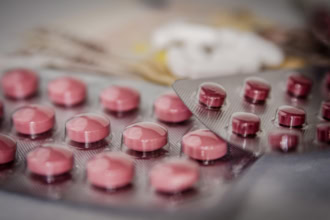
Even partial evidence can help. An unlabelled blister pack, a medication box, or a note from your doctor can still provide enough information to guide a safe replacement.
The key is clarity. When you can show what you take, how much you take, and why you take it, the process becomes far smoother. Strong documentation turns a complicated situation into a straightforward clinical decision.
How to Avoid Scams & Unsafe Medication
While most pharmacies are safe and regulated, counterfeit and low-quality medicines remain a real issue in some parts of the world. Protecting yourself requires careful judgement and a cautious approach to where you obtain medication.
Always use licensed, well-established pharmacies with clear medical signage and professional staff. These locations operate under regulatory oversight and are far more likely to supply genuine medication.
If something feels unusual, trust that instinct. Prices that seem unusually low, packaging that looks different from expected designs, or products without clear manufacturer details can all be warning signs. Asking the pharmacist directly for confirmation is always the safest approach.
Avoid buying medication from market stalls, tourist shops, or unverified online sources. These are the most common channels for counterfeit products, and the risks are significant. Fake medication may contain incorrect dosages, wrong ingredients, or no active ingredient at all.
Legitimate pharmacies provide receipts, batch numbers, and traceable manufacturer information, which gives you confidence in what you are taking. If you are unsure, comparing packaging with official manufacturer references or asking a doctor to review it adds an extra layer of safety.
When it comes to medication abroad, caution is not overthinking. It is essential protection for your health.
How to Prevent the Problem on Future Trips
Most medication emergencies abroad can be avoided with simple, proactive preparation. A few small habits before you travel can eliminate the majority of risks and give you complete confidence throughout your trip.
The most important step is to carry more medication than you think you will need. A spare supply of at least several days provides a buffer against delays, cancellations, or unexpected extensions to your trip. Running out is one of the most common issues travellers face, and it is entirely preventable.
Splitting your medication between different bags is another smart strategy. Keeping some in your hand luggage and some in your main luggage ensures that if one bag is lost, you are not left without essential treatment. Your most critical medication should always remain within immediate reach.
Documentation plays a key role in prevention. Carrying a printed prescription, a doctor’s letter, and digital backups allows you to prove your medication quickly if needed. Keeping medicines in their original packaging also makes it far easier for pharmacists and border officials to identify them correctly.
Environmental protection is equally important. Heat, humidity, and poor storage conditions can damage medication without you realising. Using insulated pouches and keeping medicines out of direct sunlight helps maintain their effectiveness, particularly in warmer climates.
Preparation removes uncertainty. When you plan properly, you are not reacting to problems. You are avoiding them altogether.
Helpful Apps for Medication & Health Abroad
Managing medication abroad becomes significantly easier when you use the right digital tools. These apps act as a portable support system, helping you store information, communicate clearly, and make faster decisions when it matters most.
Medication management apps allow you to keep a clear record of your prescriptions, dosages, and schedules. This information can be shown directly to a pharmacist or doctor, providing instant clarity about your treatment. Having everything organised in one place removes the stress of trying to explain complex details from memory.
Health tracking apps add another layer of support by recording symptoms, conditions, and treatment history. This can be extremely helpful when speaking to a doctor abroad, as it provides context and helps them make informed decisions quickly.
For UK travellers, access to digital health records through official platforms provides a strong form of proof. Being able to show your current medication list, repeat prescriptions, and GP details can significantly speed up the replacement process.
Translation tools are essential when dealing with unfamiliar languages. They help you explain symptoms, understand medication names, and read packaging or instructions, reducing the risk of mistakes.
Navigation and pharmacy locator apps also play an important role. Being able to quickly find a reputable pharmacy or medical facility nearby reduces reliance on guesswork and helps you act confidently in unfamiliar surroundings.
Used together, these tools create a digital safety net that supports you throughout your journey.

Rupert’s Handy Travel Tips
Losing medication abroad is stressful, but a little preparation before you leave makes replacing it far quicker and safer.
- Photograph your prescriptions before you travel: A clear photo of the label or packaging speeds up replacement if the original is lost.
- Know your insurer’s emergency line: Save the number before you go, as many policies cover replacement medication and urgent consultations.
- Split your supply across bags: Keep some medication in hand luggage and some in checked bags in case one goes missing.
- Keep medicines in original packaging: This helps local pharmacists and doctors quickly confirm what you were prescribed.
- Carry a digital backup of your prescription: Store a copy in email or cloud storage in case paper documents are misplaced.
Want to meet the reindeer behind our travel tips? Find out more in our page Who is Rupert?.




Frequently Asked Questions
What if my medication is illegal in the country I’m visiting?
Some medicines, especially ADHD treatments, opioid painkillers, and strong sedatives are controlled or banned in certain destinations. If a local doctor cannot legally prescribe your medication, they will usually provide a safe and legal alternative, or refer you to a hospital for specialist care. Do not attempt to import or buy the original medicine illegally.
Will a foreign doctor prescribe the same medication I use at home?
Not always. Even if the active ingredient is available, brand names and formulations differ internationally. A doctor or pharmacist will try to match your medication as closely as possible within local regulations.
Can a pharmacist refuse to give me a replacement?
Yes. If the medicine is controlled, unsafe without a doctor’s assessment, or not stocked locally, pharmacists may decline. In this case, visiting a local medical clinic is the fastest route to getting a valid replacement.
What if I need urgent medication and can’t wait for an appointment?
For life-sustaining medications such as insulin, epilepsy medications, or heart treatments, hospitals and many pharmacists can provide emergency supplies. Always seek help immediately.
Further Reading & Related Travel Safety Guides
Preparing properly before travelling can help you avoid many common problems abroad. These guides explain how to stay safe, healthy, and prepared during your trip.
If you want to understand how different countries treat medicines before you even leave home, our guide to medication restrictions for travellers explains what you can and cannot carry abroad, and our travel antihistamines guide covers which options work best for allergies, sleep and motion sickness on the move.
Travellers managing medical conditions should also read our guide to travelling with food allergies, and it is worth preparing a flight-safe first aid kit before you set off.
Beyond health preparation, understanding local customs can help you avoid awkward situations, so take a look at our tipping abroad guide, and if you want to travel lighter and avoid baggage fees, our guide to packing light for hand luggage only holidays is a good place to start.
Finally, it is worth staying informed about wider risks before you travel. Our military situation travel advice guide covers global security situations, and our guide on what to do if you are arrested abroad explains your rights in an emergency.