Reviewed by our editorial team Updated
Discover Montenegro’s Coastal Playground
Stretching along the sparkling Adriatic Sea, Budva is Montenegro’s best-known seaside destination and the lively heart of the famous Budva Riviera. Combining more than 2,500 years of history with beautiful beaches, a remarkably preserved medieval Old Town and a vibrant waterfront, it’s a destination that appeals to almost every type of traveller.
While many visitors know Budva for its beach clubs and nightlife, there’s far more to discover than evening entertainment. Behind the ancient stone walls lies one of the oldest settlements on the Adriatic, where narrow cobbled streets, historic churches and hidden squares tell the story of a town shaped by the Greeks, Romans, Venetians and many other civilisations.
Outside the Old Town, the coastline unfolds into a series of excellent beaches, scenic walking paths and crystal-clear swimming spots. Budva is also perfectly positioned for exploring many of Montenegro’s greatest attractions, including Sveti Stefan, Lovćen National Park, Cetinje, Kotor and Lake Skadar National Park, making it an ideal base for a longer holiday.
Whether you’re looking for history, beaches, boat trips, excellent restaurants or simply a place to relax beside the sea, Budva offers one of the most complete travel experiences anywhere in Montenegro.
Budva also makes an excellent anchor point for a longer Montenegro trip. Its central position on the coast means it fits naturally into a wider route like our own 14-Day Montenegro Itinerary, which links the Adriatic, the mountains and the national parks together, with Budva serving as a comfortable base for several nights along the way.
Why Visit Budva?
There are plenty of reasons why Budva has become Montenegro’s most popular holiday destination. It combines the atmosphere of a historic Adriatic town with the facilities of a modern seaside resort, giving visitors an enormous variety of things to see and do.
The Old Town is undoubtedly one of the highlights. Surrounded by medieval walls and packed with beautiful stone buildings, churches and cafés, it’s one of the most attractive historic centres on the Adriatic. Just a short walk away you’ll find some of Montenegro’s finest beaches, where clear turquoise water and dramatic coastal scenery provide the perfect setting for a relaxing day by the sea.
Budva also offers an excellent choice of restaurants, bars, cafés and shops, making it a lively destination throughout the day and well into the evening. Yet despite its popularity, it’s still easy to find quieter corners, particularly if you explore the coastal paths or venture slightly away from the busiest waterfront.
Perhaps Budva’s greatest strength is its location. With so many of Montenegro’s top attractions within an hour’s drive, it’s one of the country’s best bases for exploring both the Adriatic coast and the spectacular mountains beyond.
It’s also a destination that suits different travel styles equally well. Couples looking for a lively evening scene, families wanting safe beaches and easy amenities, and independent travellers hoping to explore further afield by bus or hire car all tend to find Budva works as a genuinely practical base, rather than having to compromise on one style of holiday over another.
Compare hotels and other places to stay for your trip.
Check availabilityExplore holiday homes and apartments for your trip.
See holiday homesCompare hotel prices across multiple booking sites.
Compare ratesExplore Budva Old Town (Stari Grad)
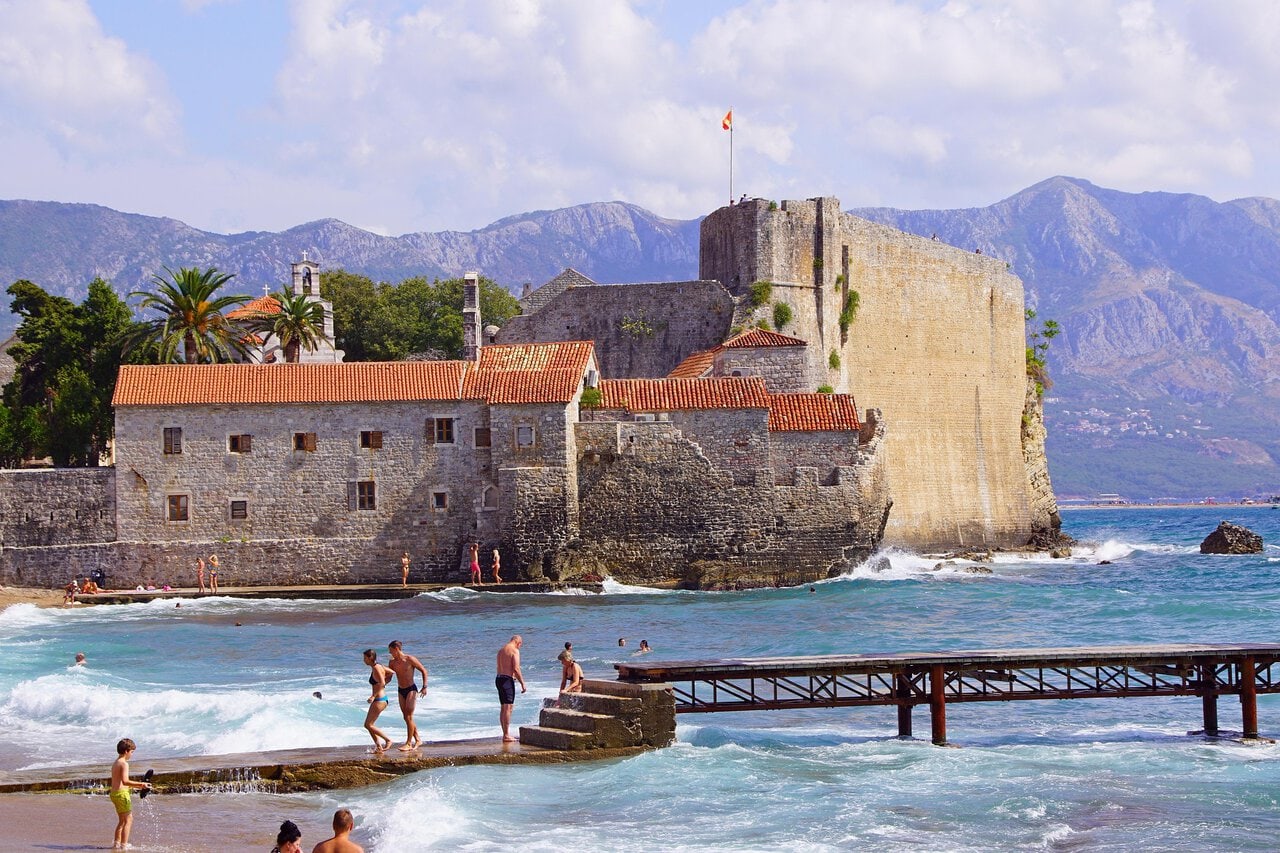
The historic Old Town (Stari Grad) is the heart and soul of Budva. Enclosed by impressive medieval stone walls and surrounded on three sides by the Adriatic Sea, it’s one of the oldest continuously inhabited settlements on the Adriatic coast and the town’s greatest attraction.
Walking through the narrow cobbled streets feels like stepping back through centuries of history. Around every corner you’ll discover elegant stone houses, charming courtyards, boutique shops, traditional restaurants and beautiful churches that reflect the many civilisations that have shaped Budva over more than two millennia.
One of the highlights is the impressive Citadel, which occupies the southern tip of the Old Town. Originally built to defend Budva against attacks from the sea, the fortress now rewards visitors with spectacular panoramic views across the Budva Riviera, the surrounding beaches and the endless blue waters of the Adriatic. Inside, you’ll also find exhibitions celebrating the town’s rich maritime and cultural heritage.
Other highlights include the beautiful Church of St John, recognised by its elegant bell tower, the historic Church of the Holy Trinity and several picturesque squares where cafés spill onto ancient stone pavements beneath the shade of palm trees.
The Old Town is best explored without rushing. Take time to wander the quiet side streets, browse the independent shops, stop for coffee in one of the hidden courtyards and simply enjoy the atmosphere of one of Montenegro’s most beautiful historic towns.
Early morning is the best time to explore if you’d rather see the Old Town before the day-trip crowds arrive from Kotor and the cruise terminals. The stone streets have a completely different character at that hour, with local shopkeepers opening up and just a handful of other visitors around, before the same alleyways fill with tour groups by midday.
Relax On Budva’s Best Beaches
One of the reasons Budva attracts so many visitors is its outstanding coastline. Whether you’re looking for lively beach clubs, family-friendly swimming or secluded coves surrounded by dramatic cliffs, you’ll find a beach to suit every style of holiday.
Closest to the Old Town is Mogren Beach, widely regarded as one of the most beautiful beaches in Montenegro. Divided into two picturesque bays connected by a short tunnel through the rocks, Mogren combines crystal-clear water, dramatic limestone cliffs and a peaceful setting just a few minutes’ walk from the historic centre.
The long Slovenska Beach stretches east from the marina and is Budva’s busiest beach. Lined with hotels, cafés, restaurants and watersports centres, it’s ideal for visitors who enjoy having plenty of facilities close at hand. Families particularly appreciate its easy access and wide choice of places to eat and drink throughout the day.
Smaller beaches such as Ricardova Glava, tucked beside the Old Town walls, provide a more intimate atmosphere, while Jaz Beach, located a short drive west of Budva, is famous for its wide pebble shoreline, beach clubs, music festivals and excellent swimming conditions.
Together, these beaches make Budva one of the finest seaside destinations on the Adriatic, offering everything from peaceful morning swims to lively afternoons beside the sea.
Sunbed and umbrella rental is available on most of the organised beaches for a daily fee, though there’s usually a free section further along if you’d rather bring your own towel. During peak summer weekends, arriving earlier in the day makes a genuine difference, particularly at Mogren and Jaz, which can fill up considerably by early afternoon.
Walk The Budva Coastal Path
One of the most enjoyable ways to experience Budva is by following the scenic coastal path that links the Old Town with the beautiful Mogren Beach. Carved into the rocky shoreline and hugging the edge of the Adriatic, this short walk offers some of the finest views on the Budva Riviera.
The route begins beside the medieval walls of the Old Town, where the deep blue sea contrasts beautifully with the ancient stone fortifications. As you continue along the path, you’ll pass beneath towering limestone cliffs while waves gently lap against the rocks below.
Partway along the walk you’ll reach one of Budva’s most photographed landmarks, the famous Ballerina Statue. Officially known as the Dancer from Budva, the bronze sculpture stands on a rocky outcrop overlooking the sea and has become an enduring symbol of the town. According to local legend, it commemorates a young woman who faithfully waited for her sailor to return home. Whether the story is true or not, it’s undoubtedly one of the best photography spots in Montenegro.
The walk continues to Mogren Beach, where many visitors stop for a swim before returning to the Old Town. Although the route is relatively short, it’s one of the most rewarding strolls on the Adriatic coast and should be included in every visit to Budva.
The path is well maintained and suitable for most fitness levels, though some sections involve uneven rock underfoot, so trainers or sandals with a good grip are a better choice than flip-flops. Sunset is a particularly popular time to walk this route, when the light softens across the water and the Ballerina Statue is beautifully lit by the fading sun.

Take A Boat Trip Along The Budva Riviera
Seeing Budva from the water offers an entirely different perspective on Montenegro’s spectacular coastline. Throughout the summer, numerous operators run boat trips, speedboat excursions and private cruises that showcase hidden beaches, dramatic cliffs and crystal-clear swimming spots that are difficult to reach by land.
One of the most popular destinations is St Nicholas Island (Sveti Nikola), often referred to locally as Hawaii. Located just offshore from Budva, the island is home to secluded beaches, rocky coves and exceptionally clear water that’s perfect for swimming and snorkelling. Regular boats make the short crossing throughout the day, allowing visitors to enjoy a quieter atmosphere away from the busy mainland beaches.
Longer excursions travel further along the Budva Riviera, passing the famous island village of Sveti Stefan, hidden sea caves and beautiful stretches of coastline that can only truly be appreciated from the water. Many cruises include swimming stops, opportunities to snorkel and plenty of time to relax while taking in the spectacular scenery.
Whether you choose a shared sightseeing cruise, a sunset boat trip or a private speedboat charter, exploring the Budva coastline by sea is one of the highlights of any holiday in Montenegro.
Prices vary considerably depending on whether you join a shared group tour or charter a private speedboat, so it’s worth comparing a few operators along the marina before booking. Many trips can also be arranged on the day itself during the summer season, although booking a day or two ahead is safer if you have a specific date in mind.
Experience Budva’s Restaurants & Nightlife
Budva is widely regarded as Montenegro’s culinary and entertainment capital, offering an enormous variety of restaurants, cafés, beach bars and evening venues to suit every taste.
The Old Town is home to many of the most atmospheric restaurants, where diners can enjoy meals in centuries-old stone buildings or shaded squares surrounded by historic architecture. Fresh Adriatic seafood, grilled fish, octopus, mussels, calamari and traditional Montenegrin cuisine feature prominently on many menus, alongside excellent local wines.
Along the waterfront, modern restaurants and beach clubs create a completely different atmosphere. During the day they’re ideal for leisurely lunches overlooking the sea, while in the evening they become lively places to enjoy cocktails, live music and spectacular sunsets across the Adriatic.
Although Budva has earned an international reputation for its nightlife, there’s far more variety than many people expect. Visitors looking for a quiet evening can relax in elegant wine bars, enjoy a meal beside the marina or listen to live music in the Old Town, while those seeking a livelier atmosphere will find beach clubs and late-night venues that remain busy throughout the summer season.
Prices in the Old Town tend to run slightly higher than restaurants a short walk further out, simply because of the location and the views, though the difference is rarely dramatic. If you’re watching your budget, the streets just behind the main waterfront often have excellent, more affordable options that are just as authentic.
Breakfast culture is a little different here compared with many Western European destinations, with most locals favouring a coffee and pastry rather than a large cooked meal, so don’t be surprised if some smaller cafés keep their morning menu simple. For a heartier start to the day, several hotel restaurants and a handful of dedicated breakfast spots along the waterfront cater specifically to visitors.
Visit Nearby Sveti Stefan
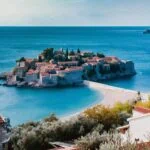
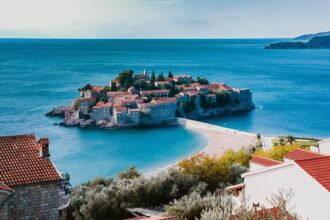
Just 15 minutes south of Budva, the iconic island of Sveti Stefan is one of Montenegro’s most famous landmarks and one of the easiest day trips from the town.
Connected to the mainland by a narrow stone causeway, the former fishing village has become one of the Adriatic’s most recognisable sights. While access to the island itself is generally restricted because of its luxury resort status, the surrounding beaches, viewpoints and coastal walks are open to visitors and offer some of the finest scenery in Montenegro.
Many travellers combine a morning exploring Budva Old Town with an afternoon at Sveti Stefan, enjoying lunch overlooking the sea before walking through nearby Miločer Park or relaxing on the famous pink pebble beaches.
We’ve created a dedicated Things to Do in Sveti Stefan guide covering the island’s fascinating history, beaches, viewpoints, walking trails and everything you need to plan your visit.
If you don’t have your own transport, regular local buses run between Budva and Sveti Stefan throughout the day, making it easy to visit independently without booking an organised tour. The journey itself is short and scenic, following the coast road past Pržno and offering glimpses of the island well before you arrive at the viewpoint.
It’s worth allowing a full afternoon rather than treating it as a quick stop, since the walk to Miločer Park, the viewpoint and a stop for lunch or a swim easily fill several hours. Combining it with a morning in Budva Old Town makes for one of the most satisfying single days you can spend on this stretch of coast.
Search flights and useful route combinations in one place.
View flightsBrowse Airalo eSIM options for convenient travel data.
Check eSIMsCheck private airport pickup options and plan the first part of your journey in advance.
View transfersDiscover Incredible Day Trips From Budva
One of the biggest advantages of staying in Budva is its central location. Within an hour or two, you can reach many of Montenegro’s most spectacular attractions, making Budva the ideal base for exploring far beyond the beaches.
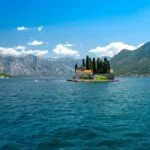
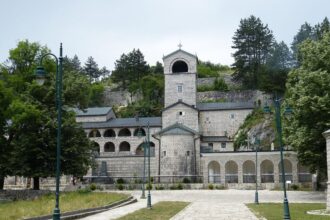
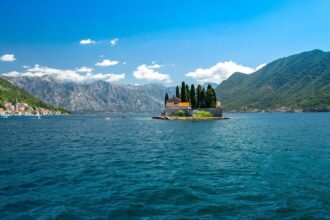
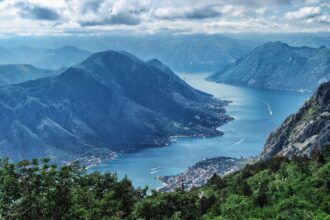
History lovers can spend the morning wandering the medieval streets of Kotor before climbing the famous city walls or taking a boat across to Our Lady of the Rocks in elegant Perast. Those looking for dramatic scenery can head inland to Lovćen National Park, where the spectacular Njegoš Mausoleum offers some of the finest panoramic views in the Balkans.
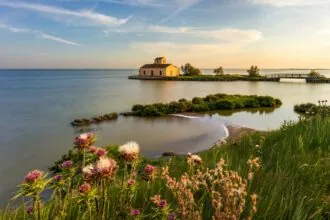
Nature enthusiasts shouldn’t miss Lake Skadar National Park, the largest lake in the Balkans and one of Europe’s most important bird reserves. Boat cruises, traditional fishing villages and excellent local wineries make it one of Montenegro’s most rewarding day trips.
For visitors wanting to experience Montenegro’s history, Cetinje, the country’s former royal capital, lies just beyond Lovćen National Park. Its museums, monasteries and elegant nineteenth-century buildings provide a fascinating insight into Montenegro’s past and combine perfectly with a mountain excursion.
We’ve created dedicated guides covering Things to Do in Kotor, Things to Do in Perast, Lovćen National Park, Lake Skadar National Park, Things to Do in Cetinje and Things to Do in Sveti Stefan, each with detailed visitor information to help you plan your day.
Because so many of Montenegro’s highlights sit within a short drive, plenty of visitors base themselves in Budva for the majority of their trip rather than constantly changing hotels. It cuts down on packing and unpacking, and means you can pick and choose day trips depending on the weather, energy levels or simply what you feel like seeing that particular morning.
Where to Stay in Budva
Budva has one of the widest ranges of accommodation anywhere on Montenegro’s coast, from smart hotels and beach resorts to family-run apartments and budget guesthouses, so it suits almost every type of traveller and budget. The Old Town and the immediate waterfront are the most atmospheric places to stay, putting restaurants, the beaches and the evening scene within easy walking distance.
Slightly further out, the area around Slovenska Beach and the marina offers a good balance of modern hotels, sea views and easy access to the Old Town without paying quite the same premium for a historic address. For a quieter base, the Bečići and Rafailovići area just east of Budva has a more relaxed, family-friendly atmosphere while still being only a short bus or taxi ride from the main attractions.
Booking well ahead is strongly recommended for July and August, when Budva is one of the busiest destinations on the entire Adriatic coast and the best-located hotels and apartments sell out months in advance. Outside peak summer, prices drop considerably and availability is far less of a concern.
Self-catering apartments are widely available throughout Budva and the surrounding villages, and tend to offer better value than hotels for families or longer stays, particularly if you’re happy cooking a simple breakfast rather than eating out three times a day. Many come with a balcony or terrace, and the better ones have at least a partial sea view.
Whichever area you choose, check how far you actually are from the Old Town before booking, since some listings describe themselves as “central Budva” despite being a fifteen-minute walk or a short taxi ride away.
Getting To Budva
Thanks to its central position on the Montenegrin coast, Budva is one of the easiest destinations in the country to reach. Whether you’re arriving by plane, bus or car, excellent transport links make it an ideal base for exploring the Budva Riviera and the wider Adriatic coastline.
| Starting Point | Bus | Car | Typical Journey |
|---|---|---|---|
| Tivat Airport | ✔ | ✔ | Around 30 minutes |
| Kotor | ✔ | ✔ | Around 30 minutes |
| Podgorica Airport | ✔ | ✔ | Around 1 hour |
| Bar | ✔ | ✔ | Around 45 minutes |
| Herceg Novi | ✔ | ✔ | Around 1 hour 15 minutes |
Frequent intercity buses connect Budva with virtually every major town in Montenegro, including Kotor, Tivat, Bar, Podgorica, Herceg Novi and Ulcinj. The central bus station is only a short walk from the Old Town and many hotels, making public transport an excellent choice for independent travellers.
If you’re hiring a car, Budva provides easy access to the rest of the country via the Adriatic Highway. Driving allows you to explore nearby destinations such as Sveti Stefan, Lovćen National Park, Lake Skadar and Cetinje at your own pace. During July and August, however, traffic can become heavy and parking close to the Old Town fills quickly, so arriving early is recommended.
For international visitors, Tivat Airport is the nearest gateway, while Podgorica Airport offers additional flight options throughout the year. Private transfers are widely available from both airports and provide a convenient way to reach your accommodation.
Our Tivat Airport Transfers guide covers the taxi, private transfer and car hire options in detail if you’re flying into the nearer of Montenegro’s two main airports. For a wider look at buses, trains and ferries across the country, our Montenegro Public Transport guide is a useful companion if you’re planning to explore beyond Budva without a car.

Organise Your Budva Coach Trip with Busbud
You can use Busbud to research bus travel for Budva, check timetables and compare ticket options before booking.
Having the available operators together can make it much easier to plan connections and work out which service fits your schedule.
The Best Time To Visit Budva
Budva is a destination that can be enjoyed throughout the year, although each season offers a different experience.
Spring is one of the best times to visit. Temperatures are warm enough for sightseeing, the beaches remain peaceful and the surrounding countryside is beautifully green. It’s an ideal season for exploring the Old Town, coastal walks and nearby attractions without the summer crowds.
During summer, Budva comes alive. The beaches are busy, boat trips operate throughout the day and the waterfront is filled with cafés, restaurants and festivals. Warm sea temperatures make this the perfect time for swimming, snorkelling and watersports, although it’s also the busiest and most expensive period of the year.
Autumn offers an excellent balance. The Adriatic Sea remains pleasantly warm, visitor numbers begin to fall and the weather is often ideal for exploring both the coast and Montenegro’s mountain attractions. Many experienced travellers consider September one of the best months to visit.
Even winter has its appeal. While swimming gives way to sightseeing, Budva’s Old Town, restaurants and waterfront remain lively, providing a more authentic glimpse into local life without the peak-season crowds.

Rupert’s Handy Travel Tips
Planning a visit to Budva? Here are a few tips to make the most of Montenegro’s most popular seaside resort:
- Explore the Old Town early: Visiting in the morning lets you enjoy the narrow streets before the busiest crowds arrive and is perfect for photography.
- Walk to Mogren Beach: Don’t miss the scenic coastal path and the famous Ballerina Statue, one of Budva’s best viewpoints.
- Use Budva as your base: With Kotor, Perast, Lovćen National Park, Cetinje and Sveti Stefan all within easy reach, Budva is one of the best places in Montenegro to stay.
- Book boat trips in advance: Cruises to St Nicholas Island and along the Budva Riviera are extremely popular during the summer months.
- Stay after sunset: As day visitors leave, the illuminated walls of the Old Town, waterfront restaurants and evening atmosphere show Budva at its very best.
Want to meet the reindeer behind our travel tips? Find out more in our page Who is Rupert?.




Frequently Asked Questions
Is Budva worth visiting?
Absolutely. Budva is one of Montenegro’s top holiday destinations, combining a beautifully preserved medieval Old Town, excellent beaches, scenic boat trips, vibrant restaurants and easy access to many of the country’s best attractions.
How many days should I spend in Budva?
A stay of three to five days is ideal. This gives you plenty of time to explore the Old Town, relax on several beaches, take a boat trip, visit Sveti Stefan and enjoy day trips to Kotor, Perast, Lovćen National Park and Lake Skadar National Park.
Which is the best beach in Budva?
That depends on what you’re looking for. Mogren Beach is often considered the most beautiful thanks to its dramatic cliffs and crystal-clear water. Slovenska Beach offers the best facilities, while Jaz Beach is perfect for visitors looking for more space, beach clubs and watersports.
Is Budva better than Kotor?
The two destinations complement each other rather than compete. Kotor is famous for its medieval architecture, city walls and UNESCO-listed Old Town, while Budva offers a combination of historic sights, beautiful beaches, boat trips and a wider choice of restaurants and nightlife. Most visitors choose to experience both.
Can you visit Budva from a cruise ship?
Yes. Although Budva doesn’t receive the same number of cruise ships as Kotor, it’s a popular shore excursion for passengers arriving at Kotor Cruise Port, with journey times of around 30 minutes.
Is Budva walkable?
Yes. The Old Town, marina, promenade and several beaches are all within comfortable walking distance of one another. The wider Budva Riviera is also easy to explore on foot, by local bus or by taxi.
Is Budva expensive?
Budva offers accommodation and restaurants to suit almost every budget. While luxury hotels and beach clubs can be expensive during the peak summer season, there are also plenty of affordable apartments, cafés and family-run restaurants offering excellent value.
Can you reach Budva by public transport?
Yes. Regular buses connect Budva with Kotor, Tivat, Bar, Podgorica, Herceg Novi and Ulcinj, making it one of the easiest destinations in Montenegro to visit without hiring a car.
Is Budva good for families?
Yes. Families will enjoy the safe swimming beaches, scenic coastal walks, boat trips, parks and pedestrian-friendly Old Town. The wide choice of accommodation and restaurants also makes Budva an excellent base for a family holiday.
When is the best time to visit Budva?
May, June and September offer the perfect balance of warm weather, pleasant sea temperatures and fewer crowds. July and August are ideal for beach holidays but are also the busiest months of the year.
Further Reading
Budva works well as a base for exploring further afield too. Kotor, Perast and Sveti Stefan are three of the easiest and most rewarding day trips from town.
For the more natural side of Montenegro, Lovćen and Lake Skadar cover two of the best inland excursions, and Cetinje, the former royal capital, is an easy add-on to a day in the mountains.
Flying in? This transfer guide covers the quickest ways to reach Budva, while the public transport guide is worth reading if you’re exploring further without a car. History buffs shouldn’t skip Ostrog Monastery, one of the country’s most important religious sites.
To see how Budva fits into a longer trip, this 14-day itinerary connects the coast, the mountains and the national parks into one route.