Reviewed by our editorial team Updated
Discover Europe’s Deepest Canyon
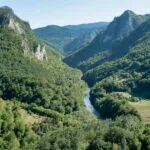
Carved over millions of years by the crystal-clear Tara River, the spectacular Tara River Canyon is one of the greatest natural wonders in Europe. Reaching depths of approximately 1,300 metres, it is recognised as the deepest canyon in Europe and the second deepest canyon in the world after the Grand Canyon, creating one of Montenegro’s most breathtaking landscapes.
Stretching for more than 80 kilometres through northern Montenegro, the canyon forms part of Durmitor National Park, a UNESCO World Heritage Site celebrated for its exceptional natural beauty and outstanding biodiversity. Towering limestone cliffs, dense forests, emerald-green waters and dramatic mountain scenery combine to create a destination that feels wild, remote and almost untouched.
The canyon is famous not only for its scenery but also for the experiences it offers. Visitors can raft through exciting white water rapids, stand high above the river on the famous Đurđevića Tara Bridge, soar across the gorge on a thrilling zipline, hike to spectacular viewpoints or simply enjoy one of the most scenic drives anywhere in the Balkans.
Whether you’re an adrenaline seeker, nature lover, photographer or simply someone looking to experience one of Montenegro’s most iconic landscapes, the Tara River Canyon is a destination that should not be missed.
Most visitors base themselves in Žabljak, the small mountain town that sits closest to the canyon and doubles as the gateway to Durmitor National Park, making it easy to combine a day at the canyon with everything else this part of Montenegro has to offer. The canyon also fits naturally into a longer trip through the region, such as our own 14-Day Montenegro Itinerary, which links the mountains, the national parks and the Adriatic coast into one complete route.
Why Visit Tara River Canyon?
The Tara River Canyon is one of those places that leaves a lasting impression long after you’ve returned home. Every twist in the road reveals another dramatic panorama, while the sheer scale of the canyon is almost impossible to appreciate until you’re standing on its edge looking down towards the river far below.
One of the canyon’s greatest attractions is its remarkable diversity. Some visitors come for the excitement of white water rafting, while others prefer scenic walks, photography or simply admiring the views from the bridge. It’s equally rewarding whether you’re looking for adventure or a peaceful day surrounded by nature.
The canyon is also home to one of Europe’s cleanest rivers. The crystal-clear waters of the Tara River flow through protected forests and untouched mountain landscapes, creating an environment that supports an incredible variety of wildlife while providing perfect conditions for rafting and kayaking.
Unlike many famous natural attractions, the Tara River Canyon still retains a genuine sense of wilderness. Even during the height of summer it’s easy to find quiet viewpoints and peaceful corners where you can simply stop, admire the scenery and appreciate one of Europe’s greatest natural landscapes.
It’s also a destination that rewards a second visit. Because conditions change so dramatically between the fast, cold meltwater of spring and the calmer, warmer river of late summer, plenty of travellers who’ve rafted the canyon once come back in a different season just to see how differently the water behaves and to catch the surrounding forests in an entirely different light. Photographers in particular find that no two visits ever look quite the same.
Compare hotels and other places to stay for your trip.
Check availabilityBrowse apartments, holiday homes and self-catering stays.
View rentalsCompare hotel deals from multiple booking sites in one search.
Compare pricesThe Geological Story Behind Europe’s Deepest Canyon
The remarkable landscape seen today has been shaped over millions of years as the Tara River gradually cut through layers of limestone rock, creating the immense canyon that stretches across northern Montenegro.
As the river slowly carved deeper into the mountains, towering cliffs, dramatic rock formations and countless caves were formed, producing one of Europe’s most spectacular geological landscapes. At its deepest point, the canyon reaches approximately 1,300 metres, making it the deepest in Europe and one of the deepest anywhere on Earth.
Because of its exceptional natural importance, the canyon forms part of Durmitor National Park, which received UNESCO World Heritage status in recognition of its outstanding scenery, geological significance and remarkable biodiversity. The surrounding forests remain largely untouched, providing important habitats for wildlife while protecting the pristine quality of the Tara River itself.
Today, the canyon continues to attract visitors from around the world, not only because of its dramatic scenery but also because it represents one of the last truly wild landscapes remaining in this part of Europe.
Geologists still study the canyon closely, since its exposed limestone layers offer a rare window into millions of years of the region’s geological history. Caves, sinkholes and underground rivers are common throughout the wider Durmitor area, a reminder that much of this landscape’s story continues well below the surface you can actually see from the road or the bridge.
It’s this combination of scale and age that makes the canyon feel so different from most natural attractions elsewhere in Europe, and why geologists and casual visitors alike tend to leave with the same sense of having witnessed something genuinely ancient.
White Water Rafting on the Tara River
For many visitors, white water rafting on the Tara River is the ultimate way to experience the canyon. Rather than simply looking down from a viewpoint, rafting allows you to travel through the heart of the gorge, surrounded by towering cliffs, ancient forests and some of the clearest water in Europe.
Rafting trips operate throughout the warmer months, with conditions changing as the seasons progress. During spring, melting snow from the surrounding mountains creates faster-flowing water and more challenging rapids, attracting experienced rafters looking for an adrenaline-filled adventure. By summer, water levels fall slightly, creating gentler conditions that are suitable for families, beginners and anyone wanting to enjoy the spectacular scenery at a more relaxed pace.
Every organised trip includes professional guides, safety equipment, helmets, buoyancy aids and a full safety briefing before setting off. Many tours also include transfers from Žabljak, lunch at a traditional riverside restaurant and opportunities to swim in the remarkably clear water during calmer sections of the river.
Booking your rafting adventure in advance is highly recommended, particularly between June and September, when the Tara River Canyon becomes one of Montenegro’s most popular outdoor destinations.
Most rafting trips run over roughly 15 to 18 kilometres of river, taking around two to three hours to complete depending on water levels and the pace of your particular group. Groups are typically split between inflatable rafts holding six to eight people, each accompanied by an experienced local guide who steers and calls out instructions as you move through the different rapids.
The Đurđevića Tara Bridge: History, Views and Practical Tips
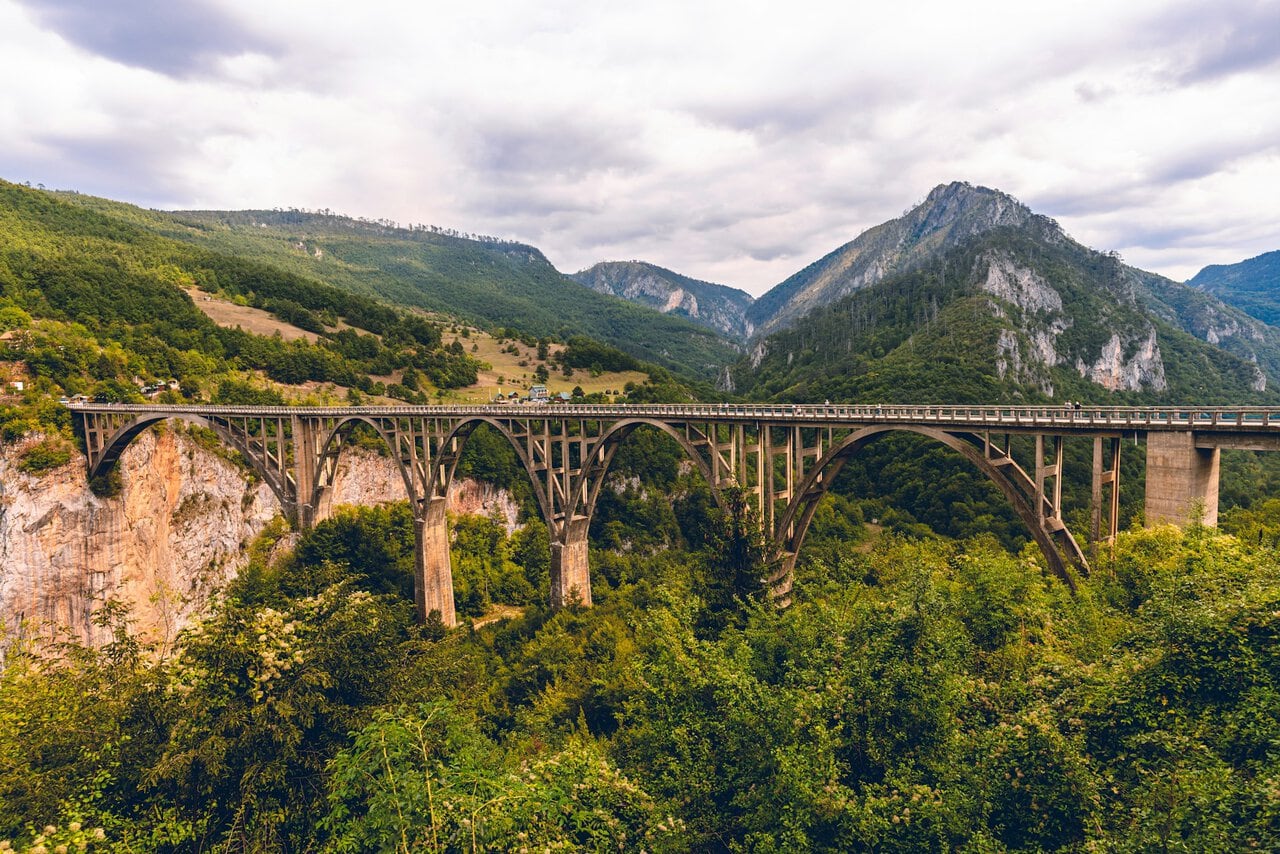
Towering high above the Tara River Canyon, the magnificent Đurđevića Tara Bridge is one of Montenegro’s most recognisable landmarks. Stretching gracefully across the canyon, the bridge stands around 172 metres above the river, offering spectacular panoramic views that attract photographers, road trippers and sightseers from around the world.
Completed in 1940, the bridge was one of the most ambitious engineering projects of its era. Measuring 365 metres in length and supported by elegant concrete arches, it was once the largest concrete arch bridge in Europe. During the Second World War, one of its arches was deliberately destroyed to slow advancing forces before being rebuilt after the conflict, adding another fascinating chapter to its history.
Today, visitors can walk across the bridge completely free of charge, stopping at several viewing points to admire the dramatic canyon below. Looking down into the brilliant turquoise waters of the Tara River, it’s easy to appreciate the immense scale of the landscape that surrounds you.
The bridge is also the starting point for several adventure activities and scenic walks, making it much more than simply a place to stop for photographs. It’s one of the highlights of any visit to northern Montenegro.
A small café and several souvenir stalls sit at the bridge car park, making it an easy place to break up a longer drive with a coffee or a snack before continuing your journey. Parking is available on both sides of the canyon, though the western side tends to be slightly quieter outside peak summer weekends. Combining a stop here with a visit to Durmitor National Park makes for a genuinely full day in the mountains.

Ziplining Across the Tara River Canyon
If admiring the canyon from the bridge isn’t exciting enough, why not experience it from the air?
Several professionally operated ziplines run alongside the Đurđevića Tara Bridge, giving visitors the chance to glide high above the Tara River Canyon while enjoying one of the most spectacular views in Montenegro.
Different operators offer rides of varying lengths and speeds, with some lines stretching several hundred metres across the canyon. After a full safety briefing and equipment check, you’ll launch from the edge of the gorge before flying across the canyon with uninterrupted views of the river, forests and towering cliffs below.
Although the experience only lasts a short time, it’s one of the most memorable activities in northern Montenegro and is suitable for most visitors. Professional instructors provide all safety equipment, making it an excellent introduction to ziplining for first-time participants.
Because the zipline has become increasingly popular, particularly during July and August, booking ahead is recommended if you’re visiting during the peak tourist season.
Most operators run several parallel lines of differing lengths and heights, so it’s often possible to do more than one ride during a single visit if you’d like to compare the different vantage points. Rides typically cost somewhere in the region of a few euros per line, and tickets can usually be bought on the day directly at the launch platform rather than needing advance booking outside the busiest weeks of summer.
Children are often welcome on the shorter, gentler lines when accompanied by an adult, though exact age and weight restrictions vary by operator, so it’s worth checking directly if you’re travelling with younger family members.
The Best Viewpoints Over the Tara River Canyon
The Tara River Canyon is packed with spectacular viewpoints, each offering a different perspective of this remarkable landscape. Whether you’re travelling by car, motorcycle or bicycle, you’ll find plenty of opportunities to stop and admire the scenery along the route.
The most famous viewpoint is, unsurprisingly, from the Đurđevića Tara Bridge itself. Standing in the centre of the bridge provides breathtaking views both upstream and downstream, allowing you to fully appreciate the sheer depth of the canyon and the vivid colours of the Tara River below.
Several roadside viewing areas nearby also provide outstanding panoramas and are often quieter than the bridge itself. These elevated lookouts are ideal for photography, particularly during the early morning or late afternoon, when softer light highlights the cliffs and forests that surround the canyon.
If you’re spending longer in the area, local hiking trails also lead to more secluded viewpoints where you can enjoy uninterrupted views across one of Europe’s greatest natural landscapes away from the busiest visitor areas.
A few informal pull-in spots along the main road offer some of the best photographs of the entire canyon, particularly where the road briefly runs along an exposed ridge rather than through forest. These aren’t official car parks, so pull in carefully and only when it’s safe to do so, but they’re well worth the short stop if you spot one while driving.
Drone photography has become increasingly popular here, though visitors should check current local regulations before flying, since rules around national parks and protected landscapes can change and vary depending on where exactly you are within the canyon.
Hiking Around The Tara River Canyon
While rafting is undoubtedly the canyon’s most famous activity, exploring the area on foot reveals an entirely different side of the landscape. A number of walking routes and hiking trails wind through the surrounding forests and mountain slopes, offering spectacular viewpoints that simply can’t be reached by road.
Short walks near the Đurđevića Tara Bridge are suitable for most visitors and provide excellent opportunities to admire the canyon from different angles. These trails are ideal if you’re combining sightseeing with a scenic drive through northern Montenegro.
More experienced hikers will find longer routes linking sections of the canyon with Durmitor National Park, passing through peaceful pine forests, alpine meadows and remote mountain scenery. Along the way you’ll often encounter wildflowers, birds of prey and panoramic viewpoints overlooking the canyon far below.
Whatever route you choose, sturdy footwear, drinking water and a camera are highly recommended. The scenery changes constantly throughout the walk, making every section of the trail feel different from the last and rewarding visitors with some of the finest mountain landscapes in the Balkans.
Most trailheads are unmarked on standard road maps, so it’s worth picking up a proper hiking map in Žabljak or asking locally before setting out on anything beyond the short, well-trodden paths near the bridge. Mobile signal is patchy in many parts of the canyon, so letting someone know your planned route is a sensible precaution on longer routes.
A few local guesthouses in Žabljak can arrange a guide for the longer routes, which is a worthwhile option if you’d rather not navigate unmarked trails alone. Even a half-day guided walk often reveals viewpoints and quiet corners of the canyon that most day visitors driving between the bridge and the main lookout points never get to see.
Search flights and useful route combinations in one place.
View flightsChoose an Airalo eSIM and arrange mobile data before you arrive.
Browse eSIMsBook a private airport transfer in advance and have your ride planned before you arrive.
Check transfersWildlife in and Around the Tara River Canyon
The spectacular scenery of the Tara River Canyon supports one of the richest ecosystems in the Balkans. Protected as part of Durmitor National Park, the canyon’s ancient forests, sheer cliffs and crystal-clear river create an ideal habitat for a remarkable variety of wildlife.
The surrounding woodlands are home to brown bears, wolves, red deer, wild boar, foxes and numerous smaller mammals, although the larger animals are rarely seen due to the size and remoteness of the landscape. More commonly, visitors spot squirrels, hares and a wide range of woodland birds while exploring the area.
Birdwatchers should keep an eye on the skies above the canyon, where golden eagles, peregrine falcons, eagle owls and other birds of prey regularly soar on rising air currents above the cliffs. Along the river itself, kingfishers, dippers and grey herons can often be seen hunting in the exceptionally clear water.
The Tara River is equally impressive beneath the surface. Often described as one of Europe’s cleanest rivers, its pristine water supports healthy populations of trout and many other freshwater species, making it an internationally important ecosystem as well as a spectacular place to visit.
Early morning and early evening tend to be the best times for wildlife spotting, when the temperature is cooler and many species are more active. Visitors exploring on foot rather than by car naturally see considerably more, since a quiet approach and a bit of patience go a long way in landscapes as vast and thickly forested as this one.
Scenic Drives Through The Tara River Canyon
Even if you don’t plan to hike or go rafting, simply driving through the Tara River Canyon is an unforgettable experience. The winding mountain roads follow the edge of the gorge, passing through forests, traditional villages and countless viewpoints that reveal the dramatic landscape from different angles.
One of the most popular routes links Žabljak with Mojkovac, crossing the famous Đurđevića Tara Bridge before descending through breathtaking mountain scenery. Around almost every bend there’s another opportunity to stop for photographs, admire the river below or simply appreciate the scale of the canyon.
Motorcyclists and cyclists also regard this as one of the finest scenic roads in the Balkans. Quiet traffic, spectacular views and fresh mountain air make it a favourite route for touring northern Montenegro, particularly during the warmer months.
Allow plenty of extra time for your journey. Although distances may appear short on the map, you’ll almost certainly want to stop regularly at viewpoints, cafés and photography locations along the way.
Fuel stops are limited once you’re deep into the canyon itself, so it’s worth filling up in Žabljak or Mojkovac before setting out rather than relying on finding a station along the way. The road surface is generally good, though winter driving requires proper preparation, since snow and ice are common between late autumn and early spring at this altitude.
Several small roadside restaurants along the route serve simple, hearty food, and stopping for lunch partway through the drive is a good way to break up the journey while enjoying views over the gorge. Traffic is generally light outside the busiest summer weekends, making it a genuinely relaxing route to drive rather than one that demands constant concentration.
Getting to the Tara River Canyon from Žabljak, Podgorica and the Coast
Despite its remote location, the Tara River Canyon is relatively easy to reach from many parts of Montenegro. Most visitors arrive by car, although organised tours and some public transport options are also available.
| Starting Point | Bus | Car | Typical Journey |
|---|---|---|---|
| Žabljak | Limited | ✔ | Around 30 minutes |
| Podgorica | Via Žabljak | ✔ | Around 2½ hours |
| Kotor | Via Žabljak | ✔ | Around 3½–4 hours |
| Budva | Via Žabljak | ✔ | Around 3½–4 hours |
| Bar | Via Žabljak | ✔ | Around 4 hours |
If you’re driving, the Đurđevića Tara Bridge is the easiest landmark to navigate to and offers parking on both sides of the canyon. This is where you’ll find the main viewpoints, cafés, souvenir stalls and zipline operators.
Visitors relying on public transport will usually travel to Žabljak first before joining an organised excursion or taking a taxi to the bridge and surrounding viewpoints. Although this requires a little more planning, it’s entirely possible to visit without hiring a car.
Many travellers also include the canyon as part of a wider road trip through Durmitor National Park, making it one of the highlights of touring northern Montenegro.
Hiring a car remains the most flexible way to reach the canyon, particularly if you’d like to stop at multiple viewpoints or combine the visit with other parts of Durmitor National Park in the same day. Rental cars are widely available in Podgorica, Tivat and Kotor, and most companies are used to visitors booking specifically for a mountain leg of a longer Montenegro itinerary.
Signposting along the main roads is generally clear, and the route via Žabljak is straightforward even for visitors unfamiliar with mountain driving, provided you allow extra time for the winding sections and inevitable photo stops.

Organise Your your destination Coach Trip with Busbud
You can use Busbud to research bus travel for your destination, check timetables and compare ticket options before booking.
Having the available operators together can make it much easier to plan connections and work out which service fits your schedule.
Where to Stay Near Tara River Canyon
There’s no accommodation directly at the canyon itself, so almost everyone visiting stays in Žabljak, the small mountain town roughly 30 minutes away that also serves as the main gateway to Durmitor National Park. Options range from simple family-run guesthouses to traditional wooden cabins and a handful of more comfortable hotels, and most places are within easy walking distance of restaurants, shops and tour operators.
Basing yourself in Žabljak rather than trying to visit the canyon as a long day trip from the coast makes a genuine difference to the experience. It means you can start early, before the tour buses arrive, and it leaves you free to combine the canyon with a wider exploration of Durmitor National Park, Black Lake and the surrounding mountains over several days rather than rushing everything into one exhausting round trip.
During peak summer and the winter ski season, the better-located guesthouses and cabins in Žabljak do sell out, so it’s worth booking accommodation well ahead if your visit to the canyon falls during either period. Our full Žabljak guide covers the town’s accommodation options, restaurants and practicalities in much greater depth, and is worth reading alongside this one if you’re planning where to stay.
A smaller number of visitors choose to stay further afield in Kotor or on the coast and treat the canyon as a long day trip, but this generally means several hours of driving each way and considerably less time to actually enjoy the scenery. Unless your schedule is particularly tight, basing yourself in Žabljak for at least one night is the more rewarding way to experience this part of Montenegro properly.
The Best Time to Visit the Tara River Canyon by Season
The Tara River Canyon is spectacular throughout the year, but each season offers a different experience.
Spring is the best time for white water rafting. Melting snow from the surrounding mountains increases the river’s flow, creating exciting rapids and dramatic waterfalls, while the forests become vibrant green after the winter months.
During summer, the canyon enjoys warm weather and long daylight hours, making it ideal for scenic drives, hiking, ziplining and photography. This is also the busiest period, so arriving early in the day is recommended if you want to enjoy the viewpoints before the crowds arrive.
Autumn transforms the surrounding forests into brilliant shades of gold, orange and red. Cooler temperatures make hiking particularly enjoyable, while the quieter roads create a more peaceful atmosphere for photographers and nature lovers.
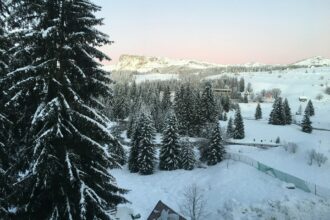
Winter offers an entirely different perspective. Snow-covered mountains, frosted forests and the dramatic contrast between the white landscape and the emerald waters of the Tara River create some of the most spectacular scenery you’ll find anywhere in Montenegro.

Rupert’s Handy Travel Tips
Planning a visit to Tara River Canyon? Here are a few tips to help you enjoy one of Montenegro’s greatest natural wonders:
- Allow more time than you think: The canyon is much larger than many visitors expect. Leave plenty of time for scenic stops, walks and photographs rather than simply driving straight through.
- Visit the bridge early: The Đurđevića Tara Bridge is at its quietest during the morning, giving you better opportunities for photography before organised tours arrive.
- Bring a jacket: Even during summer, temperatures around the canyon can be considerably cooler than Montenegro’s coast, particularly during the morning and evening.
- Book rafting before you travel: If you’re visiting between June and September, rafting trips are often fully booked several days in advance.
- Combine it with Durmitor National Park: The canyon and the national park complement each other perfectly, making an overnight stay in Žabljak the best way to experience both.
Want to meet the reindeer behind our travel tips? Find out more in our page Who is Rupert?.




Frequently Asked Questions
Is Tara River Canyon worth visiting?
Absolutely. Tara River Canyon is one of Montenegro’s most spectacular natural attractions, offering dramatic scenery, the deepest canyon in Europe, exciting rafting trips and breathtaking viewpoints.
Is Tara River Canyon really the deepest canyon in Europe?
Yes. The canyon reaches a depth of approximately 1,300 metres, making it the deepest canyon in Europe and the second deepest canyon in the world after the Grand Canyon.
Can you visit Tara River Canyon without going rafting?
Yes. Many visitors simply enjoy the spectacular viewpoints, walk across the Đurđevića Tara Bridge, drive the scenic mountain roads or experience the canyon on one of the nearby ziplines.
How long should I spend at Tara River Canyon?
Allow at least half a day if you’re visiting the bridge and viewpoints. If you’re planning a rafting excursion, expect to spend most of the day in the area.
Is the Đurđevića Tara Bridge free to visit?
Yes. You can walk across the bridge free of charge, enjoying spectacular views across the canyon and the turquoise waters of the Tara River.
Is the Tara Canyon Zipline worth it?
If you enjoy adventure activities, definitely. Flying high above one of Europe’s deepest canyons is a unique experience and offers incredible views that can’t be seen from the bridge alone.
Can you reach Tara River Canyon by public transport?
Public transport is limited. Most visitors travel to Žabljak by bus before taking a taxi or joining an organised excursion. Hiring a car offers the greatest flexibility.
When is the best time to go rafting?
Spring offers the biggest rapids thanks to snowmelt, while summer provides calmer conditions that are ideal for beginners and families.
Is Tara River Canyon suitable for children?
Yes. Families can enjoy the viewpoints, bridge, scenic drives and many rafting operators offer trips suitable for children, although minimum age requirements vary by company.
Can you combine Tara River Canyon with Durmitor National Park?
Yes. Many visitors explore both in a single trip, using Žabljak as their base. The two attractions are only a short drive apart and complement each other perfectly.
Further Reading
The canyon sits right on the edge of Durmitor National Park, hiking trails, Black Lake and the rest of the park are all covered in more depth there, and since most visitors base themselves nearby, the Žabljak guide is worth a look for where to stay and eat.
Visit in winter and the same peaks above the canyon become a ski area. Our Savin Kuk Ski Resort guide covers skiing here in detail, and it’s a natural add-on if you’re already planning a trip to see the canyon.
Arriving by train rather than road? The Belgrade to Bar railway passes through this part of the country on its way to the coast. For a different kind of protected landscape entirely, Lake Skadar swaps mountains for wetlands and birdlife.
Continuing on afterwards, Bar and Kotor both make easy onward stops and show two quite different sides of the Adriatic coast.
For the bigger picture of how the canyon fits into a wider trip, this 14-day itinerary connects it with the coast, the other national parks and the towns in between.