Reviewed by our editorial team Updated
Žabljak: Montenegro’s Mountain Escape
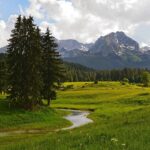
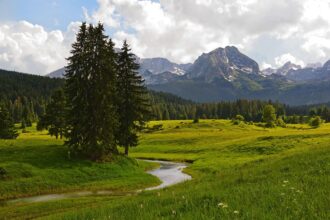
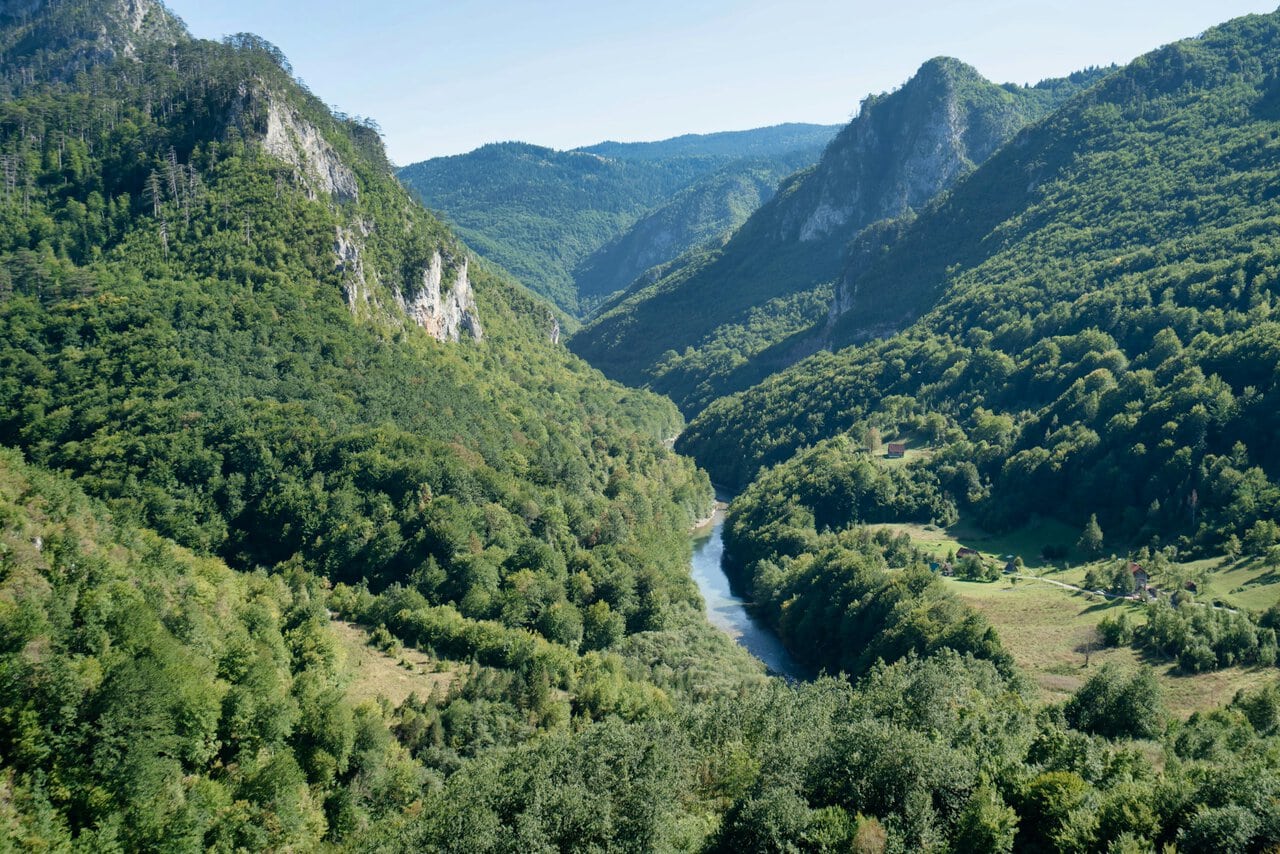
Montenegro is famous for its Adriatic coastline, but the mountain town of Žabljak shows off a completely different side of the country. Sitting at 1,456 metres, it’s the highest town in the Balkans and serves as the gateway to Durmitor National Park, a UNESCO World Heritage Site known for its rugged peaks, glacial lakes and genuinely memorable outdoor adventures.
Unlike the busy streets of Kotor, Budva or Tivat, Žabljak has a relaxed alpine atmosphere. People come here for fresh mountain air, spectacular scenery and a genuinely slower pace of life, whether that means hiking through old forest, relaxing beside Black Lake, trying traditional mountain cooking or simply escaping the coastal heat for a few days.
The town itself is compact, friendly and well set up for visitors. Comfortable hotels, cosy mountain lodges, cafés, supermarkets, outdoor equipment shops and activity providers all sit within easy walking distance of each other, which makes it a genuinely good base for exploring northern Montenegro properly rather than just passing through.
Whether you’re planning an action-packed few days or simply want somewhere peaceful to unwind, Žabljak delivers one of the more rewarding stays anywhere in Montenegro, and it fits naturally into a longer trip like our own 14-Day Montenegro Itinerary.
Many visitors are surprised by just how different Žabljak feels from the rest of Montenegro after only a couple of hours on the road. The scent of pine forest replaces salt air, temperatures drop noticeably even in high summer, and the pace of daily life slows to match the surrounding mountains. It’s this contrast that makes Žabljak such a valuable stop on a wider itinerary rather than a niche detour reserved only for serious hikers.
Getting to Žabljak from Podgorica, Kotor and Budva
Although Žabljak sits high in Montenegro’s mountains, it’s surprisingly easy to reach from most of the country’s popular destinations. There’s no railway station, but regular long-distance buses and well-maintained mountain roads make the journey genuinely straightforward.
| Starting Point | Bus | Car | Typical Journey |
|---|---|---|---|
| Podgorica | ✔ | ✔ | Around 2½ hours |
| Kotor | ✔ | ✔ | Around 3½ hours |
| Budva | ✔ | ✔ | Around 3½ hours |
| Bar | ✔ | ✔ | Around 3½–4 hours |
| Tivat Airport | Via Podgorica or Kotor | ✔ | Around 3½ hours |
| Nikšić | ✔ | ✔ | Around 1½ hours |
If you’re flying in, Tivat Airport is the closest international airport to the coast, while Podgorica Airport often gives the quickest onward journey into the mountains. Hiring a car gives you the most flexibility, letting you enjoy some of Montenegro’s most spectacular mountain roads while stopping at viewpoints and small villages along the way.
If you’re relying on public transport, regular buses run from Podgorica, Nikšić, Kotor, Budva and Bar throughout the year, generally more frequently through summer, though it’s always worth checking departure times in advance since timetables do shift seasonally.
Plenty of visitors combine Žabljak with other stops on a wider Montenegro road trip, treating it as a natural bridge between the Adriatic coast and the country’s mountainous interior rather than an isolated detour.
The drive itself is part of the appeal, since the roads climbing towards Žabljak wind through pine forest, past small villages and along ridgelines with sweeping views back towards the coast. Hire cars are widely available in Podgorica, Tivat and Kotor, and most rental companies are used to visitors picking one up specifically for the mountain leg of a longer Montenegro trip. If you’d rather not drive yourself, buses are comfortable and reasonably priced, though it’s worth confirming timetables locally since services can be reduced outside peak season.

Find Bus Tickets for Durmitor with Busbud
Rather than searching several bus companies separately, you can use Busbud to compare available journeys for Durmitor in one place.
Comparing departure times, journey lengths and operators side by side can make it easier to choose the right service.
Browse hotels and accommodation for your journey.
View staysExplore holiday homes and apartments for your trip.
See holiday homesCompare hotel prices across multiple booking sites.
Compare ratesWhy Visit Žabljak?
Unlike a lot of mountain resorts that really only exist for skiing or hiking, Žabljak is a genuine year-round destination. Summer brings walkers, cyclists and nature lovers keen to explore Durmitor National Park, while winter turns the town into Montenegro’s leading centre for skiing, snowboarding and other snow sports.
Even without any plans to tackle a summit, Žabljak is still well worth the trip. The cooler climate is a welcome break from the coastal heat, and peaceful forest, scenic cafés and constant mountain views make it a genuinely good place to slow right down for a few days.
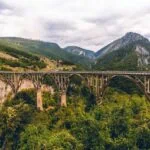
The town also works as an excellent base for exploring northern Montenegro more broadly. Within a short drive you’ve got Black Lake, the Tara River Canyon, the Đurđevića Tara Bridge, traditional mountain villages and countless scenic viewpoints, so you can cover several of Montenegro’s best attractions without ever changing accommodation.
Perhaps the biggest surprise for first-time visitors is just how relaxed Žabljak feels. Instead of crowds and cruise ships, you’ll find hikers discussing tomorrow’s route over coffee, cyclists rolling back in from a mountain ride, and families enjoying the evening in genuinely fresh mountain air.
It’s also a genuinely good option for visitors who want to slow down partway through a busier coastal trip. Spending two or three nights here breaks up a longer itinerary nicely, giving you fresh air, quiet evenings and a completely different landscape before heading back down to the Adriatic. Many people who originally planned on a single night end up wishing they’d allowed more time to properly explore the surrounding national park.
Exploring Žabljak’s Town Centre
Although compact, Žabljak’s town centre is a genuinely enjoyable place to spend a few hours before heading into the mountains. Wide streets, open spaces and constant views of the surrounding peaks give it an alpine character that’s unlike anywhere else in Montenegro.
The centre has a decent spread of cafés, restaurants, bakeries, small supermarkets, pharmacies, banks, souvenir shops and outdoor equipment stores, making it easy to stock up before a day in Durmitor National Park. Local tour operators are based here too, offering everything from rafting and jeep safaris to guided hikes and zipline trips.
It’s worth wandering the centre properly rather than rushing straight into the park. Have a coffee on one of the outdoor terraces, browse the local shops, or just sit and take in the mountain scenery that surrounds the town on almost every side.
Unlike Montenegro’s coastal resorts, this is a genuinely practical town rather than one built purely for visitors, which is a big part of its charm. You’ll find hikers comparing routes over coffee and cyclists preparing for a ride far more often than souvenir stalls aimed squarely at day-trippers.
A handful of small galleries and local craft shops sell wood carvings, wool products and other items made in the surrounding villages, which make for a more meaningful souvenir than anything you’d find on the coast. The town square is also a good spot to strike up conversation with other travellers, since most people passing through are here for the same reason: an early start on the trails the next morning.
Evenings in Žabljak: Fireplaces and Après-Hike Restaurants
Žabljak feels genuinely different once the sun starts to drop behind the mountains. Restaurants fill up with hikers back from the trails, swapping stories over dinner, and the cooler evening air makes eating outside comfortable even after a hot day out in the park.
In winter, the same restaurants take on a completely different mood, with open fires, hearty food and the kind of cosy, unhurried atmosphere that suits a day spent on the ski slopes. Several places serve mulled wine or rakija to warm up with once the temperature drops after dark.
It’s worth booking ahead at the more popular spots during peak summer and winter weekends, since Žabljak’s dining scene is proportionate to its size, excellent, but genuinely limited compared with the bigger coastal towns.
Live music is fairly common in the busier restaurants during summer weekends, usually low-key acoustic sets rather than anything too loud, which suits the relaxed mood most visitors are looking for after a day outdoors. A number of guesthouses also have their own bar or lounge area, so it’s entirely possible to spend a comfortable evening without straying far from where you’re staying.
For anyone travelling as a couple or a small group, a few of the more established restaurants offer set mountain menus featuring several courses of local specialities, a good way to try a wider range of dishes in one sitting rather than ordering individually. Portions tend to be generous, so it’s rarely necessary to order both a starter and a main unless you’ve had a particularly demanding day on the trails.
Prices are noticeably lower than the equivalent experience in Kotor or Budva, which makes eating out most evenings genuinely affordable even on a modest budget.

Traditional Mountain Cuisine in Žabljak
One of the real pleasures of staying in Žabljak is discovering the hearty mountain food that’s been served in northern Montenegro for generations. After a day hiking, rafting or exploring Durmitor National Park, there’s genuinely nothing better than sitting down to a proper meal made from fresh local ingredients.
The region is known for its lamb, beef, fresh trout, smoked meats and a good range of mountain cheeses produced on nearby farms. Traditional dishes are built to fuel a day in the mountains, so expect slow-cooked stews, grilled meats and homemade bread on menus across town.
You’ll also find good local desserts, homemade pastries and properly strong Montenegrin coffee, all of which make Žabljak a nice place to recover between activities. Plenty of restaurants also pour local wine and rakija if you want to sample more of the region’s flavour.
Whether you’re after a cosy family-run restaurant or a more modern mountain café looking out over the peaks, the dining here is every bit as memorable as the scenery around it.
Cheese lovers should look out for njeguški sir and other mountain varieties served simply with bread and honey, often as a starter before the main event arrives. Many restaurants source ingredients directly from small farms in the surrounding villages, and it’s common to see the day’s specials chalked up on a board rather than printed on a fixed menu.
If you’re travelling with vegetarians, most kitchens can put together a satisfying plate of grilled vegetables, cheese and fresh bread, though the region’s cuisine is undeniably built around meat and dairy, so it’s worth flagging dietary requirements when you book a table at smaller, family-run places.
Shopping for Your Mountain Adventure
Despite being a small town, Žabljak is well equipped for anyone heading into the mountains. Before setting off, you’ll find pretty much everything needed for a day in Durmitor National Park, whether that’s a gentle walk or a proper hike.
Several outdoor shops sell hiking clothing, waterproofs, walking poles, maps and other useful gear, while bike hire and activity providers can sort everything from mountain bikes to guided excursions. If you’ve forgotten something essential, there’s a decent chance you can replace it in town without much fuss.
Žabljak also has supermarkets, bakeries, pharmacies, cash machines and convenience stores, so stocking up on snacks, water and picnic supplies before heading into the park is easy.
Having all of this within walking distance of most accommodation is a big part of why Žabljak works so well as a base. You can plan an entire day here without needing to drive anywhere before you actually set off.
For anything more specialised, several shops rent out equipment rather than selling it outright, a sensible option if you’re only tackling one serious hike or activity during your stay rather than kitting yourself out for a whole season. Staff in these shops tend to know the local trails well and are usually happy to offer informal advice on routes, weather and current conditions.
Prices for outdoor gear and rentals are broadly comparable with what you’d pay elsewhere in Montenegro, though it’s still worth bringing any specialist equipment you already own, particularly footwear, since fit matters more on longer mountain trails than it does on a casual coastal walk.
Walking to Black Lake from Žabljak
One of Žabljak’s real advantages is that its most famous attraction sits within walking distance of the town centre. Black Lake (Crno Jezero) is roughly 3 kilometres away, an easy walk through pine forest for most visitors regardless of fitness level.
Widely considered one of the more beautiful lakes in the Balkans, Black Lake sits surrounded by towering peaks and dense woodland, making it one of Montenegro’s most iconic views. A circular path follows the shoreline, and rowing boats can be hired during the warmer months if you’d rather see it from the water.
It’s easy enough to visit independently from Žabljak, but it deserves more than a rushed stop. Our Durmitor National Park guide covers Black Lake’s walking trails, boat hire, swimming and the best times to visit in far more detail, and it’s worth reading before your trip.
For a lot of visitors, starting the day with a peaceful walk to Black Lake before heading back to Žabljak for lunch is the perfect introduction to this part of Montenegro.
The walk itself is gentle enough for most fitness levels, following a well-marked path through pine forest that offers occasional glimpses of the lake before you arrive at the shore properly. Benches and picnic spots are dotted along the route, making it easy to take your time rather than treating it as a there-and-back errand.
Early mornings are particularly rewarding, when the water is often perfectly still and the surrounding peaks are reflected almost like a mirror. Arriving before the main flow of day visitors also means you’ll have a better chance of finding a quiet spot to sit and take it all in before the path gets busier later in the day.
Search flights and useful route combinations in one place.
View flightsBrowse Airalo eSIM options for convenient travel data.
Check eSIMsBook a private airport transfer in advance and have your ride planned before you arrive.
Check transfersDiscovering Durmitor National Park from Žabljak
Just beyond the edge of town lies Durmitor National Park, one of Montenegro’s five national parks and a landscape recognised by UNESCO for its outstanding natural beauty. Žabljak provides the accommodation, restaurants and visitor facilities, while the park itself delivers the scenery and the adventure.
From here you can hike to glacial lakes, climb dramatic peaks, wander old forest or simply take in the views that surround the town in every direction. The park holds more than 40 lakes, dozens of marked trails and some of Montenegro’s highest mountains, which is plenty to keep outdoor enthusiasts busy for days.
Rather than trying to see everything in one day, most visitors use Žabljak as a base for exploring different parts of the park over several days. It’s a more relaxed way to take in the variety here, without constantly moving accommodation.
Our dedicated Durmitor National Park guide covers the best hiking trails, viewpoints, wildlife and outdoor activities in much greater depth, which is worth reading properly before you plan the details of your stay.
Trail difficulty varies considerably, so it’s worth matching your plans to your fitness and experience rather than assuming every route is a gentle stroll. Some paths suit families and casual walkers, while others involve steep, exposed sections better suited to experienced hikers with proper footwear and a reasonable level of fitness.
Guided tours are widely available for visitors who’d rather not navigate independently, and can be a good option for reaching some of the park’s more remote viewpoints without needing detailed local knowledge. Whichever way you explore it, allowing at least a full day for the park itself is worthwhile, since rushing risks missing the scenery that makes Durmitor so highly regarded in the first place.
Where to Stay in Žabljak
One of the advantages of Žabljak is the genuinely good range of accommodation available. Whether you’re travelling on a budget or want somewhere more comfortable, you’ll find family-run guesthouses, modern apartments, traditional log cabins and a handful of boutique hotels.
The town centre suits most visitors best, since restaurants, cafés, supermarkets and tour operators are all within walking distance, and taxis can easily reach anything further afield.
For something quieter, look at accommodation on the edge of town, where several cabins have genuinely lovely views across the surrounding forest and mountains. Waking up to fresh mountain air and birdsong is one of the small pleasures of staying here.
Because the town is busy during both the summer hiking season and the winter ski season, it’s worth booking well ahead if you’re travelling during either peak period, since the better-located places do sell out.
Log cabins are a particularly popular choice among visitors looking for something a bit different from a standard hotel room, and many come with their own wood-burning stove, a nice touch during the cooler shoulder seasons. Several properties also offer half-board options, pairing a comfortable room with a hearty breakfast and dinner featuring the local mountain cuisine described earlier in this guide.
Families tend to gravitate towards apartments or larger guesthouse rooms with some form of kitchen access, useful if you’re staying for several days and want the flexibility to prepare a simple meal between excursions. Whatever you choose, most accommodation in Žabljak is run by local families rather than larger chains, which often makes for a warmer, more personal stay than you’d find on the coast.
Žabljak Through the Seasons
Unlike destinations that only really come alive for a few months a year, Žabljak genuinely changes character with the seasons, and each one is worth experiencing in its own way.
Spring brings wildflowers across the surrounding meadows as cafés start putting tables back outside, and the shoulder-season quiet makes it a good time for anyone who’d rather avoid the busier summer crowds while still getting decent hiking weather.
Summer is the busiest period, drawing hikers, cyclists and families escaping the heat of Montenegro’s coast. Even on the warmest days, temperatures here stay noticeably cooler than in Budva, Kotor or Bar, which is exactly why so many coastal visitors make the trip up.
Autumn turns the surrounding forests gold and orange, making for spectacular scenery and noticeably quieter trails, while winter brings snow, skiers and a genuinely cosy alpine mood, with smoke rising from chimneys and restaurants serving hearty food beside open fires.
Every season gives Žabljak a different personality, which is a big part of why so many visitors end up coming back more than once.
Whichever season you choose, it’s worth checking opening hours for restaurants and activity providers in advance, since some scale back significantly outside the main summer and winter periods. Shoulder season travel, in particular spring and early autumn, tends to reward flexible visitors with quieter trails and lower accommodation prices, even if a handful of seasonal businesses haven’t yet opened or have already closed for the year.
Packing appropriately for the season matters more here than on the coast, since temperatures can swing considerably between a sunny afternoon and a cold mountain evening, even in the height of summer. Layers, a waterproof jacket and sturdy footwear are worth including whatever time of year you visit.
Getting Around Žabljak
One of the best things about basing yourself in Žabljak is how easy it is to get around once you’re there. The town is compact enough that most visitors barely need a car after arriving. Hotels, restaurants, cafés, supermarkets, bakeries and outdoor shops all sit within a comfortable walk of one another.
For anywhere further out, local taxis are readily available and a convenient way to reach attractions beyond walking distance. Many hotels can also arrange transport to hiking trailheads, rafting departure points and viewpoints around Durmitor National Park.
Cycling is another good way to explore through summer, with a few businesses in town hiring out mountain bikes and e-bikes for the quieter roads and scenery surrounding Žabljak.
If you’re planning to cover multiple parts of northern Montenegro, hiring a car remains the most flexible option, but if your plans centre on Žabljak itself, you’ll find the town easy to manage entirely on foot.
Car parking in the town centre is generally straightforward outside the busiest summer weekends, when it’s worth arriving a little earlier in the day if you’re heading to a popular trailhead. Several accommodation providers also offer free parking for guests, worth confirming when you book if you’re planning to hire a car for your stay.
For visitors without their own transport, organised day trips and shuttle services to Black Lake, Durmitor viewpoints and the Tara River Canyon are widely available, often bookable directly through your accommodation. This makes Žabljak a genuinely manageable base even if you’d rather not deal with mountain driving yourself, and it’s one of the reasons the town works so well for solo travellers as well as families.
Why Žabljak Makes the Perfect Base for Northern Montenegro
Rather than moving accommodation every night, plenty of visitors make Žabljak their home for several days while exploring northern Montenegro. The town combines good accommodation, plenty of places to eat, and easy access to some of the country’s best scenery, making it one of the strongest touring bases in Montenegro.
A typical two-night stay gives you enough time for Black Lake, a proper look around town, a meal at one of the local restaurants and a scenic drive through the surrounding mountains.
With three or four nights, you can add longer hikes, a rafting trip, a visit to the Tara River Canyon and unhurried drives through Durmitor National Park without ever feeling rushed. Since everything is within easy reach, there’s no need to keep packing and unpacking as you go.
Plenty of visitors arrive expecting to stay one night before moving on, only to discover Žabljak’s relaxed atmosphere, spectacular scenery and genuinely friendly mountain-town feel makes them wish they’d planned to stay longer.

Rupert’s Handy Travel Tips
Planning a stay in Žabljak? Here are a few tips to help you enjoy Montenegro’s highest town:
- Stay for at least two nights: Žabljak deserves more than a quick stop. Spending a couple of days lets you experience the town’s relaxed atmosphere as well as the surrounding mountains.
- Pack a warm layer: Even in midsummer, evenings are often much cooler than on Montenegro’s coast thanks to the town’s high altitude.
- Book accommodation early: Hotels, guesthouses and mountain cabins are in high demand during both the summer hiking season and the winter ski season.
- Take time to explore the town: Don’t head straight into the national park. Enjoy the cafés, browse the outdoor shops and experience everyday life in Montenegro’s mountain capital.
- Use Žabljak as your base: Staying here for several nights makes it easy to explore northern Montenegro without changing hotels every day.
Want to meet the reindeer behind our travel tips? Find out more in our page Who is Rupert?.




Frequently Asked Questions
What is Žabljak famous for?
Being the highest town in the Balkans and the main gateway to Durmitor National Park. It’s a popular base for hiking, mountain adventure and exploring northern Montenegro.
Is Žabljak worth visiting?
Yes. Even without plans to tackle a mountain hike, it’s worth the trip for the alpine atmosphere, cooler climate, traditional restaurants and spectacular scenery.
How many days should I stay in Žabljak?
Two to three nights is ideal, giving you time to enjoy the town while exploring the surrounding mountains at a relaxed pace.
Can you visit Žabljak without a car?
Yes. Regular buses connect it with Podgorica, Nikšić, Bar, Budva and Kotor, and most facilities in town are within walking distance once you’ve arrived.
Is Žabljak busy?
It’s busiest during the summer hiking season and winter ski season, though it never feels as crowded as Montenegro’s coastal resorts.
Does Žabljak have supermarkets and restaurants?
Yes, the town has supermarkets, bakeries, cafés, restaurants, pharmacies, ATMs and outdoor equipment shops, making it easy to stay for several days.
Can you stay in log cabins in Žabljak?
Yes, one of the highlights of visiting is the choice of traditional wooden cabins, mountain lodges and cosy guesthouses in and around the town.
Is Žabljak suitable for families?
Absolutely. Families tend to enjoy the peaceful atmosphere, cooler summer temperatures, nearby walking trails and range of outdoor activities suited to all ages.
Further Reading
Since Žabljak is really just the front door, the full Durmitor National Park write-up and the Tara River Canyon guide fill in everything this page only has room to summarise.
If you’re visiting in winter, it’s also worth knowing that Žabljak is Montenegro’s main base for skiing. Our Savin Kuk Ski Resort guide covers the pistes, lift passes and accommodation in detail, and our wider Best Ski Resorts in Montenegro guide compares it with the two Kolašin resorts if you’re still deciding where to base yourself.
Routing across the Bay of Kotor afterwards? Here’s how the Kamenari–Lepetane crossing works, and for the country-wide picture of buses, trains and ferries, this transport guide is worth bookmarking.
Montenegro’s other big wetland landscape, Lake Skadar, makes a good contrast to the mountains, and if you’re entering the country by rail, this scenic railway guide is one of the better ways in. Heading back to the coast after the mountains, Bar, Kotor and the Tivat transfer guide cover the next stage.
For the full picture of how it all connects, this 14-day itinerary ties the mountains, the coast and the national parks into a single route.