Reviewed by our editorial team Updated
Herceg Novi: Montenegro’s Green, Sub-Tropical “City of Steps”
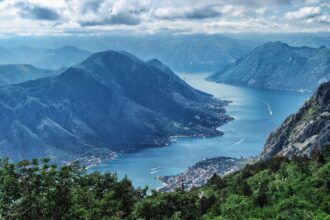
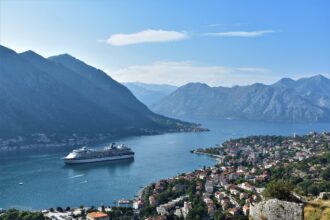
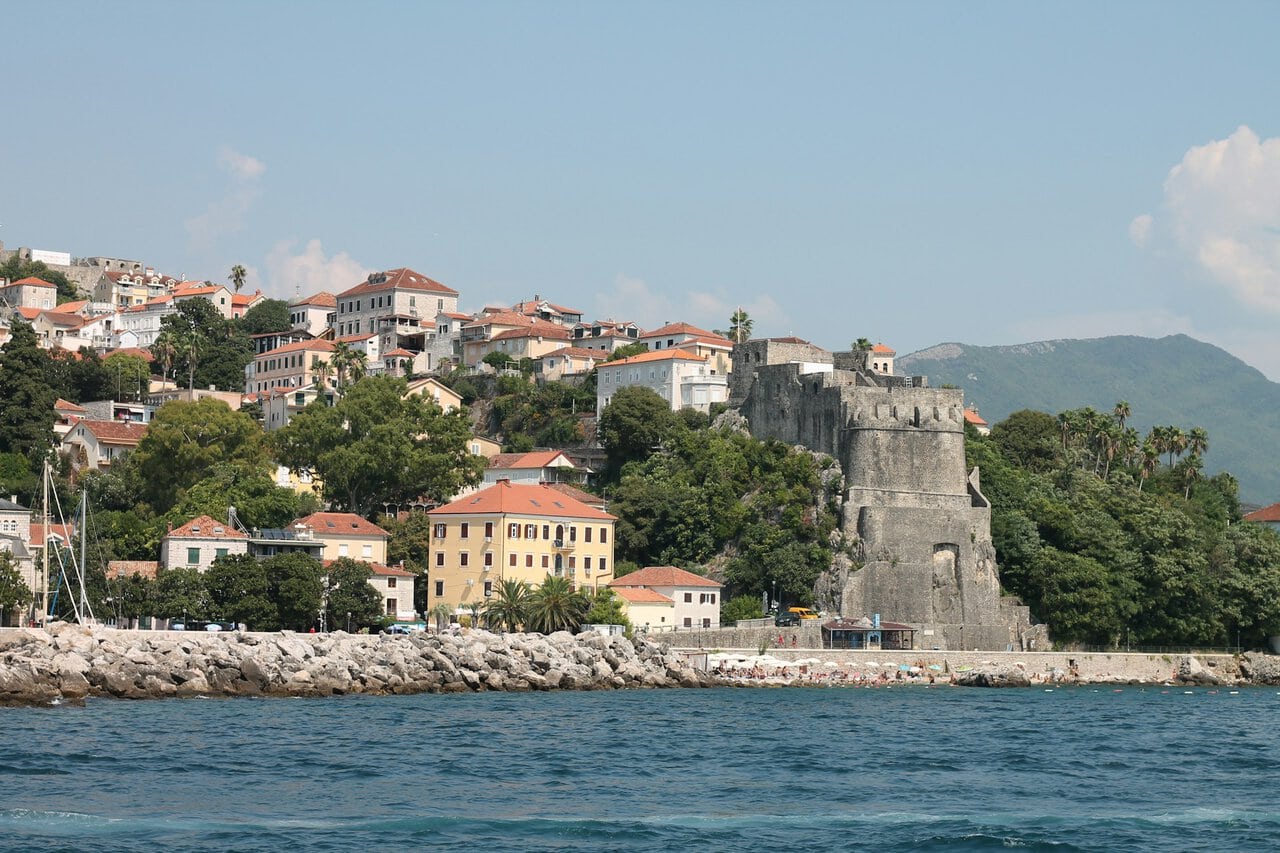
Standing at the western entrance to the Bay of Kotor, Herceg Novi is one of Montenegro’s most charming coastal towns, and honestly, one of the most overlooked. Locals call it the “City of Steps,” and once you’ve climbed a few of its stone staircases in the midday sun, you’ll understand why. The town rises steeply from the waterfront into the hills behind it, and almost every level offers a slightly different view of the bay below.
Founded in 1382, Herceg Novi has passed through the hands of the Bosnians, Ottomans, Venetians, Spanish, French and Austrians, and each of them left something behind. You can see it in the mix of fortress walls, church domes and shuttered townhouses that make up the Old Town today. It’s a smaller, quieter cousin of Kotor rather than a direct rival to it, and that’s really the appeal.
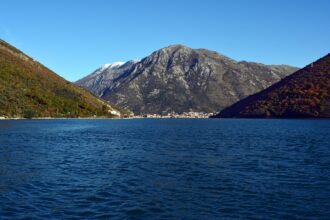
What sets the town apart, though, is how green it is. Palm trees, bougainvillea, mimosa and citrus line the streets, and the mild microclimate has earned Herceg Novi a reputation as one of the most lush spots on Montenegro’s Adriatic coast. If you’re driving in along the Bay of Kotor’s scenic coastal road, this is usually where the drive starts to feel properly relaxed rather than dramatic.
Whatever draws you here, whether that’s the fortresses, a lazy afternoon by the water, a boat trip to the Blue Cave or simply a long lunch overlooking the bay, Herceg Novi is a gentle, unhurried introduction to this part of Montenegro.
It’s also a town that rewards arriving without a fixed plan. Locals tend to eat later than visitors expect, cafés fill up again after the afternoon lull, and the best views often turn up by accident, from a random staircase rather than a marked viewpoint. Give yourself at least a couple of nights here rather than treating it as a quick stop on the way to Kotor, and you’ll understand why so many people who intended to stay one night end up staying three.
Why Choose Herceg Novi Over Kotor or Budva?
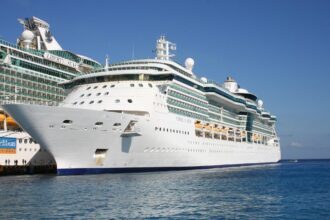
Most visitors head straight for Kotor, and it’s easy to see why. But the people who carry on a little further to Herceg Novi often say it’s the town they wish they’d spent more time in. You get the history, the seafood, the fortresses and the coastal scenery, minus the cruise-ship crowds that can make central Kotor feel a bit overwhelming by mid-morning.
The pace here is the real draw. Rather than ticking off landmarks, most people end up wandering the Old Town, stopping for coffee in one of its shaded squares, or just watching boats come and go from a bench along the water. It’s not a place that demands a schedule.
It’s also a genuinely useful base for exploring the wider bay. Boat trips run daily to the Blue Cave, Mamula Island and a handful of quiet swimming spots, and the Croatian border is close enough that Dubrovnik makes an easy half-day trip. If you’re comparing the two towns directly, Kotor wins on medieval drama and Herceg Novi wins on breathing room, so it’s worth reading up on both before deciding where to base yourself.
Prices tend to be gentler here too, for accommodation, food and boat trips alike, simply because Herceg Novi hasn’t been marketed as hard as its neighbours. That’s slowly changing, but for now it still feels like one of the better value bases on this stretch of coast. It also makes a genuinely practical hub if you’re planning to explore several towns around the bay, sitting close enough to Kotor, Tivat and the Croatian border that you can treat it as a base rather than a one-night stop.
See hotel options and places to stay for your trip.
Browse hotelsBrowse apartments, homes and self-catering accommodation.
Browse rentalsCompare prices from multiple hotel booking sites.
Check dealsWandering Herceg Novi’s Old Town Staircases and Squares
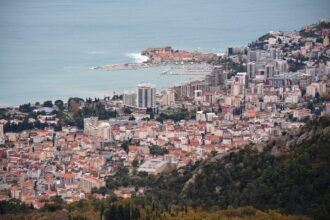
The heart of Herceg Novi is its Old Town, a tangle of stone alleyways, hidden courtyards and small churches that climbs uphill in stages rather than all at once. Where Kotor’s old centre is flat and compact, Herceg Novi’s spreads across several levels, all stitched together by the staircases that gave the town its nickname.
Belavista Square is the natural place to start, ringed by cafés and handsome old buildings, with the Church of St Michael the Archangel just around the corner. Its slightly mismatched architecture, part Byzantine dome, part Gothic rose window, is a fair summary of the town’s mixed-up history.
Beyond that, there isn’t really a set route worth following. Small galleries, family-run bakeries and shaded terraces are tucked away on almost every level, and the fun is in getting slightly lost between them rather than working through a checklist.
Look out for the town’s old clock tower and the remains of the Venetian-built walls that once enclosed the centre, both easy to miss if you’re focused on the view rather than the ground beneath your feet. Cats seem to own most of the quieter courtyards, sprawled across sunlit doorsteps, and it’s not unusual to hear someone practising piano through an open window as you pass. Come back in the evening too. The staircases that feel like hard work at midday turn genuinely atmospheric once the streetlights come on and the day-trip crowds have gone back to their cruise ships or hotels along the coast.
It’s also one of the better places in town for people-watching. Old men gather over backgammon outside the smaller cafés most afternoons, market stalls sell fruit and homemade preserves a little further up the hill, and children still use the wider landings as makeshift football pitches once school finishes for the day. None of it is staged for visitors, which is exactly what makes it worth slowing down for.
Kanli Kula Fortress: Ottoman Walls Turned Open-Air Theatre
High above the Old Town sits Kanli Kula, one of the best viewpoints anywhere around the Bay of Kotor. Built by the Ottomans in the sixteenth century, its name translates roughly as “Bloody Tower,” a nod to its grim past as a prison rather than anything you’ll encounter today.
These days you can walk the old stone ramparts and look straight down over the rooftops of Herceg Novi, the mouth of the bay and the hills beyond. Late afternoon is the best time to go, when the light turns the coastline a warm gold and the photos more or less take themselves.
In summer, the fortress doubles as an open-air venue, hosting concerts, film screenings and cultural events under the stars. Watching a performance inside a five-hundred-year-old fortress with the Adriatic as a backdrop is one of those experiences that’s hard to plan for but worth building an evening around if the dates line up with your trip.
The walk up is steeper than it looks from below, so budget a little more time than you’d expect and bring water if you’re visiting in summer. Inside, information boards give some background on the fortress’s Ottoman origins and its later use, though the real draw is simply wandering the ramparts at your own pace. Combine the visit with a coffee at one of the small terraces nearby afterwards, since several overlook the same view from ground level and make a good place to sit once your legs have had enough of stairs for one day.
Šetalište Pet Danica: A Seven-Kilometre Waterfront Walk
Running almost seven kilometres from Meljine, through central Herceg Novi and on towards Igalo, the Šetalište Pet Danica promenade is one of the best waterfront walks in Montenegro, and one of the easiest ways to get a feel for the town without much effort.
It hugs the edge of the bay past marinas, small beaches, old villas and a steady run of cafés and ice cream stands, so there’s rarely a good reason to walk more than a few hundred metres without stopping. The character shifts as you go too. Some stretches are shaded by palm trees and gardens, others squeeze beneath cliffs or past stone houses that look like they’re about to slide into the sea.
Early morning is quiet and good for photos, the middle of the day suits a slow lunch by the water, and sunset is when the whole promenade seems to come out for an evening stroll. Any of the three works, honestly.
Hire bikes are available at a few points along the route if seven kilometres sounds like more walking than you fancy, and the flat, mostly shaded surface makes it an easy ride even for casual cyclists. Benches are dotted along the entire length, so there’s rarely a need to push on if you’d rather just sit and watch the water for a while. Families in particular tend to gravitate here in the early evening, when the heat has faded and the promenade fills with people out for ice cream, a slow bike ride or simply some fresh air before dinner.

Herceg Novi’s Beaches: Pebble Coves and Bathing Platforms
Herceg Novi isn’t primarily a beach destination, its reputation rests more on history and scenery, but there’s still plenty of coastline to swim from. Don’t expect long stretches of sand. Most of what you’ll find are pebble beaches, concrete bathing platforms and small sheltered coves, which suit the generally calm water in this part of the bay.
Beaches like Žanjic and Plavi Horizonti (Blue Horizons), a little further along the coast towards Igalo, are popular for their clear water and relaxed, family-friendly feel, with sun loungers and nearby cafés if you’d rather not carry everything yourself. Closer to town, the platforms along the promenade are more about convenience than scenery, but the water is just as clean.
If you’re staying for a few days, it’s worth trying a couple of different spots rather than settling on the first one you see. The water here is clear enough that snorkelling around the rockier sections is genuinely worthwhile, and each cove along the coast has a slightly different atmosphere.
Most beaches here have at least one nearby café or konoba, so you’re rarely far from a cold drink or a plate of grilled fish if the sun gets too much. Sea shoes are worth packing if you’re sensitive underfoot, since several coves have a mix of pebbles and rock rather than smooth sand. Come July and August, the more accessible spots close to town fill up by mid-morning, so if you’d rather have a stretch of coastline to yourself, it’s worth heading a little further along towards Igalo or exploring by boat instead.
Boat Trips to the Blue Cave, Mamula Island and the Submarine Tunnels
One of the best things you can do from Herceg Novi is take a boat out to the Blue Cave, a small sea cave on the Luštica Peninsula where sunlight bounces through the clear water and lights the whole interior an almost unreal shade of blue. It works best around midday, when the sun is high enough to reach straight into the cave mouth.
Most trips leave from Herceg Novi Marina and combine a few stops into one outing, typically Mamula Island, with its nineteenth-century fortress, and the strange, half-hidden submarine tunnels cut into the cliffs during the Yugoslav era. Quite a few tours also pause at a quiet bay for a swim, so it’s worth bringing a towel even if swimming wasn’t really the plan.
You’ll find similar trips departing from Perast and the Kotor cruise port too, so it’s worth comparing departure points if you’re staying elsewhere around the bay. From Herceg Novi, though, it’s usually the shortest crossing, and booking a day or two ahead in peak season is a sensible precaution if you specifically want to see the cave at its bluest.
Most trips last around half a day and include a skipper who knows the coastline well enough to adjust the route depending on the sea conditions, so don’t be surprised if the exact stops shift slightly from what’s advertised. Smaller speedboat groups tend to get you into the cave with fewer other boats crowding the entrance, which makes a real difference to the experience and the photos, while larger shared tours are cheaper and still perfectly enjoyable. Either way, pack a swimsuit under your clothes so you’re ready the moment the boat stops, rather than fumbling to change on a rocking deck.
Savina Monastery: A Quiet Escape a Short Walk from the Waterfront
A short walk east of the Old Town, Savina Monastery is one of the more peaceful spots on this stretch of coast. Set among cypress trees and Mediterranean gardens with the bay laid out below, it dates back several centuries and includes three churches along with the surrounding monastic buildings and grounds.
Inside, there are Orthodox icons and decorated interiors worth slowing down for, but honestly, the courtyards are just as good a reason to visit. It’s only a few minutes from the harbour, yet it feels like a different pace of life entirely, which is part of why it’s worth building fifteen or twenty unhurried minutes into your day here.
It’s an easy walk from the Old Town or a short taxi ride if the afternoon heat has already worn you out, and there’s no admission charge, though a small donation towards the upkeep of the grounds is always appreciated.
The complex actually contains three separate churches rather than one, each built in a different century, which is part of what makes wandering between them so interesting. Look out for the icons inside the largest church in particular, along with the old bell tower that still rings out across the neighbourhood. Combine a visit here with a walk along the nearby coastal path, since the monastery sits just far enough from the main harbour to feel like a genuine escape without requiring any real effort to reach.
Opening hours are generally relaxed rather than strictly enforced, but visiting mid-morning or late afternoon tends to be quieter than midday, when tour groups from the coast are more likely to pass through. Modest clothing covering shoulders and knees is expected, and it’s worth carrying a light scarf or shawl in summer in case you’re asked to cover up at the door.
Search routes and flight options for your journey.
Search flightsBrowse Airalo eSIM options for convenient travel data.
Check eSIMsBook a private airport transfer in advance and have your ride planned before you arrive.
Check transfersWhere to Eat: Seafood, Njeguški Pršut and Waterfront Dining
Sitting right at the entrance to the bay, Herceg Novi has easy access to fresh seafood, and centuries of Montenegrin, Venetian, Mediterranean and Balkan influence have shaped a food scene that’s more varied than you might expect from a town this size.
Along the waterfront, expect grilled fish, octopus, calamari, black risotto and mussels, usually served simply with olive oil and good bread. Head slightly inland and the menus shift towards heartier Montenegrin cooking: grilled meats, Njeguški pršut, local cheeses and slow-cooked stews that owe more to the mountains than the sea.
The café culture is worth building time for too. Through the day, the squares of the Old Town and the length of the promenade fill up with people over coffee and cake, and in the evening, restaurants shift their tables closer to the water for dinner as the sun drops behind the hills. Whether that’s a bakery, a family-run konoba or a proper seafood restaurant, there’s very little bad food to be found here.
Don’t leave without trying the local rakija, a strong fruit brandy that many restaurants will offer as a complimentary shot at the end of a meal, and don’t feel obliged to finish it quickly. Prices along the main waterfront are a little higher than the streets just behind it, so if you’re travelling on a budget it’s worth wandering one block inland, where family-run places often serve the same quality of food for noticeably less. Reservations are rarely necessary outside of August, though the most popular spots by the water do fill up on summer evenings.
Where to Stay in Herceg Novi
The Old Town and the streets just above it are the best base if you’d rather walk everywhere, with small guesthouses and boutique stays tucked into converted townhouses on the steeper lanes. Just be prepared for stairs, quite a lot of them, whichever door you end up behind.
Along the Šetalište Pet Danica promenade towards Igalo, you’ll find more modern apartments and larger hotels, many with sea views and easier parking, which suits anyone travelling with a car or planning day trips further around the bay. Igalo itself, a little further along, is known for its spa hotels and thermal mud treatments, and makes a calmer, more low-key base if the Old Town’s nightlife isn’t really what you’re after.
Prices are generally a notch below Kotor and Budva for a similar standard of room, which is one more reason a lot of visitors end up staying longer here than planned. If you’re travelling by car, look for a place with private parking rather than relying on street spaces, since the Old Town’s steep lanes make finding a spot close to your door harder than it looks on a map.
For a longer stay, self-catering apartments along the promenade are worth considering too, particularly if you want a kitchen for cooking up whatever the market stalls and waterfront fishmongers have that day. Whichever option you choose, book a few weeks ahead for July and August, since Herceg Novi’s relaxed reputation means demand for its best-located rooms has grown considerably in recent years.
Getting to Herceg Novi from Tivat Airport, Kotor and Dubrovnik
Sitting at the western entrance to the Bay of Kotor, Herceg Novi is easy to reach from both Montenegro and neighbouring Croatia, which makes it one of the more accessible coastal towns to build into a wider trip.
| Starting Point | Bus | Car | Typical Journey |
|---|---|---|---|
| Tivat Airport | ✔ | ✔ | Around 45 minutes |
| Kotor | ✔ | ✔ | Around 1 hour |
| Budva | ✔ | ✔ | Around 1 hour 15 minutes |
| Podgorica | ✔ | ✔ | Around 2 hours |
| Dubrovnik Airport | ✔ | ✔ | Around 45 minutes (border crossing permitting) |
Regular intercity buses connect Herceg Novi with Kotor, Budva, Tivat, Bar and Podgorica, so it’s entirely possible to visit without hiring a car. Services generally run often through summer, though journey times can stretch out once the coastal traffic builds up.
If you’re driving in from Tivat, Kotor or Budva, it’s worth knowing about the Kamenari–Lepetane ferry, which cuts straight across the bay and can save a fair amount of time compared with driving all the way around. It’s also, for what it’s worth, one of the more scenic short crossings in the country, so even if you’re not in a hurry it’s worth taking. For the full route along the water, our Bay of Kotor scenic drive guide covers the whole loop past Perast and Kotor in more detail.
Flying in, Tivat Airport is the closest option, though Dubrovnik Airport in Croatia is often just as convenient, and sometimes closer, depending on where in the UK or Europe you’re travelling from. Just build in extra time for the border crossing during peak summer weekends, since queues there can run long.
Taxis are readily available at Tivat Airport and can be pre-booked if you’d rather not negotiate a fare on arrival, particularly useful late at night when bus services have usually finished for the day. If you’re renting a car, note that most companies allow cross-border drop-offs between Montenegro and Croatia, though it’s worth confirming this in advance and checking whether an additional fee applies.

Plan Your Herceg Novi Bus Journey with Busbud
Planning a bus or coach journey involving Herceg Novi? Busbud lets you compare routes, departure times and ticket options from different operators in one place.
It can make planning easier when several companies serve the same route or when local booking systems are unfamiliar.
Best Time to Visit Herceg Novi: Mimosa Festival to Quiet Winters
Thanks to its mild microclimate, Herceg Novi is worth visiting more or less year-round, though each season has a slightly different personality.
Spring is arguably the nicest time to come. The town’s gardens are in full bloom, temperatures are comfortable for walking around, and the waterfront is still fairly quiet. This is also when the Mimosa Festival takes place, a celebration of the bright yellow flowers that blanket the region, with parades and concerts running for several weeks.
Summer is when Herceg Novi properly wakes up, with beaches, boat trips and open-air cafés all in full swing. It’s the busiest stretch of the year, but even then the town tends to feel calmer than Budva or central Kotor.
Autumn brings warm sea temperatures, thinner crowds and some genuinely spectacular sunsets over the bay, making it a strong choice for swimming and photography without the July and August crush. Even winter isn’t a write-off. Cafés and restaurants stay open, the streets are quieter, and you get a more honest look at everyday life in one of Montenegro’s most attractive towns.

Rupert’s Handy Travel Tips
Planning a visit to Herceg Novi? Here are a few tips to help you enjoy one of Montenegro’s most relaxed coastal towns:
- Wear comfortable footwear: Herceg Novi is known as the City of Steps, so expect plenty of stairways while exploring the Old Town.
- Book your Blue Cave boat trip early: These excursions are among the town’s most popular activities and often sell out during the summer months.
- Allow time for the promenade: The Šetalište Pet Danica is much more than a seafront walkway and is one of the highlights of the town.
- Visit Savina Monastery: It’s only a short walk from the centre and offers beautiful views across the bay in a peaceful setting.
- Consider flying via Dubrovnik: Depending on your flight options, Dubrovnik Airport can actually be the most convenient gateway to Herceg Novi, although border crossing times should always be factored into your journey.
Want to meet the reindeer behind our travel tips? Find out more in our page Who is Rupert?.




Frequently Asked Questions
Is Herceg Novi worth visiting?
Yes, easily. Herceg Novi combines historic fortresses, waterfront promenades, relaxed beaches, boat trips and a genuinely charming Old Town, and it makes a quieter alternative to Kotor and Budva without giving up much in the way of things to see and do.
Why is Herceg Novi called the City of Steps?
The town climbs steeply from the waterfront into the hills behind it and is connected by hundreds of stone staircases. It makes for some spectacular viewpoints, but do come prepared for a fair amount of walking uphill.
How many days should I spend in Herceg Novi?
Two to three days is a good amount of time. That’s enough to explore the Old Town, visit the fortresses, get to the beaches, take a Blue Cave boat trip and still have time to just relax along the promenade.
Can you visit Herceg Novi from Dubrovnik?
Yes, and easily. It’s around 45 minutes by car depending on the border queue, and organised tours run between the two towns throughout the season.
Is Herceg Novi better than Kotor?
They’re different experiences rather than one being simply “better.” Kotor has the medieval walls, the cathedral and a dramatic setting deep in the bay, while Herceg Novi is greener, quieter and better suited to promenades, beaches and subtropical gardens. Plenty of visitors do both.
Can you swim in Herceg Novi?
Yes. Expect pebble beaches, bathing platforms and sheltered coves rather than sand, but the water is calm, clear and good for swimming right through summer.
Is the Blue Cave worth visiting?
Definitely, and it’s one of the most popular excursions from town. Boat trips combine the cave itself with stops at Mamula Island and the old submarine tunnels, plus usually a swim somewhere along the way.
Can you reach Herceg Novi by bus?
Yes, easily. Regular services connect it with Kotor, Budva, Tivat, Bar and Podgorica, so a car isn’t necessary if you’d rather not drive.
Can I visit Herceg Novi as a day trip from Kotor?
Yes, it’s a straightforward day trip, particularly if you take the scenic drive around the bay and stop in Perast along the way. That said, a lot of visitors end up wishing they’d stayed the night rather than rushing back.
When is the best time to visit Herceg Novi?
Late spring, summer and early autumn give the best mix of warm weather and good swimming conditions. Spring adds the Mimosa Festival into the mix, and autumn brings warm seas with far fewer people around.
Is Herceg Novi suitable for families?
Yes. The calm, sheltered swimming spots, the long promenade, boat trips and the fortresses all work well for families, and the overall pace is a lot gentler than some of Montenegro’s busier resort towns.
Further Reading
Sitting right at the mouth of the bay, Herceg Novi pairs naturally with the rest of it. Kotor and its cruise port cover the other end of the water, and since Tivat is the airport most visitors land at, this transfer guide is worth a look before you arrive.
Some visitors fly into Dubrovnik instead, in which case Herceg Novi is the first town you’ll reach after crossing the border. Our Dubrovnik Airport to Montenegro guide covers that crossing and the drive here in detail.
Driving yourself around? This scenic loop covers the full route past Perast and Kotor, including where the Kamenari–Lepetane ferry can save you a fair bit of driving time, worth reading both together before you plan the route.
A little further afield, Lovćen, Lake Skadar and Ostrog Monastery all make realistic day trips from this side of the country, and the Tara River Canyon is worth considering if Durmitor is calling.
For the bigger picture of how it fits together, this 14-day itinerary maps out a full route around the country.