Reviewed by our editorial team Updated
Why Ride the Septemvri to Dobrinishte Railway?
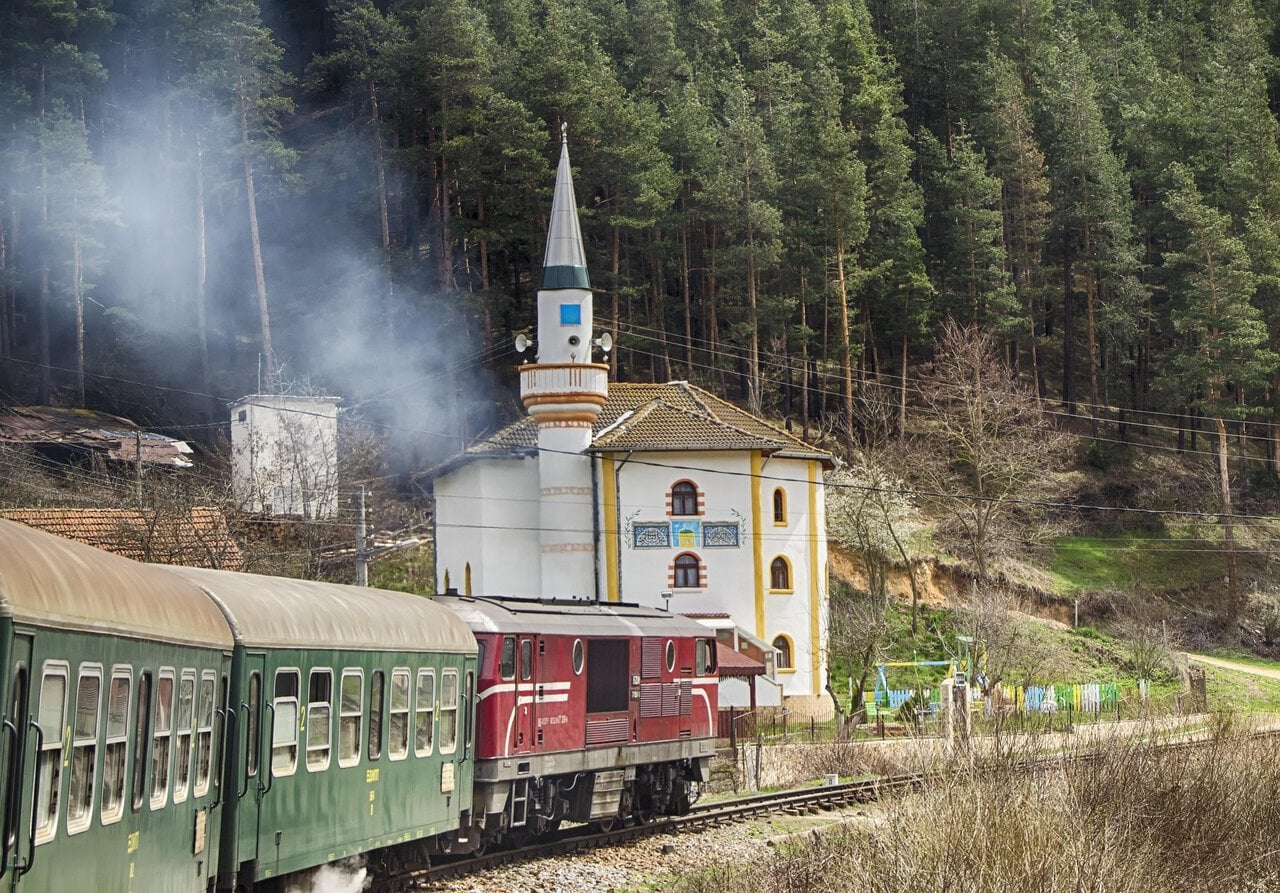
The Septemvri to Dobrinishte Railway is not simply a way of travelling between two towns. It is widely regarded as one of the most scenic railway journeys in Bulgaria, one of the most unusual train rides in the Balkans, and one of the last surviving narrow-gauge railways still operating as part of a regular national rail network in Europe. Known officially as the Rhodope Narrow Gauge Railway, the route offers a remarkable journey through the heart of southern Bulgaria, crossing landscapes that many international visitors never see.
Stretching from Septemvri to Dobrinishte, the railway travels through the foothills and mountain valleys of the Rhodope Mountains, Rila Mountains, and Pirin Mountains. Along the way, passengers pass through traditional villages, dense forests, open meadows, dramatic mountain passes and some of the most beautiful scenery in the country. The railway climbs from the plains of central Bulgaria to over 1,200 metres above sea level, creating constantly changing views throughout the journey.
What makes the route particularly special is its 760 mm narrow gauge, significantly narrower than Bulgaria’s standard railway network. This allows trains to navigate tighter curves and steeper mountain terrain than would normally be possible. As a result, the railway twists and turns through valleys and mountainsides in a way that feels almost impossible from the passenger carriage. Travellers are frequently treated to views of the train itself curving through the landscape ahead, one of the classic highlights of narrow-gauge rail travel.
For railway enthusiasts, the line represents one of Europe’s hidden gems. For photographers, it provides countless opportunities to capture mountain scenery, traditional architecture and historic railway infrastructure. For ordinary travellers, however, the greatest appeal is much simpler. The route offers a chance to experience a slower side of Bulgaria, far removed from busy cities and major tourist destinations.
The railway is also an excellent way to reach Bansko, Bulgaria’s most famous ski resort. While most visitors arrive by road, travelling by train transforms the journey into part of the adventure. Whether visiting during the snowy winter ski season or the hiking season in summer, the railway offers one of the most memorable approaches to the Pirin Mountains.
Unlike many heritage railways that operate only occasional tourist services, the Septemvri to Dobrinishte Railway remains a functioning public railway carrying local residents, commuters, students and visitors. This creates an authentic atmosphere that is increasingly difficult to find elsewhere in Europe. The journey feels less like a tourist attraction and more like stepping into a living piece of Bulgarian transport history.
Septemvri to Dobrinishte Railway at a Glance
| Feature | Details |
|---|---|
| Route | Septemvri – Dobrinishte |
| Railway Type | Narrow Gauge Railway |
| Gauge | 760 mm |
| Operator | BDŽ |
| Length | Approximately 125 km |
| Journey Time | Around 5 hours |
| Highest Station | Avramovo |
| Elevation at Highest Point | Approximately 1,267 metres |
| Major Stops | Septemvri, Velingrad, Yakoruda, Avramovo, Bansko, Dobrinishte |
| Mountain Regions | Rhodope, Rila and Pirin Mountains |
| Best For | Scenic journeys, rail enthusiasts, photographers, hikers and skiers |
At first glance, a journey time of around five hours may appear slow for a route of only 125 kilometres. However, speed is not the purpose of this railway. The attraction lies in the journey itself. The train gradually climbs through some of Bulgaria’s most dramatic landscapes, providing a constantly changing backdrop of forests, mountain ridges, rivers and traditional settlements.
The route’s most famous landmark is undoubtedly Avramovo Railway Station, recognised as the highest railway station in the Balkans. Reaching this point requires the train to navigate a complex series of curves and gradients, showcasing the ingenuity of the engineers who built the line more than a century ago.
Throughout the year, the railway offers dramatically different experiences. During spring, wildflowers appear across mountain meadows. Summer brings lush green forests and clear mountain views. Autumn transforms the landscape into a patchwork of red, orange and gold colours, while winter often covers large sections of the route in snow, creating one of Bulgaria’s most picturesque train journeys.
For travellers seeking something beyond Bulgaria’s major cities and beach resorts, the Septemvri to Dobrinishte Railway provides a completely different perspective on the country.
Compare hotels and other places to stay in Bulgaria.
Check availabilityExplore holiday homes and apartments around Bulgaria.
See holiday homesSee hotel prices from multiple booking sites in one search.
Compare ratesHistory of the Rhodope Narrow Gauge Railway
The story of the Rhodope Narrow Gauge Railway is closely linked to the development of some of Bulgaria’s most remote mountain communities. During the late nineteenth and early twentieth centuries, large areas of the Rhodope Mountains and surrounding regions remained difficult to access. Roads were poor, journeys were slow and many communities were effectively isolated during parts of the year.
To address these challenges, Bulgarian planners proposed a narrow-gauge railway capable of traversing the difficult mountain terrain at a fraction of the cost of a standard railway. Construction began in stages, gradually extending the line deeper into the mountains. Engineers faced significant obstacles including steep gradients, unstable terrain and the need to navigate narrow valleys and mountain slopes.
The railway quickly became a vital transport link. It carried agricultural products, timber, livestock, construction materials and passengers between communities that previously had limited access to wider markets and services. For many settlements along the route, the railway represented their first reliable year-round connection with the rest of Bulgaria.
Throughout much of the twentieth century, the line played a central role in daily life across the region. Trains transported workers, students and families while also supporting economic development throughout the mountains. Although improved roads eventually reduced dependence on rail transport, the railway survived numerous closures and restructuring programmes that claimed many other narrow-gauge lines across Europe.
Today, the railway occupies a unique position within Bulgaria’s transport network. It remains a functioning public service while simultaneously attracting visitors from around the world. Railway enthusiasts travel specifically to experience its historic infrastructure, mountain scenery and traditional atmosphere, while local residents continue to use it for everyday travel.
Its survival is widely viewed as one of Bulgaria’s greatest railway success stories. Rather than becoming a static museum exhibit, the Septemvri to Dobrinishte Railway remains alive, carrying passengers through the mountains much as it has done for generations.
Route and Major Stops
One of the reasons the Septemvri to Dobrinishte Railway is considered one of the finest railway journeys in Bulgaria is the sheer variety of landscapes, towns and attractions encountered along the route. Over approximately 125 kilometres, the railway climbs from the plains of southern Bulgaria into the heart of the country’s mountain regions, crossing parts of the Rhodope Mountains, Rila Mountains, and Pirin Mountains before reaching its final destination.
The journey begins in Septemvri, an important railway junction where passengers transfer from Bulgaria’s standard-gauge railway network onto the historic narrow-gauge line. Shortly after departure, the train leaves the plains behind and begins a gradual climb into increasingly rugged terrain. Forests, valleys and mountain scenery soon replace the agricultural landscapes surrounding the station.
One of the first major destinations is Velingrad, often known as the Spa Capital of the Balkans. Famous for its thermal springs, wellness hotels and mountain setting, Velingrad is one of the most popular stopping points along the route and makes an excellent base for travellers looking to combine rail travel with relaxation and outdoor activities.
Beyond Velingrad, the railway enters some of its most spectacular scenery. The forests become denser, the valleys deeper and the mountain views increasingly dramatic as the train winds its way through remote parts of southern Bulgaria. The line serves Yakoruda, a traditional mountain town that remains largely untouched by international tourism and provides an authentic glimpse into life in the Bulgarian interior.
The route’s most famous landmark is Avramovo Railway Station, the highest railway station in the Balkans at approximately 1,267 metres above sea level. Reaching Avramovo represents the culmination of the railway’s long mountain climb and is widely regarded as one of the highlights of the entire journey. The surrounding scenery is particularly impressive during winter when snow frequently covers the nearby forests and mountain slopes.
After crossing the summit, the railway begins descending towards Belitsa, a small mountain town best known for the nearby Dancing Bears Park. This unique wildlife sanctuary provides a home for rescued brown bears that were once used as performing animals. Located a short distance from the railway, it has become one of the most unusual and rewarding attractions along the route and is well worth a visit for travellers with extra time.
The next major stop is Razlog, a historic town surrounded by spectacular mountain scenery. Situated between the Rila, Pirin, and Rhodope Mountains, Razlog serves as an important gateway to the region and offers a quieter alternative to neighbouring resort destinations.
From Razlog, the railway continues to Bansko, Bulgaria’s leading ski resort and one of the country’s most visited mountain destinations. Here passengers are greeted by magnificent views of the Pirin Mountains, home to Pirin National Park, a UNESCO World Heritage Site renowned for its glacial lakes, forests and rugged alpine scenery.
The journey finally ends in Dobrinishte, a peaceful mountain town known for its thermal springs, traditional atmosphere and excellent access to hiking trails in the Pirin Mountains. While Dobrinishte marks the physical end of the railway, many travellers feel that the destination is almost secondary. By the time the train arrives, the combination of mountain scenery, historic stations and unique attractions has already made the journey itself the star of the experience.
Septemvri Station
The journey begins at Septemvri, a relatively small town that plays a hugely important role within the Bulgarian railway network. Situated approximately 100 kilometres south-east of Sofia, Septemvri serves as the gateway to the famous Septemvri to Dobrinishte Railway and is the point where Bulgaria’s standard-gauge railway system connects with the country’s only surviving narrow-gauge line.
For most visitors, reaching Septemvri is straightforward thanks to its location on the busy railway corridor linking Sofia, Plovdiv, and the Black Sea coast. Regular trains stop here throughout the day, making it possible to begin the journey from almost anywhere in Bulgaria without needing a car.
Reaching Septemvri by Train
| Departure City | Approximate Distance to Septemvri | Typical Journey Time |
|---|---|---|
| Sofia | 105 km | 1 hr 20 min – 1 hr 45 min |
| Plovdiv | 50 km | 35 – 50 min |
| Burgas | 285 km | 3 hr 45 min – 5 hr |
| Varna | 430 km | 6 hr – 8 hr (usually with a change) |
These convenient connections make the railway surprisingly accessible for international visitors. Travellers arriving via Sofia can comfortably reach Septemvri in time for a same-day narrow-gauge departure, while those staying on the Bulgarian Black Sea coast can also connect via Burgas.
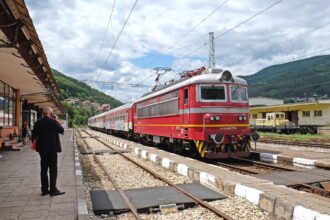
One of the most memorable moments comes before the narrow-gauge train has even departed. After arriving on a modern standard-gauge service, passengers walk towards the narrow-gauge section of the station where the character of the railway immediately becomes apparent. The smaller trains, narrower tracks and historic atmosphere create the feeling of stepping into a completely different era of rail travel.
Unlike many scenic railways that operate solely as tourist attractions, the Rhodope Narrow Gauge Railway remains a functioning public railway carrying local residents alongside visitors. Watching commuters, students and railway enthusiasts board the same train is part of what makes the experience feel so authentic.
Rail photographers and enthusiasts may wish to arrive early, as Septemvri is one of the best places along the route to observe the narrow-gauge rolling stock up close. The contrast between the busy mainline station and the charming narrow-gauge railway provides a fascinating introduction to the journey ahead. Before long, the train leaves the plains behind and begins its gradual climb towards the mountains, marking the start of one of the most scenic rail adventures in Bulgaria.

Velingrad
One of the most important stops on the Septemvri to Dobrinishte Railway is Velingrad, a town often referred to as the Spa Capital of the Balkans. Located amongst the forests and rolling hills of the Western Rhodope Mountains, Velingrad is famous for its abundance of thermal mineral springs, wellness resorts and clean mountain air.
For many passengers, Velingrad serves as the first major destination worthy of an extended stop. The town boasts more than 80 mineral springs, making it one of the largest spa destinations in south-eastern Europe. Visitors can find everything from luxury spa hotels and wellness centres to traditional thermal baths that have attracted travellers for generations.
The railway station sits within easy reach of the town centre, making Velingrad an excellent place to break up the journey. Travellers with time to spare can explore local parks, relax in thermal pools or simply enjoy the slower pace of life that characterises much of the Rhodope region.
Velingrad is also an important reminder of the railway’s original purpose. Long before it became a scenic attraction, the line played a vital role in connecting mountain communities such as Velingrad with the rest of Bulgaria. Today, the station continues to see a mixture of local passengers, commuters and tourists travelling along the narrow-gauge route.
As the train departs Velingrad, the scenery begins to change noticeably. The surrounding mountains become more prominent, forests become denser and the railway starts its gradual climb towards the highest section of the route.
Avramovo: The Highest Railway Station in the Balkans
For many travellers, Avramovo Railway Station is the highlight of the entire journey.
Located at approximately 1,267 metres above sea level, Avramovo holds the distinction of being the highest railway station in the Balkans. Reaching this elevation is one of the greatest engineering achievements of the railway and a major reason why the route is so highly regarded amongst railway enthusiasts.
The climb towards Avramovo is gradual but relentless. As the train ascends through the mountains, passengers are treated to increasingly impressive views across valleys, forests and distant mountain ridges. The narrow-gauge alignment allows the railway to navigate terrain that would be extremely challenging for a conventional railway, resulting in a fascinating series of curves, loops and gradients.
Upon arrival at Avramovo, passengers are greeted by fresh mountain air and sweeping views of the surrounding landscape. The station itself is relatively simple, but its location gives it a unique significance. Standing on the platform, it is possible to appreciate just how far the railway has climbed since leaving the plains around Septemvri several hours earlier.
The area surrounding Avramovo sits close to the meeting point of the Rhodope Mountains, Rila Mountains, and Pirin Mountains, creating some of the most dramatic scenery found anywhere along the route. During winter, snow frequently transforms the station into a picture-postcard mountain setting, while autumn brings spectacular displays of colour across the surrounding forests.
For photographers, Avramovo is one of the most rewarding locations on the line. Many visitors specifically choose seats that allow them to capture views approaching the station, while rail enthusiasts often regard reaching Avramovo as one of the defining moments of the journey.
Bansko by Train
After crossing the summit near Avramovo, the railway begins descending towards one of Bulgaria’s most famous destinations, Bansko.
Known internationally as Bulgaria’s leading ski resort, Bansko attracts hundreds of thousands of visitors every year. While most tourists arrive by road from Sofia, travelling by train offers a far more scenic and memorable approach to the town.
As the train descends from the mountains, views of the magnificent Pirin Mountains begin to dominate the landscape. These mountains form part of Pirin National Park, a UNESCO World Heritage Site renowned for its glacial lakes, rugged peaks and exceptional hiking opportunities.
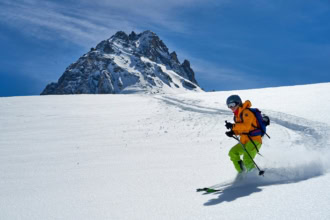
During winter, Bansko becomes one of the busiest ski destinations in eastern Europe. Modern ski lifts, extensive pistes and competitive prices have made it particularly popular with British travellers. During summer, however, the town transforms into a centre for hiking, mountain biking and outdoor activities.
The railway station lies slightly outside the historic centre, but local transport and taxis make it easy to reach the town itself. Many visitors choose to spend several nights in Bansko before continuing further along the railway or returning towards Sofia.
Arriving by train also provides a unique perspective on the region. Rather than experiencing Bansko solely as a ski resort, passengers gain an appreciation for the wider mountain landscape and the historic communities that surround it.
Search routes and flight options for your trip to Bulgaria.
Search flightsUse an eSIM to get online without hunting for a local SIM after arrival.
See eSIM optionsCheck private pickup options and plan your onward journey before arrival.
View transfersDobrinishte: The End of the Line
The journey concludes at Dobrinishte, a small mountain town located at the foot of the Pirin Mountains. While many travellers focus on nearby Bansko, Dobrinishte has its own attractions and rewards those who choose to explore beyond the railway station.
The town is best known for its thermal mineral springs, which have attracted visitors for centuries. Several spa facilities operate in the area, providing a relaxing way to unwind after a day spent travelling through the mountains. The combination of thermal waters and spectacular scenery makes Dobrinishte an appealing destination in its own right.
Dobrinishte also serves as an excellent base for outdoor activities. Numerous hiking trails lead into the surrounding mountains, while the nearby ski facilities provide winter recreation opportunities. The atmosphere is noticeably quieter and less commercial than neighbouring Bansko, making it attractive for travellers seeking a more traditional mountain experience.
For railway enthusiasts, arriving at Dobrinishte carries a particular sense of achievement. After approximately 125 kilometres and around five hours of travel, passengers have crossed three mountain regions, reached the highest railway station in the Balkans and experienced one of the most distinctive railways in Europe.
Although the station marks the physical end of the line, many travellers find it difficult to leave immediately. The peaceful setting, mountain views and relaxed pace of life encourage visitors to linger a little longer before beginning the next stage of their Bulgarian adventure.
What Is the Journey Like?
The Septemvri to Dobrinishte Railway is not a train journey that you rush through. Covering approximately 125 kilometres in around five hours, it is considerably slower than travelling by car, but speed is not the reason people ride this railway. The attraction lies in the scenery, the atmosphere and the opportunity to experience a side of Bulgaria that many visitors never discover.
Shortly after leaving Septemvri, the landscape begins to change. The relatively flat terrain of central Bulgaria gradually gives way to rolling hills before the train starts climbing into the mountains. Over the following hours, passengers pass through forests, river valleys, meadows, villages and mountain passes, with the scenery becoming increasingly dramatic as the journey progresses.
One of the most distinctive features of the route is the railway’s constant twisting and turning through the landscape. Thanks to its 760 mm narrow gauge, the train can negotiate curves that would be impossible for a standard railway. Passengers frequently find themselves looking out of the window to see the locomotive or rear carriages curving across the mountainside ahead or behind them. These moments are among the highlights of the journey and provide some of the route’s best photographic opportunities.
The atmosphere onboard is very different from a modern high-speed train. There is no rush, no pressure and no sense of urgency. Instead, the journey feels almost timeless. Local residents travel between villages, hikers head towards mountain trails, railway enthusiasts admire the engineering and visitors simply enjoy the views. The train serves both practical and tourist purposes, creating an authentic experience that feels increasingly rare in Europe.
Seasonal changes dramatically alter the character of the railway. During spring, the mountains come alive with fresh greenery and wildflowers. Summer provides long daylight hours and clear views across the surrounding peaks. Autumn is considered by many enthusiasts to be the most spectacular time to travel, as forests throughout the Rhodope, Rila and Pirin Mountains transform into vibrant shades of gold, orange and red. During winter, snow often blankets large sections of the route, creating some of the most picturesque railway scenery in Bulgaria.
The journey also offers a fascinating glimpse into rural Bulgarian life. Small villages, traditional houses, grazing livestock and mountain farms appear throughout the route. Many of these communities have been connected by the railway for generations, and the train remains an important part of daily life despite the growth of road transport.
By the time the train reaches Dobrinishte, most passengers feel they have experienced far more than a simple railway journey. The route combines railway heritage, mountain scenery, local culture and slow travel in a way that few European railways can match.
Best Time of Year to Ride
One of the great strengths of the Septemvri to Dobrinishte Railway is that it can be enjoyed throughout the year. Unlike some scenic railways that are heavily dependent on a single season, this route offers a completely different experience depending on when you travel.
Spring brings fresh growth to the mountains and valleys. Forests gradually return to life, rivers run strongly from melting snow and wildflowers begin to appear throughout the surrounding countryside. Temperatures are generally comfortable, making spring an excellent time for travellers planning to combine the railway with hiking or sightseeing.
Summer is the busiest period for tourism in the region. Long daylight hours provide excellent visibility and clear views of the surrounding mountains. Visitors travelling to Bansko, Velingrad and the nearby national parks often choose this season because of the favourable weather conditions.
For many photographers and railway enthusiasts, autumn is the standout season. The forests covering the mountainsides explode with colour, creating spectacular scenes throughout the journey. Golden leaves, red foliage and clear mountain air combine to produce some of the most beautiful landscapes visible from any railway in the Balkans.
Winter offers an entirely different experience. Snow frequently covers the higher sections of the line, particularly around Avramovo Railway Station. The sight of a narrow-gauge train winding through snow-covered forests and mountain scenery is one of the most iconic images associated with the railway. Travellers heading to the ski slopes of Bansko often choose to experience the railway during this period.
Regardless of the season, passengers are advised to sit on either side of the train and move around occasionally to enjoy views in both directions. The constantly changing scenery means there is rarely a poor seat onboard.
Tickets and Fares
One of the pleasant surprises about the Septemvri to Dobrinishte Railway is how affordable it remains. Despite being one of Bulgaria’s most famous rail journeys, the line operates as part of the regular BDŽ railway network rather than as a premium tourist attraction.
Tickets can usually be purchased directly from railway station ticket offices before departure. Passengers travelling from Sofia, Plovdiv or other parts of Bulgaria may also be able to purchase through tickets covering both the standard-gauge and narrow-gauge portions of their journey.
Fares are generally inexpensive compared with similar scenic railways elsewhere in Europe. The railway continues to function as an important public transport service for local communities, which helps keep prices accessible for both residents and visitors.
Travellers should check current fares before travelling, as prices can change over time. However, the route remains one of the best-value scenic railway experiences in Europe. For a relatively modest ticket price, passengers gain access to over five hours of mountain scenery, historic railway infrastructure and one of Bulgaria’s most distinctive travel experiences.
During busy periods, particularly around major holidays and winter weekends when visitors travel towards Bansko, purchasing tickets in advance can provide additional peace of mind. While trains rarely reach the overcrowded levels seen on some famous tourist railways, planning ahead is always sensible.
Timetable and Journey Times
The Septemvri to Dobrinishte Railway operates regular daily passenger services throughout the year, providing an important transport link between communities in southern Bulgaria.
Most journeys take approximately five hours, although exact timings vary depending on the specific service. The relatively slow pace is a result of the mountainous terrain, numerous curves and the operational characteristics of the narrow-gauge railway.
Passengers travelling from Sofia should allow additional time for the standard-gauge train journey to Septemvri, while those arriving from Plovdiv, Burgas or elsewhere in Bulgaria should check connection times carefully. Fortunately, the railway has been serving connecting passengers for decades, and schedules are generally designed to make transfers reasonably straightforward.
Because timetables can change, travellers should always consult the latest BDŽ Rhodope narrow-gauge schedules before travelling. This is particularly important during periods of engineering work, public holidays or severe winter weather, when adjustments may occasionally be required.
Despite the relatively long journey time, very few passengers regard the trip as tedious. The constantly changing scenery, historic character of the railway and succession of interesting stations help the hours pass surprisingly quickly. Many travellers even choose to ride the full route in both directions simply to experience the scenery from a different perspective.
Tips for Riding the Railway
Although the Septemvri to Dobrinishte Railway is easy to use, a little planning can make the experience even more enjoyable. Unlike many scenic railways where the scenery is concentrated into one particular section, this route offers constantly changing views throughout the entire journey. Forests, valleys, mountain ridges, villages and open countryside appear in every direction, so passengers should avoid spending the entire trip looking at a phone or laptop.
One of the best pieces of advice is simply to allow enough time. The railway is not designed for rushing between destinations. Travellers who view the route as a scenic excursion rather than a transport service tend to enjoy it the most. Bringing a camera, binoculars or a guidebook about the region can greatly enhance the experience, particularly for those interested in railway heritage or mountain landscapes.
Food and drink facilities can be limited on some services, so carrying water and snacks is sensible, especially for passengers travelling the entire route. Many visitors combine the journey with stops in Velingrad, Bansko, or Dobrinishte, where cafés and restaurants are readily available.
Photographers should keep their cameras close to hand throughout the trip. Some of the best views appear unexpectedly as the train rounds a curve or emerges from a forest. The approaches to Avramovo Railway Station are particularly rewarding, while the sections around Velingrad and Bansko also provide excellent opportunities for landscape photography.
Winter travellers should dress appropriately, especially if planning to leave the train at higher-elevation stations. Conditions around Avramovo can be significantly colder than those in Septemvri, even when the weather appears mild at the start of the journey.
Above all, take the opportunity to enjoy one of Europe’s last authentic mountain railways. The line has survived for more than a century and remains one of Bulgaria’s most distinctive travel experiences.
Browse hostels and budget-friendly stays around Bulgaria.
See hostelsAccess compensation support, eligible lounge benefits and faster payouts when flights go wrong.
See the benefitsArriving before check-in or leaving later? Store your luggage and make more of your time in Bulgaria.
Store your bagsThings to Do Along the Route
One of the advantages of the Septemvri to Dobrinishte Railway is that the attractions are not limited to the journey itself. Several of the towns served by the railway are worthwhile destinations in their own right, allowing travellers to transform a scenic train ride into a much broader exploration of southern Bulgaria.
The most famous stop is undoubtedly Bansko, Bulgaria’s leading ski resort and one of the country’s most visited mountain destinations. During winter, visitors arrive for the extensive ski slopes and modern lift system. In summer, the town attracts hikers, mountain bikers and visitors exploring the nearby Pirin National Park, a spectacular UNESCO-listed landscape of peaks, forests and glacial lakes. Bansko’s attractive old town, traditional taverns and lively atmosphere make it worth visiting year-round.
Further north, Velingrad offers a completely different experience. Known as the Spa Capital of the Balkans, the town is famous for its mineral springs, wellness resorts and relaxing atmosphere. Travellers looking for a slower pace often choose to spend a night or two here before continuing their journey through the mountains.
At the eastern end of the line, Dobrinishte provides access to thermal springs, mountain scenery and quieter hiking opportunities than nearby Bansko. The town retains a more traditional character and is particularly appealing to travellers seeking a less commercial mountain destination.
Even the smaller settlements along the route contribute to the experience. Traditional villages, agricultural communities and mountain towns provide fascinating glimpses into everyday life in rural Bulgaria. For many visitors, observing these landscapes and communities from the train window becomes one of the most memorable aspects of the journey.
Why Rail Enthusiasts Love This Line
Among railway enthusiasts, the Septemvri to Dobrinishte Railway enjoys an almost legendary reputation. While many famous scenic railways have become heavily commercialised tourist attractions, this line remains an authentic working railway carrying both local passengers and visitors.
One of the biggest attractions is the railway’s 760 mm narrow gauge, a format that has largely disappeared across Europe. The smaller gauge allows trains to tackle terrain that would be extremely difficult for standard-gauge railways, resulting in tight curves, steep gradients and spectacular mountain alignments.
The route’s engineering achievements are equally impressive. Constructing a railway through the challenging landscapes of the Rhodope Mountains, Rila Mountains and Pirin Mountains required considerable ingenuity. Even today, passengers can appreciate the skill involved in building a railway capable of climbing to the summit at Avramovo, the highest railway station in the Balkans.
The line also offers an increasingly rare opportunity to experience traditional railway operations. Rather than functioning as a heritage attraction, the railway remains part of Bulgaria’s public transport network. Local residents still rely on it for everyday travel, creating a level of authenticity that is difficult to replicate.
For photographers, the railway provides endless opportunities. Trains winding through forests, mountain backdrops, historic stations and changing seasonal scenery combine to create some of the most rewarding railway photography locations in south-eastern Europe.
Perhaps most importantly, the railway feels genuine. There are no staged experiences, themed attractions or artificial recreations. The Septemvri to Dobrinishte Railway continues to perform the role for which it was originally built, and that authenticity is one of the main reasons enthusiasts travel from across Europe to experience it.

Rupert’s Handy Travel Tips
- The best scenery is spread throughout the journey, so Rupert recommends riding the full route at least once.
- If possible, travel in autumn when the forests of the Rhodope, Rila and Pirin Mountains are at their most colourful.
- Allow time to explore both Velingrad and Bansko rather than simply passing through.
- Bring snacks, water and a camera, particularly if travelling the entire five-hour route.
- Arrive early at Septemvri Station if you enjoy railway photography, as it is one of the best places to photograph the narrow-gauge trains.
- Don’t rush. The railway is about the experience, not the destination.
Want more travel advice from Rupert? Visit the Who is Rupert? page to learn more about AppSavvyTraveller’s favourite travelling reindeer.




Frequently Asked Questions
How long does the Septemvri to Dobrinishte Railway take?
Most services take approximately five hours to complete the full route.
Why is the railway famous?
The line is Bulgaria’s only remaining narrow-gauge railway and passes through some of the country’s most spectacular mountain scenery.
What is the highest station on the route?
Avramovo Railway Station is the highest railway station in the Balkans at approximately 1,267 metres above sea level.
Can I reach Bansko by train?
Yes. The railway serves Bansko, making it possible to reach the resort entirely by rail from other parts of Bulgaria.
Is the railway suitable for families?
Yes. The route is comfortable, scenic and suitable for travellers of all ages.
Do trains operate year-round?
Yes. Services normally run throughout the year, including during winter.
Can I buy tickets on the day?
In most cases yes, although checking current procedures and availability before travelling is advisable.
Is it worth travelling the entire route?
Absolutely. The full journey provides the best opportunity to experience the changing landscapes and engineering achievements of the railway.
Further Reading & Related Guides
If you enjoyed learning about the Septemvri to Dobrinishte Railway, there are plenty of other Bulgarian rail and mountain adventures worth exploring. The Bulgaria Interrail Guide explains how to incorporate this remarkable railway into a wider journey across Bulgaria. If you’re arriving from outside the country, our How to Get to Bulgaria by Train Guide covers the international routes from Romania and Turkey that connect onto Septemvri’s standard-gauge network.
Travellers heading for the mountains should also explore our Bulgaria Ski Resorts Guide, which covers destinations such as Bansko, while visitors beginning their trip in the capital may find our Best Things To Do In Sofia Guide and Sofia Airport Transfers Guide useful for planning their arrival. Those considering winter sports elsewhere in Europe may also enjoy our guide to the best ski resorts in Europe.