Reviewed by our editorial team Updated
Oslo Harbour and Scandinavia’s Great Ferry Gateway
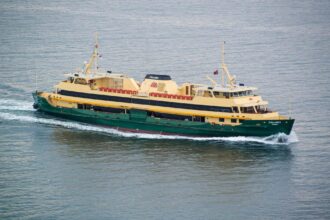
The harbour of Oslo is one of the most important passenger ferry hubs anywhere in Scandinavia and acts as Norway’s primary international maritime gateway. Ferries, cruise ships, island boats and Oslofjord passenger services all operate from the waterfront surrounding the Norwegian capital.
Unlike the dramatic fjord ports of western Norway, Oslo’s harbour is shaped by the calmer waters of the Oslofjord, creating a very different maritime atmosphere. The city combines modern waterfront redevelopment, international ferry terminals, historic maritime districts and urban harbour life within one compact central area.
One of Oslo’s biggest strengths is how closely the ferry infrastructure integrates into the city itself. Major ferry terminals sit relatively close to Oslo Central Station, the waterfront districts and many of the capital’s main hotels and attractions.
The harbour also acts as one of the key transport links between Norway and wider Scandinavia. International ferry routes toward Denmark depart directly from Oslo while smaller passenger ferries constantly move around the Oslofjord and surrounding islands.
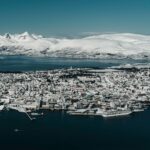
During summer, the waterfront becomes especially lively as cruise ships, sightseeing boats and passenger ferries fill the harbour. Winter creates a completely different atmosphere with darker skies, icy fjord landscapes and illuminated vessels moving through the cold Scandinavian evenings.
Why Oslo Became Norway’s Main International Ferry Port
The position of Oslo at the head of the Oslofjord helped establish the city as Norway’s most important international ferry and maritime gateway.
Compared with the rugged Atlantic coastline of western Norway, the Oslofjord provides calmer waters and easier maritime access toward continental Europe and the Baltic region. This geography made Oslo particularly important for trade, shipping and passenger connections with Denmark, Germany and wider northern Europe.
As Norway modernised, Oslo increasingly developed into the country’s political, economic and transport centre. International ferry routes naturally concentrated around the capital because of strong rail links, growing population density and easier access toward Sweden and mainland Europe.
Today, Oslo’s ferry infrastructure remains heavily focused on international passenger travel, overnight ferries and Oslofjord transport rather than the dramatic coastal voyages associated with Bergen.
The harbour is also deeply integrated into the daily life of the city itself. Ferries, waterfront trams, commuter boats and island passenger services remain important parts of Oslo’s wider public transport network.
For many visitors, Oslo Harbour feels more urban and metropolitan than Bergen’s historic maritime waterfront. Modern architecture, museums, waterfront promenades and redeveloped docklands combine with the ferry terminals to create one of Scandinavia’s most modern harbour environments.
Browse hotels and accommodation for your visit to Oslo.
View staysBrowse apartments, homes and self-catering accommodation in Oslo.
Browse rentalsSee hotel prices from multiple booking sites in one search.
Compare ratesQuick Facts About Ferries from Oslo
| Feature | Details |
|---|---|
| Main Ferry City | Oslo |
| Main International Route | Oslo to Copenhagen |
| Major Ferry Operator | DFDS |
| Main Ferry Destination | Copenhagen |
| Fjord Area | Oslofjord |
| Main Travel Style | Overnight international ferry travel |
| Cruise Port? | Yes |
| Local Island Ferries | Extensive summer network |
| Main Ferry Terminal Area | Central Oslo waterfront |
| Best Rail Connection | Oslo Central Station |
| Typical Ferry Duration to Copenhagen | Approx. 17–18 hours |
| Best Season for Oslofjord Ferries | Late spring to early autumn |
| Main Harbour Atmosphere | Urban Scandinavian waterfront |
| Route | Operator | Duration | Frequency | Main Travel Type | Seasonal? |
|---|---|---|---|---|---|
| Oslo to Copenhagen | DFDS | Approx. 17–18 hours | Daily | Overnight international ferry | Year-round |
| Oslofjord Local Ferries | Ruter | Varies by route | Frequent daily services | Local passenger ferry | Year-round |
| Oslo Island Ferries | Ruter | Approx. 5–30 minutes | Frequent in summer | Island and leisure transport | Reduced winter service |
| Oslo Cruise Port Routes | Multiple operators | Varies | Seasonal cruise schedules | Cruise tourism | Mainly spring to autumn |
| Oslo to Danish Connections via DFDS | DFDS | Overnight crossing | Daily | Scandinavia international travel | Year-round |
| Oslofjord Sightseeing Cruises | Multiple local operators | Approx. 1–3 hours | Frequent summer departures | Scenic sightseeing cruises | Mainly summer |
| Waterfront Harbour Ferries | Ruter | Short urban crossings | Frequent | Integrated city transport | Year-round |
DFDS Overnight Ferries Between Oslo and Copenhagen
The most famous international ferry route from Oslo is the overnight service to Copenhagen operated by DFDS.
Unlike short cross-channel ferry routes elsewhere in Europe, the Oslo to Copenhagen crossing functions almost like a miniature cruise experience combined with practical international transport. Passengers travel overnight through the Oslofjord, the Skagerrak and the waters between Norway and Denmark while sleeping onboard.
The crossing normally takes around 17 to 18 hours depending on weather conditions and seasonal schedules. Ships usually depart during the afternoon or early evening before arriving in Copenhagen the following morning.
One of the biggest highlights of the journey is the departure through the Oslofjord itself. As the ship leaves Oslo, passengers pass islands, waterfront districts, forested shorelines and smaller coastal communities before eventually entering the open waters between Norway and Denmark.
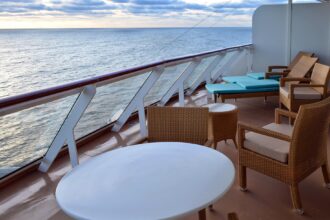
The vessels are far larger than standard short-distance ferries and include private cabins, restaurants, bars, shops, entertainment areas and panoramic observation decks. Many travellers treat the crossing as part of the holiday experience itself rather than simply transportation between two cities.
Pricing varies heavily depending on season, cabin category, vehicle transport and booking date. Basic inside cabins can sometimes be relatively affordable outside peak periods while premium sea-view cabins and summer departures become substantially more expensive.
The route is especially popular with travellers combining Scandinavian rail journeys, Interrail itineraries and wider Nordic travel routes between Norway and mainland Europe.
Because the ferry terminals sit relatively close to central Oslo, passengers can usually combine sightseeing in the Norwegian capital with same-day evening departures toward Denmark without needing complicated onward transfers.
Oslofjord Ferries and Local Harbour Routes
Beyond the international ferry routes, the Oslofjord itself forms one of the most important parts of daily life in Oslo. Passenger ferries constantly move across the fjord linking islands, waterfront districts, museum areas and smaller coastal communities surrounding the Norwegian capital.
Unlike the dramatic deep fjords of western Norway, the Oslofjord has a calmer, broader and far more urban atmosphere. Ferries pass modern waterfront architecture, marinas, forested islands and harbour districts while remaining closely connected to the city itself.
Many of the ferries form part of Oslo’s wider public transport system, meaning local residents use them in the same way as trams, buses and metro lines. This gives the harbour a much more authentic and everyday atmosphere compared with purely tourist-focused waterfronts elsewhere in Europe.
One of the biggest advantages of Oslo’s ferry network is how easily visitors can experience the Oslofjord without needing expensive organised cruises. Standard public ferries often provide excellent scenery at relatively low cost while still functioning as part of the city’s normal transport infrastructure.
The ferry routes also create some of the best panoramic views back toward the skyline of Oslo itself. Modern harbour districts, waterfront redevelopment projects and Oslofjord scenery gradually unfold across the shoreline as ferries move through the waters surrounding the city.
| Route / Area | Main Destination | Why Travellers Use It | Typical Journey |
|---|---|---|---|
| Oslo to Bygdøy | Bygdøy Peninsula | Access to the Fram Museum, Kon-Tiki Museum and Oslo’s major waterfront museums | Short seasonal harbour crossing |
| Aker Brygge to Hovedøya | Hovedøya Island | Beaches, walking trails and historic monastery ruins | Popular summer island ferry |
| Aker Brygge to Gressholmen | Gressholmen Island | Swimming areas, nature and quieter Oslofjord scenery | Leisure-focused island route |
| Aker Brygge to Lindøya | Lindøya Island | Traditional summer cabins and Oslofjord recreation | Scenic short fjord crossing |
| Oslo Harbour to Drøbak Area | Drøbak and southern Oslofjord | Coastal scenery, harbour atmosphere and Oscarsborg Fortress | Longer Oslofjord excursion |
| Oslofjord Sightseeing Cruises | Wider Oslofjord | Scenic cruises around islands and waterfront districts | Circular sightseeing routes |
| Oslo to Copenhagen | Copenhagen | International overnight ferry travel | Large overnight DFDS crossing |
During summer, the ferries become especially busy as both locals and tourists travel toward beaches, island parks, waterfront cafés and recreation areas scattered across the fjord landscape.
Winter transforms the atmosphere completely. Darker skies, colder temperatures and quieter harbour traffic create a calmer and more atmospheric waterfront environment compared with the lively Scandinavian summer season.
Drøbak and Southern Oslofjord Ferry Excursions
One of the most popular destinations beyond central Oslo is the coastal town of Drøbak, located further south along the Oslofjord.
Known for its small harbour, colourful waterfront atmosphere and narrow historic streets, Drøbak acts as one of the Oslofjord’s best-known excursion destinations and becomes especially popular during summer.
The journey south through the fjord also provides a very different perspective on the Oslo region compared with remaining inside the capital itself. Forested shorelines, quieter coastal communities and smaller harbour settlements gradually replace the modern waterfront districts surrounding central Oslo.
Drøbak is also historically important because of its connection to Oscarsborg Fortress, the island fortress that played a major role during the German invasion of Norway in 1940.
Many Oslofjord sightseeing cruises and southern fjord excursions either stop near the area or pass through the surrounding waters, making Drøbak strongly associated with maritime tourism around the Norwegian capital.
For many visitors, the combination of fjord scenery, maritime history, quieter coastal landscapes and historic harbour atmosphere makes Drøbak one of the most rewarding Oslofjord excursions beyond Oslo itself.
Island Ferries and Passenger Boats Around Oslo
The islands scattered across the Oslofjord are one of the most underrated parts of visiting Oslo, and ferries provide the main way of reaching many of them.
| Island | Known For | Ferry Departure Area | Best Time to Visit |
|---|---|---|---|
| Hovedøya | Beaches, monastery ruins and swimming | Aker Brygge | Summer |
| Lindøya | Traditional Oslofjord summer cabins | Aker Brygge | Late spring to summer |
| Gressholmen | Nature trails and quieter fjord scenery | Aker Brygge | Summer |
| Nakholmen | Small island cabins and local Oslofjord atmosphere | Aker Brygge | Summer |
| Langøyene | Beaches and outdoor recreation | Oslofjord ferry network | Peak summer |
| Bygdøy | Fram Museum and Kon-Tiki Museum | City harbour ferries | Spring to autumn |
Passenger boats depart regularly from the central waterfront during much of the year, connecting Oslo with small islands containing beaches, walking trails, forests, campsites and quiet coastal landscapes surprisingly close to the city centre.
Some islands become especially busy during summer when locals escape the city to swim, relax and enjoy the long Scandinavian daylight hours beside the fjord.
Unlike the large scenic ferry routes elsewhere in Norway, these crossings are generally short and heavily integrated into everyday urban life. Many journeys last only a few minutes yet still provide impressive views across the Oslofjord and back toward the skyline of the Norwegian capital.
One of the biggest strengths of the island ferry system is accessibility. Visitors can reach quiet natural landscapes directly from central Oslo without needing cars, long train journeys or organised excursions.
The atmosphere aboard the ferries also changes dramatically depending on season. Summer brings crowded outdoor decks, warmer weather and busy waterfront activity while winter crossings feel colder, darker and considerably quieter beneath the low Scandinavian winter light.
Because the ferries form part of Oslo’s wider public transport system, they create a very different relationship between city and harbour compared with many other European capitals. The fjord feels fully integrated into everyday life rather than functioning simply as a scenic backdrop.
Cruise Ships, Waterfront Tourism and Oslo Harbour
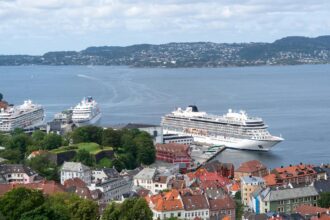
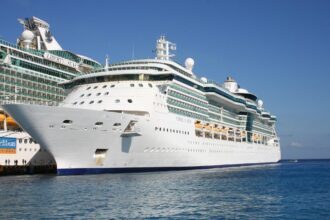
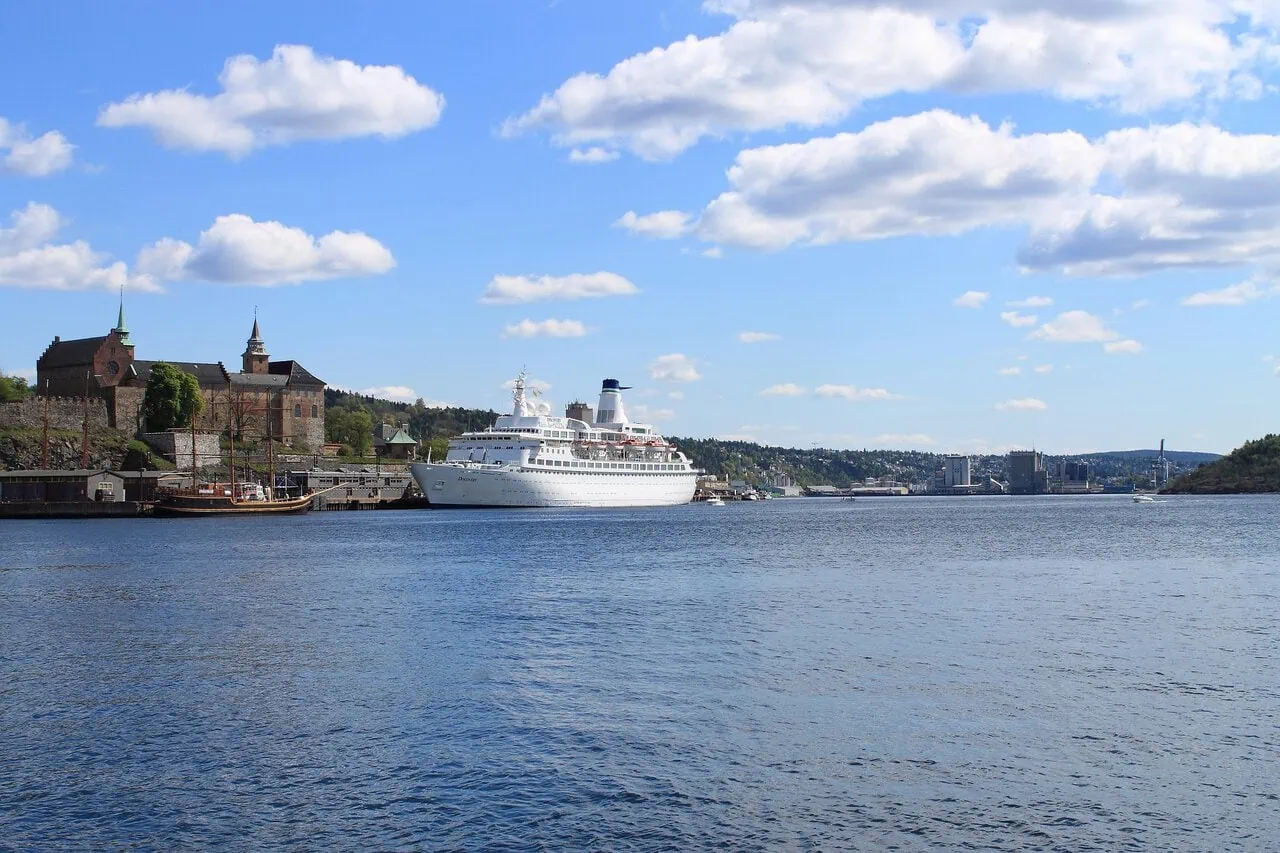
During the summer season, Oslo becomes an important cruise destination for ships travelling around Scandinavia, the Baltic and northern Europe. Large cruise vessels regularly dock close to the city centre, bringing thousands of passengers directly into the harbour districts surrounding the Oslofjord.
Cruise tourism plays a major role in Oslo’s summer waterfront atmosphere. Harbour promenades, waterfront museums, shopping districts and ferry areas become noticeably busier during major ship arrivals, especially around the redeveloped districts surrounding the modern harbour.
One of Oslo’s greatest advantages as a cruise destination is how closely the port connects with the city itself. Many passengers can walk directly from the ships toward museums, restaurants, hotels and major attractions without needing long shuttle transfers.
The harbour areas surrounding Aker Brygge, the Oslo Opera House and the modern waterfront districts become especially active during summer as ferries, cruise vessels, sightseeing boats and local passenger services all operate simultaneously across the Oslofjord.
Compared with Bergen, Oslo’s cruise atmosphere feels significantly more metropolitan and contemporary. Modern architecture, redeveloped docklands and glass-fronted waterfront districts dominate much of the harbour rather than historic timber trading quarters.
Winter creates a dramatically different waterfront atmosphere. Cruise traffic falls sharply while colder temperatures, darker skies and quieter harbour conditions create a calmer and more atmospheric Oslofjord environment.
For many visitors, the harbour itself becomes one of the most enjoyable parts of the city simply because of the constant maritime activity, waterfront views and interaction between ferries, cruise ships and the wider fjord landscape.
Search routes and flight options for your trip to Oslo.
Search flightsChoose an Airalo eSIM and arrange mobile data before you arrive.
Browse eSIMsCheck private pickup options and plan your onward journey before arrival.
View transfersFerry Terminals, Port Areas and Harbour Layout
The ferry infrastructure around Oslo is spread across several interconnected waterfront districts surrounding the central harbour and the Oslofjord.
The main international ferry terminals used by DFDS sit relatively close to the centre of the city, allowing passengers to move between ferries, hotels and Oslo Central Station without extremely long transfers.
Unlike many large European ports where ferry terminals feel isolated from the surrounding urban areas, Oslo’s harbour remains heavily integrated into the city itself. Waterfront promenades, restaurants, modern office buildings and cultural attractions sit directly beside ferry infrastructure throughout much of the harbour.
Local Oslofjord ferries and island passenger boats usually depart from different piers positioned closer to the central waterfront districts. This creates a highly active maritime environment where international ferries, commuter boats, sightseeing vessels and harbour traffic all operate within relatively close proximity.
The harbour layout can initially feel slightly confusing for first-time visitors because multiple terminals, piers and waterfront districts spread around different sections of the Oslofjord shoreline. However, the overall distances remain relatively manageable compared with many larger European ferry cities.
One of the biggest strengths of Oslo’s harbour is how naturally it connects into the wider transport system. Trams, metro lines, railway stations, pedestrian waterfront routes and city-centre transport links all integrate closely with the ferry infrastructure, making onward travel relatively simple after arriving in the Norwegian capital.
Ferry Cabins, Booking Tips and Seasonal Travel
Ferry travel from Oslo varies enormously depending on whether travellers are using the large international DFDS overnight crossings, shorter Oslofjord passenger ferries or the local island boats integrated into Oslo’s wider public transport network.
The overnight ferries between Oslo and Copenhagen function far more like miniature cruise ships than basic transport vessels. Cabins, restaurants, bars, entertainment areas and panoramic observation decks all form major parts of the onboard experience, meaning many travellers treat the crossing itself as part of the holiday rather than simply transportation between two cities.
One of the biggest decisions for passengers is cabin selection. Inside cabins are normally the most affordable option while sea-view cabins, premium accommodation and larger family rooms become especially popular during busy summer departures and Scandinavian holiday periods.
Vehicle transport also becomes important for many passengers travelling across Scandinavia by car, campervan or motorcycle. During peak travel periods, vehicle spaces on the ferries can become limited surprisingly early compared with standard passenger tickets.
Season heavily affects overall demand. Summer between June and August is by far the busiest period for ferry travel from Oslo, particularly during school holidays and major Scandinavian tourism periods. Harbour districts, ferry terminals and waterfront areas all become significantly busier during these months.
Winter creates a very different atmosphere. The ferries continue operating throughout the colder season, but the overall experience becomes darker, quieter and considerably more atmospheric beneath the low Scandinavian winter light and colder Oslofjord conditions.
Advance booking becomes especially important for travellers wanting premium cabins, weekend departures, summer sailings, Christmas season crossings or vehicle transport because the most desirable options can sell out surprisingly early during peak periods.
Many travellers also combine the overnight ferries with wider Scandinavian rail itineraries, using the crossings to replace hotel nights while travelling between Norway and mainland Europe.
Winter Ferry Travel and Oslofjord Weather Conditions
Winter changes ferry travel around Oslo dramatically. The bright summer waterfront atmosphere disappears and is replaced by dark Scandinavian evenings, colder temperatures and a far moodier Oslofjord environment.
Unlike the exposed Atlantic coastline surrounding western Norway, the Oslofjord is relatively sheltered. This usually allows ferry services around Oslo to operate more reliably during winter compared with rougher coastal routes further west and north.
Even so, snow, ice, freezing rain and strong winter winds can still affect harbour operations and ferry schedules during severe weather conditions. Smaller island ferries and passenger boats are generally more vulnerable to disruption than the large international vessels operating toward Denmark.
The overnight DFDS ferries continue operating throughout winter and many travellers actually prefer the colder season because the crossings feel significantly quieter and more atmospheric than during the crowded summer months.
One of the most memorable parts of winter ferry travel from Oslo is the departure through the darkened Oslofjord itself. Snow-covered shorelines, illuminated waterfront districts and reflections across the icy fjord waters create a distinctly Nordic maritime atmosphere unlike most ferry routes elsewhere in Europe.
Winter daylight hours also surprise many visitors. During December and January, darkness arrives early in the afternoon, dramatically changing the atmosphere around Oslo Harbour and the surrounding fjord landscapes.
For travellers continuing onward into Norway after arriving by ferry, winter weather can occasionally affect rail connections, road transport and wider Scandinavian travel infrastructure. Allowing extra flexibility during severe winter conditions is usually sensible.
At the same time, winter remains one of the most visually striking periods for Scandinavian ferry travel. Snow-covered coastlines, icy fjord scenery and illuminated Nordic waterfronts create an atmosphere completely different from summer sailings.
Combining Oslo Ferries with Scandinavian Rail Travel
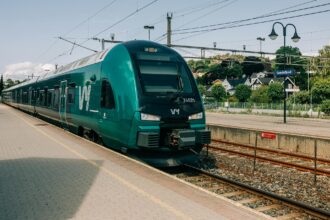
One of the greatest strengths of Oslo is how naturally ferry travel connects into wider Scandinavian rail networks. The city functions as one of the most important interchanges between Nordic ferry routes, long-distance trains and wider European rail travel.
Passengers arriving from Copenhagen can normally reach Oslo Central Station relatively quickly after disembarking, allowing straightforward onward rail connections across Norway and Scandinavia.
The onward rail options from Oslo are exceptionally strong. Travellers can continue westward along the spectacular Bergen Line, north toward Trondheim and Arctic Norway, or eastward toward Stockholm and the wider Swedish railway network.
Many travellers combine the overnight ferry from Copenhagen with daytime rail journeys across Norway to create efficient Scandinavian itineraries without relying on flights.
This works especially well for Interrail travellers, slow travellers and visitors wanting to experience the transition between Scandinavian countries more gradually than air travel allows.
Because Oslo’s ferry terminals, railway stations, metro lines and wider public transport systems all sit relatively close together, transfers between ships and trains are usually much easier than in many larger European port cities.
The combination of overnight ferries, mountain railways, Arctic train routes and Scandinavian capitals makes Oslo one of the strongest multimodal transport hubs anywhere in northern Europe.
Oslo Harbour History and Maritime Trade
The maritime importance of Oslo stretches back centuries and is closely connected to the city’s strategic position at the head of the Oslofjord.
Although modern Oslo is often associated with government, finance and contemporary Scandinavian architecture, the harbour historically played a major role in trade, shipbuilding and maritime commerce across northern Europe.
The calmer waters of the Oslofjord made the city particularly attractive for shipping and international trade compared with the harsher Atlantic coastline of western Norway. Merchant vessels could move relatively easily between Oslo, Denmark, the Baltic region and mainland Europe.
Over time, the harbour helped transform Oslo into Norway’s political and economic centre. Timber exports, industrial shipping, maritime industries and passenger transport all expanded heavily during the nineteenth and twentieth centuries.
Large sections of the modern waterfront have since been redeveloped into cultural districts, residential areas and tourism zones. However, ferries, cruise ships and harbour transport still remain central parts of Oslo’s identity.
One of the most distinctive aspects of Oslo Harbour today is the contrast between historic maritime trade and modern Scandinavian architecture. Ferries and passenger vessels now operate beside contemporary waterfront districts, museums and glass-fronted redevelopment projects.
For many visitors, this combination of maritime infrastructure, fjord scenery and modern Nordic urban design makes Oslo Harbour feel very different from the older historic waterfronts found elsewhere in Scandinavia.

Rupert’s Handy Travel Tips
Oslo Harbour is much bigger and busier than many first-time visitors expect, and Rupert says understanding the difference between the international ferries, Oslofjord boats and island ferries makes planning far easier.
- Book DFDS cabins early during summer because sea-view rooms and weekend departures can sell out surprisingly quickly.
- Use local Oslofjord ferries even if you are not commuting because they provide some of the best low-cost views of the Norwegian capital.
- Expect colder winds on deck than temperatures suggest because the Oslofjord can feel significantly cooler once ferries leave the sheltered harbour areas.
- Combine ferries with Scandinavian rail travel because Oslo Central Station connects naturally with routes toward Bergen, Trondheim, Stockholm and wider Norway.
- Explore the waterfront in the evening before departure because the illuminated harbour districts and Oslofjord scenery become especially atmospheric after dark.
Want to meet the reindeer behind our travel tips? Find out more in our page Who is Rupert?.
Frequently Asked Questions About Ferries from Oslo
What is the main international ferry from Oslo?
The main international route is the overnight DFDS ferry between Oslo and Copenhagen.
How long is the ferry from Oslo to Copenhagen?
The crossing normally takes around 17 to 18 hours depending on weather conditions and seasonal schedules.
Does Oslo have local ferries?
Yes, Oslo has an extensive network of Oslofjord ferries, island boats and harbour passenger services integrated into the city’s wider public transport system.
Can you take a car on the Oslo to Copenhagen ferry?
Yes, the DFDS ferries carry cars, motorcycles and campervans, although vehicle spaces can sell out early during peak periods.
Are Oslo ferries affected by winter weather?
Yes, snow, ice and strong winter winds can occasionally affect ferry operations, particularly for smaller island ferries and passenger boats.
Is ferry travel from Oslo worth it?
For many travellers, ferry travel from Oslo is one of the highlights of visiting Scandinavia because it combines fjord scenery, overnight travel and direct international connections between Nordic capitals.
Compare hostels and lower-cost places to stay in Oslo.
Search hostelsFlying to Oslo? Get fast compensation payouts, eligible lounge benefits and expert help when flights go wrong.
See AirHelp+ benefitsLeave your luggage somewhere convenient and enjoy Oslo hands-free.
View storageFurther Reading & Related Guides
Travellers using the ferry routes from Oslo will often also want to explore wider Scandinavian rail and ferry networks. Our guides to the spectacular Bergen Line, Scandinavian rail travel and the best things to do in Oslo explain how to combine Nordic capitals, overnight ferries and scenic rail journeys into larger Scandinavian itineraries.
Visitors travelling onward through Norway should also explore our coverage of Norway night trains, ferries from Bergen and Norwegian Interrail travel.
For travellers staying connected while travelling around Scandinavia, our guides to the best eSIMs explain the strongest options for ferry crossings, long-distance rail journeys and wider Scandinavian travel.