
Villa San Giovanni to Messina Ferry: What You Need to Know
The Villa San Giovanni to Messina ferry is one of the most important transport crossings in all of Italy. Running across the narrow Strait of Messina between mainland Italy and Sicily, this short but extremely busy route carries millions of passengers, cars, trains, freight vehicles, motorhomes, and motorcycles every year.
Unlike many Mediterranean ferry routes that feel like part of a holiday experience, the crossing between Calabria and Sicily functions almost like a moving extension of the motorway and railway network. Ferries operate constantly throughout the day and night, allowing travellers to move quickly between mainland Italy and Sicily with surprisingly little planning required.
The crossing itself is very short. Most ferries between Villa San Giovanni and Messina take roughly 20 to 30 minutes, depending on vessel type, weather conditions, and loading times. Because sailings operate so frequently, travellers rarely need to plan around strict departure schedules in the same way as longer Adriatic or Mediterranean ferry routes.
For drivers heading toward Sicily, this route is absolutely critical. Travellers driving from cities such as Rome, Naples, Florence, or even northern Italy eventually funnel down through Calabria before reaching Villa San Giovanni, where ferries provide the final link into Sicily.
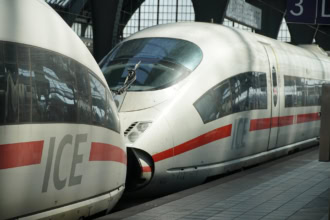
The route is also heavily used by rail passengers. Italy’s long distance trains to Sicily are loaded directly onto specially designed ferry vessels before crossing the strait to Messina. For many travellers, this becomes one of the most unusual rail experiences anywhere in Europe.
Despite the crossing’s importance, the overall process is usually simpler than first time travellers expect. Ferries run extremely frequently, tickets are relatively affordable, and the route is heavily designed around continuous vehicle flow rather than complicated terminal procedures.
One major thing travellers should still prepare for is summer traffic. During July and August, roads approaching Villa San Giovanni can become heavily congested as tourists, freight traffic, and Sicilian holidaymakers all converge on the crossing. Delays are especially common during weekends and major Italian holiday periods.
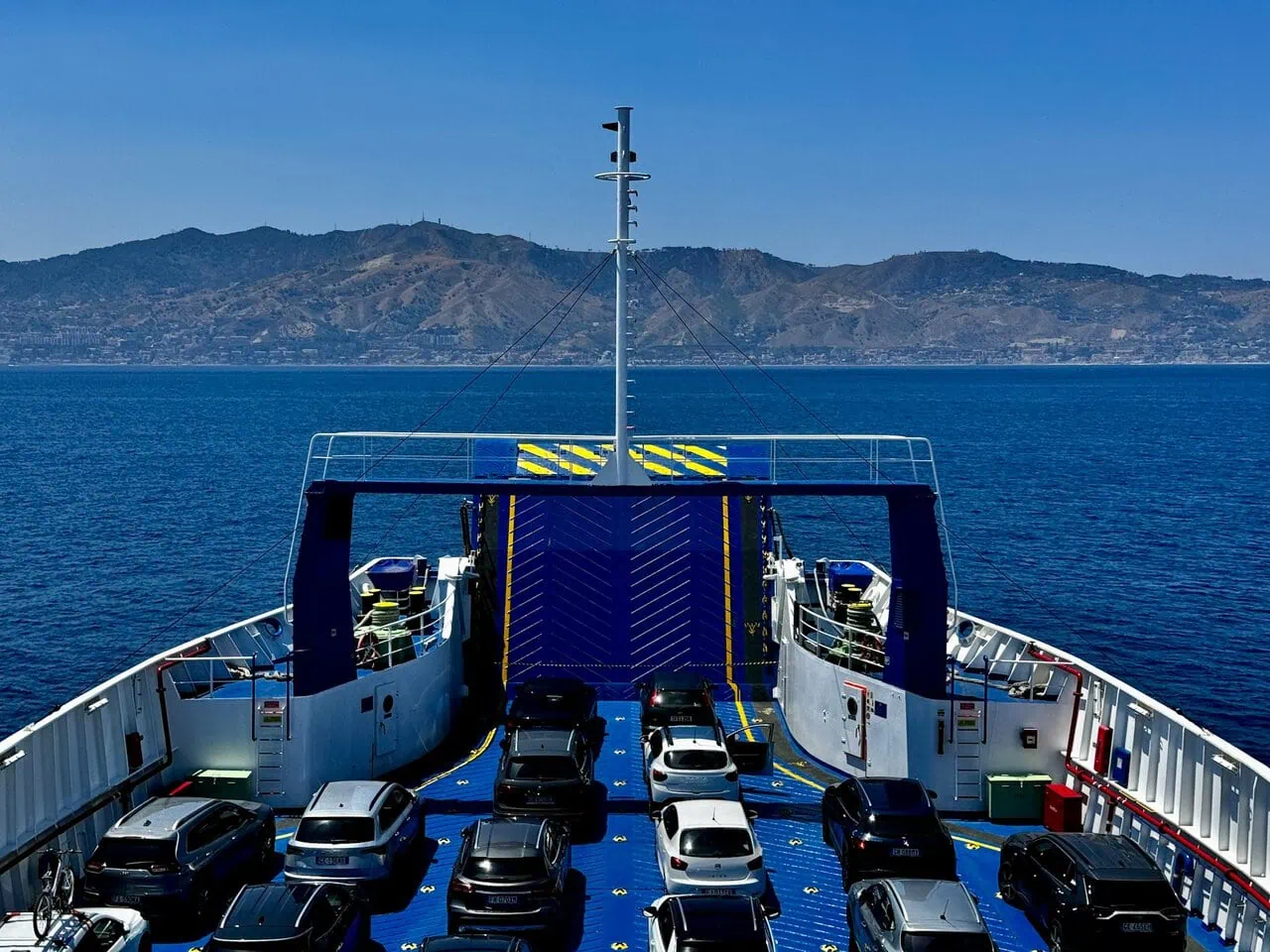
For travellers exploring Sicily without flying, the route remains one of Europe’s classic overland journeys. Watching mainland Italy slowly disappear behind the ferry while the mountains of northeastern Sicily grow larger ahead still feels like a genuine arrival into a completely different part of the Mediterranean.
| Route | Duration |
|---|---|
| Villa San Giovanni, Calabria, mainland Italy → Port of Messina, Sicily | Around 20 to 30 minutes |
Quick Crossing Comparison Table
| Transfer Option | Typical Crossing Time | Best For | Frequency | Important Information |
|---|---|---|---|---|
| Car Ferry | Around 20 to 30 minutes | Drivers and road trips | Extremely frequent | Main way of driving into Sicily |
| Foot Passenger Ferry | Around 20 minutes | Backpackers and rail travellers | Regular all day | Simple and affordable crossing |
| Train Ferry | Around 30 minutes including loading | Rail passengers to Sicily | Linked to rail schedules | Entire trains board ferries |
| Motorcycle Ferry | Around 20 minutes | Touring riders | Frequent | Usually cheaper than cars |
| Motorhome Crossing | Around 20 to 30 minutes | Campervan travellers | Very frequent | Summer queues can become long |
| Freight Ferry | Around 20 to 30 minutes | Commercial vehicles | Continuous operations | Heavy freight traffic year round |
Browse hotels and accommodation for your journey.
View staysBrowse apartments, homes and self-catering accommodation.
Browse rentalsCompare hotel prices across multiple booking sites.
Compare ratesWhere Is Villa San Giovanni Ferry Port?
The ferry port at Villa San Giovanni sits at the southern tip of mainland Italy in the region of Calabria, directly facing the city of Messina across the narrow Strait of Messina. At its narrowest point, the gap between mainland Italy and Sicily is only around 3 kilometres, making this one of the shortest major international style ferry crossings in Europe.
The town itself functions almost entirely around transport. While some travellers stay overnight here before crossing, most people simply pass through on their way into Sicily. Roads, railways, motorway traffic, freight vehicles, and ferry operations all converge around the port area.
One of the route’s biggest advantages is accessibility. The ferry terminal connects directly with the main north south transport corridor through Italy. Drivers arrive via the A2 Autostrada del Mediterraneo, which runs south through Calabria before effectively ending at the ferry crossing.
For rail passengers, Villa San Giovanni railway station sits extremely close to the port area. This makes transfers relatively easy for travellers continuing toward Sicily by foot passenger ferry or train ferry.
Unlike large cruise ports or international ferry terminals, Villa San Giovanni feels highly functional rather than tourist focused. The area around the port contains ticket booths, waiting lanes, cafés, motorway infrastructure, freight traffic, and vehicle staging areas rather than historic waterfront promenades or sightseeing districts.
During busy summer periods, traffic approaching the port can become extremely congested. Long queues of cars, trucks, motorhomes, and motorcycles often build up near the ferry approaches, especially during weekends and major holiday periods.
Travellers arriving early in the morning or late at night generally experience much smoother boarding conditions. Midday and afternoon crossings during summer tend to be the busiest periods overall.
Because ferries operate so frequently, the port itself works more like a continuous transport corridor than a traditional ferry terminal. Vehicles are constantly loaded and unloaded throughout the day with remarkably fast turnaround times.
Where Does the Ferry Arrive in Messina?
Ferries from Villa San Giovanni arrive directly into the port area of Messina, one of Sicily’s most important gateway cities. Located on the northeastern corner of the island, Messina acts as the main transport bridge between Sicily and mainland Italy.
The arrival area sits close to central Messina and connects directly into Sicily’s wider road and rail networks. For drivers, roads leaving the port quickly link with Sicily’s major motorways, including routes toward Catania, Palermo, and the eastern coast.
Rail passengers arriving on train ferries continue directly into Messina Centrale, the city’s main railway station. From there, trains continue south toward Taormina, Catania, and Siracusa, or west toward Palermo.
One major advantage of the crossing is efficiency. Unlike many ferry routes where passengers arrive far outside the destination city, the Messina arrival point places travellers relatively close to central urban areas and onward transport connections.
Messina itself is often overlooked by tourists rushing deeper into Sicily, but the city still plays a hugely important role in Sicilian transport and maritime history. The waterfront, cathedral area, and views back toward mainland Italy create a dramatic first impression for travellers arriving on the island.
Traffic leaving the port can become busy during summer, particularly when large ferry unloadings coincide with Sicilian holiday traffic. Travellers driving onward toward Taormina or Catania should prepare for potential delays during peak periods.
For many travellers, arriving in Messina marks the psychological beginning of a wider Sicily adventure. The atmosphere, architecture, climate, and road culture immediately feel noticeably different from mainland Italy, even though the crossing itself takes less than half an hour.
Why This Is the Most Important Sicily Ferry Crossing
The Villa San Giovanni to Messina ferry is not simply another Mediterranean ferry route. It is the main physical transport link between Sicily and mainland Italy, making it one of the most strategically important ferry crossings anywhere in Europe.
Almost everything moving between Sicily and the Italian mainland eventually passes through the Strait of Messina. Passenger cars, freight trucks, long distance coaches, motorcycles, campervans, rail services, food deliveries, fuel tankers, and tourism traffic all funnel through this narrow stretch of water every single day.
What makes the route so remarkable is speed. Unlike long Adriatic crossings or overnight Mediterranean ferries, this journey functions more like a moving bridge. Crossings are extremely short, departures are continuous, and travellers rarely need to structure entire itineraries around ferry schedules.
The crossing is particularly important because Sicily itself is enormous. With a population of around 5 million people, the island relies heavily on regular transport connections with mainland Italy. Ferries therefore operate constantly rather than seasonally, creating one of Europe’s busiest maritime corridors.
For road travellers, the route is absolutely essential. Anyone driving from Rome, Naples, Florence, Milan, or northern Italy into Sicily will almost always pass through Villa San Giovanni. The crossing effectively forms the final section of the Italian motorway network before vehicles continue into Sicily itself.
The railway importance is equally impressive. Sicily remains one of the few places in Europe where full sized passenger trains still board ferries. Watching entire Italian trains loaded onto ships before crossing into Sicily remains one of the continent’s most unusual transport experiences.
Tourism has increased the route’s importance even further. Sicily has become one of Europe’s most popular Mediterranean destinations, attracting visitors heading toward Taormina, Mount Etna, Palermo, Catania, Siracusa, and the island’s beaches. Large numbers of these travellers now arrive by road or rail rather than flying.
Another major factor is freight traffic. Sicily depends heavily on imported goods arriving from mainland Italy, meaning huge volumes of trucks use the crossing every day. This constant freight movement is one reason ferries continue operating around the clock.
Unlike more scenic or leisurely ferry routes elsewhere in the Mediterranean, the Messina Strait crossing feels fast paced and operational. Ferries load rapidly, depart frequently, and focus heavily on efficiency.
Despite this practicality, the crossing still retains atmosphere. The views across the Strait of Messina toward the mountains of Sicily, the busy shipping lanes, and the dramatic coastline of Calabria create a surprisingly memorable arrival experience considering how short the journey actually is.
For travellers exploring Italy without flying, this ferry route represents one of the defining transport experiences of southern Europe.

Ferry Operators on the Messina Strait
Several operators run services between Villa San Giovanni and Messina, though the market is dominated by a relatively small number of major companies specialising in the Strait of Messina crossing.
The best known operator is Caronte & Tourist, which effectively controls much of the vehicle ferry traffic across the strait. The company operates large numbers of daily sailings and handles cars, freight trucks, buses, motorcycles, campervans, and foot passengers.
For most travellers driving into Sicily, this is the company they will use. Ferries operate extremely frequently throughout the day and night, often with departures every few minutes during busy periods.
One reason the crossing works so efficiently is that vessels are designed specifically for short strait operations rather than long Mediterranean journeys. Boarding and unloading are usually very fast compared with traditional ferry routes.
Rail traffic across the strait involves separate specialised ferry operations connected with the Italian rail system. Passenger trains arriving from mainland Italy are transferred directly onto ferry vessels before continuing into Sicily. This process remains one of the most distinctive rail ferry systems still operating anywhere in Europe.
The onboard experience on Messina Strait ferries is generally functional rather than luxurious. Unlike overnight ferries toward Greece, Sardinia, or the wider Mediterranean, these ships focus on short duration transport rather than entertainment or extended onboard comfort.
Most ferries still include basic facilities such as cafés, seating areas, toilets, and outdoor viewing decks. Because the crossing is so short, passengers rarely spend significant time exploring the vessel.
One important advantage for travellers is flexibility. Unlike routes where missing a ferry can create major delays, the sheer frequency of Messina Strait crossings means another departure is usually available relatively quickly.
During peak summer periods, operators dramatically increase capacity to cope with tourist demand. Even with these additional sailings, queues can still become extremely long during busy weekends and public holidays.
Prices between operators are generally fairly competitive because of the crossing’s importance and constant demand. Travellers buying tickets in advance online often compare fares through Direct Ferries, though many drivers also simply purchase tickets at the port before boarding.
For most travellers, the operator itself matters less than timing. The real challenge on this route is usually traffic congestion approaching the port rather than the crossing itself.
Crossing Times and Frequency
The Villa San Giovanni to Messina ferry is one of the shortest major ferry crossings in Europe. Most sailings across the Strait of Messina take roughly 20 to 30 minutes, depending on the vessel, loading procedures, sea conditions, and traffic volumes.
Because the crossing itself is so short, the overall journey time is often affected more by vehicle loading and road congestion than by time spent at sea. During quieter periods, especially early mornings or overnight, travellers can move from mainland Italy into Sicily remarkably quickly.
Ferries operate continuously throughout the day and night. During daytime hours, departures are usually available approximately every 40 minutes, creating a near constant flow of traffic across the strait. Overnight frequencies normally reduce to around every 90 minutes, though crossings still continue throughout the night.
This extremely high frequency is what makes the route so efficient. Unlike longer Mediterranean ferry services where travellers must carefully plan around fixed timetables, most passengers simply arrive at Villa San Giovanni and board the next available sailing.
Vehicle traffic dominates much of the operation. Cars, motorcycles, freight trucks, coaches, campervans, and delivery vehicles move constantly between mainland Italy and Sicily. During peak summer periods, this creates one of the busiest maritime transport corridors in the Mediterranean.
The route is also heavily used by rail traffic. Passenger trains crossing between mainland Italy and Sicily are loaded directly onto specialised ferry vessels before continuing onward into Messina. While the sea crossing itself remains short, train loading procedures slightly increase the total crossing duration.
Summer traffic can dramatically affect waiting times. During July and August, particularly on weekends, queues approaching the ferry terminals may add substantial delays before boarding even begins. Saturdays are often the busiest days overall.
Crossing times can occasionally increase slightly during poor weather conditions. Strong winds in the Strait of Messina sometimes slow operations, though major cancellations are relatively uncommon because the crossing distance is so short.
For travellers wanting the smoothest experience, early morning and late evening sailings are usually the best choice. Mid afternoon crossings during summer can become heavily congested with tourist traffic heading into Sicily.
One reason many travellers enjoy the route despite its short duration is scenery. Even on such a quick crossing, passengers still experience dramatic views of the Sicilian mountains, the Calabrian coastline, busy shipping lanes, and the constantly changing waters of the Strait of Messina.
Ticket Prices and Cost Expectations
Ticket prices for the Villa San Giovanni to Messina ferry are generally far more affordable than longer Mediterranean ferry routes. Because the crossing is short and highly competitive, costs remain relatively reasonable even during busy summer periods.
Foot passenger tickets are usually inexpensive, often around several euros and make this one of the cheapest ways to reach Sicily without flying. Travellers using trains through southern Italy often combine rail travel with the ferry crossing very easily.
Vehicle pricing depends heavily on size. Small cars are relatively affordable, while larger vehicles such as campervans, caravans, buses, and freight trucks cost considerably more because of the extra deck space required onboard.
Motorcycles are normally cheaper than cars and remain extremely popular on the route. Touring riders exploring Sicily, southern Italy, or the wider Mediterranean frequently use the crossing because of its speed and flexibility.
One important thing travellers should understand is that waiting time often matters more than ticket cost. During busy periods, long traffic queues approaching the port can become more frustrating than the actual crossing expense itself.
Travellers booking online through platforms such as Direct Ferries can compare prices between operators and vehicle categories before arrival. However, because ferries operate so frequently, many passengers simply purchase tickets at the port on the day of travel.
For families travelling with vehicles, the crossing still represents excellent overall value considering it connects mainland Italy directly with Sicily in less than half an hour.
Fuel costs should also be considered when calculating total journey expenses. Travellers driving all the way through Italy before crossing into Sicily often spend substantially more on motorway tolls and fuel than on the ferry itself.
Motorhome travellers should pay careful attention to vehicle dimensions when booking. Height and length categories can significantly affect pricing, especially for larger campervans or caravans.
Although the crossing is short, onboard cafés and snack bars are still available on many ferries. Prices are generally similar to normal Italian transport hubs rather than heavily inflated cruise style ferry pricing.
For most travellers, the Villa San Giovanni to Messina ferry remains one of the most affordable and practical major ferry crossings anywhere in southern Europe.
Browse hostels and budget-friendly stays.
See hostelsAccess compensation support, eligible lounge benefits and faster payouts.
See the benefitsArriving before check-in or leaving later? Store your luggage and enjoy the extra time hands-free.
Store your bagsHow to Buy Ferry Tickets
Buying tickets for the Villa San Giovanni to Messina ferry is usually far simpler than booking longer Mediterranean ferry routes. Because crossings operate continuously throughout the day and night, many travellers simply arrive at the port and purchase tickets before boarding the next available ferry.
For drivers, ticket booths and vehicle lanes are clearly positioned near the ferry approaches around Villa San Giovanni. Staff direct vehicles toward the appropriate loading areas depending on operator and vehicle type.
Travellers wanting additional certainty often book online in advance through platforms such as Direct Ferries, particularly during busy summer periods. Online booking can be useful for campervans, larger vehicles, motorcycles, or travellers crossing during major Italian holiday weekends.
One major advantage of booking online is pricing transparency. Travellers can compare vehicle categories, operators, schedules, and crossing conditions before arrival rather than navigating busy ticket areas at the port.
Foot passengers normally experience a very simple process. Tickets can usually be purchased quickly before departure, and because ferries run so frequently, there is rarely pressure to reserve specific sailings far in advance outside exceptional peak periods.
Vehicle travellers should still allow additional time during summer because queues approaching the port can become extremely long. Even with prepaid tickets, heavy traffic around the terminal area may still create delays.
Travellers using rental cars should also verify ferry permissions carefully before arriving. Some rental companies impose restrictions on ferry transport or require additional documentation before vehicles can board ferries into Sicily.
Digital tickets are increasingly common, though travellers should still keep phones charged and screenshots available because mobile signal quality can occasionally vary around busy port areas.
Motorhome travellers should double check measurements carefully during booking. Incorrect vehicle dimensions can create boarding problems or additional charges at the terminal.
Unlike airport style travel, the overall atmosphere around the crossing is relatively relaxed. The system is heavily designed around rapid movement and continuous boarding rather than strict check in cut offs.
For most travellers, the simplest strategy is usually straightforward. Outside major summer peaks, arrive at Villa San Giovanni, buy the ticket, join the queue, and board the next available ferry toward Messina.

Plan Your Ferry Journey with Direct Ferries
Planning a ferry journey? Direct Ferries lets you compare routes, sailing times and ticket prices from multiple ferry operators in one place.
It can make planning much easier when several companies operate similar routes or when you want to compare different departure ports and sailing times before booking.
Want to compare ferry prices? You can also check Ferryhopper and FerryScanner before booking.
Direct Ferries vs Buying at the Port
Travellers crossing between Villa San Giovanni and Messina generally have two main options when buying tickets. They can either purchase fares online in advance through platforms such as Direct Ferries or buy tickets directly at the port before boarding.
For many travellers, buying at the port works perfectly well because ferries operate extremely frequently throughout the day and night. Unlike long distance Mediterranean ferry routes where missing a departure can disrupt an entire itinerary, another Messina Strait ferry is usually available relatively quickly.
However, online booking through Direct Ferries still offers several important advantages, particularly during busy summer periods.
The biggest advantage is convenience. Travellers can compare operators, vehicle categories, crossing conditions, and pricing before arriving in Calabria. This removes much of the uncertainty that first time ferry passengers sometimes experience at busy port areas.
Online booking is particularly useful for larger vehicles such as campervans, caravans, buses, or freight vehicles. During major holiday periods, vehicle queues can become extremely long, and pre booked reservations may help simplify the boarding process.
Another advantage is pricing visibility. Travellers can clearly see total costs before arrival rather than navigating ticket booths and vehicle lanes during busy periods around Villa San Giovanni.
For international visitors unfamiliar with Italian transport systems, booking online also removes potential language barriers during ticket purchase.
Buying at the port still remains extremely common though, especially for local traffic and shorter notice journeys. Because ferries run constantly, many Italian drivers simply turn up and board the next available departure.
One important thing travellers should remember is that pre booking does not eliminate summer traffic congestion. Even with advance tickets, roads approaching the ferry terminals can become heavily backed up during July, August, and major Italian holiday weekends.
For most foot passengers outside peak season, purchasing tickets at the port is usually straightforward and low stress. For travellers carrying vehicles during busy summer periods, booking through Direct Ferries is often the safer and smoother option overall.
Plan Your Ferry Journey with Direct Ferries
Planning a ferry journey? Direct Ferries lets you compare routes, sailing times and ticket prices from multiple ferry operators in one place.
It can make planning much easier when several companies operate similar routes or when you want to compare different departure ports and sailing times before booking.
Want to compare ferry prices? You can also check Ferryhopper and FerryScanner before booking.
Taking a Car to Sicily
For many travellers, the biggest reason to use the Villa San Giovanni to Messina ferry is the ability to drive directly into Sicily. The crossing forms the final link between mainland Italy and the island’s road network, making it essential for road trips, campervan travel, family holidays, and long distance driving across southern Europe.
Driving onto the ferry is generally straightforward. After purchasing tickets or scanning pre booked reservations, vehicles join designated waiting lanes near the port before being directed onboard by ferry staff. The process is usually highly organised because operators handle enormous traffic volumes every day.
One major advantage of the crossing is speed. Unlike longer ferry routes where vehicle boarding can take hours, the short nature of the Messina Strait crossing allows ferries to load and unload relatively quickly. The entire operation is designed around continuous movement rather than lengthy terminal procedures.
Travellers driving from northern Italy often underestimate how long the mainland section of the journey actually is. Reaching Villa San Giovanni from cities such as Milan, Venice, or even Rome involves substantial motorway driving before the ferry crossing even begins.
Summer traffic is the single biggest challenge. During July and August, vehicle queues approaching the ferry terminals can become extremely long, especially on Fridays, Saturdays, and around Italian holiday weekends. Waiting times sometimes exceed the crossing duration itself.
Motorway congestion through Calabria can also slow progress considerably. Although the modern A2 Autostrada del Mediterraneo has improved significantly compared with previous decades, heavy holiday traffic still creates bottlenecks approaching the port.
Once onboard, drivers normally leave their vehicles and move upstairs into passenger areas during the crossing. Vehicle decks are usually inaccessible during sailing for safety reasons, so important items such as passports, wallets, chargers, medications, and travel documents should always be removed before leaving the car.
One major benefit of driving into Sicily is flexibility. Public transport across the island varies considerably depending on destination, and having a car makes it far easier to reach beaches, mountain villages, archaeological sites, and rural areas away from major rail lines.
Parking in Sicilian cities can still be challenging though. Historic centres in places such as Palermo, Catania, and Taormina often contain restricted traffic zones, limited parking, and narrow streets not designed for modern traffic volumes.
Fuel prices in Sicily are generally similar to mainland Italy, though motorway fuel stations often charge significantly higher prices than urban supermarkets or independent stations.
For travellers wanting the freedom to properly explore Sicily, taking a car across the Strait of Messina remains one of the best and most practical ways to arrive on the island.
Motorhomes, Campervans and Motorcycles
The Villa San Giovanni to Messina ferry is hugely popular with motorhome, campervan, and motorcycle travellers exploring southern Italy and Sicily. Every summer, enormous numbers of touring vehicles cross the strait as travellers begin extended Mediterranean road trips around the island.
For campervan travellers, Sicily is particularly attractive because of its warm climate, coastal scenery, mountain landscapes, and relatively strong network of campsites and motorhome facilities. Many European travellers spend weeks or even months exploring the island by campervan during spring, summer, and autumn.
The crossing itself is generally straightforward for larger vehicles, though drivers should pay close attention to dimensions when booking tickets. Height and length categories affect pricing significantly, and incorrect measurements can cause delays or additional charges at the port.
One major advantage of using the Messina Strait ferry with a campervan is flexibility. Ferries run continuously throughout the day and night, meaning travellers rarely need to rigidly structure itineraries around specific sailings.
Summer traffic still creates challenges though. Large vehicle queues near Villa San Giovanni can become extremely slow moving during peak periods, particularly on weekends in July and August.
Motorcycle travellers are also extremely common on the route. Sicily’s mountain roads, coastal highways, volcanic scenery, and relatively warm weather make it one of southern Europe’s classic touring destinations.
Motorcycles are usually cheaper to transport than cars and can often board ferries relatively efficiently. Touring riders travelling through Italy, the Balkans, or the wider Mediterranean frequently include Sicily within larger multi country journeys.
Strong winds across the Strait of Messina occasionally affect motorcycle boarding conditions slightly, though major disruptions are uncommon because the crossing is so short.
Campervan travellers should also understand that driving conditions in parts of Sicily can feel noticeably different from mainland Italy. Roads in rural areas may be narrower, parking more limited, and traffic more chaotic in larger cities.
Despite this, Sicily remains one of Europe’s great road trip destinations. The ability to drive directly onto the island via the Villa San Giovanni ferry is a huge part of what makes long Mediterranean overland travel so appealing.
For many travellers, watching the Sicilian coastline appear ahead while standing beside motorcycles or campervans onboard the ferry feels like the true beginning of the adventure.
Foot Passenger Experience
Although the crossing is dominated by vehicle traffic, the Villa San Giovanni to Messina ferry also works very well for foot passengers. Backpackers, rail travellers, budget tourists, and independent travellers regularly cross the Strait of Messina without cars or motorcycles.
For many travellers arriving by train, the process is remarkably simple. Villa San Giovanni railway station sits very close to the ferry area, making it relatively easy to transfer between rail services and the ferry terminal on foot.
Because ferries operate so frequently, foot passengers rarely need to worry about rigid schedules. In most cases, travellers simply arrive at the port, purchase a ticket, and board the next available crossing.
The overall atmosphere feels far more functional than scenic ferry routes elsewhere in the Mediterranean. This is not a luxury cruise style experience. Instead, the crossing operates almost like a moving section of the public transport system between mainland Italy and Sicily.
Boarding procedures for foot passengers are normally fast and relatively informal compared with major international ferry routes. The crossing is domestic within Italy, so there are no passport controls or customs procedures for normal internal travel.
Once onboard, passengers usually move upstairs into seating areas, cafés, or outdoor decks. Because the crossing lasts only around 20 to 30 minutes, most travellers spend the journey enjoying the views across the strait rather than settling into cabins or lounges.
The scenery is one of the biggest highlights. The mountains of northeastern Sicily, the coastline of Calabria, busy shipping lanes, and the constantly shifting waters of the Strait of Messina create surprisingly dramatic views for such a short crossing.
Foot passengers arriving in Messina can easily continue onward by train toward destinations such as Taormina, Catania, or Siracusa. Sicily’s rail network is not as fast as northern Italy’s high speed system, but it still provides useful coverage along major coastal corridors.
Travellers carrying large luggage should still prepare for some walking around port areas and boarding ramps. During busy periods, ferries can also become crowded with vehicles and passengers moving simultaneously.
One major advantage of crossing as a foot passenger is cost. The route is relatively affordable and allows travellers to reach Sicily without flying or hiring vehicles.
For backpackers and overland travellers exploring southern Europe by rail and ferry, the Villa San Giovanni to Messina crossing remains one of the simplest and most iconic gateways into Sicily.
Train Connections Across the Strait
One of the most unusual features of the Villa San Giovanni to Messina ferry is that full sized passenger trains still cross the Strait of Messina onboard specialised ferry vessels. Very few places in Europe still operate this kind of rail ferry system, making the crossing genuinely distinctive for train travellers.
Long distance trains arriving from mainland Italy continue directly into Sicily without passengers needing to leave the train. Entire rail carriages are slowly loaded onto specially adapted ferries before crossing the strait toward Messina.
For many travellers, this becomes one of the highlights of the journey. Watching trains board ships at Villa San Giovanni feels almost surreal, particularly for visitors unfamiliar with rail ferry systems.
Services connect Sicily with major Italian cities including Rome, Naples, and occasionally further north depending on the specific timetable and rail service.
The actual sea crossing remains relatively short, but train loading and unloading procedures add additional time compared with normal vehicle ferries. Even so, the system still provides one of the most practical rail links into Sicily without requiring passengers to transfer manually between train and ferry.
Travellers can normally leave the train during the crossing and move around certain passenger areas onboard the ferry. Many passengers head outside to enjoy views across the strait before returning to the train before arrival in Messina.
Rail travel into Sicily remains slower than flying, but it offers a far more atmospheric and scenic experience. Travellers moving south through Calabria, crossing the strait by train ferry, and continuing onward into Sicily experience a gradual transition into the island rather than an abrupt airport arrival.
The route is especially popular with Interrail travellers, railway enthusiasts, and overland tourists exploring Europe without flying.
One important thing travellers should understand is that Sicily’s rail infrastructure differs significantly from northern Italy’s high speed network. While the crossing itself is efficient, onward rail journeys across Sicily can be slower and less frequent depending on destination.
Still, for travellers wanting one of Europe’s most memorable rail experiences, few journeys match boarding a train in mainland Italy and waking up later in Sicily after crossing the Strait of Messina by ferry.
Driving from Northern Italy to Sicily
For many travellers, driving from northern Italy to Sicily is one of Europe’s great overland road trips. The journey covers almost the entire length of the Italian peninsula before finally reaching the Villa San Giovanni to Messina ferry, which acts as the final gateway onto the island.
Travellers starting in cities such as Milan, Turin, Venice, or Bologna should understand immediately that this is a very long drive. Reaching Villa San Giovanni from northern Italy can involve over 1,000 kilometres of motorway driving before the ferry crossing even begins.
The main route south follows Italy’s motorway spine through Florence, Rome, Naples, and eventually deep into Calabria via the A2 Autostrada del Mediterraneo. Road quality has improved dramatically in recent years, especially in southern Italy, though long distance driving still requires careful planning.
One major factor many travellers underestimate is fatigue. Driving all the way to Sicily in a single push is possible but exhausting. Many travellers sensibly break the journey overnight somewhere around Rome, Naples, or southern Calabria before continuing toward the ferry crossing the following day.
The route becomes increasingly dramatic as drivers move south. Mountain scenery through Calabria, coastal motorway sections, and views toward the Strait of Messina create one of Italy’s most scenic long distance driving corridors.
Fuel and toll costs can become substantial. While the ferry crossing itself is relatively affordable, motorway tolls through mainland Italy combined with fuel expenses often form the largest transport cost of the overall journey.
Summer traffic is by far the biggest challenge. During July and August, huge numbers of Italian holidaymakers drive south toward Sicily, creating severe congestion near Naples, southern motorway corridors, and especially around Villa San Giovanni itself.
Saturday traffic can become particularly intense. Long queues approaching the ferry terminals are extremely common during major holiday weekends, and waiting times can sometimes exceed the actual crossing time by a significant margin.
Motorhome and caravan travellers should also prepare carefully for the journey. Southern Italian motorway service areas are generally good, but traffic conditions near the ferry crossing can become stressful for larger vehicles during peak periods.
One major advantage of driving rather than flying is flexibility once arriving in Sicily. The island is large, geographically varied, and often far easier to explore properly with a vehicle rather than relying entirely on public transport.
For many travellers, the drive itself becomes part of the experience. Moving gradually from northern Italy through the changing landscapes of the peninsula before finally crossing the Strait of Messina creates a far stronger sense of arrival than simply flying directly into Sicily.
Night Crossings and 24 Hour Operations
One reason the Villa San Giovanni to Messina ferry works so efficiently is because operations continue 24 hours a day. Unlike seasonal Mediterranean ferry routes that shut down overnight, the Strait of Messina crossing functions continuously because Sicily depends heavily on constant transport links with mainland Italy.
Night crossings are extremely common and are heavily used by freight operators, long distance drivers, coach services, campervans, and travellers trying to avoid daytime traffic.
During daytime hours, ferries usually operate roughly every 40 minutes, while overnight frequencies normally reduce to approximately every 90 minutes. Even during quieter overnight periods, the route never fully stops operating.
For many travellers, crossing at night is actually the smartest option. Traffic approaching Villa San Giovanni is often dramatically lighter after dark, especially outside major holiday weekends. This can significantly reduce waiting times compared with chaotic summer daytime conditions.
Freight traffic dominates much of the overnight activity. Large numbers of trucks carrying food, fuel, commercial goods, and supplies continue moving into Sicily throughout the night because the island relies heavily on imports from mainland Italy.
The atmosphere on night crossings feels noticeably different from daytime sailings. Public areas are quieter, vehicle decks are calmer, and the crossing itself often feels more atmospheric under the lights of Messina and Calabria.
For travellers arriving from long motorway drives through Italy, night crossings can also break up exhausting journeys. Many drivers intentionally travel overnight before continuing into Sicily early the following morning.
Weather conditions sometimes feel more dramatic at night as well. Strong winds across the Strait of Messina can create rougher conditions during certain periods, though serious disruptions remain relatively uncommon because the crossing distance is so short.
One major thing travellers should still prepare for is limited services overnight. Cafés and onboard facilities may operate on reduced schedules during quieter periods, particularly outside the main summer season.
Travellers arriving extremely late should also monitor ferry frequencies carefully. Although crossings continue all night, the reduced overnight timetable means missing a departure can occasionally create longer waits than during daytime operations.
For many overland travellers, crossing into Sicily at night creates a surprisingly memorable arrival experience. Watching the lights of Messina appear across the water while leaving mainland Italy behind feels distinctly different from a normal daytime crossing.
Onboard Facilities
The onboard facilities on the Villa San Giovanni to Messina ferry are generally simple but perfectly adequate for such a short crossing. Unlike long overnight ferries toward Greece, Sardinia, or the wider Mediterranean, these vessels are designed primarily for rapid transport rather than extended onboard comfort.
Most ferries still include passenger seating areas, cafés, toilets, and outdoor viewing decks. Because the crossing only takes around 20 to 30 minutes, passengers rarely need much more than basic facilities during the journey.
Outdoor decks are often the highlight of the crossing. Even on such a short route, the views across the Strait of Messina can be spectacular. Travellers can see the Sicilian coastline growing closer while watching ferries, freight ships, fishing boats, and container vessels moving through one of the Mediterranean’s busiest waterways.
Cafés onboard normally serve simple snacks, coffee, cold drinks, pastries, sandwiches, and basic Italian fast food. Prices are usually reasonable compared with many larger ferry operators elsewhere in Europe.
Seating areas tend to be functional rather than luxurious. The route focuses heavily on constant passenger turnover, meaning ferries are designed around efficiency rather than relaxation.
Vehicle passengers leave their cars on the lower decks before moving upstairs into passenger spaces. Access to vehicle decks during the crossing is normally restricted for safety reasons.
The atmosphere onboard changes significantly depending on time of day and season. Summer daytime crossings can feel extremely busy with tourists, freight drivers, and families, while overnight sailings are often much quieter and more practical in atmosphere.
Train ferry services can feel especially unusual because passengers sometimes temporarily leave rail carriages and move around the ferry itself during the crossing before re boarding the train.
Travellers expecting luxury Mediterranean cruise ferry experiences may initially find the crossing surprisingly basic. However, the route’s appeal comes from speed, efficiency, and atmosphere rather than onboard entertainment.
One major advantage of the short crossing is simplicity. There is no need for cabins, complicated boarding systems, or extended waiting periods. The entire process is designed around moving people and vehicles between mainland Italy and Sicily as quickly as possible.
For most travellers, the real highlight is not the ferry itself but the experience of watching Sicily appear ahead across the water while crossing one of Europe’s most historically important maritime gateways.
Accessibility on Messina Strait Ferries
Accessibility on the Villa San Giovanni to Messina ferry is generally good compared with many older Mediterranean ferry routes, though standards can still vary depending on operator and vessel type.
Because the crossing is such an important transport corridor, ferries are designed to handle very large passenger volumes efficiently, including travellers with reduced mobility.
Most vessels include ramps, lifts, accessible toilets, and designated seating areas for passengers requiring additional support. Vehicle loading staff are also generally experienced at assisting travellers with mobility needs because of the constant high volume of traffic using the crossing.
One advantage of the route is the short crossing duration. Even travellers who find ferries difficult or stressful usually only spend around 20 to 30 minutes onboard before arriving in Messina.
The main challenge is often the port environment itself rather than the ferry crossing. During busy summer periods, vehicle traffic, crowds, and noise around Villa San Giovanni can feel overwhelming, especially for travellers requiring additional assistance or extra time to board.
Foot passengers may also encounter ramps, stairs, or busy boarding areas depending on the exact vessel being used. Travellers needing assistance should ideally notify operators in advance where possible.
Train ferry passengers with mobility limitations may find the rail option particularly useful because it removes the need for multiple transport changes between mainland Italy and Sicily.
Accessible parking is generally available near the ferry areas, though summer congestion can still create difficulties around the terminals.
Travellers using wheelchairs or mobility aids should also prepare for conditions after arrival in Sicily. While major urban areas such as Messina and Catania continue improving accessibility, some historic areas across Sicily still present challenges including uneven streets and older infrastructure.
Private vehicles or accessible taxis remain the easiest overall solution for many travellers requiring maximum flexibility and minimal walking during the crossing process.
Despite occasional operational challenges during busy periods, the Messina Strait ferry system is generally far more accessible and straightforward than many travellers initially expect.
Common Mistakes Travellers Make
One of the biggest mistakes travellers make with the Villa San Giovanni to Messina ferry is assuming the crossing itself will take longer than the surrounding traffic. In reality, the ferry journey across the Strait of Messina is extremely short. The real delays usually happen on roads approaching the port, especially during summer.
During July and August, many travellers underestimate how severe congestion around Villa San Giovanni can become. Long lines of cars, freight trucks, motorcycles, campervans, and holiday traffic often build up for kilometres before the port area, particularly on Saturdays and major Italian holiday weekends.
Another very common mistake is arriving with almost no fuel. Travellers sometimes assume they will simply refuel after arriving in Sicily, but traffic delays and slow moving vehicle queues can quickly become stressful with a near empty tank. Filling up before reaching the ferry area is usually the safer option.
Motorhome travellers often make errors when booking vehicle categories. Incorrect height or length information can create delays or additional charges at the port. Larger campervans and caravans should always be measured carefully before booking online through platforms such as Direct Ferries.
Many visitors also wrongly assume the crossing is scenic and leisurely like longer Mediterranean ferry routes. In reality, this is primarily a working transport corridor. Ferries move quickly, vehicle loading is fast paced, and the overall atmosphere is far more practical than cruise like.
Foot passengers sometimes underestimate walking distances around the port areas as well. While the crossing itself is simple, travellers carrying heavy luggage through Villa San Giovanni during hot summer weather can find the experience more tiring than expected.
Train passengers occasionally miss the unusual nature of the rail ferry system entirely. Some travellers remain seated onboard trains without realising they can step outside briefly during the crossing and experience one of Europe’s most distinctive rail ferry journeys.
Another mistake is trying to cross during the absolute busiest summer hours. Mid afternoon weekend departures during August can become extremely congested. Early morning or later evening crossings are usually significantly smoother.
Travellers heading into Sicily also sometimes underestimate driving conditions after arrival. Roads in parts of Palermo, Catania, and older Sicilian towns can feel noticeably more chaotic than mainland Italy, particularly for visitors unfamiliar with southern European driving culture.
One of the biggest strategic mistakes is rushing through the crossing entirely. Even though the route is short, stepping onto the outdoor deck for views across the Strait of Messina transforms the crossing from a simple transport connection into a genuinely memorable arrival into Sicily.
Best Time to Cross to Sicily
The best time to use the Villa San Giovanni to Messina ferry depends heavily on whether travellers prioritise weather, traffic conditions, prices, or overall driving comfort.
For most travellers, the ideal periods are May, June, September, and early October. These months usually combine warm Mediterranean weather with far lighter traffic conditions than the chaotic peak summer season.
Crossing during late spring can feel particularly rewarding. Southern Italy and Sicily remain warm, ferry operations run smoothly, and roads are significantly quieter than during midsummer.
By contrast, July and especially August represent the busiest periods of the year. Massive volumes of Italian holiday traffic head south toward Sicily, creating long queues around Villa San Giovanni, packed motorways through Calabria, and heavier pressure on ferry services.
Saturdays in August are especially notorious for congestion. Waiting times approaching the port can sometimes exceed the actual ferry crossing itself by a considerable margin.
Early morning crossings are generally the smoothest overall. Traffic is lighter, temperatures are cooler, and the ferry terminals are usually easier to navigate compared with the middle of the day.
Late evening and overnight crossings are also popular with experienced drivers, freight operators, and campervan travellers wanting to avoid daytime congestion. Because ferries run 24 hours a day, crossing overnight remains a highly practical option.
Winter crossings remain completely possible because the route operates year round. However, weather conditions around the Strait of Messina can occasionally become rougher during colder months, particularly during periods of strong winds.
One advantage of winter travel is dramatically lighter traffic. Travellers crossing between November and March often experience remarkably smooth boarding conditions compared with the chaos of summer.
For scenic value, daytime crossings are generally better because the views toward Messina, Calabria, and the surrounding mountains are one of the highlights of the journey.
Ultimately, the best overall strategy for most travellers is simple. Avoid peak August weekends where possible, cross early in the morning or later in the evening, and use shoulder season months if flexibility allows.


Alternative Routes to Sicily
Although the Villa San Giovanni to Messina ferry is by far the most important route into Sicily, it is not the only maritime connection between the island and mainland Italy.
Longer overnight ferry routes also connect Sicily with major ports elsewhere in Italy, including Naples, Salerno, Genoa, Livorno, and occasionally additional seasonal ports depending on demand.
The most popular alternative is usually the Naples to Palermo ferry. This route is especially useful for travellers coming from central or northern Italy who want to avoid the extremely long motorway drive all the way down to Calabria.
Overnight ferries from Naples to Sicily also appeal to travellers wanting cabin accommodation and a more traditional Mediterranean ferry experience rather than the short functional crossing across the Strait of Messina.
Another option involves crossing from Reggio Calabria rather than Villa San Giovanni. Reggio sits slightly further south and also maintains ferry connections toward Sicily, though the Villa San Giovanni route remains the dominant crossing overall.
Travellers arriving from western Italy occasionally prefer routes toward Palermo, while those targeting eastern Sicily often continue using the much shorter Messina Strait crossing.
For rail passengers, the Villa San Giovanni route remains particularly important because Italy’s train ferry system operates directly across the strait rather than using longer overnight sea routes.
Flights obviously remain the fastest option overall, with airports such as Catania, Palermo, and Trapani connecting Sicily with mainland Italy and wider Europe. However, flights eliminate the flexibility of having your own vehicle on the island.
Motorhome travellers almost always prefer ferry crossings because Sicily is exceptionally well suited to extended road trips. Bringing a vehicle allows access to beaches, mountain villages, volcanic landscapes, and rural areas difficult to reach by public transport.
Another increasingly popular alternative is combining rail travel through mainland Italy with foot passenger ferry crossings into Sicily. This creates a strong overland option for travellers avoiding flights without needing cars.
Despite these alternatives, the Villa San Giovanni to Messina ferry remains dominant because of one key factor: speed. No other Sicily crossing combines such short sailing times with such incredibly high frequency.
Villa San Giovanni or Reggio Calabria: Which Is Better?
Travellers heading toward Sicily sometimes debate whether to cross from Villa San Giovanni or Reggio Calabria, the larger city sitting slightly further south along the Calabrian coastline.
For most drivers, Villa San Giovanni is usually the better and more practical option. The town is effectively designed around ferry operations, and the vast majority of vehicle traffic toward Sicily funnels directly through its terminals.
The biggest advantage of Villa San Giovanni is frequency. Ferries run extremely regularly throughout the day and night, with daytime departures usually operating around every 40 minutes.
Road access is also extremely direct. The A2 motorway effectively feeds straight into the ferry approaches, making the crossing relatively efficient once travellers reach the port area.
Reggio Calabria, by contrast, feels more like a proper city rather than a transport focused crossing point. Some travellers prefer this because the atmosphere is calmer and more scenic compared with the heavy freight environment around Villa San Giovanni.
Reggio Calabria can work well for foot passengers or travellers spending time exploring southern Calabria before crossing into Sicily. The city’s seafront promenade, historic centre, and views across the strait are genuinely attractive.
However, for drivers simply wanting the fastest and most efficient crossing, Villa San Giovanni remains the dominant choice. Services are more frequent, infrastructure is more heavily geared toward rapid vehicle movement, and the crossing system overall feels more streamlined.
Train passengers also usually pass through Villa San Giovanni because of the integrated rail ferry operations linking mainland Italy with Sicily.
One advantage of Reggio Calabria is scenery. Crossings from the city can feel more visually dramatic, particularly during sunset when views across the Strait of Messina become spectacular.
Traffic conditions can vary between the two ports as well. During extremely busy summer weekends, some experienced travellers occasionally prefer Reggio Calabria simply because congestion around Villa San Giovanni becomes so intense.
For the vast majority of travellers though, especially anyone driving south through mainland Italy, the standard and simplest option remains the Villa San Giovanni to Messina ferry.
Arriving in Messina: What Happens Next
Arriving in Messina marks the true beginning of most Sicilian journeys. Even though the crossing from Villa San Giovanni is extremely short, the atmosphere changes noticeably almost immediately after reaching the island.
Vehicle passengers normally disembark quickly before joining roads leading away from the ferry area. Traffic leaving the port can initially feel chaotic during busy periods, particularly in summer, but major routes quickly connect onward toward the rest of Sicily.
The most important road connection is the A18 motorway, which runs south along Sicily’s eastern coastline toward destinations such as Taormina, Catania, and eventually Siracusa. Travellers heading west toward Palermo usually continue via Sicily’s northern motorway network.
For many visitors, the first major stop after Messina is Taormina, one of Sicily’s most famous destinations. Located dramatically above the coastline with views toward Mount Etna, it is reachable relatively quickly from the ferry crossing.
Train passengers arriving onboard rail ferries continue directly into Messina Centrale, the city’s main railway station. From there, regional and long distance services continue deeper into Sicily.
Messina itself is often overlooked by tourists rushing toward other parts of the island, but it still has an important maritime atmosphere and several worthwhile landmarks. The cathedral area, waterfront promenade, and views back across the Strait of Messina are especially impressive.
One thing travellers often notice immediately is how different Sicily feels from mainland Italy. The pace, architecture, road conditions, driving culture, and even the atmosphere around cities change noticeably after crossing the strait.
Traffic in Sicily can also feel more aggressive than in northern Italy. Drivers unfamiliar with Sicilian road culture should stay alert, especially in larger cities such as Catania and Palermo.
Fuel stations, motorway services, supermarkets, and accommodation are all widely available after arrival, though summer demand can still create pressure in heavily tourist focused areas.
Travellers arriving late at night usually find roads significantly quieter than during daytime hours. Overnight crossings combined with early morning driving can therefore be an effective strategy for reaching destinations deeper into Sicily before traffic builds.
For many overland travellers, the moment of driving off the ferry into Messina feels psychologically significant. After travelling the length of mainland Italy, Sicily finally begins properly the second the ferry ramp lowers onto the island.



Rupert’s Handy Travel Tips
Rupert thinks the moment you roll onto the ferry at Villa San Giovanni is when a proper Sicily adventure truly begins. According to him, crossing the Strait of Messina feels far more exciting than simply flying into the island, especially when the mountains of Sicily start appearing across the water.
- Rupert strongly recommends avoiding Saturday afternoon crossings in August because traffic queues near Villa San Giovanni can become extremely long.
- Early morning crossings are usually Rupert’s favourite because temperatures are cooler, roads are quieter, and the views across the strait are often spectacular.
- If you are taking a train across to Sicily, Rupert says you should absolutely step outside during the ferry crossing because watching an entire train travel onboard a ship is one of Europe’s strangest rail experiences.
- Travelling by campervan? Rupert recommends arriving with snacks, water, and a full fuel tank before joining summer ferry queues.
- Rupert also insists you should not rush straight through Messina. Even a short waterfront coffee stop makes the arrival into Sicily feel much more memorable.
Want to meet the reindeer behind our travel tips? Find out more in our page Who is Rupert?.
Frequently Asked Questions About the Villa San Giovanni to Messina Ferry
How long is the Villa San Giovanni to Messina ferry?
Most crossings take around 20 to 30 minutes depending on the vessel and loading times.
Do ferries run all night between Villa San Giovanni and Messina?
Yes. Ferries operate 24 hours a day, with daytime sailings usually every 40 minutes and overnight crossings roughly every 90 minutes.
Can you take a car on the ferry to Sicily?
Yes. Cars, motorcycles, campervans, buses, and freight trucks all regularly use the crossing.
Do trains cross the Strait of Messina by ferry?
Yes. Passenger trains are loaded directly onto specialised ferry vessels before continuing into Sicily.
Is it better to book ferry tickets in advance?
During quieter periods, many travellers simply buy tickets at the port. During summer, especially with larger vehicles, advance booking through Direct Ferries is often sensible.
How busy does the crossing get in summer?
Very busy. Traffic around Villa San Giovanni can become extremely congested during July and August, especially on weekends.
Is there passport control on the ferry?
No. The crossing is entirely domestic within Italy.
What is the cheapest way to cross into Sicily?
Foot passenger tickets are usually the cheapest option. Motorcycles are also relatively affordable compared with larger vehicles.
Can you walk onto the ferry as a foot passenger?
Yes. Foot passengers regularly use the crossing and can board relatively easily.
What is the best time of day to cross?
Early morning and late evening are usually the smoothest periods with lighter traffic and shorter queues.
Further Reading & Related Guides
Travelling across the Strait of Messina often becomes part of a much larger overland journey through Italy, Sicily, and the wider Mediterranean. If you are continuing deeper into Sicily by rail, our Rome to Sicily Sleeper Train: The Train That Boards a Ferry guide explains one of Europe’s most unusual rail journeys, where full sized trains are loaded directly onto ferries across the strait.
Travellers wanting to continue beyond Sicily should also explore our Malta to Sicily Day Trip: Ferry Routes, Times & Tips guide, covering the fast ferry connections between Sicily and Malta. If you are planning wider rail travel across Italy, our Interrail Italy Pass explains how to combine Italian trains with ferry routes for larger overland adventures.
For travellers arriving in southern Italy before heading toward the Balkans or Greece, our detailed Ferry Routes from Bari: Italy to Greece, Albania & Croatia guide covers one of the Mediterranean’s most important international ferry hubs. If you are building larger train based journeys across the continent, our wider European Railway Journey Guide and European Sleeper Trains Guide provide route ideas, overnight rail options, and practical long distance travel advice.
Connectivity also matters when travelling through southern Italy and Sicily, especially during longer overland journeys. Our detailed eSIM Apps Guide explains the best mobile data options for travellers crossing borders and moving around Europe without relying on expensive roaming charges.