Reviewed by our editorial team Updated
What Happens When Your Flight Is Cancelled
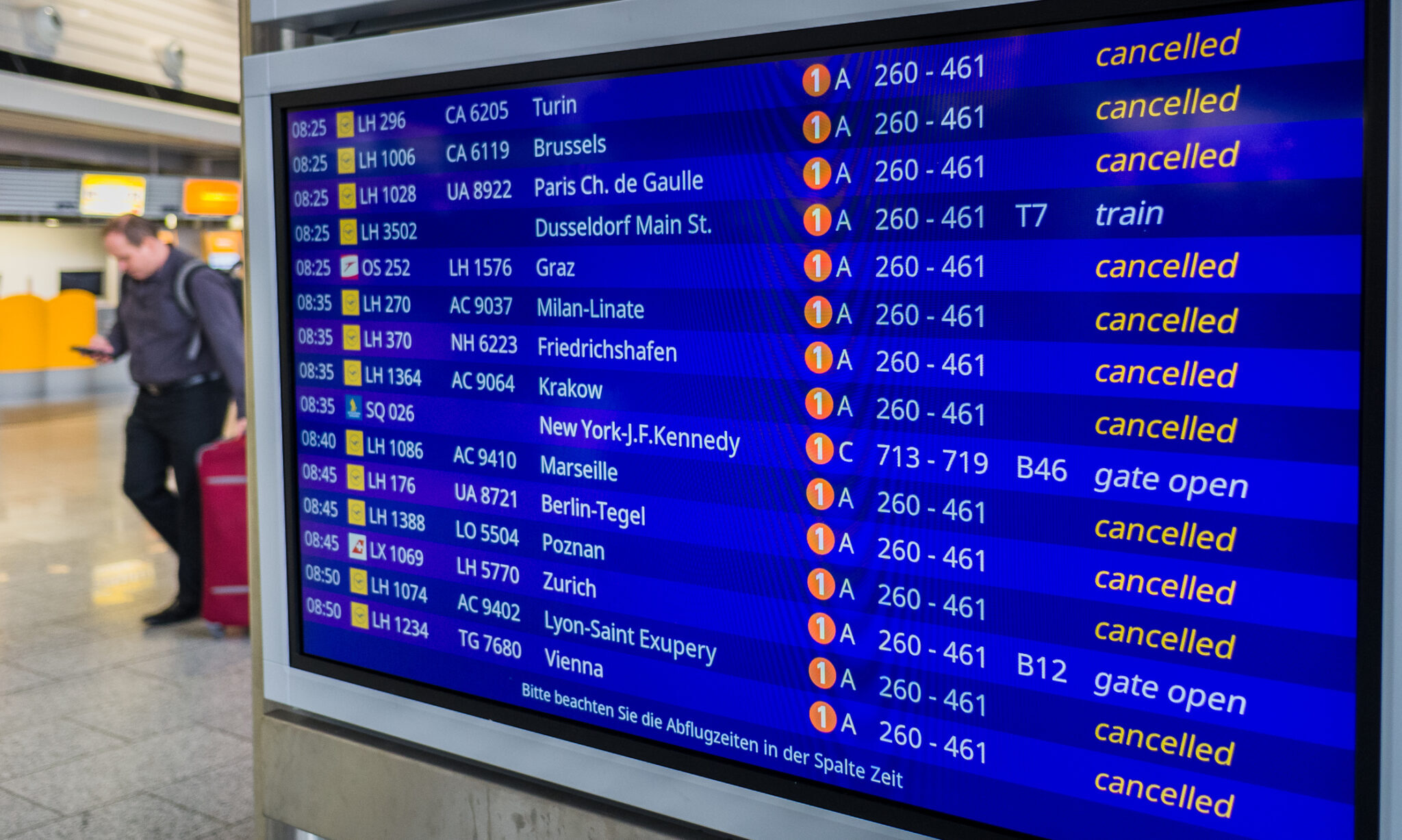
A cancelled flight can disrupt an entire trip, especially if it happens at the airport or shortly before departure. Airlines cancel flights for many reasons, including severe weather, technical problems, crew shortages or air traffic control restrictions.
For travellers, the most important thing to understand is that airlines have legal obligations when they cancel a flight. These rules are designed to protect passengers and ensure travellers are not left stranded without support.
In the UK and across much of Europe, airline passenger rights are governed by regulations often referred to as EU261 compensation rules. Even after Brexit, the UK continues to apply a very similar framework known as UK261. These regulations set clear requirements for refunds, rebooking and passenger care when flights are cancelled.
If a flight is cancelled, airlines must usually offer passengers a choice between a full refund or an alternative flight. The exact options may depend on the circumstances and the availability of other flights.
Travellers should also remember that cancellation rights apply regardless of where the ticket was purchased. Whether the flight was booked directly with an airline or through a travel agency, the airline operating the flight remains responsible for handling the cancellation.
Understanding these basic rights helps travellers make informed decisions quickly when disruption occurs.
Your Basic Passenger Rights After a Cancellation
When an airline cancels a flight, passengers are entitled to several forms of assistance. These rights apply in most situations where the airline is responsible for the disruption.
The first and most important right is the choice between a refund or an alternative flight. Airlines must offer passengers the option to cancel their booking and receive a full refund for the unused portion of the ticket. Alternatively, passengers can choose to be rebooked on another flight to their destination.
In many cases, travellers prefer rebooking because they still want to reach their destination. Airlines may place passengers on the next available flight, which could be later the same day or on a different airline if necessary.
Passengers are also entitled to care and assistance while waiting for a replacement flight. This can include meals, refreshments and access to communication such as phone calls or internet access.
If an overnight stay becomes necessary, airlines are generally required to provide hotel accommodation and transport to the hotel. These responsibilities remain in place even when large numbers of passengers are affected.
Knowing these basic rights allows travellers to confidently ask airlines for the support they are legally required to provide.
Best for two or three nights. The widest choice of rooms, with filters for free cancellation and included breakfast.
View staysBest for groups who want one address and separate bedrooms rather than three hotel rooms.
See holiday homesBest if you have already picked a hotel. Checks the big booking sites for the same room and shows who is cheapest.
Check dealsRefunds vs Rebooking: What You Can Choose
After a cancellation, travellers often need to decide quickly whether they prefer a refund or an alternative flight. Understanding the difference between these options can make the decision easier.
A refund means the airline returns the full cost of the unused ticket. This option may be attractive if the trip is no longer possible or if travellers prefer to make their own arrangements with another airline.
However, choosing a refund usually ends the airline’s responsibility to provide further assistance. Once the ticket is refunded, passengers must arrange and pay for any new travel plans themselves.
Rebooking, on the other hand, means the airline places passengers on another flight to the same destination. This may involve the next available service or a later flight if earlier options are full.
In some situations airlines may rebook passengers on partner airlines or alternative routes. The goal is to ensure travellers reach their destination as soon as reasonably possible.
Travellers should consider their priorities carefully. A refund may offer flexibility, while rebooking often provides the quickest path to completing the journey.
When You May Be Entitled to Compensation
In addition to refunds and assistance, passengers may also be entitled to financial compensation in certain situations.
Compensation generally applies when an airline cancels a flight at short notice and the cause is within the airline’s control. Examples may include technical issues with the aircraft or operational problems within the airline.
However, compensation is not required in all cases. Airlines are usually exempt if the cancellation is caused by extraordinary circumstances. These may include severe weather, airport closures, security threats or air traffic control restrictions.
The amount of compensation can vary depending on the flight distance and the length of the delay caused by the cancellation.
Passengers seeking more information about official air passenger rights can consult the UK Civil Aviation Authority, which provides detailed guidance on passenger protections and compensation rules.
What Counts as “Extraordinary Circumstances”
Not every cancelled flight qualifies for compensation. Airline passenger rights laws recognise that some situations are outside the airline’s control, meaning airlines are not required to pay compensation even if a flight is cancelled.
These situations are usually referred to as extraordinary circumstances. They include events that the airline could not reasonably prevent, even if all normal precautions were taken.
One of the most common examples is severe weather. Strong winds, snowstorms, thunderstorms or poor visibility can make flying unsafe. In these situations, cancellations are often necessary to protect passenger safety.
Air traffic control restrictions are another frequent cause. Airports occasionally limit the number of aircraft that can take off or land due to congestion, technical issues or safety concerns. When this happens, airlines may have no choice but to cancel certain flights.
Security incidents can also fall into this category. Airport security alerts, political instability or unexpected safety risks may lead to sudden cancellations.
Even when extraordinary circumstances apply, airlines must still provide care and assistance to passengers. This means meals, accommodation and alternative travel arrangements should still be offered where necessary.
Understanding the difference between airline responsibility and extraordinary circumstances helps travellers know when compensation may apply.

What Airlines Must Provide During Long Delays
When a flight cancellation leads to a long wait for a replacement flight, airlines must provide support to affected passengers. These obligations are part of the passenger protection rules designed to prevent travellers being stranded without assistance.
Passengers waiting several hours for an alternative flight should normally receive meals and refreshments appropriate to the waiting time. Airlines often provide vouchers for use at airport restaurants or shops.
Travellers must also be given access to communication, such as phone calls or internet access. This allows passengers to contact family, update accommodation bookings or adjust travel plans.
If the next available flight departs the following day, airlines are generally responsible for arranging hotel accommodation and transport to the hotel. These arrangements should be organised by the airline when possible, although passengers may sometimes need to claim reimbursement later.
It is important for travellers to keep receipts for any expenses they pay themselves during a disruption. If the airline fails to provide meals or accommodation directly, passengers may still be able to reclaim reasonable costs afterward.
Knowing these rights helps travellers request the assistance they are entitled to when facing significant travel disruption.
How to Claim Compensation for a Cancelled Flight
If a cancelled flight qualifies for compensation, the process usually begins by contacting the airline directly. Most airlines provide an online form where passengers can submit claims relating to flight disruptions.
Travellers should gather key information before submitting a claim. Important details include the flight number, booking reference, departure date and confirmation of the cancellation. Keeping copies of boarding passes, booking emails or notifications can help support the claim.
Passengers should also keep records of any additional expenses caused by the cancellation, such as meals, accommodation or transport costs. These documents may be required if the airline requests evidence during the claim process.
Airlines usually review compensation claims within several weeks. If the airline rejects a claim and passengers believe compensation is still owed, it may be possible to escalate the complaint to an independent dispute resolution body or national aviation authority.
Persistence is often important when pursuing compensation. Many successful claims require travellers to follow up with the airline more than once before a final decision is reached.
Understanding how the process works allows travellers to pursue compensation confidently when airlines cancel flights under circumstances covered by passenger protection rules.
Frequently Asked Questions About Cancelled Flight Rights
Passengers often have questions about what happens when an airline cancels a flight. Understanding the basics of airline passenger rights can help travellers respond more effectively when disruption occurs.
Do airlines have to provide a refund if they cancel a flight?
Yes. When an airline cancels a flight, passengers are normally entitled to choose between a full refund or an alternative flight to their destination.
Can airlines put passengers on another airline after a cancellation?
Yes. If necessary, airlines may rebook passengers on partner airlines or other carriers in order to get travellers to their destination as quickly as possible.
Are passengers always entitled to compensation?
No. Compensation usually applies only when the cancellation was within the airline’s control. Events such as severe weather or air traffic control restrictions normally do not qualify.
Do airlines have to pay for hotels during cancellations?
If passengers must wait overnight for a replacement flight, airlines are generally responsible for providing hotel accommodation and transport to the hotel.
Should travellers accept the first alternative flight offered?
Not necessarily. Travellers can ask airlines about other available routes or flights if the proposed rebooking would significantly delay their arrival.

Rupert’s Handy Travel Tips
Flight cancelled? Don’t panic. Here’s how to make sure you get everything you are entitled to:
- Know your EU261/UK261 rights: You are entitled to a refund or a replacement flight when an airline cancels, not just whatever the airline first offers.
- Decide refund or re-routing quickly: A refund ends the airline’s obligation to help further, so only choose it if you no longer need to travel.
- Keep every cancellation notice: Emails, app screenshots and boarding passes all help prove your case if you need to claim later.
- Check compensation eligibility before accepting a voucher: A voucher does not always match what you are legally owed in cash.
- Ask about care and assistance: Meals, communication and hotel costs should be covered by the airline while you wait, even during extraordinary circumstances.
Want to meet the reindeer behind our travel tips? Find out more in our page Who is Rupert?.




Best for finding routes the airlines do not sell as a single ticket. Combines carriers to bring the fare down.
Search flightsBest for short trips. Install the eSIM at home and arrive with working data, no shop queue.
Browse eSIMsBest when public transport has stopped, or when you are travelling with children and bags.
Book a transferFurther Reading & Related Travel Guides
Want to be fully prepared for flight disruption and airport problems? These guides will help you understand your rights and travel smarter when plans change.
If an airline collapses while you have a booking, our Grounded Dreams: What Happens When an Airline Goes Bust guide explains what happens next, while our Air Delays in Europe and the UK guide covers compensation rules for delayed rather than cancelled flights.
Once you know your rights, it is worth preparing for the rest of the journey too. Our Getting Through Airport Security Guide helps you avoid problems during screening, and our Packing Light for Hand Luggage Only Holidays guide makes travelling with fewer bags easier. If your plans change suddenly, our eSIM Apps Guide can help you stay connected wherever you end up.