
WHY AIR DELAYS MATTER FOR TRAVELLERS
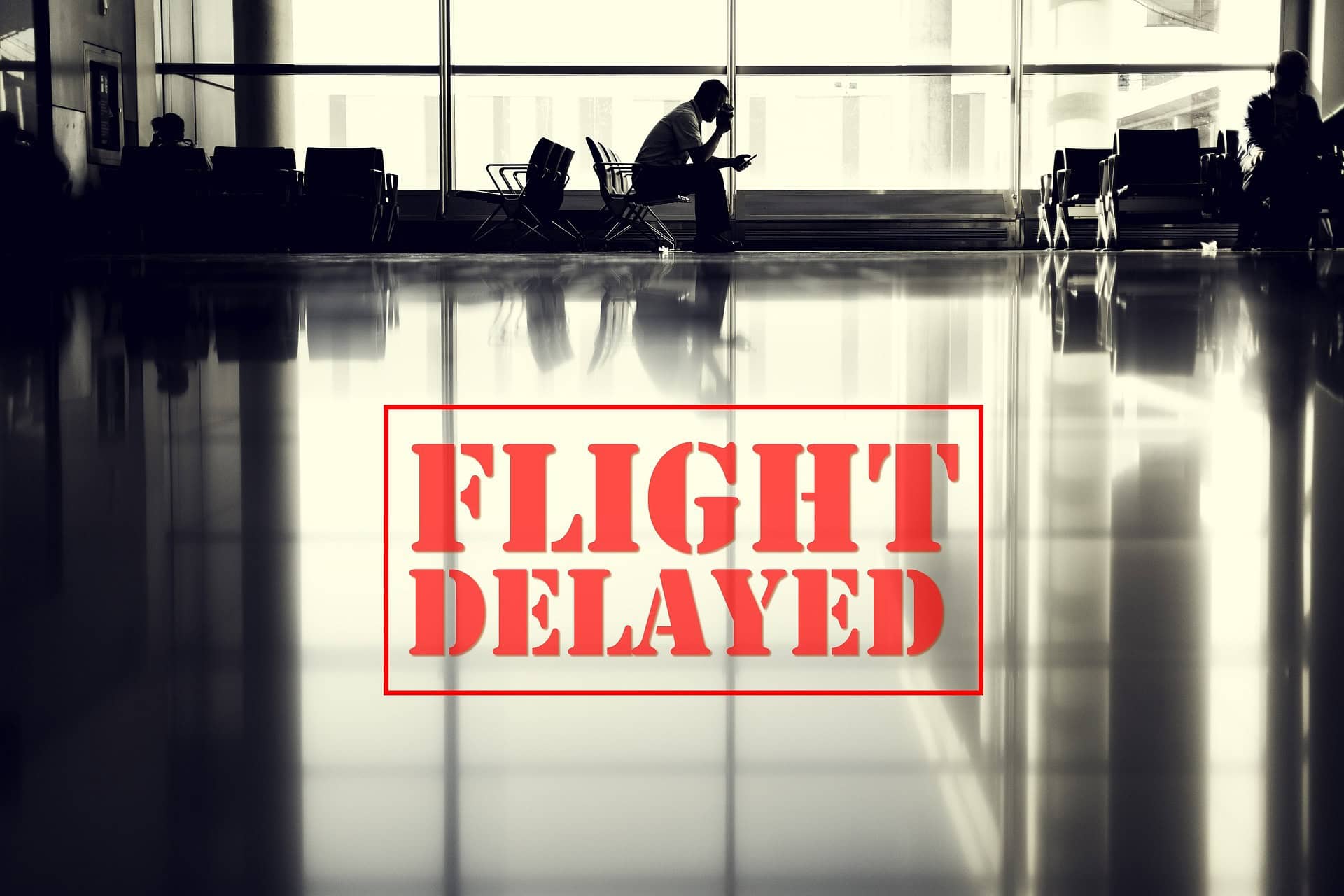
Flight delays are part of modern travel life, but for passengers across Europe and the UK, the scale and frequency of disruption can have huge ripple effects. Airlines continue to recover from pandemic-era staff shortages, while air traffic control capacity and extreme weather add pressure to already congested skies. Whether you’re a weekend city-breaker or a frequent flyer, understanding air delays in Europe has become essential to planning a smooth journey.
The average delay across major European airports has risen sharply since 2022. London Gatwick, Amsterdam Schiphol, and Frankfurt have all reported spikes in late departures due to congestion and tight turnaround schedules. The situation becomes even more unpredictable during peak travel periods, when heatwaves, thunderstorms, and industrial action disrupt air traffic across the continent.
For travellers, delays mean missed connections, lost hotel nights, and unnecessary stress. However, there are ways to reduce risk. Choosing early-morning flights, avoiding tight layovers, and checking airline punctuality data can make a real difference. Travel insurance and real-time flight tracking apps provide an additional layer of protection.
This guide explains your rights, highlights the most delay-prone airports, and shows you how to track, manage, and claim compensation effectively. Staying informed is your strongest advantage.
UNDERSTANDING YOUR RIGHTS (UK & EU RULES EXPLAINED)
If you’ve ever been stuck at the gate watching your departure time slip, knowing your rights under EU Regulation 261/2004 and the UK equivalent post-Brexit law can make a significant difference. These frameworks protect passengers when flights are delayed, cancelled, or overbooked, provided you are flying from a UK or EU airport, or with a UK or EU-based airline.
Under these rules, passengers may be entitled to financial compensation between €250 and €600 (£212–£510 / $270–$648), depending on the flight distance and the length of delay. Delays of three hours or more on shorter routes typically qualify for compensation, while longer journeys can result in higher payouts. Airlines are also required to provide care and assistance, including meals, refreshments, and accommodation if an overnight stay is necessary.
There are important exceptions. Situations such as severe weather, air traffic control restrictions, or security issues may be classified as extraordinary circumstances. In these cases, compensation may not apply, but airlines must still provide support and alternative travel arrangements.
In the UK, the Civil Aviation Authority (CAA) enforces these rights, while in the EU, national bodies oversee compliance. The process can feel slow and administrative, which is why many travellers use specialist services to manage claims. Keeping boarding passes, receipts, and written airline communication is essential for a successful outcome.
Understanding your rights puts you in a far stronger position to claim compensation and avoid unnecessary financial loss.
Browse hotels
Compare hotels and other places to stay for your trip.
Check availabilityPrefer your own space?
Explore holiday homes and apartments for your trip.
See holiday homesCompare hotel prices
Compare hotel deals from multiple booking sites in one search.
Compare pricesCOMMON CAUSES OF AIR DELAYS
Air delays in Europe and the UK are rarely caused by a single issue. Instead, they result from a combination of operational pressure, environmental conditions, and infrastructure limits. The region’s tightly connected airspace means that one disruption can quickly affect multiple countries.
Weather remains the most common cause. Fog at Heathrow, snow in central Europe, and thunderstorms across southern regions can disrupt schedules for hours. Air traffic control capacity is another major factor, particularly in countries where strikes or system limitations regularly affect operations.
Aircraft rotation issues also play a key role. When an aircraft arrives late from a previous journey, it cannot depart on time for the next one. This creates a knock-on effect across the entire schedule, especially at busy hub airports.
Technical problems, staff shortages, and delays in ground handling further increase pressure. Airlines operating tight turnaround schedules are especially vulnerable to disruption, as they have limited flexibility when something goes wrong.
External factors can also have a major impact. Events such as airspace closures, drone activity near airports, or environmental disruptions can cause widespread delays with little warning. While these cannot be controlled, travellers can reduce risk by using flight tracking tools, enabling alerts, and allowing more time between connections.
Preparation is not optional. It is the most effective way to stay in control when travel conditions become unpredictable.
THE SLIDING SCALE OF COMPENSATION (EU261 & UK261 EXPLAINED)
When flights are delayed or cancelled, compensation is calculated using a structured system based on delay length and flight distance. This system ensures consistency across all routes and airlines operating under EU261 and UK261 regulations.
The key principle is straightforward. If your flight arrives at its final destination three hours or more late, and the delay is within the airline’s control, you may be entitled to compensation.
For shorter journeys up to 1,500 kilometres, delays of three hours or more typically qualify for €250 (£212 / $270). Medium-distance flights between 1,500 and 3,500 kilometres can result in compensation of €400 (£340 / $432). Long-haul flights over 3,500 kilometres may qualify for up to €600 (£510 / $648), depending on the total delay.
If the airline offers an alternative flight that arrives only slightly later than scheduled, compensation may be reduced. However, passengers are still entitled to care and assistance, including meals, communication, and accommodation where required.
Understanding this structure allows travellers to quickly assess whether they are eligible and ensures they can claim with confidence when disruption occurs.
MOST DELAY-PRONE AIRPORTS IN EUROPE & THE UK
Some airports consistently experience higher levels of disruption than others. Data from Eurocontrol and OAG performance reports shows clear patterns across Europe and the UK, particularly in high-traffic regions.
In the UK, London Gatwick regularly records some of the longest delays, especially during peak travel periods. Manchester and Bristol also experience frequent disruption during busy seasons when operational pressure increases. By contrast, airports such as Birmingham and Edinburgh tend to perform more reliably, with stronger on-time records.
Across Europe, major hubs such as Amsterdam Schiphol, Frankfurt, and Istanbul face ongoing congestion challenges. Even small delays at these airports can quickly escalate into wider network disruption. Destinations like Lisbon and Palma de Mallorca are also prone to delays due to a combination of weather and airspace limitations.
Smaller airports such as Zurich and Oslo often deliver better performance thanks to lower traffic volumes and more efficient scheduling systems.
Understanding these patterns allows travellers to make better decisions. Avoiding tight connections at high-risk airports and choosing earlier departures can significantly reduce the chances of disruption affecting your journey.

TOOLS & APPS TO TRACK FLIGHT DELAYS
Digital tools now make it easy to monitor your flight’s progress, receive alerts, and even predict potential disruptions before the airline officially confirms them. For travellers navigating air delays in Europe and the UK, using a reliable flight-tracking app is no longer optional. It’s essential.
Flightradar24 remains the gold standard for real-time aircraft tracking, displaying live positions, aircraft types, and flight paths across the globe. Users can see when a plane departs, enters holding patterns, or diverts. FlightAware complements this with detailed delay statistics and predictive arrival times, ideal for spotting developing issues before they appear on airport screens.
For iPhone users, Flighty offers the most seamless integration, syncing with calendar entries and automatically alerting travellers to delays, gate changes, and cancellations, often before airlines issue updates. Frequent flyers in Europe also benefit from the Eurocontrol NM Network Operations Portal, which tracks large-scale airspace delays and ATC restrictions in real time.
Many airlines, including easyJet, Lufthansa, and British Airways, have revamped their apps to include push notifications, boarding updates, and baggage tracking. These are particularly useful for travellers juggling multiple connections or tight layovers.
To get the most from these apps, enable real-time notifications and always verify your aircraft’s inbound flight status. A delay on the previous leg often signals problems ahead. Combining a flight tracker with airline alerts and an independent source such as FlightAware gives you the fullest picture. With these tools, travellers can stay one step ahead and make informed decisions during disruptions, whether that means booking a backup hotel, re-routing through another airport, or simply knowing when to relax in the lounge.
HOW TO APPLY FOR FLIGHT DELAY COMPENSATION ONLINE
If your flight arrived three hours or more late, you may be entitled to compensation under EU261 or UK261 rules. While airlines allow passengers to submit claims directly, the process can sometimes feel slow and unclear, especially if the airline disputes the cause of the delay.
Applying online is usually straightforward. You will need to provide your flight number, travel date, booking confirmation or boarding pass, and details of the delay length and arrival time. If you incurred additional costs such as meals, hotels, or transport, you should also keep and submit receipts as supporting evidence.
Once submitted, the airline reviews the claim against official flight data. If the delay meets the criteria and is not classed as an extraordinary circumstance, compensation is issued. Processing times vary, but most claims are resolved within a few weeks.
It is important to be accurate and complete when submitting your claim. Missing details or unclear documentation can delay the process or result in rejection. Always keep a copy of everything you submit so you can follow up if needed.
USING AIRHELP TO CLAIM COMPENSATION FASTER
For travellers who want a simpler route, AirHelp offers a streamlined way to claim compensation without dealing directly with the airline. This is especially useful if the airline disputes your claim or if you simply do not want to manage the process yourself.
AirHelp works by checking your flight against a global database of delay data and legal eligibility rules. You enter your flight details, and the system quickly tells you whether you are likely to qualify for compensation. If your claim is valid, AirHelp handles the entire process, including submitting the claim, negotiating with the airline, and escalating the case if necessary.
The main advantage is convenience. Instead of chasing airlines or dealing with complex forms, you have a dedicated service managing everything on your behalf. This can be particularly helpful for long-haul delays, disputed cases, or multi-airline journeys.
AirHelp operates on a no win, no fee basis, meaning you only pay if the claim is successful. The fee is typically a percentage of the compensation awarded. While this reduces the final payout slightly, many travellers prefer the simplicity and higher success rate.
If you have experienced a significant delay and want to avoid the hassle, using a service like AirHelp can be the fastest and least stressful way to recover what you are owed.
This tool analyses your flight details instantly and tells you whether you may be eligible for compensation of €250–€600 (£212–£510 / $270–$648) depending on the delay and distance of your journey.


DELAY COMPENSATION & CLAIM APPS
When delays stretch into hours, many travellers look for the easiest way to recover compensation. A growing number of apps now simplify the process by handling claims digitally and guiding users step by step.
Platforms such as AirHelp, Resolver, and Bott & Co allow travellers to submit claims quickly, track progress, and avoid common mistakes. These tools reduce the risk of errors, ensure the correct airline is contacted, and increase the likelihood of a successful outcome.
Some travel apps also integrate delay tracking with compensation alerts. This means you may be notified automatically when your flight becomes eligible for a claim, saving time and effort.
While these services are convenient, it is still essential to keep boarding passes, booking confirmations, and receipts. The more evidence you provide, the faster your claim can be processed.
Using the right tools transforms what used to be a frustrating process into something far more efficient and manageable.


TIPS TO AVOID OR MINIMISE DELAYS
While no traveller can eliminate delays entirely, careful planning can significantly reduce the chances of disruption affecting your journey. The most effective strategy is to work with the system rather than against it.
Flights departing early in the morning are far more reliable. They avoid the build-up of delays that typically occurs later in the day, giving you a much higher chance of leaving on time. Afternoon and evening flights are more exposed to knock-on disruption from earlier delays.
Choosing the right airport and airline also matters. Major hubs may offer more routes, but they are also more prone to congestion. Smaller airports often provide more consistent performance and shorter turnaround times.
Connection times are another critical factor. Tight layovers may look efficient, but they leave no margin for error. Allowing extra time between flights provides a buffer that can prevent missed connections and unnecessary stress.
Finally, using flight tracking apps and enabling airline notifications ensures you are informed as early as possible. The sooner you know about a delay, the more options you have to adapt your plans.

Rupert’s Handy Travel Tips
Stuck at the airport? Don’t panic. Rupert’s got you covered. Here’s how to turn delay frustration into downtime productivity:
- Pack snacks and water: Carry extra snacks and a refillable water bottle, since queues for cafés grow fast when flights back up.
- Download the airline app in advance: It usually posts gate changes before the airport boards do.
- Bring noise-cancelling headphones or earplugs: Delays often mean long waits in noisy terminals.
- Keep a small comfort kit: Phone charger, power bank, toothbrush, and a spare t-shirt cover unexpected overnights.
- Check compensation eligibility fast: If delays exceed three hours, check your eligibility under EU261 or UK261 immediately.
Want to meet the reindeer behind our travel tips? Find out more in our page Who is Rupert?.
FURTHER READING & RELATED APP GUIDES
Want to prepare for every part of your journey? These related guides will help you stay informed, connected, and ready to travel with confidence.
To get the most out of your journey, our Flight Aggregator Apps Guide helps you track flights and fares effortlessly, while our Travel Insurance Apps Guide covers how to protect your plans if something goes wrong. Our eSIM Apps Guide can keep you online through long delays, and if disruption spills over into other forms of transport, our Delay Repay Guide explains how to claim for train delays too.
Each of these resources builds on this Spotlight Guide to make your travel smoother, safer, and better connected, whether you’re flying across Europe or simply navigating the next unexpected delay.