Reviewed by our editorial team Updated
Why the Channel Islands Are Important for Dark Tourism
The Channel Islands occupy a unique place in European and British wartime history because they were the only part of the British Isles occupied by Nazi Germany during the Second World War. This alone makes the islands one of the most historically significant and often overlooked dark tourism destinations in Europe.
Between 1940 and 1945, islands such as Jersey, Guernsey, Alderney, and Sark existed under direct German military occupation. During this period, the islands experienced forced labour, food shortages, propaganda, military fortification construction, deportations, and strict wartime control. Huge bunker systems, observation towers, underground tunnels, gun batteries, and defensive structures were constructed across the islands as part of Hitler’s Atlantic Wall defensive network.
Today, much of this wartime infrastructure still survives. Visitors can explore preserved bunkers, underground military tunnels, former occupation headquarters, coastal fortifications, museums, and forced labour camp locations spread across the islands. Unlike many mainland European war sites destroyed or redeveloped after 1945, the relatively isolated nature of the Channel Islands allowed many structures to survive in unusually intact condition.
What makes Channel Islands dark tourism especially compelling is the contrast between modern island life and the scale of wartime militarisation that once dominated these landscapes. Quiet beaches, scenic cliffs, and small fishing harbours now sit beside massive concrete fortifications and underground tunnel systems originally built to resist an Allied invasion that never came.
Quick Facts About the German Occupation of the Channel Islands
| Feature | Details |
|---|---|
| Occupation Period | 1940 to 1945 |
| Occupying Power | Nazi Germany |
| Main Islands Occupied | Jersey, Guernsey, Alderney, Sark |
| Liberation Date | 9 May 1945 |
| Why Historically Important | Only British Crown territory occupied by Germany |
| Main Defensive System | Atlantic Wall |
| Famous Site | Jersey War Tunnels |
| Most Militarised Island | Alderney |
| Major Guernsey Site | Batterie Mirus |
| Main Dark Tourism Themes | Occupation, bunkers, forced labour, tunnels |
| Forced Labour Present? | Yes |
| Underground Military Sites | Extensive |
| Civilian Food Shortages | Severe by late war |
| Liberation Celebrated Today? | Yes, annually |
| Best Islands for WWII Tourism | Jersey and Guernsey |
Best for a short trip. Compare rooms by neighbourhood, price and guest rating before you book.
Compare hotelsBest for families, or any stay past about four nights. A kitchen and a washing machine start paying for themselves.
Browse rentalsBest if you have already picked a hotel. Checks the big booking sites for the same room and shows who is cheapest.
Check dealsWhat Happened During the Nazi Occupation?
The occupation of the Channel Islands began in June 1940 after the collapse of France during the early stages of the Second World War. British authorities decided the islands were too difficult to defend strategically and demilitarised them before German forces arrived. Soon afterward, German aircraft bombed parts of the islands, and occupation forces landed without major military resistance.
For islanders, daily life changed dramatically almost overnight. German troops established military headquarters, imposed curfews, controlled communications, censored information, and enforced strict occupation regulations. Union flags disappeared while German signs, military vehicles, checkpoints, and fortification projects became part of everyday island life.
As the war progressed, the islands became heavily fortified. Hitler viewed the occupation symbolically because controlling British territory provided propaganda value for Nazi Germany. Huge resources were therefore invested into building coastal gun batteries, bunkers, tunnels, anti-tank walls, observation towers, and underground military facilities across the islands.
Conditions worsened significantly later in the war. After the Normandy landings in 1944, the Channel Islands became increasingly isolated from mainland Europe. Food shortages became severe, fuel supplies dwindled, and civilians endured growing hardship while German garrisons remained trapped on the islands until liberation finally arrived in May 1945.
Why the Channel Islands Were Occupied
The occupation of the Channel Islands happened partly because of military practicality and partly because of propaganda value. In 1940, Britain faced the rapid collapse of Allied resistance in western Europe following the German invasion of France. British military planners concluded that defending the islands would require resources that could be used more effectively elsewhere.
Because the islands sit relatively close to the French coast, they were vulnerable to air attack and difficult to reinforce once German forces controlled nearby Normandy and Brittany. The British government therefore decided to demilitarise the islands before German troops arrived. Many residents were evacuated beforehand, particularly children sent to mainland Britain for safety.
For Nazi Germany, occupying the islands carried major symbolic importance. Although small in size, the islands represented British territory under German control. Hitler used this fact heavily for propaganda purposes, presenting the occupation as evidence of German dominance over Britain during the early war years.
The islands later became heavily integrated into the wider Atlantic Wall project. Massive fortification programmes transformed the islands into some of the most heavily defended areas per square kilometre anywhere in Europe. Even today, visitors exploring Channel Islands WWII sites encounter bunkers, tunnels, gun emplacements, and defensive structures scattered across coastlines and rural landscapes throughout the islands.
How Long Did the Occupation Last?
The German occupation of the Channel Islands lasted from June 1940 until May 1945, meaning islanders lived under Nazi rule for almost five full years. This made the occupation one of the longest continuous periods of German control experienced anywhere connected to Britain during the Second World War.
Although German troops arrived relatively quickly after France collapsed, liberation did not come until after Germany’s overall surrender in Europe. Even after the Normandy landings in June 1944, the islands remained occupied for almost another year because Allied forces decided bypassing them was strategically preferable to launching costly assaults against heavily fortified positions.
As the war continued, conditions on the islands became increasingly difficult. Early occupation years involved restrictions, military control, and growing fortification work, but later years brought severe shortages of food, fuel, medicine, and communication with the outside world. German soldiers themselves also became increasingly isolated as Allied naval control disrupted supply routes across the English Channel.
Liberation finally arrived on 9 May 1945, one day after wider Victory in Europe Day celebrations across much of Europe. British forces landed in Jersey and Guernsey, formally accepting German surrender on the islands. Today, Liberation Day remains one of the most important commemorative events in the Channel Islands calendar and continues to shape local identity and wartime memory.

Civilian Life Under Occupation
Life for civilians during the occupation of the Channel Islands involved constant adjustment, fear, restriction, and uncertainty. Although the islands did not experience large-scale frontline combat after occupation began, everyday life became tightly controlled by German military authorities.
Curfews, censorship, travel restrictions, and rationing became part of daily existence. Radios were confiscated, newspapers were controlled, and islanders faced punishment for disobeying occupation regulations. German troops became a visible presence across towns, villages, and coastlines, while military construction projects transformed large parts of the islands.
Many islanders attempted to maintain normal routines where possible. Schools continued operating, businesses adapted, and local communities tried to preserve daily life despite occupation pressures. However, shortages steadily worsened as the war progressed, particularly after Allied forces isolated the islands following the invasion of Normandy in 1944.
The occupation also created difficult moral and social tensions that still remain sensitive topics today. Some islanders cooperated with German authorities out of necessity or survival, while others quietly resisted where possible. The complexity of these experiences forms an important part of modern Channel Islands dark tourism, because the occupation was not simply a military story but also a deeply human one affecting thousands of civilians over many years.
Evacuation of Children & Families
Before German forces arrived, thousands of children and families were evacuated from the Channel Islands to mainland Britain. This evacuation remains one of the most emotional and defining aspects of wartime memory across the islands.
The British government encouraged evacuation because military leaders believed the islands could not realistically be defended once France collapsed. Many parents faced painful choices about whether to send children away to safety or remain together under possible occupation. In islands such as Guernsey, large numbers of schoolchildren were evacuated, often travelling with teachers and carrying only limited belongings.
For many evacuees, the experience became traumatic and life-changing. Families were separated for years, and some children did not see parents again until after liberation in 1945. Children evacuated to Britain often faced unfamiliar living conditions, foster care arrangements, wartime bombing risks, and emotional uncertainty throughout the conflict.
Meanwhile, families remaining on the islands endured occupation conditions directly. Today, museums and wartime exhibitions across Jersey and Guernsey frequently include evacuation stories alongside military history because they highlight the emotional and civilian impact of the occupation beyond the bunkers and fortifications themselves.
Starvation, Isolation & Survival on the Islands
By the later years of the occupation, conditions across the Channel Islands had become increasingly desperate. After Allied forces liberated France in 1944, the islands were effectively cut off from normal supply routes, leaving both civilians and German troops increasingly isolated.
Food shortages became severe. Basic goods disappeared, rationing intensified, and many islanders survived on limited diets heavily dependent on locally grown produce. Fuel shortages additionally affected heating, transport, and daily life, particularly during harsh winter periods. Malnutrition became a growing concern across parts of the islands as the war continued.
The islands’ isolation also created psychological strain. Communication with Britain remained heavily restricted, uncertainty about the war’s outcome continued, and civilians endured years of occupation without knowing when liberation would finally arrive. German troops themselves became increasingly demoralised as supply conditions worsened and Allied victory elsewhere in Europe became obvious.
One of the most important humanitarian interventions came through the International Committee of the Red Cross, which eventually delivered desperately needed aid supplies to the islands aboard the ship SS Vega. These deliveries helped prevent conditions deteriorating even further during the final months before liberation. Today, starvation and wartime survival stories form an important part of understanding the full human reality behind Channel Islands WWII sites and occupation history.
Best for finding routes the airlines do not sell as a single ticket. Combines carriers to bring the fare down.
Search flightsBest for anyone whose home plan charges by the megabyte abroad. Pay a fixed price up front.
Check eSIMsBest after a long flight or a late landing. Price agreed before you travel, and no taxi queue.
Check transfersThe Atlantic Wall in the Channel Islands
The Channel Islands became one of the most heavily fortified parts of Hitler’s vast Atlantic Wall defensive system. This enormous network of bunkers, coastal batteries, tunnels, anti-tank barriers, and observation positions stretched across occupied Europe and was designed to defend against a future Allied invasion.
Because the islands represented occupied British territory, Hitler invested disproportionate resources into fortifying them. Thousands of German troops, engineers, and forced labourers transformed the islands into heavily militarised fortress zones packed with concrete defensive structures that still dominate parts of the coastline today.
Huge gun batteries were constructed overlooking the English Channel, while underground tunnels and bunkers provided protected military infrastructure beneath the surface. Observation towers, machine gun nests, anti-aircraft positions, and defensive walls appeared across beaches, cliffs, and rural areas throughout Jersey, Guernsey, and Alderney.
One reason the Channel Islands dark tourism scene remains so strong today is because much of this wartime infrastructure survived intact after the war. Unlike mainland Europe, where many wartime structures were destroyed or redeveloped, the islands preserved a remarkable concentration of original fortifications. Visitors can therefore still explore one of the most complete surviving sections of the Atlantic Wall anywhere in Europe.
German Bunkers, Fortifications & Coastal Defences
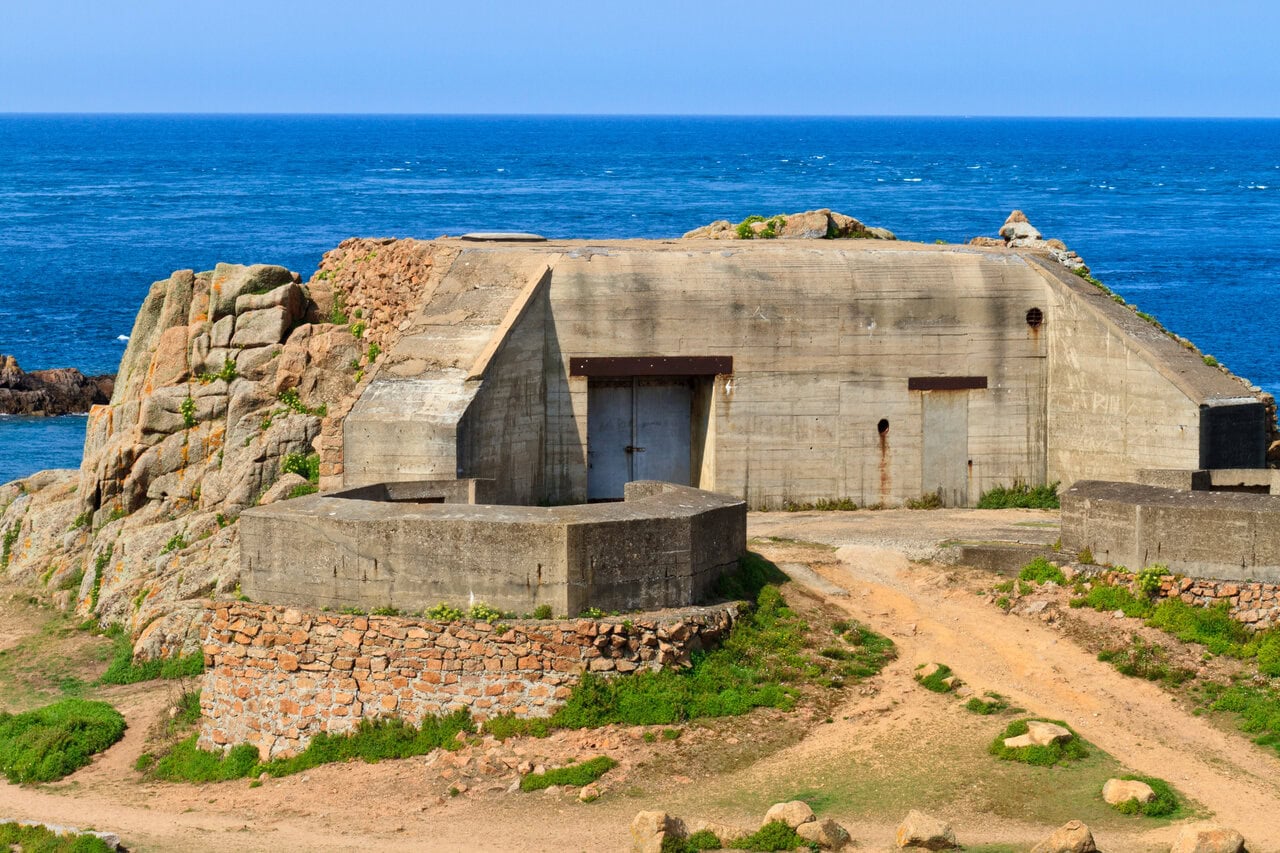
One of the defining features of Channel Islands dark tourism is the extraordinary number of surviving German bunkers and coastal fortifications spread across the islands. During the occupation, Nazi engineers transformed the islands into heavily defended military zones filled with concrete defensive structures that remain visible almost everywhere along the coastline today.
Visitors exploring Jersey, Guernsey, and Alderney regularly encounter observation towers, artillery bunkers, anti-aircraft positions, machine gun nests, tunnel entrances, and reinforced coastal strongpoints hidden among beaches, cliffs, and rural landscapes. Many structures were designed to survive direct naval bombardment and therefore remain remarkably intact even decades after the war ended.
Some fortifications can be visited freely along public walking routes, while others are accessible through museums or guided tours. Coastal areas around Noirmont Point, Corbière, and parts of Guernsey’s western coastline contain especially visible wartime infrastructure. The scale of construction often surprises visitors because many people do not realise how heavily militarised the islands became during the occupation.
The atmosphere of these sites forms a major part of their dark tourism appeal. Massive concrete structures overlooking otherwise peaceful beaches create a stark visual reminder of how completely the islands were transformed by war. In many places, modern cafés, hotels, and walking trails now sit directly beside surviving wartime fortifications, creating a striking contrast between present-day tourism and wartime history.
Major WWII & Dark Tourism Sites in the Channel Islands
| Site | Island | Type of Site | Why It Is Important | Visitor Notes |
|---|---|---|---|---|
| Jersey War Tunnels | Jersey | Underground tunnels & museum | Most famous occupation museum in the Channel Islands | Major indoor attraction with extensive exhibits |
| Noirmont Point Bunkers | Jersey | Coastal fortifications | Large concentration of German bunkers and gun positions | Excellent coastal walking area |
| Corbière German Defences | Jersey | Atlantic Wall structures | Coastal observation and defensive positions | Best combined with lighthouse visits |
| La Hougue Bie Command Bunker | Jersey | Underground command bunker | German command and communications site beneath ancient mound | Combines prehistoric and WWII history |
| Batterie Mirus | Guernsey | Coastal artillery battery | One of the largest German gun batteries in the Channel Islands | Guided tours sometimes available |
| German Naval Signals HQ | Guernsey | Military communications site | Important German command infrastructure | Partly preserved wartime structures |
| Fort Hommet Bunkers | Guernsey | Coastal bunker complex | Extensive Atlantic Wall defences overlooking beaches | Popular walking and photography location |
| Guernsey Occupation Museum | Guernsey | Museum | Focuses on occupation life and military history | Large collection of wartime artefacts |
| Alderney Forced Labour Camp Sites | Alderney | Camp and memorial sites | Connected to forced labour and Atlantic Wall construction | Historically sensitive locations |
| Anti-Tank Defences at Longis Bay | Alderney | Coastal fortifications | Large surviving defensive structures | Strong Atlantic Wall atmosphere |
| Sark Occupation Heritage Sites | Sark | Small wartime remains | Reflects occupation of smaller islands | Best explored during island walks |
| German Observation Towers | Multiple islands | Observation posts | Built for coastal surveillance and defence | Scattered across cliffs and headlands |
| Underground Military Tunnels | Jersey & Guernsey | Tunnel systems | Built using forced labour during occupation | Some accessible through tours |
| Liberation Memorials | Jersey & Guernsey | Memorial sites | Commemorate liberation in May 1945 | Important annual ceremony locations |
The largest concentration of accessible Channel Islands WWII sites is generally found across Jersey and Guernsey, although Alderney contains some of the most historically serious and sensitive wartime locations connected to forced labour and Atlantic Wall construction.

Jersey War Tunnels Guide
The Jersey War Tunnels are widely considered the most important and most visited wartime attraction in the Channel Islands. Located underground within a vast tunnel complex excavated during the German occupation, the site offers one of the most immersive experiences anywhere connected to the islands’ wartime history.
Originally constructed using forced labour, the tunnels were intended to function as an underground military hospital protected from Allied bombing. Thousands of tonnes of rock were excavated to create long concrete-lined corridors hidden beneath the landscape. Conditions for labourers were extremely harsh, and the construction itself forms an important part of the site’s historical significance.
Today, the tunnels operate as a major museum exploring civilian life under occupation, military control, forced labour, evacuation, resistance, starvation, and liberation. Visitors move through underground passageways filled with exhibits, reconstructed wartime scenes, photographs, sound effects, and personal testimonies describing life during the occupation years.
One reason the Jersey War Tunnels are so powerful is the atmosphere created by the underground environment itself. Walking through cold concrete corridors originally built during wartime creates a much more immediate and emotional experience than traditional museum galleries alone. For many visitors, this becomes the single most memorable dark tourism site anywhere in the Channel Islands.
Standard adult admission is around £21 (roughly €24/$27), with children aged 7 to 15 around £10 and under-7s admitted free. Current opening times and full ticket prices are published on the Jersey War Tunnels website.
Alderney Forced Labour Camps
Among all the wartime sites in the Channel Islands, the history of Alderney is perhaps the darkest and most controversial. During the occupation, the island became heavily militarised and hosted several forced labour camps connected to the construction of German fortifications and Atlantic Wall defences.
Labourers transported to Alderney included prisoners from across occupied Europe, many of whom worked under brutal conditions building bunkers, tunnels, anti-tank structures, roads, and gun batteries. Conditions inside the camps were extremely harsh, involving inadequate food, dangerous labour, violence, and severe mistreatment. Deaths occurred among prisoners due to exhaustion, abuse, malnutrition, and disease.
The exact scale of suffering on Alderney remains historically debated, which adds further complexity to the island’s wartime legacy. Historians continue researching prisoner numbers, deaths, and the relationship between the camps and wider Nazi concentration camp systems. This ongoing debate has made Alderney one of the most sensitive and academically important wartime locations connected to Britain.
Today, relatively little of the camp infrastructure survives in complete form compared with some bunker systems elsewhere in the islands. However, memorials, ruins, interpretation boards, and wartime remains still attract visitors interested in the darker aspects of the occupation. Alderney’s wartime history forms a very different kind of dark tourism experience compared with the more museum-focused attractions found in Jersey and Guernsey.
Batterie Mirus in Guernsey
One of the most impressive surviving German fortification sites in the Channel Islands is Batterie Mirus in Guernsey. Built as part of Hitler’s Atlantic Wall defences, this enormous coastal battery once housed some of the largest naval guns positioned anywhere in occupied Europe.
The battery was designed to defend the western approaches to the islands and formed part of Guernsey’s extensive coastal defence network. Huge concrete bunkers, ammunition storage areas, underground passages, observation positions, and artillery emplacements were constructed across the landscape, creating a heavily fortified military complex overlooking the sea.
Although many of the original guns were removed after the war, large sections of the fortifications still survive. Guided tours and specialist historical groups occasionally provide access to parts of the site, allowing visitors to explore underground structures and understand the sheer scale of the wartime construction effort.
What makes Batterie Mirus especially striking is the way the site blends into the modern landscape. Quiet countryside and coastal scenery now surround structures originally built for large-scale warfare. For visitors interested in military engineering, coastal defence systems, and the Atlantic Wall, the battery remains one of the most significant WWII dark tourism locations anywhere in the Channel Islands.
Best if you would rather spend the money on the trip than on the room. Compare hostels by location and rating.
Search hostelsBest arranged before you fly rather than after. Covers claim handling, plus lounge access on eligible delays.
Explore AirHelp+Best for a day with a suitcase and nowhere to put it. Find a storage point near where you already are.
View storageUnderground Hospitals & Military Tunnels
Underground tunnel systems form one of the most fascinating and unsettling parts of Channel Islands WWII history. During the occupation, German forces excavated extensive tunnel complexes beneath several islands to create protected military facilities hidden from possible Allied air attacks.
The best-known example is the Jersey War Tunnels, but smaller underground systems and military tunnels exist elsewhere across the islands as well. These facilities included storage depots, troop shelters, ammunition areas, command centres, and protected infrastructure connected to the wider Atlantic Wall defence network.
Many of these tunnels were constructed using forced labour under extremely harsh conditions. Workers excavated rock manually and endured difficult environments involving poor ventilation, dangerous construction work, inadequate nutrition, and constant military pressure. The human suffering connected to these projects forms an important part of their historical significance today.
Exploring surviving tunnels creates a very different atmosphere compared with open-air fortifications. Underground spaces often feel claustrophobic, cold, and deeply connected to the wartime period itself. Dim lighting, concrete corridors, heavy blast doors, and enclosed chambers help visitors understand the militarised environment created during the occupation years.
Occupation Museums Across the Islands
Several museums across the Channel Islands help preserve and explain the complex history of the German occupation, wartime survival, and liberation. Together, these museums form the backbone of modern Channel Islands dark tourism, combining military history with civilian experiences and personal testimony.
The largest and most famous site is the Jersey War Tunnels, but smaller occupation museums and historical centres exist across both Jersey and Guernsey. Many focus not only on military fortifications but also on the everyday realities faced by civilians living under occupation for nearly five years.
Museum collections commonly include wartime uniforms, ration books, identity documents, propaganda posters, photographs, civilian letters, military equipment, and oral histories from island residents. Some museums additionally preserve original bunkers, command centres, or wartime rooms exactly as they appeared during the occupation period.
One of the strongest aspects of these museums is their focus on human stories rather than simply military hardware. Exhibits often explore themes such as fear, separation, evacuation, collaboration, resistance, survival, and liberation. This creates a much broader understanding of wartime life beyond the visible bunkers and concrete fortifications that dominate many parts of the islands today.
Liberation Day & Wartime Memory
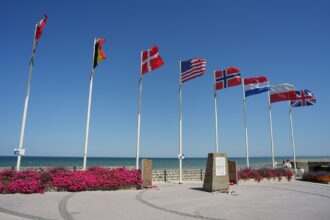
Although the occupation officially ended in May 1945, its memory still plays an extremely important role across the Channel Islands today. Every year, Liberation Day on 9 May remains one of the most significant public commemorations in both Jersey and Guernsey.
During Liberation Day celebrations, the islands hold ceremonies, parades, memorial events, historical exhibitions, concerts, and educational activities connected to the end of the occupation. Union flags, wartime vehicles, military reenactments, and remembrance events become highly visible across towns and harbours as island communities commemorate both suffering and liberation.
What makes Liberation Day especially distinctive is that occupation memory remains deeply personal for many island families. Stories of evacuation, shortages, bunker construction, forced labour, and wartime survival are still passed through generations. Unlike some historic dark tourism destinations where events feel very distant, the wartime experience in the Channel Islands remains strongly embedded in local identity.
For visitors, travelling during Liberation Day can provide a very different perspective on the islands’ wartime history. Museums, memorials, and historical sites often host special events and exhibitions, while local communities openly engage with remembrance and historical reflection in ways rarely seen elsewhere in Britain.

Dark Tourism Walking Routes in the Channel Islands
One of the best ways to explore Channel Islands WWII sites is on foot. Coastal walking routes across Jersey, Guernsey, and Alderney frequently pass directly beside bunkers, gun emplacements, observation towers, anti-tank walls, and hidden wartime structures built during the occupation.
In Jersey, walking routes around areas such as Noirmont Point, Corbière, and the western coastline contain especially high concentrations of fortifications. Visitors can often combine scenic cliff walks and beaches with extensive wartime exploration, creating a unique mixture of natural beauty and military history.
Meanwhile, Guernsey offers strong walking opportunities connected to sites such as Batterie Mirus, coastal batteries, and defensive tunnels overlooking the sea. Many fortifications remain partially hidden within landscapes, meaning visitors unexpectedly encounter wartime remains while following ordinary coastal paths.
Walking routes are particularly effective for understanding the strategic geography behind the occupation. Exploring on foot helps visitors appreciate why certain cliffs, bays, harbours, and high points were fortified so heavily. The physical scale of the Atlantic Wall becomes far easier to understand when moving through the landscape rather than simply viewing isolated museum exhibits indoors.
Best Islands for WWII Dark Tourism
Although all the main Channel Islands experienced occupation, some islands offer much stronger dark tourism experiences than others depending on the type of wartime history visitors want to explore.
For most travellers, Jersey is the strongest overall destination because it combines major museums, extensive fortifications, underground tunnels, accessible transport infrastructure, and a wide range of preserved wartime sites. The Jersey War Tunnels alone make the island one of the most important WWII dark tourism destinations connected to Britain.
Guernsey is often considered the best island for large coastal fortifications and military engineering. Sites such as Batterie Mirus, coastal bunkers, and preserved Atlantic Wall structures create a particularly strong military-history atmosphere. Guernsey additionally works well for visitors combining dark tourism with island hopping toward Sark and Herm.
Meanwhile, Alderney appeals more to specialist visitors interested in forced labour camps and the darker aspects of occupation history. Its wartime story is more controversial and less commercialised than Jersey’s museum-focused tourism, giving the island a very different atmosphere compared with the larger islands.
Travellers with limited time usually focus on Jersey and Guernsey, while those deeply interested in wartime history often explore multiple islands to understand how occupation experiences varied across the region.
How to Travel Between the Islands
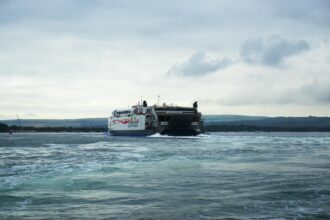
Travelling between the Channel Islands is relatively straightforward during the main tourism season, particularly by ferry. Inter-island connections allow visitors to combine multiple wartime sites and museums within a broader dark tourism itinerary.
Most island hopping routes operate through Guernsey and Jersey, which function as the main transport hubs. Ferries between Jersey and Guernsey provide the core inter-island connection, while smaller passenger services continue onward toward Sark, Herm, and occasionally Alderney depending on season and weather conditions.
Flights also connect some islands, particularly routes involving Alderney, although ferries generally provide the more atmospheric and practical option for travellers interested in wartime coastal landscapes and maritime history. Ferry arrivals additionally create a stronger sense of geographical isolation and strategic position within the English Channel.
Travellers planning multi-island WWII itineraries should generally allow flexibility because weather conditions can occasionally disrupt crossings, especially during winter. Summer remains the easiest period for exploring multiple islands because ferry frequencies increase significantly and sea conditions are usually calmer.

Best Time to Visit WWII Sites
The best period for exploring Channel Islands dark tourism sites is usually between May and September, when weather conditions are milder, ferry services operate more frequently, and longer daylight hours make coastal exploration significantly easier.
Summer conditions are especially useful for visitors planning bunker walks, fortification routes, or multi-island itineraries because many wartime sites sit outdoors along exposed coastlines and cliff paths. Good weather also improves access to smaller islands and seasonal ferry services linked with places such as Sark and Alderney.
However, spring and early autumn can sometimes provide a more atmospheric experience for dark tourism visitors. Cooler temperatures, quieter walking routes, and lower tourist numbers often create a more reflective atmosphere around museums, bunkers, and wartime memorials. Many photographers additionally prefer these seasons because changing light conditions create more dramatic coastal scenery around the fortifications.
Visitors specifically interested in wartime remembrance may also consider travelling during Liberation Day events around 9 May, when museums, memorials, and island communities host commemorations connected to the end of the occupation. This period offers a very different experience compared with ordinary sightseeing because wartime history becomes highly visible across the islands through ceremonies, exhibitions, and public events.
Ethics of Visiting Occupation & War Sites
Like all forms of dark tourism, visiting wartime sites in the Channel Islands raises important ethical considerations. These locations are not simply abandoned ruins or unusual attractions. Many sites are directly connected to suffering, forced labour, starvation, imprisonment, occupation, and death.
Visitors should therefore approach places such as the Jersey War Tunnels, Alderney labour camp sites, and wartime memorials with respect and historical awareness. The purpose of visiting these locations is not entertainment in the traditional sense but education, remembrance, and understanding of how war affected both civilians and prisoners during the occupation years.
Photography is generally allowed at many sites, but travellers should remain mindful of the historical context, especially at memorials and forced labour locations. Behaviour that trivialises suffering or treats wartime locations purely as novelty backdrops can understandably cause offence to local communities and descendants connected to the occupation period.
At the same time, responsible dark tourism can play an important educational role. Preserving and visiting occupation sites helps ensure the realities of war, authoritarian control, forced labour, and civilian hardship are not forgotten. In the Channel Islands, this is particularly important because many people outside the region remain unaware that British Crown territory was occupied by Nazi Germany at all.
Photography Tips for Bunkers & Underground Sites
Photographing Channel Islands WWII sites can be extremely rewarding because the islands combine dramatic coastal scenery with remarkably preserved wartime infrastructure. However, bunker systems, tunnels, and underground locations often present unusual technical challenges compared with ordinary travel photography.
Lighting is usually the biggest issue inside wartime tunnels and bunkers. Underground locations such as the Jersey War Tunnels contain low-light environments where phone cameras may struggle without steady hands or night mode settings. Visitors using dedicated cameras often benefit from higher ISO settings or image stabilisation because flash photography may be restricted in some museum areas.
Coastal bunker photography is very different. Many Atlantic Wall fortifications sit on exposed cliffs and beaches where natural lighting changes dramatically throughout the day. Early morning and late afternoon often provide the strongest conditions because softer light creates greater texture and contrast across the concrete structures.
One of the most striking photographic elements in the Channel Islands is the contrast between wartime infrastructure and modern peaceful landscapes. Massive gun batteries overlooking quiet beaches, bunkers beside walking routes, and observation towers above scenic coastlines create unusually powerful visual combinations that define much of the islands’ dark tourism atmosphere.

Accessibility at Channel Islands WWII Attractions
Accessibility varies significantly across Channel Islands dark tourism sites because many wartime locations were originally military structures built into cliffs, underground tunnels, and difficult coastal terrain.
Larger museum attractions such as the Jersey War Tunnels generally provide the best accessibility infrastructure, including managed visitor routes, interpretation displays, and facilities designed for modern tourism. However, underground environments may still include uneven surfaces, narrow passages, changing temperatures, and occasional physical limitations connected to the original wartime construction.
Outdoor fortifications and bunker routes can be far more challenging. Coastal battery sites, observation towers, and cliffside defensive positions frequently involve steep gradients, uneven ground, exposed paths, and staircases. Some Atlantic Wall structures were deliberately built in inaccessible defensive positions, meaning modern access remains physically demanding.
Travellers with mobility concerns should therefore research individual sites carefully before visiting. In many cases, museums and heritage organisations provide accessibility guidance online explaining which areas are fully accessible and which involve more difficult terrain. Despite these limitations, many important wartime sites across Jersey and Guernsey remain accessible enough for visitors to experience substantial parts of the islands’ occupation history.

Rupert’s Handy Travel Tips
Rupert recommends treating the wartime history of the Channel Islands as a multi-island experience rather than visiting only one museum. Each island experienced the occupation differently, and travelling between them helps visitors understand the full scale of the German military presence across the region.
- Start with the Jersey War Tunnels: they provide the strongest overall introduction to occupation history.
- Use Guernsey as a base: it’s ideal for exploring coastal bunkers and Atlantic Wall fortifications.
- Wear sturdy footwear: many bunker sites involve uneven coastal terrain and steep paths.
- Allow extra ferry flexibility during winter: weather disruption can affect island hopping plans.
- Visit early or late in the day: this gives the most atmospheric bunker photography and quieter museum conditions.
Want to meet the reindeer behind our travel tips? Find out more in our page Who is Rupert?.



Frequently Asked Questions About Channel Islands Dark Tourism
Why are the Channel Islands important in WWII history?
The Channel Islands were the only British Crown territory occupied by Nazi Germany during the Second World War, making them historically unique within Britain’s wartime story.
Which Channel Island has the best WWII attractions?
Most visitors consider Jersey the strongest overall destination because of the Jersey War Tunnels, extensive bunkers, museums, and preserved wartime infrastructure.
Can you visit German bunkers in the Channel Islands?
Yes. Large numbers of German bunkers, observation towers, gun batteries, and Atlantic Wall fortifications still survive across Jersey, Guernsey, and Alderney.
What are the Jersey War Tunnels?
The Jersey War Tunnels are a major underground wartime museum built inside tunnels excavated during the German occupation using forced labour.
Did concentration camps exist in the Channel Islands?
Forced labour camps existed on Alderney, where prisoners were used to construct fortifications and military infrastructure connected to the Atlantic Wall.
What is Liberation Day in the Channel Islands?
Liberation Day takes place on 9 May each year and commemorates the end of the German occupation in 1945.
Further Reading & Related Guides
Travellers exploring Channel Islands dark tourism should also read our detailed Channel Islands Ferry Guide, which explains how to travel between Jersey, Guernsey, Sark, and Alderney using ferries from both the UK and France. Many of the most important wartime locations sit along coastal routes and are easiest to combine through island hopping itineraries.
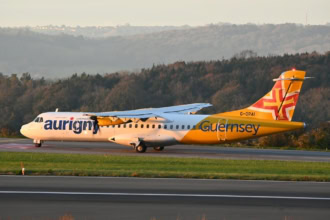
Visitors interested in regional transport should additionally explore our guides to Aurigny Air Services and the historical Blue Islands Airline Guide, both of which explain the realities of modern travel connections across the islands and surrounding regions.
Travellers combining wartime history with wider European exploration may also benefit from our growing collection of dark tourism guides, and European railway journeys, particularly routes connected to wartime history, fortifications, underground sites, and military heritage. Our broader Dark Tourism Guide is a good starting point, and travellers interested in similar Nazi-occupation history elsewhere in Europe may also enjoy our Normandy D-Day Beaches Guide.
For visitors travelling across multiple countries and islands, our eSIM Apps Guide explains how to maintain reliable mobile connectivity for ferry schedules, maps, museum bookings, and navigation while travelling between the UK, France, and the Channel Islands.