
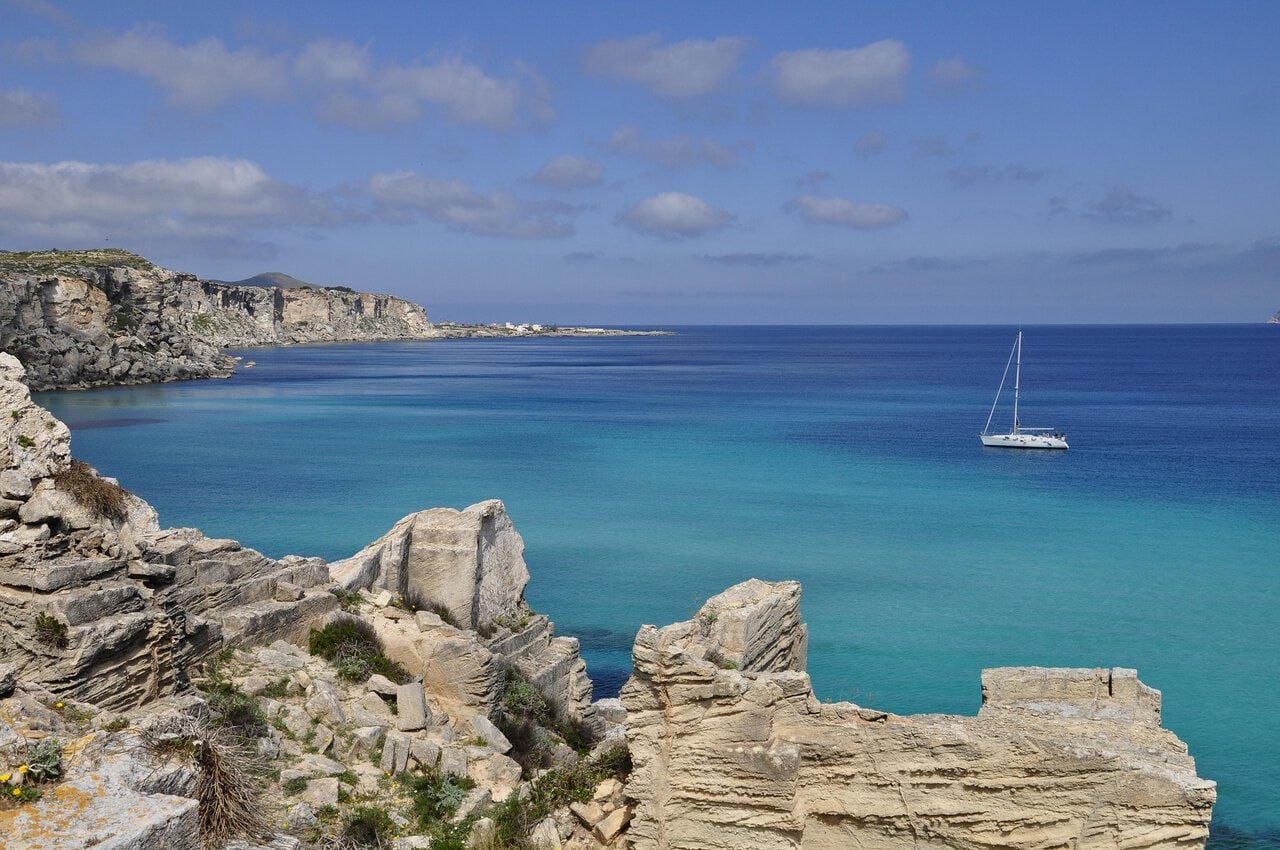
Why Visit the Egadi Islands
The Egadi Islands are one of the Mediterranean’s most underrated island groups, offering crystal-clear water, quiet fishing villages, dramatic coastal scenery and a far slower atmosphere than many of Italy’s better-known island destinations. Sitting just off the western coast of Sicily near Trapani, the islands feel surprisingly remote despite being relatively easy to reach.
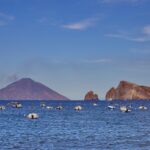
Unlike the volcanic drama of the Aeolian Islands, the Egadi Islands focus more on turquoise seas, hidden coves, seafood culture and relaxed island life. Travellers come here for swimming, snorkelling, boat trips and peaceful evenings beside small harbours rather than nightlife or major resort developments.
A proper understanding of the Egadi Islands travel is important because each island offers a very different experience. Favignana is the largest and most developed island, famous for cycling routes and beaches. Levanzo is tiny, peaceful and ideal for day trips. Marettimo is mountainous, remote and perfect for hiking and nature lovers.
One of the strongest attractions of the archipelago is how authentic the islands still feel. Large-scale tourism remains limited compared with places like the Amalfi Coast, Capri or parts of eastern Sicily. Small fishing boats still dominate many harbours, traditional seafood restaurants remain central to island life and much of the coastline feels beautifully untouched.
The islands also work extremely well as part of a wider western Sicily itinerary. Travellers often combine the archipelago with Trapani, Palermo, Erice, Marsala or Sicily’s western beaches. Ferry connections are short enough that even visitors with limited time can experience the islands without needing a long expedition-style journey.
For travellers searching for quieter Mediterranean islands with exceptional water clarity, slower travel and strong maritime culture, the Egadi Islands itinerary experience offers something genuinely different from mainstream Italian beach tourism.
Quick Facts About the Egadi Islands
The Egadi Islands are a small archipelago located off the western coast of Sicily in the Mediterranean Sea. The islands are known for their protected marine environment, clear waters, tuna fishing traditions and relaxed island atmosphere.
| Topic | Information |
|---|---|
| Country | Italy |
| Region | Sicily |
| Main Islands | 3 |
| Largest Island | Favignana |
| Main Ferry Gateway | Trapani |
| Famous For | Beaches, diving, seafood, cycling |
| Protected Area | Egadi Islands Marine Reserve |
| Best Months to Visit | May to October |
| Car Needed? | Usually no |
| Main Language | Italian |
| Currency | Euro (€) |
The three main inhabited islands are Favignana, Levanzo and Marettimo. Each island has a distinct atmosphere and level of development.
Favignana is the busiest and easiest island for first-time visitors. It has beaches, restaurants, bicycle rental shops and the strongest ferry connections. Levanzo is much smaller and quieter, with a tiny harbour village and scenic coves. Marettimo is the most remote island, famous for hiking trails, cliffs and protected marine landscapes.
The islands form part of the Egadi Islands Marine Protected Area, one of the largest marine reserves in Europe. This protection helps preserve the exceptional water clarity and marine biodiversity that attract divers and snorkelling enthusiasts from across Europe.
Most visitors reach the islands from the port city of Trapani, where regular hydrofoils and ferries connect the mainland to the archipelago. Ferry crossings are relatively short compared with many other Mediterranean island routes, making the islands accessible even for shorter trips.
The islands are also strongly connected to Sicily’s historic tuna fishing industry. For centuries the Egadi Islands played an important role in Mediterranean maritime trade and fishing culture, particularly on Favignana, where the old tuna processing plants remain an important historical attraction.
Browse hotels and accommodation for your journey.
View staysBrowse apartments, holiday homes and self-catering stays.
View rentalsCompare hotel prices across multiple booking sites.
Compare ratesWhere Are the Egadi Islands?
The Egadi Islands sit in the Mediterranean Sea just off the western coast of Sicily, close to the historic port city of Trapani. Their position makes them one of the easiest island groups in Italy to reach while still feeling wonderfully detached from mainland life.
The nearest island, Favignana, lies only a short distance from Trapani, with hydrofoil crossings often taking well under an hour. This easy access is one of the reasons the islands have become increasingly popular with travellers looking for quieter alternatives to the busier Italian coastal hotspots.
Geographically, the islands are very different from the volcanic landscapes found in the Aeolian Islands further east. The Egadi archipelago is defined by limestone cliffs, turquoise coves, rocky swimming spots, sea caves and dry Mediterranean vegetation rather than active volcanoes or dramatic black sand beaches.
Favignana is the largest and flattest island in the group and is often described as butterfly-shaped when viewed from above. Its relatively gentle terrain makes cycling one of the most popular ways to explore the island. In contrast, Levanzo is much smaller and quieter, while Marettimo feels far wilder and more mountainous, with steep cliffs and hiking routes dominating much of the landscape.
The waters surrounding the islands form part of the protected Egadi Islands Marine Reserve, one of the largest marine conservation zones in Europe. This protection helps preserve the extraordinary water clarity and marine biodiversity that make the islands particularly popular for swimming, diving and snorkelling.
Historically, the islands occupied an important strategic position in the Mediterranean. Sea routes between Sicily, mainland Italy, Spain and North Africa passed close to the archipelago for centuries, bringing fishing fleets, merchants and naval forces through the surrounding waters. This strong maritime identity still shapes island culture today, particularly in the fishing traditions and harbour life that remain central to communities across the islands.
How to Get to the Egadi Islands
Most travellers reach the Egadi Islands through the port city of Trapani on the western coast of Sicily. Trapani acts as the main transport gateway to the archipelago, with regular ferries and hydrofoils operating throughout the year to Favignana, Levanzo and Marettimo.
The easiest airport for reaching the islands is usually Trapani Airport, officially known as Vincenzo Florio Airport. The airport sits relatively close to the ferry port, making transfers straightforward compared with many other Mediterranean island journeys. Travellers can normally reach Trapani city centre from the airport using buses, taxis or private transfers before continuing onward by ferry.
Many visitors also arrive through Palermo Airport, particularly outside peak summer when Palermo offers a larger range of international flights. From Palermo, travellers can continue west towards Trapani using regional trains, long-distance buses or rental cars. The journey typically takes around one and a half to two hours depending on transport choice.
Once in Trapani, travellers board ferries or hydrofoils operated mainly by companies such as Liberty Lines and Siremar. Hydrofoils are significantly faster and are the preferred option for most passengers travelling without vehicles. Conventional ferries are slower but allow the transport of cars, scooters and larger cargo.
Crossing times are relatively short by Mediterranean island standards. Reaching Favignana often takes less than an hour by hydrofoil, while Levanzo is even closer. Marettimo sits further offshore and requires a longer crossing, particularly when using slower ferry services.
During summer, ferry schedules become far more frequent, with numerous daily departures connecting the islands to mainland Sicily. Outside peak season, services remain operational but may reduce significantly, especially during poor weather conditions or quieter winter months.
Travellers should pay attention to ferry timings when booking flights, particularly if arriving late in the day. Missing the final hydrofoil departure can result in an unexpected overnight stay in Trapani. This is especially important during shoulder season when evening services become more limited.
For visitors combining the islands with a wider Sicilian itinerary, the Egadi Islands work particularly well alongside destinations such as Trapani, Marsala, Erice, Palermo and the western Sicilian coastline. Because the crossings are relatively short, the islands are much easier to incorporate into broader Sicily travel plans than many travellers initially expect.

Organise Your Egadi Islands Ferry Journey with Direct Ferries
You can use Direct Ferries to research ferry travel for Egadi Islands, check sailing schedules and compare operators before booking.
Having the available crossings together can make it easier to build your itinerary around the most convenient departure and arrival times.
Want to compare ferry prices? You can also check Ferryhopper and FerryScanner before booking.
Best Islands to Visit in the Egadi Islands
Choosing the right island is one of the most important parts of planning a trip to the Egadi Islands because each island offers a very different atmosphere despite their close proximity to one another.
Favignana is the largest and most popular island in the archipelago. It combines beautiful beaches, easy cycling routes, lively harbour areas and the strongest range of accommodation and restaurants. For most first-time visitors, Favignana is the best overall base because transport links are excellent and there is enough infrastructure to support both short stays and longer holidays.
The island is particularly famous for its coastline. Beaches such as Cala Rossa, Cala Azzurra and Bue Marino attract visitors from across Italy because of their striking turquoise water and dramatic rocky scenery. Much of the island can be explored by bicycle, giving Favignana a very relaxed and environmentally friendly atmosphere during summer.
Levanzo offers a completely different experience. Tiny, peaceful and largely untouched by mass tourism, the island feels far slower and quieter than Favignana. The small harbour village contains whitewashed buildings, fishing boats and a handful of restaurants overlooking the sea. Many visitors come only for day trips, but staying overnight allows travellers to experience the island after the crowds leave.
Levanzo is also known for the Grotta del Genovese, a prehistoric cave containing ancient cave art and archaeological remains. This gives the island historical importance beyond its beaches and scenery.
Marettimo is the wildest and most remote island in the group. Mountainous cliffs rise sharply from the sea, and much of the island feels dramatically undeveloped compared with many Mediterranean destinations. The island is especially popular with hikers, divers and travellers seeking complete tranquillity.
Unlike Favignana, Marettimo focuses far less on beaches and much more on nature, hiking routes and marine scenery. Boat tours exploring sea caves and inaccessible sections of coastline are among the island’s biggest attractions.
Many travellers combine two islands during a single trip, usually pairing Favignana with either Levanzo or Marettimo. This creates a good balance between convenience, beaches and quieter island experiences without spending excessive time moving between ferries and accommodation.

Egadi Islands Ferry Guide
Ferries are the backbone of transport throughout the Egadi Islands, connecting the archipelago with mainland Sicily and linking the islands themselves together. Unlike larger Mediterranean destinations where flights dominate, ferry travel here forms an essential and enjoyable part of the overall experience.
The main departure port is Trapani, where hydrofoils and ferries leave regularly throughout the day. The port itself is located close to Trapani’s historic centre, making it relatively easy for travellers to transfer directly from hotels, train stations or airport buses.
The two primary ferry operators are Liberty Lines and Siremar. Liberty Lines mainly operates fast hydrofoils aimed at foot passengers, while Siremar provides larger conventional ferries capable of transporting vehicles and heavier cargo.
Approximate crossing times from Trapani are relatively short:
| Route | Approximate Time |
|---|---|
| Trapani to Favignana | 30 to 50 minutes |
| Trapani to Levanzo | 25 to 40 minutes |
| Trapani to Marettimo | 1 hour 15 minutes to 2 hours |
Journey times vary depending on weather conditions and whether services stop at multiple islands before arriving at their final destination.
During peak summer months, ferry frequency increases significantly, particularly towards Favignana, which becomes extremely popular with both Sicilian holidaymakers and international tourists. Booking tickets in advance is highly recommended during July and August, especially for morning departures and weekend crossings.
Hydrofoils are generally the best option for travellers without vehicles because they are considerably faster than conventional ferries. However, rough seas occasionally affect hydrofoil operations more severely than larger ferries, particularly during windy weather.
Travellers should also understand that ferry timetables change seasonally. Winter schedules are much more limited, and some routes may operate only a few times per day outside summer. Building flexibility into itineraries is always sensible when travelling between Mediterranean islands.
One of the advantages of the Egadi Islands compared with more remote island groups is the relatively short travel times involved. Even travellers staying in western Sicily can comfortably visit Favignana or Levanzo as day trips, although staying overnight provides a much calmer and more authentic experience once the last ferries depart.
Organise Your Egadi Islands Ferry Journey with Direct Ferries
You can use Direct Ferries to research ferry travel for Egadi Islands, check sailing schedules and compare operators before booking.
Having the available crossings together can make it easier to build your itinerary around the most convenient departure and arrival times.
Want to compare ferry prices? You can also check Ferryhopper and FerryScanner before booking.
Island Hopping in the Egadi Islands
Island hopping across the Egadi Islands is relatively straightforward because the islands sit close together and ferry crossings are short compared with many other Mediterranean archipelagos. This makes the islands ideal for travellers wanting variety without spending huge portions of their holiday in transit.
Most island hopping trips begin on Favignana, which acts as the transport centre of the archipelago. Because ferry schedules are strongest there, the island works well as a base for day trips towards Levanzo and Marettimo.
A common mistake is attempting to visit all three islands too quickly. While distances are short, each island has a very different pace and atmosphere. Rushing through them often means spending more time watching ferry timetables than actually enjoying the islands themselves.
For shorter stays of around three or four days, many travellers focus on Favignana alongside either Levanzo or Marettimo. This creates a good balance between beaches, scenic villages and quieter island experiences.
Travellers interested primarily in beaches and cycling usually spend most of their time on Favignana. Those looking for peaceful harbour scenery and a slower atmosphere often prefer adding Levanzo, while hiking and nature-focused visitors tend to favour Marettimo.
Because ferry schedules generally operate through Trapani rather than directly between every island at all times of day, travellers should check timings carefully before planning ambitious same-day connections. Weather conditions can occasionally affect schedules too, particularly outside peak summer.
One of the best parts of island hopping here is simply arriving into the ports themselves. Small fishing boats, turquoise water, limestone cliffs and whitewashed harbour villages create a very different atmosphere from larger Mediterranean ferry terminals.
Unlike some heavily commercialised island destinations, the Egadi Islands still reward slower travel. Spending evenings beside the harbour after the final hydrofoils leave often becomes one of the most memorable parts of visiting the archipelago.
Best Beaches in the Egadi Islands
The beaches and swimming spots of the Egadi Islands are among the clearest and most visually striking anywhere in Italy. Unlike traditional sandy Mediterranean resort coastlines, many of the islands’ best coastal areas consist of rocky coves, limestone platforms and turquoise bays framed by dramatic cliffs and transparent water.
The most famous beach in the archipelago is undoubtedly Cala Rossa on Favignana. Often photographed in travel magazines and Italian tourism campaigns, the bay is known for its extraordinary shades of blue water surrounded by pale rocky cliffs. The scenery feels almost Caribbean on calm summer days, although the coastline itself is rocky rather than sandy. Visitors often sunbathe directly on the flat limestone rocks before swimming into the crystal-clear sea.
Another popular coastal area on Favignana is Cala Azzurra, which offers shallower water and easier swimming conditions. The water here is particularly clear and calm during summer, making it one of the most popular spots for snorkelling and relaxed swimming. Early mornings and late afternoons are usually the best times to avoid the busiest crowds during peak season.
Bue Marino is another dramatic coastal location on Favignana, famous for its old quarry landscapes and deep blue water. The combination of rugged limestone formations and bright Mediterranean colours creates one of the island’s most photogenic swimming areas.
On Levanzo, beaches and coves feel quieter and more remote. The island’s smaller size and lower visitor numbers create a far calmer atmosphere than Favignana during summer. Many visitors spend their time swimming directly from rocky coves or joining small boat tours exploring inaccessible sections of coastline.
Marettimo offers some of the wildest coastal scenery in the archipelago. Towering cliffs, sea caves and deep blue water dominate much of the island’s coastline. Swimming spots here often feel far more isolated and dramatic, particularly along sections only reachable by boat.
One of the defining features of the islands is the exceptional water clarity. The protected marine reserve surrounding the archipelago helps preserve visibility and marine life, making the islands particularly attractive for snorkelling and diving.
Travellers expecting large resort beaches with rows of umbrellas may find the islands quite different from mainstream Mediterranean destinations. The Egadi coastline is more rugged, natural and scenic, with much of its appeal coming from the raw beauty of the landscape rather than heavy tourist infrastructure.
Browse hostels and budget-friendly stays.
See hostelsAccess compensation support, eligible lounge benefits and faster payouts.
See the benefitsUse convenient luggage storage between arrival, check-in and departure.
Check storageThings to Do in the Egadi Islands
The best experiences in the Egadi Islands revolve around the sea, coastal scenery and slower Mediterranean island life. While the islands are smaller and quieter than many major Italian destinations, there is still plenty to do for travellers interested in nature, food, history and outdoor activities.
One of the most popular activities is renting a bicycle on Favignana and exploring the island independently. The island’s relatively flat terrain makes cycling practical even for casual riders, and many of the best beaches, coves and viewpoints can be reached along quiet coastal roads. Cycling between swimming spots while stopping at small cafés and harbour restaurants is one of the classic Favignana experiences.
Boat tours are another major highlight across the archipelago. Many excursions circle the islands, stopping at sea caves, hidden coves and swimming areas inaccessible from land. The water clarity throughout the marine reserve makes swimming directly from boats particularly memorable, especially around the cliffs of Marettimo and the rocky coastlines of Favignana.
Snorkelling and diving are extremely popular due to the marine biodiversity and protected waters surrounding the islands. Divers come for underwater caves, rocky reefs and archaeological remains hidden beneath the sea. Visibility can be exceptional during calm summer conditions.
Exploring the historic tuna fishing culture is another important experience, particularly on Favignana. The island’s old tuna processing plant, known as the Tonnara di Favignana, reflects how important tuna fishing once was to the local economy. The historic industrial buildings remain one of the island’s most important cultural attractions.
On Levanzo, many visitors head to the famous Grotta del Genovese, a prehistoric cave containing ancient cave art and archaeological remains. Reaching the cave itself is part of the experience, with boat journeys or guided routes leading visitors along the rugged coastline.
Marettimo is especially attractive for hikers and nature lovers. Mountain trails rise above the coastline and offer extraordinary views across the Mediterranean and surrounding islands. Compared with the busier atmosphere of Favignana, Marettimo feels far more isolated and adventurous.
Food also forms a major part of the experience. Long seafood lunches beside fishing harbours, evening aperitifs overlooking the sea and fresh tuna dishes remain central to island life. In many ways, simply slowing down and embracing the rhythm of the islands becomes one of the best activities of all.
Food & Drink in the Egadi Islands
Food in the Egadi Islands is deeply connected to the sea. Fishing traditions have shaped local cuisine for centuries, and seafood remains at the heart of most menus across Favignana, Levanzo and Marettimo.
The islands are especially famous for tuna, reflecting the region’s historic connection to Mediterranean tuna fishing. Traditional tuna dishes appear everywhere from pasta sauces to grilled seafood platters, and the islands remain strongly associated with Sicily’s old tuna processing industry.
Fresh seafood dominates restaurant menus throughout the archipelago. Swordfish, octopus, anchovies, shellfish and local catches change depending on the season and the daily fishing conditions. Many restaurants display fresh fish directly outside the entrance, reinforcing how closely connected island life remains to the surrounding sea.
One of the pleasures of dining on the islands is the atmosphere itself. Small harbour restaurants, seaside terraces and family-run trattorias create a far more relaxed experience than the heavily commercialised restaurant scenes found in some larger Mediterranean resorts.
Sicilian influences appear strongly throughout local cuisine. Pasta dishes featuring tomatoes, olives, capers and seafood are common, while local olive oils and wines play an important role in many meals. Granita and Sicilian desserts are also widely available during warmer months.
Because the islands are relatively small, food quality is often surprisingly high. Many restaurants rely heavily on fresh local ingredients rather than large tourist-focused supply chains. Smaller menus are common, but this usually reflects freshness rather than limited quality.
Prices vary significantly depending on the island and season. Waterfront restaurants in popular sections of Favignana can become expensive during peak summer evenings, while quieter restaurants away from the harbour often provide better value and a more authentic atmosphere.
Travellers visiting during July and August should expect restaurants to become busy, particularly during the evening. Booking ahead is often sensible on Favignana during peak season, especially for restaurants overlooking the harbour or coastline.
Historical Sites & Maritime History
Although the Egadi Islands are best known today for beaches and marine scenery, they also possess a long and fascinating maritime history closely tied to the wider Mediterranean world.
For centuries the islands occupied an important strategic position between Sicily, mainland Italy, North Africa and western Mediterranean trade routes. Merchant ships, naval fleets and fishing vessels all passed through the surrounding waters, helping shape the islands’ maritime identity.
One of the most historically significant events connected to the islands was the Battle of the Egadi Islands in 241 BC, fought between the Romans and Carthaginians during the First Punic War. The battle took place in the waters around the archipelago and helped secure Roman control over Sicily, changing the course of Mediterranean history.
Marine archaeology remains important in the area today. Archaeologists have discovered ancient shipwrecks, helmets and naval artefacts beneath the surrounding waters, highlighting the historical importance of the islands’ sea routes.
On Favignana, the historic Tonnara di Favignana remains one of the islands’ most important cultural landmarks. This former tuna processing complex reflects the centuries-old tuna fishing industry that once dominated the local economy. The buildings now act partly as a museum and cultural site, helping visitors understand how deeply tuna fishing shaped daily life across the islands.
Traditional fishing culture still survives across the archipelago. Small fishing boats continue operating from harbour towns, and maritime traditions remain visible throughout daily island life. Compared with more heavily commercialised Mediterranean destinations, the Egadi Islands still retain much of their authentic coastal identity.
Historic harbour villages on Levanzo and Marettimo also preserve traditional Mediterranean architecture and slower rhythms of life that have changed surprisingly little over time. Whitewashed buildings, narrow lanes and small fishing ports remain central to the islands’ character today.
The islands’ history therefore feels less focused on grand monuments and more connected to maritime survival, fishing culture and the sea itself. For many visitors, this authentic maritime atmosphere becomes one of the most memorable aspects of travelling through the archipelago.
Marine Nature & Protected Waters
One of the defining features of the Egadi Islands is the extraordinary quality of the surrounding sea. The islands sit within the Egadi Islands Marine Protected Area, one of the largest marine reserves in Europe, and this protected status helps preserve the remarkable water clarity, marine biodiversity and natural coastal scenery that make the archipelago so special.
The marine reserve covers a vast area surrounding Favignana, Levanzo and Marettimo, protecting underwater ecosystems, fish populations, sea grass meadows and fragile coastal habitats. This protection is one of the reasons the water across the islands often appears unbelievably clear, particularly during calm summer conditions when visibility can become extraordinary.
Snorkelling and diving are therefore among the biggest attractions in the islands. Visibility can be exceptional, especially around rocky coastlines, underwater caves and offshore reef areas. Divers regularly explore marine caves, submerged cliffs and archaeological remains hidden beneath the sea.
The waters surrounding Marettimo are particularly famous for marine life and dramatic underwater scenery. Towering cliffs rise directly from deep blue water, while sea caves cut into the coastline around the island. Boat excursions exploring these caves are among the most memorable experiences anywhere in western Sicily.
The marine environment also supports important wildlife. Dolphins are occasionally spotted in the waters surrounding the archipelago, while seabirds circle the cliffs and fishing boats throughout the islands. The reserve plays a major role in protecting ecosystems that have disappeared from more heavily developed parts of the Mediterranean.
Unlike many busy coastal destinations, large sections of the Egadi coastline remain remarkably undeveloped. Massive resort complexes, overcrowded beach clubs and high-rise hotel developments are largely absent. This helps preserve the islands’ far more natural and authentic atmosphere.
Boat access is one of the best ways to experience the reserve properly. Excursions regularly visit hidden coves, limestone caves, isolated swimming spots and inaccessible coastal areas unreachable by road. Many travellers discover that some of the archipelago’s most spectacular scenery exists offshore rather than within the towns themselves.
For travellers interested in nature, marine conservation, diving or quieter Mediterranean scenery, the Egadi Islands offer one of the strongest combinations of protected coastline and authentic island atmosphere anywhere in Italy.
Where to Stay in the Egadi Islands
Choosing where to stay in the Egadi Islands depends heavily on the atmosphere travellers want from their trip. Although the islands are geographically close together, each island feels completely different once you arrive.
For most first-time visitors, Favignana is the strongest overall base. The island offers the widest range of hotels, guesthouses, holiday apartments and restaurants, alongside the best ferry connections in the archipelago. Staying on Favignana also makes it much easier to organise day trips towards Levanzo and Marettimo while still having access to beaches, cycling routes and lively harbour evenings.
Accommodation on Favignana ranges from simple family-run B&Bs to more stylish boutique hotels overlooking the coastline. Properties close to the main harbour, Cala Rossa and the central town area become especially popular during summer.
Travellers wanting a slower and quieter atmosphere often prefer Levanzo. The island is tiny compared with Favignana, and accommodation choices are far more limited, but this peaceful atmosphere becomes one of the island’s biggest attractions. Staying overnight after the final ferries leave allows visitors to experience a much calmer side of island life.
Marettimo appeals strongly to hikers, divers and travellers searching for isolation. Accommodation there is generally simpler and more nature-focused, with many guesthouses prioritising scenery and tranquillity over luxury facilities. The mountainous landscape and quieter pace create a completely different atmosphere from the busier sections of Favignana.
One of the biggest differences compared with larger Mediterranean destinations is the lack of huge resort complexes. Most accommodation remains relatively small-scale and family-operated, helping preserve the islands’ traditional character and maritime identity.
Booking early is extremely important during July and August. Accommodation capacity is limited, particularly on Levanzo and Marettimo, and many of the best sea-view properties sell out long before peak season begins.
Location matters significantly as well. Staying close to ferry ports reduces luggage stress and simplifies island hopping, while more remote accommodation often rewards travellers with quieter surroundings, dramatic sunsets and better coastal scenery. Many visitors find balancing convenience with atmosphere creates the best overall experience.
Best Time to Visit the Egadi Islands
The best time to visit the Egadi Islands is usually between May and October, when ferry schedules operate frequently and warm Mediterranean weather makes swimming, boat trips and coastal exploration far more enjoyable.
For many travellers, the ideal periods are May, June, September and early October. During these months the islands remain lively, the sea is warm enough for swimming and the atmosphere feels significantly more relaxed than the intense peak summer crowds.
July and August bring the hottest weather and the busiest visitor numbers. Favignana in particular becomes extremely popular during the Italian holiday season, with beaches, ferries and restaurants often crowded throughout the day. Accommodation prices also rise sharply during these peak weeks.
Despite the crowds, peak summer does offer advantages. Ferry frequencies are at their highest, nearly all hotels and restaurants remain fully open and boat tours operate constantly throughout the day. Travellers wanting energetic harbour atmospheres and lively summer evenings may actually enjoy this busier period.
Spring is especially attractive for travellers interested in cycling, hiking, snorkelling and sightseeing rather than purely beach-focused holidays. Temperatures remain comfortable, landscapes appear greener and accommodation prices are often significantly lower than midsummer peaks.
Autumn can also be an excellent time to visit. The sea retains warmth from summer, sunsets become particularly beautiful and the islands begin returning to a slower and calmer rhythm once the largest tourist crowds disappear.
Winter creates a completely different atmosphere. Ferry schedules reduce considerably, many seasonal businesses close and rougher weather occasionally affects crossings between the islands and mainland Sicily. However, travellers looking for authentic island life without tourism may still find winter fascinating, especially on Favignana where local communities remain active year-round.
Regardless of season, weather conditions should always be monitored carefully. Strong winds and rough seas can occasionally affect hydrofoil operations, particularly during shoulder season and winter. Flexible travel plans are therefore always recommended when visiting Mediterranean islands.
Costs & Budget Tips
The Egadi Islands are generally more affordable than many of Italy’s more famous island destinations, although prices still vary heavily depending on season, accommodation type and which island travellers choose.
Favignana usually offers the best overall value because it has the widest range of accommodation options. Travellers can choose between budget guesthouses, apartments, boutique hotels and mid-range seaside properties depending on their travel style and budget.
In contrast, Levanzo and Marettimo have fewer accommodation choices, which can push prices higher during busy summer weeks despite their quieter atmosphere. Booking early becomes especially important on these smaller islands.
Travelling during May, June or September often provides far better value than visiting in peak summer. Accommodation costs in July and August can rise dramatically, particularly for sea-view hotels or properties close to beaches and ferry ports.
Ferry costs are relatively manageable because the islands sit close to mainland Sicily, but repeated island hopping can still become expensive over time. Using multiple hydrofoils every day quickly increases transport costs, especially during longer stays.
Food prices vary heavily depending on location. Restaurants overlooking the harbour in Favignana are usually the most expensive, especially during sunset dining hours. Smaller restaurants away from the busiest waterfront areas often provide much better value while also serving more authentic local seafood dishes.
One of the smartest ways to save money on Favignana is by renting a bicycle instead of relying on taxis or organised transfers. Cycling is inexpensive, practical and one of the best ways to explore beaches and coastal scenery independently.
Boat excursions, diving trips and snorkelling tours are among the best experiences in the islands, but travellers should budget for them early because they can significantly increase overall spending during longer stays.
Compared with destinations such as Capri, the Amalfi Coast or parts of Sardinia, the Egadi Islands still feel refreshingly accessible for travellers wanting spectacular Mediterranean scenery without the extremely high prices often associated with Italy’s luxury coastal hotspots.
Public Transport in the Egadi Islands
Public transport in the Egadi Islands is relatively simple but surprisingly effective considering the small size and remote nature of the archipelago. Most visitors do not need a car, and in many situations travelling without one actually makes island life easier and more enjoyable.
The most important form of transport is the ferry network connecting Favignana, Levanzo and Marettimo with the Sicilian mainland at Trapani. Ferries and hydrofoils effectively act as the islands’ equivalent of intercity trains, with most daily movement revolving around the arrival and departure schedules at the harbour.
On Favignana, bicycles are one of the main forms of local transport. The island’s relatively flat terrain and manageable road network make cycling practical even for casual visitors. Bicycle rental shops are located throughout the harbour area, and many travellers spend entire days moving between beaches, coves and restaurants by bike.
Small local buses also operate on Favignana, linking the main harbour area with beaches and more distant parts of the island. Services are generally more frequent during summer when visitor numbers increase significantly. Tickets are inexpensive, although many travellers still prefer cycling because it provides more flexibility and easier beach access.
Walking is another important part of transport throughout the islands. Historic harbour areas, restaurants and accommodation zones are often concentrated within compact settlements, especially on Levanzo and Marettimo. In many cases, the best way to experience the islands is simply by wandering slowly through the narrow streets and coastal paths on foot.
Levanzo has very limited transport infrastructure due to its tiny size. Most visitors explore entirely on foot, which fits naturally with the island’s peaceful and undeveloped atmosphere. The small harbour village itself becomes one of the main attractions rather than simply a transport hub.
On Marettimo, transport focuses more heavily on walking, boats and small local vehicles. The mountainous landscape and steeper terrain make cycling less practical than on Favignana. Boat excursions are particularly important there because many of the island’s most spectacular coastal areas and sea caves are inaccessible by road.
Taxis exist across the islands but are limited compared with mainland cities. Small shuttle vehicles and local transfers are more common than traditional city-style taxi services. During peak summer, availability can become stretched, especially around ferry arrival times.
Bringing a car from mainland Sicily is usually unnecessary unless travellers are planning extended stays or travelling outside the main tourist season. Parking can become difficult near ferry ports, and the islands themselves are generally far better suited to slower forms of transport.
Suggested Egadi Islands Itineraries
The best way to experience the Egadi Islands depends heavily on how much time travellers have and which type of atmosphere they want. Because the islands sit relatively close together, it is possible to combine multiple islands within a short trip without spending excessive time on ferries.
For a shorter stay of around 2 to 3 days, most visitors focus mainly on Favignana. The island has the strongest transport connections, the widest accommodation choice and many of the archipelago’s most famous beaches. Travellers can comfortably combine cycling, swimming, boat trips and seafood restaurants without needing to move hotels repeatedly.
A very balanced 4 to 5 day itinerary usually combines Favignana with either Levanzo or Marettimo. Pairing Favignana with Levanzo creates a more relaxed and beach-focused trip, while combining Favignana with Marettimo introduces more hiking, nature and dramatic coastal scenery.
Travellers wanting the full island hopping experience often spend around 6 to 7 days across all three islands. This allows enough time to experience the lively harbour atmosphere of Favignana, the peaceful simplicity of Levanzo and the mountainous wilderness of Marettimo without constantly rushing between ferry schedules.
For beach-focused trips, spending most of the stay on Favignana usually makes the most sense. The island has the greatest concentration of famous swimming spots including Cala Rossa, Cala Azzurra and Bue Marino, alongside easier cycling routes and more extensive restaurant options.
Nature lovers and hikers often prioritise Marettimo instead. The island feels significantly wilder than the rest of the archipelago, with mountain trails, sea caves and quieter coastal scenery dominating much of the experience.
Many travellers also combine the islands with a wider western Sicily itinerary. Destinations such as Trapani, Erice, Marsala and Palermo fit naturally alongside the islands and help create a broader mix of beaches, history, Sicilian food culture and coastal scenery.
One of the smartest strategies is avoiding overpacked schedules. The islands work best when travellers leave space for long lunches beside the harbour, spontaneous swimming stops and slower evenings after the final hydrofoils leave. Much of the charm of the Egadi Islands comes from embracing the slower rhythm of island life itself.

Rupert’s Handy Travel Tips
Rupert recommends treating the Egadi Islands as a slow coastal escape rather than trying to cram every beach and island into a rushed schedule. The real magic of the islands comes from long seafood lunches, swimming stops in turquoise coves and quiet evenings beside the harbour after the final ferries leave.
- Rent a bicycle on Favignana early in the morning before the busiest ferry arrivals. It is still the best way to explore the island properly.
- Bring water shoes for rocky swimming areas around places such as Cala Rossa and Bue Marino.
- Try to stay at least one night on Levanzo or Marettimo. The islands feel completely different once the daytime crowds disappear.
- Check ferry schedules carefully during shoulder season because crossings between the islands can reduce significantly outside peak summer.
- Book boat tours during calmer morning conditions whenever possible, especially if you want to explore the sea caves around Marettimo.
Want to meet the reindeer behind our travel tips? Find out more in our page Who is Rupert?.
Frequently Asked Questions About the Egadi Islands
How do you get to the Egadi Islands?
Most travellers reach the islands by ferry or hydrofoil from Trapani in western Sicily. Regular services operate towards Favignana, Levanzo and Marettimo throughout the year, with much higher frequencies during summer.
Which is the best island to stay on?
For most first-time visitors, Favignana is the best overall base because it has the strongest ferry connections, the widest range of accommodation and the best access to beaches and restaurants.
How many days do you need in the Egadi Islands?
Most travellers need at least 3 to 5 days to properly experience the islands without rushing. Longer stays allow more time for boat tours, hiking and slower island hopping.
Do you need a car in the Egadi Islands?
Most visitors do not need a car. Cycling, ferries, walking routes and local transport are usually enough for exploring the islands comfortably.
What is the best time to visit the Egadi Islands?
The best periods are usually May, June, September and early October, when temperatures remain warm but the islands are less crowded than during peak summer.
Which island has the best beaches?
Favignana is generally considered to have the best beaches, especially famous spots such as Cala Rossa and Cala Azzurra.
Is Marettimo worth visiting?
Yes, particularly for travellers interested in hiking, sea caves, diving and quieter island scenery. Marettimo feels much wilder and more remote than Favignana.
Can you visit the islands as a day trip?
Yes. Favignana and Levanzo are both very popular as day trips from Trapani, although staying overnight provides a far calmer and more authentic experience after the final ferries depart.
Further Reading & Related Guides
Travellers visiting the Egadi Islands often combine the archipelago with a much wider western Sicily itinerary. If you are flying into the region, our guides to Trapani Airport Transfers, Palermo Airport Transfers, Catania Airport Transfers and Comiso Airport Transfers explain the easiest ways to reach Sicily’s ports, cities and coastal destinations.
For travellers continuing around the island itself, our detailed Sicily Ferry Guide covers ferry routes between Sicily, mainland Italy, Malta and surrounding islands, while the Sicily Train Guide explains how to travel between destinations such as Trapani, Palermo, Messina and Catania using Sicily’s rail network.
If you are planning a longer Italian rail journey before reaching Sicily, our Rome to Sicily Sleeper Train Guide covers one of Europe’s most unusual overnight train routes, including the famous rail ferry crossing across the Strait of Messina. Travellers exploring Italy by rail should also read our Interrail Italy Guide, which explains reservation rules, scenic routes and pass usage across the country.
Travellers wanting reliable mobile connectivity while moving between ferries, beaches and smaller islands should also read our eSIM Apps Guide, which compares the best travel eSIM options for Italy and wider European travel.
If your itinerary continues beyond Sicily, our Naples to Sicily Ferry guide explains overnight ferry crossings from mainland Italy, while the Villa San Giovanni to Messina Ferry page covers the main sea crossing between mainland Italy and Sicily itself. Travellers exploring southern Italy further may also find our Ferry Routes from Bari guide useful for onward travel towards Greece, Albania and the wider Adriatic region.