
Why Visit Mount Etna
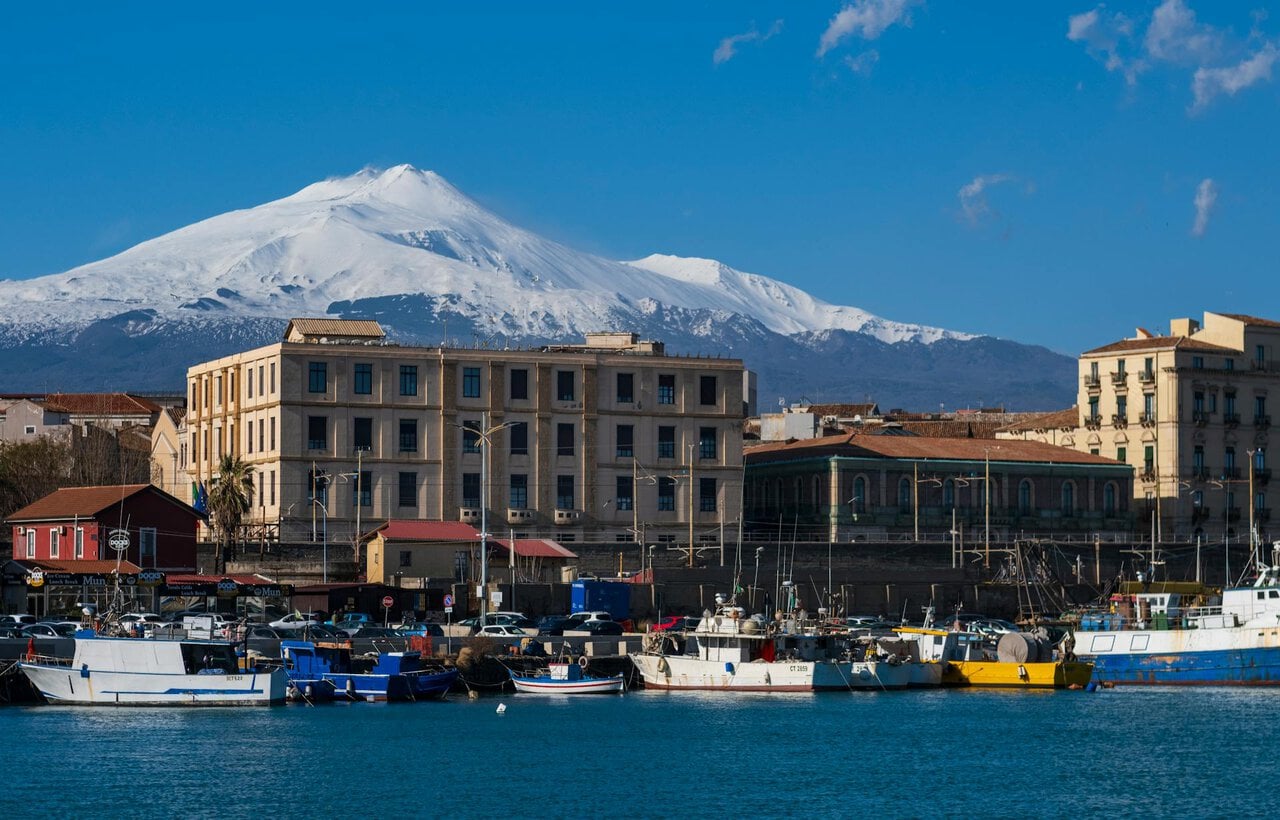
Mount Etna is one of the most extraordinary natural attractions anywhere in Europe and the single most powerful natural landmark in Sicily. Rising above the eastern side of the island near Catania, the volcano dominates the skyline with smoking craters, black lava fields, ash-covered slopes and constantly shifting volcanic landscapes.
As the largest active volcano in Europe, Etna offers something very few destinations can match. Visitors are not simply looking at a volcano from a distant viewpoint. They can actually travel high onto the mountain itself using mountain roads, the famous Mount Etna cable car, specialist 4×4 volcanic buses and guided hiking routes that climb towards the crater zones.
One of the most unforgettable parts of visiting Mount Etna is the feeling that the volcano is genuinely alive. Steam rises from volcanic vents, fresh lava scars cut through older landscapes and the summit area changes repeatedly after eruptions. Unlike dormant volcanic mountains elsewhere in Europe, Etna constantly reshapes itself.
The scenery changes dramatically with altitude. Lower slopes around towns such as Zafferana Etnea, Nicolosi and Linguaglossa contain vineyards, orchards and forests growing from fertile volcanic soil. Higher on the mountain, the landscape transforms into a harsh volcanic wilderness of lava deserts, black ash plains, collapsed craters and jagged rock formations that feel almost lunar.
Etna is also one of the few places in the Mediterranean where travellers can experience both volcanic landscapes and winter snow conditions in the same destination. During colder months, snow often covers the upper slopes while the coastline below remains relatively mild. Skiing on an active volcano while looking towards the Mediterranean Sea is one of the most unusual winter experiences in Italy.
The volcano’s location makes it easy to combine with a wider eastern Sicily itinerary. Many travellers visit Etna alongside Catania, Taormina, Syracuse, the Aeolian Islands and Sicily’s eastern beaches. Because Catania Airport sits relatively close to the mountain, Etna is also surprisingly accessible even for shorter trips.
For travellers interested in volcanoes, UNESCO landscapes, geology, photography, hiking or dramatic natural scenery, Mount Etna delivers one of the most memorable travel experiences anywhere in the Mediterranean.
Quick Facts About Mount Etna
Mount Etna is the highest and most active volcano in Europe and one of the most studied volcanic systems anywhere in the world. Its eruptions have shaped eastern Sicily for thousands of years and continue to transform the landscape today.
| Topic | Information |
|---|---|
| Location | Eastern Sicily, Italy |
| Height | Approximately 3,300 metres (changes after eruptions) |
| Volcano Type | Stratovolcano |
| UNESCO Status | Yes |
| Nearest Major City | Catania |
| Famous For | Active eruptions, lava flows, crater tours |
| Main Tourist Access Point | Rifugio Sapienza |
| Cable Car Available? | Yes |
| Winter Activities | Skiing and snow excursions |
| Best Months to Visit | April to October |
| Active Volcano? | Yes |
The volcano’s exact height changes regularly because eruptions constantly reshape the summit area. Lava flows, crater collapses and volcanic explosions alter the mountain so frequently that official measurements are periodically updated.
Mount Etna contains several summit craters alongside hundreds of smaller side craters spread across its slopes. Some eruptions produce dramatic lava fountains and ash clouds visible from huge distances across Sicily and the surrounding Mediterranean.
The volcano is part of the Mount Etna UNESCO World Heritage Site, recognised internationally because of its scientific importance and ongoing volcanic activity. Scientists from across the world study Etna because it provides such an accessible example of active volcanic processes.
The main tourist gateway is Rifugio Sapienza on the southern side of the volcano. This area contains the lower cable car station, restaurants, parking areas, souvenir shops and departure points for guided crater excursions.
Despite Etna’s immense power, the volcano is extremely integrated into daily Sicilian life. Towns, vineyards and farms surround the lower slopes, benefiting from the fertile volcanic soil created by centuries of eruptions. This contrast between destructive volcanic power and productive agriculture is one of the defining characteristics of eastern Sicily.
Browse hotels and accommodation for your visit to Sicily.
View staysBrowse apartments, holiday homes and self-catering stays in Sicily.
View rentalsCompare hotel deals in Sicily from multiple booking sites.
Compare pricesWhere Is Mount Etna?
Mount Etna sits on the eastern side of Sicily in southern Italy, towering above the city of Catania and dominating much of the surrounding landscape. The volcano rises close to the eastern coastline of the island, meaning travellers often see its massive volcanic silhouette almost immediately after arriving in the region.
The mountain lies between several important Sicilian destinations including Catania, Taormina, Messina and Syracuse, making it one of the easiest major volcanoes in Europe to incorporate into a wider travel itinerary. On clear days, Etna can even be seen from parts of the Aeolian Islands, the Strait of Messina and sections of mainland Italy.
The volcano itself covers a huge area. Rather than being a single isolated cone, Etna is an enormous volcanic system with multiple crater zones, lava fields, forests and mountain villages spread across its slopes. Roads climb high onto the volcano from several directions, with the most famous tourist approach beginning near the town of Nicolosi on the southern side.
The main tourist access point is Rifugio Sapienza, located at approximately 1,900 metres above sea level. From here, visitors can continue higher using the famous Funivia dell’Etna cable car and specialist off-road volcanic vehicles that climb towards the upper crater areas.
The northern side of Etna around Piano Provenzana offers a quieter and often more rugged alternative to the busier southern routes. This side of the volcano was heavily affected by the dramatic 2002 eruption, and many lava fields and damaged landscapes from that event remain clearly visible today.
One of the most remarkable things about Etna’s location is the contrast between environments. Within a relatively short distance, travellers can move from Mediterranean beaches and busy Sicilian cities into snowy volcanic landscapes covered in ash and lava rock.
How to Get to Mount Etna
Reaching Mount Etna is surprisingly straightforward considering you are visiting the largest active volcano in Europe. Most travellers begin their journey in Catania, which acts as the main gateway to the volcano thanks to its airport, train connections and proximity to the southern access roads.
The nearest airport is Catania–Fontanarossa Airport, located roughly an hour from the main Etna tourist areas depending on traffic and weather conditions. Many visitors either hire a car directly from the airport or join organised volcano tours departing from Catania city centre.
Driving is one of the easiest ways to reach Etna independently. The roads leading towards Rifugio Sapienza on the southern side are well maintained and clearly signposted from Nicolosi. The drive itself becomes part of the experience, with landscapes gradually changing from towns and forests into dark volcanic terrain and old lava flows.
Organised tours are extremely popular and often the simplest option for travellers not wanting to drive. Tours depart regularly from Catania, Taormina, Messina and surrounding resorts, usually including transport, guides and sometimes cable car access. Some tours focus on crater walks and geology, while others combine Etna with wine tasting or nearby Sicilian towns.
Public transport to Mount Etna is limited compared with major Italian tourist attractions, but it is still entirely possible to visit the volcano independently from Catania without hiring a car. The main service is operated by AST (Azienda Siciliana Trasporti), which runs the seasonal AST 607 bus between Catania Piazza Giovanni XXIII beside Catania Centrale railway station and Rifugio Sapienza on the southern slopes of Etna.
The bus normally departs Catania at approximately 8:15am and arrives at Rifugio Sapienza around 10:15am, with the return bus leaving the volcano at approximately 4:30pm and arriving back in Catania around 6:30pm. Journey times are roughly 2 hours depending on traffic and weather conditions.
Return tickets usually cost around €6.60 and can normally be purchased directly onboard the bus, from official AST ticket retailers or online through the AST website
However, buying a ticket in advance does not guarantee a reserved seat, which becomes important during busy summer periods when the service can fill quickly.
The AST bus is effectively the only true public transport option reaching the main Etna tourist zone at Rifugio Sapienza, making it particularly useful for independent travellers staying in Catania without a rental car.
Travellers staying in Taormina can also reach Etna relatively easily through organised excursions or rental cars. The journey from Taormina towards the volcano often includes spectacular views across eastern Sicily and the coastline below.
Weather conditions can affect access throughout the year, especially during winter snow or periods of increased volcanic activity. Roads occasionally close near the summit zones depending on eruptions, ash fall or heavy snow conditions, so flexibility is always sensible when planning a visit.
Mount Etna Cable Car
The famous Mount Etna cable car, officially known as the Funivia dell’Etna, is the easiest and most popular way for visitors to reach the upper volcanic slopes without undertaking a full mountain hike. The cable car operates from the main southern tourist access point at Rifugio Sapienza, located at approximately 1,900 metres above sea level on the southern side of the volcano.
Most travellers reach Rifugio Sapienza by rental car, organised tour or seasonal bus services from Catania. The road leading to the station climbs through forests, lava fields and old eruption zones before arriving at a large tourist area containing car parks, cafés, restaurants, souvenir shops and ticket offices.
The cable car station itself is extremely easy to find once arriving at Rifugio Sapienza. Large signs direct visitors towards the departure area, and the station acts as the central hub for most volcano excursions on the southern side of Etna.
The cable car journey takes approximately 10 to 15 minutes and climbs from around 1,900 metres to roughly 2,500 metres above sea level depending on current operational conditions. During the ascent, passengers gain extraordinary views across the volcanic slopes, crater fields and eastern Sicilian coastline stretching towards the Mediterranean Sea.
The landscape changes dramatically during the journey. Lower volcanic slopes gradually give way to barren black ash plains, lava rock formations and increasingly harsh alpine volcanic scenery. On clear days, visibility extends across huge parts of eastern Sicily.
Once reaching the upper cable car station, visitors can either remain in the upper volcanic area independently or continue even higher using specialist 4×4 volcanic buses and guided summit excursions when conditions permit. Independent access to the highest crater zones is frequently restricted due to volcanic safety regulations.
Weather conditions heavily affect operations throughout the year. Strong winds, snow, volcanic ash or increased eruptive activity can temporarily close the cable car or restrict access to higher elevations. Conditions can also change rapidly, particularly during winter months.
Temperatures near the upper station are significantly colder than at sea level, even during summer. Visitors frequently underestimate how cold and windy the upper slopes can become. Proper footwear, jackets and layered clothing are strongly recommended regardless of season.
The cable car area can become extremely busy during July, August and weekends, especially between late morning and early afternoon. Arriving earlier in the day often provides calmer conditions, shorter queues and clearer views before cloud cover builds around the summit.
Mount Etna Volcano Tours
Volcano tours are one of the best ways to experience Mount Etna, particularly for travellers wanting to explore higher crater zones, lava caves and volcanic landscapes without worrying about navigation or changing safety restrictions.
Tours operate from several major Sicilian destinations including Catania, Taormina, Messina and nearby coastal resorts. Some excursions include hotel pickup and transport, while others begin directly at Rifugio Sapienza on the southern slopes of the volcano.
There is a huge variety of tour styles available depending on fitness levels and travel preferences. Some focus on relatively easy sightseeing and crater walks near the lower tourist areas, while others involve far more demanding hikes towards the upper summit regions.
Many guided tours combine multiple Etna experiences together. It is common to see itineraries including lava cave exploration, volcanic crater walks, 4×4 mountain vehicles, wine tasting experiences and visits to Etna villages such as Zafferana Etnea or Nicolosi.
Summit tours are among the most popular experiences on the mountain. These guided excursions usually combine the Funivia dell’Etna cable car with specialist off-road vehicles before continuing on foot towards the higher crater zones whenever volcanic conditions allow.
One of the biggest advantages of joining organised volcano tours is safety. Mount Etna remains highly active, and crater access restrictions change regularly depending on eruptions, ash emissions and volcanic monitoring. Certified guides understand current conditions and authorised routes far better than most independent travellers.
Sunset tours have become particularly popular in recent years. Watching evening light spread across the black lava landscapes while smoke drifts from the summit creates some of the most dramatic scenery in all of Sicily.
Winter tours offer a completely different atmosphere. Snow-covered volcanic terrain, icy crater landscapes and views across the Mediterranean create a surreal combination rarely found elsewhere in Europe.
Because Etna conditions change constantly, tour schedules and routes are always somewhat flexible. Travellers should therefore expect slight itinerary adjustments depending on weather, volcanic activity and visibility conditions on the day itself.
Best Things to Do on Mount Etna
One of the greatest things about Mount Etna is the sheer variety of experiences available across the volcano. Visitors can explore active crater landscapes, ride cable cars, hike volcanic trails, visit lava caves and even ski during winter months.
Taking the Mount Etna cable car is one of the most popular experiences and provides immediate access to dramatic volcanic scenery without requiring advanced hiking ability. The journey itself offers spectacular views over lava fields, crater slopes and the eastern Sicilian coastline.
Exploring the volcanic crater zones is another highlight. Around Rifugio Sapienza, visitors can walk around extinct side craters formed during earlier eruptions. These landscapes of black ash, volcanic rock and steam vents create one of the most unusual environments anywhere in Europe.
Guided summit excursions provide a far more intense experience for travellers wanting to reach higher elevations. Specialist guides lead groups across rugged volcanic terrain towards the active crater areas whenever conditions safely allow access.
One of the most underrated activities on Etna is exploring the old lava flows scattered across the mountain. Massive rivers of hardened black lava cut through forests, roads and older landscapes, showing the immense power of previous eruptions. Some lava flows from recent decades remain incredibly stark and dramatic.
Lava cave tours are also popular. These tunnels formed when the outer surface of lava hardened while molten lava continued flowing underneath. Exploring these volcanic tunnels with helmets and guides offers a completely different perspective on how the volcano works internally.
Photography is another major attraction. The contrast between black volcanic terrain, snow-covered slopes, green forests, Mediterranean coastline and smoking craters creates extraordinary opportunities throughout the year. Sunrise and sunset are particularly spectacular due to the changing volcanic light and haze.
During winter, skiing and snowboarding become possible on Etna’s upper slopes. Few places in the world allow visitors to ski on an active volcano while looking directly towards the sea. This combination makes Mount Etna one of the most unusual winter sports destinations in Europe.
Crater Areas & Volcanic Landscapes
The volcanic landscapes of Mount Etna are unlike anywhere else in Europe. Vast black lava deserts, smoking crater rims, hardened lava rivers, ash-covered slopes and jagged volcanic rock formations create an environment that often feels more like another planet than southern Italy.
Mount Etna contains several major summit craters alongside hundreds of smaller side craters spread across the volcano’s enormous slopes. These crater systems formed over thousands of years through repeated eruptions, lava flows and violent volcanic explosions that constantly reshape the mountain.
The summit area itself changes regularly because of Etna’s continuing volcanic activity. New vents open, old craters collapse and fresh lava fields spread across the landscape. The terrain visitors see today may therefore look completely different only a few years after a major eruption.
One of the most accessible volcanic areas is around Rifugio Sapienza on the southern slopes of the volcano. Here, visitors can walk directly across old lava fields and explore extinct crater formations without needing specialist climbing equipment. The volcanic terrain begins almost immediately beside the car parks and cable car station.
The famous Silvestri Craters are among the most visited volcanic features on Etna. Formed during the powerful 1892 eruption, these extinct side craters now provide relatively easy walking routes with panoramic views stretching across eastern Sicily and the Mediterranean Sea.
Higher on the mountain, the environment becomes increasingly harsh and barren. Forests disappear almost entirely, replaced by fields of black volcanic ash, loose lava gravel and steaming sulphur vents. Depending on current conditions, visitors may also smell volcanic gases drifting across the upper crater zones.
One of the most fascinating aspects of Etna is the visible contrast between destruction and renewal. Fresh lava flows cut through forests and older landscapes, while vineyards and villages continue surviving on fertile volcanic soil lower on the mountain.
Lava caves are another major feature of the volcanic landscape. These tunnels formed when the outer surface of flowing lava cooled and hardened while molten lava continued moving underneath. Guided cave visits allow travellers to see the internal structure of old lava systems and understand how Etna’s eruptions actually work.
During winter, snow completely transforms the mountain. Bright white snowfields covering black volcanic landscapes create one of the most visually dramatic environments anywhere in the Mediterranean region.
Search flights and useful route combinations for your trip.
View flightsBrowse Airalo eSIM options for convenient travel data.
Check eSIMsArrange a private airport pickup for your trip to Sicily.
Check transfersUNESCO Status & Geological Importance
Mount Etna is officially recognised as a UNESCO World Heritage Site, reflecting its enormous scientific importance and status as one of the most active and closely studied volcanoes anywhere on Earth.
The volcano received UNESCO status in 2013 because of its exceptional geological value and its role in helping scientists understand volcanic systems and eruptive processes. Unlike many UNESCO sites recognised for architecture or archaeology, Etna’s designation focuses primarily on its active volcanic behaviour and global scientific significance.
One of the main reasons Etna is so important scientifically is because it is both highly active and relatively accessible. Researchers can study lava flows, gas emissions, crater development, volcanic earthquakes and eruptive behaviour far more easily here than at many remote volcanoes elsewhere in the world.
The volcano’s geological history stretches back hundreds of thousands of years, and the mountain continues evolving through ongoing eruptions today. New lava fields, crater formations and volcanic vents repeatedly reshape the upper slopes and summit areas.
Etna is also famous for the frequency of its eruptions. Unlike dormant volcanoes that may remain inactive for centuries, Mount Etna experiences regular eruptive episodes that still affect daily life across eastern Sicily.
The fertile volcanic soil surrounding the volcano is another important part of Etna’s story. Vineyards, orchards, forests and farming communities thrive on the mineral-rich slopes created by centuries of eruptions. This unusual relationship between volcanic destruction and agricultural productivity has shaped Sicilian culture for generations.
UNESCO recognition also helps protect the volcanic environment from uncontrolled development. Although tourism is economically important, environmental protections and scientific monitoring help preserve the mountain’s crater systems, lava landscapes and geological features.
For travellers, visiting a UNESCO-listed active volcano adds an entirely different level of significance to the experience. Etna is not simply a scenic mountain or hiking destination. It is one of the world’s most important volcanic systems and one of the few places where visitors can safely experience such powerful geological activity at close range.
The UNESCO designation also strengthens Etna’s appeal for travellers interested in geology, natural history, extreme landscapes, photography, volcanology and unusual travel experiences beyond standard Mediterranean tourism.
Learn More from UNESCO
This destination is connected to a UNESCO World Heritage Site, recognised for its outstanding cultural, historical, or natural importance. You can explore official listings, background information, and protected heritage sites through UNESCO’s global database.
Mount Etna Hiking Guide
Hiking is one of the best ways to experience Mount Etna properly because walking directly across the volcanic terrain allows visitors to appreciate the scale, textures and constantly changing nature of the landscape far more closely than simply viewing the volcano from a road or tour bus.
The mountain offers hiking routes for a wide range of fitness levels. Some trails near Rifugio Sapienza are relatively easy and suitable for casual visitors, while higher summit routes involve steep volcanic ash slopes, altitude and far more demanding conditions.
One of the most popular walking areas is around the Silvestri Craters on the southern slopes. These extinct volcanic craters are easily accessible from the main tourist area and provide short but highly rewarding volcanic walks with panoramic views across eastern Sicily.
More advanced hikers often join guided summit excursions that continue beyond the upper Funivia dell’Etna cable car station towards the active crater zones. These tours usually combine cable car transport, specialist 4×4 volcanic buses and guided hiking sections depending on current volcanic conditions.
The terrain on Etna can be surprisingly difficult even for experienced walkers. Loose volcanic ash, sharp lava rock and unstable gravel slopes require much more effort than ordinary mountain paths. Higher elevations are also exposed to strong winds and rapidly changing weather.
Conditions can change extremely quickly. Warm temperatures in Catania or along the Sicilian coastline can become cold, windy and foggy near the summit within a short period of time. Proper hiking footwear, layered clothing, waterproof jackets and sun protection are strongly recommended throughout the year.
Guided hiking tours are highly recommended for higher-altitude routes because crater access rules change regularly depending on volcanic activity. Certified volcanic guides understand authorised access zones, weather conditions and eruption risks far better than most independent travellers.
The northern slopes around Piano Provenzana offer another excellent hiking area and often feel quieter and more rugged than the busier southern side of the volcano. Large sections of the northern landscape still show dramatic evidence of the destructive 2002 eruption, when lava flows heavily damaged forests and ski facilities.
One of the most rewarding parts of hiking on Etna is the constantly shifting scenery. Forests, lava deserts, volcanic craters, snowfields and Mediterranean coastal views can all appear within a single day depending on the chosen route and season.
Best Viewpoints Around Mount Etna
One of the greatest pleasures of visiting Mount Etna is simply stopping to absorb the extraordinary scenery surrounding the volcano. The mountain dominates huge parts of eastern Sicily, and the viewpoints across the region are among the most dramatic anywhere in Italy.
The area around Rifugio Sapienza offers some of the easiest and most accessible volcanic panoramas. Even visitors not continuing towards the summit can enjoy sweeping views across lava fields, side craters, volcanic slopes and the coastline far below.
Higher elevations reached via the Funivia dell’Etna cable car provide even more spectacular perspectives. On clear days, visitors can see across much of eastern Sicily towards the Ionian Sea, Catania, Taormina, the Strait of Messina and sometimes even the distant Aeolian Islands.
The summit regions themselves offer the most dramatic landscapes of all whenever access conditions safely permit. Standing near the upper crater areas surrounded by smoking volcanic terrain creates one of the most surreal viewpoints anywhere in Europe.
The northern slopes around Piano Provenzana provide a completely different perspective on the volcano. This side feels far wilder and more rugged, with extensive lava fields from recent eruptions cutting directly through forests and old ski areas.
Several towns and villages surrounding Etna also offer spectacular viewpoints. Zafferana Etnea, Nicolosi, Linguaglossa, Milo and Randazzo all provide striking views of the volcano rising above vineyards, forests and Sicilian countryside.
Sunset is often the best time for photography. As the light fades, the volcanic slopes turn deep red and black while the coastline below glows beneath the evening Mediterranean light. During periods of stronger activity, glowing lava can sometimes become visible after dark from surrounding towns and viewpoints.
Winter creates another completely different viewing experience. Snow-covered crater slopes above green Sicilian valleys create extraordinary contrasts rarely seen elsewhere in southern Europe.
Many travellers also underestimate how impressive Etna looks from a distance. Coastal viewpoints around Taormina, Catania and eastern Sicily frequently provide some of the most iconic photographs of the volcano, especially during sunrise when the massive volcanic silhouette dominates the skyline above the sea.
Compare hostels and budget-friendly accommodation around Sicily.
Browse hostelsGet help with compensation, eligible lounge access and disruption support.
Explore AirHelp+Arriving before check-in or leaving later? Store your luggage and make more of your time in Sicily.
Store your bagsMount Etna in Winter & Snow Season
Although many travellers associate Sicily with beaches and Mediterranean heat, Mount Etna becomes a genuine winter mountain destination during colder months. Snow regularly covers the upper slopes of the volcano between roughly December and March, creating one of the most unusual landscapes anywhere in southern Europe.
One of the most remarkable aspects of winter on Etna is the contrast between environments. Travellers can leave relatively mild coastal cities such as Catania or Taormina and reach snowy volcanic landscapes within a couple of hours. Seeing black lava fields covered in snow while looking towards the Mediterranean Sea creates scenery unlike almost anywhere else in Italy.
Etna even has ski areas operating on both the southern and northern sides of the volcano. The main southern ski zone sits near Rifugio Sapienza, while the northern ski area operates around Piano Provenzana. Snow conditions vary significantly each winter because volcanic heat, weather systems and eruptions all influence the slopes.
Skiing on an active volcano is one of the most unusual winter sports experiences in Europe. On clear days, skiers can look across the Sicilian coastline while surrounded by volcanic crater landscapes and hardened lava flows.
Winter also changes the atmosphere of the volcano completely. Summer crowds disappear, volcanic landscapes become quieter and the mountain often feels far more dramatic beneath snow and mist. Photographers especially value winter conditions because the contrast between white snow and black volcanic rock creates extraordinary images.
Weather conditions can become severe at higher elevations during winter. Strong winds, snowstorms and icy roads occasionally affect access routes, cable car operations and summit excursions. Visitors travelling during winter should always check conditions carefully before attempting higher elevations.
Proper winter clothing becomes essential at altitude. Temperatures near the summit can be dramatically colder than along the coast, and conditions can change rapidly throughout the day. Waterproof footwear, jackets, gloves and layered clothing are strongly recommended during colder months.
Even for travellers not interested in skiing, visiting Etna during winter can still be extremely rewarding. Snow-covered craters, steaming volcanic vents and quiet lava landscapes create one of the most surreal environments anywhere in the Mediterranean region.
Food, Wine & Villages Around Etna
The slopes surrounding Mount Etna contain some of the most interesting food and wine regions in all of Sicily. Fertile volcanic soil, cooler mountain temperatures and centuries of agricultural tradition have helped create a landscape filled with vineyards, orchards, historic villages and exceptional local cuisine.
One of the most famous products from the region is Etna wine, particularly the highly regarded Etna Rosso red wines produced from vineyards growing directly on volcanic slopes. The mineral-rich volcanic soil gives these wines a distinctive character that has helped the region gain international recognition in recent years.
Wine tourism has become increasingly important around towns such as Linguaglossa, Randazzo, Castiglione di Sicilia and Zafferana Etnea. Many vineyards now offer tastings, winery tours and long lunches overlooking lava landscapes and distant coastal views.
Food across the Etna region combines traditional Sicilian flavours with mountain influences. Restaurants surrounding the volcano often specialise in local cheeses, mushrooms, cured meats, pistachios, honey and seasonal produce grown in volcanic soil.
One of the best-known local specialities is the honey produced around Zafferana Etnea. The volcanic slopes support rich vegetation and chestnut forests that help create some of Sicily’s most famous honey products.
The villages around Etna are also fascinating destinations in their own right. Nicolosi acts as one of the main gateways to the southern slopes and is closely linked with volcano tourism. Randazzo, built largely from dark volcanic stone, has a particularly distinctive appearance and medieval atmosphere.
Many travellers underestimate how green and fertile Etna’s lower slopes actually are. Vineyards, forests and orchards cover huge sections of the mountain below the higher lava deserts, creating dramatic contrasts between agriculture and volcanic destruction.
Long lunches and wine tastings overlooking lava fields have become one of the defining experiences of visiting eastern Sicily. Combining volcanic landscapes with Sicilian food culture is one of the reasons the Etna region feels so unique compared with many other mountain destinations in Europe.
Historical Eruptions & Volcano History
The history of Mount Etna is a story of constant eruptions, destruction, survival and renewal. The volcano has shaped eastern Sicily for thousands of years and remains one of the most active volcanic systems anywhere in the world.
Etna’s eruptive history stretches back hundreds of thousands of years, although written historical records mainly document eruptions from classical antiquity onwards. Ancient Greek and Roman writers both described the volcano, helping establish Etna as one of the most famous volcanic mountains in human history.
One of the most devastating eruptions occurred in 1669, when massive lava flows destroyed villages and reached the city walls of Catania itself. Parts of the city were heavily damaged, and the eruption permanently altered sections of the surrounding landscape.
More recent eruptions have continued affecting life around the volcano. The powerful 1991 to 1993 eruption threatened several towns and required large-scale engineering efforts to divert lava flows away from populated areas.
The dramatic 2002 eruption caused major damage on Etna’s northern slopes around Piano Provenzana, destroying ski lifts, buildings and sections of forest beneath huge lava flows and ash deposits. Many scars from this eruption remain clearly visible today.
Etna’s eruptions vary enormously in intensity and style. Some involve relatively slow-moving lava flows, while others produce explosive ash clouds, lava fountains and dramatic volcanic explosions visible across huge parts of Sicily.
Despite the risks, communities continue thriving around the volcano because of the fertile volcanic soil created by previous eruptions. Vineyards, orchards and towns repeatedly rebuild and adapt after volcanic events, creating one of the most remarkable relationships between humans and an active volcano anywhere in Europe.
Modern volcanic monitoring on Etna is extremely advanced. Scientists closely track earthquakes, gas emissions and ground movement to help predict eruptive activity and improve public safety. Because of this constant monitoring, Etna is considered one of the best-observed volcanoes in the world.
The volcano therefore represents both destruction and opportunity. While eruptions can threaten infrastructure and communities, they also create the landscapes, fertile farmland and dramatic scenery that make Etna so important to Sicilian identity today.

Safety Tips for Visiting Mount Etna
Visiting Mount Etna is generally very safe, but travellers should always remember they are exploring one of the world’s most active volcanoes. Conditions on the mountain can change rapidly due to weather, altitude and volcanic activity, so preparation is extremely important.
One of the biggest mistakes visitors make is underestimating the mountain environment. Temperatures near the summit can be dramatically colder than in Catania or along the Sicilian coast, even during summer. Strong winds, fog and sudden weather changes are common at higher elevations.
Proper footwear is essential. Loose volcanic ash, sharp lava rock and uneven terrain make ordinary trainers unsuitable for higher crater areas. Hiking boots or sturdy walking shoes provide far better grip and protection on volcanic terrain.
Travellers should also carry layered clothing regardless of season. Conditions can vary enormously between sea level and the summit zones, and weather can shift rapidly during the day.
Following official volcanic safety rules is critically important. Access restrictions around the summit crater zones exist for good reason and may change frequently depending on eruptions, gas emissions or seismic activity. Visitors should never ignore barrier zones or attempt unauthorised summit routes.
Guided tours are strongly recommended for higher-altitude excursions. Certified volcanic guides understand current conditions, authorised access areas and emergency procedures far better than most independent visitors.
Altitude can also affect some travellers unexpectedly. Although Etna is not extremely high compared with major alpine mountains, the summit areas still rise above 3,000 metres, and some visitors may experience shortness of breath or fatigue.
Sun exposure is another underestimated risk. The combination of high altitude, volcanic reflection and strong Sicilian sunlight can lead to dehydration and sunburn surprisingly quickly. Water, sunscreen and hats are essential during warmer months.
Winter visitors should prepare for snow and icy conditions. Roads occasionally close during heavy snowfall, and cable car operations may be suspended during severe weather or volcanic ash activity.
Finally, travellers should remember that Etna is an active and unpredictable natural environment. Flexibility is part of the experience. Cable cars, summit tours and crater access may change at short notice depending on safety conditions, weather or eruptive activity.
Best Time to Visit Mount Etna
The best time to visit Mount Etna depends heavily on what kind of experience travellers want. Because the volcano rises above 3,300 metres, conditions vary enormously throughout the year, and the mountain can feel completely different between summer lava landscapes and winter snow season.
For most visitors, the ideal periods are April to June and September to October. During these months, temperatures are generally comfortable for hiking and crater exploration, visibility is often excellent and the volcano is usually less crowded than during peak summer.
Spring is particularly attractive because the lower slopes surrounding Etna become greener and more colourful after winter rains. Snow may still remain visible higher on the volcano while vineyards, forests and villages below begin warming into the Mediterranean spring season.
Summer brings the busiest conditions, especially during July and August. Coastal heat in Catania and eastern Sicily can become intense, but temperatures higher on the volcano are usually significantly cooler and more comfortable. This makes Etna a popular escape from the heat for both tourists and local Sicilians.
One important thing to understand is that weather conditions can still change rapidly even during summer. Strong winds, cloud cover and volcanic haze occasionally affect visibility near the summit areas, particularly during afternoons.
Autumn is often considered one of the best overall seasons for visiting the volcano. Temperatures remain pleasant, tourist crowds begin easing and visibility across eastern Sicily can become spectacular. The vineyards surrounding the volcano also become especially beautiful during harvest season.
Winter transforms Etna into one of the most unusual mountain destinations in southern Europe. Snow regularly covers the upper slopes, creating opportunities for skiing, snow excursions and winter photography. Seeing black lava landscapes covered in snow while looking towards the Mediterranean Sea is genuinely extraordinary.
However, winter weather can also create disruptions. Snowstorms, icy roads and strong winds occasionally affect cable car operations, summit access and mountain roads. Travellers visiting during winter should always allow flexibility within their itinerary.
Volcanic activity itself can also influence the visitor experience throughout the year. Small eruptions, lava flows and ash emissions occasionally create spectacular viewing opportunities, but they may also temporarily restrict access to certain crater zones depending on safety conditions.
Costs & Budget Tips
The cost of visiting Mount Etna varies heavily depending on how independently travellers explore the volcano. It is possible to visit relatively cheaply using public transport and lower crater walks, but guided summit excursions and cable car experiences can significantly increase overall costs.
One of the main expenses is the Funivia dell’Etna cable car. Tickets for the cable car alone are considerably cheaper than the full summit packages involving specialist 4×4 volcanic buses and guided crater tours. Many visitors choose to explore the lower volcanic areas independently before deciding whether to continue higher.
Guided summit tours are among the most expensive experiences on the volcano, but they also provide access to areas that independent visitors usually cannot legally or safely reach. These tours often include guides, cable car transport and specialist volcanic vehicles within the overall price.
Travellers wanting to reduce costs often explore the lower slopes independently around Rifugio Sapienza. Walking around the Silvestri Craters, lava fields and lower volcanic landscapes still provides a dramatic Etna experience without the expense of full summit access.
Public transport from Catania using the AST 607 bus is one of the cheapest ways to reach the volcano. The return fare is relatively inexpensive compared with organised tours or car hire, making it a very useful option for independent travellers.
Food and drink prices around the main tourist areas can be slightly higher than elsewhere in Sicily due to the mountain location and visitor demand. Cafés and restaurants near Rifugio Sapienza are convenient but often more expensive than similar places in nearby towns such as Nicolosi or Zafferana Etnea.
Travellers hiring cars should also factor in fuel costs, motorway tolls and mountain parking charges during busier seasons. However, rental cars do provide far greater flexibility for exploring smaller Etna villages, wineries and northern access routes.
Winter visitors should remember that snow equipment or specialist clothing may create extra costs if they are unprepared for mountain conditions. Even during summer, proper walking shoes and warm clothing are strongly recommended due to the altitude.
Compared with many major natural attractions in Europe, Etna still offers relatively good value considering visitors are experiencing one of the world’s most active volcanoes at close range. The combination of volcanic landscapes, hiking, cable cars, crater tours and Sicilian scenery creates a remarkably varied experience for the cost.
Suggested Mount Etna Itineraries
The best way to experience Mount Etna depends heavily on how much time travellers have and whether they are interested mainly in sightseeing, hiking, photography, wine experiences or volcanic exploration.
For visitors with limited time, a half-day trip from Catania is entirely possible. Many travellers take the morning AST 607 bus or an organised excursion to Rifugio Sapienza, explore the lower crater areas, ride the cable car and return to the city later the same day.
A full-day itinerary provides a much better overall experience. Visitors can combine the Funivia dell’Etna cable car, volcanic crater walks, lava cave visits and long lunches in villages such as Nicolosi or Zafferana Etnea without feeling rushed.
Travellers particularly interested in geology and volcanoes often choose guided summit excursions that continue towards the higher crater zones. These experiences usually consume most of the day because of altitude changes, transport stages and volcanic hiking sections.
Photography-focused visitors frequently prefer sunset excursions. Late afternoon and evening light dramatically changes the appearance of the lava landscapes, and visibility across eastern Sicily can become spectacular as the sun drops towards the Mediterranean.
Wine-focused itineraries are also increasingly popular around Etna. Many travellers combine volcanic sightseeing with vineyard visits, wine tastings and traditional Sicilian food experiences on the lower slopes around Randazzo, Linguaglossa and Castiglione di Sicilia.
Winter itineraries are completely different again. Snow excursions, skiing and winter crater landscapes create opportunities unavailable during warmer months. Some travellers even combine Etna snow experiences with coastal sightseeing in Taormina or Catania on the same trip.
Travellers staying longer in eastern Sicily often combine Etna with other major regional attractions including Taormina, Syracuse, the Aeolian Islands, Catania and Sicily’s eastern beaches. Because the volcano sits so centrally within the region, it fits naturally into wider Sicily itineraries.
One of the smartest approaches is avoiding overly rigid schedules. Weather, visibility and volcanic activity can all affect conditions on the mountain. Travellers allowing some flexibility often enjoy far better experiences than those trying to follow tightly packed timetables.

Rupert’s Handy Travel Tips
Rupert recommends treating Mount Etna like a genuine mountain environment rather than a normal Sicilian sightseeing stop. Conditions on the volcano can change extremely quickly, and visitors regularly underestimate the altitude, temperatures and volcanic terrain once they leave the lower slopes around Catania.
- Wear proper footwear. Loose volcanic ash, sharp lava rock and steep crater slopes make ordinary trainers a poor choice for higher areas.
- Take a jacket even during summer. It can feel extremely hot in Catania while the upper slopes near the summit are cold, windy and covered in cloud.
- If using the AST 607 bus, arrive early at the stop near Catania Centrale. The service is popular during summer and seats are limited.
- The best photographs are often taken either just after sunrise or near sunset, when the volcanic landscapes become far more dramatic under changing light conditions.
- Do not ignore volcanic safety barriers or restricted zones. Access rules around the summit craters can change quickly depending on eruptions, gas emissions and seismic activity.
Want to meet the reindeer behind our travel tips? Find out more in our page Who is Rupert?.
Frequently Asked Questions About Mount Etna
Is Mount Etna still active?
Yes. Mount Etna is one of the most active volcanoes in the world and the largest active volcano in Europe. Eruptions, lava flows and ash emissions occur regularly.
Can you visit Mount Etna safely?
Yes. Visiting Etna is generally very safe because volcanic activity is closely monitored by Italian authorities and scientific organisations. However, visitors should always follow official safety guidance and access restrictions.
How do you get to Mount Etna from Catania?
Travellers can reach the volcano by rental car, organised tour or the seasonal AST 607 bus service connecting Catania with Rifugio Sapienza on the southern slopes.
How long does the Mount Etna cable car take?
The Funivia dell’Etna cable car journey usually takes around 10 to 15 minutes, climbing from approximately 1,900 metres to around 2,500 metres above sea level.
Do you need a guide for Mount Etna?
Guides are strongly recommended for higher crater excursions because volcanic conditions and access rules change regularly. Lower crater areas around Rifugio Sapienza can usually be explored independently.
Can you see lava on Mount Etna?
Sometimes. During active eruptive periods, glowing lava may be visible from certain viewpoints or guided excursions, particularly after dark. Visibility depends entirely on current volcanic activity.
Is Mount Etna worth visiting in winter?
Yes. Winter creates spectacular snow-covered volcanic scenery and even allows skiing on the upper slopes. However, weather conditions can occasionally affect access roads and cable car operations.
How high is Mount Etna?
The volcano stands at approximately 3,300 metres, although its exact height changes regularly after eruptions reshape the summit area.

Further Reading & Related Guides
Travellers visiting Mount Etna often combine the volcano with a much wider eastern Sicily itinerary. If you are flying into the region, our Catania Airport Transfers guide explains the easiest ways to reach the city, Etna access routes and eastern Sicily transport connections from Catania–Fontanarossa Airport.
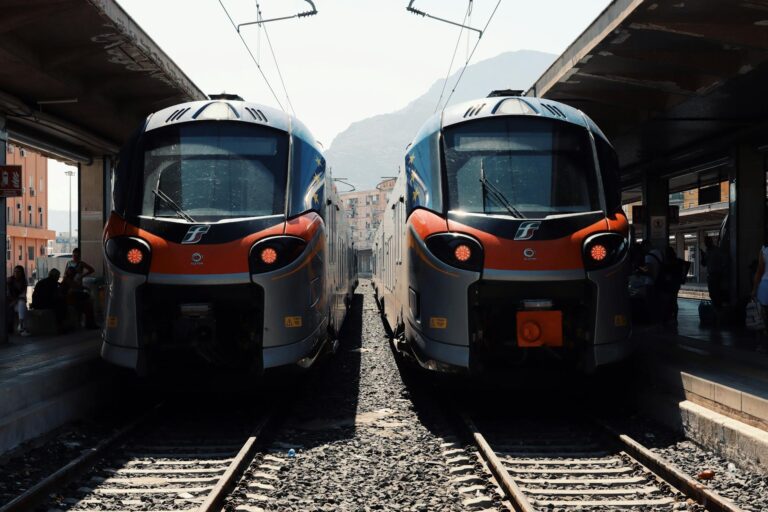
Visitors continuing around Sicily should also read our detailed Sicily Train Guide, which explains regional rail travel between destinations such as Catania, Taormina, Messina, Syracuse and western Sicily. Travellers arriving from mainland Italy may also find our Rome to Sicily Sleeper Train Guide useful, especially for understanding the famous overnight rail ferry crossing across the Strait of Messina.
Beyond its volcanic scenery, Mount Etna also has a darker side shaped by destructive eruptions, abandoned villages and centuries of natural disaster history. Our dedicated Sicily dark tourism guide explores the island’s volcanic destruction, wartime history, earthquakes and other haunting locations linked to Sicily’s past.
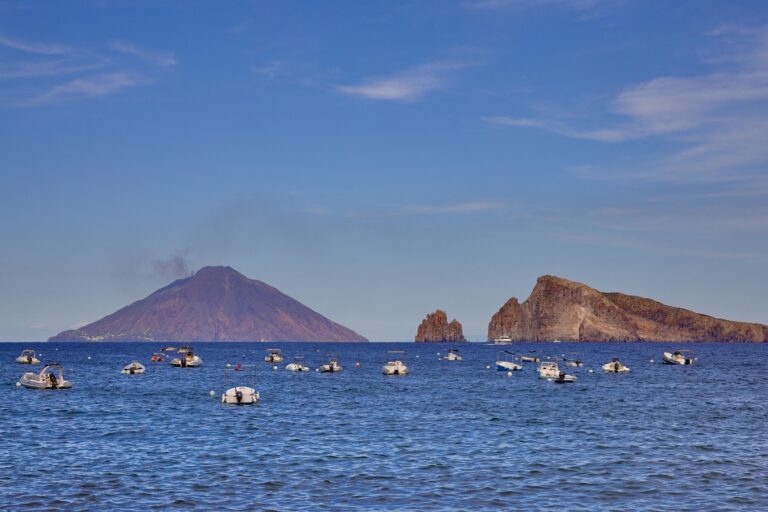
If you are planning wider island travel beyond Etna, our Aeolian Islands Travel Guide covers the volcanic islands north of Sicily including Stromboli, another of Italy’s most famous active volcanoes. Travellers exploring western Sicily should also read our Egadi Islands Travel Guide for quieter Mediterranean islands, marine reserves and coastal scenery near Trapani.
Travellers wanting reliable mobile connectivity while exploring volcanic slopes, mountain roads and smaller Sicilian towns should also read our eSIM Apps Guide, which compares the best travel eSIM options for Italy and wider European travel.
If your itinerary continues across southern Italy, our Naples to Sicily Ferry guide explains overnight ferry routes between mainland Italy and Sicily, while the Villa San Giovanni to Messina Ferry page covers the main sea crossing between Sicily and the Italian mainland.