Reviewed by our editorial team Updated
Why the Elizabeth Line Changes How You Travel London
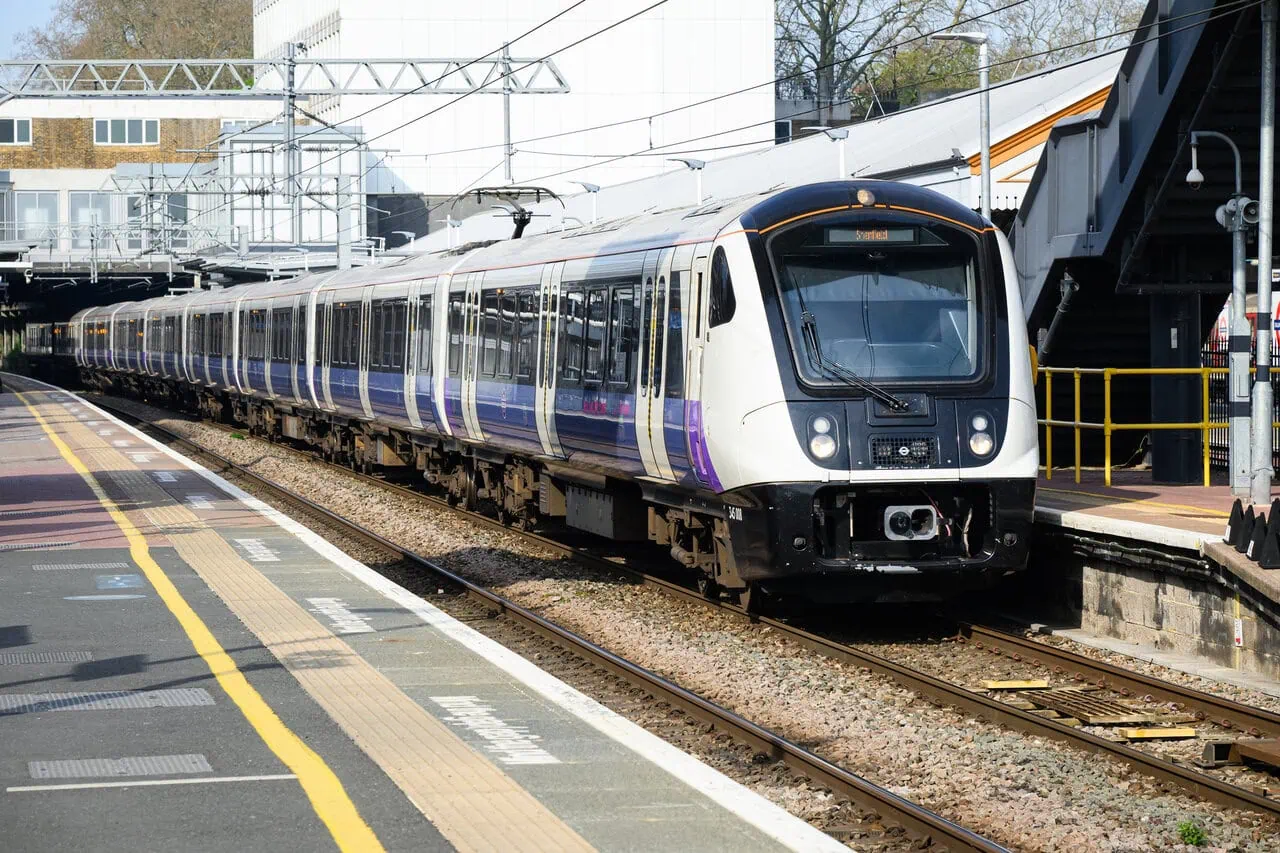
The Elizabeth line has completely transformed how people move across London. Unlike traditional Underground lines, which often require multiple changes and indirect routes, the Elizabeth Line provides a fast, direct, and high-capacity route straight through the city from east to west.
What makes it so powerful is its ability to connect major areas of London in a single, uninterrupted journey. Travellers can move from Heathrow Airport in the west to Canary Wharf or beyond in the east without needing to change trains. This removes one of the biggest pain points of London travel, which is the need to navigate complex Underground interchanges.
The line is also designed for speed and capacity. Trains are larger, platforms are longer, and stations are built to handle high passenger volumes efficiently. This creates a travel experience that feels closer to a modern intercity railway than a traditional metro system.
For visitors, the impact is immediate. Journeys that previously required multiple Tube lines can now be completed with one simple route, saving time and reducing stress. It is particularly valuable for airport transfers, business travel, and anyone trying to move quickly across the city.
The key point is this. The Elizabeth Line is not just another transport option. It is a fundamental upgrade to how London works, making cross-city travel faster, simpler, and far more intuitive.
London transport status
Live from Transport for London.
Powered by TfL Open Data
Live service status for the London Underground, DLR, London Overground, Elizabeth line, London Trams, river buses and the cable car, updated continuously from Transport for London.
How the Elizabeth Line’s Hybrid Metro-and-Mainline System Works
The Elizabeth line is a high-frequency, full-size railway that runs through central London, combining suburban rail lines with a newly built underground core. Although it appears on the Tube map, it is not part of the Underground in the traditional sense.
Instead, it operates as a hybrid system, blending elements of national rail and metro travel. Trains run on existing lines outside London, then pass through a central tunnel section connecting key stations such as Paddington Station, Tottenham Court Road Station, and Liverpool Street Station.
This through-running design is what makes the system so effective. Instead of stopping at central London terminals, trains continue across the city, allowing passengers to travel long distances without changing trains.
Frequency is another key strength. In central sections, trains run every few minutes, making it feel like a turn-up-and-go service, similar to the Underground but with far greater capacity. Services are run for Transport for London by MTR Elizabeth line.
The line is also fully integrated into London’s fare system, meaning you can use contactless payment or Oyster cards, just as you would on the Tube.
Understanding the Elizabeth Line as a high-capacity cross-city railway rather than a standard metro line is the key to using it effectively.
See hotel options and places to stay in London.
Browse hotelsBrowse apartments, homes and self-catering accommodation in London.
Browse rentalsCompare hotel deals in London from multiple booking sites.
Compare pricesElizabeth Line Routes and Key Destinations
The Elizabeth line operates as a single continuous route through central London, with multiple branches extending outwards to the east and west. Understanding these branches is essential for planning journeys efficiently.
To the west, the line splits towards Heathrow Airport and Reading. The Heathrow branch is particularly important for travellers, offering a direct connection between the airport and central London without the need for transfers.
The central section runs underground through key stations including Bond Street Station, Farringdon Station, and Liverpool Street Station. This is the fastest and most efficient part of the route, linking major business, shopping, and transport areas.
To the east, the line branches towards Shenfield and Abbey Wood, connecting central London with residential and business districts.
The strength of this structure is that it allows passengers to travel across multiple regions of London using one integrated system, rather than switching between different lines.
For travellers, this means fewer changes, shorter journey times, and a simpler overall travel experience.
Main Elizabeth Line Stations in London
The effectiveness of the Elizabeth line comes from its central stations, which act as major interchange hubs across London. These are not just stops along the route. They are key connection points that link the Elizabeth Line to the wider transport network.
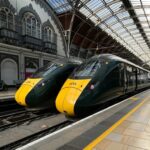
Paddington Station is one of the most important. It connects the Elizabeth Line with national rail services, including routes operated by Great Western Railway, making it a major gateway for travellers arriving from the west of England.
Bond Street Station provides direct access to central shopping areas, while Tottenham Court Road Station connects to key cultural and entertainment districts.
Farringdon Station is one of the most powerful interchanges in the city, linking the Elizabeth Line with Thameslink and the wider rail network. This creates a high-speed cross-London connection in both directions.
Finally, Liverpool Street Station serves as a major hub for the City of London and eastern routes, providing strong onward connections.
Together, these stations form the core of the Elizabeth Line, allowing seamless movement across London and beyond.
Elizabeth Line Airport Connections
One of the biggest advantages of the Elizabeth line is its ability to provide direct, simple, and relatively affordable airport connections, particularly to Heathrow Airport.
The Elizabeth Line runs directly into Heathrow, stopping at multiple terminals, which means you can travel from central London to the airport without changing trains. This is a major improvement over older routes that required multiple transfers or Underground connections.
Journey times are highly competitive. Travelling from central stations such as Paddington Station or Farringdon Station to Heathrow typically takes around 30 to 45 minutes, depending on the exact service and stopping pattern.
Compared to the Heathrow Express, the Elizabeth Line is slightly slower but significantly cheaper, making it the best-value option for most travellers. It also serves more central stations, meaning you are often closer to your final destination without needing additional transport.
While the Elizabeth Line does not directly serve other airports, it provides strong connections. From Farringdon, you can connect to Thameslink for routes to Gatwick and Luton, creating a powerful cross-London airport network.
The key benefit is simplicity. The Elizabeth Line removes complexity and provides a direct, predictable route to Heathrow, making it one of the most useful transport options for travellers.
Paying for the Elizabeth Line: Fares and the Heathrow Supplement
Using the Elizabeth line is straightforward because it is fully integrated into London’s fare system. This means you can use contactless payment or Oyster cards, just as you would on the Underground.
For most journeys within London, fares are calculated based on zones, making pricing simple and predictable. You simply tap in at the start of your journey and tap out at your destination, and the system calculates the correct fare automatically.
However, there is one important exception. Travel to Heathrow Airport is priced differently, with higher fares reflecting the airport route. Even so, the Elizabeth Line remains significantly cheaper than premium services like the Heathrow Express.
For longer journeys beyond London, such as to Reading, standard rail tickets may apply. These can be purchased in advance or on the day, depending on your preference.
Daily and weekly fare caps also apply when using contactless or Oyster, which helps keep costs under control for frequent travel.
The key takeaway is that the Elizabeth Line combines simplicity with flexibility, allowing you to travel without worrying about complex ticketing rules.
Travel Times and Popular Elizabeth Line Journeys
One of the standout features of the Elizabeth line is how quickly it moves people across London. Travel times are often significantly shorter than equivalent Underground journeys, particularly for cross-city routes.
A journey from Paddington Station to Canary Wharf takes around 15 to 20 minutes, making it one of the fastest ways to cross the city.
Travelling from Liverpool Street Station to Heathrow Airport typically takes around 40 to 45 minutes, providing a direct and efficient airport connection.
Journeys between central stations are even quicker. For example, travelling between Tottenham Court Road Station and Farringdon Station takes just a few minutes, making it ideal for short cross-city trips.
What makes these journeys powerful is not just speed, but directness and consistency. The ability to travel across London without changing lines reduces delays and makes journey times more predictable.
For many routes, the Elizabeth Line offers the fastest real-world journey time, even when other options appear competitive on paper.
When to Use the Elizabeth Line vs the Tube or Thameslink
Knowing when to use the Elizabeth line can make a significant difference to how you travel around London. It is not always the best option, but when used correctly, it can be one of the fastest and most efficient choices available.
The Elizabeth Line is strongest on longer cross-London journeys, particularly when travelling east to west. If your route aligns with its central corridor, it can save both time and effort by removing the need for multiple Underground changes.
It is also the best option for Heathrow Airport transfers, offering a direct route that is both faster and more convenient than most alternatives.
However, the Underground is often better for short local journeys, especially where stations are closer together. The Tube provides denser coverage across central London, making it more suitable for short hops.
Compared to Thameslink, the Elizabeth Line serves a different purpose. Thameslink is better for north–south travel and connections to Gatwick and Luton, while the Elizabeth Line dominates east–west movement and Heathrow access.
The key is to think strategically. Use the Elizabeth Line when it provides a direct, high-speed route across the city, and combine it with other systems when needed.
Compare routes and fares for your journey to London.
Compare flightsChoose an Airalo eSIM and arrange mobile data before you arrive.
Browse eSIMsCheck private pickup options and plan your onward journey before arrival.
View transfersTips for Using the Elizabeth Line
Using the Elizabeth line effectively is straightforward once you understand a few key details, but getting these right can make a noticeable difference to speed, comfort, and overall experience.
The first thing to be aware of is station depth and layout. Many Elizabeth Line stations are significantly deeper than traditional Underground stations, with long escalators and multiple levels. Allowing a few extra minutes to reach the platform ensures you are not rushing, particularly at busy hubs like Paddington Station and Liverpool Street Station.
Train length is another advantage. Elizabeth Line trains are long and spacious, which helps distribute passengers more evenly. Moving along the platform often leads to quieter carriages and easier boarding, especially during peak times.
Timing also matters. While services are frequent, peak periods can still be busy. Travelling slightly outside rush hours can make journeys far more comfortable and less crowded.
It is also important to check the train’s destination. Not all services run to every branch, so confirming the final stop ensures you are on the correct train for your route.
Finally, use the line strategically. It is at its best when used for longer cross-London journeys, where it can significantly reduce travel time compared to other options.
Nearby Connections and Interchanges
The real strength of the Elizabeth line lies in how well it connects with the rest of London’s transport network. It does not operate in isolation. Instead, it acts as a high-speed spine that links multiple systems together.
One of the most powerful connections is at Farringdon Station, where the Elizabeth Line intersects with Thameslink. This creates a direct east–west and north–south interchange, allowing rapid movement across London without relying heavily on the Underground.
At Paddington Station, the line connects with Great Western Railway services, making it easy to continue journeys towards the west of England.
Liverpool Street Station provides access to routes heading into eastern England, while also linking with Underground lines and the London Overground, which is useful for onward journeys that avoid the busiest central stations.
These interchanges allow you to combine different transport systems into a single, efficient journey, reducing the need for multiple changes and simplifying travel across the city.
For travellers, understanding these connections unlocks the full potential of the Elizabeth Line as a central navigation tool within London.

Rupert’s Handy Travel Tips
Rupert loves anything that makes London easier to navigate, and the Elizabeth Line is one of his favourites. He knows that once you understand how it cuts across the city, you can avoid complicated routes and move around far more efficiently.
- Use the Elizabeth Line for longer cross-London journeys to save time
- Allow extra time for deep stations and long escalators
- Check the final destination to make sure your train goes to your branch
- Combine with Thameslink at Farringdon for fast city-wide travel
Want to meet the reindeer behind our travel tips? Find out more in our page Who is Rupert?.



Frequently Asked Questions About the Elizabeth Line
Is the Elizabeth Line part of the Underground?
No. The Elizabeth line is a separate railway system that runs through central London, although it appears on the Tube map and uses similar ticketing.
Does the Elizabeth Line go to Heathrow Airport?
Yes. It provides direct trains to Heathrow Airport, making it one of the easiest and most practical ways to reach the airport.
Is the Elizabeth Line faster than the Tube?
On longer journeys, yes. Its direct routes and fewer stops make it significantly faster for cross-London travel.
Can you use Oyster or contactless?
Yes. The line is fully integrated into London’s fare system, allowing you to use Oyster cards or contactless payment.
Do all Elizabeth Line trains go to Heathrow?
No. Some trains go to Heathrow, while others go to Reading or eastern branches. Always check the final destination before boarding.
Further Reading & Related Guides
If you are planning wider travel across London, our London train stations guide helps you navigate major hubs and understand how different lines connect. For north–south travel across the city, our Thameslink guide shows how to move efficiently between key destinations without relying on the Underground.
For airport journeys, our London airports guide explains the best ways to reach Heathrow, Gatwick, and Luton, helping you choose between the Elizabeth Line and alternative options. If you are travelling beyond London, our UK rail guide provides a full overview of the national rail network and how different operators connect.
To find the best fares and manage your bookings, our train booking apps guide makes it easy to compare routes and prices. Staying connected is also essential for checking live updates, so our eSIM apps guide ensures you remain online throughout your journey, while our local transport apps guide helps you continue your trip once you arrive.