Reviewed by our editorial team Updated
Why Wildfires Are a Growing Risk for Travellers
Wildfires are becoming an increasingly common hazard in many popular travel destinations. Hotter summers, prolonged droughts and changing weather patterns mean that regions once considered safe can now face sudden wildfire outbreaks during the travel season.
For travellers, the biggest danger is often how quickly wildfires can develop and spread. A fire that begins in a remote forest can move rapidly when driven by wind, sometimes covering several kilometres in only a few hours. Roads may close suddenly, visibility can drop due to smoke, and evacuation orders can be issued with little warning.
Tourist destinations in Mediterranean Europe, North America and Australia have all experienced major wildfire events in recent years. Areas such as southern Spain, Greece, California, Portugal and parts of Canada regularly face wildfire risks during hot, dry months. Travellers visiting rural regions, national parks or coastal resort areas should remain aware of local conditions.
Fire season timing varies by region, and knowing the pattern helps travellers judge real risk rather than general worry. In Mediterranean Europe, danger typically peaks from June to September, when heat and tinder-dry vegetation combine; Greece’s Attica region and the Peloponnese, and Portugal’s Algarve and central forests, see large fires most summers. California’s season now runs almost year-round, but the most destructive urban-edge fires often strike in autumn, driven by hot, dry Santa Ana winds. Canada’s 2023 wildfire season, centred on its vast boreal forest, was its worst on record, with smoke reaching populated cities hundreds of kilometres away.
Understanding the risks does not mean travellers should avoid these destinations entirely. Instead, preparation is key. Checking local news before travelling, staying informed about weather conditions and understanding evacuation procedures can make a significant difference.
A good wildfire survival guide for travellers focuses on awareness first. Recognising warning signs early and knowing how to respond can help travellers stay ahead of a fire rather than reacting once it has already closed in.
Warning Signs a Wildfire May Be Nearby
Wildfires rarely appear completely without warning. In many cases, there are clear signs that a fire may be burning nearby, even before official alerts are issued.
One of the most obvious indicators is the smell of smoke. Even when a wildfire is many kilometres away, shifting winds can carry smoke into nearby towns or tourist areas. If the smell becomes stronger or more persistent, it may indicate that the fire is moving closer.
Travellers may also notice hazy skies or falling ash. Smoke from large wildfires can travel great distances and create a noticeable haze that reduces visibility. Small flakes of ash may fall like dust, particularly during active fire conditions.
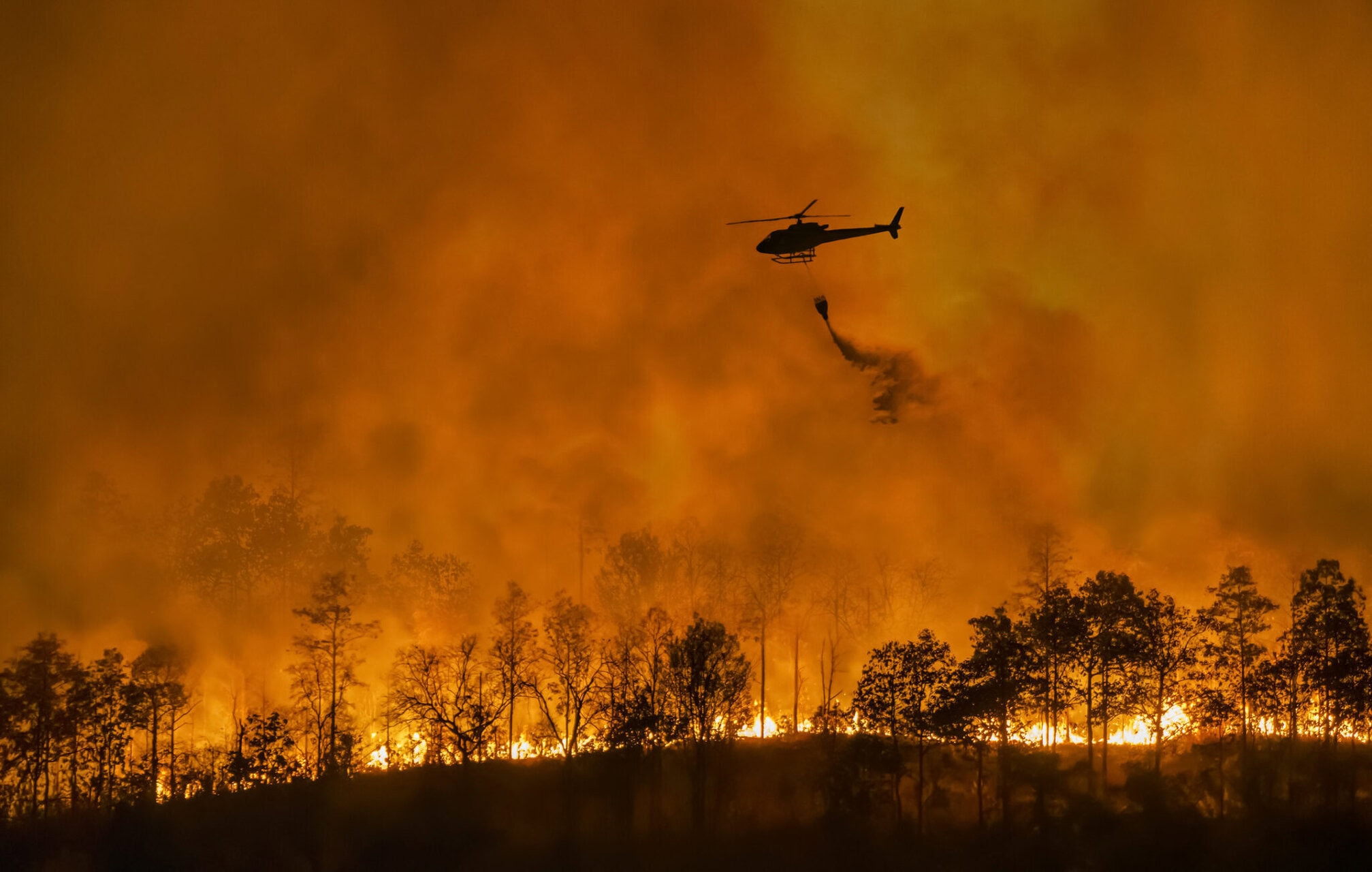
Another important sign is increased emergency activity. Fire engines, helicopters and aircraft dropping water are often visible near wildfire zones. Road closures or police checkpoints may also appear as authorities begin restricting access to affected areas.
Local authorities sometimes issue fire warnings or evacuation alerts through radio, local news or mobile alerts. Travellers should take these warnings seriously and begin preparing to move if instructed.
Noticing these signs early buys something an official alert alone cannot: time to choose your own route out, rather than joining a queue of traffic on the one road still open once an evacuation order is issued.
Best if you want daily housekeeping and a front desk. Filter by area first, then by price.
Check availabilityBest for families, or any stay past about four nights. A kitchen and a washing machine start paying for themselves.
Browse rentalsBest as a last check before booking. Compares hotel rates across several sites in one search.
Compare ratesWhat To Do If You Encounter a Wildfire While Travelling
If you encounter a wildfire during a trip, the most important step is to stay calm and act quickly. Panic often leads to poor decisions, while a clear evacuation plan can help travellers move safely away from danger.
The first action should always be to follow instructions from local authorities. If evacuation orders are issued, leave the area immediately. Authorities monitor fire conditions closely and issue evacuation instructions based on the safest available routes.
Travellers driving in wildfire-prone regions should keep their fuel tank at least half full. During emergency evacuations, petrol stations may close or run out of fuel as large numbers of people leave the area.
If smoke becomes thick while driving, reduce speed and turn on headlights. Visibility can drop rapidly in heavy smoke, making roads dangerous.
Travellers staying in hotels or resorts should speak with staff about local evacuation procedures. Many properties in wildfire-prone regions have emergency plans and can provide guidance on safe routes.
Delaying a decision to leave rarely pays off. Fire behaviour can shift within minutes when wind direction changes, and a road that was clear an hour ago may already be closed by the time an official warning confirms it.
How to Evacuate Safely During a Wildfire
Evacuating during a wildfire requires quick decisions and careful planning. Travellers should focus on leaving the area efficiently while avoiding unnecessary risks.
If evacuation orders are issued, begin leaving immediately rather than waiting to see how conditions develop. Fires can shift direction quickly, and evacuation routes may close if flames approach major roads.
Pack only essential items. Important documents, passports, medication, water and a phone charger should be prioritised. Attempting to gather too many belongings can delay departure at a critical moment.
While driving away from a wildfire area, travellers should remain alert to changing conditions. Smoke may reduce visibility, and falling ash can make roads slippery. Maintaining a safe speed and leaving extra distance between vehicles can help prevent accidents during evacuation traffic.
Travellers should also monitor official updates during evacuation. Authorities often provide real-time updates about road closures, shelters or safer routes out of the affected area.
For reliable wildfire updates and safety information in North America, the National Interagency Fire Center publishes official wildfire situation reports, incident summaries and public safety guidance, and is a genuinely useful bookmark before travelling anywhere in the western United States or Canada during fire season.
Protecting Yourself From Smoke and Ash
Even when flames are not visible, wildfire smoke can still pose serious health risks. Smoke from large fires contains fine particles, toxic gases and ash that can irritate the lungs and eyes. Travellers caught in smoky conditions should focus on reducing exposure as quickly as possible.
The first step is to move indoors whenever possible. Buildings provide a barrier against smoke and airborne ash, particularly modern hotels with sealed windows and air conditioning systems. Closing doors and windows can help prevent smoke from entering the room. The AirNow Fire and Smoke Map lets travellers in the United States and Canada check current smoke and air quality levels for their exact location, though it does not cover other countries.
If travellers must spend time outside, covering the mouth and nose can help reduce the amount of smoke inhaled. While ordinary cloth coverings offer limited protection, proper filtration masks such as N95 masks can significantly reduce exposure to harmful particles.
Eye irritation is another common problem during wildfire events. Travellers may experience burning eyes, blurred vision or discomfort caused by smoke particles. Wearing sunglasses outdoors can help reduce irritation from ash and airborne debris.
Hydration is also important. Smoke can dry the throat and airways, so drinking water regularly helps reduce discomfort. Travellers who have asthma or respiratory conditions should pay particular attention to air quality warnings and follow their doctor’s advice regarding medication.
If breathing becomes difficult despite these steps, treat it as a signal to relocate entirely, indoors or out of the affected area, rather than assuming symptoms will pass once the smoke thins.

Wildfire Emergency Alerts and Apps
Wildfires can change direction quickly, which makes timely information essential for travellers. Local authorities often issue evacuation warnings, road closures and safety alerts as conditions evolve.
A handful of verified tools give travellers real, current information rather than word of mouth. Across Mediterranean Europe, the EU’s Copernicus European Forest Fire Information System (EFFIS) publishes daily fire-danger maps and near-real-time active fire data covering Spain, Portugal, Greece and neighbouring countries, useful for checking conditions before and during a trip.
In the United States, the free Watch Duty app has become a widely used source of real-time wildfire alerts, built on reports from trained volunteer reporters, while InciWeb, run by federal land management agencies, publishes official status updates on individual, named incidents.
In Australia, the government’s Emergency+ app does not track fires itself, but it shares a caller’s exact GPS coordinates with Triple Zero (000) operators, which matters when describing your location during a fast-moving bushfire in unfamiliar terrain. In Greece, the EU-wide 112 system pushes evacuation alerts directly to phones in an affected area, a method covered in more detail in our guide to European emergency alert systems.
Travellers should also monitor local news and weather reports while visiting wildfire-prone areas. Radio broadcasts, hotel staff and local tourism offices often provide updates during active wildfire events, and are worth checking alongside any app.
None of these tools replace judgement, but checking one before assuming an area is safe costs a few seconds and can add real time to your reaction if conditions turn.
What Airlines and Hotels Do During Wildfire Disruptions
Wildfires can disrupt travel in several ways. Smoke may reduce visibility at airports, roads may close due to fire activity, and tourist areas may temporarily shut down while emergency services focus on controlling the fire.
Airlines sometimes cancel or delay flights when wildfire smoke affects airport operations. In severe cases, airports may suspend flights entirely until visibility improves. Travellers should monitor flight updates and contact airlines if their journey is affected.
Hotels and resorts in wildfire-prone areas typically have emergency response plans in place. Staff may assist guests with evacuation procedures, provide guidance on safe routes, or arrange transport to safer locations if conditions worsen.
In some situations, travellers may need to relocate to nearby towns or cities while authorities manage the wildfire. Hotels often cooperate with local emergency services to help guests leave safely.
Travel insurance policies may also provide assistance during wildfire disruptions. Some policies cover additional accommodation or transport costs if travellers are forced to change plans due to natural disasters.
Insurance and airline flexibility only help if you contact them promptly, so treat a wildfire disruption as a reason to call ahead early rather than wait and see what happens once you reach the airport or check-in desk.

Rupert’s Handy Travel Tips
Rupert has been caught out by shifting smoke more than once, and these are the habits he now relies on whenever a trip takes him near wildfire country.
- Check the fire-danger map before booking: a quick look at a service like Copernicus EFFIS or Watch Duty tells you if your destination is under active fire risk before you commit to a route.
- Pack a “grab bag” on arrival: keep passports, medication, chargers and a torch in one bag by the door so you can leave a hotel room in under two minutes if needed.
- Screenshot evacuation routes offline: mobile signal often drops near active fires, so save a map of the main roads out of the area before you need them.
- Keep a car half full of fuel: petrol stations near wildfire zones can close or run dry fast, so top up early rather than waiting until the tank is low.
- Register with your embassy in high-risk seasons: a short registration means officials know you are in the area if evacuations or large-scale disruption occur.
Want to meet the reindeer behind our travel tips? Find out more in our page Who is Rupert?.




Frequently Asked Questions About Wildfire Travel Safety
Travellers often have questions about what to do if a wildfire occurs during a trip. Understanding the basics can help reduce uncertainty and allow travellers to respond confidently if conditions change.
Can wildfires affect major tourist destinations?
Yes. Wildfires can occur near coastal resorts, national parks and rural tourist areas. While cities are usually less affected, smoke and transport disruptions can still impact travel plans.
Should travellers cancel trips because of wildfire risk?
In most cases travel can continue safely if authorities have not issued warnings or restrictions. Monitoring local conditions before departure helps travellers make informed decisions.
Is wildfire smoke dangerous for short periods?
Short exposure usually causes irritation such as coughing or eye discomfort. However, prolonged exposure can affect breathing, especially for people with asthma or respiratory conditions.
How quickly do wildfire evacuations happen?
Evacuations can occur rapidly if fire conditions worsen. Authorities may issue warnings first, followed by mandatory evacuation orders if the fire approaches populated areas.
What should travellers pack if evacuation becomes necessary?
Important documents, passports, medication, water, mobile phones and chargers should always be prioritised. Packing light allows travellers to leave quickly if evacuation orders are issued.
Best if you can move a day either way. Shows how the fare changes across the month.
Compare flightsBest for short trips. Install the eSIM at home and arrive with working data, no shop queue.
Browse eSIMsBest when public transport has stopped, or when you are travelling with children and bags.
Book a transferFurther Reading & Related Travel Guides
Want to stay prepared for emergencies while travelling? These guides will help you stay safe, informed and ready to respond if conditions change. If you’re travelling somewhere prone to other natural hazards, see our guides to surviving an earthquake or a hurricane or typhoon while on holiday.
If a wildfire disrupts your plans, it helps to know how to get essential medicine replaced abroad, covered in our guide to getting replacement prescriptions abroad, and in more serious cases, how emergency medical evacuation actually works. Travellers heading into Europe should also understand how healthcare access works under the UK GHIC card, since local hospitals may be your only option if a fire disrupts your itinerary.
Staying connected matters just as much during a wildfire evacuation as during any other emergency, and our eSIM apps guide explains how to keep a reliable signal wherever you are. It is also worth knowing how to move through airport checks quickly and without confusion, since wildfire smoke can disrupt flights, and our guide to getting through airport security covers exactly that.