Reviewed by our editorial team Updated
Why Earthquake Preparedness Matters When Travelling
Travelling to new destinations is exciting, but an earthquake can happen without warning, leaving tourists unsure of what to do. Unlike storms or hurricanes, earthquakes offer no countdown and often catch travellers in unfamiliar surroundings such as hotels, museums, public transport or crowded streets. This makes preparation even more important.
Being prepared means understanding where earthquakes are likely, how buildings respond, and what immediate steps to take to protect yourself. Even in modern cities with strong building codes, the shaking can lead to falling debris, glass breakages, blocked roads, and aftershocks that continue for hours or days.
Many people assume they are safe because they are only on holiday, but travellers are at higher risk because they may not know local emergency procedures, evacuation routes, or the language used in official alerts. Taking a few minutes to understand the basics can dramatically improve your safety.
This guide helps you stay calm, act quickly, and make smart decisions, from what to do during the initial shaking to navigating the aftermath safely.
Understanding Earthquakes: Causes, Risks & Global Hotspots
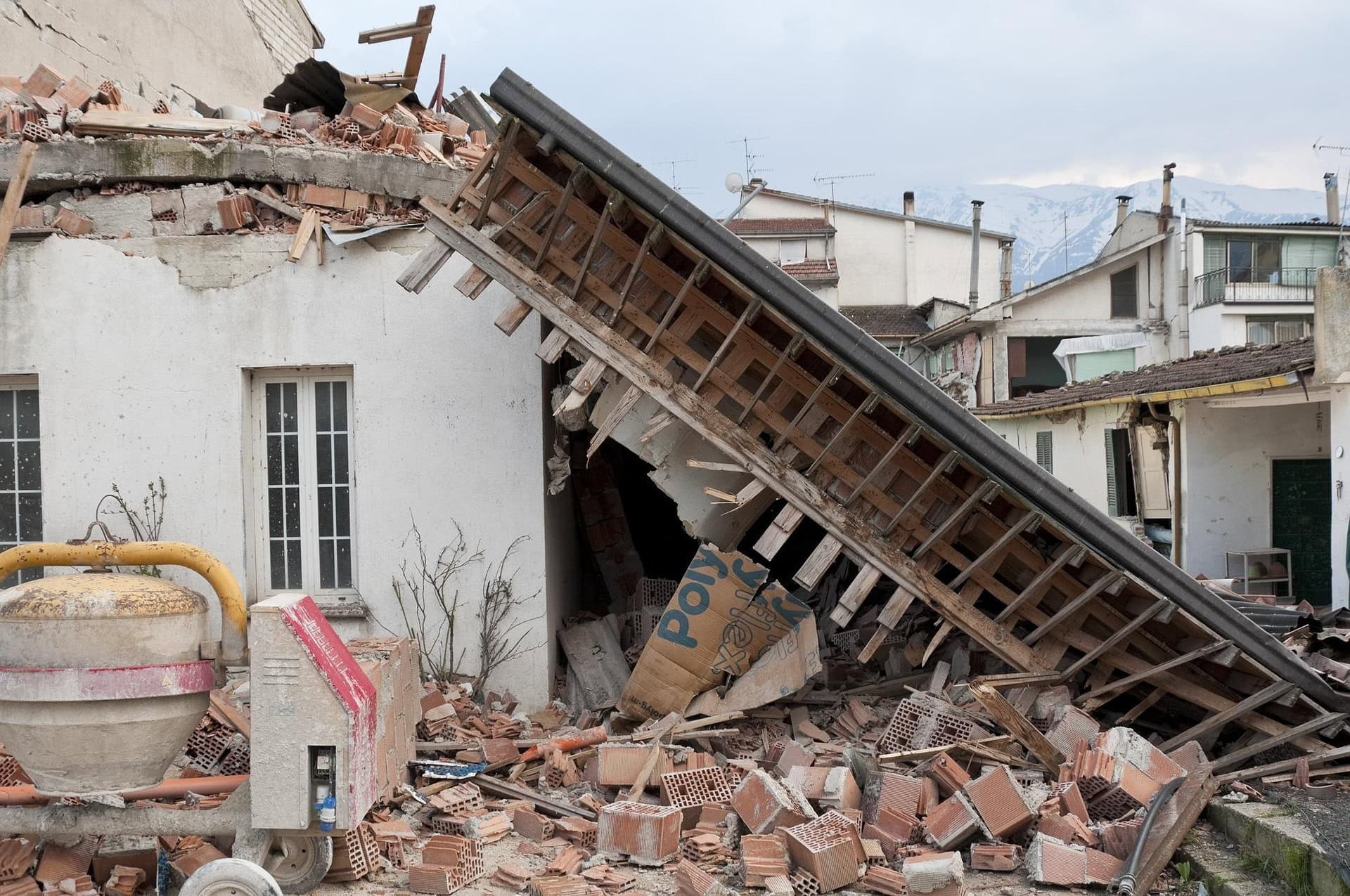
Earthquakes occur when the Earth’s tectonic plates suddenly shift, releasing energy that causes the ground to shake. For travellers, the main risk is not the quake itself but the secondary dangers, including collapsing structures, landslides, tsunamis, fires, and damaged infrastructure.
If you are visiting popular destinations such as Japan, Indonesia, Turkey, California, Mexico, Greece, or New Zealand, you are in regions that sit along major fault lines. These areas experience regular seismic activity, and even moderate quakes can disrupt transport, utilities, and communication networks.
Tourists should also understand the concept of aftershocks, which are smaller earthquakes that follow the main quake. Aftershocks can cause additional damage and are especially dangerous if buildings have already been weakened. Knowing this helps you avoid re-entering damaged buildings too soon.
While the risks sound worrying, millions of people live and travel safely in earthquake zones every year. Awareness and quick action make all the difference.
Browse hotels and accommodation for your journey.
View staysBrowse apartments, holiday homes and self-catering stays.
View rentalsCompare hotel prices across multiple booking sites.
Compare ratesRecognising Earthquake Levels & Alerts
Different countries use different scales to measure earthquakes, but most travellers will see numbers associated with either the Richter scale or the Modified Mercalli Intensity scale. Higher numbers indicate more intense shaking, but even lower-level tremors can cause damage in older buildings. If you feel a tremor, the USGS Latest Earthquakes map lets you check the magnitude and location of recent events worldwide within minutes.
Emergency warning systems vary by country. In Japan, Mexico, and parts of the United States, travellers may receive early warning alerts on their phones with loud alarms that give you a few seconds to take cover. In other destinations, local authorities may rely on sirens, TV and radio broadcasts, public announcements, or hotel staff instructions.
Tourists should familiarise themselves with local terms such as seismic alert, aftershock warning, or tsunami advisory. These phrases can appear on notice boards, transport screens, or mobile alerts, and understanding them helps you respond without hesitation.
Before You Travel: Planning & Preparation
A little preparation goes a long way. Before travelling to an earthquake-prone destination, make sure you have travel insurance that covers natural disasters, cancellations, and emergency relocation. Some policies exclude acts of nature, so checking the wording is essential.
Choose accommodation carefully. Newer hotels tend to follow modern seismic building standards, while older or budget properties may not. If you are unsure, look for guest reviews mentioning safety or building quality.
Pack a few small essentials including a portable battery pack, copies of your passport, and any essential medication. These items can be invaluable if power lines go down. Download offline maps, a translation app, and an emergency alert app for the country you are visiting. Store important numbers such as your hotel, embassy, and local emergency services on your phone and on paper.
Preparing now means less panic later. In an earthquake, every second counts, and knowing what to do beforehand can make a crucial difference.
Earthquake Safety in Hotels & Accommodation
Your hotel or rental apartment is where you are most likely to be when an earthquake strikes, so knowing what to look for on arrival is essential. Start by identifying two exit routes from your room and noting where the nearest stairwell is. Never rely on lifts, as they often shut down automatically during seismic activity. Check that large items like TVs, mirrors, and wardrobes are securely fixed. If they look unstable, avoid sleeping directly beneath them.
Look for safe spots inside the room, such as areas next to sturdy furniture, inner walls, or under solid desks or tables. These provide the best protection from falling debris. Keep shoes, a torch, and your phone within arm’s reach at night so you can move quickly if needed.
Hotels in earthquake zones often display emergency procedures on the back of the door or by the lobby elevators. Take a moment to read these, as they will tell you where to gather after an evacuation and how staff are trained to respond. If your accommodation feels unsafe, especially in older or poorly maintained buildings, consider switching to a more secure property.
Understanding your surroundings before an emergency strikes can make the difference between confusion and a quick, calm response.

What to Do During an Earthquake
The most important rule is simple: Drop, Cover, Hold On. Drop to your hands and knees to avoid being knocked over, take cover under a sturdy table or against an interior wall, and hold on until the shaking stops. Stay away from windows, glass, mirrors, and anything that could fall such as ceiling lights, shelves, or televisions.
If you are indoors, do not run outside. Most injuries occur when people try to escape during the shaking. Instead, stay where you are and protect your head and neck. If you are in bed, stay there and cover your head with a pillow unless you are under a heavy light fixture.
If you are outdoors, move to an open space away from buildings, streetlights, bridges, and power lines. If you are driving, safely pull over, stop the car, and stay inside with your seatbelt fastened. Avoid stopping near bridges, overpasses, or tunnels.
If you are near the coast, be aware of tsunami risk. If the shaking is strong or lasts more than 20 seconds, move to higher ground as soon as it is safe to do so.
After the Shake: Immediate Steps to Stay Safe
Once the shaking stops, take a moment to assess your situation. Expect aftershocks, which may come minutes or hours later. Move carefully and avoid damaged areas, as weakened structures can collapse without warning. Grab your essentials such as your phone, shoes, medication, and water, and be prepared to exit the building if it is unsafe.
Check yourself and others for injuries. Provide basic first aid if needed, but avoid moving seriously injured people unless there is immediate danger.
If you are in a hotel, listen for instructions from staff and follow evacuation routes. Do not use lifts. Stay clear of gas leaks, broken glass, and fallen power lines. If you smell gas, leave the area immediately and notify authorities.
Once in a safe open area, stay put until local officials confirm that it is safe to move. Avoid re-entering buildings until they have been professionally inspected. Many injuries happen in the hours after the main quake when people rush back inside too soon.
Communications & Contacting Authorities
After a major quake, mobile networks may be overwhelmed or temporarily offline. Start with SMS or messaging apps, which use far less bandwidth than calls. Send brief messages to relatives or friends such as I am safe, more info soon to conserve battery and network capacity.
Know the local emergency numbers, which vary by country, and contact them only in life-threatening situations. If you need consular help, reach out to your embassy or high commission. Most embassies activate crisis teams after major earthquakes to assist tourists with documentation, evacuation, or hospital coordination.
Local radio stations, government social media accounts, and official alert apps often provide real-time updates. If Wi-Fi is available, connect immediately to avoid draining your mobile data. Keep your phone on low power mode whenever possible.
Effective communication is vital after a quake, helping you stay informed, reassure loved ones, and access emergency assistance when needed.
Compare routes and fares for your next trip.
Compare flightsUse an eSIM to get online without hunting for a local SIM after arrival.
See eSIM optionsCheck private airport pickup options and plan the first part of your journey in advance.
View transfersNavigating a City After an Earthquake
After an earthquake, cities can feel unfamiliar and chaotic. Roads may be blocked by debris, power cuts can darken entire neighbourhoods, and public transport is often suspended while safety checks take place. Expect delays across buses, metros, trams, ferries, and rail services, as even small aftershocks can halt operations again.
Stick to open areas and avoid narrow streets with tall buildings, especially older structures that may be unstable. Use official information sources for updates, including government social media channels, city emergency apps, and hotel announcements. Avoid relying on rumours or unverified posts, which often spread quickly after disasters.
Shops, restaurants, and services may close temporarily, but larger chains and hotels often reopen sooner thanks to backup power and generator systems. Cash machines might be offline, so always keep a small amount of local currency in case card networks fail.
If you need to travel across the city, choose wide boulevards and open plazas where possible. Walking may be safer than taking taxis in the first few hours if roads are congested or damaged. Staying patient and following official guidance will help you move around safely.
Tsunami Risk Zones & What Tourists Must Know
If you are near the coast in a region known for seismic activity, such as Japan, Indonesia, Chile, Greece, Mexico, or the Caribbean, you must take tsunami awareness seriously. Not every earthquake triggers a tsunami, but the risk is higher when the quake is strong, shallow, or offshore.
If the shaking lasts longer than 20 seconds or makes it difficult to stand, treat this as a natural warning and move to higher ground immediately once it is safe to walk. Do not wait for sirens, as power cuts or damaged infrastructure may delay alerts.
Know your nearest tsunami evacuation route. Many coastal towns display signs pointing to safe high-ground areas. Avoid beaches, harbours, and riverbanks after a strong quake. Tsunamis often arrive in multiple waves, with the largest sometimes coming hours later.
If official warnings are issued, follow them strictly. Tsunami alerts may appear via hotel announcements, loudspeakers, mobile notifications, or radio broadcasts. Stay away from the coast until authorities declare the area safe.
Health, Hygiene & Staying Well After a Major Quake
In the aftermath of a significant earthquake, maintaining health and hygiene becomes critical. Water supplies may be compromised, so avoid drinking tap water unless local authorities confirm it is safe. Stick to sealed bottled water and avoid ice, raw foods, or anything washed in untreated water.
Carry basic hygiene supplies such as hand sanitiser, wet wipes, and tissues, as they become invaluable when plumbing systems fail or public facilities close. Food safety is another concern. If refrigeration has been disrupted, avoid dairy, meat, or seafood that may have spoiled.
Stress and shock are common after major quakes. Take regular breaks, drink water, and stay connected with your travel companions to monitor each other’s wellbeing. If you have pre-existing medical conditions, ensure you keep medication close by and be aware that pharmacies or hospitals may be overwhelmed.
Good hygiene and self-care help prevent avoidable illness and keep you strong during a stressful situation.
If You Are Trapped or Injured
If you find yourself trapped, the priority is to stay calm and conserve energy. Cover your mouth and nose with cloth to avoid dust inhalation. Tap on pipes, walls, or metal objects to signal your location, as rescuers often listen for these sounds. Shouting should be a last resort, as it can drain energy and expose you to dust.
If you are able, try to free your limbs slowly without causing further injury. Avoid moving heavy debris unless it is absolutely essential to breathe or reposition yourself safely. Stay still and wait for trained rescuers, as moving too much can cause unstable rubble to shift.
If injured, apply pressure to wounds and keep warm. Use your phone sparingly. The light can help rescuers find you, but preserving battery life is vital. If you can send a text message with your location, do so quickly before networks become congested.
Remaining calm and focusing on small, deliberate actions will increase your chances of being found quickly and safely.
Safety Apps & Tools for Earthquake Situations
Technology can make a huge difference during and after an earthquake, especially when you are travelling somewhere unfamiliar. Before your trip, download a selection of reliable emergency apps that work offline or send alerts even when networks are congested. Many countries use official early warning systems, such as Japan’s Yurekuru Call, Mexico’s SASMEX, and the US ShakeAlert network.
Offline map apps are extremely useful if roads change or signs fall down. Store maps of your hotel area, evacuation routes, and major transport hubs so you can navigate without mobile data. Translation apps can help you understand official warnings or communicate with locals during a crisis. Some medical apps also allow you to store emergency information such as allergies, medications, or blood type.
Keep a portable power bank, charging cable, and a torch in your day bag. If you rely heavily on your phone for navigation or information, consider carrying a second battery pack. Having the right tools at hand reduces panic and helps you act quickly.
When to Leave & How to Evacuate the Area
Even if the initial earthquake was moderate, aftershocks or infrastructure damage may make it safer to leave the area temporarily. Follow any evacuation orders issued by local authorities, as these may instruct tourists to move from high-risk zones, coastal areas, or unsafe neighbourhoods.
Transport availability can vary. Airports often shut down for inspections, rail lines may be suspended, and roads can be blocked by debris. Be prepared for delays and limited options. Hotels sometimes organise group evacuations to safer locations or partner properties, so check with reception for updates on transport, buses, or shuttle services.
If you need to evacuate independently, stick to major roads and open spaces. Avoid tunnels, bridges, or steep mountain routes immediately after a quake. Always carry your passport, a small amount of cash, essential medication, and a fully charged phone.
Evacuation can feel stressful, but staying calm and making decisions based on official guidance will keep you safer.
Compare hostels and budget-friendly places to stay.
Browse hostelsGet help with compensation, eligible lounge access and disruption support.
Explore AirHelp+Leave your luggage somewhere convenient and explore hands-free.
View storageHow to Handle Travel Disruptions & Insurance Claims
Earthquakes can cause widespread travel chaos, including cancelled flights, closed tourist attractions, damaged roads, and power outages. Start by contacting your airline, ferry operator, or rail company as soon as networks stabilise. Major carriers typically post updates on social media or apps faster than phone lines.
If your trip is severely affected, check whether your travel insurance policy covers natural disasters. Many policies include protection for trip interruption, cancelled accommodation, or emergency evacuation, but some have exclusions. Keep receipts for any emergency expenses such as transport, extra hotel nights, or essential supplies.
Take photos of any damage to your belongings and obtain written confirmation from your hotel if the property has been affected. Once you are safe, begin your insurance claim as soon as possible, as insurers often prioritise early submissions after a major incident.
Being organised helps you recover costs and get your travel plans back on track sooner.

Rupert’s Handy Travel Tips
Earthquakes strike without warning, so a little preparation goes a long way. Here are a few of my favourite tips to stay safer:
- Keep your shoes by your bed; broken glass and debris are common after even a small quake.
- Make a quick exit plan when you check in, noting two escape routes and the nearest stairwell.
- Download local alert apps before you arrive; they can give you precious seconds to take cover.
- Pack a compact emergency kit: torch, whistle, power bank, and a copy of your passport.
- Don’t rush indoors after the shaking stops; aftershocks can cause weakened buildings to collapse.
Want to meet the reindeer behind our travel tips? Find out more in our page Who is Rupert?.




Frequently Asked Questions
What is the safest thing to do during an earthquake?
The safest action is to Drop, Cover, Hold On. Drop to your hands and knees, protect your head and neck under a sturdy table or against an interior wall, and stay there until the shaking stops. This method reduces your risk from falling objects and collapsing furniture.
How long do aftershocks last?
Aftershocks can occur for hours, days, or even weeks after the main quake. The largest usually come within the first 24 hours. Always be prepared for additional shaking and avoid entering damaged buildings.
Should tourists evacuate immediately after an earthquake?
Not always. Evacuate only if local authorities instruct you to, if your building is unsafe, or if you are near the coast and there is a tsunami risk. Official guidance should always be your primary source of information.
Will travel insurance cover my disrupted trip?
Many insurance policies cover natural disasters, but not all. Check your policy wording carefully. Coverage may include trip interruption, cancelled hotels, or emergency evacuation, depending on the insurer.
What if mobile networks fail during an earthquake?
Use SMS or offline-capable messaging apps, which require less bandwidth. Connect to Wi-Fi if available, and keep a power bank handy. Emergency radios, hotel announcements and local alert apps also provide vital updates.
Further Reading & Related Travel Guides
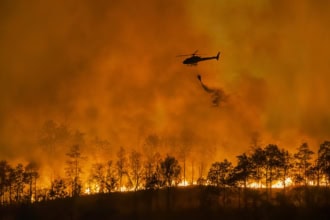
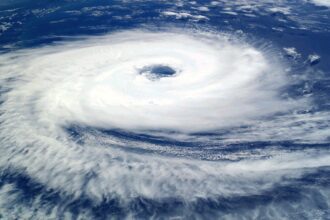
Earthquakes are just one of several natural hazards that can catch travellers off guard, so it is worth knowing what to do if you encounter others on your travels. If your trip takes you somewhere prone to fire risk during hot, dry months, our Wildfire Survival Guide for Travellers explains how to spot the warning signs and evacuate safely, while anyone heading to the Caribbean, Southeast Asia or the Pacific during storm season should also read our Hurricane and Typhoon Survival Guide, which covers everything from early warning signs to sheltering in place.
It also helps to know what your embassy can and cannot do if a disaster disrupts your trip abroad, covered in our guide to embassies and consulates, and if the shaking leads to a more serious injury, our guide to medical repatriation explains how emergency evacuation and insurance cover typically work.