Reviewed by our editorial team Updated
How Emergency Alerts Work Across Europe
Across the continent, governments use a mix of mobile alerts, civil defence sirens, broadcast interruptions and dedicated apps to warn the public about major threats. These systems are designed to notify people quickly during events such as natural disasters, terrorist incidents, severe weather, chemical accidents or major transport disruptions.
Most modern European emergency alert systems rely on cell broadcast technology. This allows authorities to send a message instantly to every mobile phone connected to a local network within a specific geographic area. No registration, download or mobile app is required, which means both residents and visitors can receive alerts automatically.
Unlike traditional SMS messages, cell broadcast alerts are delivered simultaneously to thousands or even millions of devices. Phones typically emit a distinctive alarm tone, even if they are set to silent mode. The alert then appears on the screen with instructions such as evacuate the area, shelter indoors, or avoid certain roads.
Several countries also maintain national civil defence siren networks that operate alongside mobile alerts. These sirens are especially common in central and northern Europe, where they historically formed part of Cold War civil defence planning. Today they remain useful for rapid mass warning when mobile networks are overloaded or unavailable.
For travellers, the important thing to understand is simple: if your phone is connected to a local network, you will normally receive emergency alerts just like local residents. Roaming devices are included automatically in most systems.
EU-Alert: The Standard System Used Across Much of Europe
The European Union introduced a shared framework called EU-Alert, designed to standardise public warning systems across member states. The aim is simple: ensure people receive emergency notifications wherever they are travelling in Europe, even if they are visiting a country for the first time.
EU-Alert works using cell broadcast technology, which allows authorities to send warnings directly to every compatible phone connected to mobile networks in a specific area. No registration, SIM card from that country, or mobile app is required, meaning tourists and residents receive alerts in exactly the same way.
When an alert is triggered, phones typically emit a distinctive alarm tone and vibration, followed by a message explaining the situation. These alerts may instruct people to avoid an area, remain indoors, evacuate, or follow guidance from emergency services. Messages are usually displayed in the local language and often English, particularly in regions that receive large numbers of international visitors.
Rather than listing countries individually, it is easier to understand EU-Alert by looking at the regions where the system operates.
Northern Europe: Denmark, Estonia, Finland, Latvia, Lithuania and Sweden all operate EU-Alert compatible warning systems.
Western Europe: Austria, Belgium, France, Germany, Ireland, Luxembourg and the Netherlands use the EU-Alert framework for national emergency notifications.
Southern Europe: Cyprus, Greece, Italy, Malta and Spain have introduced EU-Alert systems in recent years. Portugal currently warns the public through location-based SMS issued by its civil protection authority, ANEPC, with an upgrade to cell broadcast planned.
Central and Eastern Europe: Bulgaria, Croatia, Czech Republic, Hungary, Poland, Romania, Slovakia and Slovenia also use EU-Alert technology.
Although the underlying technology is shared, each country brands and manages its own alert service. Germany’s warnings may appear through the NINA system, France operates FR-Alert, and the Netherlands runs NL-Alert.
For travellers moving between European countries, the important point is that the technology works in the same way everywhere. Even if the name of the system changes, the alert will still appear automatically on your phone when authorities issue a warning in your area.
See hotel options and places to stay for your trip.
Browse hotelsBrowse apartments, holiday homes and self-catering stays.
View rentalsCompare hotel deals from multiple booking sites in one search.
Compare pricesEuropean Countries Using Their Own National Alert Systems
Not every European country participates in EU-Alert. Several nations operate independent public warning systems, although many still rely on similar technology such as cell broadcast messaging, SMS alerts and traditional civil defence sirens.
These systems are designed to achieve the same goal as EU-Alert: deliver urgent warnings quickly to anyone in the affected area, including visitors and travellers.
Rather than listing countries in a single long list, it is easier to understand these independent alert systems by looking at the regions where they operate.
Northern Europe: Iceland and Norway operate their own national warning systems alongside established civil defence infrastructure.
Western Europe: Switzerland and the United Kingdom run independent alert platforms separate from EU-Alert.
Eastern Europe: Belarus, Moldova, Russia and Ukraine maintain their own national emergency alert systems.
Balkans & Southeast Europe: Albania, Bosnia and Herzegovina, Kosovo, Montenegro, North Macedonia and Serbia operate national warning systems that may combine SMS alerts, sirens and broadcast announcements.
Caucasus Region: Armenia, Azerbaijan, Georgia and Turkey also operate independent national emergency alert infrastructure.
In many of these countries, the warning framework combines mobile alerts, traditional sirens, radio interruption systems and emergency broadcast messages. The structure can vary widely depending on national civil defence policies and telecommunications infrastructure.
The United Kingdom, for example, introduced its nationwide Emergency Alerts system in 2023. Similar to EU-Alert, it uses cell broadcast technology to send notifications directly to phones within a defined geographic area.
Switzerland operates Alertswiss, which integrates mobile alerts with a government information app and a nationwide civil defence siren network.
Because systems vary from country to country, travellers may encounter different sounds, languages and message formats. However, the overall purpose remains the same: rapidly warn people in danger and provide clear instructions during emergencies.
European Emergency Alert Systems by Country
The table below provides a continent-wide overview of public warning systems used across Europe. This allows travellers to quickly check how alerts are delivered in each country.
| Country | Main Alert System | Alert Type |
|---|---|---|
| Albania | National Civil Emergency Alerts | SMS / broadcast |
| Armenia | Government emergency alerts | SMS |
| Austria | AT-Alert | Cell broadcast |
| Azerbaijan | National warning system | SMS |
| Belarus | Civil defence alerts | SMS |
| Belgium | BE-Alert | Cell broadcast / SMS |
| Bosnia & Herzegovina | Civil protection alerts | SMS |
| Bulgaria | BG-Alert | Cell broadcast |
| Croatia | HR-Alert | Cell broadcast |
| Cyprus | CY-Alert | Cell broadcast |
| Czech Republic | CZ-Alert | Cell broadcast |
| Denmark | S!RENEN | Cell broadcast |
| Estonia | EE-Alert | Cell broadcast |
| Finland | Public Warning System | Cell broadcast |
| France | FR-Alert | Cell broadcast |
| Georgia | Government emergency alerts | SMS |
| Germany | DE-Alert / NINA | Cell broadcast |
| Greece | 112 Public Warning System | Cell broadcast |
| Hungary | HU-Alert | Cell broadcast |
| Iceland | Civil protection alerts | SMS |
| Ireland | National Emergency Alerts | Cell broadcast |
| Italy | IT-Alert | Cell broadcast |
| Kosovo | Civil emergency alerts | SMS |
| Latvia | LV-Alert | Cell broadcast |
| Lithuania | LT-Alert | Cell broadcast |
| Luxembourg | LU-Alert | Cell broadcast |
| Malta | Civil protection alerts | Cell broadcast |
| Moldova | Emergency alert system | SMS |
| Montenegro | Civil protection alerts | SMS |
| Netherlands | NL-Alert | Cell broadcast |
| North Macedonia | Crisis Management Alerts | SMS |
| Norway | Nødvarsel | Cell broadcast |
| Poland | RCB Alerts | SMS / broadcast |
| Portugal | ANEPC civil protection warnings | Location-based SMS |
| Romania | RO-Alert | Cell broadcast |
| Russia | National civil defence alerts | SMS |
| Serbia | Civil emergency alerts | SMS |
| Slovakia | SK-Alert | Cell broadcast |
| Slovenia | SI-Alert | Cell broadcast |
| Spain | ES-Alert | Cell broadcast |
| Sweden | VMA Alerts | Cell broadcast |
| Switzerland | Alertswiss | Broadcast / app |
| Turkey | National emergency alerts | SMS |
| Ukraine | Government warning system | SMS |
For travellers planning trips across multiple countries, understanding these systems can be reassuring. European emergency alert systems are designed so that anyone in the affected area, including tourists, receives warnings immediately.
For more information on how governments coordinate emergency warning policies across Europe, guidance from the European Commission civil protection programme explains how these systems are standardised and maintained.
Countries With Regular Civil Defence Siren Tests
Across Europe, many countries still maintain civil defence siren networks designed to warn the public during major emergencies. These systems were originally developed during the Cold War but remain in use today because sirens can warn large populations instantly, even if mobile networks fail or electricity is disrupted.
For travellers unfamiliar with the system, hearing a siren can be alarming. In reality, many of these warnings are routine national tests, carried out regularly to ensure the infrastructure still works and the public recognises the sound.
Several European countries follow fixed national testing schedules.
Austria: Nationwide siren tests take place every October as part of the country’s civil protection awareness day.
Finland: Sirens are tested on the first Monday of each month, usually at midday.
France: A nationwide test takes place on the first Wednesday of each month at midday. These short tests are part of the country’s long-standing civil defence system.
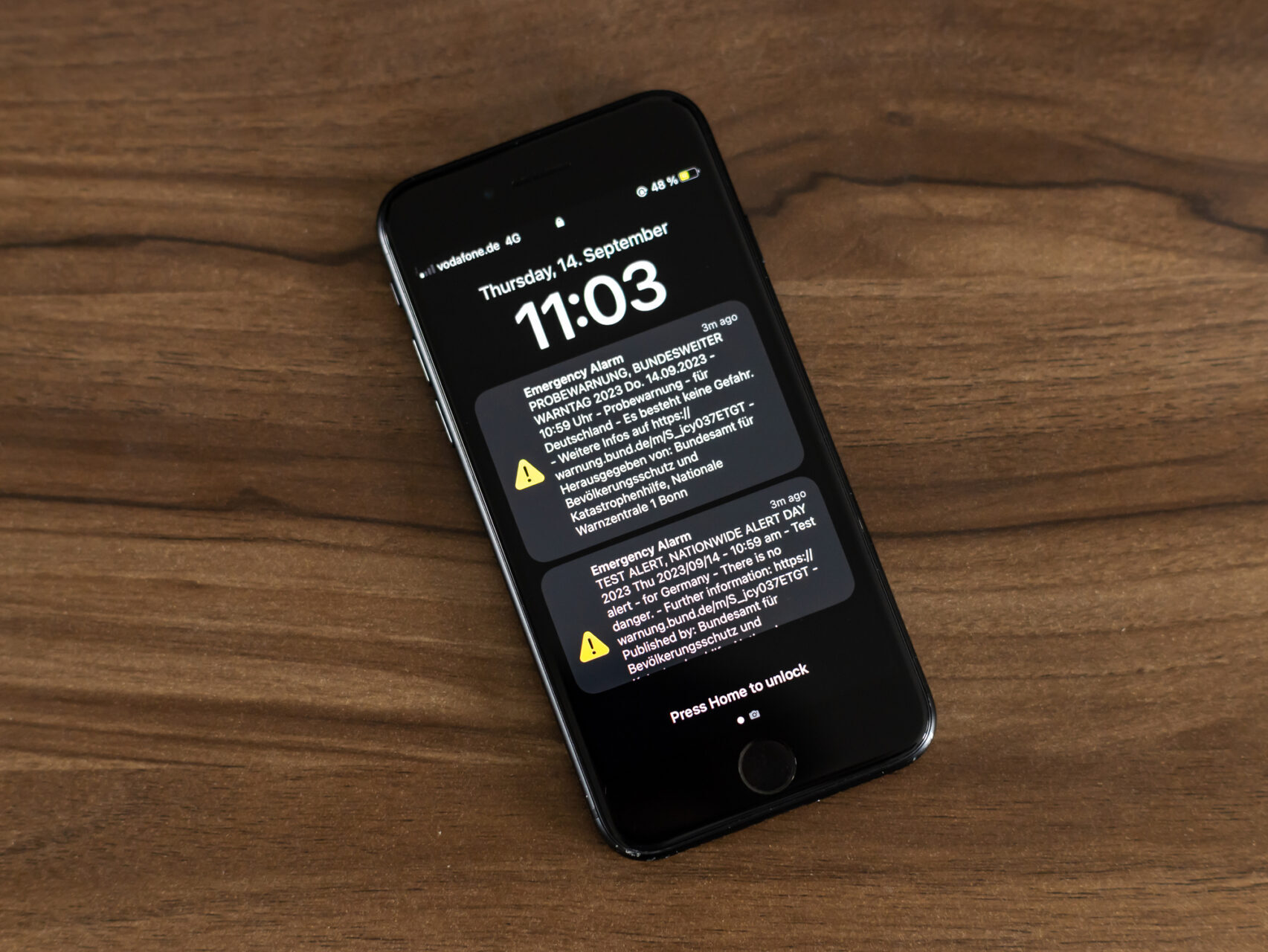
Germany: Germany conducts a national Warning Day (Warntag) each year, when sirens, apps and mobile alerts are tested simultaneously across the country.
Netherlands: A nationwide siren test occurs on the first Monday of every month at noon, unless the day coincides with a public holiday or national event.
Sweden: The civil defence siren known as “Hesa Fredrik” is tested four times per year, usually in March, June, September and December.
Switzerland: The country runs one of Europe’s largest siren networks. A national siren test takes place every February, covering thousands of warning devices across the country.
These tests are widely publicised in advance, but travellers may still hear them unexpectedly when visiting a city. In most cases, a short siren lasting less than a minute during daytime hours is simply a routine test.
If a siren sounds outside of a scheduled test, authorities usually follow it with radio broadcasts, mobile alerts or official instructions explaining what people should do next.

Do Tourists Receive European Emergency Alerts?
One of the most common questions travellers ask is whether European emergency alert systems also reach foreign visitors. In most cases, the answer is yes.
Modern alert systems rely on cell broadcast messaging, which sends warnings to all compatible phones connected to local mobile networks. Because the message is broadcast through the network itself, it does not depend on your SIM card being issued in that country.
This means travellers using roaming mobile connections or international eSIMs will usually receive alerts just like local residents.
Phones may display the message in the local language, but many countries include English translations, particularly in regions with large numbers of tourists.
Alerts normally appear with a loud warning tone and vibration, followed by a message explaining the emergency and clear instructions from authorities.
Because these alerts override silent mode on most smartphones, they are designed to grab attention immediately.
If you receive an alert while travelling, the most important thing to do is read the message carefully and follow any instructions provided by local authorities.
What Happens When an Emergency Alert Is Sent
When authorities issue an alert, the message is broadcast through the mobile network to every compatible device within a defined geographic area. This could be a city, region, or sometimes an entire country depending on the situation.
Phones typically display the alert using a full-screen notification accompanied by a distinctive alarm sound. The message will briefly explain the emergency and provide simple instructions.
Common alert scenarios include severe storms or flooding, wildfire evacuations, chemical or industrial accidents, major terrorist incidents and other large-scale public safety emergencies.
The goal of the system is not to provide full news coverage, but rather deliver clear instructions quickly so people can take immediate action.
Additional updates may follow through radio broadcasts, government websites, emergency apps and news media.
For travellers, the key point is that alerts are location-based, not nationality-based. If you are inside the affected area, your phone will normally receive the warning.
What To Do If You Receive an Emergency Alert While Travelling
Receiving an emergency alert abroad can be unsettling, particularly if the message appears in an unfamiliar language. However, these alerts are designed to provide clear, simple instructions that anyone can follow.
If you receive one while travelling, the most important step is to stay calm and read the message carefully.
Most alerts will instruct people to take one of several basic actions, such as avoiding a specific area or sheltering in place, leaving the area immediately, or following instructions from local authorities.
It is usually best to follow official guidance rather than relying on rumours or social media. In many cases, emergency services will issue further updates through government websites, local radio or national news broadcasts.
Travellers can also check official civil protection information through government channels such as the European Commission Civil Protection Mechanism, which explains how countries coordinate responses to major disasters across the continent.
Even though emergency alerts can sound dramatic, most are issued as precautionary safety messages designed to prevent harm. Following the instructions calmly and promptly is usually the safest response.
Search flights and useful route combinations in one place.
View flightsChoose an Airalo eSIM and arrange mobile data before you arrive.
Browse eSIMsBook a private airport transfer in advance and have your ride planned before you arrive.
Check transfersWhy Your Phone Might Not Receive Emergency Alerts Abroad
Modern European emergency alert systems are designed to reach all compatible mobile phones in a specific area. However, there are situations where a traveller’s phone might not receive an alert, even when one has been issued.
One of the most common reasons is that emergency alerts are disabled in the phone’s settings. Most smartphones allow users to turn off certain types of alerts, and some people disable them without realising it. If the alert category has been switched off, the message may not appear even if the phone is connected to the network.
Another factor can be airplane mode or lack of mobile signal. Because most alert systems rely on cell broadcast messaging through mobile networks, a phone must be connected to a local network to receive the notification. If the device is in airplane mode or outside signal coverage, the alert cannot be delivered.
Older mobile devices may also lack full compatibility with modern cell broadcast alerts. While most smartphones manufactured in the last decade support emergency warning systems, some older models or imported devices may not display the messages correctly.
In rare cases, alerts may also be limited to specific geographic zones. If you are just outside the targeted area when the message is sent, your phone may not receive it.
For travellers, the safest approach is to ensure emergency alerts are enabled in your phone’s settings before travelling, keep mobile connectivity active, and pay attention to any official warnings from local authorities or news sources while abroad.
European Emergency Numbers
One of the most important things travellers should know is which emergency number to dial if something goes wrong. Fortunately, most of Europe now uses a shared emergency telephone number, making it much easier to get help quickly.
The universal emergency number across the European Union and many neighbouring countries is 112.
Dialling 112 connects you to emergency services such as police, ambulance or fire services, depending on the situation. The number works from mobile phones and landlines, and in many countries you can dial it even if your phone is locked or has no active SIM card.
Because 112 is used across multiple countries, operators are often able to handle calls from foreign travellers, and many emergency centres can communicate in English or other major European languages.
Some countries also maintain additional national emergency numbers, which may connect directly to specific services.
Examples include the United Kingdom, which uses 999 or 112; France, which uses 15 for ambulance, 17 for police and 18 for the fire brigade; Germany, where 110 reaches the police and 112 covers ambulance and fire; Italy and Spain, which both use 112 as a nationwide number; and Switzerland, which uses 117 for police, 118 for fire and 144 for ambulance.
For travellers, the simplest rule is easy to remember: dial 112 anywhere in Europe if you need emergency assistance.
Two exceptions are worth flagging for British travellers specifically. In Ireland, dialling 112 by voice works exactly as described above, but the text-to-112 service (for travellers who are deaf, hard of hearing, or unable to make a voice call) requires prior registration tied to an Irish-network SIM — a UK visitor roaming on a British SIM cannot use the text service and should call by voice instead. And in Gibraltar (not in the table above, as it is not an EU member state), the emergency number is now a unified 999 with a press-1/2/3 menu for police, fire and ambulance, replacing the older separate 190/199 numbers some British visitors may still expect.
The call will normally be routed to the nearest emergency dispatch centre, allowing responders to identify your location and send help quickly.
Emergency Alert Apps Used Across Europe
Although most European emergency alert systems now rely on automatic mobile warnings, several countries also provide official apps that deliver additional safety information and updates.
These apps are usually operated by national civil protection agencies and can provide detailed alerts, maps, safety advice and updates during major incidents.
Examples of widely used systems include NINA in Germany, which delivers civil protection alerts, severe weather warnings and local safety updates, and FR-Alert / SAIP in France, which handles national security alerts and crisis notifications. The Netherlands runs NL-Alert for public safety and regional warning messages, while Switzerland’s Alertswiss combines government emergency alerts with disaster preparedness information.
Belgium operates 112 BE, an emergency communication platform connected to the national 112 service, and many travellers also use Echo112, an international safety app that automatically sends location information to emergency services when a user dials an emergency number.
While these apps can provide additional detail and situational awareness, it is important to remember that official mobile alerts still work even if you do not install any apps.
For most travellers, the built-in emergency alert systems on modern smartphones are sufficient. Apps simply provide extra information and updates during ongoing incidents.
Why Europe Uses Multiple Alert Systems
Unlike some countries that operate a single nationwide warning platform, Europe uses multiple alert systems across different countries. This reflects the continent’s complex mix of national governments, telecom infrastructure and civil protection traditions.
Some countries adopted cell broadcast systems very early, while others relied on SMS alerts, sirens or broadcast warnings before upgrading their infrastructure.
The European Union has gradually encouraged member states to adopt EU-Alert compatible systems, which helps ensure alerts reach travellers moving between countries. However, individual governments still maintain control over their own national warning infrastructure.
As a result, travellers may encounter different system names, sounds and message formats when moving between countries. Despite these differences, the underlying goal remains consistent: warn people quickly and provide clear instructions during emergencies.

Rupert’s Handy Travel Tips
Staying alert-ready across Europe is mostly about a few small habits before you even board the plane. Here’s what Rupert recommends.
- Check your alert settings before you fly: Make sure emergency broadcast notifications are switched on in your phone’s settings, not just mobile data or roaming.
- Save the local emergency number for each country: 112 works almost everywhere in Europe, but jotting down any local variants (like 999 in the UK) means you are not searching for it mid-emergency.
- Don’t panic at a siren: many countries run scheduled monthly or annual tests, so check local dates in advance if you want peace of mind.
- Keep your phone charged and connected: alerts rely on a live mobile signal, so carry a power bank and avoid switching to airplane mode for long stretches.
- Note the nearest embassy or consulate: if an alert affects your travel plans, knowing who to contact for support can save valuable time.
Want to meet the reindeer behind our travel tips? Find out more in our page Who is Rupert?.



Frequently Asked Questions About European Emergency Alerts
Do emergency alerts work without mobile data?
Yes. Most European alert systems use cell broadcast technology, which does not require mobile data or an internet connection.
Will tourists receive emergency alerts?
In most cases, yes. If your phone is connected to a local network through roaming or an international SIM, you should receive alerts just like local residents.
Can emergency alerts be turned off?
Many smartphones allow users to disable certain alert types, but doing so is usually not recommended, as these messages are issued only for important safety situations.
Why do sirens sometimes sound without an emergency?
Many European countries conduct scheduled civil defence siren tests to ensure the systems remain operational and the public recognises the warning sound.
Further Reading & Related App Guides
Preparing for unexpected situations while travelling can make a huge difference, and it helps to see how other regions and risk types are covered elsewhere on the site. If you are curious how alert systems work outside Europe, our guide to Middle East Emergency Alerts breaks down the apps and warning networks used across that region, while our guide to Military Situations Abroad explains how to assess and respond to political or security risks overseas.
Severe weather is another area worth preparing for before you travel. Our guide to Surviving a Hurricane or Typhoon on Holiday covers what to do if extreme conditions strike during your trip, and pairing that knowledge with our Travel Safety Essentials Guide will help ensure you are properly equipped for whatever you encounter.
Finally, it is worth understanding what protection you actually have if something goes wrong. Our Travel Insurance Explained guide walks through what cover typically includes and how to make a claim if you ever need to.