
Reviewed by our editorial team Updated
Why Travel Safety Essentials Matter
Unexpected emergencies can happen anywhere, from natural disasters to lost passports or sudden illness. Even experienced travellers can be caught off guard when things go wrong abroad. That is why understanding travel safety essentials is just as important as knowing where to eat, stay, or explore.
Preparation starts long before departure. Knowing how to react in a crisis, and having the right tools to support you, can make the difference between calm control and chaos. Whether it is an earthquake, airline disruption, or political unrest, travellers who plan ahead recover faster and avoid unnecessary risk.
Being prepared does not mean expecting disaster. It means being confidently self-reliant. Simple habits such as storing digital copies of documents, learning local emergency numbers, and registering with your embassy can save valuable time when every second matters.
From embassy contacts to emergency apps, this guide delivers clear, practical advice to help you stay safe abroad, even when the unexpected happens.
Emergency Planning Before You Go
The most effective way to handle an emergency abroad is to prepare before you travel. A few smart steps taken early can dramatically reduce confusion and stress later.
Start by researching your destination carefully. Check official travel advisories, identify local emergency services, and locate your nearest embassy or consulate. Do not assume every country uses familiar numbers like 112 or 911. Knowing the correct emergency contact can save critical time.
Registering your trip is another essential step. Many governments offer traveller registration systems that allow embassies to contact you during a crisis. Signing up ensures you receive real-time alerts and can be located if conditions change rapidly.
Create both digital and physical backups of key documents. Store copies of your passport, insurance, vaccination records, and bookings in secure cloud storage, and keep a paper copy separately in your luggage. This simple step can prevent major disruption if your belongings are lost or stolen.
You should also prepare your medical and insurance details. Keep your policy number, emergency assistance contact, and details of nearby hospitals easily accessible, both online and offline.
Finally, take time to understand your surroundings. When you arrive, note exit routes, fire escapes, and safe areas. In regions prone to earthquakes or storms, identify local shelters in advance.
Preparation creates clarity. When you know what to do, you replace panic with decisive action.
Browse hotels and accommodation for your journey.
View staysBrowse apartments, homes and self-catering accommodation.
Browse rentalsCompare hotel deals from multiple booking sites in one search.
Compare pricesEmbassy Registration and Contact Information
Your embassy or consulate is one of the most important resources available to you during an emergency abroad. It provides official guidance, helps replace lost documents, and can assist with evacuation or coordination with local authorities.
Registering your presence is a simple but powerful step. Many countries offer systems that allow travellers to enrol before or during their trip. This ensures you receive official alerts and allows your embassy to contact you directly if a crisis occurs nearby.
You should also store embassy contact details offline. Save the phone number, address, and email in your device, and keep a written copy in your wallet or passport holder. In emergencies, internet access is often unreliable, so offline access is critical.
It is equally important to understand the limits of what an embassy can do. They can provide consular assistance, issue emergency travel documents, and help you contact family. However, they cannot pay your expenses, override local laws, or intervene in legal matters on your behalf.
Travellers who understand how to use embassy support effectively are always better prepared. Knowing where to turn for official help puts you one step ahead in any crisis.
Creating a Digital Backup Kit
A digital backup kit is one of the most valuable tools a traveller can have. If your passport, wallet, or phone is lost or stolen, having secure backups ensures you can recover quickly.
Start by backing up your most important documents. This includes your passport, visa, travel insurance, vaccination records, and booking confirmations. Store these securely in cloud services with two-factor authentication enabled.
Next, ensure you have offline access. Save key files directly to your device so you can access them without internet. Carrying a small encrypted USB as a secondary backup adds another layer of protection.
Sharing documents securely with a trusted contact at home is another smart step. If you lose access to your devices, they can send copies quickly when needed.
Strong password management is essential. Use unique passwords and biometric security where possible. Avoid storing sensitive information in unprotected notes or easily accessible files.
A well-prepared digital backup system ensures that even if things go wrong, you are never completely stranded. It turns a potentially serious problem into a manageable inconvenience.
Health and Medical Preparedness
Health preparation is one of the most important aspects of staying safe abroad. A minor issue at home can quickly become a major problem in an unfamiliar environment without proper planning.
Before travelling, arrange any required vaccinations and ensure your prescriptions are up to date. Carry a written summary of any medical conditions or allergies, ideally translated into the local language if needed.
Pack a compact medical kit that includes essentials such as pain relief, rehydration salts, antiseptic wipes, and any personal medication. Small additions like a thermometer or spare masks can also be useful depending on your destination.
You should also identify nearby medical facilities before you need them. Save locations of hospitals and pharmacies, and use offline maps so you can navigate even without signal.
Travel insurance plays a critical role here. Make sure your policy includes medical treatment, hospital stays, and emergency evacuation. Keep the insurer’s emergency contact easily accessible at all times.
Most importantly, act early. If you feel unwell or injured, seek help immediately. Delaying treatment is one of the most common mistakes travellers make.
Prepared travellers treat health as a priority, not an afterthought. It is one of the most important ways to stay safe and confident abroad.

Dealing with Lost Documents or Theft
Losing your passport, wallet, or key documents abroad can feel overwhelming, but a clear plan turns panic into control. The priority is to act quickly, calmly, and methodically.
Start by reporting the incident to the local police as soon as possible. You will need an official report for both your insurance claim and any embassy assistance. Always request a report number or written confirmation.
Next, contact your embassy or consulate. They can issue an emergency travel document or replacement passport, allowing you to continue your journey or return home. Having digital backups of your documents will significantly speed up this process.
Immediately block any stolen bank cards using your banking app or emergency hotline. Most banks operate 24-hour international support lines, which should be saved before you travel. If needed, arrange emergency funds through trusted contacts or secure transfer services.
You should also take steps to protect your identity. Change passwords for important accounts and monitor for unusual activity. Acting quickly reduces the risk of further issues.
The key is preparation. Travellers with backup documents, stored contacts, and a clear plan recover far faster and with far less stress.
What to Do in a Natural Disaster or Civil Unrest
When a crisis unfolds abroad, your response must be immediate, controlled, and informed. The goal is to reduce exposure to danger while staying connected to reliable information sources.
In any emergency, your first priority is personal safety. Move away from hazards, find secure shelter, and avoid unnecessary movement until you understand the situation. Stay clear of windows, crowded areas, and any obvious risk zones.
Once safe, gather information from official channels only. This includes government alerts, local authorities, embassy updates, and verified news sources. Avoid relying on rumours or unverified social media posts, which can spread quickly during crises.
Communication is critical. Use text messaging or low-data apps if networks are overloaded, and conserve battery power by switching to low-power mode. Keep your phone charged and accessible at all times.
Remain low-profile. Avoid drawing attention, do not film sensitive situations, and follow all instructions from local authorities. In unstable environments, calm and compliant behaviour reduces risk significantly.
Prepared travellers focus on awareness, restraint, and verified information. These three principles are the foundation of staying safe during any crisis.
Earthquakes
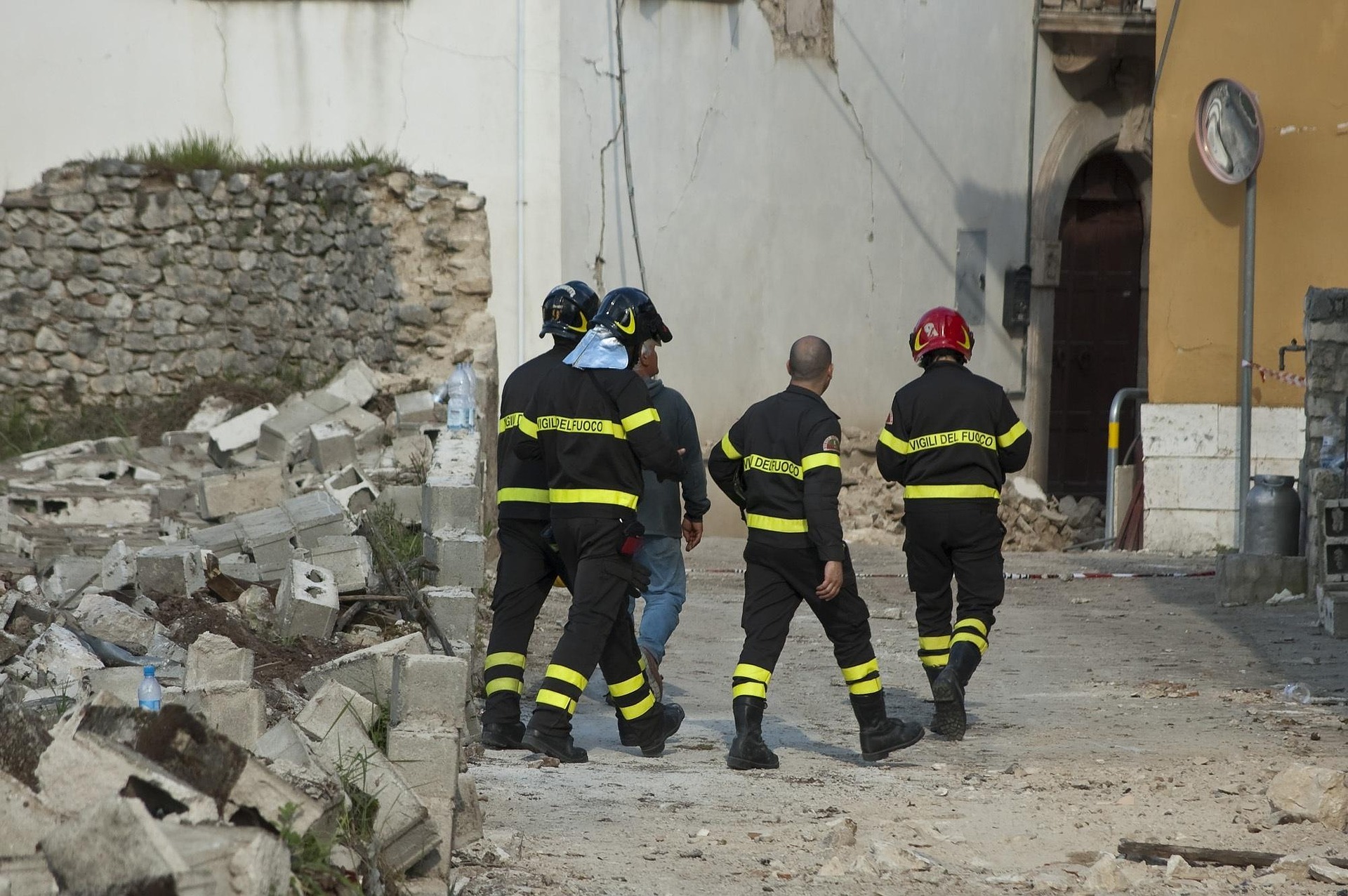
If an earthquake strikes, your response must be instant and decisive. The safest action is to drop to the ground, take cover under sturdy furniture or against an interior wall, and hold on until the shaking stops. Stay away from glass, shelves, and anything that could fall.
Do not attempt to run outside during the shaking. Most injuries occur when people move prematurely. If you are in bed, remain there and protect your head unless there is an immediate hazard.
Once the shaking stops, assess your surroundings carefully. Check for injuries, structural damage, and hazards such as gas leaks or broken glass. Take essential items with you and move to an open, clear area away from buildings and power lines.
Expect aftershocks, which can occur minutes or hours later. Avoid re-entering damaged buildings until they have been confirmed safe.
Preparation matters. Knowing evacuation routes, keeping shoes and essentials nearby, and maintaining situational awareness all reduce risk significantly.
Compare routes and fares for your next trip.
Compare flightsBrowse Airalo eSIM options for convenient travel data.
Check eSIMsCheck private airport pickup options and plan the first part of your journey in advance.
View transfersTsunamis and Coastal Flooding
In coastal regions, strong or prolonged ground shaking may signal a tsunami risk. Natural warning signs include the sea suddenly receding or unusual ocean behaviour.
If you notice these signs, move to higher ground immediately. Do not wait for official alerts, as delays can occur. Follow evacuation routes where marked and move inland as quickly as possible.
Take only essential items such as your phone, identification, and water. Avoid roads where possible, as they can become congested. Walking is often faster and safer.
Remain in a safe area until authorities confirm it is safe to return. Tsunamis often arrive in multiple waves, with later waves sometimes more dangerous than the first.
Awareness and rapid action are critical. Travellers who recognise the signs and respond immediately are far more likely to stay safe.
Hurricanes, Typhoons and Extreme Storms
Severe storms are often predictable, but they still pose significant risks if ignored. Monitoring weather forecasts before and during your trip is essential, particularly in regions prone to tropical storms.
If evacuation orders are issued, follow them without delay. Leaving early is always safer than waiting. If you are instructed to remain indoors, move to an interior room away from windows and prepare to stay there.
Keep a basic emergency setup ready. This includes water, food, essential medication, a torch, a power bank, and important documents stored securely. Disconnect electronics where necessary to prevent damage from power surges.
After the storm passes, remain cautious. Flooding, debris, and damaged infrastructure can present serious hazards. Avoid travelling until conditions are confirmed safe.
Prepared travellers understand that storms are manageable with early action and reliable information. Waiting too long is where risk increases.
Wildfires and Air Quality Emergencies
Wildfires can spread rapidly and unpredictably, especially in dry, windy conditions. The key to staying safe is early awareness and decisive action. If you are travelling in high-risk regions such as parts of southern Europe, California, or Australia, monitor conditions daily using reliable sources.
If you see smoke, smell burning, or receive an official alert, do not wait. Leave the area early while roads are still clear. Delaying evacuation is one of the most common and dangerous mistakes travellers make.
When moving away from a wildfire, keep windows closed and set your vehicle’s air system to recirculate. If you are on foot, move away from the direction of the wind and avoid valleys or enclosed areas where smoke can build up.
Air quality can become hazardous even far from the fire itself. If conditions worsen, remain indoors with windows closed. Travellers with respiratory conditions should take extra precautions and carry necessary medication at all times.
Wildfire safety is about speed, awareness, and avoiding exposure. Acting early keeps you out of danger before conditions escalate.
Invasion or Military Coup
In the rare event of a military conflict or coup, your priority is immediate personal safety and low visibility. Stay indoors, away from windows, balconies, and public areas. Avoid any locations that may be considered strategic, including government buildings, transport hubs, and communication centres.
Do not film or photograph military personnel, checkpoints, or vehicles. This can be interpreted as suspicious behaviour and may lead to serious consequences. Keep your profile low and follow all local instructions without hesitation.
Monitor information through official sources only, including embassy communications and verified news channels. If internet access is restricted, rely on radio or hotel staff for updates.
Keep a small emergency bag ready with your passport, money, phone, and essentials in case movement becomes necessary. However, do not attempt to leave unless it is confirmed safe.
During situations like this, patience and discipline are critical. Travellers who remain calm, neutral, and informed are far more likely to stay safe.
Civil Unrest and Protests
Civil unrest can escalate quickly, even when it begins peacefully. As a traveller, your best strategy is simple: avoid it entirely.
Stay away from demonstrations, government districts, and large public gatherings. These areas can become unpredictable with little warning. Before travelling, check local news and embassy advisories for any planned protests or political tension.
If you unexpectedly encounter unrest, leave the area immediately and move toward quieter streets. Avoid confrontation, do not engage with crowds, and never attempt to film or document events.
If tear gas or crowd-control measures are used, protect your breathing by covering your nose and mouth and move to higher ground if possible. Once safe, clean exposed skin and change clothing as soon as you can.
Maintaining awareness and distance is key. Travellers who avoid hotspots and remain observant rarely find themselves at risk.
Pandemics and Public Health Emergencies
Public health emergencies can disrupt travel quickly, often affecting borders, transport, and local services. Staying informed and prepared allows you to adapt without panic.
Before travelling, check official health guidance and entry requirements. This includes vaccination rules, testing requirements, and local restrictions. Conditions can change rapidly, so review updates regularly.
Carry a small set of health essentials, including sanitiser, masks where appropriate, and any personal medication. These items take little space but provide valuable protection.
If you develop symptoms while abroad, act responsibly. Limit contact with others, follow local health advice, and contact medical services or your insurer for guidance. Avoid attending clinics without instruction if local systems are under pressure.
Reliable information is essential. Follow official health authorities and avoid misinformation, which often spreads quickly during outbreaks.
Prepared travellers stay flexible, informed, and cautious. This approach reduces risk and allows you to adjust plans when needed.
Power Outages and Infrastructure Failures
Power cuts and infrastructure failures can disrupt daily life quickly, especially in unfamiliar environments. Losing access to electricity, water, or communications can make even simple tasks difficult.
Preparation starts with a few small items. Carry a portable power bank, a compact torch, and offline maps. These ensure you can navigate and communicate even without power.
If an outage occurs, conserve battery life by switching to low-power mode and limiting usage to essential tasks. Avoid lifts and rely on stairs, as power failures can trap passengers.
Cash becomes important when systems fail. Card payments and ATMs may be unavailable, so having a small amount of local currency provides flexibility.
In extreme temperatures, take additional precautions. Stay hydrated in hot conditions and keep warm in colder environments. Seek safe, sheltered locations if needed.
Infrastructure issues are rarely dangerous if handled correctly. With basic preparation and calm decision-making, they remain manageable disruptions rather than emergencies.
Browse hostels and budget-friendly stays.
See hostelsGet fast compensation payouts, eligible lounge benefits and expert help when flights go wrong.
See AirHelp+ benefitsArriving before check-in or leaving later? Store your luggage and enjoy the extra time hands-free.
Store your bagsInsurance and Assistance Hotlines
In a crisis, your travel insurance provider can be one of the most valuable lifelines you have. Yet many travellers overlook this until something goes wrong. Having quick access to the right information ensures you can act immediately rather than wasting time searching for details.
Before you travel, store your policy number, emergency assistance contact, and any partner hospital information in multiple places. Keep a digital version saved offline on your phone and a printed copy in your wallet or passport holder. If your device fails or is lost, this backup becomes essential.
Understanding your coverage is just as important. A strong policy should include medical treatment, emergency evacuation, trip disruption, and personal liability. If you are travelling to remote areas, confirm that evacuation and repatriation are fully covered, as these costs can be extremely high.
In an emergency, contact your insurer before taking action whenever possible. Many providers require pre-authorisation for hospital treatment or transport. Their assistance teams can coordinate care, arrange interpreters, and guide you through the process step by step.
Keep emergency numbers clearly labelled in your contacts, such as “A–Insurance” or “Emergency Help”, so they are easy to find under pressure. This simple habit can save valuable time when every second counts.
Strong insurance support connects you to professional help when you need it most. It is one of the most important elements of staying safe and in control abroad.

Rupert’s Handy Travel Tips
When you’re abroad, preparation and calm thinking are your best safety tools. Here are a few of my favourite quick tips for travellers who want to be ready for anything.
- Separate your essentials: Keep your passport, spare cash, and an emergency card with your blood type and allergies in separate places.
- Save your embassy contact: Store your embassy’s number under “A–Embassy” in your contacts so it’s always at the top of the list.
- Download offline maps: Save at least one offline map app before every trip, so it still works even when your signal doesn’t.
- Photograph key items: Snap a photo of your luggage and passport for reference in case they’re lost or stolen.
- Carry a power bank: Always bring a small power bank. In an emergency, a charged phone is your lifeline.
Want to meet the reindeer behind our travel tips? Find out more in our page Who is Rupert?.


Frequently Asked Questions About Travel Safety
What should I do first if my passport is lost or stolen abroad?
Report the incident to the local police as soon as possible and request an official report or reference number, since you will need this for both your insurance claim and any embassy assistance. Then contact your embassy or consulate, who can issue an emergency travel document or replacement passport.
Should I register with my embassy before I travel?
Yes. Many governments offer traveller registration systems that let embassies contact you directly during a crisis and send real-time alerts, which is one of the simplest ways to stay informed if conditions change rapidly at your destination.
What can an embassy actually help with in an emergency?
An embassy can provide consular assistance, issue emergency travel documents, and help you contact family. However, they cannot pay your expenses, override local laws, or intervene directly in legal matters on your behalf, so it is worth understanding these limits in advance.
What should I do if a natural disaster or civil unrest occurs while I’m travelling?
Your first priority is personal safety: move away from hazards, find secure shelter, and avoid unnecessary movement until you understand the situation. Gather information from official channels only, such as government alerts and embassy updates, rather than relying on rumours or unverified social media posts.
What should I keep in a digital backup kit?
Back up key documents such as your passport, visa, travel insurance, vaccination records, and booking confirmations to a secure cloud service with two-factor authentication enabled, and also save copies directly to your device for offline access. Sharing copies with a trusted contact at home adds another useful layer of backup.
Further Reading & Related App Guides
Want to prepare for every part of your journey? These related guides will help you stay informed, connected, and ready to travel with confidence. Being aware of the tricks fraudsters use is just as important as emergency planning, and our Travel Scams to Avoid guide covers the common scams that can put your money and documents at risk in the first place.
Communication matters in an emergency, so our Translation Apps Guide can help you explain a situation clearly to local police, medical staff, or embassy contacts, while our Currency Converter Apps Guide makes it easier to manage emergency funds without confusion over exchange rates.
Staying connected is one of the most important safety tools you have, which is why our eSIM Apps Guide is worth reading before you travel, alongside our Weather Apps Guide for tracking storms, wildfires, and other conditions that can turn into emergencies without warning.
Finally, our Travel Insurance Apps Guide explains how to manage your policy on the go, so you can reach your insurer and start a claim quickly if something does go wrong.











