Reviewed by our editorial team Updated
Why This Guide Matters
Extreme weather events are becoming more frequent, more intense, and far less predictable, and travellers today are significantly more likely to encounter severe storms than even a decade ago. If you are planning a trip to regions such as the Caribbean, Southeast Asia, the Gulf of Mexico, or the Pacific, understanding how to stay safe during a hurricane or typhoon is no longer optional. It is essential travel knowledge.
Many travellers assume that hotels, cruise operators, or tour companies will automatically manage everything during an emergency, but that assumption can be dangerous. Storms can strengthen rapidly, communication systems can fail, and evacuation orders may be issued with very little warning. Having a clear understanding of what to do, and equally what to avoid, can dramatically improve your safety, reduce stress, and help you make calm, informed decisions under pressure.
This guide is designed to answer the questions travellers ask before a storm even forms. Understanding when hurricane season peaks, how early to act, what to do if evacuation transport is limited, and which tools provide the fastest alerts can give you a critical advantage.
The most important thing to remember is simple. Storms do not care that you are on holiday, but being informed ensures you are never caught off guard. With the right preparation, awareness, and decision-making, you can stay safe, protect your belongings, and manage even severe weather situations with confidence.
Understanding Hurricanes and Typhoons
Hurricanes and typhoons are powerful tropical cyclones, driven by warm ocean waters and capable of causing widespread disruption long before landfall. They bring extreme winds, torrential rainfall, storm surges, and coastal flooding, all of which can impact travellers even if the storm does not hit directly.
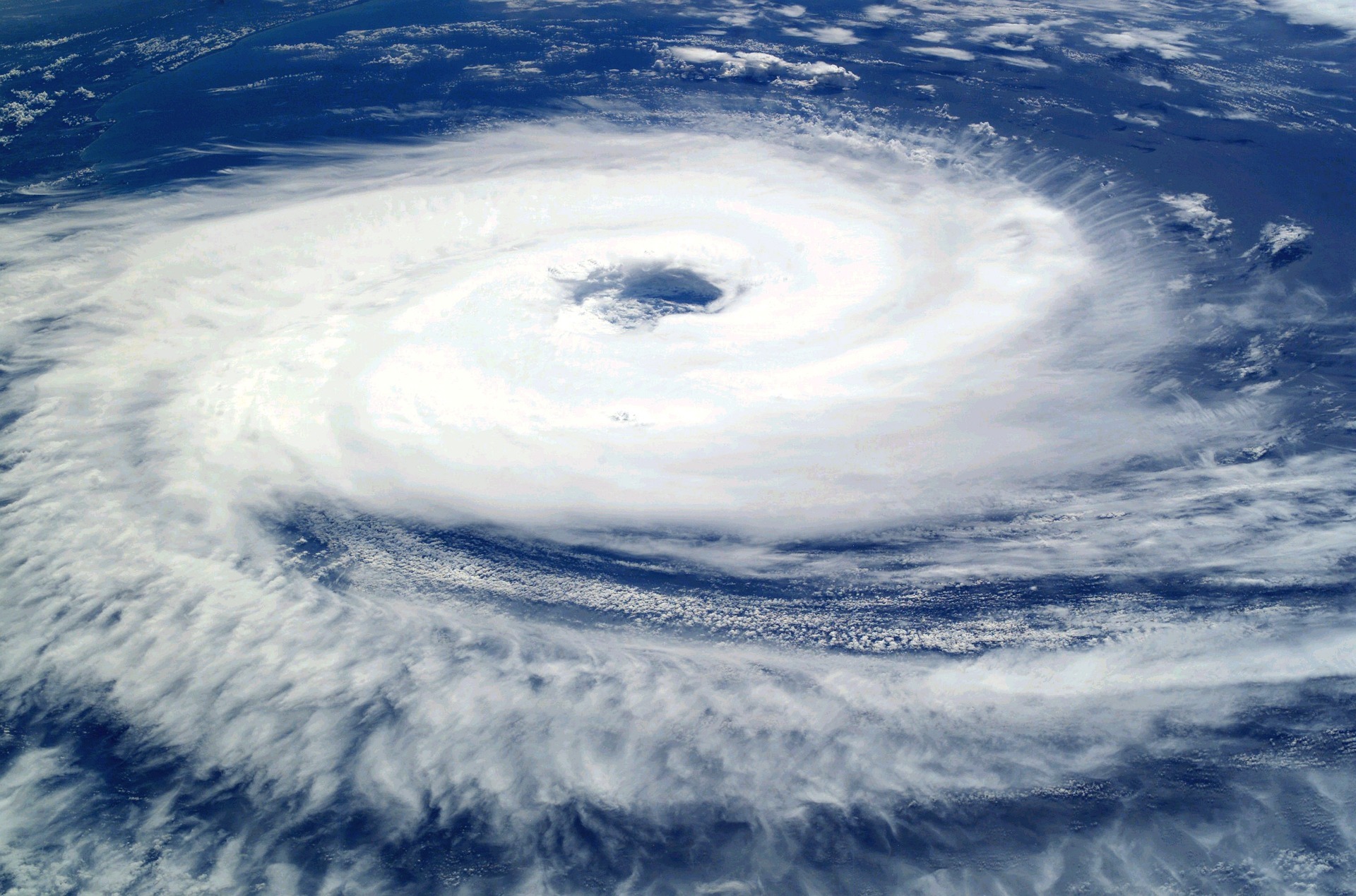
The terminology varies by region, but the structure is the same. A hurricane is the term used in the Atlantic and Northeast Pacific, while a typhoon refers to the same system in the Northwest Pacific. Regardless of the name, these storms consist of rotating winds around a low-pressure centre, surrounded by bands of intense thunderstorms and a central eye, which is deceptively calm compared to the violent eyewall that surrounds it.
Storm intensity is measured using recognised scales. In the Atlantic, the Saffir–Simpson scale ranks storms from Category 1, which may cause limited damage, through to Category 5, which represents catastrophic destruction. In parts of Asia, additional classifications such as “super typhoon” are used to indicate extremely powerful systems.
One of the biggest risks for travellers is rapid intensification. A storm can develop from a tropical depression into a major Category 3 hurricane within 24 to 48 hours, leaving little time to react if you are not paying attention. Even weaker systems, such as tropical storms, can still cause serious flooding, landslides, and widespread travel disruption.
Another major threat is the storm surge, which is often more dangerous than the wind itself. Rising sea levels can flood coastal resorts, beaches, and low-lying areas before the storm even arrives, while outer rainbands can trigger flash flooding hundreds of miles away from the storm’s centre.
Understanding these fundamentals allows you to interpret warnings correctly, recognise early risks, and make smarter, faster decisions when conditions begin to change.
Compare hotels and other places to stay for your trip.
Check availabilityBrowse apartments, holiday homes and self-catering stays.
View rentalsCompare hotel deals from multiple booking sites in one search.
Compare pricesHurricanes, Typhoons and Cyclones Explained
Although the names differ, hurricanes, typhoons, and cyclones are the same type of storm, collectively known as tropical cyclones. The only difference is where they occur geographically, and understanding this helps you interpret local warnings without confusion.
The term hurricane is used in the Atlantic Ocean, Caribbean, Gulf of Mexico, and parts of the Northeast Pacific. A typhoon refers to the same system in the Northwest Pacific, affecting destinations such as Japan, Taiwan, China, and the Philippines. The term cyclone is used in the South Pacific and Indian Ocean, impacting regions such as Australia, Fiji, India, and East Africa.
Despite the different terminology, the risks remain identical. These storms bring destructive winds, severe rainfall, storm surges, coastal flooding, and power outages, all of which can severely disrupt travel plans and create dangerous conditions.
In some regions, additional classifications are used. In Asia, you may hear terms such as “super typhoon” or “severe tropical storm”, which indicate different intensity levels or development stages. Local forecasting systems also vary, meaning warnings may be issued differently depending on where you are.
For example, travellers in the Caribbean often rely on updates from the National Hurricane Center, while those in Japan follow the Japan Meteorological Agency, and in the Philippines, alerts are issued through the PAGASA signal system, which escalates as wind speeds increase.
The key takeaway is simple. Different names, same danger. Understanding the terminology ensures you can react quickly to warnings, regardless of where you are travelling.
Hurricane and Typhoon Seasons Worldwide
Hurricanes, typhoons, and cyclones develop in warm ocean regions across the globe, and many of the world’s most popular holiday destinations sit directly in their paths. Knowing when storm seasons peak allows you to plan smarter, reduce risk, and make better booking decisions.
In the Caribbean and Gulf of Mexico, including destinations such as Jamaica, the Dominican Republic, the Bahamas, and Cancun, the season runs from June to November, with the highest risk between August and October. This region regularly experiences powerful and fast-developing storms, and resorts may close or evacuate in advance.
Along the Florida coast and the eastern United States, the season follows a similar pattern, with storms often tracking along the coastline and causing flight cancellations, port closures, and widespread disruption.
On the Pacific side, destinations such as Los Cabos and Puerto Vallarta face storm activity between May and November, while Hawaii experiences tropical storm activity from June to November, even if direct hits are less frequent.
In Asia, the Philippines experiences storms throughout the year, with peak typhoon activity between July and October, while Japan, Taiwan, and the South China Sea region face the highest risk from May to October.
In the South Pacific, including destinations such as Fiji, Tonga, and Vanuatu, cyclone season runs from November to April, often bringing heavy rainfall, flooding, and widespread outages.
The Indian Ocean region, including India, Sri Lanka, and Bangladesh, sees storms during April to June and October to December, while northern Australia experiences cyclone season between November and April, often alongside monsoon conditions.
Understanding these seasonal patterns allows you to choose safer travel dates, prepare for potential disruption, and make flexible booking decisions, particularly during peak storm months.
How to Know a Storm Is Coming (Early Warning Signs & Alerts)
Modern forecasting has made it far easier to identify developing storms early, but the reality is that conditions can change very quickly. For travellers, the advantage comes from knowing where to look, what signals matter, and how to act before a situation escalates.
Your most reliable sources are always official meteorological agencies. In the Caribbean and United States, the National Hurricane Center provides detailed tracking maps, projected paths, wind speeds, and storm surge forecasts. In Asia, agencies such as the Japan Meteorological Agency, PAGASA, and the Hong Kong Observatory issue highly structured warnings that local authorities and hotels follow closely.
Alongside official channels, weather apps provide real-time alerts and visual tracking. Tools such as Windy, Ventusky, and AccuWeather allow you to monitor storm development, wind intensity, rainfall levels, and projected arrival times. These apps can notify you the moment a storm forms in your region, giving you valuable time to prepare.
Local warning systems should never be ignored. Many destinations use text alerts, hotel announcements, sirens, radio broadcasts, and airport updates to communicate risk. Environmental signs also matter. Sudden changes such as shifting wind direction, rapidly darkening skies, rising humidity, or unusually rough seas often indicate that a storm is approaching.
One of the most important habits is constant monitoring. Storm tracks can shift, intensify, or weaken within hours, so checking updates multiple times per day during storm season is essential. Early awareness allows you to adjust plans, speak to your accommodation, and prepare well before conditions become dangerous.

Preparing Before You Travel
Travelling to hurricane- or typhoon-prone regions requires preparation before you even leave home. Taking a few simple steps in advance can significantly reduce disruption and ensure you are ready to respond if conditions change.
The first priority is travel insurance with natural disaster cover. Not all policies are equal, and many will only protect you if the policy is purchased before a storm is officially forecast. A strong policy should cover trip cancellation, curtailment, emergency accommodation, and evacuation costs, giving you financial protection if plans change suddenly.
Booking flexibility is equally important. Travelling during storm season can be cheaper, but it comes with increased risk. Choosing refundable accommodation and flexible flight options gives you the ability to adapt without losing money. Avoid committing to non-changeable bookings during peak storm months unless absolutely necessary.
It is also worth researching your destination’s storm history and risk profile. Some areas are affected frequently, while others sit outside major storm paths. Understanding this helps you choose safer locations and better travel dates.
Before departure, make sure you have secure backups of all essential documents. Store copies of your passport, insurance policy, tickets, and reservations both digitally and offline. If networks fail, having access to these documents can save time and reduce stress.
Basic equipment can also make a difference. Packing a power bank, charging cables, a flashlight, and a small first-aid kit ensures you are prepared for power outages or delays.
Finally, always share your itinerary with someone at home. If severe weather develops, they can contact authorities, track your situation, and assist remotely if needed.
Preparation is what separates a stressful experience from a manageable one. A small amount of planning creates a huge advantage.
What to Do When a Watch or Warning Is Issued
When a storm watch or warning is issued, timing becomes critical. A watch means conditions are favourable for a storm, while a warning means impact is expected, often within 24 hours. In the Atlantic and eastern Pacific those definitions come from the National Hurricane Center, while Western Pacific typhoons and Indian Ocean cyclones are covered by other national agencies instead. Both should be taken seriously, but a warning requires immediate action.
Start by gathering accurate information. Rely on official sources and local authorities, not rumours or social media speculation. Your hotel or accommodation provider will usually follow official guidance and can provide clear instructions based on local conditions.
You should then secure your surroundings. If you have access to a balcony or outdoor space, bring loose items inside. Close curtains or shutters and move valuables away from windows. Fully charge all devices, download offline resources, and ensure you have access to important documents and contact details.
Water and power can become limited quickly, so it is sensible to prepare early while resources are still available. Having water stored and devices charged gives you a buffer if services are disrupted.
Communication with your accommodation is essential. Speak to reception or your host and ask about emergency procedures, shelter areas, backup power, and evacuation plans. Knowing this in advance removes uncertainty if conditions worsen.
Avoid unnecessary travel once warnings are issued. Roads can become congested, fuel supplies may run low, and public transport often shuts down early. If evacuation becomes necessary, acting early ensures you are not caught in last-minute chaos.
Above all, remain calm and stay informed. Regular updates every few hours allow you to adjust quickly as the situation evolves.
What to Do If You Are Ordered to Evacuate
If authorities issue an evacuation order, you should act immediately and without hesitation. Evacuations are only called when there is a serious risk to life, usually from storm surge, flooding, or extreme wind damage. Delaying can leave you trapped as roads close and conditions deteriorate.
Begin by gathering your essentials. Take your passport, identification, travel insurance details, medication, phone, charger, and water. Keep your belongings minimal and easy to carry, as transport space is often limited and speed is critical.
Most hotels and resorts coordinate evacuations using organised transport such as buses or official vehicles. Staff will direct you to assembly points and provide instructions. If you are staying independently, follow local government alerts and approved evacuation routes, rather than attempting to improvise your own plan.
Travelling independently during an evacuation can be dangerous. Flooding, debris, and strong winds can quickly make roads unsafe. Emergency services identify safe routes and controlled movements, so following official guidance is essential.
Once you reach a shelter, conditions may be basic. Expect limited power, reduced connectivity, and controlled access to food and water. Staying patient and following instructions ensures everyone remains safe.
Returning too early is a common mistake. Even after the storm passes, risks remain from floodwater, structural damage, and electrical hazards. Only return when authorities or your accommodation confirm it is safe.
Evacuation may feel disruptive, but it is a proven lifesaving measure. Acting early and following instructions gives you the highest level of protection.
Compare routes and fares for your next trip.
Compare flightsBrowse Airalo eSIM options for convenient travel data.
Check eSIMsCheck private airport pickup options and plan the first part of your journey in advance.
View transfersStaying Safe If You Cannot Evacuate (Shelter-in-Place Guidance)
If evacuation is not possible due to timing, local restrictions, or transport limitations, you may need to shelter in place. This means staying indoors in the safest part of your building until the storm has fully passed, and doing this correctly is critical to your safety.
Your first priority is choosing the strongest and safest location available. Interior spaces such as a bathroom, hallway, or windowless room offer the best protection. Buildings made from reinforced concrete provide far greater safety than wooden structures or beachfront accommodation, which are more vulnerable to wind damage.
Before conditions worsen, you should prepare your immediate environment. Move cushions or mattresses into your shelter area to provide protection from potential debris if windows break elsewhere. Gather your essential supplies, including bottled water, non-perishable food, a flashlight, a power bank, medication, and all important travel documents.
It is important to act early while resources are still available. Fill sinks or bathtubs with clean water before pressure drops, and ensure all devices are fully charged and set to low power mode.
During the storm, stay well away from windows and exterior doors. Winds can reach extreme speeds, and even moderate storms can shatter glass and send debris flying. A common mistake is stepping outside during the eye of the storm, when conditions temporarily calm. This is extremely dangerous, as the following eyewall often brings stronger and more destructive winds.
You should also expect power outages and network failure. Use your phone sparingly, rely on text messaging where possible, and conserve battery life.
If water levels begin to rise or structural concerns become apparent, move to higher ground within the building if it is safe to do so, but avoid basements where flooding risk is highest.
Remain in place until you receive clear confirmation from authorities or hotel staff that it is safe to leave. Exiting too early exposes you to unnecessary risk.
After the Storm
When the storm passes, it is natural to assume the danger is over, but in reality, the post-storm period can be just as hazardous. Understanding what to expect allows you to move safely and avoid common risks.
Power outages are extremely common and may last hours or even days. Mobile networks and internet connectivity are often unreliable, and transport systems such as airports, ports, and rail networks may remain closed while safety checks are carried out.
Floodwater is one of the biggest dangers after a storm. You should never walk or drive through standing water, as it may conceal debris, open drains, or live electrical hazards. Contamination is another serious concern, and local water supplies may not be safe until officially cleared.
Infrastructure damage is widespread in many cases. Roads can be blocked by fallen trees, landslides, or power lines, and bridges or coastal routes may remain closed for inspection. Always follow official detours and instructions, and never attempt to bypass safety barriers.
There is also an increased risk of scams in the aftermath of major storms. Individuals may pose as transport providers, repair workers, or guides, offering services that are unsafe or fraudulent. Only rely on verified hotel staff, official authorities, or recognised emergency teams.
If your travel plans have been disrupted, contact your embassy and travel providers as soon as communication allows. Embassies can assist with document replacement, welfare checks, and updated travel guidance.
Recovery takes time, and patience is essential. Staying cautious in the aftermath is just as important as preparing beforehand.
Apps That Help During a Storm
Having the right apps installed before a storm develops can make a significant difference. These tools act as a digital safety kit, helping you stay informed, navigate disruptions, and communicate effectively even when conditions deteriorate.
Weather tracking apps provide real-time storm data, including movement, wind speeds, rainfall intensity, and projected paths. These allow you to anticipate changes early and make informed decisions. Official sources remain the most reliable, but visual tracking apps add an extra layer of understanding.
Government alert systems are equally important. These provide official instructions, evacuation notices, and safety guidance, often well before conditions worsen. Following these alerts ensures you are acting on trusted, accurate information.
Offline navigation tools become critical when connectivity drops. Being able to access maps without internet allows you to locate shelters, hospitals, and evacuation routes, even if mobile networks fail.
Communication tools also play a role. Apps that allow you to share your location or send emergency messages can be invaluable if traditional communication channels are unavailable.
Translation tools add another layer of safety, particularly in regions where English is not widely spoken. Being able to communicate with local authorities, emergency services, or hotel staff ensures you can act quickly and correctly.
Together, these apps provide information, direction, and communication, all of which are essential during severe weather events.
Travel Insurance and Storm Coverage
Travel insurance becomes especially important when visiting hurricane- or typhoon-prone regions. A well-chosen policy provides financial protection, logistical support, and peace of mind when plans are disrupted.
Most policies will cover trip cancellation or curtailment if a storm makes your destination unsafe or inaccessible. This can include reimbursement for unused accommodation, cancelled activities, or disrupted travel plans. However, timing is critical. Once a storm is officially forecast, insurers often classify it as a known event, meaning new policies may not cover related claims.
Insurance can also cover additional expenses, such as extended accommodation, rebooking flights, or alternative transport if you are stranded due to closures or evacuation orders. Checking your policy limits ensures you are adequately protected.
Medical coverage is another key element. Storm conditions increase the risk of injury, illness, and accidents, particularly due to flooding or debris. A comprehensive policy should include emergency treatment, transport, and evacuation if required.
It is important to understand exclusions. Some policies may not cover voluntary evacuation, travel to high-risk areas during active warnings, or disruptions linked to pre-existing storm damage. Reading the policy carefully ensures you know exactly what is covered.
Travel insurance is not just a backup. In severe weather situations, it becomes a critical safety net.

Rupert’s Handy Travel Tips
Rupert once found himself riding out a tropical storm in a coastal hotel, watching the ocean get rougher by the minute while everyone else scrambled for information. Since then, he always prepares early and keeps things simple. These are the habits that make all the difference when the weather turns.
- Download everything in advance: maps, bookings, and key documents should be accessible offline before any storm forms.
- Keep a grab bag ready: your passport, essentials, and power bank should always be within reach in case you need to move quickly.
- Know your shelter point: ask your hotel where the safest internal location is before conditions worsen.
- Never trust sudden calm: the eye of the storm can trick you into going outside when the most dangerous winds are still coming.
- Follow local advice without hesitation: emergency services understand the risks and their guidance is there to protect you.
Want to meet the reindeer behind our travel tips? Find out more in our page Who is Rupert?.




Frequently Asked Questions
How much warning do I usually get before a hurricane or typhoon makes landfall?
Forecasters can often track a storm several days out, but rapid intensification means conditions can worsen with as little as 24 to 48 hours’ notice, so it’s best to start preparing as soon as a watch is issued.
Should I cancel my trip if a storm is forecast for my destination?
Not necessarily. Many resorts and airlines continue operating safely outside the direct storm path. Check official advisories and speak to your accommodation before deciding, and make sure your travel insurance covers cancellation.
Is it safer to stay in my hotel room or move to a shelter?
Follow the specific guidance given by your hotel or local authorities. Large hotels with reinforced structures often double as safe shelter points, but some coastal properties will direct guests to designated community shelters instead.
What should I do if my flight home is cancelled because of the storm?
Contact your airline as soon as networks allow, as most carriers offer fee-free rebooking during a declared weather event. Keep all receipts for extra accommodation or transport in case you need to claim on your travel insurance.
Can I still use my phone during a hurricane or typhoon?
Networks often become congested or fail during severe weather, so conserve battery, switch to low power mode, and rely on SMS rather than calls. Download offline maps and save emergency contacts before the storm arrives.
Further Reading & Related Travel Guides
Hurricanes and typhoons are just one of several natural hazards that can disrupt a trip, and it’s worth knowing what to do if you encounter others while travelling. If your travels take you somewhere prone to fire risk during hot, dry months, our Wildfire Survival Guide for Travellers explains how to spot the warning signs and evacuate safely, and if you’re travelling somewhere that sits along a major fault line, our Surviving an Earthquake on Holiday guide covers what to do during and after the shaking stops.
It is also worth staying weather-aware throughout your trip more generally, and our Weather Apps Guide covers the tools that provide the fastest storm alerts wherever you happen to be travelling.
If a storm disrupts your travel plans more seriously, it also helps to know what your embassy can and cannot do to assist, covered in our guide to embassies and consulates.