
Why Oceania Is a Unique Southern Hemisphere Ski Destination
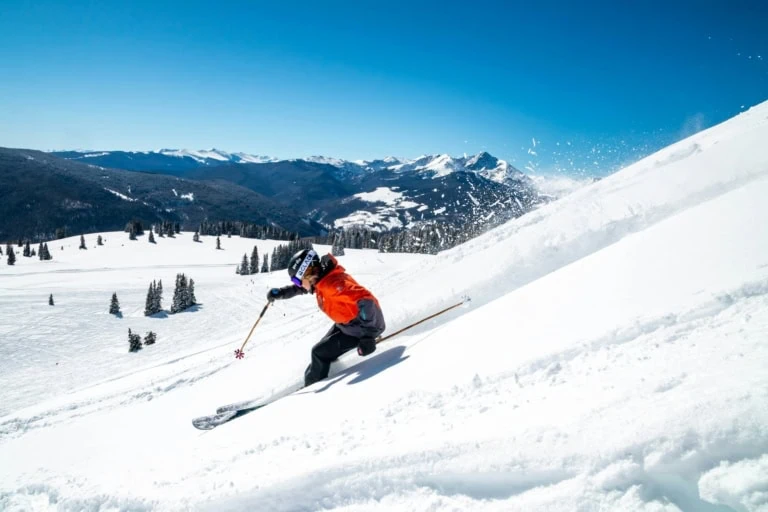
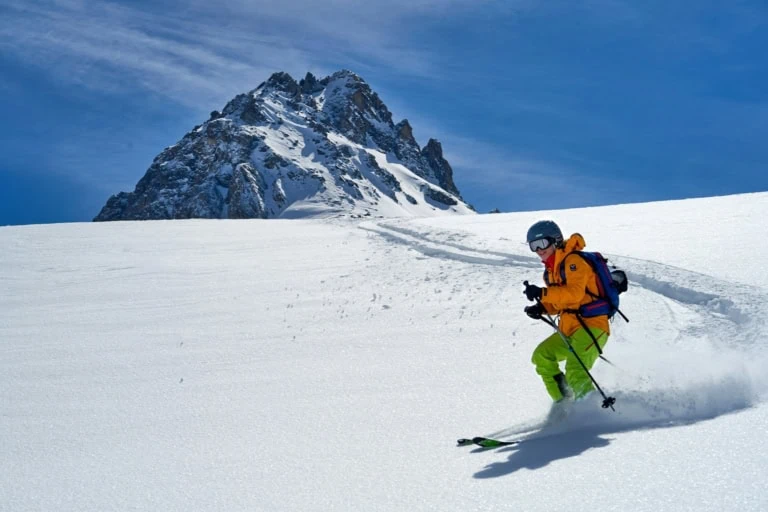
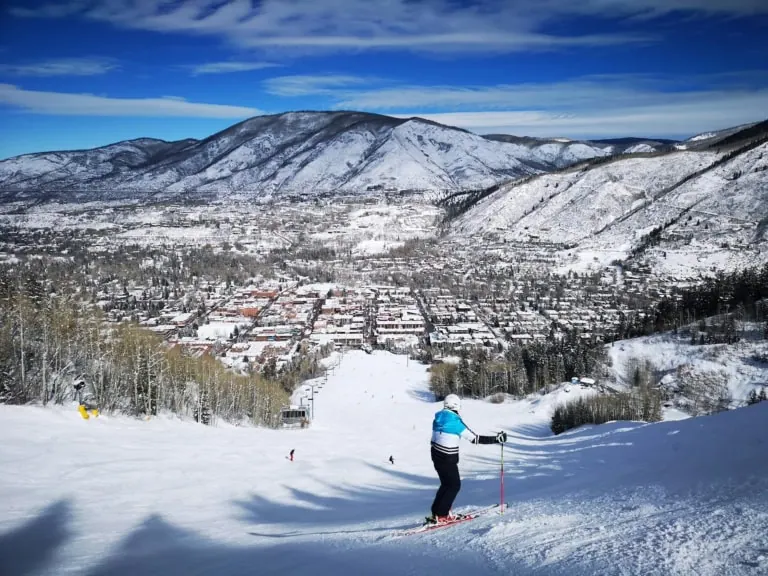
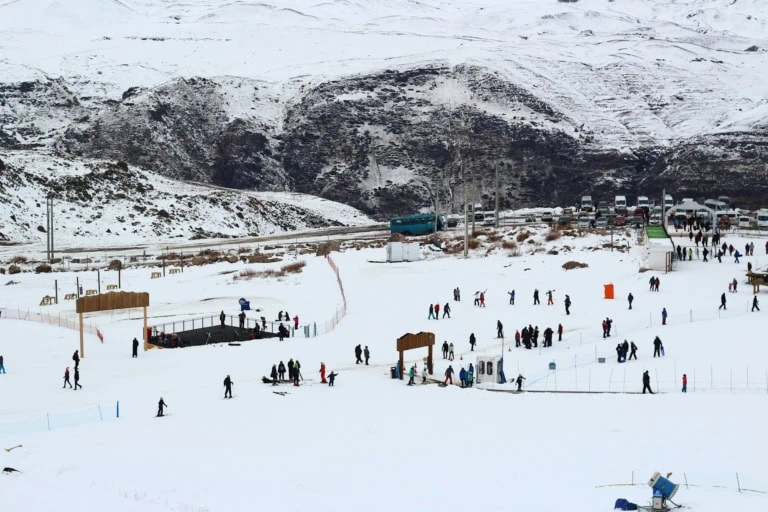
Ski & snowboarding in Oceania is very different from skiing in Europe, North America or Japan, but that is exactly what makes it interesting. Australia and New Zealand offer a southern hemisphere ski season, which means you can ski here while it is summer in Europe and North America. For many travellers, this makes Oceania the perfect destination for a second ski trip in the same year or for anyone travelling long-term who wants to follow winter around the world.
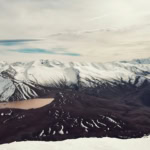
New Zealand is generally considered the stronger ski destination overall, with bigger mountains, more dramatic scenery, and a wider range of ski fields. The main ski areas are located around Queenstown, Wānaka, and the Canterbury region on the South Island, as well as Mount Ruapehu on the North Island. The scenery is one of the biggest highlights of skiing in New Zealand, with lakes, mountains and wide open landscapes that make the experience feel very different from the crowded Alpine resorts in Europe.
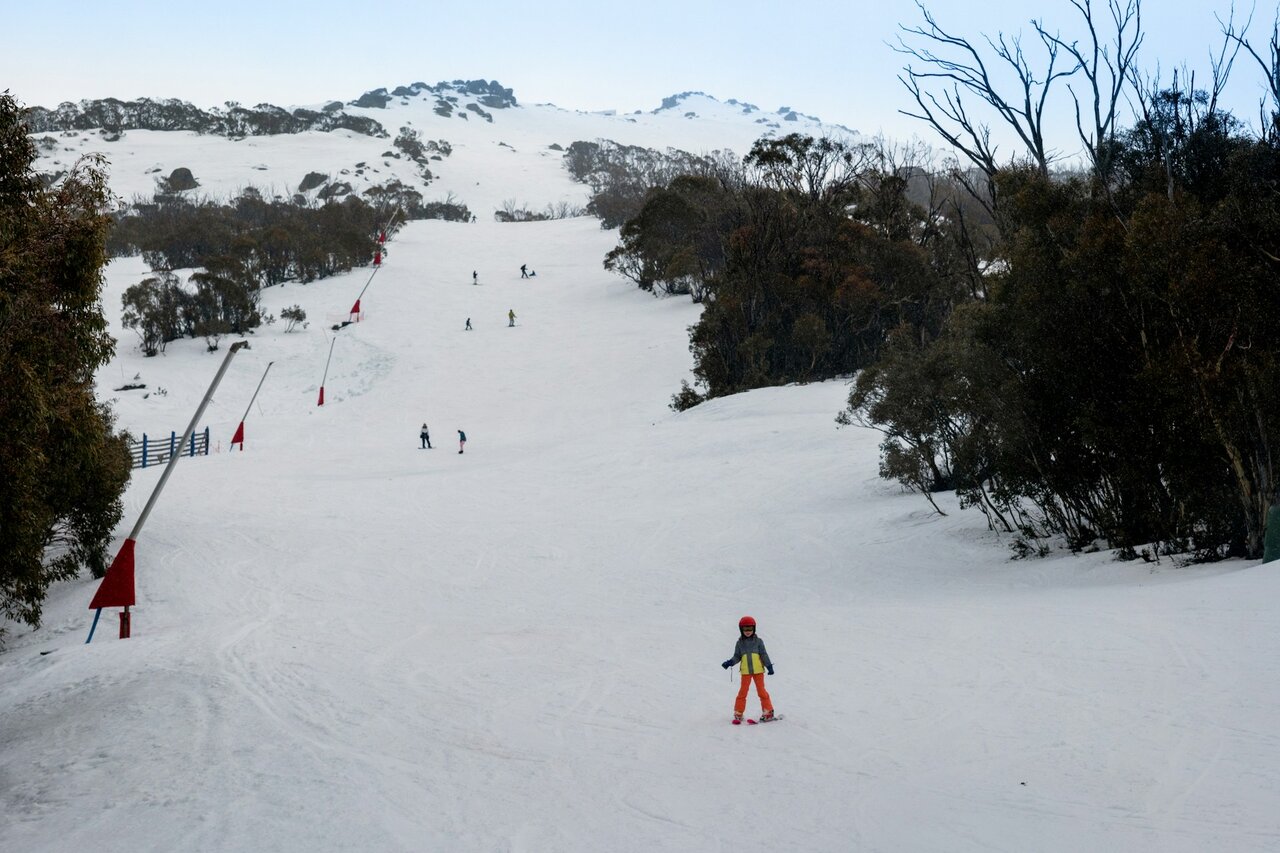
Australia, on the other hand, offers smaller resorts but often better resort infrastructure, accommodation, and accessibility from major cities like Melbourne and Sydney. Resorts such as Perisher, Thredbo, and Falls Creek are the main ski areas in Australia. While the mountains are not as dramatic as New Zealand, Australia still offers a very good ski experience, especially for beginners and intermediate skiers.
One of the biggest differences with skiing in Oceania is that many people combine skiing with a wider trip. Instead of spending an entire week in one resort, travellers often combine skiing with road trips, city visits, wine regions, or adventure activities. This makes skiing in Oceania feel more like a travel adventure than a traditional ski holiday.
Understanding the Ski Season in Australia and New Zealand
The ski season in Oceania runs during the southern hemisphere winter, which is typically from June to September, with the best snow conditions usually in July and August. Some New Zealand ski fields can stay open into October if snow conditions remain good, but this varies from year to year.
June is usually the start of the season, but snow conditions can sometimes be limited early in the season. By July, most resorts are fully open and conditions are usually much more reliable. August is often considered the best month for skiing in Oceania, as snow coverage is normally at its best and most terrain is open.
September is often known as spring skiing season. Snow conditions can still be good, but the weather is usually warmer and the days are longer. This can be a great time to visit if you prefer sunny skiing, quieter slopes, and a more relaxed atmosphere rather than peak season crowds.
Because the ski season in Oceania is opposite to Europe and North America, some keen skiers actually travel between hemispheres to ski twice in one year. You could ski in Europe in January and then ski in New Zealand in August, which is something very few other destinations allow.
Understanding the season timing is one of the most important parts of planning ski trips in Oceania, because travelling too early can mean limited snow, while travelling at peak season can mean higher prices and busier resorts.
Browse hotels and accommodation for your journey.
View staysExplore holiday homes and apartments for your trip.
See holiday homesCompare hotel prices across multiple booking sites.
Compare ratesNew Zealand’s Ski Fields and Mountain Terrain
New Zealand is widely considered the best country in Oceania for skiing and snowboarding, and most of the main ski resorts are located on the South Island. The areas around Queenstown and Wānaka are the most popular ski bases, with several ski fields located within driving distance.
The main ski fields near Queenstown include Coronet Peak and The Remarkables, both of which are relatively easy to access and popular with beginners and intermediate skiers. Near Wānaka, Treble Cone and Cardrona are two of the best-known ski areas, with Treble Cone offering more challenging terrain and Cardrona being popular with families and snowboarders.
Further north on the South Island, Mount Hutt near Christchurch is another major ski area and often has some of the most reliable snow in the country. On the North Island, Whakapapa and Tūroa on Mount Ruapehu offer skiing on a volcanic mountain, which is quite a unique experience compared to most ski destinations.
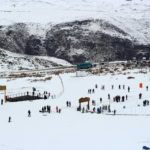
New Zealand skiing is often about scenery as much as skiing, with large open landscapes, dramatic mountain views, and fewer crowded pistes compared to many European resorts. However, many ski fields are accessed by mountain roads rather than gondolas from town, so renting a car is often necessary.
Overall, New Zealand offers the best all-round ski & snowboarding experience in Oceania, especially for intermediate and advanced skiers who enjoy wide open terrain and scenic mountain environments.
Australia’s Alpine Resorts and Ski Areas
Australia’s ski resorts are located in the Australian Alps, mainly in the states of New South Wales and Victoria. The largest and most famous resorts include Perisher, Thredbo, Falls Creek, and Mount Buller.
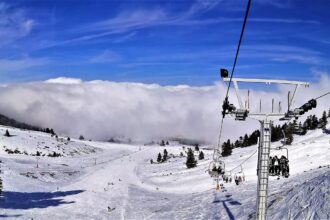
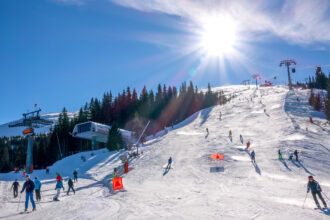
Perisher is the largest ski resort in Australia and one of the largest in the southern hemisphere. It is actually made up of several connected ski areas and has a wide range of terrain suitable for beginners, intermediate and advanced skiers. Thredbo is another major resort and is known for having some of the longest ski runs in Australia, as well as a village located directly on the slopes.
Falls Creek is popular for its ski-in ski-out accommodation and relaxed resort atmosphere, while Mount Buller is one of the closest ski resorts to Melbourne and is therefore very popular for weekend trips.
Australian ski resorts tend to have more developed resort villages than New Zealand, with accommodation, restaurants and facilities located directly in the resort. However, Australia relies heavily on artificial snow, and natural snowfall can vary significantly from year to year.
Despite this, skiing in Australia is still very popular, particularly for domestic travellers and visitors combining skiing with a trip to Sydney, Melbourne, or the Great Ocean Road.
Oceania is therefore often split between New Zealand for scenery and terrain, and Australia for resort facilities and accessibility.
Understanding the Cost of Skiing in Oceania
One of the most important things to understand when planning ski & snowboarding in Oceania is that it is generally not a cheap ski destination compared to some parts of Europe. Lift passes, accommodation, and food can all be relatively expensive, particularly in Australia. However, the overall cost depends heavily on how you structure the trip.
In Australia, lift passes are often expensive compared to the size of the resorts, and accommodation in resort villages can be costly during peak season. Many people reduce costs by staying in nearby towns rather than directly in the resort. This is a common strategy in Australia where staying off-mountain can save a significant amount of money, especially for longer trips.
In New Zealand, costs vary depending on the ski field and where you stay. Accommodation in Queenstown can be expensive during peak winter season, but staying in Wānaka or Christchurch can sometimes be more affordable. Many ski fields in New Zealand are accessed by car, which means accommodation options are more flexible compared to traditional ski-in ski-out resorts.
Equipment rental, lessons, and mountain food are broadly similar in price to European ski resorts, although availability can be more limited in smaller ski areas. Overall, skiing in Oceania is usually best planned as part of a larger trip, because flights are often one of the biggest costs for international visitors.

Comparing Australia and New Zealand for Ski Trips
If you are deciding between Australia and New Zealand for a ski trip, the choice usually comes down to what type of ski holiday you want. Both countries offer good skiing, but the overall experience is quite different.
New Zealand generally offers better scenery, more varied terrain, and a more adventurous ski experience, particularly on the South Island. Many ski fields feel remote and surrounded by mountains and lakes, which makes the experience very scenic and very different from European resort towns.
Australia, however, often offers better resort infrastructure, easier access, and more developed ski villages, with accommodation, restaurants and facilities located directly in the resort. This can make the trip easier to organise, especially for shorter ski trips.
Snow conditions are also an important difference. New Zealand often has more varied terrain and in good seasons can have excellent natural snow, but weather can change quickly. Australia relies more heavily on snowmaking, which means resorts can sometimes maintain more consistent pistes even if natural snowfall is lower.
In simple terms, many travellers see the difference like this:
- New Zealand – better scenery and terrain
- Australia – better resorts and facilities
If you are travelling a long distance specifically for skiing, New Zealand is usually considered the better overall ski destination in Oceania, especially for intermediate and advanced skiers.
Planning Transport and Logistics for Ski Fields
Planning ahead is very important when organising ski & snowboarding in Oceania, because many ski areas are different from traditional European resorts. In New Zealand especially, many ski fields are accessed by mountain roads rather than lifts from town, which means transport planning is essential.
Hiring a car is often the easiest way to access ski fields in New Zealand. Some resorts offer shuttle buses, but having your own car gives much more flexibility, especially if weather conditions change or you want to try different ski areas.
Weather conditions can change quickly in mountain regions, particularly in New Zealand where strong winds can sometimes close lifts. Building flexibility into your itinerary is very important, rather than planning a trip where you only have one or two ski days.
Accommodation should be booked early if you are travelling in July or August, as this is peak ski season in Oceania. Queenstown, Wānaka, and the main Australian ski resorts can all become busy during peak winter weeks.
Proper transport planning, flexible travel dates, and early accommodation booking are some of the most important parts of planning a successful ski trip in Oceania.
Combining Skiing With Travel in Australia and New Zealand
One of the biggest advantages of skiing in Oceania is that it is very easy to combine skiing with other travel experiences. Many travellers combine skiing with city visits, road trips, national parks, beaches, or wine regions.
In New Zealand, many ski trips are combined with travel around the South Island, including Queenstown, Wānaka, Milford Sound, Mount Cook, and Christchurch. The country is very popular for road trips, and skiing is often just one part of a larger travel itinerary.
In Australia, skiing is often combined with visits to Sydney, Melbourne, the Great Ocean Road, or Tasmania. Because the ski resorts are relatively close to major cities, it is easy to combine city travel and skiing in one trip.
Because flights to Oceania are long and expensive for many international travellers, combining skiing with a longer travel itinerary usually makes the trip much better value overall. This combination of skiing, travel, scenery and adventure activities is one of the main reasons people choose Australia and New Zealand for ski trips.
Overall, ski & snowboarding in Oceania is often less about staying in one resort for a week and more about combining skiing with a wider travel experience, which makes it very different from traditional ski holidays in Europe.


Rupert’s Handy Travel Tips
Planning a ski trip in Australia or New Zealand? A bit of planning makes a huge difference in Oceania:
- Book early for July and August: This is peak ski season in Oceania and accommodation can sell out quickly.
- Consider renting a car in New Zealand: Many ski fields are accessed by mountain roads rather than lifts from town.
- Check weather and wind conditions: High winds can sometimes close lifts, especially in New Zealand.
- Combine skiing with a wider trip: Road trips, cities and national parks make Oceania ski trips much more memorable.
Want to meet the reindeer behind our travel tips? Find out more in our page Who is Rupert?.
Frequently Asked Questions About Ski & Snowboarding in Oceania
When is the ski season in Oceania?
The ski season in Australia and New Zealand usually runs from June to September, with the best snow typically in July and August.
Is New Zealand or Australia better for skiing?
New Zealand generally has better scenery and terrain, while Australia often has better resort infrastructure and easier access from major cities.
Can you ski in Oceania during European summer?
Yes, the ski season in Oceania runs during the northern hemisphere summer, making it possible to ski in both hemispheres in the same year.
Is skiing in Oceania expensive?
It can be expensive, especially lift passes and accommodation in Australia, but costs vary depending on where you stay and when you travel.
Do you need a car to ski in New Zealand?
In many cases yes, because several ski fields are accessed by mountain roads rather than lifts directly from town.
Further Reading & Related Ski Guides
Planning a ski trip takes more than just choosing a resort. These guides will help you compare destinations, understand ski seasons around the world and find the best apps to track snow, maps and ski routes during your trip.
Ski & Snowboarding in Europe
Our Europe ski guide covers the Alps, Scandinavia and Eastern Europe, with resort tables, nearest airports and the best countries for cheap skiing, luxury resorts and snow-sure destinations.
Ski & Snowboarding in North America
Compare the major ski resorts in the USA and Canada, including Colorado, Utah, British Columbia and Alberta, with information on resort size, snow reliability and travel distances from major airports.
Ski & Snowboarding in Asia
Discover where to ski in Japan, China, Kazakhstan, Turkey and India, including the famous powder snow resorts in Hokkaido and the growing ski resorts across Asia.
Ski & Snowboarding in South America
If you want to ski during the northern hemisphere summer, this guide covers Chile and Argentina ski resorts in the Andes, including high altitude resorts and summer ski seasons.
Ski & Snowboarding in Africa
Yes, you can ski in Africa. This guide covers ski resorts in Morocco and South Africa, including the Atlas Mountains and the only ski areas on the continent.
Best Ski Resorts in the World
Discover the world’s top ski resorts across Europe, North America, Japan and New Zealand, with resort comparisons, snow reliability and travel tips.
Cheapest Ski Resorts in the World
Compare the best-value ski destinations for travellers who want snow without the premium price tag, including affordable resorts in Europe and beyond.
Ski Season Guide: Best Months to Ski Around the World
Not sure when to go skiing? This guide explains where to ski each month of the year, including winter in Europe, powder season in Japan and summer skiing in South America and New Zealand.
Best Ski Apps 2025: Track Runs, Snow Reports & Resort Guide
Download the best ski apps for piste maps, GPS tracking, snow forecasts and resort information so you can track your runs and plan your ski days more efficiently.