Reviewed by our editorial team Updated
Why Ski in Slovakia?
For travellers searching for a cheaper alternative to the Alps, skiing in Slovakia offers one of the most underrated winter experiences in Europe. The country combines dramatic mountain scenery, modern ski infrastructure, lower prices and far smaller crowds than many resorts in Austria, France or Switzerland, making it particularly attractive for budget-conscious winter travellers.
The biggest advantage is value. Lift passes, accommodation, food and ski hire in Slovakia are often significantly cheaper than equivalent Alpine destinations, especially during peak winter periods when prices elsewhere in Europe can become extremely expensive. Travellers who feel priced out of traditional ski destinations increasingly look towards the High Tatras and Low Tatras for more affordable winter holidays without sacrificing mountain scenery or snow reliability.
Another major advantage is accessibility. Ski resorts in Slovakia can be reached through airports including Poprad, Košice, Bratislava and nearby international gateways such as Kraków and Vienna. Overnight trains, affordable regional rail links and relatively short transfer times make the country surprisingly practical for independent travellers building their own ski itineraries.
The atmosphere also feels noticeably different from larger Alpine resorts. Many Slovak ski towns remain more relaxed, local and less commercialised than heavily developed ski mega-resorts elsewhere in Europe. Visitors still find mountain villages, thermal spas, traditional restaurants and winter landscapes that feel distinctly Central European rather than fully internationalised ski tourism zones.
While Slovakia does not compete with the largest Alpine ski areas for sheer scale, it performs strongly for beginner and intermediate skiers, winter scenery, affordability and shorter European ski breaks. For many travellers, that balance becomes far more important than having hundreds of kilometres of pistes.
Best Ski Resorts in Slovakia
The best ski resorts in Slovakia are concentrated mainly within the Low Tatras and High Tatras, where mountain terrain, colder winter temperatures and modern lift infrastructure create the country’s strongest skiing conditions.
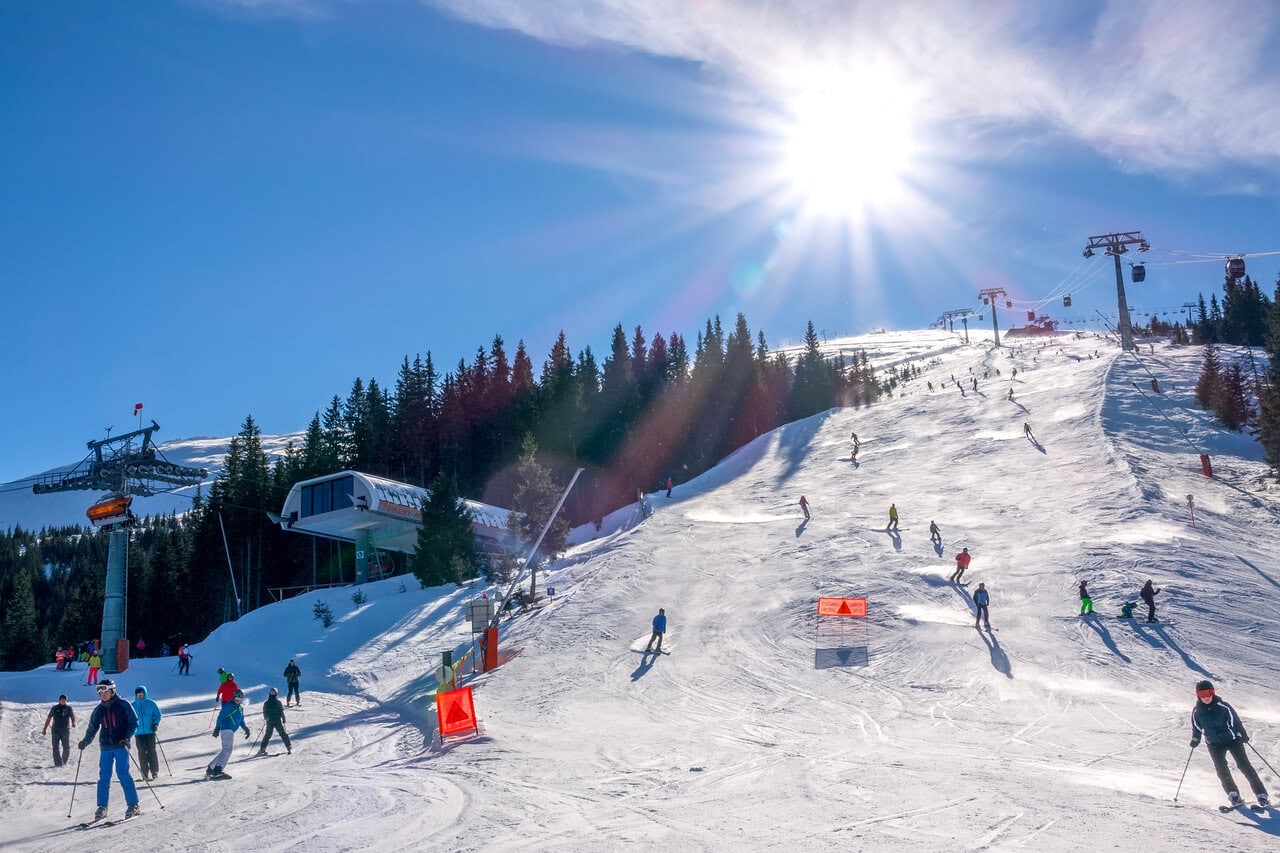
The largest and most famous resort is Jasná, located in the Low Tatras National Park. Often considered the centre of Slovak skiing, Jasná offers the country’s most extensive lift network, the largest range of pistes and some of the best snow reliability in Central Europe outside the Alps. The resort attracts both international visitors and domestic skiers, particularly during weekends and holiday periods.
Further north in the High Tatras, resorts such as Tatranská Lomnica and Štrbské Pleso provide some of Slovakia’s most spectacular mountain scenery. Sharp peaks, alpine lakes and dramatic winter landscapes give this region a far more rugged atmosphere than many lower Central European ski destinations.
Tatranská Lomnica is especially well known for its steeper runs and panoramic mountain views, while Štrbské Pleso appeals strongly to beginners, families and travellers combining skiing with spa hotels or winter hiking.
Beyond the Tatras, smaller ski areas such as Donovaly, Vrátna and Roháče-Spálená attract travellers looking for quieter slopes and lower accommodation costs. These resorts are generally more domestic in atmosphere and often work particularly well for families or travellers wanting less crowded winter experiences.
One of Slovakia’s biggest strengths is that even the larger resorts still feel manageable compared with heavily commercialised Alpine destinations. Lift queues are often shorter, accommodation remains more affordable and many mountain towns still retain a more traditional winter character.
Compare hotels and other places to stay in Slovakia.
Check availabilityBrowse apartments, homes and self-catering accommodation in Slovakia.
Browse rentalsSee hotel prices from multiple booking sites in one search.
Compare ratesJasná Ski Resort Guide
Jasná is widely regarded as the best ski resort in Slovakia and forms the centrepiece of the country’s winter tourism industry. Located within the Low Tatras, the resort stretches across the slopes of Chopok Mountain and combines modern lifts, varied terrain and relatively reliable snowfall with prices that remain far lower than many comparable Alpine destinations.
The resort caters particularly well to beginner and intermediate skiers, although more advanced runs and freeride areas also exist across the mountain. Modern gondolas and chairlifts connect multiple sectors of the ski area, allowing visitors to ski between both northern and southern sides of the mountain depending on snow and weather conditions.
One of Jasná’s strongest advantages is infrastructure. Unlike some smaller Central European ski areas, Jasná has invested heavily in snowmaking systems, modern lift equipment and slope maintenance, helping extend the ski season during warmer winters. Night skiing also operates on selected slopes, adding extra flexibility for shorter winter trips.
Accommodation around Demanovská Valley ranges from spa hotels and modern apartments to budget guesthouses and chalet-style lodging. Prices vary heavily during school holidays and peak winter weekends, but the overall cost of staying in Jasná still compares favourably against much of the Alps.
The surrounding region also adds to the appeal. Visitors can combine skiing with thermal spas, mountain restaurants, snow hiking and cave systems within the wider Low Tatras National Park. This broader winter activity mix helps Jasná appeal even to non-skiers travelling alongside winter sports enthusiasts.
For international travellers, the easiest access routes usually come through Poprad Airport, Košice or nearby Kraków Airport in southern Poland. Transfer times vary, but the resort remains relatively accessible compared with many deeper Alpine destinations requiring longer mountain transfers.
High Tatras Skiing: Tatranská Lomnica & Štrbské Pleso
The High Tatras provide Slovakia’s most dramatic winter scenery and contain some of the country’s best-known mountain resorts. Sharp granite peaks, frozen alpine lakes and snow-covered forests create a far more rugged and cinematic landscape than many travellers expect from Central Europe.
Among the region’s ski areas, Tatranská Lomnica stands out as one of the most visually impressive. The resort sits beneath the towering peaks of the High Tatras and offers some of the steepest skiing terrain in Slovakia alongside panoramic mountain views stretching across the national park.
Modern cable cars and gondolas connect multiple elevation levels across the resort, while higher-altitude slopes generally provide stronger snow conditions throughout the winter season. Although smaller than major Alpine mega-resorts, Tatranská Lomnica delivers a much more dramatic mountain atmosphere than many similarly sized ski areas elsewhere in Central Europe.
Nearby Štrbské Pleso offers a different style of winter experience. Located beside a famous glacial lake surrounded by forests and mountain peaks, the resort is especially popular with beginners, families and travellers wanting a calmer winter atmosphere. The area also works well for cross-country skiing, winter walking and spa-focused winter holidays.
One of the major advantages of skiing in the High Tatras is how easily winter activities combine together. Travellers can ski during the morning, relax in thermal spas during the afternoon and spend evenings in traditional Slovak mountain restaurants without the intense crowds often associated with larger Alpine resorts.
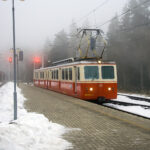
The wider region also benefits from strong rail connectivity. The Tatra Electric Railway links several mountain settlements and ski areas together, creating one of the most scenic winter rail networks in Central Europe.
Cheapest Ski Resorts & Lift Pass Prices
One of the biggest reasons travellers consider skiing in Slovakia is cost. Compared with major Alpine destinations in Austria, France or Switzerland, Slovak ski holidays can feel dramatically cheaper across almost every part of the trip, including lift passes, accommodation, ski hire, food and transport.
Lift pass prices at major Slovak resorts are usually far lower than equivalent resorts in the Alps, particularly outside school holidays and peak New Year periods. Even flagship resorts such as Jasná often remain noticeably more affordable than large Western European ski areas while still offering modern lifts, snowmaking systems and extensive skiing terrain.
Accommodation also tends to provide stronger value. Travellers frequently find spa hotels, mountain guesthouses and apartment rentals in the Tatras for prices that would barely cover basic hotel rooms in more famous Alpine destinations during winter. Food and drink costs across Slovakia also remain lower than much of Western Europe, especially in local restaurants away from the most tourist-focused resort zones.
Smaller resorts including Donovaly, Vrátna and regional ski areas across central Slovakia often deliver the best value overall for beginner skiers and families. These resorts may lack the scale of larger Alpine destinations, but they compensate through lower prices, shorter queues and a more relaxed atmosphere.
Travellers should still book carefully during the busiest periods between Christmas, New Year and the wider February school holiday season. Prices rise significantly during these weeks, especially around Jasná and the High Tatras, although Slovakia generally remains cheaper than many equivalent Western European ski destinations even at peak times.
For budget travellers, combining ski resorts with regional rail travel, self-catering apartments and off-peak weekday skiing can reduce overall costs even further. Slovakia works particularly well for shorter independent ski breaks where travellers want mountain scenery and snow conditions without the extreme pricing now associated with many famous Alpine resorts.

Skiing Near Bratislava
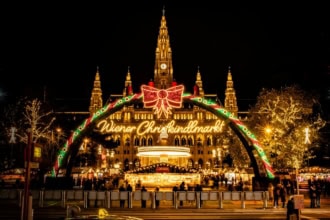
Although Bratislava itself is not a ski city, the Slovak capital works surprisingly well as a gateway for short winter trips and budget skiing breaks in Central Europe. Travellers can combine Christmas markets, cheap flights and historic city sightseeing with nearby ski slopes and mountain resorts across both Slovakia and neighbouring Austria.
The closest skiing areas to Bratislava are found within the Little Carpathians, where smaller local ski slopes operate during colder winters. Resorts such as Pezinská Baba provide beginner-friendly skiing within relatively easy reach of the capital, although snow reliability can vary depending on winter weather conditions.
More serious skiing usually requires travelling further north into central Slovakia or crossing into nearby Austrian mountain regions. Resorts including Jasná and the High Tatras remain accessible from Bratislava by train, coach or car, while Austrian ski areas around Semmering and Stuhleck are also within practical reach for longer day trips or overnight winter breaks.
One of Bratislava’s biggest advantages is affordability. Flights into the city are often cheaper than direct Alpine ski airports, while accommodation, restaurants and nightlife in Bratislava itself remain relatively inexpensive compared with major Western European winter destinations.
The city also works particularly well for travellers wanting mixed itineraries rather than purely ski-focused holidays. Visitors can spend several days exploring Bratislava’s Old Town, Christmas markets and Danube riverside atmosphere before continuing onwards into Slovakia’s mountain regions.
Rail connections between Bratislava and other parts of Slovakia are generally reliable and affordable, making independent winter travel relatively straightforward even without renting a car. This combination of low-cost city access and mountain connectivity gives Bratislava a surprisingly useful role within wider Central European winter itineraries.
Flying to Slovakia for Ski Holidays
International access to Slovakia ski resorts has improved significantly in recent years, particularly through the growth of low-cost airlines and nearby regional airports serving the wider Central European winter tourism market.
The most convenient airport for the High Tatras is usually Poprad-Tatry Airport, which sits relatively close to several major Slovak ski resorts. However, flight availability can be limited depending on season and departure country.
Many international travellers instead use larger nearby airports including Kraków, Košice, Bratislava or even Vienna, combining flights with onward rail or road transfers into the mountains. In practice, these larger airports often provide cheaper fares, more frequent services and easier international connections than smaller regional Slovak airports.
Kraków Airport in southern Poland has become particularly important for winter travel into northern Slovakia because of its strong low-cost airline network and relatively manageable transfer distances into the Tatras. Travellers frequently combine both Polish and Slovak mountain regions within the same winter itinerary.
Visitors flying from the UK, Germany, Scandinavia and other parts of Europe generally find the strongest flight options through low-cost carriers operating into Bratislava, Kraków or Vienna. From there, onward train and coach services connect travellers towards Slovak ski regions.
Winter weather can occasionally affect flights and mountain transfers during peak ski season, particularly during heavy snowfall periods across Central Europe. Travellers should therefore avoid extremely tight transfer schedules when combining flights with long rail or road journeys into the mountains.
One of Slovakia’s major advantages compared with deeper Alpine resorts is that transfer distances are often shorter and simpler once arriving within Central Europe. Combined with lower accommodation and lift costs, this can make Slovak ski holidays feel significantly more accessible for travellers trying to reduce overall winter trip expenses.
| Airport | Best Resorts | Approx Transfer Time | Best Transfer Method |
|---|---|---|---|
| Poprad-Tatry Airport | Štrbské Pleso, Tatranská Lomnica | 15 to 40 mins | Train, taxi or ski shuttle |
| Košice Airport | Jasná, High Tatras | 2 to 3 hours | Train or rental car |
| Bratislava Airport | Jasná, Donovaly | 3 to 4 hours | Train, coach or car |
| Kraków Airport (Poland) | High Tatras, Jasná | 2.5 to 4 hours | Transfer shuttle, coach or rental car |
| Vienna Airport (Austria) | Bratislava region, Jasná | 3 to 4.5 hours | Train or rental car |
| Budapest Airport (Hungary) | Low Tatras, Donovaly | 3 to 5 hours | Rental car or train |
Getting to Slovak Ski Resorts by Train & Transfer
One of the strongest aspects of skiing in Slovakia is how well many resorts integrate with the country’s wider rail network. Unlike some Alpine ski regions that depend heavily on expensive private transfers or long mountain drives, several Slovak ski destinations can be reached relatively efficiently using trains and local transport connections.
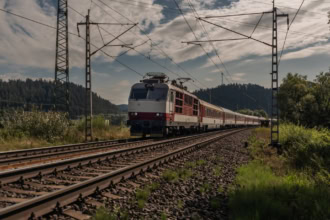
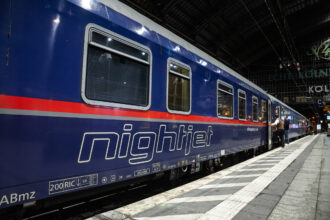
The main rail corridor across northern Slovakia connects cities including Bratislava, Žilina, Poprad and Košice, providing the backbone for winter travel towards the High Tatras and surrounding mountain regions. Overnight trains also operate across parts of Central Europe, allowing travellers to combine skiing with longer rail-based winter itineraries.
For visitors heading towards the High Tatras, the town of Poprad acts as the primary transport gateway. From here, regional rail services including the scenic Tatra Electric Railway connect mountain settlements such as Štrbské Pleso, Starý Smokovec and Tatranská Lomnica.
This mountain railway system becomes especially impressive during winter when snow-covered forests, frozen valleys and dramatic mountain scenery surround the line. The railway also reduces the need for constant car use between resorts and accommodation areas once inside the Tatras region itself.
Travellers heading towards Jasná and the Low Tatras usually continue beyond larger rail stations using buses, shuttle transfers or rental cars. While access is slightly less rail-oriented than the High Tatras, independent travel remains relatively straightforward compared with many larger Alpine ski destinations.
Winter road conditions across Slovakia can become challenging during heavy snowfall, particularly on smaller mountain roads and passes. Travellers renting cars should therefore prepare for snow driving conditions, winter tyres and changing weather patterns during peak ski season.
For many visitors, combining trains with regional buses and short transfers provides one of the easiest ways to explore Slovak ski regions without the stress and cost of long-distance mountain driving.
Search flights and useful route combinations for your trip.
View flightsBrowse Airalo eSIM options for convenient travel data.
Check eSIMsCheck private pickup options and plan your onward journey before arrival.
View transfersBest Time to Ski in Slovakia
The main Slovakia ski season usually runs from around December until March, although exact conditions vary depending on altitude, snowfall and temperatures across different mountain regions. Resorts in the High Tatras and Low Tatras generally offer the strongest and most reliable skiing conditions during the coldest mid-winter months between January and February.
For travellers prioritising snow reliability, late January and February are normally the safest choices. This period often brings the deepest snow cover, colder mountain temperatures and the best overall skiing conditions across major resorts including Jasná, Tatranská Lomnica and Štrbské Pleso.
December skiing can be more variable, particularly earlier in the month before snowmaking systems fully establish base coverage across lower slopes. However, the atmosphere around Christmas and New Year can feel especially attractive thanks to festive markets, mountain villages and winter celebrations across Slovakia’s ski regions.
March often appeals strongly to budget travellers because daylight hours become longer while accommodation prices outside school holidays may begin to fall. Snow conditions usually remain strongest at higher elevations during this period, particularly in the High Tatras and upper slopes around Chopok Mountain.
Travellers should remember that Slovakia generally sits at lower elevations than many famous Alpine ski regions. Snowmaking therefore plays an important role at several resorts during warmer winters, especially on beginner slopes and lower mountain sectors.
One of the biggest advantages of skiing in Slovakia during quieter periods is reduced crowding. Outside peak holiday weeks, many resorts feel noticeably calmer than heavily visited Alpine destinations, with shorter lift queues and easier access to accommodation.
Snow Conditions & Weather
Snow conditions in Slovakia vary significantly depending on altitude, region and winter weather patterns, but the country generally performs well for Central European skiing, particularly within the higher sections of the High Tatras and Low Tatras.
The strongest snow reliability is usually found around Jasná and the upper mountain areas surrounding Chopok, where higher elevations and extensive snowmaking systems help maintain ski coverage throughout much of the season. Resorts in the High Tatras also benefit from colder mountain conditions, particularly during January and February.
Natural snowfall can fluctuate between winters, especially during milder seasons affecting lower Central European elevations. However, Slovakia’s larger ski resorts have invested heavily in artificial snow systems, helping protect piste coverage even during warmer early or late-season periods.
Weather conditions in the Tatras can change rapidly. Clear sunny mornings sometimes transition into snowstorms, fog or high mountain winds later in the day, particularly at higher elevations. Travellers skiing in exposed mountain areas should therefore prepare for changing visibility and colder summit temperatures.
One of the biggest surprises for many visitors is how dramatic the winter scenery can become after fresh snowfall. Forests, alpine lakes and mountain villages across the Tatras often look far more rugged and photogenic than travellers expect before arriving in Slovakia.
For travellers planning shorter ski breaks, checking live snow reports before departure becomes especially important during early December and late March when conditions can vary more heavily between resorts and elevations.
Beginner Skiing & Family Resorts
One of the strongest reasons to consider skiing in Slovakia is how suitable many resorts are for beginners, families and travellers learning to ski for the first time. Compared with larger Alpine destinations, Slovak resorts often feel less intimidating, less crowded and significantly cheaper for first-time winter sports trips.
Resorts such as Štrbské Pleso, Donovaly and parts of Jasná contain wide beginner slopes, English-speaking ski schools and relatively gentle learning terrain. This makes Slovakia particularly attractive for families wanting a more relaxed ski environment without the scale and pressure of huge international resorts.
Lift queues are often shorter than in many Alpine ski areas, especially outside school holiday periods. For beginners still building confidence, spending less time waiting and more time skiing can make a huge difference to the overall experience.
Family accommodation also tends to provide strong value. Apartment-style lodging, mountain pensions and spa hotels frequently cost far less than equivalent family ski accommodation in Austria or France, especially during quieter weeks outside Christmas and February holidays.
Several Slovak ski resorts also combine skiing with non-ski winter activities including thermal spas, sledging, winter hiking and snow play areas. This broader activity mix helps families travelling with non-skiers or younger children who may not spend full days on the slopes.
Travellers learning to ski often benefit from Slovakia’s calmer atmosphere overall. Mountain towns remain busy during peak periods, but the experience generally feels more manageable and less commercialised than some of Europe’s largest ski destinations.
Accommodation & Where to Stay
Accommodation across Slovakia’s ski regions ranges from modern spa hotels and ski apartments to traditional mountain guesthouses and chalet-style pensions. One of the country’s biggest winter travel advantages is that lodging prices often remain far below equivalent Alpine destinations, particularly outside peak holiday periods.
Travellers prioritising convenience and nightlife usually stay close to the main ski hubs around Jasná, where hotels, apartments and restaurants cluster around the base stations and access roads of the resort. Staying nearby reduces transfer times and makes early morning skiing significantly easier during busy winter weekends.
In the High Tatras, visitors often base themselves around Štrbské Pleso, Starý Smokovec or Tatranská Lomnica depending on skiing priorities and transport needs. These mountain settlements combine ski access with rail connections, restaurants and winter scenery that feel more traditionally alpine than many travellers expect from Slovakia.
Spa hotels are particularly popular throughout Slovak mountain regions because thermal wellness culture forms a major part of the country’s wider tourism identity. Many travellers combine skiing with saunas, thermal pools and wellness facilities during evenings after long days on the slopes.
Budget travellers frequently choose apartments or smaller guesthouses, especially when travelling independently by train or rental car. Self-catering accommodation can reduce overall winter trip costs significantly, particularly for families or longer stays.
One of the smartest booking strategies is reserving accommodation early for periods around Christmas, New Year and February school holidays. While Slovakia remains cheaper than much of the Alps, the best mountain hotels and ski-in accommodation still fill quickly during peak winter weeks.
Food, Après Ski & Thermal Spas
One of the most underrated parts of skiing in Slovakia is the wider winter atmosphere away from the slopes themselves. Compared with larger Alpine ski destinations focused heavily on nightlife and luxury tourism, Slovak ski regions often feel more relaxed, traditional and locally rooted.
Mountain restaurants across the Tatras and central Slovakia usually focus on hearty winter food designed for cold conditions and long skiing days. Travellers regularly encounter dishes such as bryndzové halušky, thick soups, smoked meats, mountain cheeses and warming stews served inside timber lodges and traditional mountain restaurants.
Food and drink prices also remain significantly lower than many famous Alpine resorts. Even in larger ski areas such as Jasná, restaurant bills, beers and mountain lunches often feel surprisingly affordable for travellers arriving from Western Europe.
Après ski culture certainly exists in Slovakia, particularly around Jasná and the larger High Tatras resorts, but it generally feels calmer and less party-focused than destinations in Austria or France. Mountain bars, live music venues and hotel lounges create a social atmosphere during evenings, although the overall pace is usually more relaxed than major Alpine nightlife resorts.
One of Slovakia’s biggest winter advantages is its thermal spa culture. Many ski itineraries combine mountain skiing with thermal pools, saunas and wellness centres spread across different parts of the country. This combination of skiing and spa tourism gives Slovak winter travel a distinctly Central European character.
Thermal complexes such as Tatralandia and Bešeňová have become particularly popular with skiers visiting the Low Tatras, especially during poor weather days or recovery evenings after skiing. Warm outdoor pools surrounded by snowy mountain scenery create one of the most memorable winter experiences in the country.
The wider Tatras region also contains numerous smaller wellness hotels and spa facilities where travellers can combine winter hiking, skiing and thermal relaxation within the same trip. For many visitors, this broader balance between skiing and wellness becomes one of the strongest reasons to choose Slovakia over more intense Alpine resort destinations.
What to Pack for Skiing in Slovakia
Packing properly for Slovakia winter travel is important because mountain weather across the Tatras can change rapidly throughout the ski season. Conditions often shift quickly between sunshine, snowfall, fog and strong winds, particularly at higher elevations around exposed mountain ridges.
Layering is generally far more important than simply bringing extremely heavy winter clothing. Thermal base layers, insulated mid-layers and waterproof outer jackets usually work best for changing mountain conditions throughout the day.
Waterproof gloves, insulated socks and proper winter footwear also make a major difference, especially when walking through snowy resort towns or waiting outdoors at lifts during colder periods. Many first-time visitors underestimate how icy pavements and mountain paths can become around ski villages during peak winter months.
Travellers renting ski equipment locally can usually avoid carrying bulky skis and boots through airports and train stations. Rental infrastructure at major resorts such as Jasná and Tatranská Lomnica is generally modern and reasonably priced, particularly compared with major Alpine resorts.
One thing many visitors forget is swimwear. Because thermal spas and wellness centres form such a large part of Slovak winter tourism, swimming facilities are extremely common across hotels and thermal complexes throughout the ski regions.
Power banks, offline maps and downloaded train tickets also become useful during winter trips, especially when travelling independently between airports, rail stations and mountain accommodation areas.
For travellers arriving from milder climates, preparing properly for cold mountain evenings is particularly important. Temperatures across the Tatras regularly fall well below freezing overnight during the core winter season, especially during clear weather periods after snowfall.
Browse hostels and budget-friendly stays around Slovakia.
See hostelsAccess compensation support, eligible lounge benefits and faster payouts when flights go wrong.
See the benefitsUse convenient luggage storage around Slovakia between arrival, check-in and departure.
Check storageeSIMs & Travel Apps for Slovak Ski Trips
Reliable mobile connectivity becomes especially important during ski trips in Slovakia, particularly for travellers navigating mountain transport, checking snow conditions or moving between airports, train stations and ski resorts during winter weather.
Most major Slovak ski regions have good mobile coverage around resort villages, hotels and lift infrastructure, although signal strength can weaken in more remote valleys or higher mountain areas. Installing a travel eSIM before departure allows travellers to access maps, weather forecasts and transport updates immediately after arrival.
This becomes particularly useful for independent travellers arriving through airports such as Kraków, Vienna, Bratislava or Poprad, where onward transfers often involve rail journeys, mountain buses or changing winter weather conditions.
Apps covering snow reports, piste maps and live weather conditions can also make ski planning significantly easier throughout the Tatras. Conditions in Slovakia’s mountains can shift quickly during winter, especially at higher elevations where visibility and wind may change rapidly during the same day.
Rail apps and ticketing platforms are equally useful because many travellers combine skiing with wider Central European train travel. Slovakia’s rail network links efficiently with neighbouring countries including Poland, Austria, Hungary and the Czech Republic, making multi-country winter itineraries relatively straightforward.
Navigation apps also become valuable when driving in mountain regions during snowfall periods, particularly around smaller roads and resort access routes where winter conditions may affect travel speeds significantly.
For travellers combining skiing with thermal spas, city breaks and rail travel across Central Europe, keeping reliable mobile data throughout the trip often becomes essential rather than optional.
Is Slovakia Good for Skiing?
For travellers prioritising affordability, scenery and a less commercialised winter atmosphere, Slovakia is genuinely one of Europe’s most underrated ski destinations. While it cannot compete with the very largest Alpine ski regions for scale, the country performs extremely well in areas that matter most to many independent travellers.
The combination of lower costs, dramatic mountain scenery and manageable resort sizes makes Slovakia particularly attractive for beginners, intermediate skiers, families and travellers wanting shorter European ski breaks without Alpine-level pricing.
Resorts such as Jasná, Tatranská Lomnica and Štrbské Pleso provide modern lift systems, reliable snowmaking and attractive mountain landscapes while still feeling far less crowded than many better-known ski regions in Western Europe.
Slovakia also stands out because skiing forms only part of the wider winter experience. Thermal spas, mountain railways, traditional food, Christmas markets and historic Central European cities all combine naturally into broader winter itineraries beyond simply spending every day on the slopes.
There are limitations. Slovakia’s resorts are generally smaller than major Alpine mega-resorts, nightlife is usually quieter and lower-altitude areas can occasionally struggle during warmer winters. Advanced skiers focused purely on massive linked ski domains may still prefer Austria, France or Switzerland.
However, for travellers wanting good-value skiing, winter scenery and a more relaxed mountain atmosphere, Slovakia offers an excellent balance that many far more expensive destinations increasingly struggle to match.

Rupert’s Handy Travel Tips
Skiing in Slovakia is often much cheaper than the Alps, but mountain weather and transport conditions still need proper planning during winter.
- Book airport transfers early: Winter weather can slow mountain roads significantly, especially during heavy snowfall periods in the Tatras.
- Carry cash alongside cards: Larger ski resorts accept cards widely, but smaller mountain restaurants and local guesthouses sometimes prefer cash payments.
- Pack swimwear: Thermal spas and wellness hotels are a huge part of Slovak winter culture and many travellers combine skiing with spa visits.
- Use trains where possible: Rail travel around Slovakia is often cheaper and less stressful than winter mountain driving, particularly in the High Tatras.
- Avoid last-minute holiday bookings: Prices around Christmas, New Year and February school holidays rise quickly even though Slovakia remains cheaper than much of the Alps.
Want to meet the reindeer behind our travel tips? Find out more in our page Who is Rupert?.
Frequently Asked Questions About Skiing in Slovakia
Is Slovakia good for skiing beginners?
Yes. Resorts such as Štrbské Pleso, Donovaly and parts of Jasná work especially well for beginners thanks to gentler slopes, ski schools and lower prices than many Alpine destinations.
What is the best ski resort in Slovakia?
Most travellers consider Jasná the best overall ski resort in Slovakia because it offers the country’s largest ski area, strongest infrastructure and best snow reliability.
Is skiing in Slovakia cheaper than Austria?
Generally yes. Lift passes, accommodation, food and ski hire in Slovakia are usually significantly cheaper than comparable resorts in Austria or other major Alpine countries.
When is the best time to ski in Slovakia?
January and February normally provide the best snow conditions, although skiing often runs from December into March depending on weather and snowfall.
Can you reach Slovak ski resorts by train?
Yes. The High Tatras are particularly well connected by rail, especially through Poprad and the scenic Tatra Electric Railway network.
Which airport is best for skiing in Slovakia?
For the High Tatras, Poprad Airport is the closest option when flights are available. Many travellers also use Kraków, Vienna or Bratislava because they often provide cheaper and more frequent international flights.
Does Slovakia have thermal spas near ski resorts?
Yes. Thermal wellness centres including Tatralandia and Bešeňová are especially popular with skiers visiting the Low Tatras region.
Is Slovakia suitable for family ski holidays?
Yes. Many Slovak resorts are family friendly, less crowded and considerably cheaper than larger Western European ski destinations.

Further Reading & Related Guides
If you are planning a wider Central European winter itinerary, our dedicated Slovakia Interrail Guide explains how to explore the country’s rail network, including routes through the High Tatras, overnight trains and international rail links towards Vienna, Budapest, Prague and Kraków. Travellers comparing destinations across the continent should also continue with our broader Ski & Snowboarding Guide to Europe, which compares some of the continent’s best-value and most scenic winter sports regions.
For visitors travelling during the festive season, our guide to the Best European Christmas Markets pairs particularly well with Slovak winter trips, especially for travellers combining skiing with cities such as Bratislava, Vienna or Kraków. Independent travellers should also read our Best Ski Apps Guide, covering snow reports, piste maps, weather tracking and mountain navigation tools that become especially useful across the Tatras during winter.
If you are planning travel around busy winter holiday periods, our Major Public Holidays in Europe Guide helps explain school holidays, transport disruption and peak seasonal travel periods across the continent. International travellers should also continue with our growing collection of travel eSIM guides before heading into the mountains, particularly if you plan to rely on rail apps, live weather updates and mobile ski passes throughout your trip.
For longer winter rail journeys, our European Sleeper Trains Guide explores overnight services connecting major European cities with Central European winter destinations. And because winter weather can occasionally disrupt flights, transfers and ski holidays, our Hotel & Package Holiday Refund Rights Guide is also worth reading before booking expensive seasonal trips.