Reviewed by our editorial team Updated
Why Visit London at Christmas & New Year
A London Christmas and New Year guide is essential because the city transforms dramatically during the festive season, combining famous landmarks, winter attractions, Christmas lights, theatre shows and major public celebrations into one of Europe’s biggest seasonal travel experiences. From late November onwards, large parts of Central London become illuminated with festive displays, seasonal markets and winter events stretching from Oxford Street and Regent Street to Covent Garden, Southbank and Hyde Park.
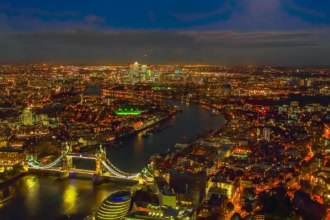
One of the biggest reasons travellers visit London during winter is the atmosphere. Historic streets, decorated shopfronts, traditional pubs and famous landmarks such as Big Ben, the London Eye and Tower Bridge take on a very different character during December. Even regular sightseeing areas feel more theatrical once Christmas lights, winter decorations and festive installations appear across the city.
The festive season also brings together several different types of travel experiences at once. Visitors can spend the afternoon exploring museums and Christmas markets, take an evening Christmas lights tour through the West End, watch a seasonal theatre performance, then celebrate New Year’s Eve beside the River Thames. Few European cities combine large-scale celebrations with so many indoor attractions, transport links and winter activities in such a compact area.
Another major advantage is accessibility. London’s airports, rail terminals and public transport network make it relatively easy to reach from across the UK, Europe and North America. Even during winter, travellers can combine London with day trips to places such as Bath, Windsor, Oxford or Canterbury, creating a wider festive England itinerary beyond the capital itself.
For first-time visitors, the scale of the city during December can also feel overwhelming. Hotel prices rise sharply, attractions become busier and transport patterns change significantly over the Christmas and New Year period. That is why planning ahead matters far more in winter than during quieter months. This guide explains where to stay, what to book early, how to navigate London during festive transport disruptions and which seasonal experiences are genuinely worth prioritising.
Christmas Lights & Festive Areas in London
One of the highlights of any London winter travel is exploring the city’s famous Christmas lights districts. From November onwards, large sections of the West End become decorated with illuminated displays, oversized installations and themed shopping streets that attract millions of visitors throughout the festive season.
The most famous display remains Regent Street, where the iconic illuminated angel decorations stretch across the entire boulevard between Oxford Circus and Piccadilly Circus. The wide street layout and sweeping curves make Regent Street one of the best locations for evening photography and festive walks, particularly after dark when traffic reflections and historic architecture combine with the lights overhead.
Nearby Oxford Street usually features a completely different lighting design, often focused around stars, glowing spheres or suspended installations stretching along one of Europe’s busiest shopping streets. The area becomes extremely crowded in December, especially during weekends, but it remains one of the defining Christmas experiences in central London.
Many travellers now prefer Covent Garden for a more atmospheric festive setting. Giant Christmas trees, hanging decorations, illuminated archways and decorated market buildings give the district a more intimate seasonal feel compared with the larger shopping streets. The surrounding piazza, cafés and covered market areas also make it one of the easier places to explore during colder or wetter winter evenings.
Carnaby Street provides a completely different atmosphere again, usually focusing on modern themed installations with colourful displays rather than traditional decorations. The surrounding streets around Soho and Kingly Court also contain some of London’s best winter food spots, cocktail bars and late-night festive venues.
Further west, Knightsbridge and Sloane Street deliver a more luxury-focused Christmas atmosphere, with department stores including Harrods and Harvey Nichols creating elaborate festive window displays and lighting installations aimed at high-end winter shoppers and international visitors.
For travellers wanting a quieter but visually impressive alternative, Kew Gardens Christmas at Kew has become one of London’s most popular winter evening attractions. Illuminated trails, projection displays and light installations spread across the botanical gardens create a very different experience compared with the crowded West End streets.
The best time to explore London’s Christmas lights is usually between 4:30pm and 8:00pm, particularly on weekdays earlier in December before the final pre-Christmas rush begins. Many visitors underestimate how cold central London can feel after dark during winter, especially when standing still in crowded streets, so warm layers and waterproof clothing remain important even during relatively mild evenings.
Browse hotels and accommodation for your visit to London.
View staysBrowse apartments, holiday homes and self-catering stays in London.
View rentalsCompare hotel deals in London from multiple booking sites.
Compare pricesBest Christmas Markets & Winter Attractions
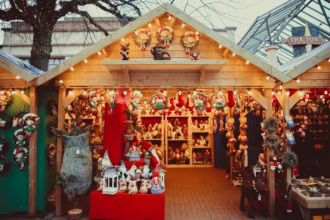
A major reason travellers search for a London Christmas and New Year guide is the sheer number of seasonal attractions operating across the city during winter. While London’s Christmas markets are generally smaller than the famous markets of Germany, Austria or France, the city compensates with large-scale entertainment districts, immersive winter experiences and major festive pop-up events spread across multiple neighbourhoods.
The biggest seasonal attraction remains Hyde Park Winter Wonderland, which transforms part of Hyde Park into a massive winter entertainment complex featuring fairground rides, ice skating, circus performances, food stalls, themed bars and Christmas market areas. The event attracts huge crowds throughout December and often requires advance timed-entry bookings during peak periods, particularly on weekends and evenings.
Along the South Bank, the Southbank Centre Winter Market offers a more relaxed festive atmosphere beside the River Thames. Wooden chalets, mulled wine stalls, seasonal food vendors and riverside seating areas create one of the city’s best winter walking routes, especially when combined with views of the London Eye, Big Ben and illuminated bridges across central London.
Leicester Square Christmas Market provides a smaller but highly central option close to the West End theatres. While more compact than some other festive areas, its location makes it easy to combine with theatre performances, Christmas shopping or evening entertainment nearby.
Ice skating becomes another major part of London’s winter tourism scene. Somerset House hosts one of the city’s most famous outdoor skating rinks, combining music, festive lighting and a dramatic historic courtyard setting near the Strand. Other popular rinks often appear at locations such as Battersea Power Station, Canary Wharf and Alexandra Palace, each offering a slightly different atmosphere and skyline view.
Families travelling during December often prioritise immersive festive experiences including Hogwarts in the Snow at the Warner Bros. Studio Tour London, seasonal afternoon teas, Christmas-themed river cruises and festive light trails. Many of these attractions sell out well in advance, particularly during school holidays and the final two weeks before Christmas.
One of the biggest mistakes travellers make is assuming they can simply arrive and book major festive attractions on the day. December is one of London’s busiest tourism periods, and popular evening slots for skating, Winter Wonderland, theatre performances and Christmas tours often disappear weeks ahead of time. Planning major activities early makes a huge difference to both pricing and availability.
London Christmas Lights Bus Tours & Evening Experiences
One of the easiest ways to experience the festive atmosphere across central London is through a dedicated Christmas lights bus tour, particularly for first-time visitors wanting to cover multiple illuminated districts in a single evening without spending hours navigating crowded pavements and Tube stations.
These tours usually operate using open-top sightseeing buses travelling through major festive areas including Oxford Street, Regent Street, Piccadilly Circus, Trafalgar Square and the wider West End. Evening departures allow travellers to see some of London’s most famous landmarks illuminated alongside the city’s seasonal decorations, creating a very different atmosphere compared with daytime sightseeing.
One of the most popular options is the London Christmas Lights Bus Tour operated by Golden Tours, which combines live commentary with panoramic evening views across the city. Routes typically pass landmarks including the London Eye, Big Ben and the Strand while also focusing heavily on the major Christmas lights districts around central London. Many travellers particularly value the elevated views from the top deck, which make it easier to photograph the decorations above the streets and traffic.
These tours are especially useful during periods of poor weather or extreme crowds, both of which are common in London throughout December. Visitors who attempt to walk between every major Christmas lights area often underestimate the distances involved, particularly once cold temperatures, rain and heavy pedestrian traffic are added into the experience.
Evening river cruises along the Thames also become increasingly popular during the festive season. Many winter cruises combine illuminated skyline views with drinks, dinner or live entertainment while passing landmarks such as Tower Bridge, St Paul’s Cathedral and the South Bank Christmas lights.
Travellers looking for a more premium winter experience can also book festive afternoon bus tours, Christmas-themed dining experiences, rooftop igloo bars and seasonal observation deck visits at locations including The Shard and the Sky Garden.
December evenings in London become busy very quickly, especially between Thursday and Sunday. Booking major festive experiences in advance is strongly recommended, particularly during the final two weeks before Christmas and around New Year’s Eve when availability across the city becomes extremely limited.
Ice Skating, Winter Pop-Ups & Seasonal Entertainment
A major part of any London festive travel experience is the huge range of temporary winter entertainment venues that appear across the city between November and early January. Alongside Christmas markets and lights, London develops an entire secondary layer of seasonal attractions focused around skating rinks, themed bars, immersive experiences and winter pop-up venues.
Outdoor ice skating is one of the city’s best-known winter traditions. The rink at Somerset House remains one of the most iconic locations thanks to its dramatic neoclassical surroundings and central location near the Strand. Evening skating sessions are particularly atmospheric once the courtyard lighting and music begin after dark, making it one of the city’s most photographed seasonal attractions.
Other major skating venues regularly appear at Battersea Power Station, Canary Wharf, Hampton Court Palace and Alexandra Palace, each offering a different atmosphere ranging from skyline views and riverside locations to historic palace settings. Some rinks focus more heavily on families and daytime visitors, while others transition into music-led evening events later in the night.
London’s winter pop-up culture also expands dramatically during December. Rooftop bars install heated igloos, festive chalets and winter terraces overlooking the skyline, particularly around Southbank, Waterloo, Shoreditch and the City of London. Many of these venues become heavily booked throughout the Christmas period, especially during Friday and Saturday evenings.
Seasonal immersive experiences have also become increasingly important across London’s winter tourism scene. Attractions such as Hogwarts in the Snow, winter light trails, Christmas-themed cocktail experiences and immersive theatre productions now attract large international audiences throughout December.
Families visiting London during school holidays often combine multiple winter attractions into a single itinerary, pairing daytime sightseeing with evening skating sessions, theatre performances or Christmas light experiences. Because sunset arrives early in London during winter, usually between around 3:50pm and 4:15pm in December, evening activities begin much earlier than many visitors expect.
One important thing travellers should prepare for is weather exposure. Even relatively short outdoor activities can become uncomfortable in London during winter once rain, wind and low temperatures combine. Waterproof footwear, warm outer layers and gloves make a major difference when spending long evenings outside at markets, skating rinks or festive events.
London Theatre Shows, Pantomimes & Christmas Performances
One of the strongest reasons to visit London at Christmas is the city’s world-famous winter theatre season. Throughout December and early January, the West End becomes one of Europe’s busiest entertainment districts, combining major musicals, seasonal productions, Christmas concerts and traditional British pantomimes across dozens of historic theatres.
For many visitors, seeing a West End show becomes one of the highlights of a festive London trip. Long-running productions such as The Lion King, Les Misérables, Hamilton, Wicked and Mamma Mia! continue operating throughout the Christmas period and often form part of wider evening itineraries alongside Christmas lights tours or festive dinners.
Seasonal productions become particularly important during December. Ballet performances of The Nutcracker regularly appear at venues including the Royal Opera House, while Christmas concerts and orchestral performances take place across churches, cathedrals and concert halls throughout the city.
Traditional British pantomimes are another major part of London’s festive culture. These family-oriented comedy performances combine fairy tales, music, audience participation and slapstick humour into a uniquely British Christmas tradition that many international visitors have never experienced before. Major theatres across London stage pantomimes throughout the school holiday period.
Travellers visiting with children often combine theatre visits with nearby festive attractions around Covent Garden, Leicester Square and Southbank, all of which become heavily decorated during December. Evening performances also pair naturally with Christmas market visits and winter dining experiences nearby.
Booking early matters enormously during the festive season. Premium shows frequently sell out weeks in advance, particularly for Friday evenings, weekends and the period between Christmas and New Year. Prices also rise sharply closer to performance dates, especially for popular musicals and front-section seating.
The West End becomes extremely busy during December evenings, with heavy pedestrian traffic around Piccadilly Circus, Leicester Square and Covent Garden before and after performances. Travellers should allow additional journey time when moving between restaurants, theatres and Christmas attractions during peak festive periods.
London New Year’s Eve Fireworks Guide
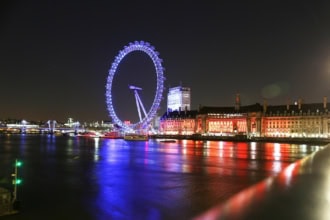
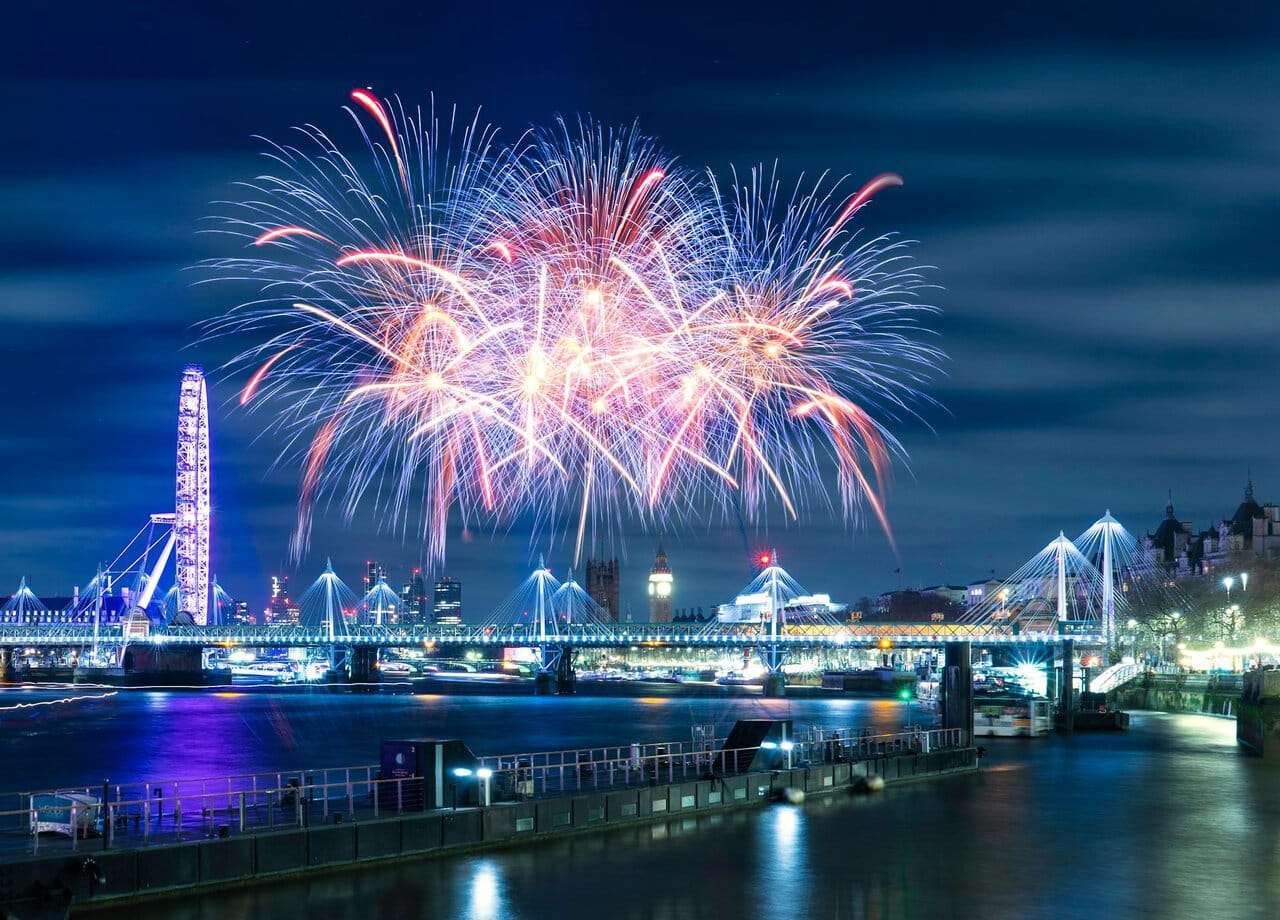
The London New Year’s Eve fireworks display is one of the largest annual celebrations in Europe, attracting huge crowds to central London every 31 December. Fireworks are launched beside the London Eye along the River Thames, with illuminated landmarks including Big Ben, Westminster Bridge and the Houses of Parliament creating one of the city’s most recognisable New Year backdrops.
Unlike many cities, London’s main fireworks viewing areas are ticketed. Official viewing zones are normally divided into several colour-coded riverside sections around Westminster, Victoria Embankment and Waterloo, with tickets released months in advance and frequently selling out long before New Year’s Eve arrives. Travellers hoping to attend should avoid assuming tickets will remain available close to the event.
Security and crowd management are extremely strict throughout the evening. Large sections of central London close to traffic, multiple bridges become pedestrian-controlled and many Underground stations operate one-way systems or temporary closures to control crowd flow after midnight. Travellers staying near the fireworks area should prepare for slower movement across central London throughout the night.
Public transport becomes unusually important on New Year’s Eve because central London roads are heavily restricted. The London Underground, selected rail services and parts of the bus network usually operate overnight with extended services after midnight, although stations closest to the fireworks zones can become extremely congested immediately after the celebrations finish.
Many visitors now choose alternatives to the main ticketed fireworks zones. Thames dinner cruises, rooftop bars, hotel parties and skyline restaurants offer less crowded but significantly more expensive ways to celebrate New Year’s Eve in London. Areas including Southbank, Tower Bridge, Canary Wharf and parts of the City also provide atmosphere and partial skyline views without entering the main controlled viewing areas.
Winter weather also affects the experience far more than many travellers expect. Standing outside beside the Thames for several hours in late December can become extremely cold, especially when combined with wind and rain. Waterproof layers, warm footwear and portable phone chargers are all genuinely useful for London’s New Year celebrations.
Travellers planning to stay in central London for New Year’s Eve should book accommodation as early as possible. Hotels around Westminster, Waterloo, Southbank and Covent Garden often become extremely expensive or fully booked long before December arrives.
Best Places to Celebrate New Year’s Eve in London
A major part of planning a London New Year visit is deciding what type of celebration experience you actually want. London offers everything from massive public fireworks gatherings and river cruises to luxury rooftop parties, theatre evenings and quieter pub celebrations spread across different parts of the city.
For travellers wanting the classic London countdown atmosphere, the area around the London Eye and Westminster remains the centre of the city’s official celebrations. Ticketed fireworks viewing zones provide the closest access to the main midnight display, although they also involve the largest crowds, longest waits and strictest security procedures.
Many visitors instead prefer celebrating along the South Bank, where riverside restaurants, bars and winter venues create a lively atmosphere throughout the evening. The area combines views across the Thames with easier access to food, indoor venues and transport connections compared with standing inside the main fireworks zones for several hours.
Thames river cruises have become one of the city’s most popular premium New Year experiences. Boats travelling along the river often combine dinner, drinks, live music and skyline views while positioning themselves near the fireworks route before midnight. Prices can be high, but these cruises avoid many of the crowd-management issues affecting central London streets.
Rooftop celebrations around Sky Garden, The Shard, Canary Wharf and major luxury hotels also attract visitors wanting panoramic city views without entering the main public areas. These events frequently require formal booking months in advance and often include strict dress codes or minimum spending requirements.
Travellers looking for a more relaxed atmosphere often head towards traditional pubs in areas such as Soho, Covent Garden, Shoreditch or Notting Hill. Many venues host themed parties, live music events or late-night celebrations that continue long after the fireworks end.
Families travelling with children sometimes avoid central London entirely on New Year’s Eve because crowd levels become extremely intense late at night. Early evening river cruises, theatre performances or hotel celebrations can provide a more manageable alternative while still delivering a festive London atmosphere.
Because transport becomes heavily disrupted after midnight, one of the smartest decisions travellers can make is choosing accommodation within walking distance of their planned celebration area whenever possible. Journey times that normally take 20 minutes can easily stretch far longer once hundreds of thousands of people begin leaving central London simultaneously.
Search routes and flight options for your trip to London.
Search flightsUse an eSIM to get online without hunting for a local SIM after arrival.
See eSIM optionsCheck private pickup options and plan your onward journey before arrival.
View transfersChristmas Day & Boxing Day in London: What Actually Opens?
One of the biggest practical issues is understanding how dramatically the city changes on Christmas Day. Unlike some major global cities, large parts of London effectively shut down on 25 December, including most public transport services.
The most important thing travellers need to know is that the London Underground normally does not operate on Christmas Day. Most rail services, Overground lines and large sections of the bus network also stop running entirely or operate only extremely limited services. Visitors arriving at airports on Christmas Day should therefore plan transfers carefully in advance.
Taxis, private hire services and ride-hailing apps such as Uber continue operating, although prices usually surge significantly due to demand and limited driver availability. Heathrow airport hotels, central London hotels and accommodation near major rail stations often become especially valuable because of these transport limitations.
Many restaurants, cafés and shops also close completely on Christmas Day, particularly outside the main tourist districts. However, some international restaurants, hotel dining rooms and tourist-focused venues remain open, especially around Soho, Paddington, Kensington and larger hotel zones.
Major tourist attractions usually close on Christmas Day itself, although some areas including parts of the South Bank and central Westminster remain popular for walking because the streets become unusually quiet compared with the rest of the year. Seeing normally crowded areas such as Piccadilly Circus or Oxford Street almost empty on Christmas morning can feel surprisingly atmospheric.
By contrast, Boxing Day on 26 December marks the beginning of another extremely busy period. Shops reopen for major sales events, football fixtures attract large crowds and transport services partially resume across the city. However, some rail engineering works and reduced schedules often continue during the wider Christmas period, especially on routes serving airports and long-distance train corridors.
Travellers staying in London across Christmas should prepare more carefully than they might for a normal city break. Booking restaurants, checking transport schedules and understanding holiday closures ahead of time makes a major difference during one of the busiest and most operationally unusual weeks of the year.
Getting Around London During Christmas & New Year
Transport becomes one of the most important parts of any London visit because the city operates very differently during the festive season compared with the rest of the year. While London normally has one of the world’s largest public transport systems, Christmas engineering works, reduced schedules and New Year crowd controls can dramatically affect journeys across the capital.
For most visitors, the London Underground remains the fastest way to move between major attractions, Christmas markets and shopping districts throughout December. Key stations including Oxford Circus, Piccadilly Circus, Leicester Square, Covent Garden and Waterloo become especially busy during evenings and weekends as crowds move between festive areas across the West End and South Bank.
The Elizabeth Line has become increasingly important for winter visitors because it provides faster journeys between Heathrow Airport, Paddington, the West End and Canary Wharf. Travellers staying near stations such as Tottenham Court Road or Bond Street can often avoid multiple Underground changes by using the Elizabeth Line instead.
One of the biggest seasonal issues is planned rail engineering work. Large parts of the UK rail network traditionally undergo maintenance during the Christmas period, particularly between Christmas Eve and early January. Routes serving airports, intercity rail corridors and suburban commuter lines can all experience reduced services or temporary closures during this period.
Christmas Day itself is operationally unique because most of London’s transport network stops entirely. The Underground usually closes, most rail services do not run and buses become extremely limited or unavailable altogether. Visitors arriving on 25 December should plan airport transfers very carefully before travelling.
New Year’s Eve creates a completely different challenge. Public transport usually operates overnight with extended Underground and rail services after midnight, but central stations near the fireworks zones become extremely crowded. One-way pedestrian systems, station closures and security restrictions are common around Westminster, Waterloo and the South Bank.
Contactless bank cards and mobile payments remain the easiest way to use London transport during winter. Visitors generally do not need to purchase paper tickets because the daily fare cap system automatically calculates the cheapest fare combination across Underground, bus and rail services.
Winter weather rarely shuts down London completely, but rain, strong winds and occasional cold snaps can still create delays, particularly on above-ground rail lines and airport services. Travellers with tight airport connections or theatre bookings should always allow additional journey time during December and early January.
Heathrow, Gatwick & London Airports During the Festive Season
London’s airports become exceptionally busy throughout December as holiday travellers, international tourists and returning residents all pass through the city during one of the busiest travel periods of the year. Everyone should expect airports and rail links to operate under significantly heavier pressure compared with quieter months.
Heathrow Airport remains the main international gateway for festive visitors arriving in London. The airport usually operates normally throughout the Christmas period, including Christmas Day itself, although road traffic, immigration queues and baggage delays can all increase during peak travel dates immediately before and after Christmas.
The Elizabeth Line and Heathrow Express normally provide the fastest routes into central London from Heathrow, although engineering works occasionally affect services during the wider holiday period. Travellers arriving late at night or on Christmas Day often rely more heavily on taxis, airport hotels or pre-booked transfers because rail services may be reduced or unavailable.
Gatwick Airport experiences similar seasonal pressure, particularly from European leisure travellers and low-cost carriers. The Gatwick Express and Thameslink services normally continue operating throughout much of the festive season, although some reduced timetables and planned engineering works can still affect routes into central London.
Further north, Stansted Airport and Luton Airport become particularly busy with budget airline passengers travelling across Europe for Christmas markets, family visits and New Year breaks. These airports are often more vulnerable to weather-related delays because of heavy low-cost carrier scheduling and longer-distance coach connections into London.
Travellers using London City Airport often experience a smoother arrival process because of the airport’s smaller size and central location. However, flight availability is more limited compared with Heathrow and Gatwick, particularly for long-haul international visitors.
One of the biggest mistakes visitors make during the festive period is underestimating transfer times between airports and central London. Winter traffic, rail disruptions and holiday crowds can all extend journey times significantly, particularly during the final week before Christmas and the first days of January.
Airport hotels become especially valuable during winter travel because early morning departures, late-night arrivals and transport disruptions become far more common during the festive season. Staying near Heathrow or Gatwick before an early flight can remove a huge amount of stress during one of the busiest travel periods of the year.
Best Hotels & Areas to Stay for Christmas in London
Choosing the right area to stay is one of the most important decisions because festive crowds, transport changes and winter weather all affect how easy the city feels to navigate during December.
For first-time visitors wanting the classic Christmas atmosphere, Covent Garden, Soho and the wider West End remain some of the best locations. Staying centrally allows travellers to walk between Christmas lights, theatres, markets and restaurants without constantly relying on the Underground during cold evenings.
South Bank and Waterloo have also become increasingly popular winter locations thanks to riverside Christmas markets, easy access to the London Eye area and strong transport connections across the city. Hotels here often provide easier access to New Year’s Eve celebrations and Thames-side attractions compared with more western districts.
Travellers focused heavily on shopping and luxury hotels often choose Mayfair, Knightsbridge or areas around Hyde Park. These districts place visitors close to Harrods, Winter Wonderland and some of London’s most decorated luxury shopping streets during December.
For visitors arriving via Heathrow Airport, staying near Paddington can be particularly practical. The area offers fast airport connections through both the Heathrow Express and Elizabeth Line while still providing relatively quick access into central London attractions.
Budget-conscious travellers frequently stay slightly further from the centre in districts such as King’s Cross, Canary Wharf, Greenwich or parts of east London. These areas often provide significantly lower hotel prices while still maintaining strong transport links into the festive core of the city.
Hotel pricing rises sharply throughout December, particularly during weekends, the final two weeks before Christmas and the New Year period. Travellers waiting too long to book often face dramatically higher prices or reduced availability in central locations.
One important thing many visitors overlook is how valuable walkability becomes during winter. Staying within walking distance of major festive areas can make London feel far more enjoyable during cold evenings when crowded Tube journeys and wet weather become tiring after long days of sightseeing.
Best Day Trips from London During Christmas
London works particularly well as a winter base because many of England’s most historic cities and festive destinations can still be reached in under two hours by train. Travellers staying several days in the capital often combine Christmas attractions in London with seasonal day trips elsewhere in southern England.
One of the most popular festive excursions is Bath, particularly while the city’s famous Christmas market operates around the Roman Baths and Georgian streets near Bath Abbey. The combination of historic architecture, winter lighting and compact walkable streets gives Bath a much more traditional Christmas atmosphere compared with central London’s larger commercial districts.
Windsor also becomes especially attractive during December thanks to Windsor Castle, festive shopping streets and riverside winter scenery around the Thames. The town is easy to reach from London by rail and combines well with travellers already planning to visit west London or Heathrow areas.
For visitors interested in historic university cities, Oxford provides another strong winter option. College courtyards, medieval streets and indoor attractions such as museums, libraries and traditional pubs make it particularly appealing during colder weather when outdoor sightseeing becomes less comfortable.
Further southeast, Canterbury offers one of England’s most atmospheric cathedral cities during winter. The combination of medieval streets, historic buildings and seasonal markets creates a very different experience from modern central London, especially during evening hours when the old city centre becomes illuminated for Christmas.
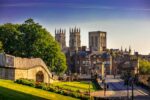
Travellers willing to spend longer on trains often continue north towards York, which becomes one of England’s strongest festive destinations during December. Christmas markets, medieval streets and the illuminated surroundings of York Minster give the city a more traditional northern European winter atmosphere that contrasts heavily with London’s faster pace.
Winter rail travel around the UK can become busy and expensive during the Christmas period, particularly near weekends and around New Year. Booking train tickets earlier than normal often saves a significant amount of money, especially on routes towards Bath, York and other major seasonal destinations.
Winter Weather in London: What to Expect
Many visitors imagine London covered in heavy snow during Christmas, but the reality is usually much milder and wetter. Winter temperatures in the city are generally cool rather than extreme, although wind, rain and damp conditions can make sightseeing feel colder than the actual temperature suggests.
December daytime temperatures in London often sit between around 5°C and 10°C, with evenings feeling noticeably colder once darkness falls. Because sunset arrives early during winter, large parts of the day’s sightseeing and festive activities take place after dark, particularly around Christmas lights districts and evening attractions.
Rain is far more common than snow during a typical London winter. Visitors should expect occasional wet days throughout December and early January, especially when spending long periods outdoors at markets, riverside attractions or queue-heavy tourist sites.
Strong winds can also affect the experience around exposed areas such as the South Bank, Tower Bridge and riverside fireworks viewing zones during New Year’s Eve celebrations. Waterproof outer layers and comfortable footwear matter far more than heavy snow clothing for most winter trips to London.
One advantage of winter travel is that many of London’s best attractions are indoors. Museums, galleries, theatres, shopping arcades and historic buildings allow travellers to continue exploring even during poor weather, making the city much easier to visit in winter compared with destinations that rely heavily on outdoor sightseeing.
Travellers arriving from colder parts of Europe or North America often find London winters relatively manageable, while visitors arriving from tropical climates sometimes underestimate how tiring cold rain and damp evenings can become after long sightseeing days.
Checking weather forecasts regularly becomes especially important around Christmas and New Year because poor weather can occasionally affect flights, rail services and large outdoor celebrations during one of the busiest travel periods of the year.
Compare hostels and budget-friendly accommodation around London.
Browse hostelsGet help with compensation, eligible lounge access and disruption support.
Explore AirHelp+Leave your luggage somewhere convenient and enjoy London hands-free.
View storageCosts, Budgeting & Money-Saving Tips for London in Winter
London becomes noticeably more expensive during the Christmas and New Year period, particularly for hotels, theatre tickets and festive attractions. Travellers visiting during December should generally expect higher prices than during quieter months, especially across central areas close to major Christmas lights and New Year celebrations.
Accommodation is usually the single biggest expense. Hotel prices rise sharply around Covent Garden, Soho, Westminster and the South Bank throughout December, with some central properties doubling in price during the final week of the year. Booking several months in advance often makes a major difference during the festive season.
Theatre tickets, observation decks and Christmas attractions also become more expensive closer to travel dates. Evening time slots at major attractions including Winter Wonderland, skating rinks and festive light experiences regularly sell out during peak periods, pushing late bookings towards premium pricing.
Transport costs inside London are generally manageable because daily fare caps limit spending across the Underground, buses and most rail services. Using contactless cards instead of taxis for longer journeys usually saves a considerable amount of money during busy festive evenings when road traffic becomes slow and expensive.
Food costs vary enormously depending on location. Tourist-heavy areas around Leicester Square, Covent Garden and major Christmas markets often charge significantly more than restaurants slightly outside the main visitor districts. Exploring neighbourhoods beyond the immediate West End frequently provides better value and a less crowded atmosphere.
One of the easiest ways to reduce costs is avoiding the most expensive New Year’s Eve events unless the experience itself is a major travel priority. Rooftop parties, premium fireworks packages and Thames cruises can become extremely expensive compared with ordinary sightseeing days elsewhere during the trip.
Despite higher seasonal pricing, London still offers a huge number of free winter experiences. Christmas lights walks, museum visits, festive window displays, riverside walks and seasonal street atmosphere allow travellers to enjoy much of the city without constantly paying for attractions.
London Winter Travel Safety & Practical Tips
London during Christmas and New Year is generally safe and easy to navigate, but the festive season creates several practical challenges that travellers should prepare for before arriving.
Crowds increase dramatically throughout December, particularly around Oxford Street, Covent Garden, Leicester Square, Winter Wonderland and the major New Year’s Eve fireworks zones. Pickpocketing risks rise in busy tourist areas where visitors are distracted by shopping, Christmas lights or large public gatherings.
Transport disruption is another major winter issue across Greater London. Rail engineering works, weather delays, airport disruption and unusually high passenger numbers can all affect journeys during the festive period. Allowing additional travel time becomes especially important when travelling to airports, theatre performances or timed-entry attractions.
Cold weather catches many visitors by surprise because London’s damp winter climate often feels colder than the actual temperature suggests. Spending several hours outdoors at riverside fireworks areas, Christmas markets or festive walking routes becomes far more comfortable with waterproof footwear, warm layers and gloves.
Restaurant reservations become increasingly important throughout December. Popular pubs, festive dining venues and restaurants around the West End, Soho and South Bank frequently become fully booked weeks in advance, particularly during weekends and the period between Christmas and New Year.
Travellers should also remember that daylight hours are short during winter. Darkness falls early across London, often before 4:00pm in December, meaning much of the city’s sightseeing and festive atmosphere takes place after sunset. Central tourist districts remain busy and well lit, but planning routes carefully still matters late at night, especially after major celebrations.
For visitors planning intensive sightseeing, pre-booking timed-entry tickets for attractions, skating rinks and Christmas events often saves considerable queueing time during one of the busiest tourism periods of the year.
Is London Worth Visiting at Christmas & New Year?
For many travellers, London at Christmas and New Year delivers one of the strongest winter city-break experiences in Europe. The combination of famous landmarks, Christmas lights, festive markets, theatre, shopping and large-scale public celebrations creates an atmosphere that feels very different from visiting the city during quieter parts of the year.
One of London’s biggest strengths during winter is variety. Visitors can spend the morning exploring museums and historic landmarks, walk through illuminated Christmas streets during the afternoon, watch a West End theatre performance in the evening and finish the night beside the River Thames surrounded by festive lights and winter attractions.
The city also works well for different styles of travellers. Families often focus on Winter Wonderland, skating rinks and Harry Potter experiences, while couples prioritise rooftop bars, Christmas lights districts and festive dining. Solo travellers and first-time visitors benefit from London’s huge transport network and extensive range of indoor attractions during colder weather.
There are disadvantages. Hotel prices increase sharply, central London becomes crowded and transport disruptions are common during Christmas engineering works and New Year’s Eve celebrations. Visitors expecting a quiet winter escape may find parts of the city overwhelming during peak festive periods.
However, for travellers wanting atmosphere, entertainment and major seasonal events, London remains one of Europe’s most impressive winter destinations. With careful planning, the city offers a festive experience that combines iconic landmarks, historic atmosphere and modern entertainment on a scale very few destinations can match.

Rupert’s Handy Travel Tips
Visiting London during Christmas and New Year can be incredible, but the festive season also brings huge crowds, busy transport networks and rapidly rising prices across the city.
- Book major attractions and theatre shows early: Popular Christmas experiences, West End performances and New Year events often sell out weeks in advance.
- Use the Elizabeth Line for Heathrow journeys: It is often faster, warmer and less stressful than changing repeatedly across crowded Underground lines with luggage.
- Carry waterproof footwear and warm layers: London’s damp winter weather often feels colder than the actual temperature suggests, especially beside the Thames at night.
- Avoid Oxford Street on weekend afternoons: December shopping crowds around Oxford Circus and Regent Street can become extremely busy during peak festive periods.
Want to meet the reindeer behind our travel tips? Find out more in our page Who is Rupert?.

Frequently Asked Questions About London at Christmas & New Year
Are London Christmas lights free to visit?
Yes. Major Christmas lights displays across Regent Street, Oxford Street, Covent Garden and Carnaby Street are completely free to explore on foot.
Does the London Underground run on Christmas Day?
Normally no. Most Underground lines and rail services stop operating on 25 December, so travellers should plan airport transfers and journeys carefully in advance.
When should I book London hotels for New Year’s Eve?
Ideally several months ahead. Hotels around Westminster, South Bank, Covent Garden and the London Eye often sell out early and become significantly more expensive closer to New Year.
Is London very cold at Christmas?
London winters are usually cool rather than extreme, but rain, damp conditions and wind can make evenings feel colder than expected, especially beside the Thames.
Are London Christmas markets as large as German Christmas markets?
Generally no. London focuses more heavily on winter attractions, theatre, festive lighting and entertainment districts rather than traditional wooden-chalet Christmas markets.
Can you use contactless cards on London transport?
Yes. Contactless bank cards and mobile wallets work across most Underground, bus and rail services within London.
What is the best area to stay in London during Christmas?
For first-time visitors, areas such as Covent Garden, Soho, South Bank and the wider West End provide the easiest access to festive attractions and Christmas lights.
Are London New Year’s Eve fireworks free?
The official riverside viewing zones are usually ticketed. However, some areas further from the main display still provide partial skyline views and atmosphere without requiring tickets.
Further Reading & Related Guides
If you are planning a festive trip to London, several related guides can help you build a smoother and more complete itinerary. Travellers with limited time should continue with our London in a Weekend and London in 3 Days guides, both of which help structure sightseeing around the city’s biggest landmarks, transport hubs and seasonal attractions. Visitors trying to reduce costs during the expensive winter season should also read our guide to Free Things to Do in London, covering museums, skyline walks, festive areas and attractions that cost nothing to visit.
For travellers extending their winter trip beyond the capital, our wider Guide to UK Christmas Markets explores festive destinations across England, Scotland and Wales, including seasonal market cities that work well alongside a London itinerary. If you are visiting during late December, our Best Cities for New Year’s Eve Fireworks guide also compares major celebrations across the world for travellers deciding where to spend New Year itself.
International visitors should also read our growing collection of travel eSIM guides before arriving in the UK, particularly if you plan to use maps, transport apps, digital attraction tickets and live rail updates throughout your trip.