Reviewed by our editorial team Updated
Why Visit Lyon?
Things to do in Lyon appeal to almost every type of traveller. Often overshadowed by Paris, Nice and the great destinations of southern France, Lyon quietly combines world-class food, Roman history, UNESCO-listed neighbourhoods, elegant riverside scenery and some of the country’s finest museums into one remarkably walkable city.
Situated at the meeting point of the Rhône River and Saône River, Lyon has been one of France’s most important cities for over 2,000 years. The city was founded by the Romans as Lugdunum, later became a major centre of the silk trade, and today is widely regarded as the gastronomic capital of France. Whether you are exploring hidden passageways beneath medieval buildings, enjoying a traditional meal in a historic bouchon, cruising past riverside landmarks or climbing to panoramic viewpoints above the old town, there is a depth to Lyon that rewards visitors who spend more than a hurried day here.
One of the greatest strengths of Lyon attractions is their variety. Within a single afternoon you can visit ancient Roman ruins, browse one of Europe’s largest urban parks, discover cutting-edge science exhibitions at the Musée des Confluences, and finish with dinner in a centuries-old restaurant serving traditional Lyonnais cuisine. Few French cities offer such a broad mix of experiences within such a compact area.
For international visitors, Lyon also serves as an excellent base for exploring the wider Auvergne-Rhône-Alpes region. The city sits on major rail routes linking Paris, Geneva, Annecy, Grenoble, Chambéry, Marseille and the French Alps, making it easy to combine urban sightseeing with mountain scenery, lakes and vineyards. As a result, many travellers who arrive expecting a short stopover often end up wishing they had allocated several extra days.
If you are researching what to do in Lyon, the good news is that the city works equally well for weekend breaks, longer holidays and stopovers while travelling through France. From famous landmarks and museums to food markets, river cruises and hidden local secrets, there is far more here than many first-time visitors expect.
Lyon at a Glance
| Category | Information |
|---|---|
| Country | France |
| Region | Auvergne-Rhône-Alpes |
| Population | Approx. 530,000 |
| Metropolitan Population | Approx. 2.3 million |
| Rivers | Rhône and Saône |
| UNESCO Status | Historic Centre of Lyon |
| Nearest Airport | Lyon-Saint Exupéry Airport |
| Main Railway Station | Lyon Part-Dieu |
| Best Length of Visit | 2–3 days |
| Famous For | Food, silk, Roman history, riverfronts |
| Local Speciality | Lyonnais cuisine and bouchons |
Lyon’s historic centre is divided into several distinctive districts, each offering a different experience. Vieux Lyon showcases medieval streets and Renaissance architecture, Presqu’île forms the elegant commercial heart of the city, while Croix-Rousse reflects Lyon’s industrial and silk-weaving heritage. Together they create one of the most diverse city centres in France.
Because many of the main Lyon tourist attractions are concentrated around the historic core, visitors can explore much of the city on foot. The metro, trams and funiculars fill in the gaps, while riverside promenades provide pleasant routes between many of the major sights.
Best for two or three nights. The widest choice of rooms, with filters for free cancellation and included breakfast.
View staysBest for longer stays. Whole apartments and houses, so you are not eating out three times a day.
View rentalsBest if you have already picked a hotel. Checks the big booking sites for the same room and shows who is cheapest.
Check dealsTop Attractions in Lyon
Basilique Notre-Dame de Fourvière
Towering above the city on Fourvière Hill, the magnificent Basilique Notre-Dame de Fourvière is one of the most recognisable landmarks in Lyon. Visible from almost every district, the basilica dominates the skyline and serves as both a religious monument and one of the finest viewpoints in eastern France.
Built between 1872 and 1896, the basilica combines Romanesque and Byzantine architectural influences in a style unlike most churches found elsewhere in France. Its richly decorated interior features intricate mosaics, colourful stained glass, elaborate marble work and impressive vaulted ceilings. Even travellers who are not particularly interested in religious sites often rank Fourvière among the very best things to do in Lyon due to the extraordinary craftsmanship found throughout the building.
The real reward for many visitors, however, lies outside. The terrace surrounding the basilica offers spectacular panoramic views across Lyon, the Rhône Valley, the distant Alps on clear days and the city’s distinctive layout where the Rhône and Saône rivers converge. Sunrise and sunset are particularly popular times to visit, when golden light illuminates the rooftops of the historic centre below.
Reaching Fourvière is part of the experience. Visitors can either climb through the historic streets of Vieux Lyon, take the city’s famous Fourvière Funicular, or combine both options for a more leisurely exploration. Nearby attractions include the Ancient Theatre of Fourvière, the Roman Odeon, and the Lugdunum Museum, making the hill an ideal location to spend several hours.
As one of the city’s defining landmarks, Fourvière is often the first stop on many sightseeing itineraries and remains one of the most rewarding Lyon sightseeing experiences available.
Vieux Lyon
Among all the things to do in Lyon, few experiences capture the character of the city quite like exploring Vieux Lyon. Stretching along the western bank of the Saône River, this beautifully preserved district contains one of Europe’s largest Renaissance neighbourhoods and forms the historic heart of the UNESCO-listed city centre.
Walking through Vieux Lyon feels like stepping back several centuries. Narrow cobbled streets wind between colourful buildings, hidden courtyards, ornate facades and bustling squares filled with cafés and restaurants. The district flourished during the Renaissance when wealthy merchants traded silk, banking services and luxury goods across Europe, leaving behind many of the architectural treasures visitors admire today.
One of the most fascinating features of Vieux Lyon is its network of traboules, secret passageways that connect streets through buildings and courtyards. Originally used by silk merchants and later by members of the French Resistance during the Second World War, these hidden routes provide a unique glimpse into the city’s past. Discovering a traboule often feels like uncovering a secret layer of Lyon hidden behind ordinary doorways.
The district is also home to several important landmarks including Lyon Cathedral, Place Saint-Jean, numerous museums and some of the city’s most famous traditional bouchon restaurants. It is easy to spend an entire day wandering the neighbourhood without following a strict itinerary.
For many visitors, Vieux Lyon becomes the highlight of their trip because it combines history, architecture, food and atmosphere in one compact area. Whether you are visiting for a few hours or several days, this remarkable district remains essential for anyone seeking the best Lyon attractions.
Place Bellecour
At the centre of modern Lyon lies Place Bellecour, one of the largest pedestrian city squares in Europe and one of the most important gathering places in the city. Measuring over six hectares, this vast open space links several of Lyon’s major districts and serves as a useful orientation point for visitors exploring the city centre.
The square is dominated by an equestrian statue of King Louis XIV, while the surrounding streets provide access to some of the city’s best shopping, restaurants and cultural attractions. During festivals and public celebrations, Bellecour frequently becomes the focal point of events, particularly during the famous Fête des Lumières, when spectacular light displays transform the city every December.
One reason Bellecour features on so many lists of what to do in Lyon is its location. From here, visitors can easily walk to Vieux Lyon, Presqu’île, the riverfront promenades and many of the city’s museums. Several metro lines also intersect nearby, making it one of the most convenient transport hubs in Lyon.
Despite its size, Place Bellecour remains surprisingly welcoming. Street performers, seasonal markets and outdoor events ensure there is usually something happening, while the open views towards Fourvière Basilica create one of the city’s most recognisable urban panoramas.
For first-time visitors, Bellecour provides an ideal starting point from which to begin exploring the wider city.
Croix-Rousse District
Perched on a hill north of the city centre, Croix-Rousse offers a very different side of Lyon. Known historically as the home of the Canuts, the skilled silk workers who helped make Lyon one of Europe’s wealthiest cities, the district retains a distinctive atmosphere that sets it apart from the more tourist-focused areas of the city.
The neighbourhood’s unusually tall buildings were designed to accommodate enormous silk looms, and many streets still display evidence of Lyon’s industrial past. Today, Croix-Rousse blends history with a vibrant local culture, attracting artists, independent businesses, food markets and creative entrepreneurs.
Walking through Croix-Rousse reveals a maze of staircases, hidden courtyards and additional traboules connecting different levels of the hill. The area also offers excellent viewpoints across the city and a noticeably more local atmosphere than many of Lyon’s headline attractions.
One of the district’s most famous landmarks is the Mur des Canuts, an enormous trompe-l’œil mural depicting scenes from everyday life in the neighbourhood. Frequently updated and expanded over the years, it has become one of the largest murals in Europe and one of the most photographed sights in Lyon.
For travellers seeking a deeper understanding of Lyon’s history and culture, Croix-Rousse provides one of the most rewarding and authentic Lyon tourist attractions, combining local life, heritage and impressive city views in a way few districts can match.
Lyon City Card: Is It Worth It?
For visitors planning to explore several of the major Lyon attractions, the Lyon City Card can offer excellent value. Unlike many city passes that focus on a handful of museums, Lyon’s official visitor card combines public transport, museum entry, river cruises, guided tours and discounts across dozens of attractions, making it one of the more comprehensive city cards available in Europe. The Lyon Tourist Office sells it in 24, 48, 72 and 96-hour versions, from €29 (£25 / $34) to €59 (£51 / $69) for adults, covering 27 museums as well as unlimited travel on the network.
The biggest advantage is convenience. Instead of purchasing individual metro tickets, museum admissions and sightseeing experiences separately, visitors can access many of Lyon’s headline attractions through a single pass. This is particularly useful for travellers spending two or three days in the city, as the card encourages exploration across different districts without worrying about transport costs adding up throughout the day.
Many of the museums featured later in this guide are included, including the popular Musée des Confluences, the Museum of Fine Arts of Lyon, the Lugdunum Museum, the Lumière Museum and several smaller specialist museums. The card also includes access to public transport across the city’s extensive metro, tram, bus and funicular network.
For travellers planning to visit multiple museums, take a river cruise and make frequent use of public transport, the savings can become significant. Those only visiting one or two attractions may find individual tickets more economical, but anyone building a full sightseeing itinerary should seriously consider the card.
The inclusion of selected Rhône and Saône river cruises makes the pass particularly attractive because these cruises often feature prominently among the most popular things to do in Lyon. Combined with museum access and transport, the card effectively bundles several of the city’s most sought-after experiences into a single purchase.
Best Museums in Lyon
Lyon’s museum scene reflects the city’s remarkable history. From Roman archaeology and Renaissance culture to cinema, science and modern art, the city offers a diverse collection of institutions that rival those found in much larger European capitals. Visitors researching what to do in Lyon often discover that the museums alone can easily fill several days.
What makes Lyon particularly appealing is the variety. Rather than concentrating on a single subject, the city’s museums cover almost every aspect of local history and culture. Whether your interests lie in ancient civilisations, scientific innovation, film history or fine art, there is likely a museum that will appeal.
Several of the city’s leading museums are located within walking distance of one another, allowing visitors to combine multiple attractions in a single day. Many are also included within the Lyon City Card, further increasing their appeal for visitors looking to maximise value.
Among all the available options, a handful stand out as essential stops for first-time visitors.
Musée des Confluences
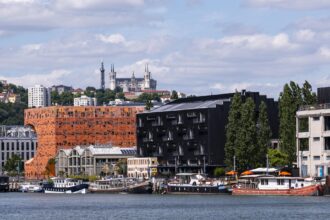
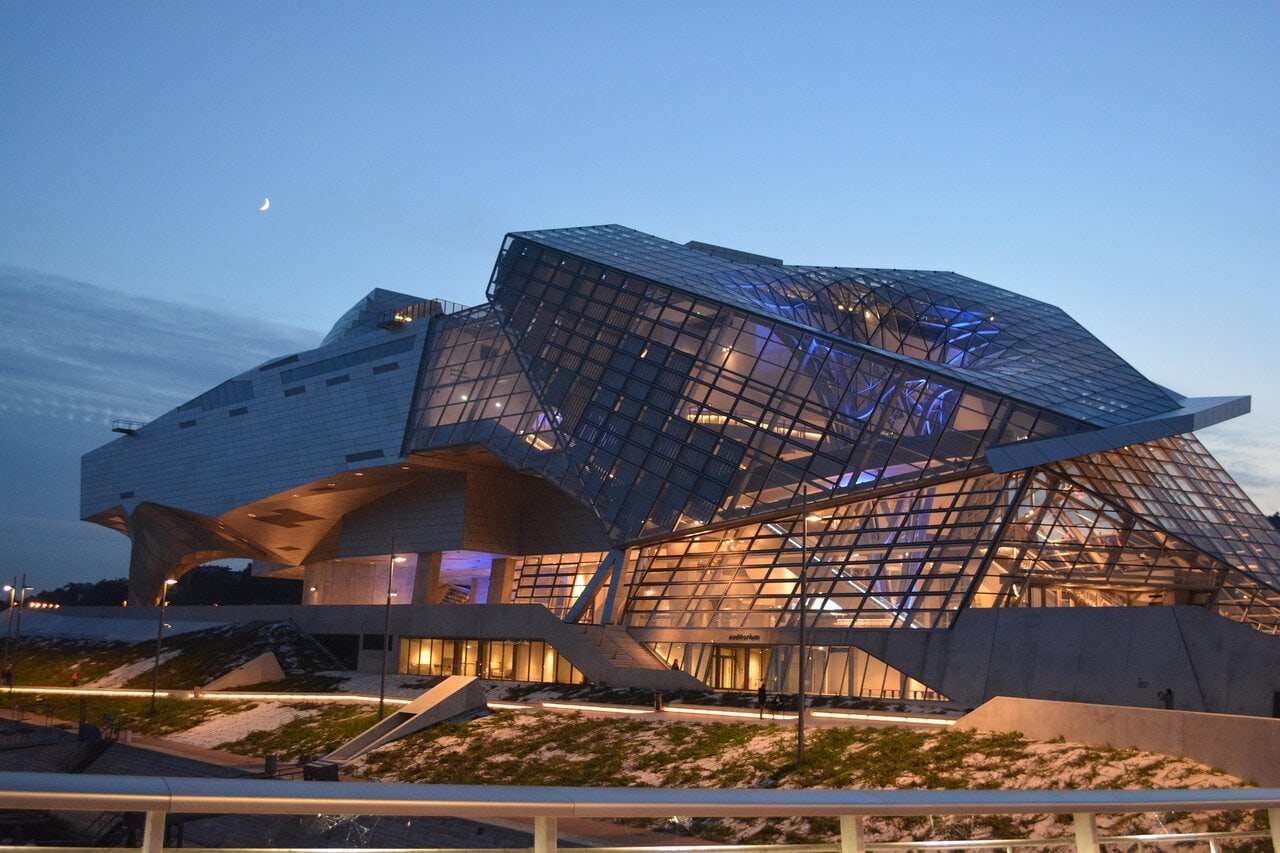
Situated dramatically at the point where the Rhône River and Saône River meet, the striking Musée des Confluences has quickly become one of the most recognisable landmarks in Lyon. Opened in 2014, the museum’s futuristic architecture contrasts sharply with the city’s historic districts and symbolises Lyon’s embrace of innovation and modern culture.
The museum explores humanity through science, anthropology, natural history and civilisation. Exhibitions range from dinosaur skeletons and ancient artefacts to space exploration and contemporary cultural themes. Rather than focusing solely on local history, the museum adopts a global perspective that appeals to visitors of all ages.
Even those with little interest in museums often find themselves impressed by the building itself. The dramatic steel-and-glass structure appears to float above the surrounding landscape and provides spectacular views over the rivers and surrounding districts. It has become one of the most photographed modern buildings in France.
Families particularly appreciate the interactive displays and engaging exhibition design, while the museum’s location within the rapidly developing Confluence District allows visitors to combine their visit with riverside walks, shopping and dining experiences nearby.
For many travellers, the Musée des Confluences ranks among the very best Lyon sightseeing experiences and is often considered the city’s premier museum attraction.
Museum of Fine Arts of Lyon
Housed within a former seventeenth-century Benedictine convent near Place des Terreaux, the Museum of Fine Arts of Lyon is often described as one of France’s finest art museums outside Paris.
Its collections span thousands of years and include works from Ancient Egypt, Greece and Rome alongside masterpieces from major European artists. Paintings by renowned figures such as Monet, Rubens, Rembrandt, Delacroix and Renoir help place the museum among the country’s most significant cultural institutions.
The building itself contributes heavily to the experience. Elegant galleries surround peaceful cloisters and sculpture gardens, creating a setting that encourages visitors to linger rather than rush through exhibits. The contrast between the busy city streets outside and the calm atmosphere within the museum adds to its appeal.
Art enthusiasts could easily spend half a day exploring the collections, but even casual visitors will find plenty to enjoy. The museum’s manageable size means it remains accessible while still offering a remarkably rich collection.
For travellers seeking cultural depth among the many Lyon attractions, the Museum of Fine Arts deserves a place near the top of the itinerary.
Best for finding routes the airlines do not sell as a single ticket. Combines carriers to bring the fare down.
Search flightsBest for short trips. Install the eSIM at home and arrive in Lyon with working data, no shop queue.
Browse eSIMsBest after a long flight or a late landing. Price agreed before you travel, and no taxi queue.
Check transfersExperience the Museum of Illusions
One of the more unusual things to do in Lyon is a visit to the Museum of Illusions, located in the city centre. Unlike traditional museums focused on art, history or science, this attraction combines interactive exhibits, optical illusions and mind-bending visual effects designed to challenge your perception of reality.
Visitors can explore rooms that appear to defy gravity, create impossible photographs and discover exhibits that demonstrate how easily the human brain can be fooled. The attraction is highly interactive, encouraging guests to touch, experiment and take photographs throughout their visit. As a result, it has become particularly popular with families, teenagers, groups of friends and social media enthusiasts.
While the museum is not as large as attractions such as the Musée des Confluences, most visitors spend around one hour exploring the exhibits. Its central location also makes it easy to combine with other major attractions in Presqu’île, Vieux Lyon or Place Bellecour.
For travellers looking for something different from Lyon’s historic sites and traditional museums, the Museum of Illusions offers a fun and memorable addition to any itinerary.
Lumière Museum
Few people realise that modern cinema was effectively born in Lyon. The Lumière Museum celebrates the achievements of the pioneering Lumière brothers, whose early filmmaking experiments helped create the foundations of the global film industry.
Located in the family’s former residence, the museum presents an engaging journey through the history of photography, film and technological innovation. Original cameras, historic footage, interactive exhibits and personal artefacts help bring the story to life.
The museum appeals not only to cinema enthusiasts but also to anyone interested in innovation and cultural history. Visitors gain an appreciation for how a local invention transformed entertainment worldwide and established Lyon’s place in cinematic history.
Because it is slightly removed from the main tourist districts, the museum often feels less crowded than some of the city’s larger attractions. This makes it an excellent choice for visitors looking to discover a different side of Lyon while escaping the busiest sightseeing areas.
For film lovers researching things to do in Lyon, the Lumière Museum offers a fascinating and uniquely Lyonnais experience.
Gadagne Museums
Located within a magnificent Renaissance building in Vieux Lyon, the Gadagne Museums combine two attractions under one roof. The complex houses both the Museum of Lyon History and the Museum of World Puppetry Arts, providing an unusual combination that reflects the city’s rich cultural heritage.
The history museum offers an excellent introduction to Lyon’s development from Roman settlement to modern metropolis. Exhibits explain the city’s role in trade, religion, silk production and industry, helping visitors better understand many of the landmarks they encounter elsewhere during their stay.
Meanwhile, the puppetry collection celebrates Lyon’s connection to Guignol, the city’s famous puppet character. Displays explore puppet traditions from around the world while highlighting their importance within local culture.
The building itself is one of the highlights. Beautiful courtyards, staircases and terraces create a memorable setting that rivals many of the exhibits inside.
For travellers wanting to deepen their understanding of Lyon’s past, the Gadagne Museums provide one of the most informative and rewarding museum experiences in the city.
Lugdunum Roman Museum
Long before Lyon became a centre of French gastronomy and Renaissance architecture, it was known as Lugdunum, the capital of Roman Gaul. Today, the Lugdunum Roman Museum and the adjacent archaeological site provide one of the most fascinating opportunities to explore that ancient past.
Located on Fourvière Hill beside the city’s remarkably well-preserved Roman theatres, the museum is partially built into the hillside, allowing the architecture to blend naturally into its surroundings. Inside, visitors will find an extensive collection of mosaics, sculptures, inscriptions, jewellery, coins and everyday objects recovered from archaeological excavations across the region.
The exhibits reveal the importance of Lugdunum within the Roman Empire. At its peak, the city served as a major administrative and commercial centre, connecting northern Europe with the Mediterranean world. Displays help visitors understand how Roman engineers, merchants and administrators shaped the foundations of modern Lyon.
The real highlight for many visitors lies outside the museum itself. The neighbouring Ancient Theatre of Fourvière remains one of the largest Roman theatres in France and still hosts performances during the annual Nuits de Fourvière Festival. Walking through these ancient structures offers a tangible connection to nearly two thousand years of history.
For travellers interested in archaeology, ancient history or simply understanding the origins of Lyon, the Lugdunum Museum ranks among the most rewarding Lyon attractions. Combined with a visit to Fourvière Basilica, it creates one of the city’s strongest sightseeing combinations.
Which Lyon Museum Should You Visit?
Choosing the right museum depends largely on your interests and the amount of time available. Fortunately, Lyon’s leading museums each offer something distinct, making it relatively easy to match attractions with individual preferences.
Visitors seeking a broad, family-friendly experience should prioritise the Musée des Confluences, which combines science, natural history and interactive exhibitions within one of Lyon’s most iconic modern buildings. It is often the best choice for first-time visitors and remains one of the most popular things to do in Lyon.
Art lovers will naturally gravitate towards the Museum of Fine Arts of Lyon, whose collections rival many national museums elsewhere in Europe. Those interested in cinema history should head for the Lumière Museum, while travellers fascinated by local culture and urban development will find the Gadagne Museums particularly rewarding.
History enthusiasts should not miss the Lugdunum Roman Museum, especially when paired with the adjacent Roman theatres. Together they offer one of the most immersive ancient history experiences available anywhere in France.
One of the reasons the Lyon City Card is so useful is that it removes the need to choose just one museum. Visitors can comfortably explore several institutions over a two or three-day stay while also enjoying public transport, guided tours and river cruises included within the pass.
Explore the City on the Lyon Hop-On Hop-Off Bus
For visitors short on time, the Lyon Hop-On Hop-Off Bus Tour provides one of the easiest ways to explore the city’s major attractions. Operating from Place Bellecour, the route connects many of Lyon’s most important landmarks while allowing passengers to explore at their own pace.
The open-top double-decker buses stop at key attractions including Vieux Lyon, Place des Terreaux, Fourvière Basilica, the Ancient Roman Theatres, the Musée des Confluences and the famous Fresque des Lyonnais mural. With the ability to board and leave the bus throughout the day, visitors can customise their sightseeing schedule according to their interests.
One feature that receives particularly positive reviews is the multilingual audio guide, which operates through a smartphone app available in 12 languages. This approach allows visitors to use their own headphones while learning about the city’s history, architecture and culture.
The tour is available as either a 1-day pass or a 2-day pass, making it suitable for both short city breaks and longer visits. First-time visitors often find it particularly useful because it provides a quick overview of Lyon before exploring individual neighbourhoods in greater depth.
For travellers wanting a convenient introduction to the city or an easy way to reach major attractions without relying on public transport, the hop-on hop-off bus is one of the most practical Lyon sightseeing tours available.
Best for solo travellers and anyone watching the budget. Dorm beds and private rooms in the same search.
Browse hostelsBest if you have ever given up on a claim. AirHelp checks whether the flight qualifies and pursues it for you.
See the benefitsBest for a day with a bag and nowhere to put it. Find a storage point near where you already are.
View storageHidden Gems in Lyon
While famous landmarks such as Fourvière Basilica, Vieux Lyon and the Musée des Confluences attract the majority of visitors, some of the most memorable experiences are found away from the main tourist trail. Exploring these lesser-known corners reveals a more authentic side of Lyon and often provides a deeper understanding of the city’s history and character.
The city rewards curiosity. Hidden courtyards, secret passageways, unusual gardens and remarkable viewpoints appear throughout Lyon for those willing to wander beyond the obvious attractions. Many of these locations remain surprisingly quiet even during the busiest tourist seasons.
For travellers looking to discover unique Lyon sightseeing opportunities, these hidden gems offer an excellent alternative to the city’s headline attractions.
Traboules of Lyon
Perhaps the most famous hidden feature of Lyon is its network of traboules, secret passageways that cut through buildings and connect otherwise separate streets. Although some are now well known, discovering them still feels like uncovering a hidden layer of the city.
Originally developed to help silk merchants transport valuable fabrics while avoiding bad weather, the traboules later played an important role during the French Resistance in the Second World War. Their complex layout allowed residents to move discreetly through the city when necessary.
Many of the most impressive traboules are found within Vieux Lyon and Croix-Rousse, where ornate staircases, courtyards and galleries reveal architectural details hidden behind seemingly ordinary doorways. Some are open to the public while others remain private residential areas, making respectful exploration important.
Finding a traboule often becomes one of the highlights of visiting Lyon because each discovery feels personal and unexpected. They transform a simple walk through the city into a small adventure and offer a perspective that many visitors never experience.
Among all the hidden Lyon tourist attractions, the traboules remain the most uniquely associated with the city itself.
Mur des Canuts
The enormous Mur des Canuts is one of Lyon’s most impressive yet frequently overlooked attractions. Located in the Croix-Rousse District, this vast mural covers the side of an apartment building and creates a stunning illusion of depth through its detailed depiction of local life.
The artwork portrays residents, staircases, workshops, balconies and everyday scenes connected to the neighbourhood’s historic silk-weaving community. The level of detail is extraordinary, and visitors often spend far longer examining the mural than they initially expect.
What makes the mural particularly remarkable is that it evolves over time. Artists periodically update sections to reflect changes within the district, ensuring the artwork remains connected to contemporary life while preserving links to the past.
Photographs rarely do the mural justice. Standing in front of it allows visitors to appreciate the scale of the project and the technical skill required to create such a convincing visual illusion.
For travellers exploring Croix-Rousse, the Mur des Canuts provides one of the most distinctive and memorable sights in Lyon.

Jardin Rosa Mir
Hidden within a quiet residential area of Croix-Rousse lies one of the city’s most unusual attractions. The Jardin Rosa Mir is a small but extraordinary garden built by Spanish refugee Jules Senis in tribute to his mother.
Constructed using thousands of shells, stones and decorative elements, the garden resembles a surreal artistic creation somewhere between architecture and sculpture. Columns, arches and intricate mosaics fill the space, creating an environment unlike anything else in Lyon.
Because visitor numbers are controlled and opening hours are limited, the garden remains relatively unknown compared with the city’s larger attractions. Those who do manage to visit often describe it as one of the most surprising discoveries of their trip.
The garden demonstrates how Lyon continues to reward visitors who look beyond the obvious landmarks. It may not appear in every guidebook, but it consistently ranks among the city’s most memorable hidden locations.
Rooftop Views from Fourvière
Most visitors admire the panoramic views from the terrace beside Fourvière Basilica, but relatively few venture further to explore the elevated areas surrounding the hill. Several quieter viewpoints offer equally impressive perspectives without the crowds often found at the main terrace.
From these higher vantage points, visitors can appreciate the full scale of Lyon’s urban landscape. The winding course of the Rhône River, the historic rooftops of Vieux Lyon, the modern skyline around Part-Dieu and the distant peaks of the Alps all become visible under favourable weather conditions.
These viewpoints are particularly rewarding during sunrise and sunset when changing light transforms the city below. Photographers often consider them among the finest locations in Lyon for capturing panoramic images.
For travellers willing to spend a little extra time exploring Fourvière Hill, these quieter viewpoints provide some of the most spectacular and underrated things to do in Lyon.
Food Experiences You Shouldn’t Miss
One of the main reasons travellers visit Lyon is the food. Widely regarded as the gastronomic capital of France, the city has built an international reputation for traditional cooking, exceptional produce and a dining culture that remains deeply connected to local traditions. While many cities claim to be foodie destinations, Lyon genuinely earns its status through centuries of culinary innovation and an enduring passion for quality ingredients.
Food is woven into daily life throughout the city. Markets, bakeries, wine bars, cafés and traditional restaurants fill almost every district, creating countless opportunities to experience authentic local flavours. Even visitors with only a passing interest in food often discover that dining becomes one of the highlights of their trip.
For anyone researching things to do in Lyon, exploring the local cuisine should rank alongside the city’s museums, historic districts and river cruises. Few destinations offer such a rewarding combination of sightseeing and eating.

Traditional Lyonnais Bouchons
No culinary experience is more closely associated with Lyon than dining in a traditional bouchon lyonnais. These small, often family-run restaurants specialise in hearty local dishes that reflect the city’s working-class roots and culinary heritage.
Unlike many modern restaurants, bouchons focus on atmosphere as much as food. Wooden interiors, closely packed tables and a lively social environment create a welcoming setting where meals are intended to be enjoyed slowly. Many establishments have operated for generations and remain central to local culture.
Typical dishes include quenelles de brochet, delicate pike dumplings served with rich sauces, alongside specialities such as saucisson brioché, tablier de sapeur, local charcuterie and traditional desserts. While some dishes may seem unfamiliar to international visitors, they provide an authentic introduction to regional cuisine.
Several of the best-known bouchons are located within Vieux Lyon, although excellent examples can also be found in Presqu’île and surrounding neighbourhoods. Reservations are often recommended, particularly during weekends and peak tourist periods.
Experiencing a genuine bouchon is one of the most authentic Lyon attractions because it connects visitors directly with the traditions that helped shape the city’s identity.
Les Halles de Lyon Paul Bocuse
For food lovers, few destinations in France generate as much excitement as Les Halles de Lyon Paul Bocuse. Named after legendary chef Paul Bocuse, the market showcases some of the finest produce available anywhere in the country.
The indoor market brings together specialist cheesemakers, butchers, bakers, chocolatiers, fishmongers, wine merchants and delicatessens under one roof. Walking through the aisles provides an opportunity to sample regional products while observing the extraordinary standards that define Lyon’s food culture.
Visitors can purchase ingredients to take away, enjoy informal meals at market counters or simply browse and admire the displays. Fresh oysters, artisan cheeses, cured meats, pastries and chocolates are among the most popular purchases.
What makes the market particularly appealing is the concentration of expertise. Many vendors are recognised among the best in their field, supplying both local residents and some of France’s most prestigious restaurants.
Even travellers with no intention of shopping often consider Les Halles one of the best things to do in Lyon, as it provides an immersive insight into the city’s culinary reputation.
Food Markets and Local Specialities
While Les Halles attracts the most attention, numerous other markets throughout Lyon provide opportunities to discover local food traditions. Weekly markets operate across the city, offering fresh produce, artisan products and regional specialities directly from local producers.
Visitors should keep an eye out for traditional Lyonnais favourites such as Rosette de Lyon, Cervelle de Canut, Saint-Marcellin cheese, praline tarts and regional wines from nearby Beaujolais and the Rhône Valley. Sampling these products offers a deeper understanding of the region’s culinary identity.
Markets also provide an excellent opportunity to interact with local residents and experience everyday life away from the major tourist attractions. The atmosphere tends to be relaxed and welcoming, particularly during morning trading hours when stalls are busiest.
For travellers interested in authentic experiences rather than formal sightseeing, visiting one of Lyon’s local markets remains one of the most enjoyable and affordable ways to explore the city.

Wine Tasting Experiences
Lyon occupies a privileged position between several important wine-producing regions, making it an excellent destination for wine enthusiasts. Nearby vineyards in Beaujolais, the Northern Rhône Valley, Mâconnais and Burgundy produce some of France’s most respected wines, many of which feature prominently on restaurant menus throughout the city.
Wine bars have become increasingly popular across Lyon, offering visitors the chance to sample regional varieties without leaving the city. Knowledgeable staff often provide recommendations based on individual preferences, helping newcomers navigate the wide range of styles available.
Those wishing to explore further can join organised wine tours into the surrounding countryside. The rolling vineyards of Beaujolais, located less than an hour from Lyon, are particularly popular and can easily be combined with a day trip from the city.
For many visitors, discovering local wines becomes an important part of the overall Lyon experience. The close relationship between food, wine and local culture helps explain why Lyon continues to be regarded as one of Europe’s great gastronomic destinations.
River Cruises in Lyon
The meeting of the Rhône River and Saône River has shaped Lyon for centuries, influencing everything from trade and industry to urban development and culture. Today, these waterways provide one of the most relaxing and enjoyable ways to experience the city.
While many visitors spend their time exploring streets and museums, seeing Lyon from the water offers an entirely different perspective. Historic districts, modern architecture, riverside parks and famous landmarks reveal themselves in a way that is impossible to appreciate fully from ground level.
River cruises have become one of the most popular things to do in Lyon, particularly for first-time visitors seeking an overview of the city. They require little effort, cover a large area and provide excellent opportunities for photography and sightseeing.
Rhône River Cruises
The Rhône River is the larger and more powerful of Lyon’s two rivers. Cruises along this waterway showcase many of the city’s modern developments alongside historic landmarks and scenic riverfront promenades.
Passengers enjoy views of Fourvière Basilica, the skyline of Part-Dieu, contemporary developments within the Confluence District and numerous bridges linking different parts of the city. The wide river also provides excellent opportunities for panoramic photography.
The Rhône’s broad channel creates a sense of openness that contrasts with the narrower and more intimate atmosphere of the Saône. Together, the two rivers provide complementary sightseeing experiences that help visitors understand Lyon’s geography and development.

Saône River Cruises
The Saône River flows through the heart of historic Lyon and offers some of the city’s most picturesque scenery. Cruises along this route pass directly beside Vieux Lyon, allowing passengers to admire Renaissance buildings, church towers and riverside façades from a unique perspective.
Many visitors find the Saône particularly atmospheric because of its historic surroundings. The river feels closely connected to the city’s past, creating a more intimate sightseeing experience than some sections of the Rhône.
The slower pace and narrower channel allow excellent views of architectural details that are often missed while walking through the city. For travellers interested in history and photography, Saône cruises are frequently among the most memorable Lyon sightseeing experiences.
Lunch and Dinner Cruises
Beyond standard sightseeing cruises, Lyon also offers a range of lunch and dinner experiences on the water. These combine local cuisine with river views, creating an experience that reflects two of the city’s greatest strengths: food and scenery.
Lunch cruises are ideal for visitors seeking a relaxed break during a busy day of sightseeing, while evening cruises provide a more romantic atmosphere as landmarks become illuminated after sunset. Many feature multi-course meals showcasing regional ingredients and traditional Lyonnais specialities.
Dining while passing beneath illuminated bridges and historic riverfront buildings creates a memorable experience that differs significantly from a conventional restaurant visit. For couples in particular, dinner cruises often rank among the most enjoyable things to do in Lyon at night.
Are Lyon River Cruises Worth It?
For most visitors, the answer is yes. River cruises provide a relaxing overview of the city while revealing perspectives unavailable from the streets. They are particularly useful during the first day of a visit, helping travellers understand the layout of Lyon before exploring individual districts in greater detail.
Cruises are also one of the easiest sightseeing activities for families, older travellers and anyone wanting a break from walking. Comfortable seating, informative commentary and constantly changing views make them accessible to a wide range of visitors.
Many cruise experiences are included or discounted through the Lyon City Card, making them even more attractive for travellers planning to visit several attractions.
Parks and Green Spaces
Although Lyon is celebrated for its food, history and museums, the city also offers an impressive collection of green spaces that provide a welcome escape from the busy streets. From vast urban parks and riverside promenades to hillside gardens with spectacular views, these areas form an important part of daily life for local residents.
Many visitors are surprised by just how green Lyon feels. The presence of both the Rhône River and Saône River has allowed extensive waterfront development, while several large parks provide space for recreation, walking and relaxation. For travellers looking to balance sightseeing with downtime, these locations rank among the most enjoyable things to do in Lyon.
Parc de la Tête d’Or
The jewel of Lyon’s park system is undoubtedly Parc de la Tête d’Or, one of the largest urban parks in France. Covering approximately 117 hectares, the park combines landscaped gardens, lakes, walking trails, sports facilities and even a free zoo within a single destination.
Located north of the city centre, the park attracts millions of visitors every year and serves as a favourite gathering place for residents. Wide pathways shaded by mature trees create an atmosphere that feels far removed from the surrounding city, despite being only minutes from the commercial heart of Lyon.
One of the most popular areas is the large boating lake, where visitors can enjoy peaceful walks along the waterfront or simply relax while watching rowing boats glide across the water. The park’s extensive botanical gardens are equally impressive, featuring thousands of plant species and beautiful seasonal displays throughout the year.
Families are particularly drawn to the free zoo, which houses a variety of animals including giraffes, zebras and several endangered species. Combined with playgrounds and open spaces, this makes the park one of the best things to do in Lyon with children.
For active visitors, the park offers cycling routes, jogging paths and numerous opportunities for outdoor recreation. Whether you spend an hour or an entire afternoon here, Parc de la Tête d’Or provides a refreshing contrast to the city’s historic attractions.
Berges du Rhône
The transformation of the Berges du Rhône has been one of Lyon’s most successful urban regeneration projects. Once dominated by traffic, these riverbanks have been redeveloped into a vibrant public space stretching for several kilometres alongside the Rhône.
Today, the area features walking paths, cycling routes, gardens, recreational facilities and numerous places to sit and enjoy river views. The atmosphere changes throughout the day, with joggers and cyclists appearing in the morning, while cafés and social spaces become busier later in the afternoon and evening.
The riverside route connects several districts of Lyon and provides one of the easiest ways to explore the city on foot. Along the way, visitors enjoy views of bridges, historic buildings, modern architecture and boats moving along the river.
The Berges are particularly attractive during summer when locals gather to enjoy the sunshine and riverside atmosphere. For visitors wanting to experience everyday life in Lyon rather than simply ticking off attractions, a walk along the Rhône riverbanks can be surprisingly rewarding.
The area also provides excellent photographic opportunities, especially around sunset when the city’s buildings reflect off the water and the skyline begins to illuminate.
Parc des Hauteurs
Situated on the slopes of Fourvière Hill, Parc des Hauteurs remains one of Lyon’s most underrated green spaces. While many visitors head directly to Fourvière Basilica, relatively few continue into the park itself, missing some of the finest viewpoints in the city.
The park connects several historic and religious sites through a network of pathways and elevated walkways. Landscaped gardens, wooded areas and quiet viewpoints create a peaceful environment that feels removed from the busy tourist areas below.
One of the highlights is the elevated footbridge linking different sections of the hillside. From here, visitors can enjoy sweeping views across Vieux Lyon, the Presqu’île, the Rhône Valley and, on exceptionally clear days, distant sections of the Alps.
The combination of natural surroundings and panoramic scenery makes Parc des Hauteurs particularly appealing for photographers and travellers seeking quieter experiences. It also offers opportunities to discover lesser-known corners of Fourvière beyond the famous basilica.
For visitors willing to spend additional time exploring the hill, the park delivers some of the most rewarding views among all Lyon tourist attractions.
Lyon’s Silk Heritage
Few industries have shaped Lyon as profoundly as silk. For centuries, the city stood at the centre of Europe’s silk trade, producing luxurious fabrics that were exported across the continent and helping establish Lyon as one of France’s wealthiest and most influential cities.
The legacy of this industry remains visible throughout modern Lyon. Historic workshops, distinctive architecture, hidden passageways and entire neighbourhoods owe their existence to the generations of silk workers who transformed the city into a global manufacturing powerhouse.
Understanding Lyon’s silk heritage provides valuable context for many of the attractions visitors encounter elsewhere in the city. It also reveals a fascinating chapter of social and economic history that continues to influence local culture today.
The Canuts and the Silk Industry
The story of Lyon’s silk industry is inseparable from the Canuts, the skilled silk workers who operated the city’s famous looms. During the eighteenth and nineteenth centuries, tens of thousands of workers produced textiles that supplied royal courts and wealthy clients throughout Europe.
Most Canuts lived and worked in the Croix-Rousse District, where the unusually tall buildings were specifically designed to accommodate large silk looms. Walking through the neighbourhood today, visitors can still identify many of these structures thanks to their distinctive proportions and large windows.
Life for the Canuts was often challenging. Despite producing luxury goods, many workers faced poor conditions and economic uncertainty. Their struggles eventually led to several important uprisings during the nineteenth century, events that helped shape the history of labour movements in France.
The influence of the silk trade extended far beyond economics. Wealth generated through textile production contributed to the construction of many buildings, institutions and cultural landmarks that continue to define Lyon today.
Croix-Rousse Workshops
Exploring Croix-Rousse offers one of the best opportunities to understand Lyon’s silk-making heritage. Throughout the district, former workshops, hidden courtyards and preserved industrial spaces provide insight into how the industry once operated.
Several locations still demonstrate traditional weaving techniques, allowing visitors to observe historic looms in action and gain a deeper appreciation for the skill required to produce intricate silk fabrics. These demonstrations help bring the history of the Canuts to life in a way that books and displays alone cannot achieve.
The district’s famous traboules also played an important role in the silk trade. Workers used these hidden passageways to transport delicate fabrics between workshops and merchants while protecting them from bad weather.
For travellers interested in local history, a walk through Croix-Rousse reveals a side of Lyon that differs significantly from the grand architecture of Vieux Lyon or the elegance of Presqu’île. It is a district where the city’s industrial past remains highly visible.
Silk Museum
One of the best places to explore this fascinating history is the Silk Museum, where visitors can learn about the techniques, machinery and craftsmanship that made Lyon famous throughout Europe.
Exhibits explain every stage of production, from raw materials through to finished luxury fabrics. Demonstrations help illustrate the complexity of silk weaving and showcase the extraordinary level of skill required by generations of craftsmen.
The museum provides valuable context for many of the buildings and districts visitors encounter elsewhere in Lyon. Rather than viewing silk as a simple historical footnote, visitors gain an appreciation for how deeply the industry influenced the city’s development.
For those with an interest in industrial history, design or traditional craftsmanship, the museum offers one of the most distinctive cultural experiences in Lyon.
Explore Lyon’s Silk-Making History
Free Things to Do in Lyon
One of the advantages of visiting Lyon is that many of the city’s most memorable experiences cost nothing at all. While museums, attractions and guided tours certainly have their place, a surprisingly large number of the best things to do in Lyon can be enjoyed entirely free of charge.
From wandering through Vieux Lyon and discovering hidden traboules to enjoying panoramic views from Fourvière Hill, many of the city’s greatest attractions are accessible without purchasing a ticket. Walking along the Rhône River, exploring Parc de la Tête d’Or, browsing local markets and admiring historic architecture can easily fill an entire day.
Visitors can also enjoy free entry to several churches and public spaces, including the magnificent Basilique Notre-Dame de Fourvière, where the spectacular views across the city rival those from many paid observation decks elsewhere in Europe.
For travellers working within a budget, Lyon delivers exceptional value. The combination of historic districts, riverside promenades, public parks and architectural landmarks ensures that even low-cost itineraries remain rich in memorable experiences.
Things to Do in Lyon at Night
As daylight fades, Lyon takes on a very different character. Historic buildings become illuminated, riverside promenades glow beneath bridge lights and the city’s famous dining scene comes alive. While many visitors associate Lyon primarily with food and history, the city also offers a surprisingly varied evening atmosphere that caters to couples, families and night owls alike.
One of the simplest yet most rewarding evening activities is a stroll through Vieux Lyon after dark. The crowds that fill the narrow streets during the day gradually thin out, creating a more intimate atmosphere among the Renaissance buildings and cobbled lanes. Illuminated façades, church towers and hidden courtyards reveal details that are easy to miss during daylight hours.
The riverfronts become particularly attractive during the evening. Walking beside the Rhône River or Saône River offers excellent views of the city lights reflected on the water, while many cafés and bars spill onto outdoor terraces during warmer months. The contrast between the historic skyline and modern developments creates some of the city’s most memorable nighttime scenery.
For couples, evening river cruises rank among the most romantic things to do in Lyon. Watching landmarks such as Fourvière Basilica, Vieux Lyon and the illuminated bridges drift past while enjoying dinner or drinks creates a memorable experience that showcases the city from a completely different perspective.
Lyon’s reputation as a culinary capital is perhaps most evident after dark. Traditional bouchons, fine-dining establishments and modern bistros fill quickly during the evening as locals and visitors alike gather to enjoy the city’s celebrated food culture. For many travellers, dinner becomes the centrepiece of their night in Lyon.
Things to Do in Lyon with Children
Families visiting Lyon often discover that the city is far more child-friendly than they initially expect. A combination of parks, interactive museums, open public spaces and family-oriented attractions makes it easy to keep younger travellers entertained throughout a visit.
The standout attraction for many families is Parc de la Tête d’Or. The combination of playgrounds, gardens, boating opportunities and a free zoo means children can easily spend several hours exploring the park. Parents appreciate the spacious environment, while younger visitors enjoy the opportunity to see animals and burn off energy between sightseeing stops.
The Musée des Confluences is another excellent family attraction. Interactive exhibits, natural history displays and engaging presentation styles make it far more accessible to children than many traditional museums. Dinosaur skeletons, scientific exhibits and hands-on displays help maintain interest across a wide age range.
Families exploring Vieux Lyon often find that the district’s hidden traboules transform sightseeing into a treasure hunt. Searching for secret passageways adds an element of adventure that appeals to younger visitors while still allowing adults to appreciate the area’s history and architecture.
Boat cruises also work particularly well for families. Children generally enjoy being on the water, while parents benefit from a relaxing sightseeing experience that requires little walking. Combined with the city’s excellent public transport system, this makes Lyon one of the easier French cities to explore with children.
For families researching what to do in Lyon, the city offers enough variety to balance educational experiences with more active and playful attractions.
Best Views in Lyon
Few European cities reward visitors with as many spectacular viewpoints as Lyon. The combination of rivers, hills, historic districts and modern skylines creates countless opportunities to admire the city from above.
The most famous viewpoint is undoubtedly the terrace beside Basilique Notre-Dame de Fourvière. From here, visitors enjoy sweeping panoramas across Vieux Lyon, Presqu’île, the Rhône River, the Saône River and much of the wider metropolitan area. On exceptionally clear days, distant sections of the Alps become visible on the horizon.
While Fourvière attracts most visitors, several alternative viewpoints deserve attention. Elevated sections of Parc des Hauteurs provide quieter but equally impressive panoramas, while parts of Croix-Rousse offer excellent views across rooftops and towards the city centre.
The rivers themselves also create unique viewing opportunities. Bridges crossing the Rhône and Saône provide attractive perspectives of the skyline, particularly during sunrise and sunset when changing light transforms the surrounding architecture.
For photographers, the best conditions often occur early in the morning or during the final hour before sunset. Soft lighting enhances the colours of historic buildings while creating dramatic reflections on the rivers below.
Whether you are interested in photography, architecture or simply appreciating the city’s layout, seeking out these viewpoints ranks among the most rewarding Lyon sightseeing experiences.
Seasonal Events and Festivals
Lyon hosts a busy calendar of events throughout the year, ensuring there is always something happening regardless of when you visit. Many of these celebrations have become major attractions in their own right and contribute significantly to the city’s cultural identity.
The most famous is the Fête des Lumières, held every December. During this extraordinary event, buildings, bridges, squares and monuments across the city are transformed through large-scale light installations and artistic projections. Millions of visitors travel to Lyon specifically to experience the festival, making it one of the largest events of its kind anywhere in the world.
Summer brings the popular Nuits de Fourvière Festival, which stages concerts, theatre performances and cultural events within the ancient Roman theatres on Fourvière Hill. The combination of historic surroundings and contemporary performances creates a unique atmosphere that attracts performers and audiences from across Europe.
Food festivals, wine events and seasonal markets also feature prominently throughout the year. Given Lyon’s culinary reputation, many events naturally focus on gastronomy and regional produce, providing additional opportunities to experience local culture.
Spring and autumn often provide particularly pleasant conditions for sightseeing, combining comfortable weather with fewer crowds than the peak summer season. Winter visitors, meanwhile, benefit from festive decorations, Christmas markets and the world-famous Fête des Lumières.
For travellers planning a visit, checking the event calendar in advance can add an entirely new dimension to the experience and help uncover even more Lyon attractions beyond the city’s permanent landmarks.
How Many Days Do You Need in Lyon?
One of the most common questions asked by visitors researching things to do in Lyon is how long they should stay. The answer depends largely on your interests, but Lyon rewards travellers who allow themselves enough time to explore beyond the obvious highlights.
A rushed day trip can cover many of the city’s major landmarks, yet it barely scratches the surface of what Lyon has to offer. The combination of historic districts, museums, food experiences, river cruises and nearby excursions means visitors who stay longer are generally rewarded with a richer and more relaxed experience.
For most travellers, two or three days in Lyon provides the ideal balance. This allows time to explore the major attractions, enjoy the city’s food culture and still experience some of the lesser-known neighbourhoods that give Lyon much of its character.
Those planning to include nearby destinations such as Annecy, Beaujolais, Pérouges or Geneva should consider extending their stay even further.
One Day in Lyon
With only one day available, visitors should focus on Lyon’s most iconic landmarks and districts. Begin the morning in Vieux Lyon, exploring its Renaissance streets, hidden traboules and historic squares before visiting Lyon Cathedral.
From there, take the Fourvière Funicular to Basilique Notre-Dame de Fourvière, where panoramic views provide an excellent overview of the city. If time allows, visit the nearby Roman theatres before descending back towards the city centre.
The afternoon can be spent exploring Place Bellecour, Presqu’île and the riverside promenades. A traditional bouchon lunch offers an introduction to Lyon’s culinary reputation, while an evening stroll along the river provides a memorable conclusion to a short visit.
Although a single day covers many headline Lyon attractions, it leaves little time for museums, parks or deeper exploration.
Two Days in Lyon
Two days is often the sweet spot for first-time visitors. The additional day allows a much more balanced itinerary while avoiding the feeling of constantly rushing between attractions.
The first day can focus on the historic centre, including Vieux Lyon, Fourvière, Place Bellecour and the riverside districts. The second day can then be dedicated to some of the city’s major museums, including the Musée des Confluences, Museum of Fine Arts of Lyon and other cultural attractions.
This timeframe also creates opportunities to explore Croix-Rousse, visit Parc de la Tête d’Or, enjoy a river cruise and spend more time experiencing Lyon’s renowned food scene.
For many travellers, two days provides enough time to understand why Lyon is considered one of France’s most rewarding cities while still leaving reasons to return in the future.
Three Days in Lyon
A three-day stay allows visitors to experience Lyon at a much more comfortable pace. In addition to the major attractions, travellers can spend time discovering hidden gems, lesser-known museums, local markets and quieter neighbourhoods.
This extra time also makes it easier to appreciate the city’s culinary culture. Rather than squeezing meals between attractions, visitors can enjoy leisurely lunches, wine tastings, market visits and traditional bouchon dinners without feeling pressured by a packed sightseeing schedule.
Three days also creates opportunities for short excursions beyond the city centre. Nearby destinations such as Pérouges, Beaujolais and Vienne become realistic options without compromising time spent exploring Lyon itself.
For travellers interested in food, culture and history, three days often proves to be the ideal length of stay.
Suggested Lyon Itinerary
A well-planned itinerary helps visitors experience the best of Lyon without constantly crossing the city. Fortunately, many major attractions are clustered together, making it relatively easy to create an efficient sightseeing plan.
On your first day, focus on Vieux Lyon, Lyon Cathedral, the famous traboules and Fourvière Hill. This combination provides an excellent introduction to the city’s history and architecture while delivering some of its most spectacular views.
The second day can concentrate on culture and museums. Begin at the Musée des Confluences, continue towards Presqu’île and finish at the Museum of Fine Arts of Lyon. Along the way, allow time for local markets, cafés and riverside walks.
A third day is ideal for exploring Croix-Rousse, Parc de la Tête d’Or, the Lumière Museum and other attractions beyond the historic core. Visitors can also include a river cruise or wine experience depending on their interests.
The flexibility of Lyon’s public transport network makes it easy to adapt plans according to weather, opening hours and personal preferences.
Day Trips from Lyon
One of Lyon’s greatest strengths is its location. Positioned at the crossroads of several major transport routes, the city provides easy access to lakes, mountains, vineyards, historic towns and even neighbouring countries. As a result, some of the most rewarding experiences are found beyond the city itself.
Travellers with additional time should strongly consider exploring the surrounding region. Excellent rail connections and well-developed road networks make many destinations accessible within an hour or two.
Among the most popular day trips are Annecy, with its beautiful lake and Alpine scenery, Pérouges, one of France’s best-preserved medieval towns, and the vineyards of Beaujolais, famous throughout the world for their wines. Other popular options include Grenoble, Chambéry, Geneva and Vienne.
The sheer variety available means visitors can easily combine city sightseeing with mountains, lakes, wine regions and historic towns during the same trip.
For a full breakdown of destinations, transport options and suggested itineraries, see our Day Trips from Lyon guide.
Getting Around Lyon
Exploring Lyon is remarkably straightforward thanks to an efficient and integrated public transport network. The city’s metro, tram, bus and funicular systems connect virtually all major attractions and make it possible to travel between districts quickly and affordably.
Many of the most important Lyon attractions are concentrated within the historic centre, meaning visitors can often walk between sights. The compact layout of Vieux Lyon, Presqu’île and parts of Croix-Rousse makes walking one of the most enjoyable ways to experience the city.
For longer journeys, the metro network is fast, reliable and easy to understand. The historic Fourvière Funicular remains both a practical transport link and an attraction in its own right, carrying visitors from Vieux Lyon to the hilltop basilica.
Visitors planning to make extensive use of public transport should consider the Lyon City Card, which includes unlimited travel across much of the network alongside museum access and other benefits.
Those arriving via Lyon-Saint Exupéry Airport will also find convenient rail and tram connections into the city centre, making Lyon one of the easiest major French cities to reach without a car.
Money Saving Tips for Visiting Lyon
Although Lyon is often considered more affordable than Paris, costs can still add up quickly if you are not careful. Fortunately, several simple strategies can help visitors maximise value while enjoying the city’s best experiences.
The single most effective option for many travellers is the Lyon City Card. Visitors planning to use public transport, visit museums and take part in sightseeing activities can often save a substantial amount compared with purchasing tickets individually. The inclusion of museums, transport and river cruises makes it particularly attractive for first-time visitors.
Many of Lyon’s best experiences are entirely free. Exploring Vieux Lyon, discovering traboules, visiting Fourvière Basilica, walking along the rivers and spending time in Parc de la Tête d’Or can easily fill a day without any admission fees.
Travellers can also reduce costs by taking advantage of lunch menus at traditional bouchons, which often provide excellent value compared with evening dining prices. Markets and bakeries offer affordable alternatives for breakfast and casual meals while still delivering authentic local flavours.
Finally, consider visiting outside peak summer periods. Spring and autumn frequently offer pleasant weather, fewer crowds and lower accommodation costs while still allowing visitors to enjoy the full range of things to do in Lyon.

Rupert’s Handy Travel Tips
Heading to Lyon? Here are a few useful tips to make your visit smoother:
- Use the Lyon City Card wisely: If you plan to visit several museums, take a river cruise and use public transport, the card can quickly pay for itself.
- Ride the Fourvière Funicular: Save your legs by taking the historic funicular from Vieux Lyon up to Fourvière Basilica and enjoy some of the best views in the city.
- Book bouchon restaurants in advance: Lyon’s most famous traditional restaurants can fill up quickly, especially on weekends and during holiday periods.
- Explore beyond Vieux Lyon: Many visitors never make it to Croix-Rousse, but its silk-weaving history, hidden traboules and local atmosphere make it one of the most rewarding districts in the city.
- Visit Les Halles early: Arriving in the morning gives you the best selection of produce, pastries, cheeses and local specialities at Lyon’s famous food market.
- Allow time for a river cruise: Seeing Lyon from the Rhône and Saône offers a completely different perspective and is one of the city’s most underrated sightseeing experiences.
Want to meet the reindeer behind our travel tips? Find out more in our page Who is Rupert?.




Frequently Asked Questions about Things to Do in Lyon
What are the best things to do in Lyon?
The most popular things to do in Lyon include visiting Basilique Notre-Dame de Fourvière, exploring Vieux Lyon, discovering the hidden traboules, visiting the Musée des Confluences, strolling through Parc de la Tête d’Or, enjoying a traditional Lyonnais bouchon and taking a cruise along the Rhône and Saône rivers.
Is Lyon worth visiting?
Yes. Lyon is widely regarded as one of the most rewarding cities in France. It combines UNESCO-listed historic districts, exceptional food, excellent museums, beautiful riverfronts and easy access to the surrounding Auvergne-Rhône-Alpes region. Many visitors consider it one of France’s most underrated destinations.
How many days do you need in Lyon?
Most visitors should allow at least two or three days in Lyon. This provides enough time to explore the major attractions, enjoy the city’s famous food scene, visit several museums and take a river cruise. Those interested in nearby destinations such as Annecy, Beaujolais or Geneva may wish to stay longer.
Is Lyon expensive to visit?
Lyon is generally less expensive than Paris but can still be moderately priced compared with other French cities. Visitors can save money by using the Lyon City Card, taking advantage of free attractions such as Fourvière Basilica and Parc de la Tête d’Or, and eating at local markets or lunchtime restaurant specials.
What is Lyon famous for?
Lyon is famous for its food, silk-weaving history, Renaissance architecture, Roman heritage and riverside setting. The city is often referred to as the gastronomic capital of France and is known for traditional bouchon restaurants, hidden traboules and landmarks such as Fourvière Basilica.
Is the Lyon City Card worth it?
For visitors planning to visit multiple museums, use public transport and take part in sightseeing activities, the Lyon City Card often provides excellent value. It includes public transport, museum admissions, selected river cruises and numerous discounts across the city.
What is the best museum in Lyon?
The Musée des Confluences is generally considered Lyon’s most popular museum thanks to its impressive architecture and engaging exhibitions covering science, natural history and human civilisation. Other leading museums include the Museum of Fine Arts of Lyon, the Lugdunum Roman Museum and the Lumière Museum.
Can you walk around Lyon?
Yes. Many of the main Lyon attractions are located within walking distance of one another. Areas such as Vieux Lyon, Presqu’île and Croix-Rousse are particularly enjoyable to explore on foot, while the city’s metro, tram and funicular network makes longer journeys easy.
Are Lyon river cruises worth it?
For most visitors, yes. River cruises provide excellent views of Vieux Lyon, Fourvière Basilica, the Confluence District and many of the city’s bridges and waterfront landmarks. They are particularly popular with first-time visitors and couples.
When is the best time to visit Lyon?
Spring and autumn are often considered the best times to visit due to pleasant temperatures and smaller crowds. Summer offers lively outdoor dining and festivals, while December attracts visitors from around the world for the famous Fête des Lumières.
Further Reading & Related Guides
Planning a wider trip around Lyon and eastern France? If you’re flying into the city, start with our Lyon Airport to City Centre Transfers Guide, which explains the fastest and cheapest ways to reach Part-Dieu, Presqu’île, Vieux Lyon and other key districts. Travellers heading for the mountains should also read our Lyon Airport to Ski Resorts Guide, covering transfer options to many of the most popular resorts in the French Alps.
If winter sports are part of your plans, our French Alps Ski Train Guide explains how to reach major Alpine destinations by rail, including routes from the UK and connections through France. Rail travellers exploring the country more extensively may also find our Interrail France Pass Guide useful, while the Carte Avantage Guide explains how visitors and residents can save money on French train tickets throughout the year.
For those continuing beyond Lyon, our French Sleeper Trains from Paris Guide covers overnight rail services linking the French capital with destinations across the country. If you’re arriving from overseas and need reliable mobile data, our eSIM Apps Guide compares the best providers for staying connected while travelling around France and Europe.
Looking for more local inspiration? Our dedicated Lyon River Cruises Guide explores sightseeing cruises, dinner cruises and the best ways to experience the Rhône and Saône from the water. If you have extra time in the region, don’t miss our Day Trips from Lyon Guide, featuring destinations such as Annecy, Beaujolais, Pérouges, Grenoble, Chambéry and Geneva. These nearby destinations make Lyon an excellent base for discovering some of the most beautiful parts of eastern France and the surrounding Alpine region.