Reviewed by our editorial team Updated
Why the High Tatras Cog Railway Is One of Slovakia’s Best Scenic Train Journeys
The High Tatras cog railway is one of the most underrated railway experiences in Central Europe. Running deep into the dramatic landscapes of the High Tatras, this historic mountain railway carries passengers from the lower valleys at Štrba up to the famous alpine resort of Štrbské Pleso through dense forests, steep mountain gradients and spectacular High Tatras scenery.
Unlike many famous alpine railways in Switzerland or Austria, the Slovak railway network still feels authentic and relatively undiscovered by mass tourism. Local residents, skiers, hikers and railway enthusiasts all use the trains together, giving the route a far more genuine atmosphere than heavily commercialised mountain attractions elsewhere in Europe. The railway remains part of everyday life in the Tatras rather than simply functioning as a tourist ride.
The route is particularly famous because it operates as a rack railway, also known as a cog railway. A toothed centre rail allows trains to safely climb steep mountain inclines that ordinary railways cannot manage. This engineering system gives the line a distinctive character and makes it one of the most interesting railway journeys in Slovakia. For many travellers, this may be their first experience riding a genuine European mountain cog railway.
The line also performs an important practical role within the wider High Tatras railway network. Travellers arriving from Bratislava, Košice or Poprad can easily transfer onto the mountain trains and continue directly into the Tatras without needing a car. For hikers, photographers and winter sports travellers, the railway provides one of the easiest and most scenic ways to enter the mountains.
| Feature | Details |
|---|---|
| Official Railway Name | Štrba Rack Railway forming part of the wider Tatra Electric Railway network |
| Common English Name | High Tatras Cog Railway or High Tatras Rack Railway |
| Location | High Tatras, northern Slovakia |
| Route | Štrba to Štrbské Pleso |
| Opened | 1896 |
| Current Operator | Železničná spoločnosť Slovensko through the wider Tatra railway system |
| Railway Type | Rack railway using a central cog system for steep mountain gradients |
| Track Gauge | Metre gauge mountain railway |
| Distance | Approximately 4.8 km from end to end |
| Journey Time | Usually around 15 minutes |
| Number of Stations | 2 main passenger stations |
| Lower Terminus | Štrba station on Slovakia’s main east-west railway corridor |
| Upper Terminus | Štrbské Pleso in the High Tatras mountain resort area |
| Maximum Gradient | Approximately 15 percent on steep mountain sections |
| Notable Connections | Links with the wider Tatra Electric Railway network toward Starý Smokovec and Tatranská Lomnica |
| Main Uses | Mountain tourism, ski access, hiking access, scenic journeys and local transport |
| Best Known For | One of the most scenic and underrated mountain railways in Central Europe |
What Is the High Tatras Cog Railway?
The railway officially operates as the Štrba Rack Railway and forms part of the wider Tatra Electric Railway network. Most international visitors, however, simply refer to it as the High Tatras cog railway because it serves as one of the main mountain access routes into the Tatras.
The line connects the important mainline railway station at Štrba with the elevated mountain resort of Štrbské Pleso high above in the mountains. Although the journey itself is relatively short, the dramatic climb completely transforms the landscape. Trains quickly leave behind ordinary valley scenery and enter increasingly rugged mountain terrain filled with pine forests, mist-covered slopes and panoramic alpine views.
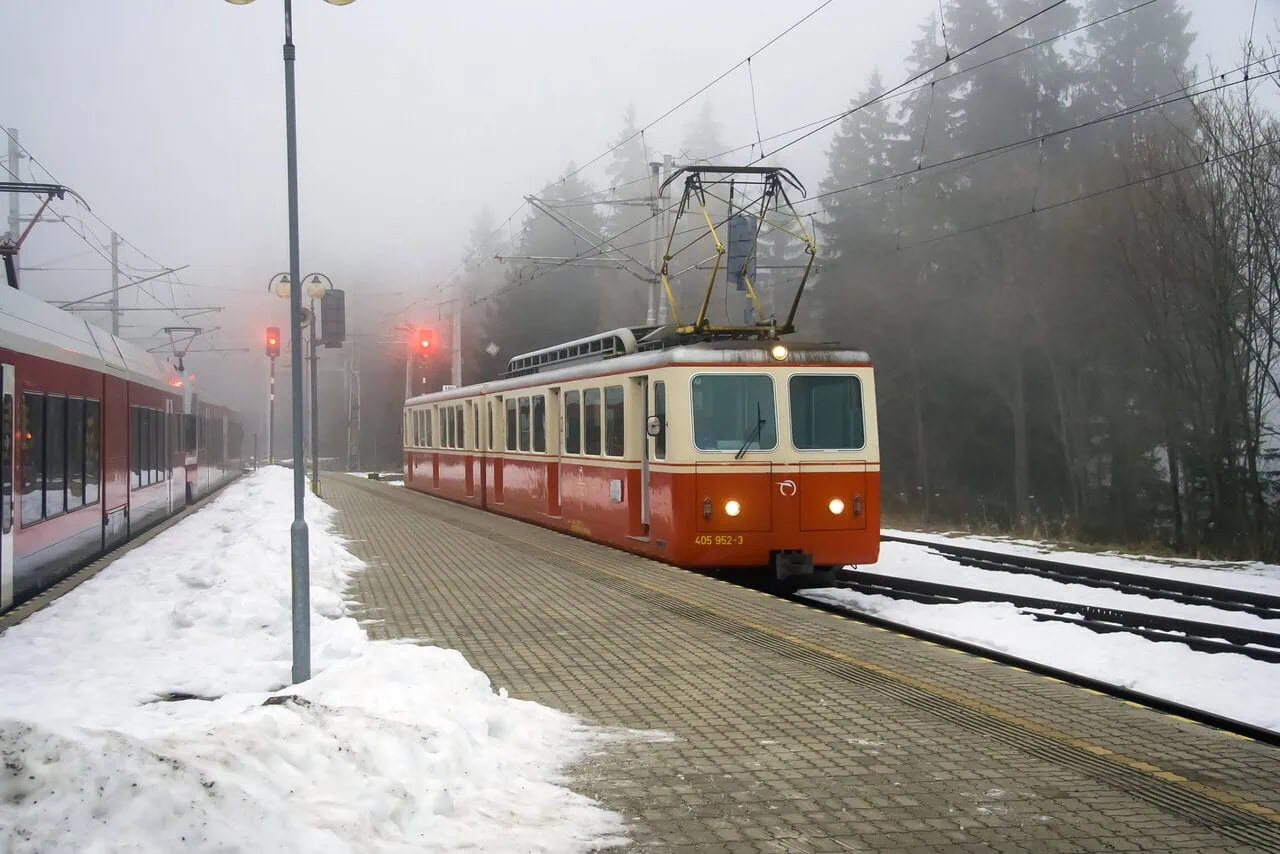
Modern electric trains now operate the route, replacing the older historic rolling stock that once climbed the mountains. Despite the upgrades, however, the railway still retains a distinctly nostalgic Central European atmosphere. During winter, snow drifts surround the tracks and forests become covered in thick layers of snow, creating one of the most atmospheric train journeys in the region. Summer journeys reveal green valleys, hiking trails and clear mountain panoramas stretching across the High Tatras.
One of the strongest advantages of the railway is its simplicity. Unlike premium panoramic trains elsewhere in Europe, the High Tatras railway works as part of Slovakia’s normal public transport network. Travellers do not need luxury packages or complicated reservations. You can simply arrive at the station, buy a ticket and ride directly into the mountains. That practicality makes the railway feel far more accessible and authentic than many expensive tourist-focused alpine routes.
See hotel options and places to stay in Slovakia.
Browse hotelsBrowse apartments, homes and self-catering accommodation in Slovakia.
Browse rentalsCompare prices for Slovakia hotels across multiple booking sites.
Check dealsHistory of the Štrba Rack Railway
The history of the Štrba Rack Railway dates back to the late nineteenth century when tourism in the High Tatras began expanding rapidly across what was then the Austro-Hungarian Empire. Mountain resorts around Štrbské Pleso were becoming increasingly fashionable among wealthy visitors seeking fresh mountain air, spa retreats and alpine scenery, but access into the mountains remained slow and difficult.
To solve this problem, engineers constructed a dedicated mountain cog railway capable of climbing the steep gradients between Štrba and the resort above. The original railway opened in 1896 and quickly became one of the most important transport links in the Tatras. At the time, rack railways represented some of the most advanced engineering projects in Europe and symbolised the growing popularity of mountain tourism across the continent.
Over the following decades, the railway experienced periods of closure, redevelopment and modernisation. Steam locomotives eventually disappeared and electric systems replaced the older technology. One of the most important upgrades occurred ahead of the 1970 Nordic World Ski Championships, when major investment modernised the line and improved mountain transport connections throughout the High Tatras region.
Despite these changes, the railway still preserves much of its historic character. Travellers today are effectively riding the modern descendant of one of Central Europe’s classic mountain railways. This combination of historical importance, practical transport value and spectacular scenery gives the route an appeal that extends well beyond dedicated railway enthusiasts.
Where the Railway Runs and Stations Along the Route
The High Tatras cog railway operates between Štrba and Štrbské Pleso in northern Slovakia. While the route itself is not especially long, it forms one of the most important transport connections within the wider High Tatras railway system.
Most travellers begin their journey at Štrba station, located on Slovakia’s major east-west rail corridor linking Bratislava, Žilina, Poprad and Košice. This makes the cog railway surprisingly accessible from across the country as well as neighbouring destinations in the Czech Republic and Poland.
As the train climbs toward Štrbské Pleso, passengers travel through thick mountain forests with increasingly dramatic views across the Tatras. Changes in weather often create an especially atmospheric experience, with clouds drifting between the peaks and snow lingering beside the tracks well into spring. The steep climb also gives travellers an immediate sense of entering true alpine terrain rather than remaining in ordinary lowland countryside.
The upper station at Štrbské Pleso sits beside one of Slovakia’s most famous mountain lakes and acts as a major interchange point for hiking trails, ski routes and onward rail connections. From here, passengers can continue using the wider Tatra Electric Railway network toward destinations including Starý Smokovec and Tatranská Lomnica. This integration makes the railway feel like part of a complete mountain transport system rather than simply an isolated tourist attraction.
What the Journey Is Like
Riding the High Tatras cog railway feels completely different from travelling on an ordinary European train. Almost immediately after departing Štrba station, the train begins climbing steeply into the mountains, with the surrounding landscape transforming from lower forested valleys into dramatic alpine scenery deep within the High Tatras.
The ascent itself is one of the highlights of the experience. Passengers can often feel the train steadily working its way uphill along the rack railway system, with the surrounding forests becoming denser and the mountain scenery growing increasingly dramatic as altitude increases. Unlike flatter scenic rail routes, the journey creates a genuine sensation of climbing into remote mountain terrain high above the valleys below.
The atmosphere onboard the High Tatras railway also feels refreshingly authentic. Rather than functioning purely as a tourist attraction, the route remains part of everyday life in the mountains. Hikers, skiers, local commuters, photographers and railway enthusiasts often share the same carriages, giving the train a far more natural atmosphere than many expensive panoramic alpine railways elsewhere in Europe.
During winter, the journey becomes particularly spectacular. Snow-covered forests, mountain fog and drifting cloud frequently surround the upper sections of the railway, creating some of the most atmospheric rail scenery in Central Europe. In summer, the route changes completely, with green valleys, hiking trails and panoramic views dominating the journey toward Štrbské Pleso. Even travellers who are not normally interested in trains often find the ride surprisingly memorable because of the constant scenery changes during the climb.
Services on the High Tatras cog railway generally operate around once per hour throughout the day, with journey times between Štrba and Štrbské Pleso taking roughly 15 minutes. The relatively frequent timetable makes the railway practical not only for tourists but also for hikers, skiers and local passengers travelling into the mountains.

Views and Scenic Highlights
The scenery along the High Tatras cog railway is the main reason many travellers seek out the route. Although Slovakia’s mountains are smaller than the Alps, the landscapes surrounding the railway still feel rugged, dramatic and unmistakably alpine, especially during periods of snow and changing mountain weather in the High Tatras.
The lower parts of the route near Štrba pass through thick pine forests and rolling foothills beneath the mountains. As the train climbs higher into the Tatras, wider views gradually begin opening across valleys, ridges and forested slopes. Mist and cloud often drift between the peaks, creating conditions that can feel almost cinematic during poor weather or winter snowfall.
One of the most striking moments of the journey comes near the arrival into Štrbské Pleso. The mountain resort sits beside one of Slovakia’s best-known alpine lakes and is surrounded by steep mountain slopes, hiking routes and dramatic scenery. During winter, the area becomes one of the country’s most photogenic snow-covered destinations, while summer transforms the lake into a centre for hiking, mountain tourism and scenic walking trails.
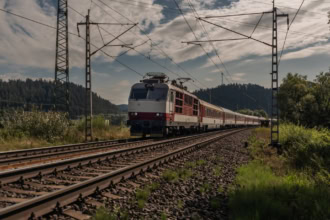
The railway infrastructure itself also adds strongly to the visual appeal. Curving mountain tracks, overhead electric wires, steep gradients and narrow forested cuttings all combine to create the atmosphere of a classic Central European mountain railway. Photographers often find the upper sections of track especially rewarding, particularly when snow, fog or low evening sunlight create dramatic contrasts against the forests and mountain backdrops.
Tickets, Prices and How to Ride the Train
One of the strongest advantages of the High Tatras railway network is how simple and affordable it remains compared with many famous mountain railways elsewhere in Europe. The cog railway operates as part of Slovakia’s public transport system rather than existing solely as a luxury tourist attraction, helping keep fares relatively inexpensive for both locals and visitors.
Most passengers simply purchase tickets shortly before departure either at the station or through Slovak railway ticket systems. Travellers familiar with Swiss mountain railways are often surprised by how reasonable the prices feel considering the scenery, engineering and overall experience involved in the journey.
The railway connects directly with major long-distance services arriving at Štrba, making it easy to incorporate into wider journeys across Slovakia. Travellers arriving from Bratislava, Košice or Poprad can normally transfer relatively smoothly onto the mountain trains without complicated planning.
Unlike heavily commercialised scenic routes elsewhere in Europe, advance reservations are usually unnecessary for the cog railway itself. This gives the route a much more flexible and spontaneous feel, allowing travellers to decide on the day whether to head into the mountains depending on weather conditions, hiking plans or skiing opportunities.
The overall simplicity of the experience is part of the railway’s charm. You do not need luxury packages, reserved panoramic seating or expensive supplements. Instead, the route still functions like a genuine working mountain railway that travellers can simply turn up and ride.
How to Reach the Railway from Poprad, Bratislava and Beyond
Reaching the High Tatras cog railway is remarkably straightforward thanks to Slovakia’s strong east-west railway corridor. Most travellers access the route via Štrba station, which sits directly on the country’s main railway line connecting western and eastern Slovakia.
Travellers arriving from Bratislava can use long-distance rail services running toward Košice. These trains provide one of the easiest ways to reach the mountains without needing a car. Journey times are manageable, stations are generally easy to navigate and connections into the cog railway are relatively straightforward for international visitors.
For many travellers, Poprad acts as the main gateway to the High Tatras. The city has its own railway station, regional airport and wider transport links across Slovakia and neighbouring countries. From Poprad, travellers can continue toward Štrba or directly onto other sections of the Tatra Electric Railway network.
One of the most impressive aspects of the system is how well integrated the wider High Tatras railway network remains. After arriving at Štrbské Pleso, passengers can continue deeper into the mountains using connecting electric trains toward destinations including Starý Smokovec and Tatranská Lomnica. This makes it entirely possible to explore large sections of the High Tatras using rail transport alone, something that remains surprisingly underappreciated among many international travellers visiting Central Europe.
Search flights and useful route combinations for your trip.
View flightsChoose an Airalo eSIM and arrange mobile data before you arrive.
Browse eSIMsArrange a private airport pickup for your trip to Slovakia.
Check transfersSki Resorts, Hiking Trails and Things to Do at Štrbské Pleso
The mountain resort of Štrbské Pleso is far more than simply the end point of the High Tatras cog railway. Sitting high within the High Tatras, the resort acts as one of Slovakia’s most important centres for mountain tourism, winter sports and hiking throughout the year.
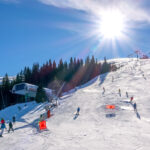
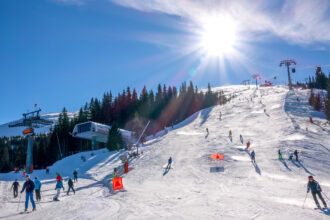
During winter, the area becomes a major destination for skiing, snowboarding and other snow-based activities. Several ski slopes operate around Štrbské Pleso, ranging from beginner-friendly pistes to more advanced terrain. The combination of snow-covered forests, mountain scenery and relatively affordable prices makes the resort particularly attractive compared with many better-known Alpine destinations in Austria or Switzerland.
In summer, the focus shifts toward hiking, mountain walking and scenic outdoor activities. Numerous marked trails begin directly from the resort area, allowing travellers to explore lakes, waterfalls and mountain viewpoints without needing additional transport. Some routes are relatively gentle and suitable for casual walkers, while others climb deeper into the Tatras toward more demanding alpine terrain.
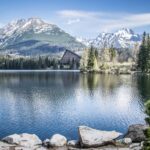
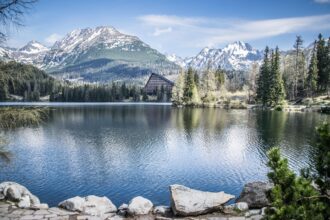
One of the highlights of the resort is the famous Štrbské Pleso lake itself. Surrounded by mountains and forests, the lake creates one of the most recognisable landscapes in Slovakia. Walking paths circle the shoreline, making it an easy activity even for visitors not planning major hikes into the mountains. Reflections of the surrounding peaks often create particularly impressive photography opportunities during calm weather and early morning light.
The resort also contains hotels, cafés, mountain restaurants and tourist facilities that make it easy to spend several hours or even multiple days exploring the area. Because of the direct railway access, many travellers visit without needing a car, helping preserve the calm alpine atmosphere that makes the resort feel so distinctive compared with more traffic-heavy mountain destinations elsewhere in Europe.
Tatra Electric Railway Connections and Other Mountain Railways
One of the biggest strengths of the High Tatras railway network is that the cog railway connects directly into the wider Tatra Electric Railway system. This allows travellers to continue exploring large areas of the mountains entirely by rail after arriving at Štrbské Pleso.
The electric railway network links several major mountain settlements across the Tatras, including Starý Smokovec, Tatranská Lomnica and other smaller resorts and hiking gateways. The trains themselves feel more like a hybrid between trams and mountain railways, winding through forests, valleys and alpine villages beneath the surrounding peaks.
For travellers exploring the mountains without a car, these railway connections are extremely useful. It becomes possible to arrive from Bratislava or Poprad, transfer onto the cog railway and then continue across much of the High Tatras using mountain rail services alone. Few mountain regions in Europe offer such an integrated and affordable public transport system within alpine terrain.
The wider Slovak railway landscape also contains several additional historic mountain and narrow-gauge railways. The Čiernohronská Railway near Banská Bystrica operates as a preserved forest railway and remains one of Slovakia’s best-known heritage rail attractions. Another notable line is the Orava Forest Railway, which passes through scenic northern Slovak landscapes and preserves part of the country’s industrial forestry history.
Together, these routes help establish Slovakia as one of the most underrated railway destinations in Central Europe. While neighbouring countries often dominate rail tourism discussions, Slovakia quietly offers a combination of mountain railways, historic narrow-gauge lines, scenic alpine routes and relatively low costs that remain surprisingly underappreciated internationally.
Is the High Tatras Cog Railway Included with Interrail?
For travellers exploring Europe by train, the High Tatras cog railway can fit surprisingly well into a wider Interrail journey across Central Europe. Slovakia itself remains one of the continent’s most underrated rail destinations, with scenic mountain routes, affordable ticket prices and relatively straightforward train travel throughout the country.
The main long-distance rail services reaching Štrba are generally covered by Interrail passes, making it easy for pass holders to reach the mountains from cities including Bratislava, Košice and international destinations in neighbouring countries. This makes the High Tatras an attractive addition to wider itineraries through Slovakia, Poland, Hungary and the Czech Republic.
Coverage on the actual Štrba Rack Railway and wider Tatra Electric Railway network can vary depending on current Interrail agreements and local railway rules. Some services may require separate local tickets even when long-distance Slovak rail travel is included within the pass. Travellers should always confirm the latest conditions before travelling.
Even when supplementary tickets are required, prices are usually relatively low compared with mountain railways elsewhere in Europe. This means the High Tatras remain highly attractive for budget-conscious Interrail travellers looking for alpine scenery without Swiss-level costs.
The railway also works especially well as part of a broader Central European rail itinerary. Travellers can combine the Tatras with routes through Prague, Vienna, Budapest and Kraków, creating one of the most scenic and underrated rail loops in the region.

Photography Tips and Best Viewpoints
The High Tatras cog railway offers excellent photography opportunities throughout the journey, particularly for travellers interested in mountain landscapes, railway photography and dramatic alpine weather conditions. Because the line passes through forests, steep gradients and open mountain scenery, conditions can change rapidly depending on season, altitude and time of day.
Winter is often considered the most atmospheric time for photography along the route. Snow-covered forests, drifting mountain fog and white-covered tracks create dramatic scenes that feel distinctly alpine despite Slovakia’s lower international profile compared with neighbouring mountain destinations. Early morning services can be especially rewarding when mist hangs between the peaks around Štrbské Pleso.
Summer photography focuses more heavily on green mountain scenery, hiking landscapes and views across the wider High Tatras region. Clear weather often reveals sharp ridgelines and dramatic panoramas above the forests, while the lake at Štrbské Pleso becomes one of the area’s best photography locations thanks to reflections of the surrounding mountains.
Some of the best railway photography opportunities occur along the upper sections of track where the train curves through heavily forested mountainsides. The combination of electric mountain trains, rack railway infrastructure and alpine scenery creates images that feel very different from ordinary European rail travel. Travellers interested in capturing the trains themselves often prefer slightly overcast conditions, which can add depth and atmosphere to the mountain landscapes.
Photographers planning a dedicated visit should also remember that mountain weather changes quickly in the Tatras. Conditions can shift from sunshine to fog or snowfall within short periods, particularly during colder months. While this unpredictability can sometimes limit visibility, it also creates many of the dramatic conditions that make the railway so visually memorable.

Rupert’s Handy Travel Tips
The High Tatras cog railway may only be a short journey, but it delivers some of the most memorable mountain scenery in Slovakia. Rupert recommends slowing down, enjoying the views and using the railway as part of a wider adventure through the High Tatras.
- Choose your seat carefully because the best mountain and valley views often appear during the climb toward Štrbské Pleso.
- Winter creates the most atmospheric journeys with snow-covered forests, mountain fog and dramatic alpine scenery surrounding the railway.
- Allow extra time at Štrbské Pleso so you can walk around the famous mountain lake and enjoy the hiking trails and viewpoints nearby.
- Use the wider Tatra Electric Railway network to continue toward destinations including Starý Smokovec and Tatranská Lomnica without needing a car.
- Carry an extra layer even in summer because weather conditions in the High Tatras can change extremely quickly at higher elevations.
Want to meet the reindeer behind our travel tips? Find out more in our page Who is Rupert?.
Frequently Asked Questions About the High Tatras Cog Railway
Is the High Tatras cog railway worth riding?
Yes, the High Tatras cog railway is one of the most scenic railway journeys in Slovakia and provides a unique way to reach the mountains without needing a car. The combination of steep mountain gradients, forest scenery and views around Štrbské Pleso makes the route memorable even for travellers who are not normally railway enthusiasts.
How long is the cog railway journey?
The journey between Štrba and Štrbské Pleso is relatively short, usually taking around 15 minutes depending on the service. Despite the short duration, the steep climb and changing scenery make the ride feel far more dramatic than many longer railway routes.
Can you visit the High Tatras without a car?
Yes, the wider Tatra Electric Railway network makes it surprisingly easy to explore the High Tatras entirely by public transport. Travellers can arrive by long-distance train, transfer onto the cog railway and continue deeper into the mountains using connecting electric trains.
Is the railway included with Interrail?
Long-distance Slovak rail services reaching Štrba are generally covered by Interrail, although local mountain railway coverage can vary depending on current agreements. Travellers should always confirm the latest ticket rules before travelling.
When is the best time to ride the railway?
The route operates throughout the year and offers very different scenery depending on the season. Winter brings snow-covered forests, ski scenery and dramatic mountain weather, while summer provides clearer panoramic views, hiking access and greener landscapes across the Tatras.
Further Reading & Related Guides
Travellers enjoying the High Tatras cog railway will usually find themselves wanting to explore more of the spectacular mountain railways, alpine scenery and scenic train journeys hidden across Slovakia. The wider High Tatras region contains one of the most underrated mountain transport networks in Central Europe, making it ideal for deeper rail and outdoor adventures.
If you want to continue exploring the wider mountain rail network, our upcoming Tatra Electric Railway Guide explains how to travel between resorts including Starý Smokovec, Tatranská Lomnica and Štrbské Pleso entirely by train. Travellers planning a longer stay in the mountains should also read our full High Tatras Travel Guide, covering hiking trails, mountain lakes, scenic viewpoints and year-round activities across the Tatras.
Rail travellers exploring the country with a pass should also see our Interrail Slovakia Guide, which explains how to use Interrail across Slovak rail routes and scenic mountain connections. During winter, our dedicated Slovakia Ski Guide explores the country’s best-value ski resorts, winter transport options and snow destinations beyond the better-known Alpine countries.
For travellers needing reliable mobile data in the mountains, our guide to the best eSIMs explains how to stay connected across the High Tatras without relying on expensive roaming charges or physical SIM cards.