Reviewed by our editorial team Updated
Why Malta Is One of Europe’s Most Fascinating War History Destinations
Malta is one of Europe’s most extraordinary destinations for military history, combining centuries of warfare, massive fortifications, underground infrastructure, and wartime survival stories across a remarkably compact group of islands. Few places in the Mediterranean reveal their military past as visibly or as dramatically as Malta.
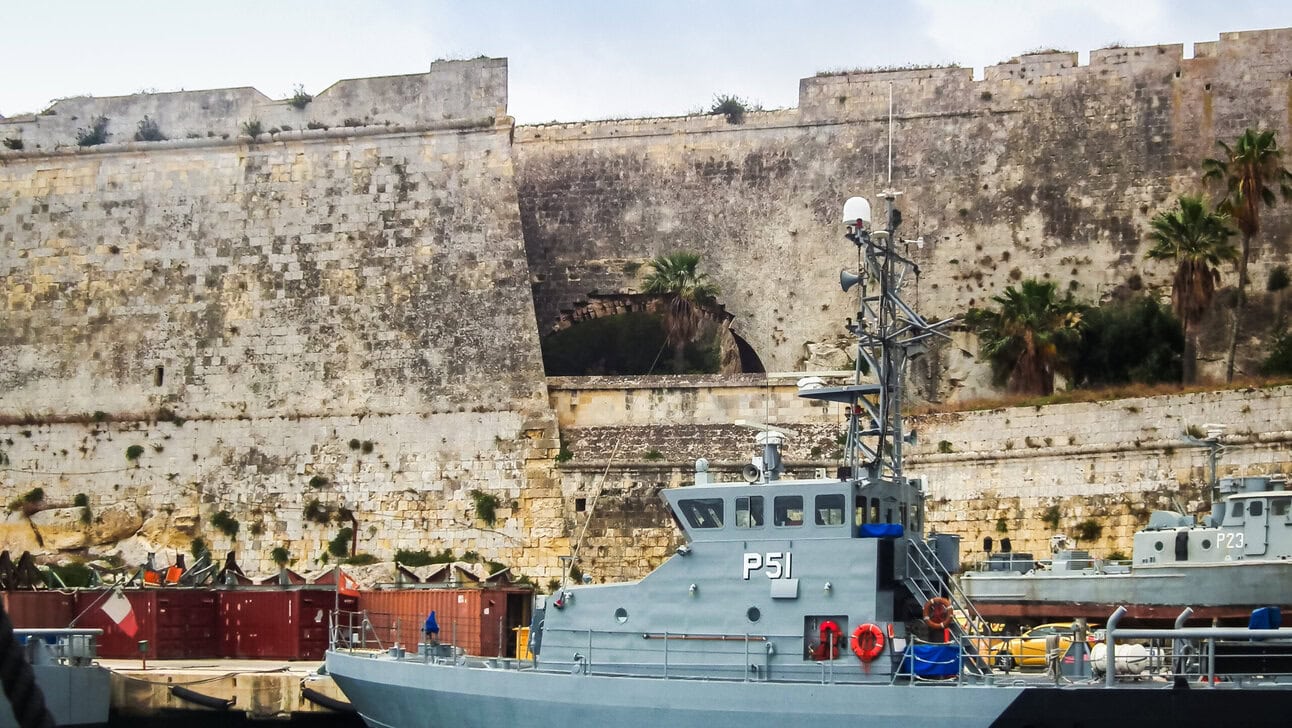
What makes Malta especially unique is that its war history is not hidden away inside a handful of museums. Instead, it shapes the entire landscape. Huge defensive walls dominate the skyline around Valletta and the surrounding harbours, military tunnels run beneath residential streets, old gun batteries overlook the sea, and wartime shelters remain carved deep into the rock below towns and cities.
Walking through Valletta, Birgu, Senglea, or Cospicua feels very different from visiting most historic European cities because the military infrastructure still dominates the environment. Massive bastions, fortified gateways, defensive walls, dockyards, and harbour defences constantly remind visitors how strategically important Malta once was.
The islands played a defining role during World War II. Positioned between Europe and North Africa, Malta became critical to Allied naval operations and Mediterranean supply routes. Axis bombing campaigns devastated the islands, turning Malta into one of the most heavily bombed places anywhere in the world during the war. Civilians spent huge amounts of time underground inside shelters and tunnels while cities above them were repeatedly attacked.
Many of these underground spaces still survive today. Visitors can explore preserved air raid shelters, wartime command centres, military tunnels, and underground operations rooms that reveal how the islands functioned during constant bombardment.
Malta’s military story stretches back much further than the twentieth century. The famous Great Siege of Malta in 1565 saw the Knights of St John defend the islands against the Ottoman Empire in one of the Mediterranean’s most important historical conflicts. The siege shaped the future of the islands and directly influenced the construction of fortified Valletta, whose enormous bastions and defensive systems still surround the capital today.
Later, Malta became one of the British Empire’s most important naval bases. Huge dockyards, coastal batteries, military headquarters, and harbour defence systems developed across the islands during British rule. Many of these structures remain visible today, blending into modern Malta in surprisingly dramatic ways.
What makes Malta especially compelling for travellers interested in war history tourism is the density of surviving sites. Within a relatively small area, visitors can explore underground war rooms, siege fortifications, military museums, defensive tunnels, naval infrastructure, abandoned military structures, and harbour fortresses that span several centuries of conflict.
The result is a destination where military history feels deeply woven into the everyday environment. In Malta, war history is not simply something displayed behind glass. It surrounds the streets, harbours, tunnels, and skylines of the islands themselves.
Quick Overview of Malta’s Military & Wartime History
The military history of Malta stretches across thousands of years, but the islands became especially important during the periods of the Knights of St John, the British Empire, and World War II. Positioned at the centre of the Mediterranean, Malta controlled key sea routes between Europe, North Africa, and the Middle East, making it one of the most strategically valuable locations in the region.
The islands’ military importance increased dramatically after the arrival of the Knights of St John in the sixteenth century. Following the famous Great Siege of Malta in 1565, the Knights transformed the islands into one of the strongest fortified territories in Europe. Huge defensive walls, bastions, forts, watchtowers, and harbour defences were constructed around Valletta and the surrounding harbour areas to protect against future invasion.
Many of these fortifications still dominate Malta’s skyline today. Walking around Valletta, Birgu, or Senglea means moving through military architecture built specifically to withstand siege warfare and naval attack.
During the nineteenth and early twentieth centuries, Malta became one of the British Empire’s most important naval strongholds. The islands served as a major Royal Navy base, supporting British military operations throughout the Mediterranean. Large dockyards, barracks, military hospitals, tunnels, and coastal artillery systems expanded across the islands during British rule.
Malta’s most famous wartime period came during World War II. Between 1940 and 1942, the islands faced relentless bombing by German and Italian forces attempting to destroy Allied operations in the Mediterranean. Malta endured thousands of air raids, with entire districts heavily damaged or destroyed.
The civilian population survived much of the bombing campaign by sheltering underground inside tunnels and rock-cut air raid shelters. Extensive underground systems developed beneath cities and towns, many of which remain preserved today.
Malta’s resistance during the war became internationally famous. In 1942, King George VI awarded the entire island the George Cross for bravery, an honour still displayed on the Maltese national flag today.
Today, Malta’s wartime infrastructure remains remarkably visible. Visitors can explore underground command centres such as Lascaris War Rooms, huge harbour fortifications including Fort St Elmo, air raid shelters beneath cities, military museums, naval dockyards, and defensive systems that span several centuries of conflict.
Few destinations in Europe combine so many layers of military history within such a small area, making Malta one of the continent’s strongest destinations for travellers interested in war history, underground infrastructure, and dark tourism.
Browse hotels and accommodation for your visit to Malta.
View staysExplore holiday homes and apartments around Malta.
See holiday homesSee hotel prices from multiple booking sites in one search.
Compare ratesThe Great Siege of Malta
The Great Siege of Malta in 1565 remains one of the most important military events in Mediterranean history and one of the defining moments in the story of Malta itself. The siege saw the Ottoman Empire attempt to capture Malta from the Knights of St John, who had established themselves on the islands after being forced from Rhodes earlier in the century.
At the time, control of Malta carried enormous strategic importance. Sitting in the centre of the Mediterranean, the islands acted as a military and naval base capable of disrupting Ottoman expansion and threatening shipping routes between Europe and North Africa.
The Ottoman invasion force arrived in May 1565 with tens of thousands of troops supported by a huge fleet. Facing them were only a few thousand defenders, including the Knights, Maltese fighters, and local militia forces commanded by Grand Master Jean Parisot de Valette, whose leadership would later become legendary.
The fighting during the siege was brutal. Massive artillery bombardments targeted Malta’s fortifications, while repeated assaults attempted to overwhelm the island’s defensive positions. Some of the fiercest combat centred around Fort St Elmo, which became one of the most famous defensive battles of the siege.
Although Fort St Elmo eventually fell after intense fighting, the defenders delayed Ottoman progress long enough for the remaining fortifications around Birgu and Senglea to prepare for prolonged resistance.
For months, Malta endured siege warfare, bombardment, disease, shortages, and continuous attack. Yet despite overwhelming odds, the defenders held out until relief forces from Sicily finally arrived in September 1565, forcing the Ottoman withdrawal.
The victory transformed Malta’s future. Following the siege, the Knights began constructing the heavily fortified city of Valletta, named after Grand Master de Valette himself. The city was designed specifically as a military fortress, with huge bastions, defensive walls, underground systems, and fortified harbours intended to prevent another invasion.
Today, the legacy of the Great Siege remains visible throughout Malta. Visitors can explore surviving fortifications, defensive walls, siege-era tunnels, museums, and harbour defences that still shape the islands’ appearance centuries later.
For travellers interested in military history, the Great Siege provides the foundation for understanding why Malta became one of Europe’s most heavily fortified and strategically important islands.
Malta During World War II
Few places suffered as intensely during World War II as Malta. Positioned between Europe and North Africa, the islands became critically important to Allied naval operations and supply routes across the Mediterranean. As a result, Malta faced relentless bombing campaigns by German and Italian forces attempting to destroy the islands’ military infrastructure and force surrender.
Between 1940 and 1942, Malta endured thousands of air raids. Cities, dockyards, military facilities, and civilian districts came under near-constant attack. Entire areas of Valletta and the surrounding harbour districts suffered major destruction, while civilians spent huge amounts of time sheltering underground.
The scale of bombardment was extraordinary. At certain points during the siege, Malta became one of the most heavily bombed places anywhere in the world. Food shortages, fuel shortages, and damaged infrastructure pushed the islands close to collapse.
Survival depended heavily on Malta’s underground shelter systems. Across the islands, huge networks of tunnels and shelters were carved directly into the rock beneath towns and cities. These underground spaces protected civilians during air raids and became a central part of everyday wartime life.
At the same time, Malta’s harbours and military facilities remained essential to Allied operations. British submarines, naval forces, and aircraft operating from Malta targeted Axis shipping routes supplying forces in North Africa, making the islands strategically vital despite the destruction.
One of the most important wartime locations today is Lascaris War Rooms. Hidden deep beneath Valletta, these underground command centres coordinated military operations across the Mediterranean and played a major role in planning Operation Husky, the Allied invasion of Sicily.
Malta’s resistance during the war became internationally recognised. In 1942, King George VI awarded the entire population of Malta the George Cross for bravery and endurance during the siege. The honour remains one of the most significant symbols of Malta’s wartime identity and still appears on the national flag today.
Today, visitors can still see wartime damage, preserved shelters, military tunnels, harbour defences, anti-aircraft positions, and museums dedicated to Malta’s WWII experience across the islands. The war remains deeply embedded in Malta’s identity, making the country one of Europe’s most important destinations for travellers interested in World War II history and wartime survival.
Major War History Attractions in Malta
Before exploring Malta’s military history in depth, it helps to understand where the islands’ major war-related attractions are located and what type of experience each site offers. One of the advantages of Malta is how many important military sites sit within relatively short distances of each other, especially around the fortified harbour regions.
| Attraction | Location | Main Historical Period | Approximate Entry Cost | Highlights |
|---|---|---|---|---|
| Lascaris War Rooms | Valletta | World War II | Around €20 (£17 / $23) | Underground Allied command centre, operations rooms, wartime tunnels |
| Fort St Elmo & The National War Museum | Valletta | 1565 Siege to WWII | Around €10 (£9 / $12) | George Cross, siege history, wartime artefacts, harbour fortifications |
| WWII Air Raid Shelters | Rabat | World War II | Around €5–€8 (£4–£7 / $6–$9) | Underground civilian shelters, wartime tunnels, survival history |
| Fort Rinella | Kalkara | British Empire | Around €14 (£12 / $16) | 100-ton Armstrong Gun, harbour defence systems |
| Manoel Island & Fort Manoel | Near Sliema | Knights & British Era | Exterior access often free | Harbour fortifications, military architecture, abandoned atmosphere |
| Saluting Battery | Valletta | Knights Era onwards | Around €3 (£3 / $3) | Cannon firing demonstrations, harbour views |
| Malta Aviation Museum | Ta’ Qali | World War II | Around €9 (£8 / $10) | RAF Malta history, wartime aircraft, aviation artefacts |
| Rotunda of Mosta | Mosta | World War II | Around €5 (£4 / $6) | Famous WWII bomb miracle, damaged dome, wartime survival story |
| Victoria Lines | Central Malta | British Era | Free | Defensive walls, military walking routes, panoramic viewpoints |
| Harbour Fortifications & Bastions | Valletta & Three Cities | Knights to WWII | Mostly free | Massive defensive walls, naval infrastructure, siege architecture |
| Dockyard Areas & Naval Heritage Sites | Birgu & harbour districts | British Naval Era & WWII | Mostly free | Naval dockyards, wartime harbour districts, maritime military history |
Many of these attractions combine naturally into a single itinerary because Malta’s military infrastructure is heavily concentrated around the Grand Harbour region. Visitors can often explore underground tunnels, siege fortifications, wartime museums, and harbour defences within the same day.
While some attractions operate as formal museums with fixed opening hours, others such as the Victoria Lines, harbour bastions, and sections of the old fortification systems can be explored independently and at no cost. This makes Malta particularly good for travellers who want a mix of structured museums and free historical exploration.
Lascaris War Rooms
Hidden deep beneath the bastions of Valletta, Lascaris War Rooms is one of the most important underground military sites anywhere in the Mediterranean and one of the strongest wartime attractions in Malta.
Constructed within a complex network of underground tunnels beneath Valletta, the war rooms became the operational heart of Allied military activity in the Mediterranean during World War II. From these hidden chambers, British commanders coordinated naval operations, air defence, convoy protection, submarine missions, and major Allied offensives across the region.
The location itself was carefully chosen for protection. Buried deep underground beneath thick layers of rock and defensive fortifications, the complex was designed to survive sustained bombing during Malta’s brutal wartime siege. Above ground, Valletta faced repeated air raids and destruction, while below the surface military personnel worked continuously inside protected command centres.
One of the most historically significant moments connected to the war rooms was the planning of Operation Husky, the Allied invasion of Sicily in 1943. The operation marked a major turning point in the Mediterranean campaign and helped pave the way for Allied advances into mainland Europe.
Today, visitors descend underground into preserved tunnels, operations rooms, communications areas, map rooms, and command centres that still feel remarkably authentic. The atmosphere inside the complex is one of the strongest aspects of the experience. Narrow corridors, low ceilings, dim lighting, original equipment, and enclosed underground spaces create a genuine sense of stepping back into wartime Malta.
Particularly fascinating are the restored operations rooms, where enormous wall maps tracked Allied and Axis naval movements across the Mediterranean. These rooms reveal the scale of military coordination taking place beneath Valletta while bombing raids continued above ground.
The war rooms also demonstrate Malta’s extraordinary strategic importance during the war. Despite its small size, the island became central to Allied control of Mediterranean shipping routes and military operations against Axis supply lines.
For travellers interested in World War II history, underground infrastructure, command bunkers, or military planning, Lascaris is arguably Malta’s most important historical attraction. It combines atmosphere, authenticity, and historical importance in a way few wartime museums manage to achieve.
Because the site sits directly beneath central Valletta, it is also extremely easy to combine with nearby military attractions such as Fort St Elmo, the Upper Barrakka Gardens, harbour fortifications, and the city’s wider defensive network.
The National War Museum at Fort St Elmo
Standing at the tip of the Valletta peninsula, Fort St Elmo is one of Malta’s most important military landmarks and home to the country’s outstanding National War Museum. Few sites better explain the islands’ military history, from the age of the Knights of St John through to World War II and the modern era.
The fort itself is historically significant long before visitors even enter the museum. During the Great Siege of Malta in 1565, Fort St Elmo became the scene of some of the fiercest fighting on the islands. The defenders held out against overwhelming Ottoman attacks for weeks, delaying the invasion long enough for the rest of Malta’s defensive network to prepare for continued resistance.
Although the original fort suffered catastrophic damage during the siege, it was later rebuilt and expanded into the powerful harbour fortress visitors see today. Positioned between Malta’s two great natural harbours, the fort controlled access to Valletta and formed a central part of the island’s defensive system for centuries.
Inside the National War Museum, visitors move chronologically through Malta’s military story. Exhibits cover the Great Siege, British military rule, naval history, wartime aviation, civilian survival during bombing campaigns, and the strategic importance of Malta during World War II.
One of the museum’s most famous artefacts is the actual George Cross awarded to the people of Malta by King George VI during WWII. The medal became one of the defining symbols of Maltese resistance during the Axis siege and remains displayed on Malta’s national flag today.
The WWII galleries are particularly powerful. Visitors encounter military equipment, wartime photographs, uniforms, air raid artefacts, naval exhibits, and detailed explanations of the bombing campaigns that devastated the islands during the war.
Beyond the museum itself, Fort St Elmo offers some of the most spectacular views anywhere in Malta. Massive stone ramparts overlook the Grand Harbour, Marsamxett Harbour, and Valletta’s defensive skyline, helping visitors understand why Malta became such an important strategic military location.
The fort also works exceptionally well as part of a wider military history itinerary around Valletta. Lascaris War Rooms, harbour fortifications, military tunnels, and the old dockyard districts all sit nearby, allowing travellers to explore several centuries of Maltese military history within a relatively small area.
For travellers interested in military architecture, wartime history, harbour defence systems, or Mediterranean conflict history, Fort St Elmo is one of Malta’s absolute must-visit attractions.
Underground Air Raid Shelters in Malta
One of the most haunting parts of visiting Malta is discovering the huge network of underground air raid shelters carved beneath towns and cities during World War II. These shelters became essential to civilian survival during the relentless Axis bombing campaigns that devastated the islands between 1940 and 1942.
At the height of the siege, air raid sirens became part of everyday life. Bombing raids struck repeatedly across Valletta, the harbour districts, dockyards, and residential neighbourhoods, forcing civilians underground for protection.
Because Malta’s geology consists largely of soft limestone, extensive tunnel systems could be excavated directly into the rock. Across the islands, entire underground shelter networks developed beneath homes, streets, churches, and public buildings.
Today, several of these shelter systems remain preserved and open to visitors. Some of the most impressive can be found beneath Rabat, where large underground complexes reveal just how extensive Malta’s civilian shelter system became during the war.
Walking through these underground passages gives visitors a very different perspective compared with military museums or battlefield sites. Conditions inside the shelters were cramped, dark, humid, and psychologically exhausting. Entire families often spent long periods underground while bombing continued above them.
Many preserved shelters still contain wartime features such as sleeping areas, ventilation systems, benches, emergency signs, water storage areas, and carved family spaces inside the rock walls. Some tunnels stretch surprisingly far beneath the surface, creating underground labyrinths hidden beneath ordinary streets.
What makes Malta’s shelters especially powerful is the knowledge that they were genuinely essential for survival. Unlike some wartime infrastructure built mainly as precautionary measures, these shelters were heavily used during one of the Mediterranean’s most intense bombing campaigns.
The atmosphere underground can feel remarkably emotional and claustrophobic. Low ceilings, narrow corridors, dim lighting, and enclosed chambers help visitors understand the fear and uncertainty civilians experienced during wartime Malta.
For travellers interested in dark tourism, civilian wartime history, underground infrastructure, or World War II survival stories, Malta’s air raid shelters provide some of the islands’ most immersive and emotionally powerful historical experiences.
Compare routes and fares for your journey to Malta.
Compare flightsChoose an Airalo eSIM and arrange mobile data before you arrive.
Browse eSIMsCheck private pickup options and plan your onward journey before arrival.
View transfersThe Victoria Lines & Defensive Fortifications
Stretching across northern Malta, the Victoria Lines form one of the islands’ most impressive and overlooked pieces of military engineering. Often described as Malta’s “Great Wall,” this vast defensive system cuts across the landscape using cliffs, fortified walls, watch positions, and defensive strongpoints designed to slow any invasion force advancing across the island.
The defensive line largely developed during the period of British rule in the nineteenth century, although parts incorporated much older fortifications and defensive positions. British military planners recognised the strategic vulnerability of northern Malta and created the Victoria Lines to defend key harbour regions and populated areas further south.
The fortification system stretches for roughly twelve kilometres across rugged terrain, linking natural defensive cliffs with man-made walls, forts, gun positions, and military observation points. Rather than functioning as one continuous wall, the system used Malta’s geography itself as part of the defence strategy.
Today, the Victoria Lines have become one of Malta’s most interesting military history walking routes. Visitors can follow sections of the old fortifications across dramatic countryside landscapes while exploring abandoned military positions and defensive structures that remain far less crowded than Malta’s main tourist attractions.
The route offers a completely different perspective on Malta’s military history compared with the underground tunnels and wartime sites around Valletta. Instead of enclosed command centres and urban fortifications, the Victoria Lines reveal how military planners used open landscapes, ridgelines, cliffs, and elevated terrain to defend the island.
Many sections provide spectacular panoramic views across Malta’s countryside, coastal regions, and distant settlements, helping visitors understand the strategic importance of controlling the island’s high ground and defensive approaches.
Along the route, travellers encounter old military stairways, fortified gateways, ruined barracks, observation posts, defensive walls, and abandoned structures slowly being reclaimed by nature. This combination of military history, isolation, and rugged scenery gives the area a unique atmosphere compared with Malta’s busier harbour districts.
The Victoria Lines also demonstrate how Malta’s military history extends far beyond World War II alone. While many visitors focus heavily on wartime tunnels and bombing history, the lines reveal the longer story of how multiple powers fortified Malta over centuries due to its strategic Mediterranean position.
Although less famous than attractions such as Lascaris War Rooms or Fort St Elmo, the Victoria Lines provide one of the best opportunities anywhere in Malta to experience large-scale historic defensive infrastructure outside the main urban centres.
Fort Rinella & Malta’s Coastal Defences
On the eastern coastline of Malta, overlooking the approaches to the Grand Harbour, Fort Rinella stands as one of Malta’s most fascinating coastal defence sites and one of the clearest reminders of the islands’ strategic military importance during the age of the British Empire.
Constructed in the nineteenth century by the British, the fort formed part of a wider network of coastal defences designed to protect Malta’s harbours from naval attack. During this period, Malta had become one of the Royal Navy’s most important Mediterranean strongholds, and protecting the harbour approaches was considered absolutely essential.
Fort Rinella is best known for housing one of the largest cannons ever built, the enormous 100-ton Armstrong Gun. This massive artillery piece was designed to counter heavily armoured warships entering the Mediterranean during a period of rapidly evolving naval technology. Even today, the scale of the gun remains astonishing, giving visitors a clear sense of the military engineering race taking place between naval powers during the nineteenth century.
The gun itself could fire shells weighing close to a tonne across huge distances, making it one of the most powerful coastal weapons of its era. Seeing the cannon in person is one of the highlights of visiting the fort because photographs rarely capture its true scale.
Beyond the famous gun, the fort itself reveals how seriously Malta’s harbour defences were taken. Thick defensive walls, underground ammunition areas, gun emplacements, and military infrastructure surround the site, all positioned to command the approaches into the harbour.
The views from Fort Rinella are also spectacular. Looking across the water toward Valletta and the surrounding harbour fortifications helps visitors understand how heavily defended this section of Malta once was. Huge defensive systems protected nearly every angle of approach.
What makes Fort Rinella particularly interesting is how it connects Malta’s different military eras together. While many visitors focus heavily on World War II, the fort demonstrates how Malta’s strategic importance stretched across centuries, evolving alongside naval warfare and imperial competition.
The surrounding area near Kalkara also contains additional military structures, harbour defences, and wartime infrastructure that can easily be combined into a wider historical itinerary around the Grand Harbour region.
For travellers interested in coastal fortifications, naval warfare, military engineering, or British imperial history, Fort Rinella offers one of the most distinctive military attractions anywhere in Malta.
The Miracle of Mosta & Malta’s Wartime Survival
One of the most famous wartime stories anywhere in Malta took place inside Rotunda of Mosta during World War II and remains deeply woven into Malta’s national identity today.
Known internationally as the Miracle of Mosta, the event occurred on 9 April 1942 during one of Malta’s devastating Axis bombing raids. At the time, hundreds of local residents had gathered inside the church for mass while bombing continued across the islands.
During the raid, a large German bomb crashed directly through the dome of the church and fell into the crowded building below.
Remarkably, the bomb failed to explode.
Given the size of the congregation and the scale of the weapon, the consequences could have been catastrophic. Instead, everyone inside survived. For many Maltese people, the event became seen as miraculous and remains one of the most emotionally significant civilian survival stories from Malta’s wartime experience.
Today, visitors to the Mosta Rotunda can still see references to the event inside the church. A replica of the unexploded bomb is displayed within the building, while damage and repairs connected to the wartime incident remain part of the site’s historical identity.
The church itself is also architecturally impressive. Its enormous dome dominates the skyline around Mosta and remains one of the largest unsupported domes anywhere in Europe.
What makes the story particularly powerful within the context of Malta’s war history is how clearly it reflects the civilian experience of the wartime siege. While sites such as Lascaris War Rooms focus on military operations and strategy, the Miracle of Mosta reveals the fear, uncertainty, and vulnerability faced by ordinary civilians during constant bombing campaigns.
The event also connects closely to Malta’s wider wartime identity and the resilience that ultimately led to the islands receiving the George Cross for bravery during the war.
For travellers interested in wartime survival stories, civilian history, or emotionally significant historical sites, the Mosta Rotunda provides one of Malta’s most memorable and human wartime experiences.

Manoel Island & Fort Manoel
Sitting between Gżira and Sliema in Marsamxett Harbour, Manoel Island combines military history, harbour defence, plague history, and abandoned infrastructure in one of Malta’s most visually striking locations. Dominating the island is the impressive Fort Manoel, one of the finest surviving examples of eighteenth-century military architecture in the Mediterranean.
The fort was constructed by the Knights of St John during the early eighteenth century as part of Malta’s expanding harbour defence system. Positioned strategically within the harbour itself, the fort helped defend the approaches to Valletta and the surrounding naval infrastructure.
Built in a distinctive star-shaped design typical of the era, Fort Manoel reflected the military engineering principles that dominated European fortification design following centuries of siege warfare. Thick walls, angled bastions, defensive courtyards, and protected firing positions allowed the fort to withstand artillery attack while controlling the harbour approaches.
What makes Manoel Island particularly fascinating is how many different historical layers exist within such a small area. Before the construction of the fort, the island had connections to quarantine and plague isolation systems linked to Malta’s maritime trade networks. Later, the British military also used the island and surrounding harbour infrastructure during their occupation of Malta.
During World War II, the fort suffered heavy bombing damage as Malta endured sustained Axis attacks. Parts of the structure were badly damaged, and the surrounding harbour area became deeply connected to Malta’s wartime story.
Today, the island has an unusual atmosphere compared with many of Malta’s more polished tourist areas. Large parts feel semi-abandoned, with old military structures, weathered stone walls, harbour views, and quiet roads creating a distinctive environment that appeals strongly to travellers interested in hidden history and atmospheric locations.
The fort itself has undergone restoration in recent years and has also gained international attention through film and television appearances. Even so, much of the surrounding island still retains an isolated, slightly forgotten atmosphere compared with central Valletta. In May 2026 the whole of Manoel Island was formally returned to public ownership after the developer’s long-running concession was surrendered, and responsibility for the site passed to Heritage Malta, which is preparing it as a public national park. Access and visitor facilities are therefore likely to change over the next few years.
One of the highlights of visiting Manoel Island is the perspective it gives across the harbour toward Valletta’s massive defensive skyline. From here, visitors can fully appreciate the scale of Malta’s fortification network and understand how the islands functioned as a giant military stronghold for centuries.
For travellers interested in harbour fortifications, hidden historical locations, military architecture, or atmospheric abandoned spaces, Manoel Island offers one of the most visually distinctive war-related sites in Malta.
The Saluting Battery & Harbour Defences
Overlooking the spectacular Grand Harbour beneath Valletta, Saluting Battery forms one of Malta’s oldest surviving artillery positions and one of the best places to understand how the islands defended their harbours for centuries.
Originally established by the Knights of St John in the sixteenth century, the battery served both ceremonial and defensive functions. Positioned high above the harbour, the guns commanded a strategic view across the water, allowing defenders to monitor and protect one of the Mediterranean’s most important naval locations.
For centuries, control of the Grand Harbour meant control of Malta itself. The harbour’s deep natural anchorage made it one of the finest naval bases in the Mediterranean, attracting military powers ranging from the Knights to the British Empire. As a result, the surrounding fortifications became some of the heaviest defensive systems anywhere in Europe.
The Saluting Battery worked alongside nearby fortifications including Fort St Elmo and the huge defensive walls surrounding Valletta. Together, these positions created overlapping harbour defences designed to prevent naval attack or invasion.
Today, the battery remains one of the most atmospheric military sites in Malta. Historic cannons line the terrace overlooking the harbour while visitors enjoy panoramic views across the dockyards, fortified cities, naval infrastructure, and defensive bastions that define the harbour skyline.
The site also demonstrates how military architecture and everyday life blend together throughout Malta. Directly beside major tourist areas, cafés, and public viewpoints sits a historic artillery position that once formed part of an active harbour defence network.
Daily cannon firing demonstrations help bring the site to life and provide visitors with a sense of how these batteries originally operated. The sound echoing across the harbour gives a surprisingly dramatic impression of Malta’s military past.
Beyond the battery itself, the surrounding harbour region contains layer upon layer of military history. Defensive walls, dockyards, tunnels, naval buildings, and wartime infrastructure stretch around nearly every section of the waterfront.
For travellers interested in harbour fortifications, artillery history, naval defence systems, or panoramic historical viewpoints, the Saluting Battery offers one of the best introductions to Malta’s military heritage.
RAF Malta & Aviation History
During World War II, Malta became one of the most important air defence positions in the Mediterranean, and the role of the Royal Air Force was critical to the islands’ survival. RAF airfields, fighter squadrons, radar systems, and anti-aircraft defences formed a major part of Malta’s wartime resistance against Axis bombing campaigns.
At the height of the siege, Malta faced continuous attacks from German Luftwaffe and Italian Regia Aeronautica aircraft attempting to destroy the islands’ military infrastructure and force surrender. Airfields became primary targets because controlling the skies above Malta was essential for both Axis and Allied operations.
Despite heavy bombardment, RAF pilots and ground crews continued operating under extremely difficult conditions. Aircraft were often repaired in emergency conditions while bombing raids continued nearby, and shortages of fuel, spare parts, and supplies created enormous operational pressure.
Several wartime airfields became famous during the conflict, including RAF Luqa, RAF Hal Far, and RAF Ta’ Qali. These bases supported fighter defence operations, reconnaissance flights, convoy protection, and attacks on Axis shipping moving between Europe and North Africa.
The story of Malta’s wartime aviation defence is closely connected to the islands’ wider survival during the siege. Successful RAF operations helped disrupt Axis supply lines and prevented complete enemy control of the Mediterranean region.
Today, traces of Malta’s aviation history remain visible across the islands. Former RAF infrastructure, wartime buildings, airfield remnants, memorials, and military museums help preserve the story of Malta’s air war experience.
The nearby Malta Aviation Museum is one of the best places to explore this history in greater detail. The museum contains restored wartime aircraft, aviation artefacts, RAF memorabilia, engines, uniforms, and exhibits focused heavily on Malta’s WWII air defence role.
For travellers interested in military aviation, RAF history, wartime engineering, or aerial warfare, Malta offers one of the Mediterranean’s strongest collections of Second World War aviation history.
Compare hostels and lower-cost places to stay in Malta.
Search hostelsGet help with compensation, eligible lounge access and disruption support.
Explore AirHelp+Use convenient luggage storage around Malta between arrival, check-in and departure.
Check storageMilitary Tunnels, Secret Infrastructure & Underground Malta
Beneath the streets of Malta lies an enormous hidden world of tunnels, shelters, military passages, underground command centres, and wartime infrastructure that many visitors never fully realise exists. In some parts of the islands, entire layers of military history remain concealed beneath the surface.
The underground systems beneath Valletta are particularly extensive. Over centuries, the islands’ strategic importance led successive powers to carve defensive tunnels, storage chambers, communications passages, and military infrastructure directly into the limestone beneath the fortified cities.
During World War II, these underground systems expanded dramatically. Continuous bombing raids forced both military operations and civilian survival underground. Command centres, emergency hospitals, air raid shelters, military communications hubs, and storage tunnels developed beneath towns and harbour districts across Malta.
One of the most important surviving examples is Lascaris War Rooms, hidden deep beneath Valletta’s bastions. However, Lascaris represents only a small part of Malta’s wider underground wartime infrastructure.
Throughout the harbour areas, hidden tunnels once connected military facilities, defensive positions, dockyards, storage areas, and command centres. Some passages were designed for protected troop movement during bombardment, while others functioned as emergency escape routes or secure communications corridors.
The dockyard regions around Birgu and Cospicua contain some of the most historically important underground infrastructure because these areas became major targets during wartime bombing campaigns. Huge sections of the population survived by sheltering inside rock-cut tunnels beneath the cities.
Even outside wartime infrastructure, underground Malta has a long military history. Fortifications often incorporated hidden magazines, protected artillery chambers, underground storage systems, and concealed defensive passages designed to strengthen the islands against siege warfare.
What makes Malta especially fascinating for travellers interested in underground infrastructure is how integrated these spaces remain within the modern environment. Beneath busy tourist streets, cafés, apartments, and public squares often sit layers of military tunnels and wartime shelters hidden below everyday life.
The atmosphere inside these underground spaces can be extremely powerful. Narrow corridors, low ceilings, exposed rock walls, ventilation shafts, and confined chambers create an immediate sense of the conditions faced by civilians and military personnel during periods of siege and bombardment.
For travellers interested in dark tourism, hidden infrastructure, wartime survival history, or underground military architecture, Malta offers one of the richest collections of accessible underground historical sites anywhere in Europe.
Wrecks, Harbours & Naval Warfare Sites
The history of Malta has always been closely tied to the sea. Positioned in the centre of the Mediterranean, the islands became one of Europe’s most strategically important naval strongholds, shaping centuries of maritime warfare, harbour defence, convoy operations, and naval conflict.
The enormous natural harbours surrounding Valletta formed the foundation of Malta’s military importance. The Grand Harbour and Marsamxett Harbour provided deep, protected anchorages capable of supporting huge naval fleets, making the islands attractive to military powers ranging from the Knights of St John to the British Royal Navy.
During World War II, Malta’s harbours became primary targets during Axis bombing campaigns. Dockyards, submarines, supply ships, naval facilities, and convoy routes all played critical roles in the Mediterranean conflict. Repeated air attacks caused major destruction across the harbour districts and left numerous wrecks both above and below the water.
Today, Malta has become internationally famous for its wartime wreck diving sites. Around the islands lie the remains of military aircraft, submarines, cargo vessels, naval ships, and wartime wrecks connected to both Allied and Axis operations.
Some wrecks are accessible only to experienced divers, but the wider maritime history remains visible even for non-divers exploring the harbour regions. Dry docks, naval warehouses, military slipways, old dockyard buildings, defensive sea walls, and harbour fortifications still dominate large sections of the waterfront.
The old dockyard districts around Birgu and Senglea remain particularly atmospheric because military infrastructure still blends directly into residential streets and modern waterfront areas.
Visitors can also explore the legacy of wartime convoy operations, which became vital to Malta’s survival during WWII. Convoys carrying food, fuel, and military supplies faced constant attack while attempting to reach the islands through heavily contested Mediterranean waters.
One of the most famous episodes was Operation Pedestal in 1942, when desperately needed supply convoys fought through intense Axis attacks to reach Malta and prevent starvation and collapse on the islands.
The maritime dimension of Malta’s war history helps explain why the islands became so fiercely contested throughout history. Control of Malta meant influence over Mediterranean trade routes, naval movements, and military logistics across the region.
For travellers interested in naval warfare, maritime infrastructure, harbour fortifications, or military shipping history, Malta’s harbours and wartime naval sites provide some of the Mediterranean’s richest military landscapes.
The George Cross & Malta’s Wartime Legacy
One of the most important symbols anywhere in Malta is the George Cross, awarded to the entire Maltese population during World War II in recognition of extraordinary bravery and endurance under relentless bombing and siege conditions.
In 1942, King George VI awarded the honour directly to the people of Malta following years of devastating Axis air raids, shortages, destruction, and civilian suffering. The award acknowledged the resilience shown by both civilians and military personnel during one of the harshest sustained bombing campaigns of the war.
The wording of the award became deeply significant in Maltese national identity:
“To honour her brave people I award the George Cross to the Island Fortress of Malta.”
Today, the George Cross still appears prominently on Malta’s national flag, making it one of the few places in the world where a civilian population’s wartime bravery remains permanently represented within national symbolism.
Understanding the George Cross helps visitors better understand the emotional importance of World War II in Malta today. The war is not viewed simply as distant military history. For many Maltese families, the wartime siege remains a deeply personal story passed through generations.
Large parts of the islands suffered destruction during the war. Historic buildings collapsed, dockyards burned, churches were damaged, homes were destroyed, and civilians spent huge periods living underground inside shelters while food shortages became increasingly severe.
Despite this, Malta never surrendered.
Today, wartime memory remains visible throughout the islands. Memorials, museums, preserved shelters, military cemeteries, plaques, damaged buildings, and commemorative monuments continue to mark the impact of the war across Malta’s cities and harbours.
One of the best places to explore this legacy further is The National War Museum at Fort St Elmo, where the original George Cross awarded to Malta is displayed.
For travellers interested in wartime resilience, civilian survival stories, and the human side of military history, Malta offers one of the most powerful and emotionally significant WWII experiences anywhere in Europe.

Best War Museums & Military Attractions in Malta
For travellers interested in military history, Malta offers one of the strongest concentrations of war-related attractions anywhere in the Mediterranean. The islands combine underground command centres, siege fortifications, wartime museums, coastal batteries, harbour defences, and military tunnels within a relatively compact area.
Among the most important attractions is Lascaris War Rooms, the underground command complex that coordinated Allied operations across the Mediterranean during World War II. The preserved operations rooms and tunnels provide one of Malta’s most immersive wartime experiences.
Nearby, Fort St Elmo and the National War Museum explain Malta’s military story across multiple centuries, from the Great Siege of 1565 through to the modern era. The museum’s collection includes the original George Cross awarded to Malta during WWII.
Travellers interested in underground civilian history should also explore the preserved air raid shelters beneath Rabat and the harbour districts, where huge tunnel systems protected civilians during bombing raids.
For coastal defence history, Fort Rinella offers one of Malta’s most distinctive military experiences thanks to the enormous 100-ton Armstrong Gun and its dramatic harbour position.
Fort Manoel and Manoel Island provide a different atmosphere again, combining harbour fortifications, military architecture, wartime damage, and semi-abandoned landscapes overlooking Marsamxett Harbour.
Travellers interested in aviation history should also visit Malta Aviation Museum, which focuses heavily on Malta’s wartime RAF history and the air defence of the islands during WWII.
Together, these attractions create one of Europe’s richest and most varied military history destinations, combining siege warfare, naval history, aviation, underground infrastructure, harbour defence systems, and civilian wartime survival stories across multiple historical eras.
How to Get Around Malta’s Military Sites
One of the biggest advantages of exploring Malta as a military history destination is how compact the islands are. Many of the major war-related attractions sit relatively close together, particularly around Valletta, the Grand Harbour, and the historic Three Cities region.
For most travellers, public buses provide the easiest and cheapest way to move between sites. Malta’s bus network reaches nearly all major military attractions, including Fort St Elmo, Lascaris War Rooms, Fort Rinella, and the underground shelters beneath Rabat. Buses are frequent around Valletta and the harbour districts, although services become less predictable in more rural parts of the islands.
Walking is also surprisingly effective around the fortified harbour areas. Much of the military history around Valletta, Birgu, Senglea, and Cospicua can be explored on foot, allowing visitors to appreciate the scale of the bastions, defensive walls, dockyards, and harbour fortifications far more naturally than travelling entirely by vehicle.
Ferries provide another excellent option. Harbour ferries linking Valletta with Sliema and the Three Cities offer some of the best views of Malta’s military architecture from the water. Seeing the huge defensive walls rise directly from the harbour helps visitors understand why Malta became one of the Mediterranean’s great fortress islands.
For travellers planning to visit more remote military sites such as sections of the Victoria Lines or isolated coastal fortifications, hiring a car can be useful. However, driving in Malta can feel hectic in busier urban areas, and parking near Valletta is often difficult.
Taxi apps and ride-hailing services are also widely available across Malta and work well for reaching sites not directly connected by ferry or convenient bus routes. This is especially helpful when combining several military attractions across different parts of the islands in a single day.
Because many war-related attractions involve underground tunnels, steep fortifications, stone stairways, and uneven historical surfaces, comfortable footwear is essential. Exploring Malta’s military history often involves far more walking than visitors initially expect.
Best Areas to Stay for War History Travel
For travellers focused on military history, choosing the right base in Malta can make exploring the islands far easier and more rewarding. Fortunately, several areas place visitors close to Malta’s most important war-related attractions.
Valletta is the strongest overall base for military history travel. Staying inside the fortified capital places visitors within walking distance of Lascaris War Rooms, Fort St Elmo, the National War Museum, harbour defences, military tunnels, and major historic fortifications. Valletta also provides easy ferry connections and bus routes to the rest of the islands.
The atmosphere of Valletta itself is a major advantage. Massive bastions, fortified gateways, military architecture, and harbour viewpoints surround the city, meaning visitors remain immersed in Malta’s military history even while simply walking through the streets.
For a quieter and more atmospheric experience, the Three Cities region around Birgu, Senglea, and Cospicua works exceptionally well. These harbour districts contain huge amounts of military and naval history while feeling less crowded than Valletta itself.
Birgu in particular has a strong historical atmosphere thanks to its old dockyards, fortified streets, naval heritage, and wartime connections. Staying here allows visitors to experience Malta’s military landscape in a much calmer environment while still remaining close to Valletta by ferry.
Travellers wanting a balance between sightseeing and nightlife often choose Sliema or St. Julian’s. These areas provide excellent hotel infrastructure, easy ferry access to Valletta, and quick transport connections to major attractions while still sitting close to important harbour fortifications and sites such as Manoel Island.
For travellers focused more heavily on rural fortifications, walking routes, and quieter historical exploration, areas further inland near the Victoria Lines or Rabat can also work well, particularly for longer stays.
Ultimately, Valletta remains the best all-round choice for most travellers interested in Malta’s wartime history and military heritage because so many major sites cluster around the capital and harbour regions.

Malta War History Itineraries
One of the strengths of Malta as a military history destination is how easily visitors can combine multiple war-related attractions into compact itineraries. Even short stays allow travellers to experience several centuries of military history across the islands.
A strong one-day itinerary focuses on Valletta and the surrounding harbour districts. Visitors can begin at Lascaris War Rooms before exploring Fort St Elmo and the National War Museum. Walking through Valletta’s bastions and harbour viewpoints naturally connects these sites while providing constant views of Malta’s defensive landscape.
Adding a ferry crossing to Birgu creates an excellent extension to the day. Birgu’s old dockyards, fortified streets, naval heritage, and wartime atmosphere provide a quieter but equally immersive perspective on Malta’s military past.
Travellers with two or three days can expand further into Malta’s underground infrastructure and coastal fortifications. The preserved air raid shelters beneath Rabat pair particularly well with visits to Fort Rinella and Manoel Island.
Longer stays allow visitors to explore Malta’s wider defensive systems, including the Victoria Lines, old coastal batteries, military tunnels, harbour fortifications, and aviation history sites such as Malta Aviation Museum.
Travellers particularly interested in World War II history can structure entire itineraries around the wartime siege of Malta, combining air raid shelters, harbour infrastructure, command centres, RAF history, convoy history, and civilian survival sites into a highly focused historical route.
One of the most rewarding aspects of military history travel in Malta is how naturally the sites connect together. Underground tunnels lead into fortified harbours, wartime museums overlook naval dockyards, and centuries-old defensive walls still dominate modern streetscapes.
Because travel times around Malta are relatively short, visitors can comfortably combine major attractions without spending large amounts of time in transit. This makes the islands ideal for both short war-history breaks and longer in-depth exploration.
Best Time to Visit Malta’s War Sites
Malta’s military attractions can be visited year-round, but some seasons provide a much more comfortable experience than others, particularly because many war-related sites involve extensive walking, exposed fortifications, underground tunnels, and harbour exploration.
For most travellers, spring and autumn offer the best overall conditions. Temperatures are warm without becoming overwhelming, allowing visitors to comfortably explore fortifications, harbour walls, military walking routes, and exposed coastal defences for longer periods.
Spring is especially good for exploring sites such as the Victoria Lines, where cooler weather makes countryside walking far more enjoyable. The islands also look greener during this period, creating a striking contrast against Malta’s huge limestone fortifications and defensive walls.
Autumn works particularly well for harbour exploration around Valletta and the Three Cities because visitor numbers begin to ease while temperatures remain pleasant enough for ferry crossings, walking tours, and outdoor military sites.
Summer brings long opening hours and reliable weather but can become extremely hot, especially when exploring exposed fortifications such as Fort St Elmo or walking the harbour districts during the middle of the day. Heat reflecting from Malta’s pale stone architecture can make military sightseeing surprisingly exhausting during peak afternoon temperatures.
However, underground attractions such as Lascaris War Rooms and Malta’s air raid shelters remain relatively cool throughout the year, making them excellent summer options.
Winter offers quieter conditions and lower accommodation prices while still providing relatively mild Mediterranean weather compared with much of Europe. Occasional storms and rough seas can affect ferry services, but winter can also create a dramatic atmosphere around Malta’s harbour fortifications and coastal defence sites.
Travellers particularly interested in photography often find early morning and late afternoon provide the best lighting conditions around Valletta’s bastions, harbour walls, and military architecture. The warm light across the limestone fortifications can make Malta’s defensive landscapes look especially striking.
Tips for Visiting Malta’s Military Attractions
Exploring the military history of Malta involves far more walking, climbing, and underground exploration than many travellers initially expect, so planning ahead makes a major difference to the overall experience.
One of the most important tips is to start early when visiting major sites around Valletta. Areas such as Fort St Elmo, Lascaris War Rooms, and the harbour fortifications become significantly busier later in the day, especially during cruise ship arrivals and peak summer months.
Comfortable footwear is essential. Malta’s historic military districts contain steep stone streets, uneven fortification surfaces, old staircases, and extensive walking routes across bastions and harbour walls. Exploring sites such as the Victoria Lines or the Three Cities can involve several hours of walking over rough terrain.
Travellers should also prepare for Malta’s heat, particularly during summer. Large sections of the islands’ military infrastructure sit fully exposed to the sun, including harbour fortifications, coastal batteries, and defensive walls. Carrying water, sunscreen, and sun protection is extremely important during warmer months.
Many of Malta’s best military attractions are underground. Sites such as Lascaris War Rooms and the preserved air raid shelters beneath Rabat remain noticeably cooler than surface temperatures, so visitors may actually want a light layer when entering underground tunnels and chambers.
Combining ferries with walking is often one of the best ways to explore Malta’s military landscape. Ferry crossings between Valletta, Sliema, and the Three Cities provide spectacular views of the islands’ defensive systems from the water and help visitors understand the scale of Malta’s harbour fortifications far better than street-level exploration alone.
Photography enthusiasts should try to visit harbour viewpoints during early morning or late afternoon. The golden light reflecting across Malta’s limestone bastions, dockyards, and fortifications creates some of the most dramatic military architecture photography opportunities in the Mediterranean.
It is also worth remembering that many of Malta’s war-related attractions connect naturally together. Visiting one site often improves understanding of another. Exploring the Lascaris War Rooms, for example, becomes even more meaningful after seeing the harbour defences, dockyards, and wartime infrastructure they once coordinated.
Finally, allow time simply to wander. Some of Malta’s strongest military history experiences come not from museums alone, but from walking through quiet fortified streets, discovering hidden defensive passages, or standing above the harbours that shaped centuries of Mediterranean warfare.

Apps for Exploring Malta
Several travel apps can make exploring Malta and its extensive military history attractions far easier, particularly when navigating between harbour districts, underground sites, ferries, and rural fortifications.
For general navigation, Google Maps works extremely well across Malta and is particularly useful when locating hidden entrances to military attractions, underground shelters, or smaller fortification sites tucked into the islands’ dense urban areas.
Public transport apps are also valuable because Malta’s bus network forms the backbone of travel across the islands. The official Tallinja app provides live bus tracking, routes, timetables, and stop information, making it much easier to move between sites such as Fort Rinella, Lascaris War Rooms, and the shelters beneath Rabat.






App availability and prices vary by country. Some of these may not appear in your local App Store or Google Play.

Rupert’s Handy Travel Tips
Rupert says Malta is one of those places where you should always look beyond the beaches because some of the islands’ most fascinating stories are hidden underground or built directly into the harbour walls.
- Visit Valletta early in the morning: this is when you get the quietest views around the bastions and harbour fortifications.
- Carry water and comfortable footwear: exploring Malta’s military sites often involves steep streets, tunnels, stairways, and long harbour walks.
- Do not skip the ferry crossings: the views of the defensive walls from the water between Valletta and the Three Cities are spectacular.
- Bring a light layer underground: wartime tunnels and shelters can feel surprisingly cool even during summer.
- Allow extra time for Lascaris War Rooms: many visitors underestimate how extensive and atmospheric the underground complex really is.
Want to meet the reindeer behind our travel tips? Find out more in our page Who is Rupert?.



Frequently Asked Questions About Malta War History
Why was Malta so important during World War II?
Malta sat at the centre of the Mediterranean between Europe and North Africa, making it strategically vital for controlling shipping routes, naval operations, and military supply lines during the war.
What are the best WWII sites to visit in Malta?
The most important wartime attractions include Lascaris War Rooms, Fort St Elmo and its National War Museum, Malta’s underground air raid shelters, and the Malta Aviation Museum.
Can you visit underground tunnels and shelters in Malta?
Yes. Several preserved tunnel systems and wartime shelters are open to visitors, particularly beneath Rabat and Valletta. These sites provide some of Malta’s most immersive wartime experiences.
What was the Great Siege of Malta?
The Great Siege of 1565 was a major conflict between the Knights of St John and the Ottoman Empire. The successful defence of Malta became one of the defining military events in Mediterranean history.
What is the George Cross and why does Malta have it?
The George Cross was awarded to the people of Malta by King George VI in 1942 for extraordinary bravery during the wartime siege and bombing campaigns. The medal still appears on Malta’s national flag today.
Is Malta good for dark tourism?
Yes. Malta is one of Europe’s strongest destinations for dark tourism, particularly for travellers interested in wartime survival, underground infrastructure, bombing history, siege warfare, and military fortifications.
How many days do you need for Malta’s military attractions?
Most travellers need at least two to three days to properly explore Malta’s main military history sites, although longer stays allow more time for harbour districts, fortifications, museums, and rural defensive systems such as the Victoria Lines.
Further Reading & Related Guides
If Malta’s extraordinary military history has captured your interest, there are several other guides across AppSavvyTraveller that pair naturally with the islands’ wartime tunnels, harbour fortifications, and underground infrastructure. Malta sits alongside other WWII and Nazi-occupation destinations covered in our broader Dark Tourism Guide, including our guides to the Channel Islands, the only part of the British Isles occupied by Nazi Germany, and the Normandy D-Day Beaches, both of which share Malta’s themes of wartime survival and fortified defence.
Travellers exploring Valletta should also read our wider Malta Travel Guide, which explains how the island’s historic districts, ferry routes, harbour areas, and cultural attractions connect together beyond the military sites. Combining Malta’s war history with its Mediterranean atmosphere, waterfronts, and historic streets creates a much more complete experience.
If you are particularly interested in underground infrastructure and wartime survival stories, our guide to Britain’s Nuclear Bunkers explores Cold War command centres, hidden tunnels, and underground military facilities across the UK. Many travellers interested in Malta’s wartime shelters and command rooms also enjoy exploring later generations of underground defence systems.
Travellers fascinated by harbour fortifications and coastal defence systems may also enjoy our growing collection of dark tourism and military-history-related guides covering siege cities, underground sites, wartime museums, and unusual historical infrastructure across Europe.
For those planning wider Mediterranean journeys, our ferry booking apps can help connect Malta with destinations such as Italy, France, and Greece, all of which contain major military and naval history attractions of their own.
If you are travelling around Malta independently, our guides to Taxi Hailing Apps, eSIM Apps, and Local Transport Apps can also make it much easier to navigate between harbour districts, underground shelters, rural fortifications, and wartime museums across the islands.
Together, these guides help place Malta’s remarkable wartime story within a much broader network of European military history, underground infrastructure, and strategic Mediterranean travel routes.