
Isle of Skye Travel Guide Overview
The Isle of Skye is one of the most famous destinations in Scotland and is widely considered one of the most spectacular places anywhere in the UK. Located off the west coast of the Scottish Highlands, Skye is known for dramatic mountain landscapes, coastal cliffs, waterfalls, sea views, castles, wildlife, and winding Highland roads that pass through some of the most beautiful scenery in Europe.
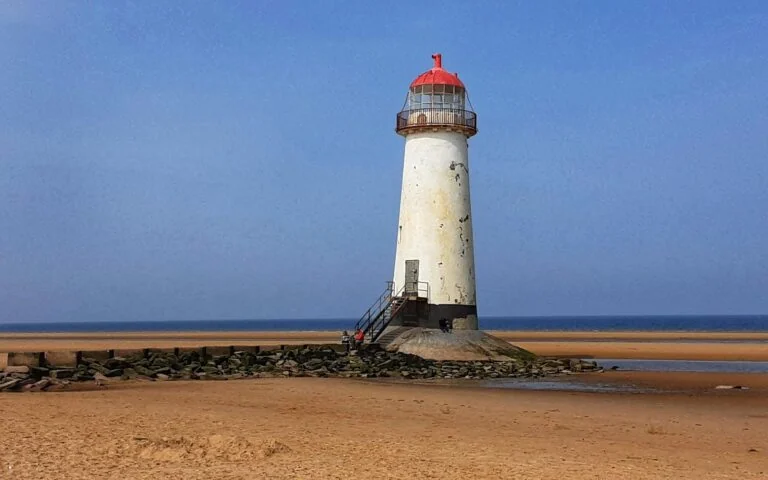
What makes the Isle of Skye so special is that the landscape feels almost unreal in places. Jagged mountain ranges rise above narrow coastal roads, waterfalls fall directly into the sea, and huge rock formations stand above lochs and cliffs. Areas such as the Old Man of Storr, the Quiraing, the Fairy Pools, and Neist Point Lighthouse have become internationally famous because of their scenery, photography opportunities, and hiking routes.
Although Skye feels remote and wild, it is actually relatively accessible from Inverness, Fort William, and Glasgow, making it possible to include the island in both short Scotland itineraries and longer Highlands road trips. Many travellers combine Skye with Loch Ness, Glenfinnan, the North Coast 500, or the wider Highlands region.
Unlike destinations built around cities or museums, the Isle of Skye is about landscapes, atmosphere, road trips, hiking, and slow travel. The scenery between the attractions is often just as memorable as the destinations themselves. Even short drives can involve mountain passes, sea views, waterfalls, Highland cattle, and dramatic weather changes that completely transform the landscape within minutes.
For many visitors, the Isle of Skye becomes the highlight of their entire Scotland trip.
Quick Facts About the Isle of Skye
| Feature | Details |
|---|---|
| Location | Inner Hebrides, Scotland |
| Main Town | Portree |
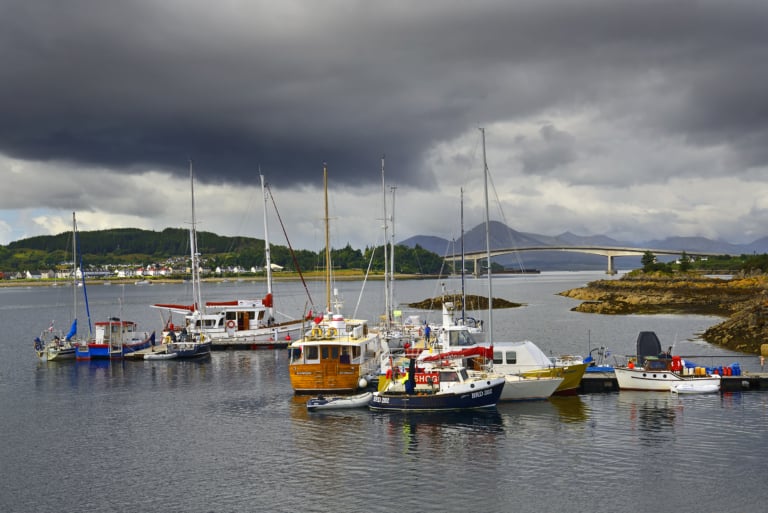
| Connected to Mainland? | Yes, via the Skye Bridge |
| Nearest Major Airport | Inverness Airport |
| Best For | Road trips, hiking, scenery and photography |
| Famous Attractions | Old Man of Storr, Quiraing, Fairy Pools, Neist Point |
| Recommended Trip Length | 2 to 4 days |
| Best Way to Explore | Car or organised tour |
| Public Transport | Available but limited |
| Peak Travel Season | May to September |
| Known For | Highland landscapes, coastlines and mountain scenery |
Compare hotels and other places to stay for your trip.
Check availabilityExplore holiday homes and apartments for your trip.
See holiday homesCompare hotel deals from multiple booking sites in one search.
Compare pricesGetting to the Isle of Skye
Despite its remote reputation, getting to the Isle of Skye is actually quite straightforward, particularly if you are travelling by car. Most visitors reach Skye either via the Skye Bridge or by ferry from Mallaig.
The most common route is via the Skye Bridge, which connects the mainland near Kyle of Lochalsh with the village of Kyleakin on Skye. This is the fastest and easiest option for most visitors arriving from Inverness, Fort William, Glasgow, or Edinburgh. The bridge used to charge a toll, but crossing is now completely free.
Many travellers choose to combine Skye with a circular Highlands route by arriving one way and leaving another. One of the most scenic options is driving through Fort William and Glenfinnan to Mallaig, taking the ferry to Armadale on Skye, then later leaving the island via the bridge. This route combines ferries, mountain scenery, lochs, and coastal roads into one of the classic Scottish road trips.
Public transport is possible but significantly slower. You can travel by train from Inverness to Kyle of Lochalsh before continuing by bus across the bridge, or take the famous West Highland Line train to Mallaig before boarding the ferry. The railway journey itself is one of the great scenic train routes in Europe and passes famous locations such as the Glenfinnan Viaduct.
Travel times to Skye are longer than many visitors initially expect because Highland roads are often winding and slower than standard motorways.
| Route | Approximate Travel Time |
|---|---|
| Inverness to Portree | 2.5 to 3 hours |
| Fort William to Portree | Around 2.5 hours |
| Glasgow to Portree | 5 to 6 hours |
| Edinburgh to Portree | 5.5 to 6.5 hours |
Driving remains the best way to explore the island properly because many of the most famous viewpoints, hikes, and coastal areas are difficult to reach using public transport alone.
How Many Days Do You Need on the Isle of Skye?
One of the most common mistakes visitors make is underestimating how much time they need on the Isle of Skye. Although it is technically possible to visit Skye as a day trip, most travellers quickly realise that the island deserves much longer.
A single day is usually enough to see some of the highlights around Portree and the Trotternish Peninsula, including locations such as the Old Man of Storr, Kilt Rock, and the Quiraing. However, a day trip involves a large amount of driving and very limited time to properly experience the island.
For most first-time visitors, spending 2 to 3 days on the Isle of Skye provides a much better balance. This allows enough time to explore the main scenic routes, visit different regions of the island, experience changing weather and light conditions, and enjoy some of the quieter areas away from the busiest viewpoints.
Travellers interested in hiking, photography, whisky distilleries, wildlife, or slower road trips often stay even longer. The island rewards flexible travel and is at its best when you have time to stop frequently, explore side roads, and adjust plans around weather conditions.
Skye is not really a destination for rushing. The roads, scenery, and atmosphere naturally encourage slower travel.
How to Visit the Isle of Skye as a Day Trip from Inverness
Many travellers choose to stay in Inverness and visit the Isle of Skye as a long day trip. While demanding, this is absolutely possible and has become one of the most popular Highlands itineraries for visitors with limited time.
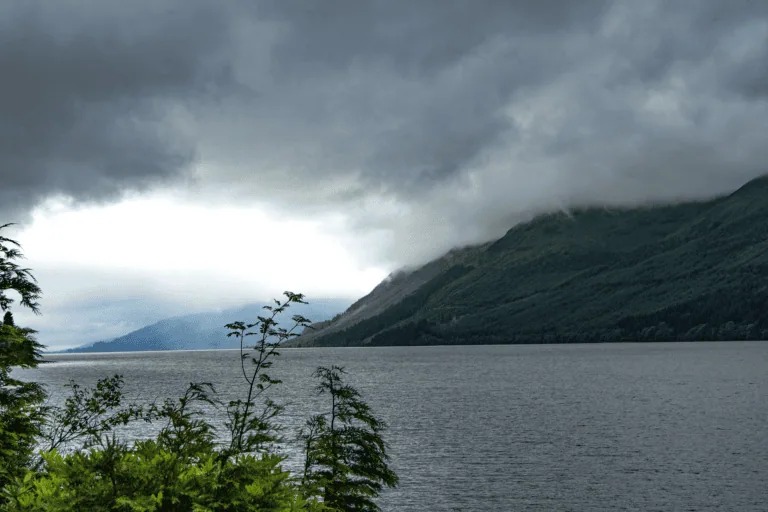
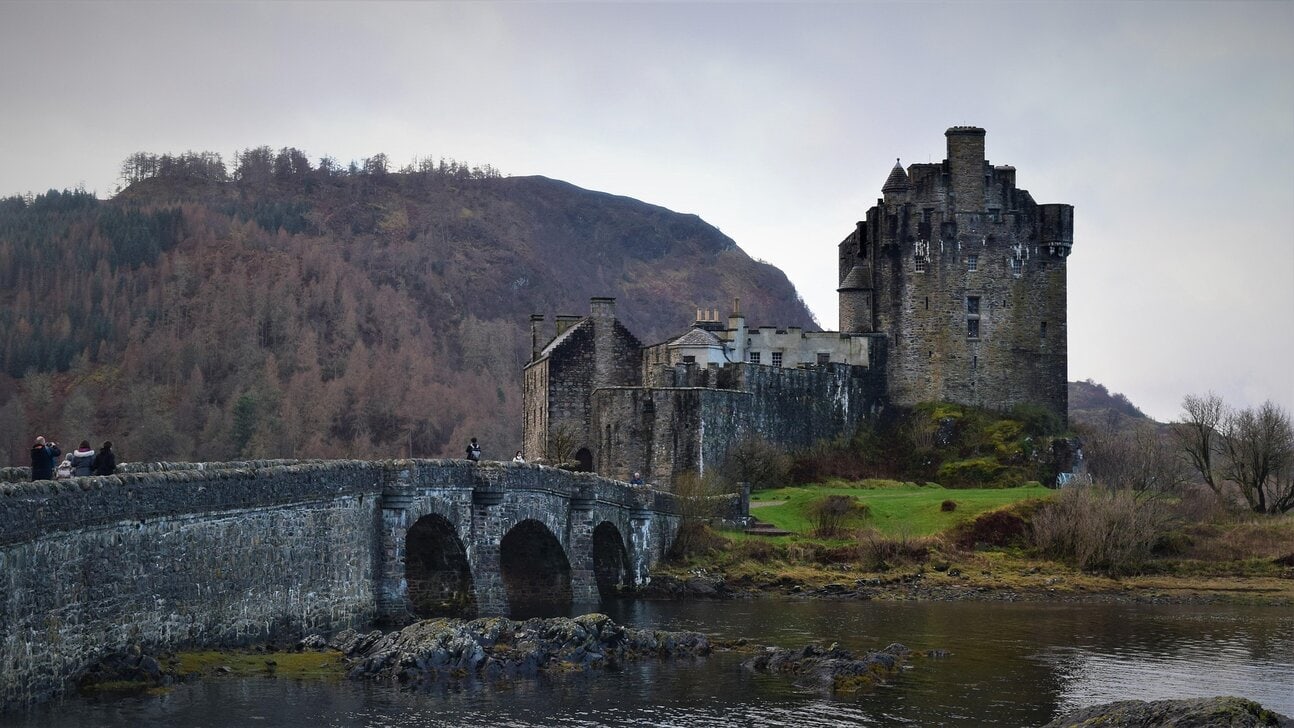
The drive from Inverness to Portree takes roughly 2.5 to 3 hours each way, depending on traffic and weather. Fortunately, the journey itself includes some of the most famous scenery in the Highlands, including views of Loch Ness, mountain landscapes, and the iconic Eilean Donan Castle.
Most visitors doing a day trip follow a route similar to this:
| Typical Day Trip Route | Highlights |
|---|---|
| Inverness | Early morning departure |
| Loch Ness | Viewpoints and photo stops |
| Eilean Donan Castle | One of Scotland’s most photographed castles |
| Portree | Harbour town and lunch stop |
| Old Man of Storr | Skye’s most famous rock formation |
| Kilt Rock & Mealt Falls | Sea cliffs and waterfall viewpoint |
| Quiraing | Mountain scenery and dramatic landscapes |
| Return to Inverness | Evening drive back through the Highlands |
A self-drive trip gives the most flexibility, but organised tours from Inverness are also extremely popular because they remove the stress of driving on single track Highland roads. These tours usually cover many of the same highlights and are a good option for visitors uncomfortable with long-distance driving in rural Scotland.
The most important thing to understand is that a Skye day trip is a highlights experience rather than a complete exploration of the island. If you want to visit the Fairy Pools, Neist Point, Dunvegan Castle, or complete longer hikes, staying overnight is strongly recommended.
Is the Isle of Skye Worth Visiting?
For many travellers, the Isle of Skye becomes the highlight of their entire Scotland trip. The island combines some of the most dramatic scenery in the Scottish Highlands with coastal landscapes, mountain roads, waterfalls, cliffs, and remote villages that feel completely different from Scotland’s larger cities.
One reason Skye is so popular is the concentration of scenery within a relatively small area. In a single day, visitors can experience mountain passes, sea cliffs, waterfalls, castles, beaches, and Highland landscapes without travelling enormous distances between attractions.
The island appeals particularly strongly to photographers, hikers, road trip travellers, and anyone interested in nature and dramatic landscapes. Famous locations such as the Quiraing, Old Man of Storr, and Neist Point regularly appear in international travel photography and have helped establish Skye as one of the world’s most recognisable landscape destinations.
That said, Skye is not for everyone. Visitors expecting luxury resorts, nightlife, shopping districts, or fast-paced city attractions may find the island quieter and slower than expected. Weather can change rapidly, roads are often narrow, and travel times are longer than maps suggest.
However, for travellers interested in scenery, atmosphere, and road trips, the Isle of Skye is widely considered one of the best places to visit anywhere in Scotland.
Top Things to See on the Isle of Skye
The Isle of Skye is filled with natural attractions rather than major cities or urban landmarks. Much of the island’s most famous scenery is concentrated around the Trotternish Peninsula north of Portree, although impressive locations exist across the entire island.
The Old Man of Storr is probably the most famous landmark on Skye. This huge rock pinnacle rises above the surrounding landscape and overlooks the sea and mountains below. The hike to the viewpoint takes around 45 minutes to an hour, depending on pace and weather conditions. The scenery from the top is among the most photographed in Scotland.
Further north lies the Quiraing, a landscape of cliffs, landslides, rock formations, and winding roads that looks almost prehistoric in places. Even visitors who do not complete the full hiking route usually stop at the viewpoints because the scenery is extraordinary.
Another major stop is Kilt Rock and Mealt Falls, where a waterfall drops directly from high cliffs into the sea below. This is one of the easiest scenic stops on the island and is included on almost every organised tour route.
On the western side of Skye, the Fairy Pools attract huge numbers of visitors because of their clear blue water, waterfalls, and mountain backdrop beneath the Black Cuillin range. The walk from the car park is relatively straightforward, although weather conditions can make the path muddy.
Other major attractions include:
| Attraction | Best Known For |
|---|---|
| Neist Point Lighthouse | Sea cliffs and sunset views |
| Dunvegan Castle | Historic clan castle and gardens |
| Talisker Distillery | Skye whisky and coastal scenery |
| Portree Harbour | Colourful waterfront and restaurants |
| Fairy Glen | Small hills and unusual landscapes |
| Elgol | Views of the Cuillin Mountains |
The real magic of Skye often comes from the scenery between destinations rather than the attractions themselves. Roads frequently pass through mountain landscapes, sea lochs, waterfalls, and coastal viewpoints that are just as memorable as the famous stops.
Scenic Drives on the Isle of Skye
Driving through the Isle of Skye is one of the main reasons people visit the island. Unlike many destinations where the attractions are separated by ordinary roads, the roads on Skye are part of the experience itself. Almost every journey includes mountain scenery, sea views, waterfalls, cliffs, and constantly changing landscapes that make even short drives memorable.
The most famous drive on the island is the Trotternish Loop, a circular route north of Portree that passes many of Skye’s best-known attractions. This route includes the Old Man of Storr, Kilt Rock, the Quiraing, and the village of Uig. Although the loop can technically be driven in a few hours, most visitors spend an entire day stopping at viewpoints, walking short trails, and taking photographs.
The road from Broadford to Elgol is another spectacular route and is often overlooked by visitors rushing to the more famous attractions. This road follows the coastline with continuous views towards the Black Cuillin Mountains, creating some of the most dramatic scenery anywhere in Scotland. The village of Elgol itself feels remote and isolated, particularly in poor weather when the mountains disappear into mist above the sea.
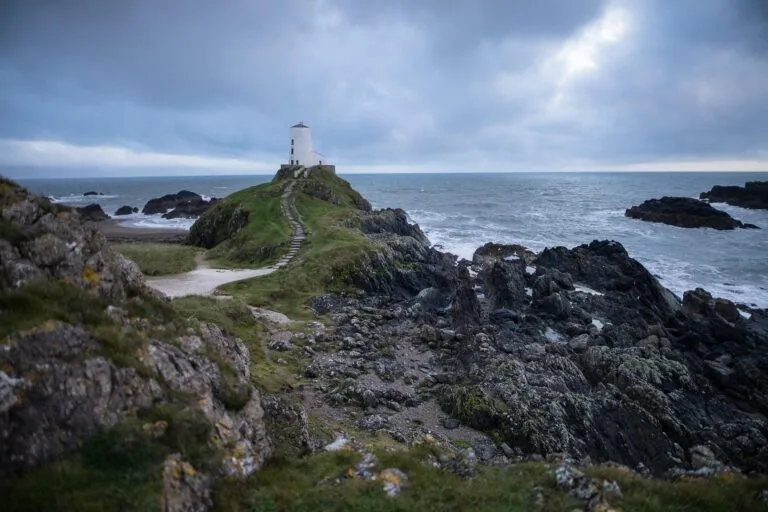
Another iconic route is the drive to Neist Point Lighthouse on the western side of Skye. The road becomes narrower and more winding as you approach the cliffs, but the scenery grows more dramatic with every mile. The lighthouse sits high above the Atlantic Ocean and feels incredibly remote, especially at sunset when the cliffs glow in the evening light.
One of the most important things to understand about driving on Skye is that travel times are much longer than they appear on maps. Roads are often narrow, winding, or single track, and you will naturally stop frequently because the scenery changes constantly. A route that appears short on a map can easily take most of a day once stops and viewpoints are included.
Many roads on Skye are single track roads with designated passing places. These roads are completely normal across the Highlands and islands, but visitors unfamiliar with them should drive slowly and patiently. Local drivers are usually courteous, and the system works very well when everyone uses passing places correctly.
Search flights and useful route combinations in one place.
View flightsChoose an Airalo eSIM and arrange mobile data before you arrive.
Browse eSIMsArrange a private pickup before travel instead of sorting transport after landing.
Book a transferWhere to Stay on the Isle of Skye
Choosing where to stay on the Isle of Skye can significantly affect your trip because the island is larger than many visitors expect and driving times between regions can be surprisingly long.
Most first-time visitors stay in Portree, which is the largest town on the island and the main centre for hotels, restaurants, cafés, tours, and shops. Portree is also geographically convenient because it sits roughly in the centre of Skye, making it easier to reach attractions in both the north and west of the island. For visitors staying only one or two nights, Portree is usually the most practical base.
Accommodation on Skye is far more limited than in Scottish cities, and this catches many travellers by surprise. During the main tourist season between May and September, hotels, guesthouses, cottages, and B&Bs can sell out several months in advance. Prices also rise significantly during summer, particularly for sea view accommodation and central Portree hotels.
Other areas of Skye provide very different experiences depending on what type of trip you want.
| Area | Best For |
|---|---|
| Portree | Restaurants, central location and first-time visits |
| Broadford | Easy access from the Skye Bridge and southern Skye |
| Dunvegan | West coast scenery and quieter stays |
| Staffin | Access to the Quiraing and northern landscapes |
| Armadale | Ferry connections to Mallaig |
| Elgol | Remote scenery and mountain views |
Many visitors choose self-catering cottages or guesthouses rather than large hotels. Smaller accommodation often feels more connected to the island’s atmosphere and scenery, particularly in remote coastal areas.
Travellers looking for a quieter and more atmospheric experience often stay outside Portree in places such as Staffin, Dunvegan, or Elgol, where the scenery feels wilder and evenings are much quieter once day visitors leave the island roads.
Restaurants, Seafood and Food on the Isle of Skye
Food on the Isle of Skye is much better than many visitors initially expect, particularly for seafood lovers. Because the island is surrounded by the Atlantic Ocean and coastal waters, many restaurants focus heavily on fresh local produce including scallops, langoustines, mussels, salmon, crab, and fish landed nearby.
Portree has the largest concentration of restaurants, pubs, cafés, and bakeries on the island. During summer, evening restaurant bookings become extremely important because many places fill completely several days in advance. Visitors arriving without reservations often struggle to find tables during peak season.
Outside Portree, food experiences become part of the wider Skye road trip atmosphere. Small cafés, roadside bakeries, seafood huts, and pub restaurants appear in surprisingly remote locations, often overlooking lochs, cliffs, or mountain scenery. Stopping at these smaller places is part of the island experience and often leads to some of the most memorable meals.
One of the island’s best-known food and drink destinations is the Talisker Distillery near Carbost. This famous whisky distillery attracts visitors from around the world and combines whisky tastings with dramatic coastal scenery nearby. Even travellers who are not whisky enthusiasts often stop because the surrounding landscapes are beautiful.
Visitors should also understand that food options can become limited in remote parts of the island, particularly during evenings or outside the main tourist season. When driving through northern or western Skye, it is often better to eat when you find a suitable place rather than assuming another restaurant will appear later.
Seafood remains one of the highlights of eating on Skye, but the island also has excellent bakeries, cafés, Highland pubs, and modern Scottish restaurants that focus on local ingredients and traditional Highland produce.
Best Time to Visit the Isle of Skye
The Isle of Skye can be visited throughout the year, but the experience changes dramatically depending on the season. Weather, daylight hours, crowds, accommodation availability, and road conditions all vary significantly across the year.
Most visitors travel to Skye between May and September, when daylight hours are longest and the chances of clearer weather are generally better. During June and July, daylight can last until very late evening, giving travellers far more time for hiking, driving, photography, and sightseeing.
However, summer is also the busiest period on the island. Roads become crowded around major attractions, car parks fill quickly, and accommodation prices rise sharply. Popular locations such as the Old Man of Storr, Fairy Pools, and Portree can become extremely busy during the middle of the day.
For many travellers, May and September are actually the best months to visit the Isle of Skye. These months often provide a better balance between weather, daylight, and crowd levels while still offering relatively mild conditions.
One thing visitors quickly learn about Skye is the presence of midges, tiny biting insects that appear mainly during summer, especially near water and around sunset. They are not dangerous but can be extremely irritating in calm weather. Carrying midge repellent during summer is strongly recommended.
Winter visits to Skye create a completely different atmosphere. Snow sometimes covers the mountains, roads are quieter, and dramatic weather can make the island feel even wilder. However, winter also brings shorter days, stronger winds, occasional road disruption, and reduced opening hours for some businesses and attractions.
The most important thing to understand is that Skye weather changes extremely quickly. Sunshine can become heavy rain or fog within minutes, especially around the mountains. Waterproof clothing, warm layers, and sturdy footwear are essential at all times of year, even during summer.
Compare hostels and lower-cost accommodation for your trip.
Search hostelsAccess compensation support, eligible lounge benefits and faster payouts.
See the benefitsArriving before check-in or leaving later? Store your luggage and enjoy the extra time hands-free.
Store your bagsGetting Around the Isle of Skye
The best way to explore the Isle of Skye is by car. Although public transport does exist, the island is large, rural, and spread out, and many of the most famous attractions are located far from regular bus routes. Travellers relying entirely on buses often discover that they spend far more time waiting for connections than actually exploring the island.
Driving gives you the flexibility to stop at viewpoints, waterfalls, beaches, mountain passes, and scenic roadside locations that are not marked as official attractions. On Skye, many of the best moments happen unexpectedly while driving between destinations rather than at the destinations themselves.
One of the biggest surprises for visitors is how slow travel can be across the island. Distances may appear short on maps, but roads are often narrow, winding, and single track. Weather conditions, sheep on the road, tourist traffic, and constant scenic stops also increase journey times significantly.
Single track roads are a normal part of driving in the Scottish Highlands and islands. These roads use passing places where drivers pull aside to allow oncoming traffic to pass safely. The system works very well when drivers remain patient and considerate. Visitors should never park in passing places, as doing so causes major problems for local traffic and emergency vehicles.
Fuel stations are limited once you move away from the larger settlements such as Portree and Broadford, so it is sensible to fill up when possible rather than waiting until later in the day. Mobile signal can also disappear completely in more remote areas, especially in the north and west of the island, making offline maps extremely useful.
Travellers who do not want to drive still have several good alternatives. Organised day tours from Inverness, Portree, and other Highland towns are extremely popular and usually include the island’s main highlights. Private tours and guided photography tours are also available for visitors wanting a more flexible experience.
Cycling is possible but challenging because of steep gradients, narrow roads, unpredictable weather, and strong winds. However, experienced cyclists often consider Skye one of the most rewarding places in Scotland for long-distance scenic riding.
How to Plan an Isle of Skye Road Trip
Planning a road trip around the Isle of Skye is very different from planning travel in a city. Distances are deceptive, weather changes quickly, and the island naturally encourages slower travel with frequent scenic stops.
Most visitors structure their trip around one or two key driving loops. The most famous is the Trotternish Loop, which covers the island’s northern highlights including the Old Man of Storr, Kilt Rock, the Quiraing, and Uig. This route is ideal for first-time visitors and can easily occupy an entire day once walking routes and photo stops are included.
Travellers staying longer often split Skye into regions rather than trying to see everything in one day. Northern Skye focuses on the Trotternish Peninsula and dramatic landscapes, western Skye includes Neist Point, Dunvegan, and coastal scenery, while southern Skye offers quieter roads, mountain views, and villages such as Elgol and Broadford.
One of the biggest mistakes visitors make is trying to fit too many attractions into a single day. Because driving is slow and scenery constantly changes, Skye works best when your itinerary remains flexible. Leaving time for unexpected stops, weather changes, short walks, and photography opportunities usually creates a much more enjoyable experience.
Accommodation location also matters significantly. Staying in Portree is convenient for first-time visitors, but travellers wanting a quieter atmosphere often prefer smaller villages and coastal areas away from the busiest tourist routes.
A well-planned Skye road trip is less about ticking off attractions and more about experiencing the landscape itself.
Isle of Skye Travel Tips
The Isle of Skye is one of the most rewarding destinations in Scotland, but it is also a place where a little preparation makes a huge difference. The island is rural, weather conditions change rapidly, and infrastructure is much more limited than many visitors expect.
One of the most important things to understand is how quickly the weather changes. A sunny morning can become foggy, windy, and rainy within a very short period of time, particularly near the mountains. Waterproof jackets, warm layers, and good footwear are essential regardless of the season.
Starting early is another key strategy, especially during summer. Attractions such as the Old Man of Storr, Fairy Pools, and the Quiraing become extremely busy by late morning, and parking can become difficult. Early starts not only avoid crowds but also provide better lighting conditions for photography.
Visitors should also be realistic about driving times. Roads across Skye are slow, scenic, and often single track. Attempting to see the entire island in one or two rushed days usually creates a stressful experience rather than an enjoyable one.
Food and accommodation planning are also important. Restaurants in Portree often require advance reservations during peak season, while hotels, cottages, and guesthouses can sell out months ahead between May and September.
Another useful tip is downloading offline maps before arrival. Mobile signal can disappear completely in remote regions of the island, particularly in western and northern Skye. Offline navigation makes driving much easier and avoids unnecessary stress.
Finally, visitors should remember that Skye is not simply a checklist of famous attractions. Some of the best experiences happen unexpectedly during drives, coastal walks, roadside viewpoints, and quiet moments between destinations. Slowing down and allowing flexibility often creates the best memories on the islan


Rupert’s Handy Travel Tips
Heading to the Isle of Skye? Here are a few useful tips to make your trip smoother:
- Start early: Popular places like the Old Man of Storr and Fairy Pools get very busy by late morning.
- Fuel up when you can: Petrol stations are limited, especially in the north of the island.
- Download offline maps: Mobile signal can disappear completely in some areas.
- Respect passing places: On single track roads, use passing places properly and never park in them.
- Prepare for all weather: You can experience sunshine, rain and fog all in one day on Skye.
Want to meet the reindeer behind our travel tips? Find out more in our page Who is Rupert?.
Frequently Asked Questions About the Isle of Skye
Is one day enough for the Isle of Skye?
One day is enough to see some of the main highlights such as Portree, the Old Man of Storr, Kilt Rock and the Quiraing, but you will not see everything. Two or three days is a much better amount of time if possible.
Do you need a car on the Isle of Skye?
A car is strongly recommended. Public transport exists but is limited and slow, and many of the main attractions are not close to bus routes.
Is the Skye Bridge free?
Yes, the Skye Bridge used to have a toll but it is now completely free to cross.
Where should I stay on the Isle of Skye?
Portree is the most popular place to stay because it has the most hotels, restaurants and tours, but Broadford, Dunvegan and Staffin are also good places to stay.
Is the Isle of Skye worth visiting?
Yes, the Isle of Skye is widely considered one of the most beautiful places in Scotland and is often a highlight of a Highlands trip.
Further Reading & Related Scotland Guides
If you are planning a wider trip across the Scottish Highlands and islands, our related Scotland travel guides can help you plan transport, accommodation, and scenic routes more effectively.
Our Inverness Travel Guide explains how to use the Highland capital as a base for exploring Loch Ness, Skye, and the northern Highlands. Many travellers combine Inverness with Skye as part of a longer Scotland road trip itinerary.
Our ScotRail Guide is useful if you are planning to reach Skye using public transport, particularly via Kyle of Lochalsh or Mallaig. Travellers arriving by train often combine Skye with some of Scotland’s most scenic railway journeys.
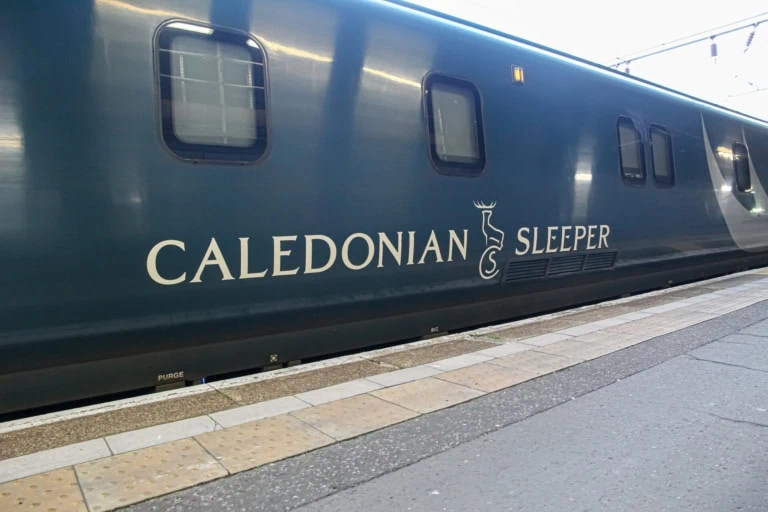
If you are interested in overnight rail travel, the Caledonian Sleeper Guide explains how to travel from London directly to the Highlands while avoiding domestic flights and long motorway drives.
Visitors exploring the west coast should also read our CalMac Ferry Guide, which explains Scottish island ferry routes including services connected to Skye and the wider Hebrides.
Finally, our Loch Ness Travel Guide pairs naturally with Skye itineraries because many visitors pass the loch while driving between Inverness and the west coast.