Reviewed by our editorial team Updated
What the London Overground Is and Why It Matters
The London Overground is one of the most useful yet often overlooked parts of London’s transport system. While many visitors rely heavily on the Underground, the Overground plays a different role. It acts as an orbital railway that connects large parts of the city without forcing you through central London.
This is what makes it so powerful. Instead of travelling into the centre and back out again, you can move around London in a wide loop, linking key areas, suburbs, and major transport hubs. This can save both time and effort, particularly on journeys that do not naturally pass through central London.
The Overground is also integrated into the wider network, connecting seamlessly with the Underground, the Elizabeth line, and Thameslink. This allows you to combine different systems into a single, efficient journey, rather than relying on just one line.
For travellers, the key benefit is flexibility. The Overground helps you avoid crowded central routes, reach areas that the Tube does not serve well, and build more direct, more logical travel routes across the city.
The important thing to understand is this. The Overground is not a replacement for the Tube. It is a complementary system that fills in the gaps, making London far easier to navigate once you know how to use it.
London transport status
Live from Transport for London.
Powered by TfL Open Data
Live service status for the London Underground, DLR, London Overground, Elizabeth line, London Trams, river buses and the cable car, updated continuously from Transport for London.
How London’s Orbital Railway Actually Operates
The London Overground is a metro-style rail network built on existing railway lines, designed to operate with the frequency and simplicity of an urban transport system. While it looks similar to the Underground on maps, it functions more like a surface-level commuter railway.
Trains run above ground for most of their routes, connecting residential areas, outer districts, and key interchange stations. Unlike many Underground lines, stations are often further apart, and services can vary in frequency depending on the route.
Despite this, the Overground is fully integrated into London’s transport system. You can use contactless payment or Oyster cards, and fares are calculated using the same zone-based system as the Tube. Services themselves are run under contract to Transport for London, a role FirstGroup took over in May 2026.
One of its defining features is its orbital structure. Rather than focusing on routes into central London, many Overground lines move across the city or connect outer areas. This makes it particularly useful for journeys that would otherwise require multiple Underground changes.
The system also benefits from modernisation, with improved stations, clearer signage, and better reliability compared to traditional suburban rail services.
Understanding the Overground as a connector network rather than a central spine is key. It is designed to link areas together, not funnel everyone into the same routes.
See hotel options and places to stay in London.
Browse hotelsExplore holiday homes and apartments around London.
See holiday homesSee hotel prices from multiple booking sites in one search.
Compare ratesLondon Overground Routes and Lines Explained
The London Overground is made up of several distinct routes, each serving a different part of London. Rather than thinking of it as a single continuous line, it is best understood as a collection of interconnected routes that together form an orbital network around the city.
To make this easier to understand, here is a clear overview of the main Overground lines and how they are used in practice.
Each of these lines serves a specific purpose, but together they create a network that allows passengers to move around London in ways that the Underground does not easily support.
The key advantage is flexibility. You can combine different Overground routes to create direct journeys that avoid central London entirely, saving time and reducing congestion.
| Line Name | Route (Simplified) | Key Section | Best For |
|---|---|---|---|
| Mildmay Line | Stratford → Richmond / Clapham Junction | North London Line | Cross-city travel across north London without entering central zones |
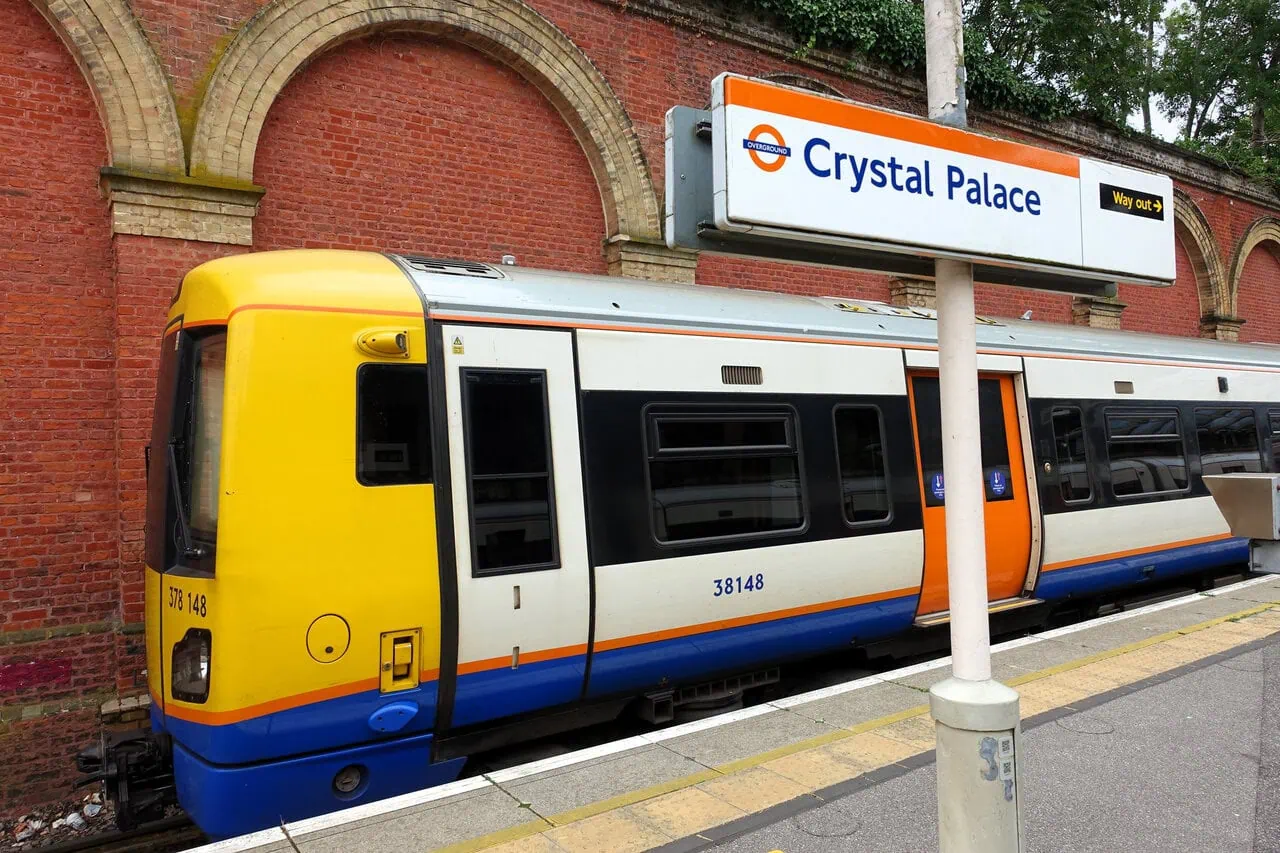
| Windrush Line | Highbury & Islington → Clapham Junction / Crystal Palace | East London Line | North–south movement through east and south London |
| Suffragette Line | Gospel Oak → Barking Riverside | Gospel Oak to Barking Line | Linking north London to east London without central travel |
| Lioness Line | Euston → Watford | Watford DC Line | Commuter route connecting northwest London and beyond |
| Weaver Line | Liverpool Street → Enfield Town / Cheshunt / Chingford | Lea Valley Lines | Connecting northeast London suburbs |
| Liberty Line | Romford → Upminster | Romford shuttle | Short local connector in east London |
Main London Overground Stations and Interchanges
The effectiveness of the London Overground depends heavily on its interchange stations, which allow passengers to switch between different parts of the network and connect with other transport systems.
One of the most important hubs is Highbury & Islington Station. This station connects multiple Overground routes with Underground lines, making it a key transfer point in north London.
Clapham Junction is another major hub. As one of the busiest railway stations in Europe, it provides access to numerous rail services, making it a critical interchange for south London and beyond.
Stratford Station connects the Overground with the Elizabeth line and other major services, creating a powerful transport hub in east London.
Canada Water Station is another key interchange, linking the Overground with the Jubilee line and providing easy access to Canary Wharf.
These stations are what make the Overground so effective. They allow you to combine routes, switch systems, and build efficient journeys across London without relying solely on the Underground.
How the London Overground Connects London Together
The real strength of the London Overground is not any single line, but how the network works as a whole. It acts as an orbital connector, linking parts of London that would otherwise require long and indirect journeys through the centre.
Most transport systems in London are designed to move people into and out of central London. The Overground does something different. It allows you to travel around the city, connecting neighbourhoods, transport hubs, and key destinations without needing to pass through the busiest central stations.
This has a major impact on journey planning. Instead of taking multiple Underground lines and changing in crowded stations, you can often use the Overground to bypass central London entirely, saving both time and effort. For many journeys across north, east, and south London, this creates a more direct and more comfortable route.
The Overground also plays a crucial role in linking other major transport systems. At key stations such as Stratford Station and Whitechapel Station, it connects with the Elizabeth line, while at Highbury & Islington Station and Canada Water Station it links with Underground lines.
This creates a network where you can combine different systems into a single, efficient journey, rather than relying on just one.
The key takeaway is simple. The Overground is not about speed or direct routes into central London. It is about flexibility, connectivity, and smarter journey planning across the entire city.
Paying on the Overground: Zones, Caps and Contactless
Using the London Overground is straightforward because it operates within the same fare system as the Underground and most London rail services. This means you can use contactless payment or an Oyster card, making travel simple and seamless.
Fares are based on London’s zone system, so the cost of your journey depends on how far you travel rather than which specific line you use. You simply tap in at the start of your journey and tap out at the end, and the system calculates the correct fare automatically.
Daily and weekly caps also apply, which means you will never pay more than a set amount within a given time period. This makes the Overground a cost-effective option for multiple journeys, especially if you are travelling across different parts of the city.
There are no premium fares on the Overground, unlike some airport or express services. This makes it a consistent and predictable choice when compared to other rail options in London.
For travellers, the simplicity of the system is one of its biggest advantages. You do not need to worry about different ticket types or complicated pricing structures. Everything works within the same framework as the rest of London transport.
The key point is this. The Overground offers simple, integrated, and predictable pricing, making it easy to use alongside other transport options.
Travel Times and Popular Overground Journeys
The London Overground is not designed for high-speed travel, but it can still provide efficient and surprisingly direct routes across London, particularly for journeys that do not pass through the centre.
One of the most useful journeys is between Stratford Station and Clapham Junction, which can be completed without entering central London. This is a powerful cross-city route that avoids some of the busiest parts of the network.
Another common journey is from Highbury & Islington Station to Canada Water Station, providing a fast connection between north and south-east London.
Travel times vary depending on the route, but the key advantage is not always speed. It is the ability to travel directly between areas that would otherwise require multiple changes, which can significantly reduce overall journey time.
Because the network is orbital, it is particularly useful for journeys across outer London, where Underground coverage is less dense.
For travellers, the Overground offers efficient, practical routes that often outperform more obvious options, particularly when you plan your journey strategically.
When to Use the Overground vs Tube, Elizabeth Line or Thameslink
Knowing when to use the London Overground is essential if you want to move around London efficiently. It is not always the fastest option, but in the right situations, it can be one of the most effective ways to travel.
The Overground is strongest when travelling across London rather than into it. If your journey does not require central London, it can often provide a more direct and less crowded route than the Underground.
The Underground is generally better for short journeys within central London, where stations are closer together and services are more frequent.
The Elizabeth line is better suited to fast east–west travel through central London, particularly for longer journeys and airport connections.
Meanwhile, Thameslink is the best option for north–south travel and airport routes to Gatwick and Luton.
The Overground fits in as the connector between these systems, allowing you to link different parts of the network without unnecessary detours.
The key is to use each system for what it does best. When used correctly, the Overground becomes a powerful tool for building faster and more logical routes across London.
Compare routes and fares for your journey to London.
Compare flightsChoose an Airalo eSIM and arrange mobile data before you arrive.
Browse eSIMsArrange a private airport pickup for your trip to London.
Check transfersTips for Using the London Overground
Using the London Overground effectively is all about understanding how it differs from the Underground and using that to your advantage. Small adjustments in how you plan your journey can make a significant difference to time, comfort, and overall efficiency.
The first thing to be aware of is frequency variation. Some Overground routes run every few minutes, while others operate less frequently. Checking live departure boards before you travel helps avoid unnecessary waiting, particularly on quieter lines.
Platform awareness is also important. Many Overground stations are simpler than major Underground hubs, but trains can still arrive quickly and depart on time. Being ready on the platform ensures smooth boarding and less stress, especially during busy periods.
Because the network is orbital, it is worth thinking differently about your route. Instead of heading into central London, look for ways to use the Overground to move around the city, connecting different areas directly.
It is also helpful to combine the Overground with other systems. Linking it with the Elizabeth line or Thameslink can create faster, more efficient journeys across London.
Finally, give yourself flexibility. The Overground is at its best when used as part of a broader strategy, helping you build smarter routes rather than simply following the most obvious path.

Rupert’s Handy Travel Tips
Rupert knows that London travel gets easier once you stop relying only on the Tube. The Overground is one of his favourite shortcuts, especially when he wants to move across the city without diving into the busiest central stations.
- Use the Overground to avoid central London where possible
- Check service frequency before you travel on quieter routes
- Combine with the Elizabeth Line or Thameslink for faster journeys
- Think in loops rather than straight lines when planning routes
Want to meet the reindeer behind our travel tips? Find out more in our page Who is Rupert?.




Frequently Asked Questions About the London Overground
Is the London Overground part of the Underground?
No. The London Overground is a separate rail network, although it appears on the same map and uses the same fare system.
Can you use Oyster or contactless on the Overground?
Yes. You can use Oyster cards or contactless payment, just as you would on the Underground.
Is the Overground fast?
It is not designed for high-speed travel, but it can be very efficient for cross-London journeys, especially when avoiding central routes.
Does the Overground go through central London?
Not in the same way as the Underground. It mainly runs around central London, connecting outer areas and key hubs.
Is the Overground useful for tourists?
Yes, particularly for reaching areas outside central London and for avoiding crowded Underground routes.
Further Reading & Related Guides
If you are planning to explore London in more detail, our London train stations guide will help you understand how the city’s major hubs connect and how to navigate them efficiently. For fast cross-city travel, our Elizabeth Line guide explains how to move quickly east to west, while our Thameslink guide shows how to travel north to south without relying on the Underground.
For journeys beyond London, our UK rail guide provides a full overview of the national rail network and how different operators connect. To find the best fares and manage your bookings, our train booking apps guide makes it easy to compare routes and prices.
Staying connected is essential when navigating live timetables and routes, so our eSIM apps guide ensures you remain online throughout your journey, while our local transport apps guide helps you continue your trip seamlessly once you arrive.