Reviewed by our editorial team Updated
What Embassies and Consulates Actually Do for Travellers
When travelling abroad, most people hope they never need to contact their country’s diplomatic services. But knowing what an embassy or consulate can genuinely do for you, and how to reach one quickly, matters far more once something has actually gone wrong than it does while you’re still planning the trip.
Embassies and consulates are official government offices based in foreign countries, representing their home nation and supporting citizens who run into trouble overseas. An embassy is usually the single main office in a country’s capital, while consulates are spread across major regional cities, often wherever large numbers of tourists, students, or expatriates are based.
For travellers, these offices function as a genuine safety net. A lost passport, an arrest, a serious illness, or a sudden natural disaster are the kinds of situations where embassy staff can step in and guide you through what to do next, working alongside local authorities on your behalf.
It’s worth being realistic about the limits, though. Embassy staff are not travel agents, lawyers, or insurers, and they can’t settle your bills or book you a flight home. What they can offer is official guidance and coordination with the people who actually can solve the problem.
The Difference Between an Embassy and a Consulate
The two terms get used interchangeably, but embassies and consulates play slightly different roles in how a country supports its citizens abroad.
An embassy is a country’s main diplomatic mission in another nation, almost always located in the capital city and headed by an ambassador. It handles government-to-government relations as well as the full range of consular services for citizens who need help.
A consulate, on the other hand, is typically a smaller office covering a specific region, based in a major city outside the capital. Consulates concentrate on the practical, day-to-day services travellers actually need, such as issuing emergency passports or notarising documents.
In a large country, the nearest consulate is often the faster option. If you’re hundreds of miles from the capital when a problem arises, the regional consulate, not the embassy, is usually who you should contact first, and many can issue the same emergency documents an embassy can.
Finding the right office before you travel is straightforward: every country’s foreign ministry publishes an official embassy locator on its travel-advice website. The UK’s Foreign, Commonwealth & Development Office runs one at gov.uk/world, the US State Department at travel.state.gov, Canada through Travel.gc.ca, and Australia via Smartraveller; whichever country issued your passport will have its own equivalent tool.
Compare hotels and other places to stay for your trip.
Check availabilityExplore holiday homes and apartments for your trip.
See holiday homesCompare prices from multiple hotel booking sites.
Check dealsSituations Where an Embassy Can Help You
Embassies deal with far more than lost passports. Their support covers a genuinely wide range of situations, and knowing the boundaries in advance means you’ll waste less time working out where to turn if something happens.
The most common request is for a replacement travel document after a passport is lost or stolen. Consular staff can issue an emergency passport or travel document, usually valid for a single trip home, so you aren’t stranded without valid ID.
If you’re arrested or detained abroad, consular staff cannot get involved in the legal case itself, but they can visit you, check you’re being treated properly, and help you find a local lawyer. The next section covers the specific legal right that guarantees this access.
Medical emergencies are handled differently again: rather than treating patients directly, embassy staff liaise between hospitals, insurers, and family back home, and can advise on evacuation options if local care isn’t sufficient for a serious injury or illness.
During a natural disaster, coup, or sudden outbreak of unrest, embassies switch into a coordinating role, tracking which citizens are in the affected area and issuing updates on safe routes, shelter, or how to leave the country if conditions deteriorate further.
Your Legal Rights Under International Law
Two specific legal protections rarely get mentioned in general travel advice, even though they’re real, checkable, and genuinely useful to know before you ever need them.
Under Article 36 of the Vienna Convention on Consular Relations (1963), a treaty ratified by more than 180 countries, anyone arrested or detained abroad has the right to have their consulate notified and to be visited by consular officials without delay. Local police are obliged to tell you this right exists.
This doesn’t mean an embassy can get you released; only your legal team and the local court can do that. It does mean you have an enforceable right to consular contact from the moment you’re detained, and you can raise it explicitly if an officer doesn’t offer it first.
A second, less well-known right applies specifically to EU citizens. Under Article 20 of the Treaty on the Functioning of the European Union, an EU national travelling in a non-EU country where their own country has no embassy or consulate can request help from any other EU member state’s mission present there instead.
That “unrepresented citizen” protection covers the same core services (emergency documents, help after an arrest, contacting family in a medical crisis, or evacuation during a crisis), and the assisting country is required to treat you the same way it would treat its own nationals.
What Embassies Cannot Do
Embassy services are valuable, but there are real limits to what they can provide, and it’s worth knowing these before you assume help is guaranteed in a given situation.
Consular staff cannot pay your hotel bills, medical expenses, or the cost of a flight home. Those costs stay the traveller’s responsibility, which is exactly why travel insurance, rather than the embassy, is the safety net for anything with a price tag attached.
They also can’t act as your lawyer or step into a local court case. Local law always applies once you’re in another country’s jurisdiction, and an embassy has no power to demand special treatment, bail, or an early release on your behalf.
Booking flights, arranging a hotel, or replacing lost luggage also fall outside their role. Those are practical travel problems, best solved through your airline, your accommodation provider, or your travel insurance policy, not a diplomatic office.

How to Contact an Embassy or Consulate When You Need Help
If something goes wrong abroad, working through the right channel calmly is usually faster than it sounds, once you know where to look.
Start by confirming which specific office covers your location, since larger countries often have several consulates and the nearest one may not be the embassy in the capital. Your country’s foreign ministry website will list exactly which office is responsible for which region.
Most embassies publish a 24-hour emergency phone line for genuine crises such as arrest, hospitalisation, or a death abroad, separate from their regular office number. Save it in full international format, including the country’s dialling code, since a local-only number may not connect from a foreign SIM.
Email and online contact forms exist too, but they’re for non-urgent queries: a genuine emergency should always go through the phone line first, since a duty officer can start helping immediately rather than waiting on a written reply.
Before you call, have your passport details, travel itinerary, and a family contact number ready. Handing over this information quickly lets staff assess the situation and start helping without the delay of gathering basic facts first.
Preparing Before You Travel
The best time to learn about embassy services is before you leave, not once you’re already dealing with a crisis.
Look up where your embassy and any relevant consulates are located in your destination before departure, and save the address and 24-hour number in your phone as well as on paper, in case your phone is lost along with everything else.
If your government runs a travel registration scheme, sign up before you go. Several countries offer this free service, and it lets officials contact you quickly if a crisis develops in the area you’re visiting, from a natural disaster to sudden political unrest.
Keep digital and paper copies of your passport, visa, and insurance documents stored separately from the originals. If the originals go missing, having copies on hand can noticeably speed up how quickly a replacement travel document gets issued.
Finally, make sure someone at home has your itinerary and accommodation details. If an embassy needs to reach your family during an emergency, accurate information on where you’re actually staying makes that contact faster and less stressful for everyone involved.
How Embassies Help During Major Emergencies
Individual cases make up most embassy work, but their role changes shape during emergencies affecting large numbers of citizens at once.
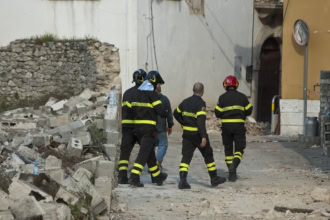
In a natural disaster such as an earthquake, hurricane, or wildfire, transport and communications can collapse quickly. Embassies typically become a central point of contact, tracking which citizens are in the affected region and publishing safety updates as the situation develops.
During political unrest or a sudden security deterioration, diplomatic staff monitor the situation closely and issue practical guidance, such as which areas to avoid or how to reach a safe departure point if leaving the country becomes necessary.
In the most extreme cases, governments have organised evacuation flights or coordinated group departures for stranded citizens, with embassy staff managing logistics and communicating instructions to people scattered across a wide area.
Throughout events like these, embassies also often act as a relay point between travellers and family back home when local phone networks or internet access are down, passing on safety confirmations when direct contact isn’t possible.
Search routes and flight options for your journey.
Search flightsChoose an Airalo eSIM and arrange mobile data before you arrive.
Browse eSIMsCheck private airport pickup options and plan the first part of your journey in advance.
View transfersCommon Mistakes Travellers Make with Embassy Services
Misunderstanding what an embassy can and can’t do is one of the most common reasons travellers end up frustrated or delayed when they actually need help.
The most frequent mistake is assuming the embassy will cover the cost of flights, hotels, or medical treatment. In reality, those expenses stay the traveller’s responsibility and are normally what travel insurance exists to cover, not diplomatic assistance.
Another common misunderstanding is expecting consular staff to override local law or secure someone’s release from custody. They can check you’re treated fairly and connect you with legal help, but they have no authority over another country’s court system.
Travellers also sometimes call an embassy over non-emergency problems, such as a missed flight, delayed baggage, or a hotel dispute. Those are usually resolved faster through the airline, hotel, or your insurer directly, since consular staff have no authority to intervene in a commercial matter.
The simplest and most avoidable mistake is not knowing where the nearest office is until a crisis is already underway. A few minutes spent locating the address and emergency number before you travel removes that delay entirely.

Rupert’s Handy Travel Tips
Rupert always finds out where the nearest embassy is before he even unpacks his bags. A little preparation here goes a long way if something ever goes wrong.
- Save the address before you travel: note down your embassy or consulate’s address and 24-hour emergency number in your phone, and keep a written copy too.
- Register your trip: sign up to your government’s travel advisory service so officials can reach you quickly if a crisis develops.
- Know the difference: the nearest consulate is usually faster to reach than the embassy, so check which one covers your specific area.
- Keep copies of everything: store digital and paper copies of your passport, insurance, and visas separately from the originals.
- Understand the limits: embassies can guide and support you, but they can’t pay your bills or override local law, so pair this knowledge with solid travel insurance.
Want to meet the reindeer behind our travel tips? Find out more in our page Who is Rupert?.




Frequently Asked Questions About Embassies and Consulates
Can an embassy replace a lost passport?
Yes. If your passport is lost or stolen abroad, an embassy or consulate can issue an emergency travel document so you can continue your trip or return home, usually valid for a single journey.
Will an embassy help if I am arrested abroad?
Yes, within limits. Under the Vienna Convention on Consular Relations, consular staff have the right to visit you, check you’re being treated fairly, and help you contact a local lawyer, but they cannot intervene in the legal process itself or secure your release.
Can embassies help during medical emergencies?
Yes. While they can’t pay medical bills, embassy staff can help you communicate with hospitals, your insurer, and family back home, and can advise on evacuation options for a serious injury or illness.
What if my country has no embassy or consulate where I’m travelling?
EU citizens can request help from any other EU member state’s embassy or consulate under the “unrepresented citizens” protection in the EU treaties. For non-EU nationals, check your foreign ministry’s advice, since some countries have similar reciprocal arrangements.
Should I contact my embassy during a natural disaster or political unrest?
Yes. Embassies typically act as a coordination point during large-scale emergencies, issuing safety updates and evacuation guidance, so registering your trip in advance makes it far easier for them to reach you quickly.
Further Reading & Related Travel Safety Guides
Travelling abroad is usually straightforward, but knowing how to handle unexpected situations can make a big difference. If your passport goes missing, our guide on what to do when your passport is lost or stolen abroad walks through the replacement process, and the same kind of preparation applies to getting essential medication replaced while travelling.
Health emergencies bring their own set of questions. Our guide to medical repatriation explains evacuation procedures and insurance coverage, while Travel Safety: How to Prepare for an Emergency Abroad covers the wider groundwork worth doing before you fly.
It is also worth checking your healthcare coverage before travelling in Europe, where the UK GHIC Card can significantly reduce out-of-pocket costs for treatment.