Reviewed by our editorial team Updated
Discover Brno
Often overlooked in favour of Prague, Brno is one of Czechia’s most rewarding city breaks. As the country’s second-largest city and the historic capital of Moravia, Brno combines magnificent castles, medieval streets, underground tunnels, fascinating museums and a lively café culture into a destination that feels authentic rather than overcrowded.
At first glance, Brno appears to be a relaxed university city with elegant squares and impressive architecture. Spend a little longer exploring, however, and you’ll discover a city full of surprises. Beneath the streets lie medieval cellars, an enormous ossuary, hidden wartime bunkers and mysterious underground passages, while above ground you’ll find one of Europe’s most unusual astronomical clocks, a hilltop castle, grand churches and a UNESCO-listed modernist masterpiece.
Brno is also one of the best places in Czechia to experience traditional Moravian cuisine and locally produced wines. Unlike many European capitals, prices remain relatively affordable, allowing visitors to enjoy excellent restaurants, historic pubs and lively squares without stretching their budget.
Whether you’re fascinated by history, architecture, science, military heritage or simply looking for a city that offers something different, Brno consistently exceeds expectations.
This guide explores the very best things to do in Brno, helping you discover why many travellers consider it one of Central Europe’s most underrated destinations.
At a Glance: Why Visit Brno?
Brno offers an impressive variety of attractions packed into a compact city centre that’s easy to explore on foot. It combines medieval history, Austro-Hungarian architecture, Cold War heritage, modern design and a vibrant student atmosphere, creating a city that’s both historic and youthful.
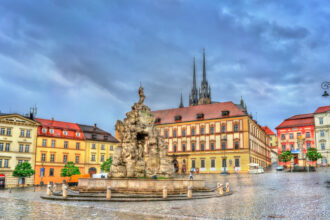
The city’s skyline is dominated by Špilberk Castle and the striking Cathedral of St Peter and St Paul, both standing high above the historic centre. Around them, elegant squares, colourful streets and traditional cafés provide the perfect setting for a relaxed city break.
Beneath the surface lies another world entirely. Visitors can descend into the Labyrinth under the Vegetable Market, explore the eerie Brno Ossuary, visit the preserved 10-Z Nuclear Bunker or discover the remarkable Capuchin Crypt, making Brno one of Europe’s best cities for underground attractions.
Modern Brno is equally fascinating. The city is home to the world-famous Villa Tugendhat, recognised as a UNESCO World Heritage Site, while interactive attractions such as Absurdia – Museum of Illusions provide fun for families and visitors of all ages.
Add excellent Czech beer, renowned Moravian wines, outstanding food and affordable prices, and it’s easy to see why Brno deserves far more attention than it often receives.
Best if you want daily housekeeping and a front desk. Filter by area first, then by price.
Check availabilityBest for families, or any stay past about four nights. A kitchen and a washing machine start paying for themselves.
Browse rentalsBest if you have already picked a hotel. Checks the big booking sites for the same room and shows who is cheapest.
Check dealsWhen is the Best Time to Visit Brno?
Brno is an enjoyable destination throughout the year, with each season offering a different perspective on the city.
Spring is one of the best times to visit. Parks and gardens burst into colour, café terraces begin filling with locals and visitors, and pleasant temperatures make it ideal for exploring the city’s landmarks on foot.
During summer, Brno comes alive with outdoor festivals, concerts and cultural events. Long daylight hours allow plenty of time to explore the castle, museums and historic centre before enjoying dinner in one of the city’s lively squares. Although temperatures can occasionally become hot, the city’s many parks and outdoor cafés provide welcome places to relax.
Autumn is another excellent season, particularly for food and wine lovers. The surrounding Moravian wine region celebrates the grape harvest, restaurants introduce seasonal dishes and the city’s parks take on beautiful autumn colours.
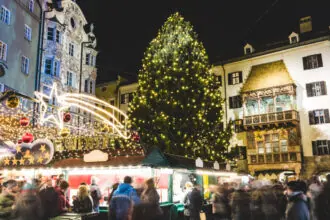
Winter offers a quieter experience. Brno Christmas Market, centred around Liberty Square, transforms the city with festive lights, wooden market stalls, traditional food and warming cups of mulled wine. The colder weather also makes the city’s underground attractions particularly appealing.
Whatever time of year you visit, Brno offers a rewarding mix of history, culture and modern city life without the overwhelming crowds found in many European capitals.
How to Get to Brno
Thanks to its central location, Brno is easy to reach from across Central Europe, making it an excellent addition to any itinerary through Czechia, Austria or Slovakia.
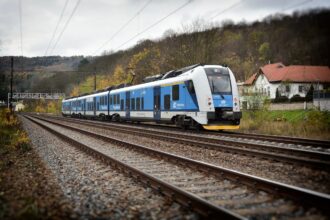
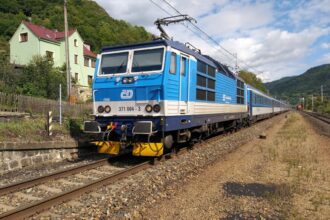
Travelling by train is one of the most convenient options. Brno hlavní nádraží (Brno Main Station) sits just a few minutes’ walk from the historic centre and is served by regular services connecting the city with Prague, Vienna, Bratislava, Budapest, Ostrava and many other destinations.
If you’re arriving by air, Brno–Tuřany Airport offers flights to a growing number of European destinations. Many international visitors also choose to fly into Vienna Airport, which lies around two hours away by direct coach or train and offers significantly more flight options.
Travelling by car is equally straightforward. Major motorways connect Brno with Prague, Vienna, Bratislava and Olomouc, making it an easy stop on a wider Central European road trip. Several public car parks are located around the edge of the historic centre, allowing visitors to continue exploring on foot.
Long-distance coaches operated by companies such as RegioJet and FlixBus also provide frequent, affordable connections with cities across Czechia and neighbouring countries.
Whether you’re arriving for a weekend city break or including Brno as part of a longer European adventure, reaching the city is simple and convenient.
Getting Around Brno
One of the best things about visiting Brno is how easy it is to explore. The historic centre is compact and largely pedestrianised, allowing visitors to reach most of the city’s major attractions on foot. From Brno Main Station, it’s only around 10 minutes’ walk to Liberty Square, with many of the city’s highlights located within a comfortable walking distance of one another.
The city also has one of the best public transport systems in Czechia. An extensive network of trams, buses and trolleybuses operated by DPMB (Brno Public Transport Company) serves every part of the city. Trams are particularly useful for reaching attractions slightly further from the centre, including Villa Tugendhat, Lužánky Park and Brno Zoo.
Tickets are valid across the entire network and can be purchased from ticket machines at major stops, via the official Poseidon mobile app, or simply by tapping a contactless bank card on board many trams and buses. Services run frequently throughout the day, while an excellent network of night buses keeps the city connected after the trams stop running.
Cycling is becoming increasingly popular, with dedicated cycle paths expanding across the city, although Brno’s hilly terrain means some routes can be quite demanding. For visitors who prefer not to walk uphill, public transport provides a simple alternative.
Whether you choose to explore on foot or by tram, getting around Brno is affordable, reliable and refreshingly straightforward.
| Attraction | Why Visit? | Typical Visit |
|---|---|---|
| Špilberk Castle | Brno’s landmark castle with museums, casemates and panoramic city views | 2–3 hours |
| Cathedral of St Peter and St Paul | Brno’s iconic cathedral with beautiful interiors and viewpoints | 30–60 mins |
| Brno Ossuary | One of Europe’s largest ossuaries beneath St James’ Church | 30–45 mins |
| Labyrinth under the Vegetable Market | Medieval underground tunnels, cellars and passageways | 45–60 mins |
| 10-Z Nuclear Bunker | Authentic Cold War bunker beneath Špilberk Hill | 1 hour |
| Villa Tugendhat | UNESCO-listed masterpiece of modern architecture | 1–2 hours |
| Capuchin Crypt | Naturally mummified monks in a historic monastery crypt | 30–45 mins |
| Brno Astronomical Clock | Catch the famous glass marble released every day at 11:00 | 15–30 mins |
| Moravian Museum | Discover the history, culture and science of Moravia | 1–2 hours |
| Mendel Museum | Learn about the father of modern genetics | 1 hour |
| Absurdia – Museum of Illusions | Interactive illusions and photo opportunities for all ages | 1–2 hours |
| Brno Zoo | Family-friendly zoo overlooking Brno Reservoir | 3–4 hours |
Explore Špilberk Castle
Perched high above the city, Špilberk Castle is Brno’s most recognisable landmark and offers the perfect introduction to the city’s long and fascinating history. Originally founded during the thirteenth century by King Ottokar II of Bohemia, the castle has served as a royal residence, military fortress, infamous prison and, today, one of Brno’s leading museums.
The climb to the castle is rewarded with spectacular panoramic views across the rooftops of Brno and the surrounding countryside. Several walking routes lead through landscaped parkland to the summit, making the journey just as enjoyable as the destination itself.
Inside, visitors can explore exhibitions covering the history of Brno, Moravia and the castle itself. Displays include archaeological discoveries, historic weapons, artwork and fascinating artefacts that trace the city’s development over hundreds of years.
Perhaps the most famous part of the castle is its casemates. These underground tunnels and prison cells once housed some of the Habsburg Empire’s most notorious prisoners and gained a fearsome reputation as one of Europe’s harshest prisons. Walking through the dimly lit passages provides a fascinating insight into life behind the fortress walls. A combined ticket covering the museum exhibitions and casemates currently costs around 260 Kč (£9 / $12 / €11) for an adult, per the castle’s official prices.
The surrounding castle park is equally enjoyable, offering peaceful walking paths, sculptures and some of the best viewpoints in the city. Throughout the year, Špilberk Castle also hosts concerts, exhibitions, festivals and cultural events, ensuring there’s always something happening.
Whether you’re interested in history, architecture or simply looking for the finest views in Brno, Špilberk Castle is an essential stop.
Visit the Cathedral of St Peter and St Paul
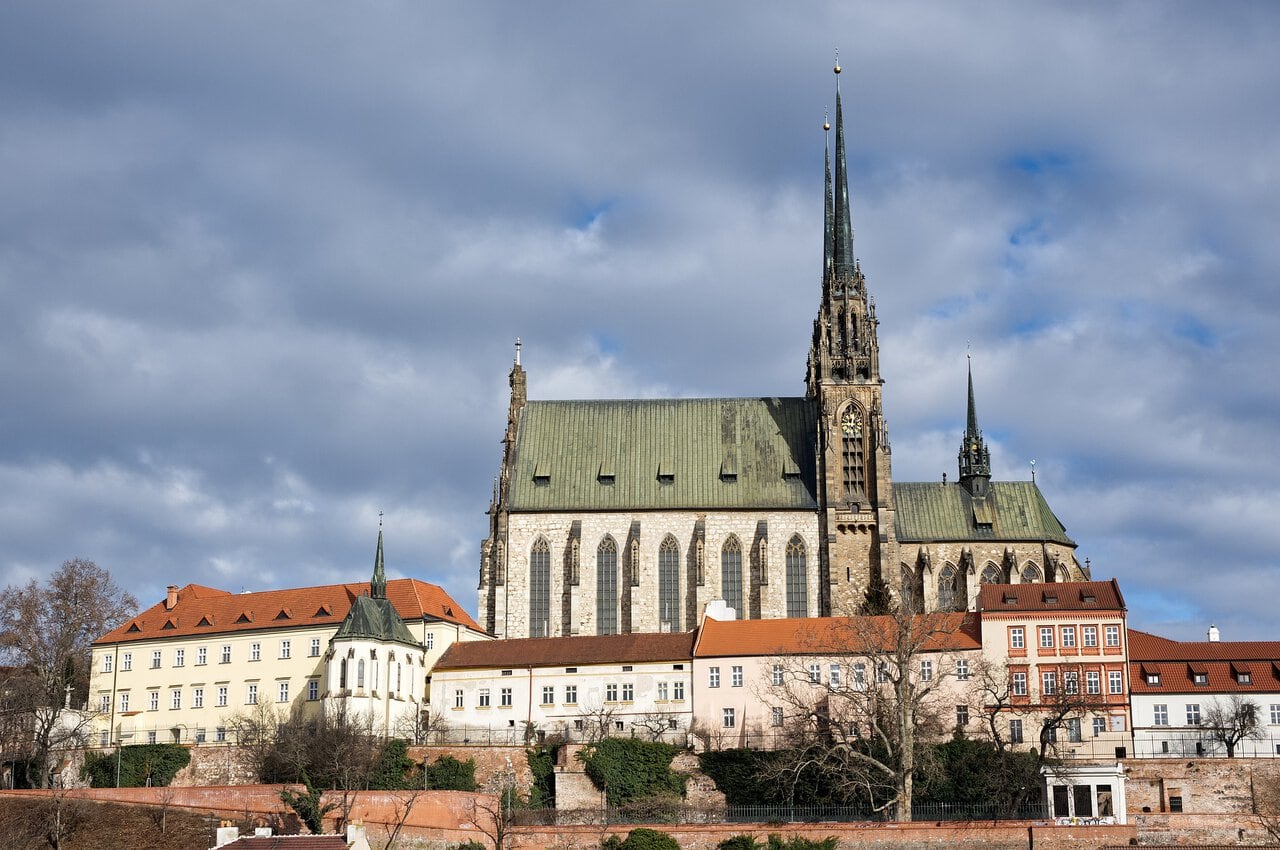
Standing proudly on Petrov Hill, the magnificent Cathedral of St Peter and St Paul dominates the skyline of Brno and is one of the city’s most important symbols. Its twin neo-Gothic spires can be seen from almost every part of the historic centre and have become one of the defining images of the city.
Although the cathedral’s origins date back to the eleventh century, the building has been enlarged and rebuilt several times, combining Romanesque, Gothic and later architectural styles. The impressive interior features elegant vaulted ceilings, beautifully decorated chapels, colourful stained-glass windows and richly carved altars that reflect centuries of religious history.
The cathedral is closely linked to one of Brno’s best-known legends. During the Swedish siege of 1645, local defenders successfully held off the attacking army. According to tradition, the cathedral bells rang at 11:00 am instead of noon, convincing the Swedish forces that they had missed their deadline to capture the city and prompting them to abandon the siege. To this day, the cathedral’s bells continue to ring at 11:00, preserving this unique local tradition.
Don’t miss the opportunity to explore the area surrounding the cathedral. The terraces around Petrov Hill provide some of the finest panoramic views across Brno, particularly during sunset when the city’s rooftops glow in the evening light.
Combining remarkable history, impressive architecture and outstanding viewpoints, the Cathedral of St Peter and St Paul is one of the highlights of any visit to Brno.
Catch a Marble from the Brno Astronomical Clock
Standing in the centre of Liberty Square (Náměstí Svobody), the unusual Brno Astronomical Clock is one of the city’s most talked-about landmarks. Unveiled in 2010, the striking black granite monument has sparked countless conversations thanks to its distinctive shape, which has earned it more than a few humorous nicknames from locals and visitors alike.
Despite its modern appearance, the clock commemorates one of the most important moments in Brno’s history. During the Swedish siege of 1645, legend says the attacking army promised to withdraw if the city had not fallen by noon. To outwit them, the cathedral bells rang at 11:00 am, convincing the Swedes that they had missed their deadline and leading them to abandon the siege. This story remains one of Brno’s most famous local legends.
Every day at 11:00 am, the astronomical clock honours that event by releasing a glass marble from one of its openings. Visitors gather around the monument before eleven, eagerly trying to catch one of these unique souvenirs as it rolls out. Each marble is different, making them popular keepsakes and one of the city’s most unusual free attractions.
Even if you don’t manage to catch a marble, the clock is worth seeing. Located in the heart of Liberty Square, it’s surrounded by cafés, restaurants and historic buildings, making it a natural starting point for exploring Brno’s Old Town.
Best for long or awkward journeys. Builds one itinerary out of separate flights.
View flightsBest if you want maps and messaging working the moment you switch your phone on.
See eSIM plansBest if you would rather not work out the transport on arrival. Book it now and forget it.
View transfersExplore the Labyrinth Under the Vegetable Market
Hidden beneath the bustling Vegetable Market (Zelný trh) lies one of Brno’s most fascinating attractions. The Labyrinth Under the Vegetable Market is a network of interconnected medieval cellars, passageways and storage rooms that remained hidden beneath the city for centuries before being carefully restored and opened to the public.
Dating back to the thirteenth century, these underground spaces originally belonged to the merchants and homeowners who lived above them. The cool, constant temperatures made them ideal for storing wine, beer, food, grain and other valuable supplies, while some sections were also used as workshops and shelters during times of conflict.
Today, guided routes take visitors through atmospheric tunnels where you’ll encounter reconstructed kitchens, taverns, wine cellars, medieval workshops and even historic prison cells. Carefully designed displays explain how the underground chambers were used and reveal what daily life was like beneath the streets of medieval Brno.
Walking through the dimly lit passages offers a completely different perspective on the city’s history. Narrow corridors, vaulted brick ceilings and centuries-old stonework create a wonderfully immersive experience that’s equally enjoyable for adults and older children.
Located directly beneath one of Brno’s busiest squares, the labyrinth perfectly demonstrates how much history remains hidden beneath the modern city and is one of the most unusual attractions in Czechia.
Visit the 10-Z Nuclear Bunker
One of the most unusual attractions in Brno is the remarkable 10-Z Nuclear Bunker, a former Cold War shelter hidden beneath Špilberk Hill. Built during the 1950s, the bunker was designed to protect political leaders and senior officials in the event of a nuclear attack, remaining one of the most secret locations in the city for decades.
Today, visitors can explore much of the bunker exactly as it was left. Original sleeping quarters, communications rooms, medical facilities, command centres and air filtration systems remain in place, providing a fascinating glimpse into life during one of the most tense periods of the twentieth century.
The guided tours explain how the bunker would have functioned during a nuclear emergency, how supplies were stored and how staff were expected to survive underground for extended periods. Many rooms still contain their original furniture, equipment and technical installations, helping visitors understand the realities of Cold War civil defence.
The bunker maintains a cool temperature throughout the year, so bringing a light jacket is recommended even during summer. Dim lighting, concrete corridors and preserved equipment create an authentic atmosphere that adds to the experience.
Unlike many military museums, the 10-Z Nuclear Bunker focuses on everyday life inside a functioning shelter rather than military hardware, making it one of the most memorable and unusual places to visit in Brno.
Wander Around Liberty Square and the Old Town
At the heart of Brno lies Liberty Square (Náměstí Svobody), the city’s main gathering place for more than 700 years. Surrounded by elegant historic buildings, cafés, restaurants and shops, it’s the perfect place to begin exploring the city’s vibrant Old Town.
Throughout the day the square buzzes with activity. Locals meet friends over coffee, street performers entertain visitors and seasonal markets regularly fill the open space with food stalls, crafts and live music. During Christmas, the square becomes the centre of Brno’s festive celebrations, with beautifully decorated market stalls and traditional Czech treats.
From Liberty Square, narrow medieval streets spread out in every direction. Wandering without a map is part of the experience, as you’ll discover colourful townhouses, hidden courtyards, historic churches and lively cafés tucked away behind centuries-old façades.
The Old Town also contains many of Brno’s most impressive architectural landmarks, blending Gothic, Baroque, Renaissance and Art Nouveau styles. Elegant squares, restored merchant houses and beautifully preserved civic buildings provide constant reminders of the city’s long and prosperous history.
Whether you’re shopping, stopping for lunch, enjoying a traditional Czech beer or simply watching city life unfold, Liberty Square and the surrounding Old Town perfectly capture the relaxed yet energetic atmosphere that makes Brno such an enjoyable city to explore.
Discover the Capuchin Crypt
Hidden beneath the Capuchin Monastery, the Capuchin Crypt is one of the most extraordinary attractions in Brno and offers a fascinating insight into the city’s religious history.
The crypt became famous because of its naturally mummified remains. Thanks to a unique combination of airflow, temperature and ventilation, the bodies of Capuchin monks and several wealthy benefactors were naturally preserved after burial, creating one of the most remarkable crypts in Europe.
Visitors descend beneath the monastery into quiet stone chambers where the preserved remains rest in simple wooden coffins. Unlike many historical sites, the emphasis here is on the Capuchin belief in humility, simplicity and the temporary nature of earthly life. Information panels explain the religious traditions of the order and why the monks chose such modest burials.
Although the crypt contains human remains, it is presented respectfully and thoughtfully, focusing on history and religious practice rather than sensationalism. Many visitors find it surprisingly peaceful and reflective.
Combined with the nearby Brno Ossuary, the crypt offers another fascinating glimpse beneath the streets of Brno, reinforcing the city’s reputation for having some of Central Europe’s most intriguing underground attractions.
Tour Villa Tugendhat (UNESCO World Heritage Site)
One of Brno’s most internationally significant attractions is Villa Tugendhat, a masterpiece of modernist architecture and one of the finest surviving works by the celebrated architect Ludwig Mies van der Rohe. Completed in 1930, the villa revolutionised residential design and is now recognised as a UNESCO World Heritage Site.
Commissioned by the wealthy Tugendhat family, the villa was decades ahead of its time. Vast floor-to-ceiling glass walls, open-plan living spaces, luxurious materials and innovative engineering created a home unlike anything that had been built before. One of its most remarkable features is the enormous glass windows, which can be lowered electrically into the floor, seamlessly connecting the interior with the surrounding gardens.
Inside, visitors can admire beautifully restored rooms featuring exotic woods, polished stone, original furniture and elegant minimalist design. Every detail reflects the philosophy of “less is more”, which helped make Mies van der Rohe one of the most influential architects of the twentieth century.
The villa has also witnessed important moments in European history. During the Second World War it was occupied by German forces, while later it became state property. In 1992, it hosted negotiations leading to the peaceful dissolution of Czechoslovakia, giving it political as well as architectural significance.
Because visitor numbers are strictly limited, it’s highly recommended to book tickets well in advance, particularly during the summer months. Adult admission is around 450 Kč (£16 / $22 / €19) for the 60-minute basic tour or 500 Kč (£18 / $24 / €21) for the 90-minute extended tour, per the villa’s official prices. Even if you can’t secure a tour inside, the exterior and gardens are still worth seeing.
Visit the Moravian Museum
Founded in 1817, the Moravian Museum is the second-oldest museum in the Czech Republic and one of Brno’s leading cultural institutions. Spread across several historic buildings, it tells the story of Moravia’s natural history, archaeology, culture and scientific achievements.
The museum’s collections span thousands of years, from prehistoric discoveries and Roman artefacts to medieval treasures, traditional costumes, musical instruments and fascinating exhibitions on the people who shaped the region.
One of its highlights is the section dedicated to Gregor Johann Mendel, the Augustinian monk whose groundbreaking experiments with pea plants laid the foundations of modern genetics. His work, carried out in Brno during the nineteenth century, changed biology forever and continues to influence scientific research today.
Other galleries explore the rich cultural traditions of Moravia, displaying beautifully crafted jewellery, ceramics, manuscripts and religious art alongside temporary exhibitions covering everything from photography to contemporary history.
Whether you’re interested in archaeology, science or regional heritage, the Moravian Museum provides an excellent introduction to the history of one of Central Europe’s most fascinating regions.
Best for a short stop where being central matters more than the room. Dorms and private rooms both listed.
See hostelsBest for anyone flying more than once or twice a year. Handles the compensation claim so you are not chasing the airline.
See AirHelp+Best for the gap between checking out and your train. Drop bags at a shop or hotel nearby and carry on.
Store your bagsExperience Czech Food, Beer and Wine
A visit to Brno is as much about the food and drink as it is about the city’s history. As the capital of Moravia, Brno is surrounded by one of Central Europe’s finest wine-producing regions, while also embracing the outstanding beer culture for which Czechia is famous.
Traditional restaurants throughout the city serve hearty Czech dishes including svíčková (marinated beef in a creamy vegetable sauce), goulash, roast duck, pork knuckle, schnitzel and fluffy bread dumplings. Portions are generous, prices are generally affordable and many recipes have been passed down through generations.
Beer lovers are spoilt for choice. Czech lager is regarded by many as among the best in the world, and Brno’s historic pubs and modern breweries serve an excellent range of local and national beers. Whether you prefer a crisp Pilsner, a dark lager or an unfiltered craft beer, there’s something for every taste.
Many visitors are surprised to discover that Moravian wine is equally impressive. White varieties such as Riesling, Grüner Veltliner and Pálava are particularly popular, while nearby vineyards produce excellent reds as well. Wine bars throughout the city provide the perfect opportunity to sample bottles that rarely make it beyond the region.
Don’t leave without trying traditional Czech desserts, fresh pastries or one of Brno’s stylish cafés. Thanks to its large student population, the city has developed one of the country’s strongest café cultures, making it easy to enjoy excellent coffee between sightseeing stops.
Have Fun at Absurdia – Museum of Illusions
If you’re looking for something completely different, Absurdia – Museum of Illusions offers one of the most entertaining attractions in Brno. Packed with optical illusions, interactive exhibits and mind-bending displays, it’s a fun stop for families, couples and anyone who enjoys taking unusual photographs.
Unlike traditional museums where visitors simply observe exhibits, almost everything at Absurdia is designed to be experienced. You’ll find upside-down rooms, distorted mirrors, perspective tricks, rotating tunnels and clever visual illusions that challenge the way your brain interprets the world.
Many exhibits are specifically designed for photography, allowing visitors to create amusing images that appear to defy gravity or alter reality. Staff are often on hand to explain how the illusions work and to help visitors capture the best pictures.
The museum isn’t especially large, but most visitors spend around one to two hours exploring the exhibits and experimenting with the interactive displays. It’s also an excellent option if you’re visiting Brno with children or looking for an indoor attraction during poor weather.
After spending time exploring Brno’s castles, crypts and museums, Absurdia provides a refreshing change of pace and shows another side of the city’s growing cultural scene.
Explore the Brno Ossuary
Hidden beneath the Church of St James (Kostel svatého Jakuba) lies one of Europe’s largest ossuaries. Forgotten for centuries until its rediscovery in 2001, the Brno Ossuary contains the remains of more than 50,000 people, making it one of the city’s most fascinating and thought-provoking attractions.
The ossuary was created because medieval cemeteries quickly became overcrowded. After a number of years, older graves were carefully exhumed, with the bones respectfully transferred into underground chambers to make room for new burials. This practice was common throughout Europe, but few ossuaries survive on the scale of Brno’s.
Today, visitors descend into a series of atmospheric underground chambers where carefully arranged bones and skulls create a powerful reminder of the city’s long history. Modern lighting and informative displays explain the archaeological discoveries, burial customs and historical events that contributed to the thousands of burials beneath the church.
Despite its eerie appearance, the ossuary is presented with dignity and respect. The focus is firmly on history, archaeology and remembrance rather than sensationalism, making it both educational and surprisingly moving.
The visit usually takes around 30 to 45 minutes and combines perfectly with nearby attractions including the Capuchin Crypt, the Vegetable Market Labyrinth and Liberty Square, allowing visitors to experience Brno’s remarkable underground world in a single day.

Relax at Lužánky Park
If you need a break from Brno’s museums and historic landmarks, head to Lužánky Park, the city’s oldest and most popular public park. Established during the eighteenth century, it remains one of the favourite meeting places for local residents and offers a peaceful escape just north of the historic centre.
Wide tree-lined paths wind through beautifully maintained gardens, open lawns and ornamental flower beds, creating an ideal setting for a leisurely stroll or a relaxing picnic. During spring and summer the park is filled with colourful flowers, while autumn transforms the landscape into a sea of golden and orange leaves.
Lužánky is particularly popular with families thanks to its playgrounds, sports facilities and open spaces where children can play. You’ll also find cafés and refreshment kiosks, making it easy to stop for a drink before continuing your exploration of the city.
Throughout the year the park hosts outdoor concerts, community events, sporting activities and seasonal festivals, adding to its lively yet relaxed atmosphere. Students from Brno’s universities also gather here, giving the park a youthful energy that reflects the character of the city itself.
Whether you’re looking for a peaceful walk, somewhere to unwind after sightseeing or simply a pleasant green space to enjoy the fresh air, Lužánky Park provides a welcome contrast to Brno’s historic streets.
Visit the Mendel Museum
Few people have changed modern science as profoundly as Gregor Johann Mendel, and Brno is where his groundbreaking discoveries were made. The Mendel Museum, located within the historic Augustinian Abbey, celebrates the life and work of the man widely recognised as the father of modern genetics.
During the nineteenth century, Mendel carried out a series of experiments in the monastery gardens using pea plants. By carefully studying how characteristics were inherited between generations, he uncovered the basic principles of heredity that underpin modern genetics. Although his work was largely ignored during his lifetime, it later became one of the foundations of biological science.
The museum explains these discoveries through interactive displays, original documents, scientific equipment and fascinating exhibits that make complex ideas accessible to visitors of all ages. You’ll also learn about Mendel’s life as a monk, teacher and scientist, together with the remarkable story of how his research eventually transformed medicine, agriculture and biology around the world.
Outside, visitors can explore the peaceful monastery grounds and gardens where Mendel carried out many of his famous experiments. Standing in the place where modern genetics began adds an extra dimension to the visit.
Whether you’re interested in science, history or simply discovering another side of Brno’s remarkable heritage, the Mendel Museum is one of the city’s most inspiring attractions.
Explore Brno Zoo
Located on the wooded slopes overlooking the Brno Reservoir, Brno Zoo is one of the city’s best family attractions and an enjoyable place to spend half a day away from the historic centre.
Home to hundreds of animals from around the world, the zoo features spacious enclosures housing polar bears, wolves, tigers, bison, monkeys, reptiles, birds of prey and many other species. The hilly setting creates attractive natural habitats while also rewarding visitors with impressive views across the surrounding countryside.
The zoo places a strong emphasis on conservation, education and animal welfare, with informative displays explaining the challenges facing endangered species and the work being carried out to protect them. Regular feeding sessions and educational talks provide additional insight into the animals and are particularly popular with younger visitors.
Children will also enjoy the adventure playgrounds, petting areas and interactive exhibits, making the zoo an excellent option for families travelling with younger children. Cafés and picnic areas are located throughout the site, allowing visitors to enjoy a relaxed day exploring at their own pace.
Easily reached by tram from the city centre, Brno Zoo offers something completely different from the castles, churches and museums that dominate most itineraries. Combined with the nearby Brno Reservoir, it provides another reason to extend your stay in one of Czechia’s most underrated cities.

Rupert’s Handy Travel Tips
Visiting Brno for the first time? Here are a few tips to help you make the most of one of Central Europe’s most underrated cities:
- Start at Špilberk Castle: It gives you an excellent overview of Brno’s history and some of the best views across the city before you explore the streets below.
- Don’t just stay above ground: Brno is famous for its underground attractions, including the Labyrinth under the Vegetable Market, the Brno Ossuary, the Capuchin Crypt and the 10-Z Nuclear Bunker.
- Catch the marble at 11:00: Arrive at the Brno Astronomical Clock in Liberty Square a few minutes before eleven for the chance to catch one of the famous glass marbles.
- Book Villa Tugendhat early: Visitor numbers are limited and tours regularly sell out weeks in advance, particularly during the summer season.
- Sample Moravian wine: Brno sits at the heart of one of Czechia’s finest wine regions, so don’t leave without trying a local white wine alongside traditional Czech cuisine.
Want to meet the reindeer behind our travel tips? Find out more in our page Who is Rupert?.


Frequently Asked Questions
Is Brno worth visiting?
Absolutely. Brno combines medieval landmarks, underground attractions, UNESCO architecture, excellent museums, great food and a lively student atmosphere, making it one of the most underrated cities in Central Europe.
How many days do you need in Brno?
A full day is enough to see the main highlights, but two or three days allows time to explore the museums, underground attractions, parks and cafés at a more relaxed pace.
What is Brno famous for?
Brno is famous for Špilberk Castle, the Cathedral of St Peter and St Paul, the Brno Astronomical Clock, Villa Tugendhat, the Brno Ossuary, the Capuchin Crypt and its important role in the history of genetics through the work of Gregor Mendel.
Can you catch a marble from the Brno Astronomical Clock?
Yes. Every day at 11:00 am, the Brno Astronomical Clock releases a glass marble. Visitors gather in Liberty Square before eleven in the hope of catching one as a unique souvenir.
Can you walk around Brno?
Yes. The historic centre is compact and easy to explore on foot, while an excellent network of trams, buses and trolleybuses connects attractions further from the centre.
Is Brno cheaper than Prague?
Generally, yes. Accommodation, restaurants, cafés and many attractions are typically more affordable than in Prague, making Brno excellent value for a city break.
What local food should I try in Brno?
Try traditional Czech dishes such as svíčková, goulash, roast duck, pork knuckle, bread dumplings, together with Czech beer and excellent Moravian wines.
Is Brno good for families?
Yes. Attractions including Absurdia – Museum of Illusions, Brno Zoo, Špilberk Castle, parks and interactive museums make the city an excellent destination for families.
Further Reading
Continue planning your trip with our Brno Travel Guide, where you’ll find practical advice on when to visit, getting around the city and planning your itinerary.
If you’re flying into the city, our Brno Airport Transfers Guide explains the quickest and most convenient ways to reach the city centre using public transport, taxis and car hire. Once you’ve covered the main sights, our Best Day Trips from Brno guide is a natural next stop, covering the castles, wine towns and nature escapes within easy reach of the city.
Travelling around the country by train? Our Czech Republic Rail Tickets Explained guide covers everything you need to know about booking tickets, understanding the rail network and choosing the best fares for your journey.
If you’re exploring multiple European countries, don’t miss our Interrail Czech Republic Guide, which explains how to use an Interrail Pass in Czechia, including reservations, popular routes and money-saving tips.
To stay connected throughout your trip, take a look at our guide to the best eSIM apps for travel, helping you compare providers, data plans and coverage before you arrive in Czechia.