
Why Brindisi Is One of Italy’s Key Adriatic Ferry Ports
Brindisi is one of the most important ferry gateways between Italy, the Balkans, and Greece. Located on the Adriatic coast of Apulia, the city has connected Southern Europe with the Eastern Mediterranean for centuries and remains heavily focused on international ferry traffic today.
Unlike some Italian ferry ports dominated by cruise tourism and short island crossings, Brindisi ferry routes are built around practical overland travel. Travellers use the port to reach Greece, Albania, and wider Balkan destinations while carrying cars, motorcycles, campervans, and large luggage loads across the Adriatic Sea.
One of the biggest strengths of Brindisi is simplicity. The city is noticeably easier to navigate than larger ferry hubs such as Naples or Genoa. The railway station, city centre and ferry areas all sit relatively close together, making transfers far less stressful for travellers arriving by train or plane.
The port is especially useful for travellers planning wider journeys through Southern Italy, the Balkans, and mainland Greece. Overnight ferries also allow passengers to combine transport and accommodation into a single crossing, which can make long-distance travel across the Adriatic significantly more practical.
Rather than feeling heavily touristed, the harbour has a much more functional atmosphere centred around ferries, freight traffic and international transport. For many travellers, that gives Brindisi a more authentic and practical feel than some of Italy’s larger ferry ports.
Understanding the Ferry Port in Brindisi
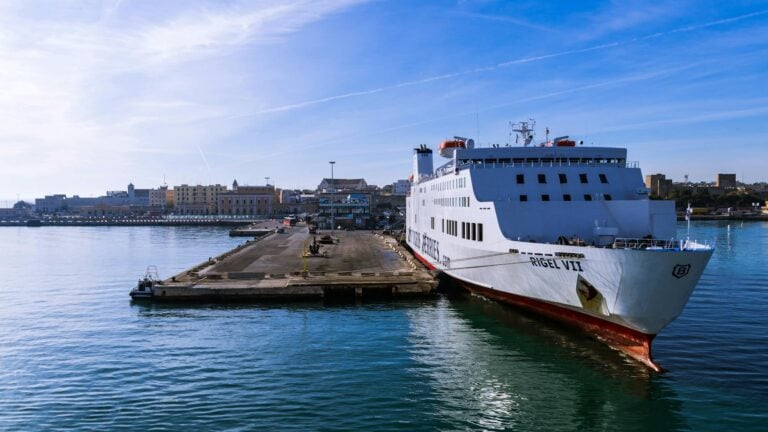
The ferry port in Brindisi is built around a large natural harbour divided into different operational areas handling passenger ferries, freight traffic and commercial shipping.
Most international departures towards Greece and Albania operate from the outer harbour sections closer to the Adriatic exit routes. The exact terminal depends on the ferry operator and destination, so travellers should always confirm departure information carefully before arriving at the port.
Compared with many Mediterranean ferry hubs, Brindisi is relatively straightforward to navigate. Road access around the harbour is generally easier than in larger Italian port cities, and congestion levels are usually more manageable outside peak summer weekends.
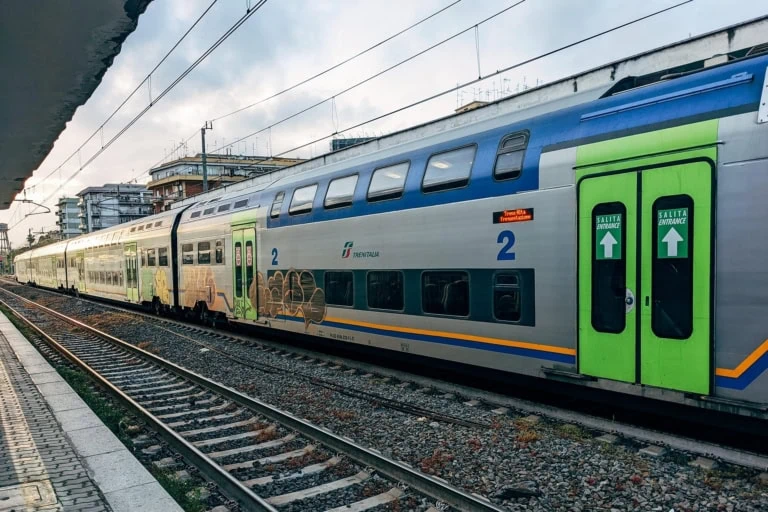
Travellers arriving by rail normally use Brindisi railway station, which sits fairly close to the waterfront. Depending on the terminal being used, most transfers can be completed using taxis, local buses or short road journeys.
Local buses connect the railway station, city centre and harbour throughout the day. Tickets are inexpensive and can usually be purchased from tobacconists, kiosks and authorised ticket vendors around the city. Travellers using paper tickets should validate them where required before boarding.
Passengers arriving through Brindisi Airport can normally reach the ferry area relatively quickly compared with larger ferry gateways elsewhere in Italy. Airport buses and taxis both operate between the airport and city centre, and transfer times are generally manageable because of the airport’s proximity to the harbour.
The atmosphere around the port is practical rather than scenic. Brindisi operates primarily as a serious international ferry and freight hub connecting Italy with the Eastern Adriatic corridor.
| Route from Brindisi | Ferry Operators | Typical Crossing Time | Type of Service | Notes |
|---|---|---|---|---|
| Brindisi to Igoumenitsa | Grimaldi Lines, European Seaways | Around 8 to 10 hours | Overnight ferry | Main gateway towards mainland Greece and the Balkans |
| Brindisi to Patras | Grimaldi Lines | Around 16 to 18 hours | Overnight ferry | Popular route for overlanders and Interrail travellers |
| Brindisi to Corfu | Grimaldi Lines, seasonal operators | Around 6 to 8 hours | Seasonal ferry and fast service | Services vary heavily by season |
| Brindisi to Vlorë | European Ferries, Starlines | Around 5 to 7 hours | Adriatic ferry | One of the main Albania connections |
| Brindisi to Sarandë | Seasonal operators | Around 6 to 9 hours | Seasonal ferry | Useful for southern Albania and Riviera travel |
| Brindisi to Durrës | Various seasonal and freight-linked operators | Around 8 to 10 hours | Overnight ferry | Some routes vary year to year |
| Brindisi to Kefalonia | Seasonal operators | Around 10 to 14 hours | Seasonal ferry | Usually summer-only sailings |
| Brindisi to Zakynthos | Seasonal operators | Around 12 to 16 hours | Seasonal ferry | Often linked through wider Ionian ferry schedules |
Browse hotels and accommodation for your visit to Brindisi.
View staysExplore holiday homes and apartments around Brindisi.
See holiday homesCompare hotel deals in Brindisi from multiple booking sites.
Compare pricesFerry Routes from Brindisi to Greece
The ferry routes between Brindisi and Greece are some of the most important international sea crossings anywhere in the Adriatic. For many travellers, Brindisi acts as one of the main gateways between Southern Italy and mainland Greece.
The most important route usually operates towards Igoumenitsa, located on the northwestern Greek coast. Igoumenitsa functions as a major transport hub linking ferry passengers with road networks stretching deeper into mainland Greece towards destinations such as Athens, Meteora, and the Peloponnese.
Some ferry services continue further south towards Patras, which provides stronger onward access towards southern Greece and wider Peloponnese travel routes.
Most crossings are overnight sailings lasting roughly between 7 and 10 hours depending on sea conditions, vessel type and operator schedules. Cabins are available on many departures, making the routes especially useful for travellers combining ferry crossings with long-distance rail or road trips.
Major operators serving Greece from Brindisi include Grimaldi Lines and other Adriatic ferry companies depending on seasonal schedules and route demand.
The routes are particularly popular with motorhome travellers, Balkan road trippers, Interrail travellers, and passengers avoiding short-haul flights across Southern Europe. For many travellers, the overnight ferry becomes part of the wider Adriatic travel experience rather than simply a transport connection.
Ferry Routes from Brindisi to Albania
The ferry connection between Brindisi and Albania has become increasingly important as Albania continues growing as one of the Balkans’ fastest-rising tourism destinations.
The main route from Brindisi usually operates towards Vlorë, providing one of the fastest maritime links between Southern Italy and the Albanian Riviera region.
Compared with many Greece crossings, ferry journey times towards Albania are generally shorter, with sailings often taking roughly around 5 to 7 hours depending on vessel type and sea conditions.
These routes are especially useful for travellers planning wider Balkan itineraries through Albania, Montenegro, North Macedonia, and mainland Greece. Ferry crossings allow travellers to bypass long overland driving routes around the northern Adriatic while carrying larger luggage loads, camping equipment and vehicles much more easily than flying.
Demand on Albania ferry routes has grown noticeably in recent years as more international travellers discover the beaches and coastal towns of the Albanian Riviera. Summer sailings become particularly busy during July and August when tourism traffic and diaspora travel both increase sharply across the Adriatic corridor.
For many travellers, ferries from Brindisi provide one of the most practical and flexible ways to begin wider overland travel across Southeastern Europe.
Domestic Ferry Routes from Brindisi
Compared with ports such as Naples or Palermo, Brindisi is much more heavily focused on international Adriatic crossings than domestic island ferries within Italy. Most passengers using the port are travelling towards Greece or Albania rather than taking short coastal ferry journeys.
Even so, Brindisi still plays an important role within Southern Italy’s wider transport network. Travellers arriving by ferry can continue easily towards destinations such as Lecce, Bari, Naples, and Rome using Italy’s rail network and long-distance coach services.
The city is particularly useful for travellers exploring the wider Salento Peninsula, where coastal towns, beaches and historic centres are becoming increasingly popular with international visitors. Brindisi therefore works less as a domestic ferry hub and more as an international maritime gateway feeding directly into Southern Italy’s road and rail infrastructure.
Travellers heading onwards towards Sicily usually continue west using rail services or road routes towards ferry ports such as Naples or Villa San Giovanni rather than using direct ferries from Brindisi itself.

Ferry Operators Serving Brindisi
Several major Adriatic ferry companies operate services from Brindisi, focusing mainly on crossings towards Greece and Albania.
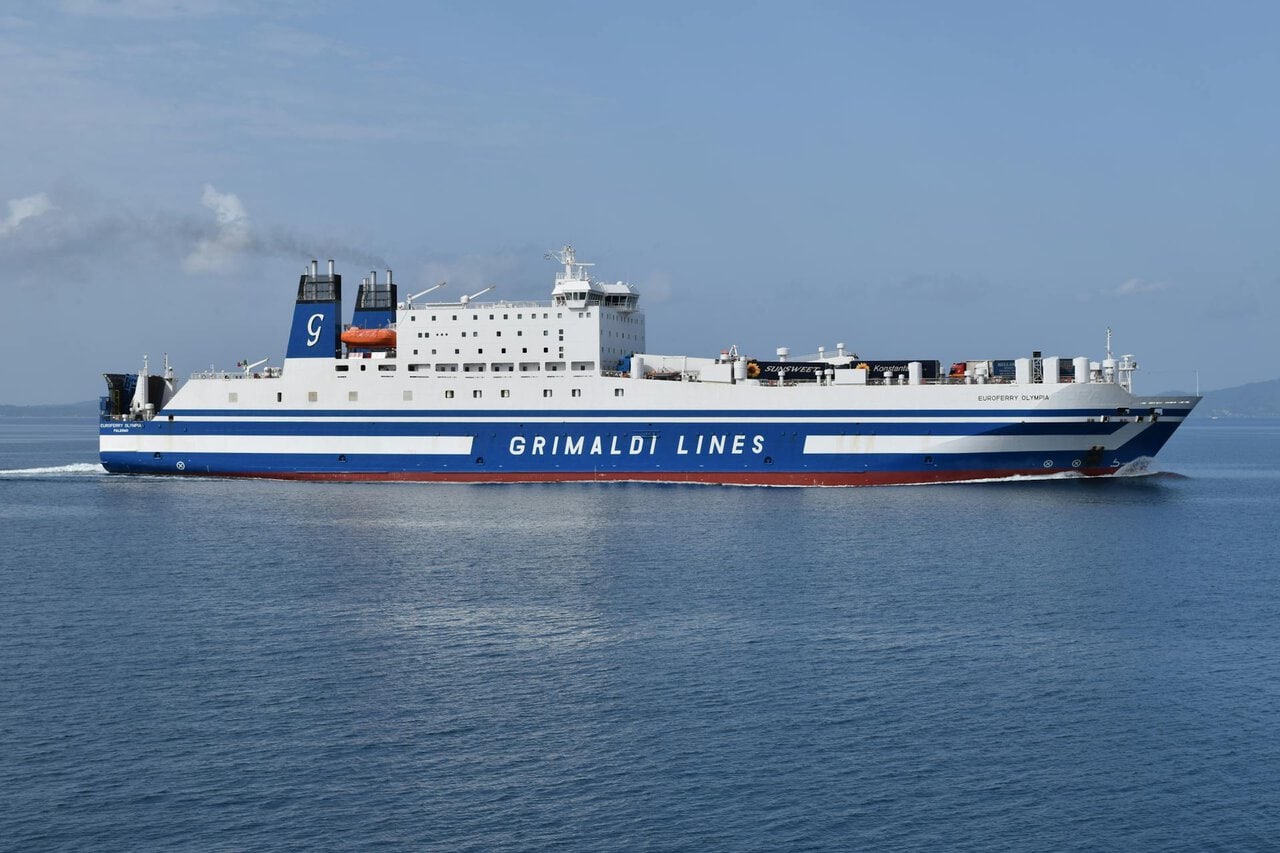
The best-known operator is usually Grimaldi Lines, which runs large conventional ferries linking Southern Italy with the Greek mainland. These ferries are especially important for travellers transporting cars, motorcycles, campervans, and larger luggage loads across the Adriatic.
Depending on seasonal schedules and route demand, travellers may also encounter additional Adriatic operators serving destinations such as Igoumenitsa, Patras, and Vlorë.
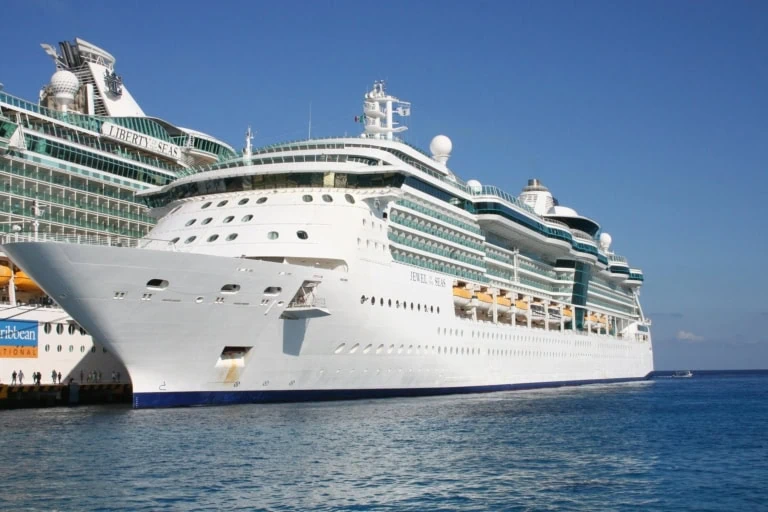
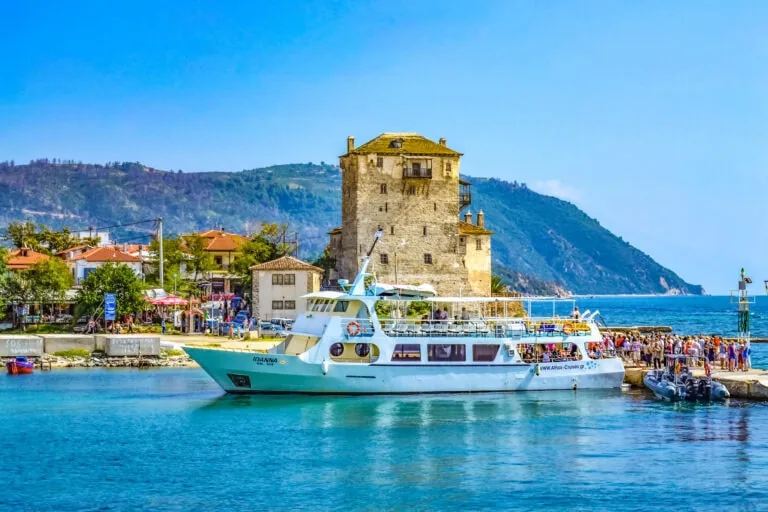
Most ferries departing from Brindisi are conventional overnight vessels rather than high-speed tourist ferries. Ships are generally equipped with cabins, seating lounges, restaurants and large vehicle decks designed for long-distance international crossings.
For most travellers, the choice of operator depends mainly on sailing times, cabin availability, vehicle space and overall route schedules rather than dramatic differences in onboard experience.
Travellers should always double-check departure terminals before arriving at the port because operators may use different harbour areas depending on traffic levels and operational requirements.
Fast Ferries vs Overnight Ferries from Brindisi
Most Brindisi ferry routes operate using large conventional overnight ferries rather than the fast hydrofoils commonly seen around Naples or the Amalfi Coast.
That reflects the nature of the routes themselves. Crossings between Italy, Greece, and Albania are much longer and heavily focused on international transport, vehicle movement and overnight travel across the Adriatic Sea.
Conventional ferries offer several important advantages for long-distance travel. Travellers can transport vehicles far more easily, carry larger luggage loads and book private cabins for overnight crossings.
For many passengers, the overnight format is actually one of the biggest benefits. Instead of losing an entire day travelling across Southern Europe, travellers can board in the evening and wake up much closer to their onward destination the following morning.
The trade-off is journey time. Conventional ferries are naturally slower than hydrofoils and catamarans, although on routes covering large sections of the Adriatic, comfort and stability are usually far more important than maximum speed.
Sea conditions can still affect crossings, especially during winter and periods of strong Adriatic winds. Larger overnight ferries are generally more stable than smaller high-speed vessels, although rough seas can still make overnight journeys uncomfortable outside calmer summer periods.
How to Book Brindisi Ferry Tickets
Booking Brindisi ferry tickets is usually relatively simple, although advance reservations become increasingly important during summer and holiday periods.
Travellers heading towards Greece or Albania during July and August should strongly consider booking well ahead, particularly when travelling with vehicles or requiring overnight cabins.
Vehicle space on Adriatic ferries can sell out surprisingly quickly during peak travel periods. Cabins are also heavily demanded during summer weekends and major European holiday periods when overland traffic across the Balkans increases sharply.
Tickets can normally be booked directly through ferry operators or through comparison platforms allowing travellers to compare schedules, crossing times and available operators across multiple routes.
Most ferry companies now support digital boarding passes and online check-in systems, making the process significantly easier than older paper-ticket arrangements. Travellers should still allow plenty of time at the port to locate the correct terminal and complete boarding procedures.
Passengers travelling without vehicles are generally advised to arrive at least around one hour before departure. Travellers bringing cars, motorcycles or campervans often need considerably longer depending on loading procedures and seasonal traffic levels.
Because Brindisi functions as a serious international ferry hub rather than a small tourist port, boarding procedures can feel much closer to airport-style international transport operations than short sightseeing ferry crossings.

Organise Your Brindisi Ferry Journey with Direct Ferries
You can use Direct Ferries to research ferry travel for Brindisi, check sailing schedules and compare operators before booking.
Having the available crossings together can make it easier to build your itinerary around the most convenient departure and arrival times.
Want to compare ferry prices? You can also check Ferryhopper and FerryScanner before booking.
Browse hostels and budget-friendly stays around Brindisi.
See hostelsFlying to Brindisi? Get fast compensation payouts, eligible lounge benefits and expert help when flights go wrong.
See AirHelp+ benefitsArriving before check-in or leaving later? Store your luggage and make more of your time in Brindisi.
Store your bagsBrindisi Ferry Routes for Cars and Motorhomes
One of the biggest advantages of Brindisi is how well the port functions for vehicle-based travel across Southern Europe and the Balkans. Unlike smaller tourist ferry ports designed mainly around foot passengers, Brindisi is heavily geared towards international vehicle transport and long-distance overland travel.
Large conventional ferries regularly carry cars, motorcycles, campervans, motorhomes and freight vehicles across the Adriatic, making the city particularly useful for travellers planning extended road trips through Greece, Albania and the wider Balkan region.
For many travellers, ferry crossings from Brindisi remove the need for exhausting overland drives around the northern Adriatic coastline. Instead of spending multiple days crossing several countries by road, passengers can board overnight ferries in Southern Italy and wake up much closer to their onward destination the following morning.
Summer demand for vehicle space becomes extremely high, especially during weekends and major European holiday periods. Travellers bringing larger vehicles should normally reserve as early as possible because ferry deck allocation can become limited surprisingly quickly during peak season.
Arriving early at the port is also extremely important for vehicle passengers. Loading operations on international Adriatic ferries are much more complex than standard passenger boarding procedures, and operators often require check-in well before departure. Travellers carrying trailers, roof boxes or oversized motorhomes should also pay close attention to vehicle measurements during booking because pricing and deck allocation are usually based on overall dimensions.
Brindisi Ferry Terminals, Transport and Airport Connections
The ferry terminals in Brindisi are relatively well connected with the city centre, railway station and airport, which makes transfers easier than many first-time visitors initially expect.
Most rail passengers arrive through Brindisi railway station, located reasonably close to the harbour area. Depending on the exact terminal being used, travellers can normally continue towards the port using local buses, taxis or short road transfers. Compared with larger ferry hubs elsewhere in Italy, the overall transfer distances in Brindisi are generally manageable.
Local buses operate between the railway station, city centre and waterfront throughout much of the day. Tickets are inexpensive and can usually be purchased from tobacconists, kiosks and authorised ticket vendors around the city. Travellers using paper tickets should validate them where required before boarding.
Passengers arriving through Brindisi Airport normally find the transfer process relatively straightforward because the airport sits quite close to the city itself. Airport buses connect the airport with central Brindisi throughout the day, while taxis provide quicker direct access towards the ferry terminals.
One of Brindisi’s biggest practical strengths is that the city remains relatively compact compared with larger Mediterranean ferry ports. Travellers moving between trains, ferries and airport connections usually face far less congestion and confusion than in larger Italian transport hubs.
Best Time of Year for Brindisi Ferry Travel
The best season for using Brindisi ferry routes depends heavily on the type of trip being planned and the traveller’s tolerance for crowds, heat and sea conditions.
Summer is naturally the busiest period. Between June and September, ferries towards Greece and Albania become extremely busy with tourists, overland travellers and diaspora traffic moving across the Adriatic corridor. Vehicle space and overnight cabins can sell out surprisingly early during peak weeks, especially on weekend sailings.
The main advantage of summer is frequency. Ferry schedules are normally at their fullest during the warmest months, and calmer sea conditions usually make crossings more reliable and comfortable than during winter.
Many experienced travellers actually prefer spring and autumn sailings because temperatures are more manageable, ferry prices are often lower and ports feel considerably less crowded. Periods such as May, June, September and early October often provide the best overall balance between weather, ferry availability and travel comfort.
Winter crossings can feel very different. Schedules are usually reduced and strong Adriatic winds occasionally affect overnight sailings, particularly during rough weather systems moving across the region. Travellers prone to seasickness generally experience calmer journeys during stable summer conditions, especially on the longer overnight routes towards mainland Greece.
Common Brindisi Ferry Problems and Delays
Most ferry crossings from Brindisi operate relatively smoothly, but travellers should still expect occasional disruption, especially during busy summer periods and poor Adriatic weather conditions.
One of the most common problems is simple congestion during peak travel season. Ferries towards Greece and Albania become extremely busy throughout July and August, particularly during weekends when tourism traffic and overland vehicle movements increase sharply. Travellers arriving late occasionally discover that cabin availability or vehicle space has already sold out.
Weather also plays an important role. The Adriatic Sea can become rough during periods of strong wind, especially outside stable summer conditions. Larger overnight ferries are generally reliable, but delays and schedule adjustments still happen during difficult weather systems. Winter sailings are naturally more vulnerable to disruption than summer crossings.
Another issue many first-time visitors underestimate is the scale of international vehicle traffic using the port. Ferry loading procedures for cars, campervans and freight vehicles can take significantly longer than expected, especially during busy overnight departures. Travellers arriving too close to departure risk missing boarding entirely.
Port confusion can also create problems. The wider harbour area is relatively manageable compared with larger Italian ferry hubs, but travellers should still double-check terminals and operator instructions carefully before arrival because departure areas can vary depending on route and company.
Travellers using onward rail connections should leave sensible buffer time after arrival. Delayed overnight ferries occasionally affect morning train departures, particularly during rough weather periods across the Adriatic corridor.
Is Brindisi Worth Using as a Ferry Base?
For many overland travellers, absolutely. Brindisi is one of the most practical ferry bases anywhere in Southern Europe for travellers moving between Italy, the Balkans, and mainland Greece.
The city works particularly well because the port remains relatively compact and transport-focused compared with larger Mediterranean ferry hubs. Travellers can move between ferries, trains, roads and airport connections without the overwhelming scale and congestion often found in bigger Italian port cities.
For travellers exploring the Balkans by road, rail or campervan, Brindisi provides a highly efficient Adriatic crossing point. Overnight ferries allow passengers to continue long-distance journeys while also saving time and reducing the need for additional hotel stays.
The city is also well positioned within Apulia, making it easy to combine ferry travel with wider exploration of Southern Italy. Travellers can continue towards destinations such as Lecce, Bari, and the wider Salento Peninsula after arriving or before departing.
Unlike highly touristed ferry ports focused mainly on sightseeing traffic, Brindisi feels more authentic and operational. Ferries are treated as serious transport infrastructure rather than tourist attractions, which many experienced overland travellers actually prefer.
For travellers planning wider Adriatic or Balkan journeys, Brindisi often works far better as a practical transport gateway than many people initially expect.

Rupert’s Handy Travel Tips
Rupert likes sailing from Brindisi because the port feels calmer and far less overwhelming than some of Italy’s larger ferry hubs. The atmosphere around the harbour is practical rather than touristy, and many travellers are heading towards serious overland journeys across Greece and the Balkans rather than quick sightseeing trips.
Rupert enjoys overnight Adriatic ferry crossings because they feel like part of the journey rather than wasted travel time. Watching the coastline of Southern Italy disappear from the top deck during sunset is one of the quieter pleasures of travelling across the Mediterranean.
- Book cabins early during July and August because overnight ferries towards Greece can fill surprisingly quickly.
- Rupert never leaves chargers, medication or travel documents inside the vehicle deck because access is usually restricted once the ferry departs.
- Rupert usually heads onto the outer deck shortly after departure because the evening sea air across the Adriatic is often one of the best parts of the crossing.
- Arrive early if travelling with a motorhome or car because vehicle loading takes longer than many first-time passengers expect.
- Install a reliable travel eSIM before boarding because mobile coverage can fluctuate once ferries move further into the Adriatic Sea.
Rupert considers Adriatic ferries one of the most underrated ways to travel between Italy and the Balkans. They are slower than flying, but far more memorable.
Frequently Asked Questions About Brindisi Ferry Routes
Which countries can you reach by ferry from Brindisi?
Travellers can reach Greece and Albania directly using international ferry routes from Brindisi.
How long is the ferry from Brindisi to Greece?
Crossings towards Igoumenitsa usually take around seven to nine hours depending on sea conditions and operator schedules. Sailings towards Patras are normally longer.
Can you take a car on ferries from Brindisi?
Yes. Most ferries operating from Brindisi are large conventional vessels designed to carry cars, motorcycles, campervans and freight vehicles across the Adriatic.
How do you get from Brindisi Airport to the ferry port?
Travellers can normally use airport buses or taxis between Brindisi Airport and the harbour area. Transfer distances are relatively short compared with many larger ferry hubs.
Is Brindisi or Bari better for ferries to Greece?
Both ports are important Adriatic gateways. Brindisi is often considered slightly easier and more compact, while Bari generally offers a larger range of ferry services and connections.
Do Brindisi ferries run year-round?
Yes. Major Adriatic ferry routes towards Greece and Albania normally operate throughout the year, although schedules are more extensive during summer.
Are overnight cabins worth booking?
For many travellers, yes. Cabins make long Adriatic crossings significantly more comfortable and allow passengers to sleep properly during overnight journeys.
Further Reading & Related Guides
Travellers using Brindisi ferry routes should also read our wider Adriatic and Southern Europe transport guides. Our detailed Bari Ferry Routes Guide compares the other major Adriatic ferry hub in Apulia, while our Naples Ferry Routes Guide explains connections towards Sicily, Capri, and the wider Southern Italian coastline.
If you are continuing across Europe by rail, our Interrail Pass Guide, Interrail Italy Guide, and wider European Railway Network Guide explain how to combine ferries with long-distance train travel across Italy and the Balkans. Travellers heading towards Greece should also explore our wider ferry and overland transport content covering Mediterranean and Balkan travel routes.
For airport arrivals, our Brindisi Airport Transfer Guide explains how to reach the ferry terminals, railway station and wider Salento region using public transport and taxis. Travellers relying heavily on mobile tickets, maps and booking apps should also read our eSIM Apps Guide before travelling across the Adriatic corridor.