Reviewed by our editorial team Updated
Holyhead to Dublin Ferry: Rail, Sea & the Irish Journey Experience
The Holyhead to Dublin ferry is one of the most important and historic sea routes anywhere in Europe, connecting North Wales with the Irish capital across the Irish Sea. Combining large cruise ferries, high-speed sailings, integrated rail connections, overnight departures, and spectacular coastal scenery, the route remains one of the best alternatives to flying between Britain and Ireland.
The crossing links the port of Holyhead on Anglesey with Dublin Port, creating a direct transport corridor between the UK rail network and Ireland. For many travellers, the journey begins on the scenic North Wales Coast Line, where trains run directly to Holyhead station beside the ferry terminal itself.
Unlike short ferry crossings that simply feel functional, the Holyhead to Dublin route still feels like a genuine maritime journey. Depending on the sailing chosen, passengers may experience open sea crossings, panoramic coastal scenery, sunset departures, upgraded lounges, restaurants, cinemas, shopping areas, and large outdoor decks overlooking the Irish Sea.
The route is operated by Irish Ferries and Stena Line, with multiple daily departures throughout the year. Travellers can choose between conventional cruise-style ferries or the seasonal high-speed Dublin Swift service.
For travellers wanting to avoid airports, carry large luggage, travel with vehicles, or enjoy a slower and more scenic journey, the Holyhead to Dublin ferry remains one of the most rewarding transport experiences connecting the UK and Ireland.
Why the Holyhead to Dublin Ferry Is One of Europe’s Great Sea Crossings
What makes the Holyhead to Dublin ferry particularly memorable is the combination of maritime atmosphere, transport history, coastal scenery, and practical convenience.
For generations, this exact corridor acted as one of the primary routes between London and Dublin, with passengers travelling by train across Britain before boarding ferries at Holyhead for the onward crossing to Ireland. Even today, the integrated relationship between railway and ferry travel remains one of the defining features of the route.
Arriving into Holyhead by train still feels highly atmospheric. The railway terminates directly beside the port, with ferry vessels often visible from the platforms themselves. Few transport routes in Europe still combine long-distance rail and sea travel in such a seamless way.
The crossing itself can vary dramatically depending on season and weather conditions. Calm summer sailings often provide excellent coastal views towards Anglesey, North Wales, and the approaches into Dublin Bay, while winter crossings can feel far more rugged and dramatic as vessels move through rougher Irish Sea conditions.
The route also offers genuine flexibility. Some travellers prioritise speed using the high-speed Dublin Swift, while others prefer the larger cruise-style ferries with spacious lounges, restaurants, bars, shops, and quieter seating areas.
Unlike flying, ferry travel also allows passengers to carry significantly more luggage, travel with pets and vehicles more easily, and avoid airport-style security procedures and baggage restrictions.
For rail enthusiasts, maritime travellers, slow travellers, and anyone wanting a more scenic route to Ireland, the Holyhead to Dublin ferry remains one of Europe’s classic sea crossings.
Compare hotels and other places to stay for your trip.
Check availabilityExplore holiday homes and apartments for your trip.
See holiday homesCompare prices from multiple hotel booking sites.
Check dealsQuick Route Overview
| Category | Information |
|---|---|
| Route | Holyhead to Dublin |
| Crossing | Irish Sea |
| Main Operators | Irish Ferries and Stena Line |
| Fast Ferry Option | Dublin Swift |
| Typical Crossing Time | 2–3.5 hours |
| Main UK Port | Holyhead, Anglesey |
| Main Ireland Port | Dublin Port |
| Rail Connections | Direct access via the North Wales Coast Line |
| Vehicle Travel | Cars, motorcycles, campervans and freight |
| Foot Passengers | Yes |
| Rail and Sail Available | Yes |
| Overnight Sailings | Yes |
Holyhead to Dublin Ferry Operators
The Holyhead to Dublin ferry route is operated by two major companies, Irish Ferries and Stena Line, both providing multiple daily crossings across the Irish Sea.
Together, these operators create one of the busiest ferry corridors anywhere in north-west Europe, with departures spread throughout the day and evening to provide considerable flexibility for travellers.
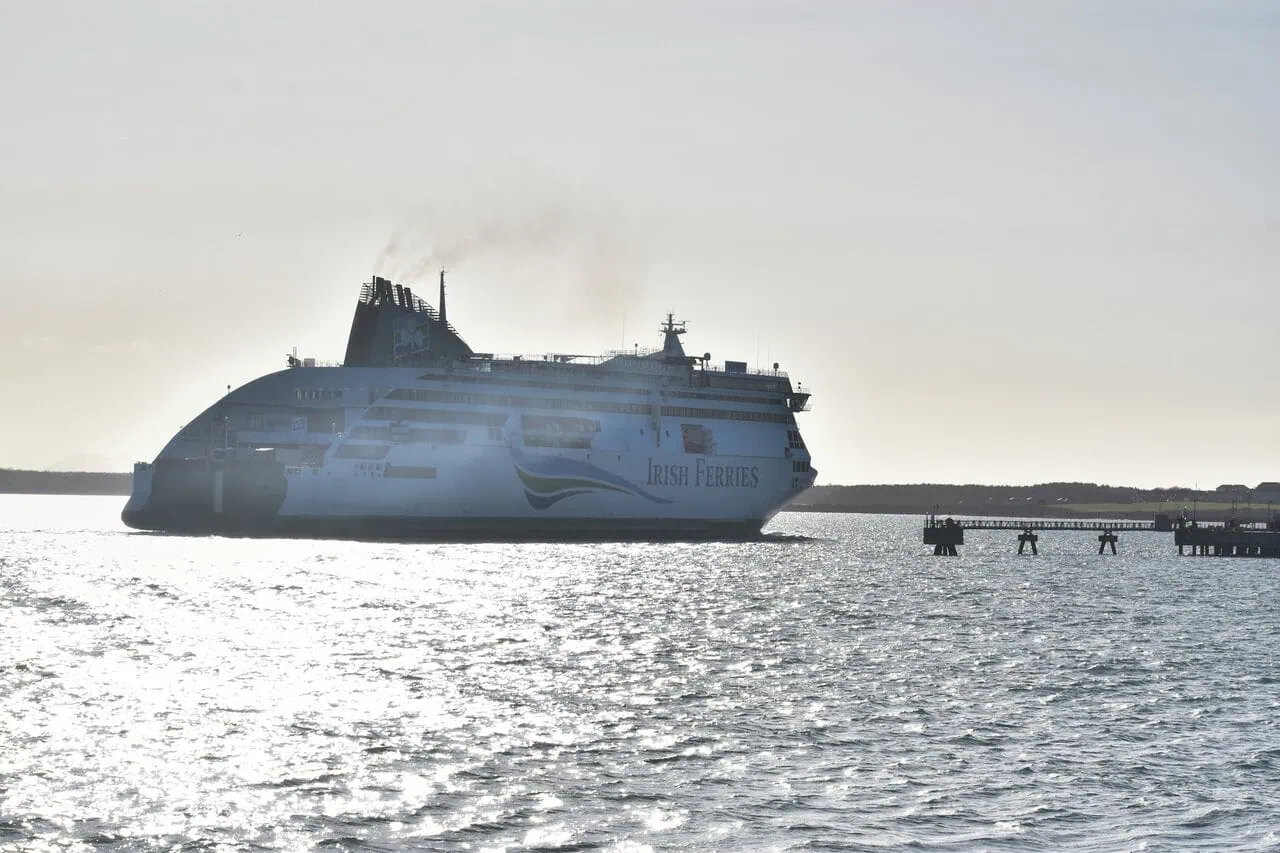
Irish Ferries operates both conventional cruise ferries and the seasonal high-speed Dublin Swift. The company is particularly well known for the large vessel Ulysses, one of the most recognisable ferries anywhere on the Irish Sea.
The onboard atmosphere on Irish Ferries ships often feels relatively cruise-like compared with shorter ferry routes elsewhere in Europe. Larger vessels provide restaurants, bars, shopping areas, cinemas, upgraded lounges, and large passenger seating areas designed for longer and more comfortable crossings.
Stena Line operates the route using vessels including Stena Estrid and Stena Adventurer. The company provides multiple daily crossings and is especially popular with motorists, freight traffic, and passengers using integrated ferry-and-rail journeys between Britain and Ireland.
Both operators accommodate foot passengers, cars, motorcycles, motorhomes, coaches, and freight traffic, making the route highly flexible for different travel styles.
Competition between the two companies also helps maintain relatively strong sailing frequencies throughout the year, giving travellers a wide choice of departure times depending on budget, comfort preferences, and onward travel plans.
Irish Ferries vs Stena Line
For many travellers, choosing between Irish Ferries and Stena Line usually comes down to timetable convenience, onboard atmosphere, crossing time, and pricing.
Irish Ferries tends to place heavier emphasis on the onboard passenger experience, particularly aboard vessels such as Ulysses, where facilities include cinemas, restaurants, shopping areas, bars, upgraded lounges, and large passenger seating areas.
The company also operates the high-speed Dublin Swift, which is the fastest vessel on the route and can complete the crossing in just over two hours during seasonal operation periods.
Stena Line is often viewed as slightly more transport-focused, particularly for motorists and freight traffic, although ships such as Stena Estrid still provide comfortable lounges, restaurants, shops, and upgraded seating options.
Pricing varies considerably depending on season, departure time, vehicle type, cabin upgrades, and how far in advance tickets are booked. Summer weekends and holiday periods naturally tend to produce higher fares across both operators.
As a rough guide, one-way foot passenger fares typically start from around £30 (approximately €35/$38), while a car with driver typically starts from around £130 (approximately €150/$165), rising well beyond £250 during peak summer sailings or when booked at short notice. These figures move constantly with demand, so they should be treated only as an indicative starting point rather than a fixed price.
Travellers prioritising speed often prefer the Dublin Swift, while passengers wanting larger onboard spaces and a slower, more traditional ferry atmosphere may prefer the conventional cruise ferries operated by either company.
For most passengers, both operators provide a reliable and comfortable crossing, with the main differences usually involving timetable flexibility and onboard style rather than overall journey quality.

Plan Your Ferry Journey with Irish Ferries
Travelling between Ireland, Britain, and France can be simple and flexible by ferry. Irish Ferries operates passenger and vehicle services, making it easy to travel with your car, motorhome, bicycle, or luggage without airline restrictions.
It is ideal for road trips, family holidays, and travellers who prefer a more relaxed journey. Whether you are crossing the Irish Sea or travelling between Ireland and continental Europe, ferry travel offers flexibility, comfort, and generous luggage allowances.

Ferry Timetables & Crossing Times
One of the biggest strengths of the Holyhead to Dublin ferry route is the high number of daily departures available across both operators. Between Irish Ferries and Stena Line, travellers can normally choose between multiple daytime, evening, and overnight sailings throughout the year.
Typical crossing times vary depending on vessel type and weather conditions. Conventional cruise ferries usually take around 3 hours 15 minutes to 3 hours 30 minutes, while the high-speed Dublin Swift can complete the journey in just over 2 hours during seasonal operation periods.
The large number of departures also makes the route highly flexible for both short breaks and longer Ireland itineraries. Travellers can choose early morning sailings, daytime crossings with full sea views, or evening departures that arrive later into Dublin.
The route operates throughout the year, although exact schedules can vary depending on season, maintenance periods, and weather conditions on the Irish Sea.
Holyhead to Dublin Ferry Timetable
| Departure | Arrival | Operator | Vessel | Check-In Closes | Typical Crossing |
|---|---|---|---|---|---|
| 01:30 | 05:00 | Irish Ferries | Cruise Ferry | Varies | 3h 30m |
| 04:00 | 07:25 | Stena Line | Stena Adventurer | 03:20 | 3h 25m |
| 07:30 | 11:00 | Irish Ferries | Cruise Ferry | Varies | 3h 30m |
| 10:00 | 13:30 | Stena Line | Stena Estrid | 09:20 | 3h 30m |
| 13:15 | 16:45 | Irish Ferries | Cruise Ferry | Varies | 3h 30m |
| 16:00 | 19:30 | Stena Line | Stena Adventurer | 15:20 | 3h 30m |
| 19:30 | 23:00 | Irish Ferries | Cruise Ferry | Varies | 3h 30m |
| 22:15 | 01:45 | Stena Line | Stena Estrid | 21:35 | 3h 30m |
The seasonal Dublin Swift fast ferry normally operates during busier travel periods and offers the quickest crossing on the route, reducing sailing time to just over two hours.
Dublin to Holyhead Ferry Timetable
| Departure | Arrival | Operator | Vessel | Check-In Closes | Typical Crossing |
|---|---|---|---|---|---|
| 01:15 | 04:45 | Irish Ferries | Cruise Ferry | Varies | 3h 30m |
| 04:30 | 08:00 | Stena Line | Stena Estrid | 03:50 | 3h 30m |
| 07:30 | 11:00 | Irish Ferries | Cruise Ferry | Varies | 3h 30m |
| 10:15 | 13:45 | Stena Line | Stena Adventurer | 09:35 | 3h 30m |
| 13:45 | 17:15 | Irish Ferries | Cruise Ferry | Varies | 3h 30m |
| 16:30 | 20:00 | Stena Line | Stena Estrid | 15:50 | 3h 30m |
| 19:45 | 23:15 | Irish Ferries | Cruise Ferry | Varies | 3h 30m |
| 22:30 | 02:00 | Stena Line | Stena Adventurer | 21:50 | 3h 30m |
Sailing schedules can vary depending on season, weather conditions, operational changes, and whether the seasonal Dublin Swift is operating. Travellers should always double-check live sailing information before departure, particularly during winter periods when Irish Sea weather can occasionally affect schedules.
Check-in for foot passengers and vehicles normally closes between 30 and 45 minutes before departure, depending on operator and sailing type.
Search routes and flight options for your journey.
Search flightsChoose an Airalo eSIM and arrange mobile data before you arrive.
Browse eSIMsArrange a private pickup before travel instead of sorting transport after landing.
Book a transferDay Sailings, Overnight Ferries & Fast Ferry Options
The Holyhead to Dublin ferry route offers several different crossing styles depending on whether travellers prioritise speed, scenery, overnight convenience, or onboard comfort.
Daytime sailings are often the most scenic option, particularly during clear weather when passengers can enjoy views across the Irish Sea, the coastline of Anglesey, and the approaches into Dublin Bay. These crossings also allow passengers to make full use of onboard restaurants, lounges, viewing decks, and seating areas.
Evening and overnight departures are particularly useful for travellers wanting to maximise time in Ireland or avoid overnight hotel costs. Late sailings also create a much quieter atmosphere onboard, especially outside peak summer periods.
One of the most distinctive options on the route is the seasonal Dublin Swift, the only high-speed fast ferry operating between Britain and Ireland. The vessel dramatically reduces crossing times and is especially popular during summer.
Many travellers still prefer the larger cruise ferries because of their greater onboard space, smoother ride during rough weather, and wider range of facilities.
Weather conditions can also affect the experience considerably. Conventional ferries generally provide a steadier crossing during rough Irish Sea conditions, while fast ferries can sometimes feel more affected by stronger weather systems.
Travellers using Rail and Sail tickets often prefer the conventional ferries because sailing times align more naturally with long-distance rail arrivals and onward train connections.
The Dublin Swift Fast Ferry
The Dublin Swift is the fastest vessel operating on the Holyhead to Dublin ferry route and remains one of the most distinctive ferry experiences anywhere around the British Isles.
Operated by Irish Ferries, the vessel is a high-speed catamaran capable of completing the crossing in just over two hours, making it significantly faster than the conventional cruise ferries operating on the same route.
The Dublin Swift usually operates seasonally during busier travel periods, particularly across spring and summer when demand between Britain and Ireland increases.
For travellers prioritising speed, the vessel can make Ireland feel considerably closer to North Wales and north-west England, especially when combined with direct rail services to Holyhead.
Despite the shorter crossing time, passengers still have access to onboard seating areas, food services, lounges, and sea views throughout the journey.
Because the vessel operates at much higher speed than the conventional ferries, the onboard atmosphere feels noticeably different. Boarding procedures are often quicker and the crossing itself feels more focused on efficient transport rather than slower maritime travel.
The fast ferry is especially popular with short-break travellers, foot passengers, rail travellers, business passengers, and motorists wanting the shortest crossing possible.
Some travellers still prefer the larger conventional ferries because they provide more onboard space, outdoor deck areas, restaurants, cinemas, and a calmer atmosphere during rough weather.
During busy summer periods, the Dublin Swift can become particularly popular, so booking well in advance is often advisable.
Stena Estrid, Stena Adventurer & Irish Ferries Ships
The vessels operating on the Holyhead to Dublin route vary considerably in style, size, and onboard atmosphere, giving passengers several different crossing experiences depending on operator and sailing chosen.
Among the best-known ships on the route is Ulysses, operated by Irish Ferries. One of the largest ferries on the Irish Sea, the vessel feels closer to a compact cruise ship than a simple transport ferry. Onboard facilities include restaurants, bars, cinemas, shopping areas, upgraded lounges, and extensive passenger seating areas.
The ship is particularly popular with travellers wanting a slower and more comfortable crossing experience, especially during daytime sailings where passengers have time to enjoy the onboard atmosphere and sea views.
The seasonal Dublin Swift offers a completely different experience. As a high-speed catamaran, the vessel focuses much more heavily on rapid transport across the Irish Sea rather than the cruise-style atmosphere offered by larger ferries.
On the Stena Line side, the route is mainly served by Stena Estrid and Stena Adventurer, both offering large passenger areas, food outlets, lounges, shops, and upgraded seating options.
Stena Estrid is one of the newer vessels on the route and is especially known for its modern interiors, quieter lounge areas, and more contemporary onboard feel.
Meanwhile, Stena Adventurer remains one of the most recognisable ferries operating between Britain and Ireland and has long been associated with the Holyhead corridor.
For many travellers, the ferry itself becomes part of the overall journey rather than simply a method of transport, particularly on longer daytime crossings where passengers have time to explore the ship, enjoy sea views, and experience the atmosphere of the Irish Sea route itself.
Onboard Facilities, Food & Seating
The onboard experience on the Holyhead to Dublin ferry is far more substantial than many first-time passengers expect, particularly on the larger vessels operated by Irish Ferries and Stena Line. Because the crossing takes several hours rather than minutes, the ships are designed to function as genuine passenger environments rather than simple transport vessels.
Large ferries such as Ulysses feel closer to compact cruise ships than traditional short-route ferries. Passengers have access to extensive seating areas, restaurants, cafés, bars, shopping areas, upgraded lounges, outdoor viewing decks, and entertainment spaces spread across multiple passenger decks.
Many travellers spend a significant part of the crossing exploring the ship itself, especially during daytime sailings where views across the Irish Sea become part of the overall travel experience. During calmer weather, outdoor deck areas are particularly popular as ferries leave Holyhead Harbour, pass the coastline of Anglesey, and eventually approach Dublin Bay.
The atmosphere onboard also changes considerably depending on the sailing chosen. Early morning crossings often feel quieter and more transport-focused, while afternoon and evening departures can feel much more relaxed and social, particularly during busy summer periods.
Food options are generally far better than many passengers expect from a ferry crossing. Larger ships typically offer restaurants, cafés, coffee bars, snack counters, and lounge dining areas serving both quick meals and longer sit-down options.
Passengers wanting additional comfort often choose upgraded lounges, which usually provide quieter surroundings, more spacious seating, charging points, complimentary refreshments, and improved sea views away from the busiest public areas.
The larger conventional ferries operated by Irish Ferries and Stena Line also tend to provide a smoother and calmer crossing during rough Irish Sea weather compared with smaller high-speed vessels.
For many travellers, especially those avoiding airports or travelling slowly through Britain and Ireland, the onboard atmosphere becomes one of the most enjoyable parts of the overall journey.
How to Buy Holyhead to Dublin Ferry Tickets
Booking the Holyhead to Dublin ferry is usually very straightforward, although prices, sailing availability, and onboard upgrade options can vary significantly depending on the time of year and how early tickets are purchased.
Most travellers book online in advance, particularly during busy summer periods, bank holidays, school holidays, and major events in Dublin, when sailings can become heavily booked and vehicle space starts disappearing quickly.
Passengers can travel either as foot passengers or with vehicles including cars, motorcycles, campervans, and motorhomes. Vehicle availability often becomes the biggest limiting factor during peak periods, especially on daytime crossings and weekend departures.
Prices normally vary depending on the chosen operator, sailing time, season, vehicle size, and onboard upgrade selections such as premium lounges or cabins.
Because both Irish Ferries and Stena Line operate across the route, comparing sailings before booking is usually worthwhile. Departure times, onboard facilities, crossing durations, and pricing can differ considerably even on the same day.
One of the easiest ways to compare prices and sailing availability across both operators is through Direct Ferries, which allows travellers to view multiple crossings in one place rather than searching individual ferry company websites separately.
This is particularly useful for travellers wanting flexibility around departure times, overnight sailings, fast ferry crossings, or return journeys between Britain and Ireland.
Booking earlier usually produces the best fares, especially for larger vehicles and summer sailings. Campervan and motorhome spaces can become fully booked surprisingly early during warmer months, particularly on Friday departures and holiday weekends.
For most travellers, a little advance planning can make a substantial difference to both price and sailing choice on the Holyhead to Dublin ferry route.

Book Your Ferry Trip with Direct Ferries
Direct Ferries can help you organise your ferry trip by bringing routes, operators and fares together in a single search.
This can be particularly helpful when your journey involves several possible crossings or when departure times vary between ferry companies.
Want to compare ferry prices? You can also check Ferryhopper and FerryScanner before booking.
Rail and Sail Tickets from Britain to Ireland
One of the most useful and underrated features of the Holyhead to Dublin ferry route is the long-running Rail and Sail system connecting Britain and Ireland through integrated rail and ferry travel.
Rail and Sail tickets combine train journeys and ferry crossings into a single booking, allowing passengers to travel from destinations across Britain directly to Ireland using connected rail and sea transport.
For generations, this corridor formed one of the classic travel routes between London and Dublin, and remarkably, the integrated structure still works extremely well today.
Travellers can begin journeys from major rail hubs including London Euston, Manchester, Liverpool, Birmingham, and many other UK stations before connecting onto ferries at Holyhead.
One of the biggest advantages of the system is simplicity. Instead of managing separate train and ferry reservations individually, passengers use a coordinated ticket structure designed around the ferry departure schedules.
The route works especially smoothly because Holyhead railway station sits directly beside the ferry terminal itself. In many cases, passengers can walk from the train platforms to the ferry check-in area within only a few minutes.
Compared with flying, Rail and Sail journeys usually feel considerably more relaxed. Travellers avoid airport-style liquid restrictions, baggage limitations, and long security queues while also being able to carry larger luggage far more easily.
The experience also appeals strongly to Interrail travellers, students, backpackers, and slower travellers wanting a more scenic and atmospheric route between Britain and Ireland.
For many passengers, the combination of the scenic North Wales Coast Line, the maritime atmosphere of Holyhead, and the open Irish Sea crossing creates one of the most distinctive long-distance travel experiences anywhere in north-west Europe.
Plan Your Train Journey with Rail Europe
Booking train tickets in Europe can become complicated when different operators, routes, and booking systems are involved. Rail Europe makes it easier to search routes, compare fares, and buy train tickets in one place.
It is especially useful for international rail journeys, European city-to-city travel, and travellers looking to book both regular rail tickets and passes. Instead of checking multiple train operators separately, you can plan your journey faster and book with confidence.
Compare hostels and budget-friendly places to stay.
Browse hostelsAccess compensation support, eligible lounge benefits and faster payouts.
See the benefitsArriving before check-in or leaving later? Store your luggage and enjoy the extra time hands-free.
Store your bagsUsing the North Wales Coast Line to Reach Holyhead
For many travellers, the railway journey to Holyhead becomes one of the highlights of the entire trip to Ireland.
The ferry terminal connects directly with the scenic North Wales Coast Line, which runs west from Chester along the coastline of North Wales before crossing onto Anglesey and terminating beside the port itself.
This allows passengers travelling from cities such as London, Manchester, Liverpool, and Birmingham to reach the ferry almost entirely by rail without requiring complicated onward transfers.
The railway is widely considered one of Britain’s most scenic coastal routes. Trains pass beaches, sea walls, estuaries, mountains, medieval towns, and dramatic coastal scenery throughout much of the journey.
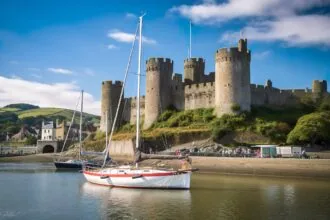
One of the route’s defining highlights occurs at Conwy, where trains pass directly beside the walls and towers of Conwy Castle overlooking the harbour and estuary.
Further west, the scenery becomes increasingly dramatic around Bangor, the crossings near the Menai Strait, and the exposed coastal landscapes approaching Holyhead itself.
Because the railway terminates directly beside the ferry terminal, the transition between rail and sea travel feels unusually seamless compared with many European ferry routes where long transfers are required between station and port.
Passengers travelling with luggage generally find the route relatively straightforward to navigate, particularly at larger interchange stations such as Chester and Holyhead.
For travellers wanting a slower, more scenic, and less stressful alternative to flying, combining the North Wales Coast Line with the Holyhead to Dublin ferry creates one of the most memorable transport journeys anywhere in the British Isles.
Holyhead Port Layout & Check-In Information
The port of Holyhead is one of the busiest ferry terminals anywhere in the UK and acts as the primary maritime gateway between Britain and Ireland.
Despite the scale of operations, the port is generally relatively easy to navigate, particularly for foot passengers arriving directly from the adjacent railway station.
The terminal handles foot passengers, private vehicles, freight traffic, coaches, and large commercial transport movements throughout the day and night because ferry departures operate almost continuously across the route.
Foot passengers normally check in inside the main terminal building before proceeding towards security and boarding areas, while motorists follow separate vehicle staging lanes before boarding the ferry via dedicated ramps.
Check-in deadlines are important on the route. Depending on operator and sailing type, check-in usually closes between 30 and 45 minutes before departure, although vehicle passengers are normally advised to arrive earlier during busy periods and summer weekends.
During holiday periods, major events in Dublin, and peak summer travel dates, the port can become considerably busier, particularly around daytime sailings.
Facilities inside the terminal generally include waiting areas, seating, toilets, cafés, ticket desks, and passenger information areas, although most travellers spend relatively little time inside once boarding begins.
One of the strongest advantages of Holyhead Port is the unusually close relationship between station and ferry terminal. Unlike many ports requiring shuttle buses or lengthy transfers, passengers can move between train and ferry on foot within only a short distance, which helps make the entire rail-and-sea journey feel far smoother and more connected.
Dublin Port Arrival & Transport Connections
Arriving into Dublin Port feels noticeably different from arriving at an airport. Instead of long corridors, baggage systems, and large terminal complexes, passengers disembark directly into one of Ireland’s busiest maritime gateways with views towards the skyline of Dublin often visible during the final approach into port.
The arrival process is usually relatively efficient, although timings naturally vary depending on vessel size, passenger numbers, traffic movements, and weather conditions on the Irish Sea.
Unlike Holyhead, the ferry terminal at Dublin is not directly attached to a major railway station, so onward transport planning becomes slightly more important for arriving passengers.
Most travellers continue into central Dublin using taxis, ride-hailing apps, coaches, or bus services operating between the port and the city centre. The journey into central Dublin is relatively short geographically, although traffic conditions can affect travel times considerably during weekday rush hours and busy summer weekends.
Passengers continuing onwards across Ireland often head towards Dublin Connolly Station or Dublin Heuston Station, depending on whether they are travelling towards destinations such as Belfast, Galway, Cork, or western Ireland.
The port also works particularly well for travellers using Ireland’s wider coach network because many intercity services operate from central Dublin within relatively easy reach of the ferry terminal.
For first-time visitors, one of the biggest surprises is often how quickly the transition between ferry and city happens compared with airports located far outside urban centres. Once disembarkation begins, travellers can often reach central Dublin relatively quickly depending on traffic and onward transport arrangements.
Because ferry arrivals sometimes coincide with busy city traffic conditions, especially during afternoon sailings, allowing additional connection time for onward rail or coach travel is usually sensible.

Taking a Car on the Ferry
One of the biggest advantages of the Holyhead to Dublin ferry compared with flying is the ease of travelling with a vehicle.
The route is heavily used by motorists travelling between Britain and Ireland, including families, tourists, freight operators, campervan travellers, motorcyclists, and long-distance drivers continuing across Ireland.
Both Irish Ferries and Stena Line operate vessels designed around substantial vehicle capacity, with large onboard car decks capable of accommodating everything from standard family cars to motorhomes, coaches, and heavy freight vehicles.
For many travellers, bringing a vehicle completely changes the flexibility of an Ireland trip. Instead of relying on airport car hire, public transport timetables, or organised tours, passengers can simply continue driving immediately after arrival into Dublin.
The boarding process for motorists is normally highly organised. Vehicle passengers check in separately from foot passengers before being directed into staging lanes ahead of boarding.
During busy summer weekends, holiday periods, and major events in Dublin, the port areas can become considerably busier, particularly around peak daytime sailings.
Many travellers also use the route specifically for touring holidays because the ferry provides direct access to wider driving routes across Ireland without the restrictions associated with air travel.
Motorhome and campervan traffic is especially common during warmer months, with many passengers continuing towards Ireland’s coastal touring routes, national parks, and Atlantic coastline.
Vehicle pricing varies significantly depending on season, vehicle size, sailing time, and onboard upgrade choices. Larger vehicles and peak summer sailings can become particularly expensive when booked late, which is why many regular travellers reserve crossings well in advance.
For slower travellers and long-distance touring passengers, the ability to simply drive onboard in Wales and continue driving off the ferry in Ireland remains one of the route’s biggest attractions.
Foot Passenger Experience
Travelling as a foot passenger on the Holyhead to Dublin ferry is usually much easier and more comfortable than many first-time travellers expect.
One of the strongest advantages of the route is the direct railway connection into Holyhead Port, allowing passengers to walk from the station platforms towards the ferry terminal within only a few minutes. Few major ferry routes in Europe provide such a seamless transition between rail and sea travel.
After check-in, foot passengers proceed through the terminal before boarding either directly on foot or via shuttle transfer depending on the vessel and operational arrangements for that sailing.
Once onboard, foot passengers have full access to the same restaurants, lounges, shops, bars, seating areas, and outdoor viewing decks as vehicle passengers.
Compared with flying, the overall experience usually feels considerably less restrictive. Standard luggage limits are far more relaxed, there are no airport-style liquid restrictions, and passengers can move around freely during the crossing rather than remaining seated throughout the journey.
The route is particularly popular with Interrail travellers, backpackers, students, and passengers avoiding short-haul flights between Britain and Ireland.
Many travellers also appreciate the slower pace of the journey itself. Instead of airports and boarding gates, the crossing provides time to relax, enjoy sea views, eat properly, or simply watch the coastline of Wales and Ireland gradually appear and disappear across the horizon.
During summer crossings, especially on daytime sailings, the atmosphere onboard can become surprisingly lively, with passengers using restaurants, deck spaces, and lounges throughout the journey.
For travellers prioritising scenery, atmosphere, and a more relaxed style of travel, the foot passenger experience often becomes one of the highlights of the entire journey between Britain and Ireland.
Cabins, Club Lounges & Upgrade Options
Although the Holyhead to Dublin crossing is relatively short compared with major overnight continental ferry routes, both operators still provide several upgrade options designed to make the journey significantly more comfortable.
Premium lounges are among the most popular upgrades, particularly during busy daytime sailings. These spaces usually offer quieter surroundings, larger seats, charging points, complimentary refreshments, improved sea views, and a calmer atmosphere away from the busiest public areas onboard.
On larger vessels such as Ulysses, upgraded lounges can feel considerably more premium than the standard passenger spaces, particularly during peak holiday periods when public seating areas become crowded.
The seasonal Dublin Swift also offers upgraded seating areas, although the atmosphere onboard naturally focuses more heavily on rapid transport rather than slower cruise-style travel.
Cabins are available on selected sailings, particularly late-evening and overnight departures where passengers may prefer private space for resting during the crossing.
For motorists driving long distances across Britain and Ireland, lounge and cabin upgrades can significantly improve the overall comfort of the journey, effectively turning the ferry crossing into a proper rest break during wider road trips.
Upgrade pricing varies depending on operator, vessel, sailing time, season, and demand levels. During summer weekends and holiday periods, premium lounges can become especially popular, making advance reservation worthwhile for passengers wanting guaranteed quieter seating areas.
For many travellers, especially those deliberately choosing slower travel over flying, these upgraded onboard spaces help transform the crossing from simple transport into a far more enjoyable and memorable part of the journey itself.

Rough Seas, Weather & Irish Sea Conditions
The Irish Sea is well known for highly changeable weather conditions, and the experience of sailing between Holyhead and Dublin can vary enormously depending on wind direction, sea state, and seasonal weather systems.
During calm conditions, crossings can feel remarkably smooth, particularly aboard the larger conventional ferries operated by Irish Ferries and Stena Line. On clear days, passengers often enjoy excellent views across the sea towards the coastlines of both Wales and Ireland.
However, the route can also become noticeably rough during strong Atlantic weather systems, especially throughout autumn and winter when exposed Irish Sea conditions become more severe.
Large vessels such as Ulysses, Stena Estrid, and Stena Adventurer are generally considerably more stable during rough weather than smaller high-speed craft, which is one reason many travellers prefer the conventional ferries outside peak summer periods.
Passengers prone to seasickness usually find the larger ferries more comfortable, particularly when staying in central seating areas lower within the vessel rather than exposed outdoor decks.
Weather disruption is relatively uncommon considering the scale of operations on the route, but delays and timetable adjustments can occasionally occur during severe conditions, especially for fast ferry operations.
Because delays and occasional cancellations do happen, it is always worth checking the current sailing status on the relevant operator’s website or app shortly before travelling, particularly during winter storms or periods of strong wind. This simple habit can save considerable stress if a crossing is delayed or retimed at short notice.
The seasonal Dublin Swift is naturally more affected by weather than the larger conventional ferries because of its high-speed catamaran design.
Wind direction also affects the crossing experience significantly. Westerly weather systems moving in from the Atlantic can create rougher conditions approaching Ireland, while calmer high-pressure periods can leave the Irish Sea almost flat during summer.
For many travellers, the constantly changing weather is actually part of the appeal. The crossing can feel completely different from one journey to the next, with changing light, sea colour, visibility, and cloud conditions dramatically altering the atmosphere of the route.

Rupert’s Handy Travel Tips
Planning to take the Holyhead to Dublin ferry? A little preparation can make the crossing far smoother and far more enjoyable.
- Arrive early at Holyhead: Check-in deadlines are taken seriously, especially for vehicle passengers during busy sailings.
- Bring a jacket onto the outer decks: Even during summer, conditions on the Irish Sea can feel windy and surprisingly cold.
- Upgrade the lounge for daytime crossings: Premium lounges are often worth it during busy sailings and provide a much calmer atmosphere.
- Use the train if possible: The direct connection between the North Wales Coast Line and the ferry terminal makes rail travel remarkably easy.
- Book summer vehicle crossings early: Motorhome, campervan, and peak holiday sailings can become expensive and heavily booked.
- Check sailing status before you travel: Weather and operational disruptions do occasionally affect this route, so a quick check of the operator’s website or app shortly before departure is always worthwhile.
Want to meet the reindeer behind our travel tips? Find out more in our page Who is Rupert?.
Frequently Asked Questions About the Holyhead to Dublin Ferry
How long is the Holyhead to Dublin ferry crossing?
Most conventional ferry crossings take around 3 hours 15 minutes to 3 hours 30 minutes, while the seasonal Dublin Swift fast ferry can complete the route in just over 2 hours.
Which ferry operators run between Holyhead and Dublin?
The route is operated by Irish Ferries and Stena Line.
Can you travel as a foot passenger?
Yes. The route works very well for foot passengers, especially because Holyhead railway station sits directly beside the ferry terminal.
Can you take a car on the ferry?
Yes. Both operators carry cars, motorcycles, campervans, motorhomes, coaches, and freight vehicles.
Is Rail and Sail available between Britain and Ireland?
Yes. Integrated Rail and Sail tickets combine train travel across Britain with the ferry crossing to Ireland.
What is the fastest ferry between Holyhead and Dublin?
The seasonal Dublin Swift operated by Irish Ferries is the fastest vessel on the route.
Do ferries run overnight?
Yes. Both operators provide late evening and overnight-style departures across the route.
Is the crossing rough?
Conditions on the Irish Sea vary significantly depending on weather and season. Larger conventional ferries are generally steadier during rough conditions than high-speed vessels.
Further Reading & Related Guides: Holyhead to Dublin Ferry
If you are reaching the ferry by rail, our scenic North Wales Coast Line Guide explains the railway journey running directly to Holyhead Port, including key stops, scenery, and route highlights along the Welsh coastline.
Travellers stopping along the route should also explore our guides to Conwy Castle and Conwy Boat Trips, both of which make excellent stopovers before continuing onwards to Ireland. For a broader overview of exploring the country, our Wales Travel Guide covers castles, coastlines, national parks, and railways across Wales.
For travellers wanting to explore more of Wales by train, our detailed guides to the scenic Cambrian Line and the spectacular Heart of Wales Line showcase some of the country’s most memorable railway journeys through mountains, coastlines, estuaries, and rural landscapes.
If you are continuing into Ireland or travelling without a car, our guides to the best eSIM apps, offline map apps, and train booking apps can also make travelling across Britain and Ireland considerably easier, particularly when navigating ferry terminals, railway stations, and rural routes.