Reviewed by our editorial team Updated
Night Trains from Amsterdam: Europe’s Sleeper Network Explained
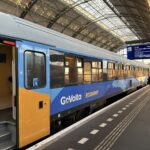
Night trains from Amsterdam have undergone a remarkable revival in recent years. For decades, many overnight rail services disappeared as airlines expanded across Europe and high-speed daytime trains became increasingly popular. Today, however, sleeper trains are firmly back on the agenda, offering travellers a chance to fall asleep in the Netherlands and wake up in destinations ranging from Berlin and Prague to Vienna and Zurich, with an onward connection now reaching Milan too.
Amsterdam has quietly become one of Europe’s most important sleeper train hubs. Services operated by European Sleeper and ÖBB Nightjet connect the Dutch capital with some of the continent’s most popular city break destinations, alpine regions and long-distance rail corridors. Instead of spending time travelling to airports, passing through security and waiting at departure gates, passengers can board in the city centre and begin their journey immediately.
The appeal goes beyond convenience. Overnight trains allow travellers to maximise their holiday time by travelling while they sleep. A journey that might otherwise consume an entire day becomes part of the accommodation, often saving the cost of a hotel night while delivering a uniquely enjoyable travel experience. Whether you’re planning a weekend in Berlin, a cultural escape to Prague, a skiing holiday in Austria or an adventure across Italy, Amsterdam’s growing sleeper network provides more options than ever before.
Why Take a Night Train from Amsterdam?
The biggest advantage of Amsterdam sleeper trains is simple. You travel while you sleep. Instead of checking out of a hotel, travelling to an airport, waiting for a flight and then finding accommodation at your destination, you board the train in the evening and wake up ready to explore a new city the following morning.
This approach becomes particularly attractive on journeys that would otherwise consume an entire day. Travelling from Amsterdam to Prague, Vienna or Zurich by daytime rail is perfectly possible, but it can involve many hours onboard. A sleeper train transforms those hours into sleeping time, allowing you to arrive refreshed and ready to start sightseeing.
There is also something uniquely enjoyable about overnight rail travel. Watching the lights of Amsterdam Centraal disappear into the distance before settling into a couchette or sleeper compartment creates a sense of adventure that modern air travel rarely delivers. The following morning, opening the curtains to find yourself approaching Berlin, crossing the mountains of Austria or entering Switzerland is an experience that many travellers remember long after the journey itself.
Environmental considerations are another factor driving the resurgence of sleeper trains. Rail travel generally produces significantly lower emissions than flying, and many travellers now actively seek alternatives to short-haul flights where practical. For routes such as Amsterdam to Berlin, Amsterdam to Vienna and Amsterdam to Zurich, overnight rail offers one of the most attractive alternatives available.
Compare hotels and other places to stay in Amsterdam.
Check availabilityExplore holiday homes and apartments around Amsterdam.
See holiday homesCompare hotel deals in Amsterdam from multiple booking sites.
Compare pricesNight Trains from Amsterdam at a Glance
| Destination | Operator | Departure | Arrival | Frequency |
|---|---|---|---|---|
| Berlin | European Sleeper | 22:34 | 06:11 | Mon, Wed, Fri |
| Dresden | European Sleeper | 22:34 | 08:32 | Mon, Wed, Fri |
| Prague | European Sleeper | 22:34 | 10:51 | Mon, Wed, Fri |
| Munich | Nightjet NJ 40421 | 18:01 | 05:02 | Daily |
| Salzburg | Nightjet NJ 40421 | 18:01 | 06:46 | Daily |
| Vienna | Nightjet NJ 40421 | 18:01 | 09:48 | Daily |
| Innsbruck | Nightjet NJ 421 | 18:59 | 08:49 | Daily |
| Zurich | Nightjet NJ 403 | 21:01 | 08:05 | Daily |
Amsterdam to Berlin Night Train
The most popular night train from Amsterdam is operated by European Sleeper, providing a direct overnight connection between the Dutch and German capitals.
The train departs Amsterdam Centraal at 22:34, allowing passengers plenty of time to enjoy a full evening in the city before boarding. During the night the train travels east through the Netherlands and across Germany before arriving into Berlin Hauptbahnhof at 06:11 and Berlin Ostbahnhof at 06:23.
This schedule is almost perfectly designed for a city break. Travellers can leave Amsterdam after dinner and arrive in Berlin early enough to enjoy a full day exploring the German capital. Whether your interests lie in the Brandenburg Gate, Museum Island, the remains of the Berlin Wall or the city’s famous nightlife scene, the sleeper train maximises the amount of time available at your destination.
Another advantage is the simplicity of the route. There are no airport transfers, no baggage reclaim belts and no concerns about city-centre transport on arrival. You step off the train in the heart of Berlin and can begin exploring immediately.
For many travellers, this remains the best-value overnight rail journey currently available from Amsterdam.
Amsterdam to Dresden Night Train
Continuing beyond Berlin, the same European Sleeper service provides one of the most underrated overnight rail journeys in Europe.
After departing Amsterdam in the late evening and passing through Berlin shortly after dawn, the train continues south-east to Dresden, arriving at 08:32. This timing works exceptionally well for travellers wanting to maximise their first day in the city.
Dresden is often overshadowed by Berlin, Munich and Prague, yet it remains one of Germany’s most beautiful destinations. The reconstructed Altstadt, the magnificent Frauenkirche, the Semper Opera House and the riverside setting along the Elbe combine to create a city that rewards a longer visit.
The route also provides an excellent gateway to Saxon Switzerland National Park, one of Germany’s most spectacular landscapes. Travellers can leave Amsterdam in the evening and find themselves among sandstone cliffs, forests and hiking trails the following morning.
For those seeking a destination that feels slightly less obvious than Berlin or Prague, Dresden may be one of the strongest sleeper train options available from Amsterdam.
Amsterdam to Prague Night Train
The flagship destination of the European Sleeper network is undoubtedly Prague, one of Europe’s most popular city break destinations and one of the easiest capitals to reach directly by overnight train from the Netherlands.
The service departs Amsterdam Centraal at 22:34 before calling at Amersfoort and Deventer later in the evening. After travelling through Germany overnight and serving both Berlin and Dresden the following morning, the train continues into the Czech Republic.
Passengers arrive at Praha hlavní nádraží at 10:51, placing them within easy reach of the city’s historic centre. The arrival time is ideal for hotel check-ins, sightseeing and making the most of the remainder of the day.
Prague is perfectly suited to overnight rail travel. The city’s compact centre, spectacular architecture, historic bridges and famous beer culture make it one of Europe’s most rewarding short-break destinations. Arriving by sleeper train feels particularly fitting given Prague’s long railway history and central position within the European rail network.
For many travellers, Amsterdam to Prague represents the quintessential European sleeper train journey and is often the route that converts occasional rail passengers into lifelong sleeper train enthusiasts.
Amsterdam to Munich Sleeper Train
Although the service officially terminates in Vienna, many travellers use Nightjet NJ 40421 as an Amsterdam to Munich sleeper train, and it is easy to see why. Munich is one of Germany’s most visited cities, a major rail hub and the gateway to both the Bavarian Alps and neighbouring Austria.
Passengers board at Amsterdam Centraal at 18:01 before travelling overnight through the Netherlands and Germany. During the evening the train calls at stations including Utrecht, Arnhem, Oberhausen, Essen, Kassel, Würzburg and Nürnberg before reaching München Ost the following morning. Instead of losing an entire day to travel, passengers can enjoy dinner in Amsterdam, settle into their compartment and wake up in southern Germany.
Munich works particularly well as a sleeper train destination because there is plenty to do within easy reach of the station. Visitors can spend time exploring Marienplatz, the English Garden, the famous beer halls and the city’s impressive museums. The city is also one of Europe’s most important transport hubs, providing excellent onward rail connections to destinations throughout Germany, Austria, Switzerland and northern Italy.
For winter travellers, Munich can serve as a gateway to ski resorts across Bavaria and Austria. During the warmer months it provides access to castles, lakes and mountain scenery throughout the Alpine region. This flexibility makes the route one of the most useful overnight rail journeys available from Amsterdam.
One of the biggest advantages of using the Nightjet to Munich is that you arrive in the city centre rather than at an airport on the outskirts. Instead of spending the morning navigating transfers and baggage reclaim, you can step off the train and begin exploring almost immediately. For travellers seeking an alternative to flying, the Amsterdam to Munich sleeper train remains one of Europe’s most practical overnight rail routes.
Amsterdam to Salzburg Sleeper Train
The Amsterdam to Salzburg sleeper train is one of the most underrated overnight rail journeys in Europe. While many passengers remain onboard all the way to Vienna, Salzburg is a destination that deserves attention in its own right.
Travelling on Nightjet NJ 40421, passengers leave Amsterdam during the early evening and travel overnight through Germany before reaching Salzburg Hauptbahnhof the following morning. The journey effectively links the Netherlands with one of Austria’s most beautiful cities without requiring flights, airport transfers or lengthy daytime train connections.
Salzburg is best known as the birthplace of Mozart and as the setting for The Sound of Music, but the city offers far more than these famous associations. The historic centre, dominated by the impressive Hohensalzburg Fortress, is one of the most attractive urban landscapes in Central Europe. Baroque architecture, riverside walks and spectacular mountain backdrops combine to create a destination that feels dramatically different from both Amsterdam and Vienna.
The city also serves as an excellent base for exploring the wider region. Travellers can continue towards the lakes of the Salzkammergut, head south into the Austrian Alps or use Salzburg as a starting point for journeys deeper into Austria. During winter, numerous ski resorts can be reached within a relatively short transfer from the station.
From a rail travel perspective, Salzburg is almost perfectly positioned for sleeper services. The overnight journey allows passengers to maximise their holiday time, arriving early enough to enjoy a full day in the city while avoiding the inconvenience of flying. For travellers seeking culture, history and Alpine scenery in a single destination, the Amsterdam to Salzburg sleeper train is one of the most attractive options currently available from the Netherlands.
Search flights and useful route combinations for your trip.
View flightsUse an eSIM to get online without hunting for a local SIM after arrival.
See eSIM optionsCheck private pickup options and plan your onward journey before arrival.
View transfersAmsterdam to Vienna Night Train
The Amsterdam to Vienna sleeper train is one of Europe’s classic overnight rail journeys. Operated by ÖBB Nightjet, the service leaves Amsterdam Centraal at 18:01 and arrives at Wien Hauptbahnhof at 09:48 the following morning. Along the way it passes through the heart of Germany and Austria, allowing travellers to swap airport queues and baggage belts for a far more relaxed overnight journey.
What makes this route particularly attractive is what awaits at the other end. Few European capitals combine history, culture and everyday liveability quite like Vienna. Arriving by sleeper train places you directly in the city centre, allowing you to begin exploring almost immediately rather than losing additional time travelling from an airport.
The Austrian capital rewards visitors interested in almost every type of city break. History enthusiasts can spend days exploring the legacy of the Habsburg Empire, from the magnificent Hofburg Palace to the sprawling grounds of Schönbrunn Palace. Art lovers will find some of Europe’s finest collections in institutions such as the Kunsthistorisches Museum and the Belvedere, while music fans can experience the city that shaped the careers of Mozart, Beethoven, Haydn and Schubert.
Vienna also excels at the simple pleasures. Traditional coffee houses remain part of daily life, elegant streets invite long walks, and efficient public transport makes navigating the city remarkably straightforward. Unlike some major capitals, Vienna manages to feel grand without becoming overwhelming, making it an excellent choice for both first-time visitors and experienced European travellers.
The city is particularly magical during the festive season, when its famous Christmas markets fill squares and palace courtyards with lights, decorations and seasonal food. At other times of year, visitors can enjoy riverside walks along the Danube, explore the city’s impressive collection of UNESCO-listed historic sites, or simply spend time discovering one of Europe’s most consistently liveable cities.
Vienna is also a major rail hub, making it an excellent starting point for wider adventures across Central Europe. Frequent services connect the city with Bratislava, Budapest, Prague and destinations throughout Austria, while travellers interested in further overnight rail journeys can continue exploring the continent using Vienna’s extensive sleeper train network.
For travellers looking to maximise their time, the route is hard to beat. You leave Amsterdam in the evening, sleep through much of the journey and wake up ready to explore one of Europe’s most elegant capitals. Few forms of transport use your time more efficiently, and few destinations reward that journey quite as well as Vienna.
Amsterdam to Innsbruck Night Train
For travellers heading towards the mountains, the Amsterdam to Innsbruck Nightjet is difficult to beat. Operated as NJ 421, this service provides a direct overnight link between the Netherlands and the Austrian Alps.
The train departs Amsterdam Centraal at 18:59 before travelling through the Netherlands and Germany during the evening. After passing through Munich, the route enters Austria and continues through the Tyrol region before arriving into Innsbruck Hauptbahnhof at 08:49.
This timetable is particularly appealing for winter sports enthusiasts. Instead of losing an entire day to flights, transfers and airport procedures, passengers can board the train after work, sleep overnight and arrive in the Alps the following morning. Innsbruck’s railway station also offers excellent onward connections to ski resorts throughout Tyrol, making the train a practical alternative to flying.
Outside the ski season, Innsbruck is equally rewarding. Surrounded by dramatic mountain scenery and filled with historic buildings, the city combines outdoor adventure with a fascinating cultural heritage. The famous Golden Roof, the old town and the surrounding Alpine landscapes make it one of Austria’s most attractive destinations.
The route also appeals to rail enthusiasts because of the scenery encountered during the final part of the journey. Travellers waking as the train approaches Innsbruck are often treated to some of the finest mountain views available on any sleeper service in Europe.
Amsterdam to Zurich Night Train
The Amsterdam to Zurich Nightjet provides one of the most practical ways to reach Switzerland without flying. Operated as NJ 403, the train leaves Amsterdam Centraal at 21:01 and arrives into Zurich Hauptbahnhof at 08:05 the following morning.
Along the way, the service calls at important stations including Utrecht, Arnhem, Düsseldorf, Cologne, Bonn, Offenburg, Freiburg, Basel and Zurich. The route effectively links the Netherlands with the Rhine Valley, south-west Germany and Switzerland in a single overnight journey.
Zurich itself is often treated as a gateway rather than a destination, but it deserves more attention than many travellers give it. The lakeside setting, historic centre and excellent transport network make it a pleasant place to spend a day or two before continuing deeper into Switzerland.
The real strength of this service lies in its onward connections. From Zurich, travellers can easily continue to Lucerne, Interlaken, Bern, Geneva, Zermatt and many of Switzerland’s most famous mountain destinations. For those planning scenic rail adventures on routes such as the Glacier Express or Bernina Express, the Nightjet provides an excellent starting point.
Among all the sleeper routes from Amsterdam, this is arguably the most useful for travellers planning a wider rail holiday rather than a simple city break.
Is There a Sleeper Train from Amsterdam to Milan?
One of the most exciting developments in European overnight rail is the launch of a new sleeper train to Milan, though the service does not currently run from Amsterdam. Operated by European Sleeper, the overnight train runs between Brussels and Milan, launched on 9 September 2026 and operating three times a week.
From 13 December 2026, the route is extended within the Netherlands to call at Antwerp, Breda and Eindhoven before continuing to Brussels and on to Italy. Earlier plans to route the service via Amsterdam Centraal were dropped, so travellers currently need to join the train in Brussels, or from December 2026 in Breda or Eindhoven, rather than boarding directly in Amsterdam.
The route is significant because direct overnight rail links between the Netherlands and Italy have been largely absent for many years. The return of a sleeper service connecting the Low Countries with one of Italy’s most important cities represents a major expansion of the European overnight rail network.
Milan itself offers plenty to justify a visit. The city’s famous Duomo, world-class shopping, impressive architecture and excellent transport links make it an attractive destination in its own right. However, many passengers are likely to use Milan as a gateway to wider Italian adventures.
From Milano Centrale, travellers can continue towards Venice, Florence, Rome, Lake Como, the Italian Riviera and numerous destinations across northern Italy. This dramatically increases the range of destinations that can be reached from the Netherlands without boarding a plane, once a connecting journey to Brussels or one of the new Dutch stops is factored in.
Given the popularity of Italy among Dutch and Belgian travellers, the new Brussels to Milan sleeper train has the potential to become one of Europe’s most successful overnight rail services, even though it does not yet reach all the way to Amsterdam. It combines the romance of classic rail travel with a route that many travellers have wanted for years.
European Sleeper vs Nightjet
Travellers researching night trains from Amsterdam will quickly discover that most routes are operated by one of two companies: European Sleeper or ÖBB Nightjet. While both offer overnight rail travel, they are designed with slightly different audiences in mind.
European Sleeper is the newer operator and has played a major role in the revival of overnight rail travel across north-west Europe. Its routes focus on connecting cities such as Amsterdam, Berlin, Dresden and Prague, alongside a new Brussels to Milan service launched in 2026. The atmosphere onboard tends to feel more adventurous, with many passengers specifically choosing the service because they enjoy rail travel itself. The routes also open up destinations that have historically lacked direct sleeper train connections.
Nightjet, operated by the Austrian national railway ÖBB, takes a more established approach. The network is larger, frequencies are generally higher and the trains provide direct links to destinations including Vienna, Salzburg, Innsbruck and Zurich. Nightjet services are often the first choice for travellers heading towards the Alps, Austria or Switzerland.
The decision between the two operators usually comes down to destination rather than onboard experience. If your goal is exploring Germany, Czechia or the new route to Italy, European Sleeper is likely to be the better option. Travellers heading towards Austria or Switzerland will naturally gravitate towards Nightjet. Fortunately, Amsterdam is served by both, giving travellers one of the widest selections of overnight rail destinations anywhere in Europe.
Perhaps the most encouraging development is that the two operators complement rather than compete with each other. Together they have transformed Amsterdam into one of Europe’s most important sleeper train hubs, creating opportunities to reach destinations that would have been difficult or impossible by overnight rail just a few years ago.
Seats, Couchettes and Sleeper Cabins Explained
One of the most common questions asked by first-time sleeper train travellers is whether it is worth paying for a bed. The answer depends largely on the length of your journey, your budget and how much sleep you expect to get while travelling.
The most affordable option is usually a standard seated carriage. While this can work reasonably well on shorter overnight journeys, most travellers will find it difficult to achieve a full night’s sleep sitting upright. Seats are best suited to budget-conscious travellers or those travelling relatively short distances.
The next step up is a couchette compartment. These compartments typically contain four or six bunks and offer a balance between comfort and affordability. Bedding is provided, passengers can stretch out properly and the compartment can usually be locked from the inside when occupied. For many travellers, couchettes represent the sweet spot between cost and comfort.
For the best overnight experience, a dedicated sleeper compartment is the preferred option. These cabins typically accommodate one, two or three passengers depending on the configuration selected. Privacy is significantly improved, the beds are more comfortable and the overall experience feels much closer to a hotel room than traditional transport.
The ideal choice varies by route. On shorter journeys such as Amsterdam to Berlin, some travellers may be happy with a couchette. For longer routes such as Amsterdam to Prague, Amsterdam to Vienna or onward to the new Brussels to Milan sleeper train, many passengers find that upgrading to a sleeper cabin makes a noticeable difference to the quality of the journey.
Whichever option you choose, booking early generally provides the best combination of availability and pricing. Sleeper cabins in particular can sell out surprisingly quickly during school holidays, festive periods and popular travel seasons.
Compare hostels and lower-cost places to stay in Amsterdam.
Search hostelsFlying to Amsterdam? Get fast compensation payouts, eligible lounge benefits and expert help when flights go wrong.
See AirHelp+ benefitsUse convenient luggage storage around Amsterdam between arrival, check-in and departure.
Check storageHow to Buy Night Train Tickets from Amsterdam
Booking night trains from Amsterdam is generally straightforward, but the process varies slightly depending on whether you are travelling with a standard ticket or an Interrail Pass.
For most travellers, the easiest option is to book through Rail Europe, which brings together both European Sleeper and Nightjet services in one place. This allows you to compare routes, check availability and reserve seats, couchettes or sleeper cabins without needing to navigate multiple railway websites.
When searching for tickets, it is worth booking as early as possible. Overnight trains often have fewer spaces available than daytime services, particularly in private sleeper compartments. Popular routes such as the Amsterdam to Prague night train, Amsterdam to Vienna sleeper train and the new Brussels to Milan sleeper train can sell out weeks or even months before departure during peak travel periods.
Travellers will normally be offered several accommodation types. Standard seats provide the lowest fares but the least comfort. Couchettes offer shared sleeping compartments with bunks and are often the best balance between cost and comfort. Sleeper cabins provide the most comfortable experience and can usually be booked as private compartments for individuals, couples or families.
If you are travelling with an Interrail Pass, remember that a reservation is still required. Your pass covers the rail journey itself, but you must pay a supplement for your chosen seat, couchette or sleeper compartment. These reservations can also be arranged through Rail Europe on many routes, making it easier to manage your entire journey in one place.
For the best choice of accommodation, especially on routes to Prague, Vienna, Zurich and Milan, booking several months ahead is strongly recommended. The most desirable sleeper cabins are often the first to sell out.

Plan Your Train Journey with Rail Europe
Booking train tickets in Europe can become complicated when different operators, routes, and booking systems are involved. Rail Europe makes it easier to search routes, compare fares, and buy train tickets in one place.
It is especially useful for international rail journeys, European city-to-city travel, and travellers looking to book both regular rail tickets and passes. Instead of checking multiple train operators separately, you can plan your journey faster and book with confidence.
Interrail and Amsterdam Night Trains
One of the reasons sleeper trains have become so popular again is their compatibility with Interrail. Almost every major overnight service from Amsterdam can be used with an Interrail Pass, making them an excellent way to cover long distances while preserving valuable daytime sightseeing hours.
The most important thing to understand is that an Interrail Pass does not automatically guarantee a bed or seat reservation. While the pass covers the rail journey itself, passengers still need to pay a reservation supplement for their chosen accommodation. The amount varies depending on whether you select a seat, couchette or sleeper compartment.
Despite these supplements, overnight trains can still offer excellent value. Travellers effectively combine transport and accommodation into a single booking, often reducing overall travel costs while maximising the time available at their destination. For those attempting larger European itineraries, this can make a meaningful difference to both budgets and schedules.
Amsterdam’s sleeper network works particularly well for Interrail users because it opens up multiple corners of Europe. A traveller could leave Amsterdam for Prague, continue onwards through Central Europe, travel south towards Italy and eventually return via Switzerland or Austria, all while making use of overnight trains along the way.
For many Interrail travellers, sleeper trains quickly become the highlight of the trip rather than merely a method of transport. Waking up in a new country each morning creates a sense of adventure that few other forms of travel can match.
Which Amsterdam Night Train Is Best?
The answer depends entirely on the type of trip you are planning, but several routes stand out for different reasons.
For first-time sleeper train travellers, the Amsterdam to Prague night train is arguably the strongest all-round choice. The route combines a comfortable overnight journey with one of Europe’s most rewarding city break destinations, making it easy to understand why it has become one of the continent’s most popular sleeper services.
Travellers looking for the most practical route may prefer the Amsterdam to Berlin sleeper train. The relatively early arrival time and direct city-centre access make it ideal for short breaks and long weekends.
For Alpine scenery and outdoor adventures, the Amsterdam to Innsbruck and Amsterdam to Zurich services are difficult to beat. Both provide convenient access to some of Europe’s most spectacular mountain landscapes while avoiding the inconvenience of short-haul flights.
The most exciting newcomer to the wider network is the new Brussels to Milan sleeper train, launched by European Sleeper in September 2026 and extended to call at Dutch stations including Breda and Eindhoven from December 2026. It fills a major gap in the European rail network and has the potential to become one of the continent’s most sought-after overnight journeys, even though it does not yet run directly from Amsterdam.
If forced to choose just one route, however, Amsterdam to Prague probably offers the best overall combination of journey experience, destination appeal and value. It captures everything that makes overnight rail travel special and remains one of the strongest arguments for choosing the train over the plane.

Rupert’s Handy Travel Tips
Thinking about taking a night train from Amsterdam? Rupert has picked up a few useful lessons from Europe’s sleeper network over the years:
- Book sleeper cabins early: The best accommodation options often sell out weeks or even months ahead, especially during summer and Christmas market season.
- Pack a small overnight bag: Keep essentials such as toiletries, chargers and medications close at hand rather than buried in larger luggage.
- Bring earplugs and an eye mask: Even the best sleeper trains can experience occasional noise from station stops and fellow passengers.
- Don’t overlook intermediate stops: Cities such as Dresden, Salzburg and Munich can be just as rewarding as the final destination.
- Reserve early with Interrail: Popular sleeper routes can fill up quickly, particularly private compartments and couchettes.
- Wake up early if you’re heading for the Alps: The final approach into destinations such as Innsbruck and Zurich often provides some spectacular morning scenery.
Want to meet the reindeer behind our travel tips? Find out more in our page Who is Rupert?.





Frequently Asked Questions About Night Trains from Amsterdam
Which night trains leave Amsterdam?
Amsterdam currently has direct overnight trains to Berlin, Dresden, Prague, Munich, Salzburg, Vienna, Innsbruck and Zurich.
Can I travel from Amsterdam to Prague by sleeper train?
Yes. European Sleeper operates direct overnight services from Amsterdam to Prague three times per week, arriving in the Czech capital the following morning.
Does Amsterdam have a sleeper train to Italy?
Not directly. European Sleeper’s new overnight service to Milan runs from Brussels, launched on 9 September 2026, and is extended to call at Dutch stations including Breda and Eindhoven from 13 December 2026. Travellers from Amsterdam currently need to join the train at one of those stations rather than in the capital itself.
Can I use an Interrail Pass on Amsterdam night trains?
Yes. Most overnight trains from Amsterdam accept Interrail Passes, although reservation supplements are required for seats, couchettes and sleeper compartments.
What is the difference between a couchette and a sleeper cabin?
A couchette is a shared compartment with bunk beds, while a sleeper cabin offers greater privacy and generally more comfortable accommodation for overnight travel.
Which Amsterdam night train is best for first-time sleeper travellers?
The Amsterdam to Prague night train is often considered the best introduction to overnight rail travel thanks to its popular destination, comfortable journey and straightforward route.
Are night trains cheaper than flying?
Not always. However, sleeper trains can provide excellent value when you consider that the journey also replaces a night’s accommodation and avoids airport transfer costs.
Can I get a private compartment?
Yes. Most Nightjet and European Sleeper services offer private sleeper compartments, although availability can be limited on popular departures.
Are night trains safe?
Yes. Overnight trains are generally very safe. Compartments can usually be locked when occupied, and onboard staff are present throughout the journey.
Which Amsterdam sleeper train is best for skiing holidays?
The Amsterdam to Innsbruck Nightjet is one of the most convenient routes for reaching the Austrian Alps and onward ski resorts.
How far in advance should I book?
For the best prices and accommodation options, booking several weeks or months in advance is recommended, particularly during peak travel periods.
Further Reading & Related Guides
Many travellers begin their sleeper train journey shortly after arriving in the Netherlands, so our Schiphol Airport Transfers Guide can help you reach Amsterdam Centraal quickly and efficiently before departure. If you’re interested in the wider revival of overnight rail travel, our European Sleeper Trains Guide explores some of the continent’s most exciting sleeper routes and provides additional inspiration for future rail adventures.
Travellers planning a longer itinerary should also take a look at our Interrail Pass Guide and Interrail Benelux Pass Guide, both of which explain how rail passes can be used to explore multiple countries while reducing transport costs. If you’re comparing different ways to travel across Europe, our Eurostar Guide and Eurostar Snap Guide explain the alternatives available on some of the continent’s busiest international routes.
Finally, don’t forget to stay connected as you cross borders. Our eSIM Guide explains how digital SIM technology works and can help you avoid expensive roaming charges while travelling between destinations such as Germany, Austria, Switzerland, Italy and Czechia.