
Reviewed by our editorial team Updated
Why Visit Bordeaux?
Bordeaux is one of those cities that quietly exceeds expectations. While it is famous around the world for its wine, there is far more to discover than vineyards and tasting rooms. The city combines grand 18th-century architecture, lively shopping streets, excellent museums, a thriving food scene and an attractive riverside setting, all wrapped up in one of France’s most walkable destinations.
Following an ambitious regeneration programme over the past two decades, Bordeaux has transformed itself into one of Europe’s most attractive city break destinations. Historic buildings have been beautifully restored, elegant public squares have been pedestrianised, new tram lines glide through the city centre and the once-industrial waterfront has become a vibrant place to stroll, dine and relax.
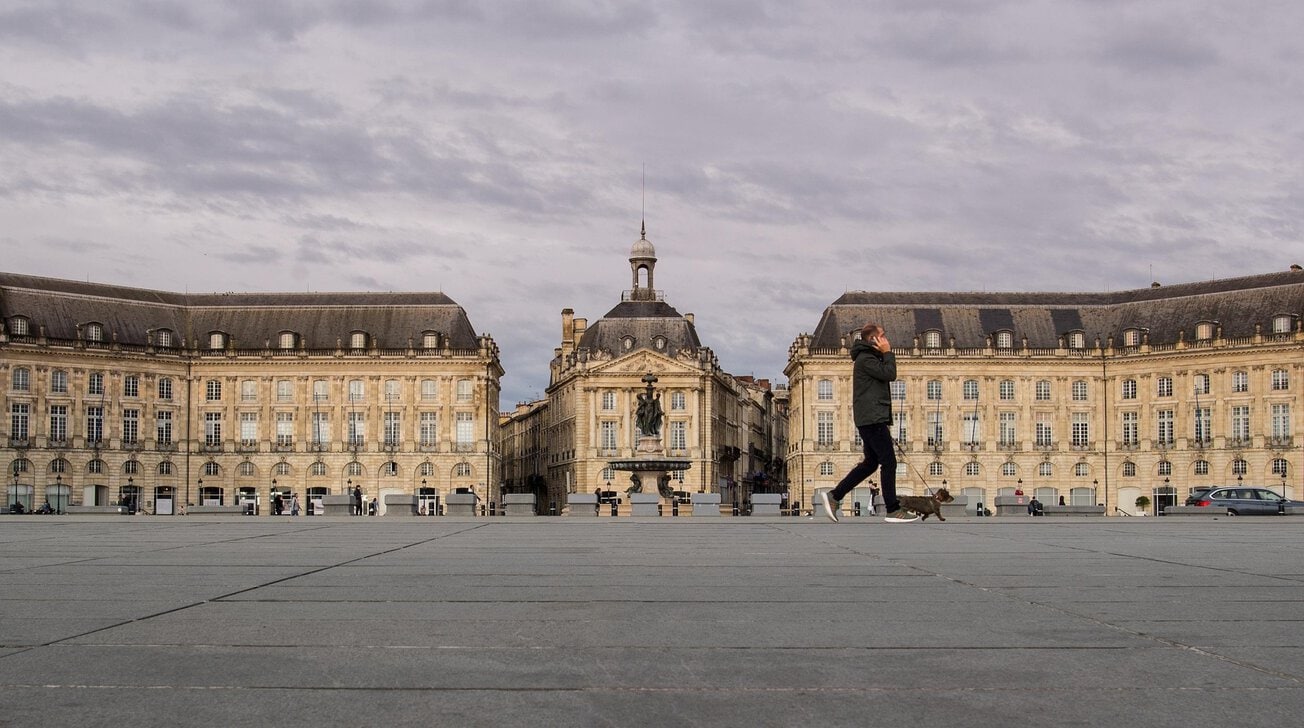
The city’s historic centre is recognised as a UNESCO World Heritage Site, with almost 350 listed buildings creating one of the largest protected urban areas in Europe. It is inscribed on the World Heritage List as Bordeaux, Port of the Moon. As you wander through the streets you’ll find magnificent churches, impressive monuments, hidden courtyards and lively café terraces around almost every corner. The pale limestone architecture gives Bordeaux a distinctive golden glow, particularly during the late afternoon when the sunlight reflects from the buildings.
One of Bordeaux’s greatest strengths is its compact size. Most of the main attractions are within walking distance of each other, while the excellent tram network makes reaching places such as La Cité du Vin, Bassins des Lumières and the redeveloped waterfront quick and easy. Whether you’re spending a long weekend or using the city as a base to explore the surrounding vineyards, it’s remarkably easy to see a great deal without feeling rushed.
Food lovers are equally well catered for. Traditional bistros sit alongside Michelin-starred restaurants, bustling food markets and modern wine bars, while local specialities such as canelés, fresh oysters from Arcachon Bay and regional cheeses can be enjoyed throughout the city. Even if you’re not a wine enthusiast, Bordeaux’s culinary scene alone is worth the visit.
Perhaps the biggest surprise is just how varied Bordeaux feels. One moment you’re admiring medieval streets in the historic centre, the next you’re exploring contemporary art installations, innovative riverside developments or relaxing in elegant city parks. Add in easy day trips to Saint-Émilion, the Atlantic coast and some of France’s most famous vineyards, and Bordeaux becomes a destination that comfortably rewards anything from a weekend escape to a much longer stay.
Bordeaux CityPass
If you are planning to visit several of Bordeaux’s biggest attractions, the Bordeaux CityPass can quickly pay for itself while making sightseeing much easier. Instead of buying separate tickets throughout the day, the pass bundles together admission to many of the city’s top attractions along with unlimited public transport and several useful extras.
The pass is available for 24, 48 or 72 hours, allowing you to choose the option that best suits your itinerary. It includes unlimited travel on Bordeaux’s excellent tram, bus and river shuttle network, making it easy to move between attractions without worrying about individual fares or ticket machines.
One of the biggest highlights included with the pass is entry to La Cité du Vin, Bordeaux’s famous interactive wine museum, which alone accounts for a large proportion of the pass’s value. You’ll also receive admission to a range of museums, monuments and exhibitions, although the exact list changes slightly throughout the year.
Another popular inclusion is a guided walking tour of the historic centre. These tours are available in several languages and provide fascinating insight into Bordeaux’s architecture, wine history and UNESCO World Heritage status. During the summer months, the pass also includes a river cruise along the Garonne, giving you a completely different perspective of the city skyline.
For visitors spending two or three days in Bordeaux, the CityPass often represents excellent value, especially if you intend to visit La Cité du Vin, use public transport regularly and explore several museums. Even if you only use a handful of the included attractions, the convenience of having transport and admissions bundled together removes much of the hassle from sightseeing.
Before purchasing, it’s worth checking the latest list of participating attractions, as seasonal exhibitions and temporary closures can occasionally affect what’s included.
Browse hotels and accommodation for your visit to Bordeaux.
View staysExplore holiday homes and apartments around Bordeaux.
See holiday homesCompare prices for Bordeaux hotels across multiple booking sites.
Check dealsWander Through Saint-Pierre and the Historic Centre
The Saint-Pierre district is the oldest part of Bordeaux and remains one of the city’s most atmospheric neighbourhoods. This maze of narrow medieval streets, elegant squares and hidden courtyards sits within the UNESCO World Heritage Site and is where Bordeaux truly feels timeless.
Many of the streets still follow their medieval layout, with beautiful limestone buildings rising on either side. Small cafés spill onto cobbled lanes, independent boutiques occupy centuries-old buildings, while restaurants and wine bars fill almost every corner. It is an area designed for wandering rather than following a strict itinerary.
The neighbourhood centres around Place Saint-Pierre, a lively square surrounded by outdoor terraces that remain busy from breakfast until late into the evening. Nearby you’ll find charming streets such as Rue du Parlement Saint-Pierre and Rue des Bahutiers, both lined with traditional bistros, wine merchants and artisan food shops.
As you explore, you’ll regularly stumble across hidden architectural details including carved balconies, ornate doorways, old city gates and quiet courtyards tucked away behind heavy wooden doors. The district also contains several small churches and historic buildings dating back hundreds of years.
Saint-Pierre is equally enjoyable during the day and after dark. Mornings are peaceful, allowing you to admire the architecture without the crowds, while evenings bring a lively atmosphere as locals gather in wine bars and restaurants. It’s also one of the best places in Bordeaux to simply sit outside with a coffee or glass of local wine and watch city life unfold.
If you’re only visiting Bordeaux for a short time, spending a few unplanned hours wandering Saint-Pierre is one of the easiest ways to appreciate why the city is regarded as one of France’s most beautiful urban centres.
Porte Cailhau & Flèche Saint-Michel
Among Bordeaux’s many historic monuments, Porte Cailhau and Flèche Saint-Michel stand out as two of the city’s most recognisable landmarks. Both can be visited individually, and both reward visitors with spectacular views over the rooftops of Bordeaux.
Porte Cailhau was once one of the principal gateways through the medieval city walls. Built at the end of the 15th century to celebrate King Charles VIII’s victory at the Battle of Fornovo, its fairy-tale appearance combines defensive architecture with Renaissance decoration. Inside, visitors can climb through the various levels while learning about Bordeaux’s medieval history before reaching viewpoints overlooking the River Garonne.
A short walk away stands the magnificent Flèche Saint-Michel, the soaring Gothic bell tower beside the Basilica of Saint-Michel. Rising to over 110 metres, it remains one of the tallest church towers in southern France. After several years of restoration, the tower reopened to visitors on 13 June 2026. Unlike many churches, it stands separately from the main basilica, creating one of Bordeaux’s most distinctive skylines.
Those willing to climb the hundreds of steps are rewarded with panoramic views stretching across the historic centre, the river, surrounding vineyards and, on particularly clear days, far beyond the city itself.
Both monuments are included with the Bordeaux CityPass, making them excellent additions if you’ve already purchased the pass. Even if you haven’t, the relatively modest entrance fees make either climb worthwhile for anyone interested in history, architecture or photography.
Visit Bordeaux Cathedral and Pey-Berland Tower
Standing proudly in the heart of the historic centre, Cathédrale Saint-André de Bordeaux is one of the city’s most impressive landmarks and has played a significant role in French history for almost a thousand years. With its soaring Gothic architecture and remarkable interior, it is one of the highlights of any visit to Bordeaux.
Construction began during the 11th century, although much of the cathedral you see today dates from later Gothic expansions. One of its most famous moments came in 1137, when Eleanor of Aquitaine married the future King Louis VII of France here, a marriage that would shape the history of both France and England.
Stepping inside, you’ll discover an unexpectedly peaceful space filled with soaring vaulted ceilings, beautiful stained-glass windows and intricate stone carvings. The vast nave creates a wonderful sense of scale, while numerous side chapels showcase centuries of religious art and craftsmanship. Even visitors with little interest in churches are often struck by the sheer beauty of the building.
Beside the cathedral stands the elegant Pey-Berland Tower, a freestanding bell tower completed during the 15th century. It was deliberately built separately to prevent the vibrations from the cathedral’s heavy bells damaging the main building. Visitors can climb more than 230 steps to reach a viewing platform offering spectacular panoramic views across Bordeaux’s rooftops.
The square surrounding the cathedral is often filled with musicians, markets and local events, making it a pleasant place to pause before continuing your exploration of the city. Whether you choose to admire the cathedral from outside or spend time exploring both the church and tower, this is one of Bordeaux’s most important historic sites.
Ride the Electric Tourist Train
If you’re looking for a relaxing introduction to Bordeaux or want to give your feet a well-earned break, the electric tourist train offers an enjoyable way to see many of the city’s highlights without the effort of walking between them.
Departing from the city centre, the small road train follows a carefully planned route through Bordeaux’s UNESCO-listed historic centre, passing many of the landmarks that first-time visitors come to see. Along the way you’ll travel past Place de la Bourse, the Miroir d’Eau, Bordeaux Cathedral, the Grand Théâtre, elegant riverside promenades and many of the city’s impressive 18th-century streets.
The commentary explains the history of Bordeaux, its development as one of Europe’s great trading ports and the architectural features that make the city so distinctive. It’s an excellent way to get your bearings early in your visit before deciding which attractions you’d like to return to later.
Because the train is fully electric, the journey is remarkably quiet, allowing you to enjoy the atmosphere of the city while producing fewer emissions than traditional tourist road trains. Families with young children and visitors with limited mobility often find it particularly convenient, while photographers appreciate being able to admire the city’s architecture without constantly checking maps.
Most tours last around 45 to 50 minutes, making them easy to fit into even a busy sightseeing schedule. During the warmer months it’s worth booking in advance, especially during weekends and school holidays when departures can fill quickly.
Browse Rue Sainte-Catherine
Stretching for approximately 1.2 kilometres, Rue Sainte-Catherine proudly claims to be one of the longest pedestrian shopping streets in Europe. Running through the very heart of Bordeaux, it connects Place de la Comédie near the Grand Théâtre with Place de la Victoire, creating one continuous avenue filled with shops, cafés and restaurants.
The street combines well-known international brands with French retailers, independent boutiques and local bakeries, making it a favourite destination for both visitors and residents. Whether you’re looking for fashion, gifts, cosmetics, books or simply somewhere to stop for lunch, you’ll find plenty of choice along its length.
Shopping isn’t the only reason to visit. Rue Sainte-Catherine also provides an excellent opportunity to experience everyday life in Bordeaux. Office workers, students from the nearby university, families and tourists all mingle together, creating a lively atmosphere throughout the day. Street performers and musicians often add to the entertainment, particularly during weekends and the summer season.
Along the route you’ll discover attractive squares such as Place Saint-Projet, where cafés spill out onto the pavement beneath historic buildings, providing ideal places to enjoy a coffee while watching the world go by. Side streets branching off Rue Sainte-Catherine also lead into quieter neighbourhoods packed with wine bars, artisan shops and hidden restaurants.
If you’re visiting during the festive season, the street becomes even more atmospheric thanks to elaborate Christmas lights and decorations stretching almost its entire length. Even if shopping isn’t high on your agenda, strolling along Rue Sainte-Catherine offers a wonderful snapshot of modern Bordeaux alongside its historic surroundings.
Cruise the River Garonne with Wine & Canelé
One of the most relaxing ways to experience Bordeaux is from the water. A River Garonne cruise allows you to admire the city’s elegant skyline while learning about its maritime history, with many departures including a tasting of local Bordeaux wine and the city’s famous canelé pastry.
Leaving from the central quays, cruises glide past many of Bordeaux’s best-known landmarks, including Place de la Bourse, the Miroir d’Eau, historic riverside warehouses and the impressive Pont de Pierre. Seeing the city’s honey-coloured limestone buildings reflected in the river provides a completely different perspective from exploring on foot.
Many cruises include commentary explaining how the River Garonne transformed Bordeaux into one of Europe’s wealthiest trading ports, with ships once carrying wine, spices and goods across the Atlantic. As you pass beneath modern bridges and alongside historic docks, you’ll gain a better understanding of the city’s long relationship with the river.
The highlight for many visitors is sampling a glass of regional wine accompanied by a freshly baked canelé. These small caramelised cakes originated in Bordeaux and feature a crisp, dark exterior with a soft vanilla and rum-flavoured centre. Pairing them with local wine while drifting along the Garonne makes for a wonderfully authentic Bordeaux experience.
Cruises typically last between 90 minutes and two hours, with daytime departures offering excellent sightseeing opportunities and evening sailings providing beautiful views as the city lights begin to illuminate the waterfront. For couples, food lovers and first-time visitors alike, it is one of the most memorable experiences Bordeaux has to offer.
Search routes and flight options for your trip to Bordeaux.
Search flightsChoose an Airalo eSIM and arrange mobile data before you arrive.
Browse eSIMsHave a private airport pickup arranged before you travel.
Book a transferExplore the Chartrons District
Once the heart of Bordeaux’s international wine trade, the Chartrons district has reinvented itself as one of the city’s trendiest neighbourhoods. Historic wine warehouses and merchants’ residences now sit alongside independent cafés, antique shops, art galleries and stylish restaurants, creating an area that feels very different from the grand squares of the historic centre.
For centuries, this was where wine merchants from across Europe stored, blended and exported Bordeaux’s famous wines. Walking through Chartrons today, you’ll still notice the impressive 18th and 19th-century merchant houses, many featuring large wooden doors that once allowed barrels to be rolled directly inside from the nearby river.
The district is now best explored at a leisurely pace. Rue Notre-Dame is particularly charming, lined with boutique shops selling antiques, books, homewares and locally produced goods. Rather than large chain stores, you’ll find independent businesses where owners are often happy to chat about their products and the area’s history.
Chartrons is also an excellent place to stop for lunch or an afternoon drink. Traditional French bistros sit beside modern wine bars and speciality coffee shops, while many restaurants have outdoor terraces that make the most of the relaxed atmosphere. It’s noticeably quieter than the busiest parts of Bordeaux, making it a welcome escape during the middle of the day.
If you’re visiting on a Sunday morning, don’t miss the lively riverside market at Quai des Chartrons, where local producers sell fresh oysters, cheeses, charcuterie, pastries and regional specialities. Combined with the attractive promenade along the River Garonne, it makes this one of the most enjoyable neighbourhoods to spend a slow morning exploring.
Whether you’re interested in wine history, shopping, architecture or simply discovering a different side of Bordeaux, Chartrons deserves a place on your itinerary.
Visit La Cité du Vin
If there is one attraction that defines modern Bordeaux, it is La Cité du Vin. More than simply a wine museum, this spectacular building is an immersive experience celebrating wine culture from around the world, making it one of the city’s true must-see attractions.
Even before stepping inside, the building itself is unforgettable. Its striking curved design was inspired by wine swirling inside a glass, with shimmering panels reflecting both the sunlight and the waters of the nearby River Garonne. It has quickly become one of Bordeaux’s most recognisable landmarks and a masterpiece of contemporary architecture.
Inside, you’ll find over 20 interactive exhibits spread across several floors. Rather than focusing solely on Bordeaux wines, the exhibitions explore the history of winemaking across every continent, explaining how climate, geography, culture and tradition have shaped wine production for thousands of years. Multimedia displays, immersive films, touchscreens and sensory experiences make the museum engaging whether you’re a complete beginner or an experienced wine enthusiast.
One of the highlights is the opportunity to learn about the great wine regions of the world, from France and Italy to South America, Australia and beyond. You’ll discover how grapes are grown, how different wines develop their unique flavours and why certain regions have become famous for particular styles.
Your visit normally concludes on the Belvedere, a panoramic tasting room on the eighth floor. Here you’ll enjoy a complimentary tasting of wine or another selected beverage while admiring spectacular 360-degree views across Bordeaux. It’s one of the finest viewpoints in the city and a memorable way to finish the experience.
Allow at least two to three hours for your visit, as there’s far more to see than most visitors expect. If you’re purchasing the Bordeaux CityPass, admission is included, making it one of the pass’s biggest benefits. Even if wine isn’t your main interest, La Cité du Vin is one of Bordeaux’s standout attractions thanks to its innovative design, engaging exhibitions and incredible views.
Walk Around Bassins à Flot
The Bassins à Flot district showcases the modern face of Bordeaux. Once a busy dockland filled with warehouses, shipyards and industrial buildings, it has been transformed into one of the city’s most exciting regeneration projects while retaining much of its maritime character.
Walking through the area today, you’ll discover wide waterfront promenades, contemporary apartment buildings, cafés, restaurants and public spaces sitting alongside historic dry docks, old cranes and former industrial structures. Rather than erasing its past, Bordeaux has cleverly blended the old and the new, creating a district that feels both modern and authentic.
The large docks remain the focal point, providing peaceful waterside walks that contrast with the busy streets of the city centre. Benches line the quays, making this an ideal place to relax while watching boats, paddleboarders and local residents enjoying the area.
The neighbourhood is also home to several of Bordeaux’s biggest attractions, including La Cité du Vin and the spectacular Bassins des Lumières, making it easy to combine several sights into a single visit. Along the way you’ll pass colourful street art, converted warehouses and striking examples of contemporary architecture that demonstrate how dramatically this former industrial quarter has evolved.
Despite its growing popularity, Bassins à Flot still feels refreshingly spacious. The broad walkways, open waterfront and relaxed atmosphere make it an enjoyable place to escape the crowds, particularly on sunny afternoons when locals gather beside the water with coffee or picnic lunches.
If you want to see how Bordeaux continues to reinvent itself while respecting its rich heritage, Bassins à Flot offers one of the city’s most fascinating urban success stories.
Discover Bassins des Lumières
Housed inside a vast former German submarine base dating from the Second World War, Bassins des Lumières is one of the most extraordinary digital art venues in Europe. It combines history, technology and world-famous artwork to create an experience unlike anywhere else in Bordeaux.
The enormous concrete chambers that once sheltered U-boats have been transformed into immersive exhibition spaces, where thousands of digital images are projected onto towering walls, ceilings and the still waters below. Classical music accompanies the projections, while reflections ripple across the flooded basins, creating breathtaking visual effects that surround visitors from every angle.
The exhibitions change throughout the year, featuring celebrated artists such as Van Gogh, Monet, Klimt, Dalí, Picasso and many others. Rather than displaying original paintings, the artworks are animated and enlarged to monumental scale, allowing visitors to appreciate familiar masterpieces in an entirely new way.
The contrast between the raw wartime architecture and colourful digital projections is particularly striking. Massive concrete pillars, dark vaulted ceilings and calm water create an atmospheric setting that enhances every exhibition. Even visitors who don’t normally enjoy traditional art galleries often find themselves captivated by the immersive format.
Allow around 90 minutes for your visit, although many people stay longer simply to watch the continuously changing projections. The venue is suitable for all ages and is especially impressive on rainy days, making it an excellent alternative to outdoor sightseeing.
Located in the Bassins à Flot district, it’s easy to combine with a visit to La Cité du Vin or a stroll around the redeveloped waterfront. As one of Bordeaux’s most innovative attractions, Bassins des Lumières has quickly become an essential stop for visitors looking to experience something truly different.
Relax in the Jardin Public
Tucked away just north of the historic centre, the Jardin Public is one of Bordeaux’s most elegant green spaces and the perfect place to escape the busy streets for an hour or two. Covering around 11 hectares, the park has been welcoming residents and visitors since the 18th century, offering beautifully landscaped gardens, peaceful lakes and shaded walking paths.
Designed in the style of an English landscape garden, the park feels natural rather than formal. Wide lawns, mature trees and gently winding pathways encourage visitors to slow down and enjoy the surroundings. Throughout the year you’ll find locals reading beneath the trees, families enjoying picnics and joggers making the most of one of the city’s most attractive outdoor spaces.
At the heart of the park is a picturesque ornamental lake, complete with small bridges and resident ducks and swans. During spring and summer, colourful flower beds provide plenty of interest, while autumn transforms the gardens into a beautiful display of golden and red foliage. Every season offers a slightly different atmosphere, making the park worth visiting regardless of when you arrive in Bordeaux.
The gardens are also home to the Muséum de Bordeaux – Sciences et Nature, a fascinating natural history museum that’s particularly popular with families. Children will also enjoy the traditional puppet theatre and playground, while adults can simply relax at one of the park cafés with a coffee and watch the world go by.
Although only a short walk from the city’s main attractions, the Jardin Public feels remarkably peaceful. It’s an excellent place to recharge between sightseeing stops or enjoy a leisurely stroll before heading back into the historic centre. If you’re spending several days in Bordeaux, this beautiful park offers a welcome change of pace from museums, monuments and shopping streets.
Explore Bordeaux by Hop-on Hop-off Bus
If you’re short on time or simply want an effortless way to discover Bordeaux’s major attractions, the hop-on hop-off sightseeing bus provides an excellent overview of the city while allowing you to explore at your own pace.
The circular route connects many of Bordeaux’s best-known sights, including Place de la Bourse, La Cité du Vin, Bassins des Lumières, Bordeaux Cathedral, the Chartrons district and several riverside viewpoints. Instead of relying on maps or public transport, you can simply get off whenever something catches your eye before boarding the next bus to continue your journey.
The onboard audio commentary, available in multiple languages, explains Bordeaux’s fascinating history, architecture and wine heritage as you travel between stops. It’s particularly useful during the first day of your visit, helping you identify which attractions you’d like to spend more time exploring later.
The upper open-air deck provides excellent views across Bordeaux’s elegant boulevards and limestone architecture, making it popular with photographers. During the warmer months it’s one of the most comfortable ways to appreciate the city’s impressive streetscapes without covering long distances on foot.
Tickets are generally valid for 24 or 48 hours, giving you plenty of flexibility to spread your sightseeing across more than one day. While Bordeaux is certainly walkable, the hop-on hop-off bus is particularly useful for reaching attractions in the Bassins à Flot area without needing to use the tram network.
Whether you’re visiting for a weekend or simply want a relaxed introduction to the city, the sightseeing bus combines convenience, transport and guided commentary into one enjoyable experience.
Compare hostels and lower-cost places to stay in Bordeaux.
Search hostelsAccess compensation support, eligible lounge benefits and faster payouts when flights go wrong.
See the benefitsLeave your luggage somewhere convenient and enjoy Bordeaux hands-free.
View storageSample Bordeaux’s Food & Wine Scene
It would be impossible to visit Bordeaux without experiencing its outstanding food and wine culture. While the city is internationally famous for producing some of the world’s finest wines, its culinary scene extends far beyond the vineyards, offering everything from traditional bistros to innovative Michelin-starred restaurants.
One of the greatest pleasures of visiting Bordeaux is simply wandering through the historic centre and stopping wherever catches your eye. Elegant wine bars line medieval streets, bustling cafés fill attractive squares and family-run restaurants serve classic dishes made with seasonal ingredients from across south-west France.
Naturally, Bordeaux wine takes centre stage. Whether you prefer robust reds, crisp whites, sweet dessert wines or sparkling Crémant, you’ll find knowledgeable staff happy to recommend local producers at every price point. Even complete beginners can enjoy informal tastings without feeling intimidated, as many venues specialise in introducing visitors to the region’s famous appellations.
Food is every bit as important as the wine. Local favourites include canelés, the city’s famous caramelised pastries with a soft vanilla and rum-flavoured centre, alongside Arcachon oysters, duck confit, foie gras, regional cheeses and freshly baked artisan bread. Many restaurants also showcase produce from the nearby Atlantic coast, making seafood another highlight of the local cuisine.
For a more authentic experience, visit one of Bordeaux’s covered markets or riverside food markets, where local producers sell everything from charcuterie and pastries to fresh fruit and handmade chocolates. It’s a wonderful opportunity to sample regional specialities while chatting with the people who produce them.
Whether you’re enjoying a simple coffee on a sunny terrace, indulging in a multi-course tasting menu or discovering your new favourite Bordeaux wine, the city’s exceptional food scene is every bit as memorable as its architecture and historic landmarks.
Visit Darwin Ecosystem
Across the River Garonne, inside a former military barracks, you’ll find one of Bordeaux’s most creative and unexpected attractions. Darwin Ecosystem is a vibrant community space where sustainability, entrepreneurship, street art and culture come together, offering a completely different side of the city from the elegant boulevards of the historic centre.
What was once an abandoned military site has been transformed into a thriving hub filled with independent businesses, artists’ studios, co-working spaces, cafés, organic food outlets and community projects. Rather than redeveloping the buildings completely, many of the original industrial features have been retained, giving Darwin its distinctive urban character.
The first thing most visitors notice is the incredible street art. Huge murals cover many of the buildings, with colourful graffiti and ever-changing installations creating an open-air gallery that attracts photographers from around the world. New artwork regularly appears, meaning no two visits are ever quite the same.
Darwin is also a great place to stop for lunch or a coffee. The large communal dining areas and cafés focus heavily on locally sourced, organic and sustainable food, reflecting the site’s environmentally conscious philosophy. During warmer months, outdoor seating creates a relaxed atmosphere where locals and visitors mix throughout the day.
The complex frequently hosts live music, exhibitions, workshops, skateboarding events and cultural festivals, so it’s worth checking what’s taking place during your visit. Even on quieter days, simply wandering through the site provides an interesting contrast to Bordeaux’s grand historic architecture.
If you want to experience a more contemporary, creative and alternative side of Bordeaux, Darwin Ecosystem is well worth crossing the river for. It perfectly demonstrates how the city continues to evolve while embracing innovation, sustainability and community spirit.

Rupert’s Handy Travel Tips
Planning a trip to Bordeaux? Here are a few handy tips to help you get the most from your visit:
- Buy the Bordeaux CityPass if you’re sightseeing: It includes La Cité du Vin, unlimited public transport and entry to many of the city’s top attractions, often saving both time and money.
- Visit Place de la Bourse twice: Head there early in the morning for peaceful photographs, then return after sunset when the Miroir d’Eau reflects the illuminated buildings.
- Book the most popular attractions in advance: Timed-entry tickets for La Cité du Vin, Bassins des Lumières and popular river cruises regularly sell out during weekends and the summer months.
- Don’t rush your meals: Bordeaux is one of France’s great food cities, so leave plenty of time to enjoy local wines, fresh seafood and a few authentic canelés between sightseeing stops.
- Take a day trip to Saint-Émilion: Direct trains take around 40 minutes, making it one of the easiest and most rewarding excursions from Bordeaux.
Want to meet the reindeer behind our travel tips? Find out more in our page Who is Rupert?.


Frequently Asked Questions
How many days do you need in Bordeaux?
Most visitors find two to three days is enough to explore the city’s main attractions, enjoy its food and wine scene and perhaps take a short river cruise. If you’re planning to visit nearby wine regions such as Saint-Émilion or Médoc, allow at least four or five days.
Is Bordeaux worth visiting if you don’t drink wine?
Absolutely. While wine is central to Bordeaux’s identity, the city also offers UNESCO-listed architecture, excellent museums, beautiful parks, river cruises, shopping, outstanding restaurants and fascinating historic neighbourhoods.
Can you explore Bordeaux on foot?
Yes. Most of Bordeaux’s major attractions are within walking distance of each other, particularly throughout the historic centre. For places slightly further away, such as La Cité du Vin and Bassins des Lumières, the city’s excellent tram network provides quick and affordable transport.
When is the best time to visit Bordeaux?
Spring (April to June) and early autumn (September and October) generally offer the best combination of pleasant weather, fewer crowds and comfortable temperatures. Summer is lively but can be considerably busier, especially during the school holidays.
Is Bordeaux expensive?
Bordeaux is generally more affordable than Paris, although accommodation prices can rise during festivals and the summer months. There are plenty of options for every budget, from casual cafés and bakeries to Michelin-starred restaurants.
What is Bordeaux most famous for?
Bordeaux is internationally renowned for producing some of the world’s finest wines, but it is equally famous for its elegant 18th-century architecture, UNESCO World Heritage-listed historic centre, the Miroir d’Eau, and attractions such as La Cité du Vin.
Can you visit wineries without a car?
Yes. Several vineyards can be reached by train, organised tour or local transport, with Saint-Émilion being one of the easiest wine regions to visit independently from Bordeaux.
Is Bordeaux a good destination for a weekend break?
Definitely. Bordeaux’s compact size, excellent public transport, outstanding restaurants and wealth of attractions make it one of France’s best city break destinations, with plenty to keep visitors busy over a long weekend.
Further Reading & Related Bordeaux Guides
For the practical side of your trip, see our Getting from Bordeaux Airport to the City Centre guide.
If you have time to venture further out, our Best Day Trips from Bordeaux guide covers destinations such as Saint-Émilion, Arcachon and more, while our Landes de Gascogne Regional Natural Park Guide covers the wilder side of the region for anyone with extra time to spare.











