Reviewed by our editorial team Updated
Why Podgorica Is The Perfect Base For Exploring Montenegro
If you’re planning to explore Montenegro, there’s no better place to base yourself than Podgorica. While many visitors head straight for the Adriatic coast, the country’s capital sits almost exactly in the centre of Montenegro, making it possible to reach many of the nation’s greatest attractions within one to two hours.
Whether you’re interested in spectacular mountains, historic monasteries, medieval towns, beautiful beaches or national parks, almost everything is within comfortable day-trip distance. Excellent roads, regular buses, scenic railway lines and organised tours all depart from the capital, giving travellers plenty of options whether they’re hiring a car or relying on public transport.
One day you could be cruising across Lake Skadar, Europe’s largest bird reserve. The next you might be standing inside the cliffside Ostrog Monastery, climbing to the Njegoš Mausoleum in Lovćen National Park, or wandering through the medieval streets of Kotor.
Podgorica is also home to Montenegro’s largest bus station, an excellent railway network and the country’s busiest international airport, making it incredibly easy to arrive and start exploring immediately.
If you’re looking to see as much of Montenegro as possible without constantly changing hotels, Podgorica is arguably the country’s best base.
This kind of flexibility is exactly what makes a longer, base-based trip work so well, and it’s the same logic behind our own 14-Day Montenegro Itinerary, which uses Podgorica and a handful of other bases to cover the whole country without excessive packing and unpacking. For more on the city itself, our Things to Do in Podgorica guide covers the capital’s own attractions in detail.
Best Day Trips From Podgorica At A Glance
| Destination | Journey | Public Transport | Best For |
|---|---|---|---|
| Lake Skadar National Park | 30 minutes | ✔ | Boat trips, wildlife and wine |
| Ostrog Monastery | 1 hour | Limited | History and pilgrimage |
| Cetinje | 45 minutes | ✔ | Museums and royal history |
| Lovćen National Park | 1 hour 15 minutes | Limited | Mountains and viewpoints |
| Budva | 1 hour | ✔ | Beaches and Old Town |
| Kotor | 1 hour 30 minutes | ✔ | UNESCO Old Town |
| Perast | 1 hour 40 minutes | ✔ | Our Lady of the Rocks |
| Bar | 1 hour | ✔ Train & Bus | Coast and ferry port |
| Ulcinj | 1 hour 20 minutes | ✔ | Long Beach and Ada Bojana |
| Durmitor National Park | 2 hours 30 minutes | Limited | Hiking and mountain scenery |
| Tara River Canyon | 2 hours 45 minutes | Limited | Europe’s deepest canyon |
| Niagara Falls (Podgorica) | 15 minutes | Taxi | Short excursion |
The table below is a quick-reference summary. Each destination is covered in more detail further down the page, including what makes it worth the journey, how easy it is to reach without a car, and which other excursions it pairs well with if you’d rather combine two shorter trips into a single, fuller day.
As a rule of thumb, anything under an hour’s drive is comfortable as a half-day addition to another activity, while the longer trips towards Durmitor or the Tara River Canyon are worth treating as their own dedicated day, ideally with an early start to make the most of the time once you arrive.
Journey times in the table assume typical traffic conditions and can vary depending on the season, with the coastal routes in particular slowing down considerably during July and August.
Compare hotels and other places to stay in Podgorica.
Check availabilityBrowse apartments, homes and self-catering accommodation in Podgorica.
Browse rentalsCompare hotel deals in Podgorica from multiple booking sites.
Compare pricesRiver Crnojevića: One of Montenegro’s Most Beautiful Hidden Gems
Just 35 kilometres from Podgorica, the historic village of River Crnojevića is one of the most picturesque day trips you can take from the capital. The journey takes around 40 minutes by car, winding through the hills before descending into a peaceful riverside settlement that has barely changed in generations.
The village sits on the banks of the Crnojevića River, once an important trading route linking the interior of Montenegro with Lake Skadar. Today it’s known for its beautiful arched stone bridge, traditional stone houses and tranquil setting, making it one of the country’s most photographed locations. It’s easy to see why many organised tours include a stop here, as the scenery feels completely different from both the Adriatic coast and Montenegro’s mountain landscapes.
Several restaurants line the riverbank, serving fresh local fish and traditional Montenegrin cuisine on terraces overlooking the water. It’s an ideal place for a leisurely lunch before continuing your journey.
From the village, boat trips explore the quiet upper reaches of Lake Skadar, passing water lilies, reed beds and excellent birdwatching areas that larger sightseeing boats rarely reach. These cruises offer a peaceful alternative to the busier departures from Virpazar and provide a completely different perspective on Montenegro’s largest lake.
River Crnojevića combines particularly well with Lovćen National Park, Cetinje or Lake Skadar National Park, allowing you to create one of Montenegro’s most rewarding full-day itineraries without spending hours on the road.
Biogradska Gora National Park: Montenegro’s Ancient Forest
While Durmitor National Park receives most of the attention, Biogradska Gora National Park is one of Montenegro’s true hidden gems. Located around 90 minutes north of Podgorica, it’s home to one of Europe’s last remaining primeval forests, where many trees are several hundred years old.
The heart of the park is Biogradsko Lake, a beautiful glacial lake surrounded by towering beech, fir and spruce trees. A well-maintained 3.5-kilometre boardwalk and walking trail circles the shoreline, making it one of Montenegro’s easiest and most enjoyable nature walks. Unlike some of the country’s more demanding mountain destinations, the route is suitable for almost everyone and can comfortably be completed in around an hour.
The peaceful atmosphere is one of the park’s biggest attractions. Even during the height of summer, Biogradska Gora remains noticeably quieter than Durmitor, allowing visitors to enjoy birdsong, woodland scenery and crystal-clear reflections on the lake without the crowds.
Several hiking trails lead deeper into the national park for those wanting a longer adventure, while rowing boats can often be hired on the lake during the warmer months. Picnic areas and cafés close to the visitor centre also make this a relaxing place to spend an afternoon.
Biogradska Gora pairs perfectly with a visit to Kolašin, allowing you to combine mountain scenery, lakeside walks and a traditional Montenegrin mountain town in a single day.
Kolašin: Montenegro’s Mountain Town
Around 70 kilometres north of Podgorica, Kolašin is one of Montenegro’s most attractive mountain towns and a fantastic alternative to the busier resorts on the Adriatic coast. The journey takes around one hour by car, while regular trains on the spectacular Belgrade-Bar Railway also connect the two towns, making Kolašin one of the easiest mountain destinations to reach without hiring a car.
Surrounded by forests and mountain peaks, Kolašin has developed into one of Montenegro’s leading outdoor destinations. During summer it’s an excellent base for walking, cycling and exploring nearby Biogradska Gora National Park, while winter transforms the area into one of the country’s principal ski destinations thanks to the nearby Kolašin 1450 and Kolašin 1600 ski resorts.
The town itself is compact and pleasant to explore, with cafés, traditional restaurants, small shops and leafy squares creating a relaxed atmosphere that’s very different from Montenegro’s coastal resorts. It’s an excellent place to enjoy hearty mountain cuisine after a morning exploring the surrounding countryside.
Because of its excellent rail connection and relatively short journey time, Kolašin makes one of the easiest mountain day trips from Podgorica. Visitors wanting spectacular scenery without committing to the longer drive to Durmitor often find it provides the perfect balance between accessibility and natural beauty.
If you’re visiting Montenegro during the winter months, Kolašin is arguably the country’s best day trip from Podgorica, combining reliable transport links with some of Montenegro’s finest skiing and snow-covered mountain scenery.
Cijevna Canyon: Waterfalls, Swimming & Riverside Scenery
Only 15 minutes from Podgorica, Cijevna Canyon is one of the capital’s most underrated natural attractions and an excellent option if you only have half a day to spare. Carved by the clear waters of the Cijevna River, the canyon provides a refreshing escape from the city, particularly during the warmer months.
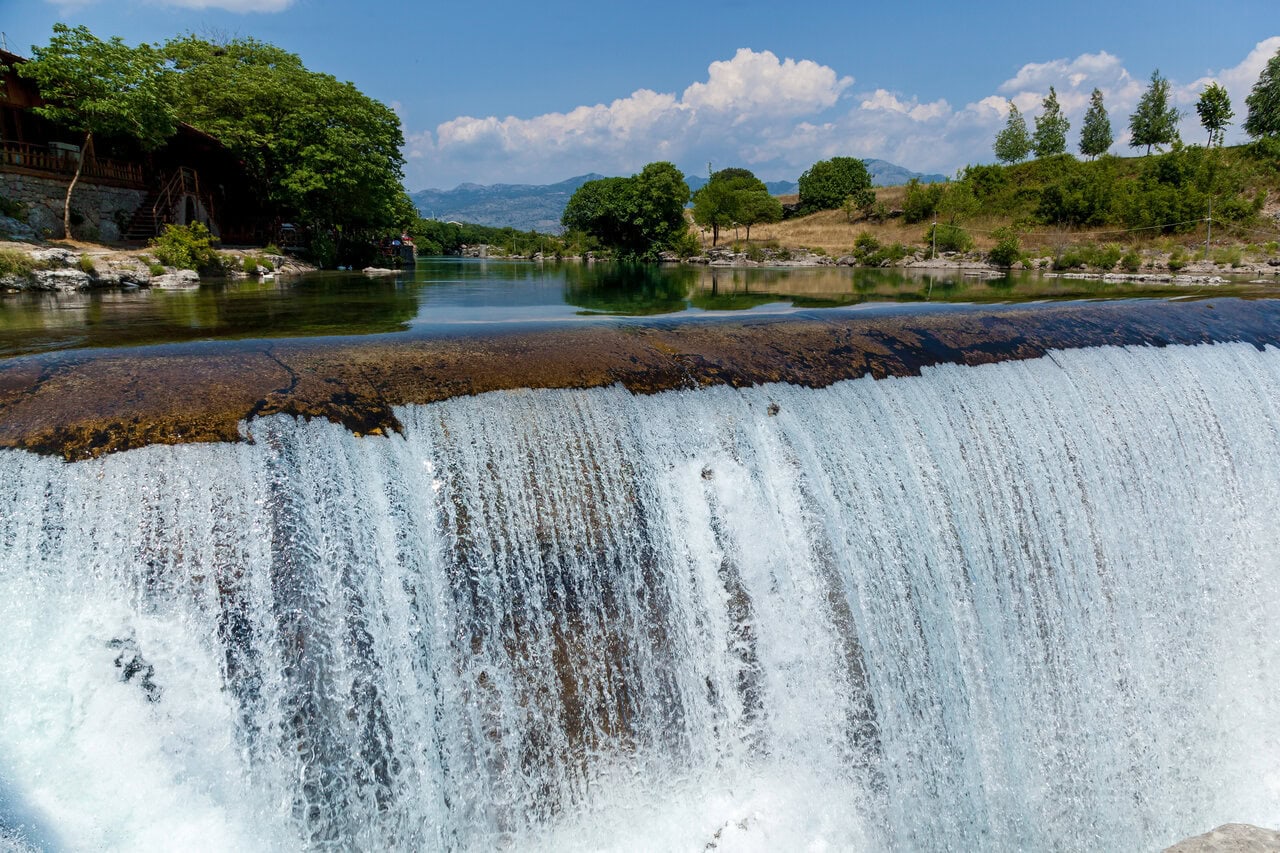
The best-known attraction is the small but attractive Niagara Falls, where water cascades over a broad limestone ledge before continuing through the canyon below. While the falls are naturally much smaller than their famous American namesake, they remain one of Podgorica’s most popular beauty spots, especially after heavy rainfall when water levels are at their highest.
Beyond the waterfall, the canyon itself offers far more to explore. Rocky cliffs, clear pools and quiet riverside areas create a peaceful landscape that’s popular with local residents looking to swim, picnic or simply relax beside the water. During the height of summer, several natural swimming holes become favourite places to cool off, while the surrounding scenery makes the area equally rewarding for photographers.
Overlooking the falls is a well-known riverside restaurant, where visitors can enjoy lunch or a drink with uninterrupted views across the water. Combining a meal with a short walk through the canyon makes this an easy and enjoyable half-day excursion from Podgorica.
Because of its close proximity to the capital, Cijevna Canyon works particularly well alongside other attractions. It’s easy to combine with a morning exploring Podgorica, a visit to nearby vineyards or an afternoon at Niagara Falls, creating a varied day without spending hours travelling across Montenegro.
Lake Skadar National Park
Just 30 minutes south of Podgorica, Lake Skadar National Park is one of Montenegro’s greatest natural treasures and one of the easiest day trips from the capital.
As the largest lake in the Balkans, Lake Skadar is internationally recognised for its incredible biodiversity. More than 280 species of birds have been recorded here, including the rare Dalmatian pelican, making it one of Europe’s finest destinations for birdwatching.
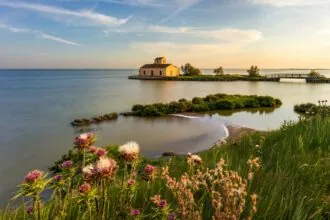
Most visitors begin their day in the charming lakeside village of Virpazar, where regular boat cruises depart throughout the day. These peaceful trips glide through narrow channels filled with water lilies before opening onto vast expanses of water surrounded by mountains, traditional fishing villages and centuries-old monasteries.
The region is equally famous for its vineyards. Many local wineries offer tastings of traditional Vranac and Krstač wines, making it easy to combine nature with some of Montenegro’s best food and wine.
Lake Skadar is particularly easy to visit from Podgorica. Regular trains and buses serve Virpazar, while driving takes less than half an hour, making this one of the few major attractions in Montenegro that’s genuinely simple to reach without a car.
We’ve written a dedicated Lake Skadar National Park guide covering the best boat cruises, birdwatching spots, wineries and practical planning advice in far more depth than we can fit here, and it’s worth reading in full before you go.
Boat cruises vary considerably in length and focus, from short one-hour trips around Virpazar to longer excursions that include a winery stop and several hours on the water, so it’s worth checking exactly what’s included before booking rather than assuming all tours cover the same ground.
Ostrog Monastery
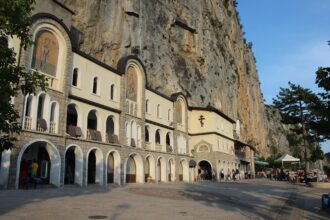
Few places in Europe are as spectacular as Ostrog Monastery. Built directly into a sheer vertical cliff almost 900 metres above sea level, it’s one of the most important pilgrimage sites in the Balkans and one of Montenegro’s most unforgettable sights.
The monastery dates from the seventeenth century and attracts hundreds of thousands of visitors each year, including Orthodox Christians, Catholics, Muslims and travellers simply fascinated by its remarkable setting. Standing on the monastery terraces, it’s difficult not to be amazed by the engineering involved in constructing such an extraordinary building.
Visitors can explore both the Lower Monastery and the famous Upper Monastery, where beautiful chapels are carved directly into the rock face. The panoramic views across the Zeta Valley are every bit as memorable as the monastery itself.
Although organised tours operate from Podgorica, independent travellers can also drive to the monastery in around one hour. Public transport is possible but more complicated, usually involving a train or bus to Ostrog Station followed by a taxi or a long uphill walk, so joining a guided excursion is often the easiest option.
Our full Ostrog Monastery guide covers the site’s history, the dress code and visitor etiquette expected at an active place of worship, and the practicalities of reaching both the Lower and Upper Monasteries, which is well worth reading before you set off.
Modest dress is expected for both men and women, and it’s worth bringing a light scarf or wrap in summer in case you want to cover your shoulders before entering the churches. The queue to the shrine moves steadily rather than quickly, so allow more time than you might expect for a site that looks small from the road.
Search routes and flight options for your trip to Podgorica.
Search flightsChoose an Airalo eSIM and arrange mobile data before you arrive.
Browse eSIMsCheck private pickup options and plan your onward journey before arrival.
View transfersCetinje: Montenegro’s Historic Royal Capital
Only 45 minutes from Podgorica, Cetinje is Montenegro’s historic royal capital and one of the country’s most rewarding cultural day trips.
Unlike the modern capital, Cetinje is filled with elegant nineteenth-century buildings, royal palaces, fascinating museums and the historic Cetinje Monastery, creating an atmosphere that’s completely different from anywhere else in Montenegro. Walking through its broad, tree-lined streets offers a glimpse into the country’s royal past, while its cafés and restaurants provide the perfect place to enjoy a relaxed lunch.
History lovers should allow time to visit King Nikola’s Museum, the National Museum of Montenegro and the former embassy quarter, where many European powers once maintained diplomatic missions despite the town’s small size.
Regular buses connect Podgorica and Cetinje throughout the day, while driving takes less than an hour. Many visitors also combine Cetinje with nearby Lovćen National Park, making this one of Montenegro’s finest full-day excursions.
For a much deeper look at the town’s museums, royal palaces and monastery, our dedicated Things to Do in Cetinje guide covers everything you need to plan a rewarding day among Montenegro’s royal history.
Many of the museums close for a lunch break in the middle of the day, so it’s worth checking opening hours in advance rather than arriving at exactly the wrong moment. The town is compact enough to see the main sights on foot within a few hours, leaving plenty of time to continue on to Lovćen the same afternoon.
Cetinje also makes a good rainy-day option, since so much of what there is to see here is indoors, unlike many of the other excursions on this list which depend heavily on good weather to be enjoyable.
Lovćen National Park
If you’re looking for spectacular mountain scenery, Lovćen National Park is one of the very best day trips from Podgorica.
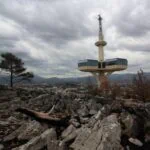
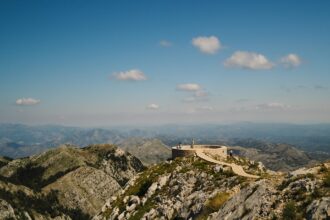
The highlight is undoubtedly the magnificent Njegoš Mausoleum, perched high on Jezerski Vrh. After climbing the famous 461 steps, visitors are rewarded with breathtaking panoramic views stretching across Montenegro, from the rugged mountains to the sparkling Adriatic Sea on clear days.
Beyond the mausoleum, the national park offers scenic mountain roads, peaceful forests, hiking trails and beautiful picnic areas around Ivanova Korita. Wildlife, dramatic limestone peaks and colourful alpine meadows make it a paradise for photographers and nature lovers alike.
Driving from Podgorica takes around 1 hour 15 minutes, while organised day tours often combine Lovćen National Park, Cetinje and the spectacular Kotor Serpentine Road, allowing visitors to experience three of Montenegro’s greatest highlights in a single unforgettable day.
Our full Lovćen National Park guide covers the Njegoš Mausoleum, the surrounding hiking trails and the practicalities of the mountain roads in much greater detail, and pairs particularly well with a stop in Cetinje on the same day.
The climb to the mausoleum involves several hundred steps through a tunnel cut into the mountain, so it’s not the easiest attraction for visitors with limited mobility, though the views from the top are widely considered among the best in the Balkans and well worth the effort for most people.
Layers are worth packing even in summer, since temperatures at Jezerski Vrh are noticeably cooler and windier than down in Podgorica or along the coast.
Budva: Beaches And A Medieval Old Town
Just one hour from Podgorica, Budva offers the perfect contrast to the capital, replacing rivers and parks with golden beaches, a medieval Old Town and the sparkling waters of the Adriatic Sea.
The ancient Stari Grad is one of Montenegro’s oldest settlements, enclosed by impressive stone walls and filled with narrow cobbled streets, historic churches, boutique shops and lively restaurants. It’s the perfect place to spend a leisurely morning before heading to one of Budva’s famous beaches.
Visitors can relax on Mogren Beach, stroll along the coastal path to the famous Ballerina Statue, take a boat trip to St Nicholas Island or simply enjoy lunch overlooking the marina before returning to Podgorica.
Frequent buses make Budva one of the easiest coastal destinations to reach without a car, while driving takes around an hour depending on traffic. During the summer months it’s worth setting off early to avoid congestion on the coastal roads.
For a full breakdown of the beaches, the Old Town and the best restaurants, our dedicated Things to Do in Budva guide is worth reading before you go, particularly if you’re planning to stay on the coast for a night or two rather than returning to Podgorica the same evening.
If you’re combining Budva with another stop, the Old Town alone can comfortably be seen in two or three hours, leaving the rest of the day free for a beach, a boat trip, or continuing on to nearby Sveti Stefan for the afternoon.
Kotor: A UNESCO Old Town On The Bay
Few places leave such a lasting impression as Kotor. Around 90 minutes from Podgorica, this UNESCO World Heritage Site is one of the most spectacular destinations anywhere on the Adriatic.
Protected by enormous medieval walls and surrounded by towering mountains, Kotor Old Town is a maze of charming squares, historic churches and narrow stone alleyways that reward hours of exploration. Every turn reveals another hidden courtyard, elegant palace or bustling café.
For energetic visitors, climbing the 1,350+ steps to St John’s Fortress is one of Montenegro’s greatest experiences. The panoramic views across the Bay of Kotor are simply unforgettable and rank among the finest viewpoints in the Balkans.
After exploring the Old Town, enjoy a waterfront lunch or take a boat trip around the Bay of Kotor before returning to Podgorica. Regular buses operate throughout the day, although hiring a car provides the flexibility to stop at viewpoints and nearby attractions along the way.
Our full Things to Do in Kotor guide covers the Old Town, the city walls and the best viewpoints in much greater depth, and is worth reading in advance if you’re planning to make the most of a single day in one of Montenegro’s most rewarding destinations.
Cruise ships regularly dock at Kotor, so the Old Town can feel considerably busier on days when a large ship is in port. If you’re travelling independently, checking the port schedule in advance and timing your visit around it can make a noticeable difference to the crowds you encounter.
Perast: Venetian Palaces And Our Lady Of The Rocks
Although Perast is slightly further from Podgorica than Kotor, it’s one of the most elegant and picturesque destinations on the Bay of Kotor and rewards anyone prepared to make the journey.
Unlike its larger neighbour, Perast has a wonderfully peaceful atmosphere. The historic waterfront is lined with magnificent Venetian palaces, beautiful churches and elegant stone houses that reflect the town’s prosperous maritime past. With very little traffic passing through the historic centre, it’s the perfect place for a leisurely stroll beside the bay.
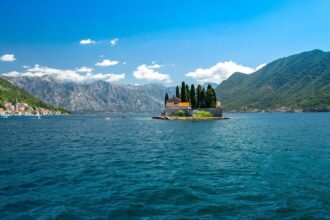
The highlight for most visitors is the iconic island of Our Lady of the Rocks, reached by a short boat trip from the waterfront. The beautiful church, fascinating museum and remarkable story behind the man-made island make it one of Montenegro’s most memorable attractions.
Driving from Podgorica takes around 1 hour 40 minutes, while public transport is also possible via regular buses towards Kotor and Herceg Novi. Many visitors combine Perast with Kotor, creating one of Montenegro’s finest coastal day trips.
We’ve written a dedicated Things to Do in Perast guide covering Our Lady of the Rocks, the town’s Venetian architecture and the best ways to combine it with a wider day around the Bay of Kotor.
Boats to Our Lady of the Rocks run regularly throughout the day during the season, and the crossing itself takes only a few minutes, so there’s rarely much of a wait even during busier periods. The town’s small size means it’s easy to combine with Kotor without feeling rushed.
Herceg Novi: The Relaxed City Of Steps
Situated at the entrance to the Bay of Kotor, Herceg Novi is one of Montenegro’s most relaxed coastal towns and an excellent choice if you’ve already visited Budva or Kotor.
Known as the City of Steps, Herceg Novi combines a charming Old Town, impressive fortresses, beautiful promenades and excellent seafood restaurants with a noticeably slower pace of life. Palm trees, subtropical gardens and spectacular coastal views give the town a very different character from other destinations around the bay.
Visitors can explore the impressive Kanli Kula Fortress, wander along the beautiful Šetalište Pet Danica Promenade, visit the peaceful Savina Monastery or take a boat trip to the Blue Cave, Mamula Island and the fascinating former submarine tunnels hidden along the coast.
The drive from Podgorica takes around two hours, while buses operate regularly throughout the day. Although it’s one of the longer day trips from the capital, the combination of history, scenery and coastal charm makes the journey well worthwhile.
For a closer look at the fortresses, the promenade and the boat trips around the bay, our dedicated Things to Do in Herceg Novi guide covers everything needed to plan a full day in this relaxed corner of the coast.
Because it sits at the entrance to the bay rather than deep inside it, Herceg Novi also makes a sensible stop if you’re arriving from or heading towards Croatia, breaking up a longer coastal drive with a few hours of sightseeing and a good seafood lunch.
Compare hostels and lower-cost places to stay in Podgorica.
Search hostelsGet help with compensation, eligible lounge access and disruption support.
Explore AirHelp+Leave your luggage somewhere convenient and enjoy Podgorica hands-free.
View storageUlcinj: Long Beach And Ottoman Heritage
For a completely different side of Montenegro, head south to Ulcinj, the country’s southernmost coastal town and one of its most culturally distinctive destinations.
With its strong Albanian heritage, fascinating Ottoman Old Town and the spectacular 13-kilometre Long Beach (Velika Plaža), Ulcinj feels unlike anywhere else in Montenegro. It’s the perfect destination for visitors wanting to experience beautiful sandy beaches, excellent seafood and a more relaxed atmosphere away from the country’s busiest tourist resorts.
Spend the morning exploring the ancient streets of Ulcinj Old Town, enjoy lunch overlooking the Adriatic and then relax on Long Beach or continue to the unique island of Ada Bojana, famous for its watersports, seafood restaurants and unforgettable sunsets.
The journey from Podgorica takes around 1 hour 20 minutes by car, while regular buses also connect the two cities, making Ulcinj one of the easiest coastal destinations to visit without hiring a car.
Our full Things to Do in Ulcinj guide covers the Old Town, Long Beach and Ada Bojana in much greater depth, and is worth reading if you’re considering staying overnight rather than treating it purely as a day trip.
The town’s Albanian-influenced food and culture make it feel noticeably different from anywhere else on this list, and it’s worth allowing time to simply wander the Old Town rather than heading straight for the beach, since the atmosphere here is genuinely distinct from Montenegro’s more Venetian-influenced coastal towns.
Ada Bojana in particular has a distinctly different atmosphere from the rest of Montenegro’s coast, shaped by windsurfing schools, fish restaurants built out over the water on stilts, and a much more low-key, alternative crowd than you’ll find further north.
Bar: Old Bar, The Ferry Port And The Belgrade Railway
Located just one hour south of Podgorica, Bar combines a working Adriatic port with one of Montenegro’s most fascinating historic sites.
The highlight is undoubtedly Old Bar (Stari Bar), a remarkable fortified town set beneath the slopes of Mount Rumija. Unlike many historic settlements that remain inhabited, Old Bar is an atmospheric archaeological site where visitors can wander among ancient streets, churches, aqueducts and defensive walls while learning about more than a thousand years of history.
Back in modern Bar, you’ll find a pleasant palm-lined promenade, beaches, cafés and Montenegro’s principal ferry port, with services linking the country to Italy. The town is also famous for one of the oldest olive trees in Europe, believed to be over 2,000 years old.
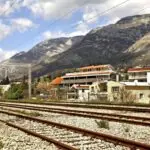
Bar is particularly easy to reach from Podgorica thanks to the excellent Belgrade–Bar Railway, widely regarded as one of Europe’s greatest train journeys. Frequent trains and buses make this one of the simplest and most enjoyable day trips from the capital.
We’ve written a dedicated Things to Do in Bar guide covering Old Bar, the ancient olive tree and the town’s role as Montenegro’s main ferry port in much greater detail than we can fit here.
Old Bar is largely uncovered and offers little shade, so a hat and water are worth bringing if you’re visiting in summer. The site is spread out enough that comfortable footwear makes a real difference compared with the sandals that might be fine for a beach day elsewhere on the coast.
Durmitor National Park
If you’re prepared for a longer journey, Durmitor National Park is one of the most spectacular day trips you can take from Podgorica. A UNESCO World Heritage Site, the park is renowned for its dramatic limestone peaks, glacial lakes, dense pine forests and some of the most breathtaking mountain scenery in the Balkans.
The charming mountain town of Žabljak serves as the gateway to the park and is the perfect starting point for exploring. From here you can visit the beautiful Black Lake (Crno Jezero), enjoy scenic walks through ancient forests or simply admire the dramatic mountain landscapes that make Durmitor one of Montenegro’s greatest natural treasures.
More adventurous visitors can tackle some of the park’s famous hiking trails, while those looking for a more relaxed experience will find countless viewpoints, picnic areas and scenic drives that showcase the beauty of northern Montenegro.
The drive from Podgorica takes around 2½ hours, making this a long but thoroughly rewarding day trip. If your schedule allows, consider spending a night in Žabljak to fully appreciate everything the national park has to offer.
Our full Durmitor National Park and Things to Do in Žabljak guides cover the hiking trails, Black Lake and where to stay if you decide to turn this into an overnight trip rather than a very long single day from the capital.
Given the distance involved, it’s worth checking the weather forecast for the mountains specifically rather than relying on conditions at the coast or in Podgorica, since temperatures and visibility can differ considerably at altitude, particularly in spring and autumn.

Tara River Canyon
Often combined with Durmitor National Park, the spectacular Tara River Canyon is one of Europe’s greatest natural wonders and a destination that deserves a place on every Montenegro itinerary.
Carved by the crystal-clear Tara River, the canyon reaches depths of more than 1,300 metres, making it the deepest canyon in Europe and second only to the Grand Canyon worldwide. The scale of the landscape is difficult to appreciate until you’re standing on one of the viewpoints overlooking the emerald-green river far below.
One of the highlights is the impressive Đurđevića Tara Bridge, an engineering masterpiece completed in 1940. Visitors can walk across the bridge for breathtaking views of the canyon, while thrill-seekers can experience one of Montenegro’s most famous zip lines, soaring high above the river below.
During the warmer months, the Tara River is internationally renowned for white-water rafting. Trips range from gentle scenic floats suitable for beginners to exhilarating rapids that attract experienced rafters from across Europe.
Although the journey from Podgorica takes around 2 hours 45 minutes, combining the canyon with Durmitor National Park creates one of the most unforgettable excursions in Montenegro.
Our dedicated Tara River Canyon guide covers the rafting trips, the Đurđevića Tara Bridge and the best viewpoints in much greater depth, and is well worth reading alongside our Durmitor National Park guide if you’re combining both in a single trip north.
If you’re not rafting, the viewpoints near the Đurđevića Tara Bridge are the easiest way to appreciate the scale of the canyon without a long walk, and the drive itself, winding through forest and along the edge of the gorge, is memorable even without stopping anywhere in particular.
Niagara Falls (Podgorica)
Not every great day trip requires hours of driving. Just 15 minutes from the centre of Podgorica, you’ll find one of the capital’s most surprising attractions, the charming Niagara Falls.
While considerably smaller than its famous North American namesake, these attractive waterfalls on the Cijevna River create a peaceful escape from the city and are particularly impressive during the spring and after periods of heavy rainfall, when the river flows at its strongest.
A popular riverside restaurant overlooks the falls, making this an excellent place to enjoy lunch or a coffee while listening to the sound of cascading water. During the hotter months, the surrounding area is also popular with locals looking to relax beside the river.
Because of its proximity to the city, Niagara Falls is best viewed as a half-day excursion rather than a full-day trip. It combines perfectly with sightseeing in Podgorica or as part of a visit to nearby vineyards and wineries.
Because it’s so close to the capital, this makes a good option for visitors with only a partial day free, or as a relaxed final stop after a morning spent at one of Podgorica’s museums or parks, rather than a destination that needs a dedicated day of its own.
The falls are at their most dramatic in spring, when melting snow and seasonal rainfall increase the flow considerably. By late summer the river can slow to a trickle, so it’s worth adjusting expectations, or your timing, if seeing the waterfalls at their fullest is the main draw.
Which Day Trip Is Right For You?
With so many incredible places within easy reach of Podgorica, choosing where to go can be difficult. Fortunately, there’s something to suit every type of traveller.
If you’re passionate about history and culture, head to Cetinje, Kotor or the spectacular Ostrog Monastery. These destinations showcase Montenegro’s royal heritage, medieval architecture and religious traditions.
For visitors seeking dramatic scenery and nature, Lovćen National Park, Lake Skadar National Park, Durmitor National Park and the breathtaking Tara River Canyon are outstanding choices, offering everything from peaceful boat cruises to mountain hikes and panoramic viewpoints.
If your perfect day involves the Adriatic coast, choose Budva, Perast, Herceg Novi, Bar or Ulcinj. Each destination has its own distinct character, from medieval towns and Venetian palaces to sandy beaches and lively waterfronts.
Travelling without a car? Lake Skadar, Budva, Bar, Cetinje, Kotor and Ulcinj are all easily reached by regular public transport. For Lovćen National Park, Ostrog Monastery or Durmitor National Park, a guided tour or car hire will usually provide the most convenient and rewarding experience.
If you’re struggling to choose just one, remember that several of these destinations pair naturally together, Cetinje with Lovćen National Park, or Kotor with Perast, for example, making it possible to see considerably more of Montenegro without adding extra days to your trip.
If you’re only in Podgorica for a single extra day beyond the capital itself, Lake Skadar is generally the safest choice, combining easy access, reliable public transport and enough variety, boats, wine, wildlife, to suit most types of traveller without requiring a car or a very long day.

How To Travel Around Montenegro
One of the biggest advantages of using Podgorica as your base is the variety of transport options available. Whether you prefer travelling by car, train, bus or joining an organised tour, reaching Montenegro’s highlights is straightforward.
Hiring a car offers the greatest flexibility and is the best option if you’re planning to visit destinations such as Lovćen National Park, Durmitor National Park, Tara River Canyon or the spectacular mountain roads around Cetinje. Driving allows you to stop at viewpoints, explore smaller villages and travel at your own pace. Montenegro’s main roads are generally in good condition, although mountain routes can be narrow and winding.
For visitors relying on public transport, Montenegro has an extensive network of intercity buses connecting virtually every major town. Services from Podgorica operate throughout the day to destinations including Budva, Kotor, Bar, Ulcinj, Herceg Novi, Cetinje and many others, making independent travel surprisingly easy.
The country’s railway is more limited but offers one of Europe’s great scenic journeys. The famous Belgrade–Bar Railway passes through Podgorica, linking the capital with Bar on the Adriatic coast and northern Montenegro. While trains don’t reach every destination, they’re comfortable, affordable and provide some spectacular mountain scenery.
If you’d rather leave the planning to someone else, numerous guided tours depart daily from Podgorica. These often include transport, entrance fees and knowledgeable local guides, making them an excellent choice for destinations such as Ostrog Monastery, Lovćen National Park, Lake Skadar National Park and the Bay of Kotor.

Rupert’s Handy Travel Tips
Planning day trips from Podgorica? Here are a few tips to help you make the most of your time:
- Hire a car if possible: While buses reach most major towns, having your own transport makes it much easier to visit places such as Lovćen National Park, Durmitor National Park and Tara River Canyon.
- Don’t underestimate journey times: Montenegro looks small on a map, but mountain roads can be slow. It’s often better to fully enjoy one destination than rush between several.
- Book Lake Skadar boat trips in advance: Cruises from Virpazar are especially popular during the summer months and the best departures can fill up quickly.
- Start early for the coast: If you’re heading to Budva, Kotor or Perast during July and August, an early departure helps avoid the busiest traffic.
- Mix city, coast and mountains: One of the biggest advantages of staying in Podgorica is that you can experience Montenegro’s lakes, beaches, mountains, monasteries and historic towns without changing hotels.
Want to meet the reindeer behind our travel tips? Find out more in our page Who is Rupert?.




Frequently Asked Questions
What is the best day trip from Podgorica?
That depends on your interests. Lake Skadar National Park is ideal for nature lovers, Ostrog Monastery is Montenegro’s most famous religious site, while Kotor offers one of Europe’s most beautiful medieval towns.
Can you visit Kotor from Podgorica in one day?
Yes. The journey takes around 1 hour 30 minutes each way, making Kotor an excellent full-day trip by car or bus.
Is Lake Skadar worth visiting from Podgorica?
Absolutely. At only 30 minutes away, it’s the easiest major attraction to reach from the capital and offers boat trips, wildlife, wineries and stunning scenery.
Do you need a car for day trips from Podgorica?
Not necessarily. Many destinations including Budva, Bar, Cetinje, Kotor, Ulcinj and Lake Skadar are easily reached by public transport. A car becomes more useful for places such as Lovćen National Park, Durmitor National Park and Tara River Canyon.
Can you visit Durmitor National Park in a day?
Yes, although it will be a long day. Many visitors prefer to stay overnight in Žabljak, but an early start from Podgorica still allows plenty of time to enjoy the park’s highlights.
What are the best day trips for families?
Lake Skadar National Park, Budva, Bar and Kotor are excellent family-friendly choices, offering boat trips, beaches, wildlife and plenty of places to eat and relax.
What are the best day trips without public transport?
Lovćen National Park, Ostrog Monastery, Tara River Canyon and some parts of Durmitor National Park are easiest to visit by car or on an organised tour.
Can you visit the coast from Podgorica?
Yes. Budva, Bar, Kotor, Perast, Herceg Novi and Ulcinj are all within comfortable day-trip distance from the capital.
When is the best time for day trips from Podgorica?
Spring and autumn offer the most comfortable weather for sightseeing. During summer, it’s best to leave early in the morning, particularly if travelling towards the Adriatic coast.
Which day trip is best for first-time visitors to Montenegro?
If it’s your first visit, it’s difficult to beat Kotor or Lake Skadar National Park. Together they showcase the two landscapes that define Montenegro: the spectacular Bay of Kotor and the country’s beautiful inland lakes and mountains.
Further Reading
Before setting off, it’s worth reading up on the capital itself, and if you’re flying in, this transfer guide covers the quickest ways to reach the city.
The natural highlights above each get their own deeper treatment too: Lake Skadar, Ostrog Monastery and Lovćen National Park are all worth a proper read before you go rather than relying on a single roundup.
Heading to the coast instead, Kotor, Perast and Budva cover three of the most popular day trips, and this bus and rail guide explains how it all connects.
For the wider picture, this 14-day itinerary ties the coast, the mountains and the national parks together into one complete route.