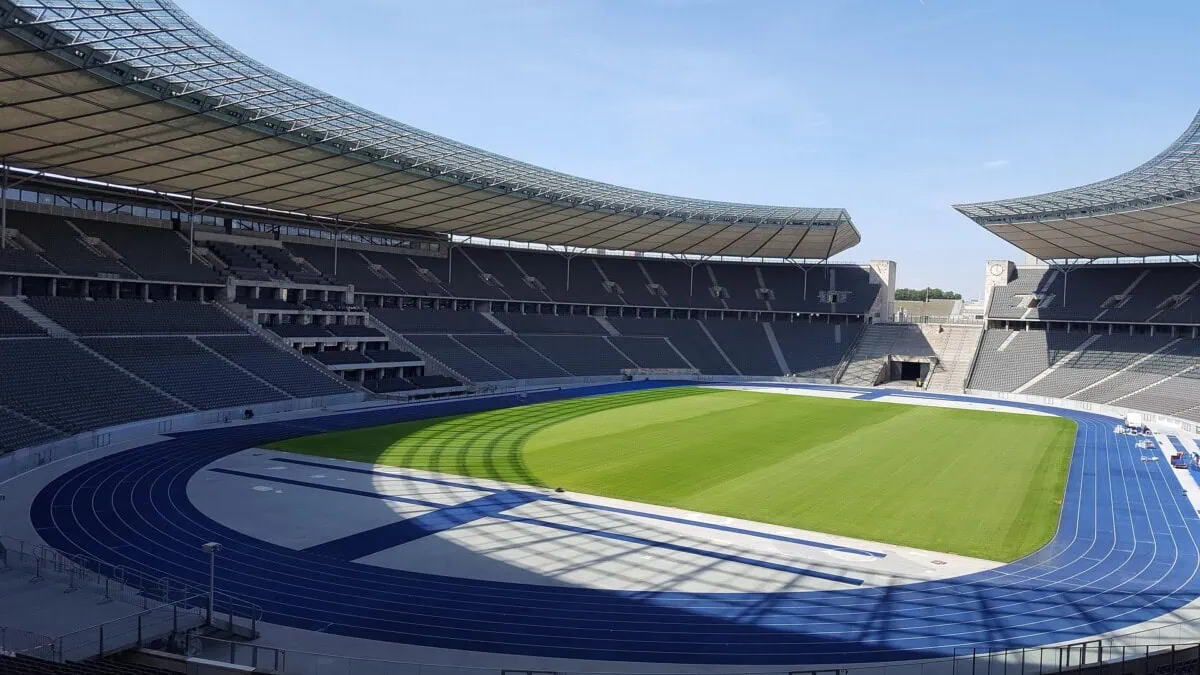
Berlin is unusual among Europe’s football capitals in having two grounds worth planning a day around, and they feel nothing alike. Hertha BSC plays out of the vast Olympiastadion, a 1936-built a...

Explore travel guides covering cities, countries, and destinations worldwide, with practical advice to help you plan and navigate each location.
These guides focus on what to see, how to get around, and how to structure your trip efficiently, making them useful whether you are planning a short visit or a longer journey across multiple destinations.
Berlin is unusual among Europe’s football capitals in having two grounds worth planning a day around, and they feel nothing alike. Hertha BSC plays out of the vast Olympiastadion, a 1936-built a...
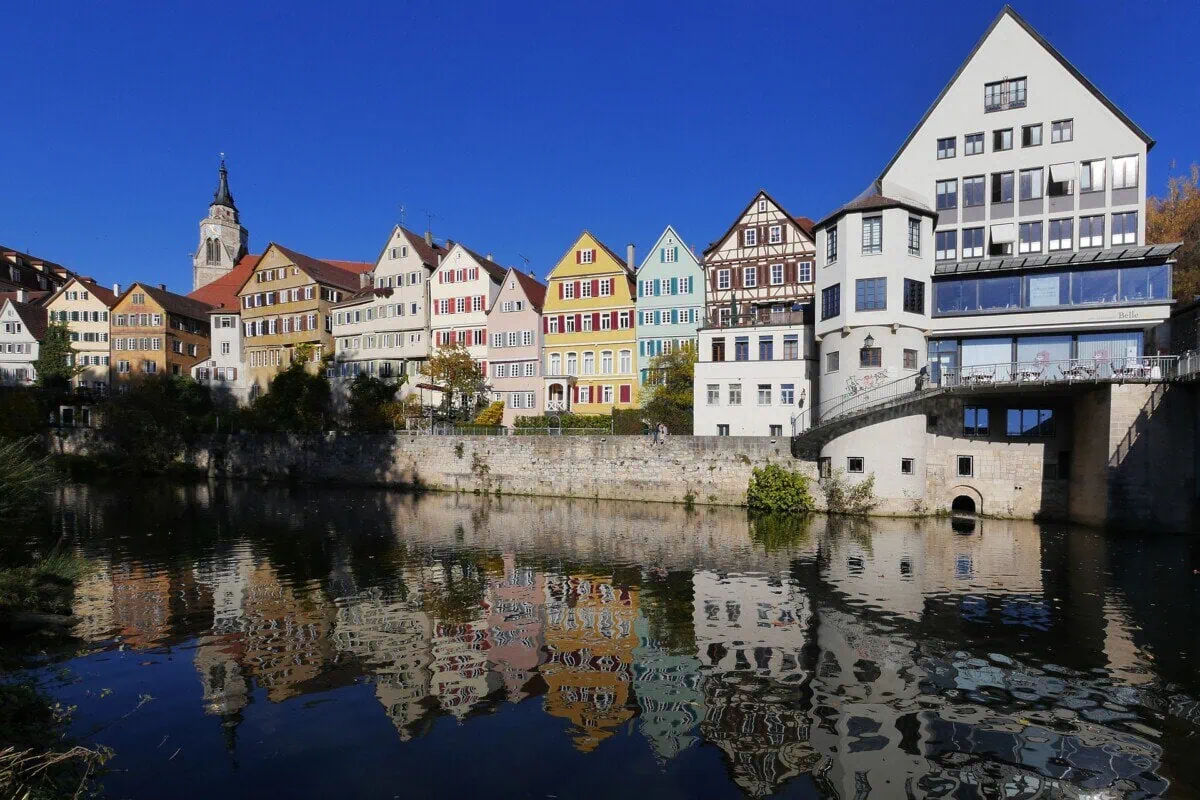
Stuttgart sits in a natural bowl surrounded by vineyards and forested hills, and that position puts it within easy reach of some of southern Germany’s most rewarding day trips. The city anchors ...
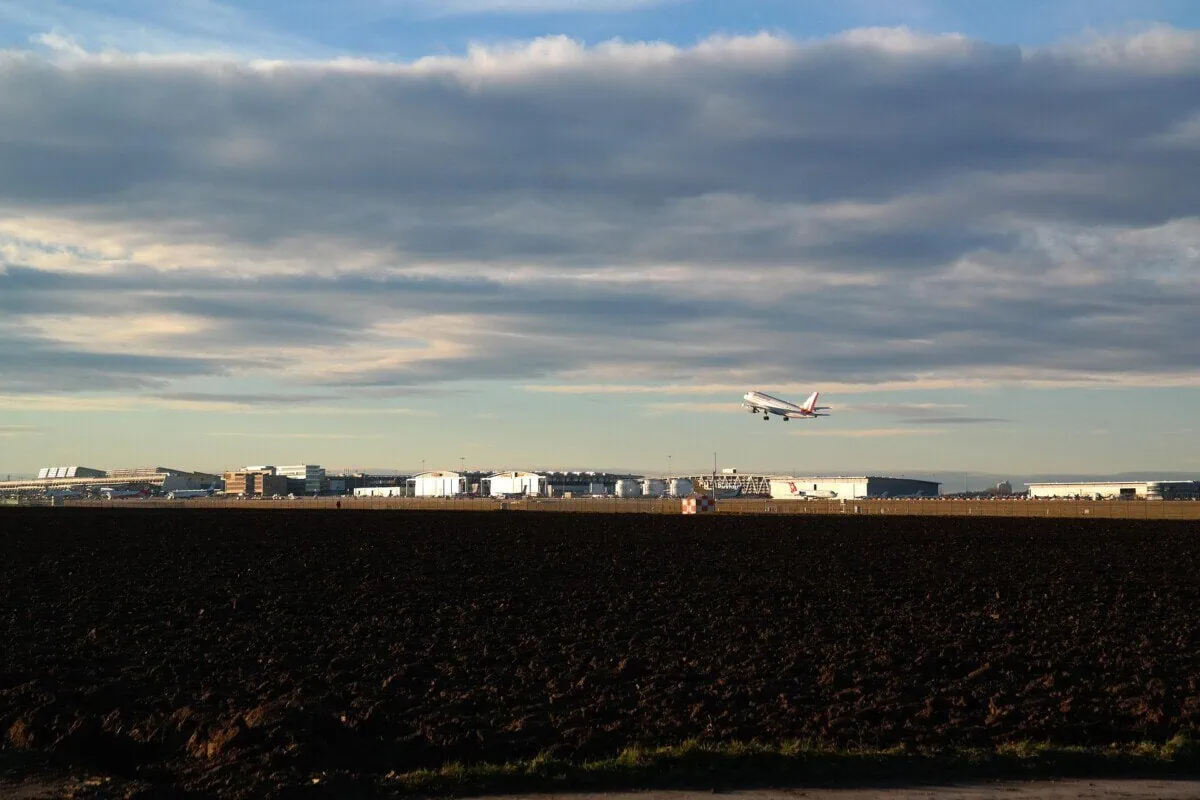
Thirteen Kilometres South, With the Trade Fair Next Door Reaching central Stuttgart from the airport is rarely complicated, but it rewards a moment’s thought. The terminals sit roughly 13 kilome...
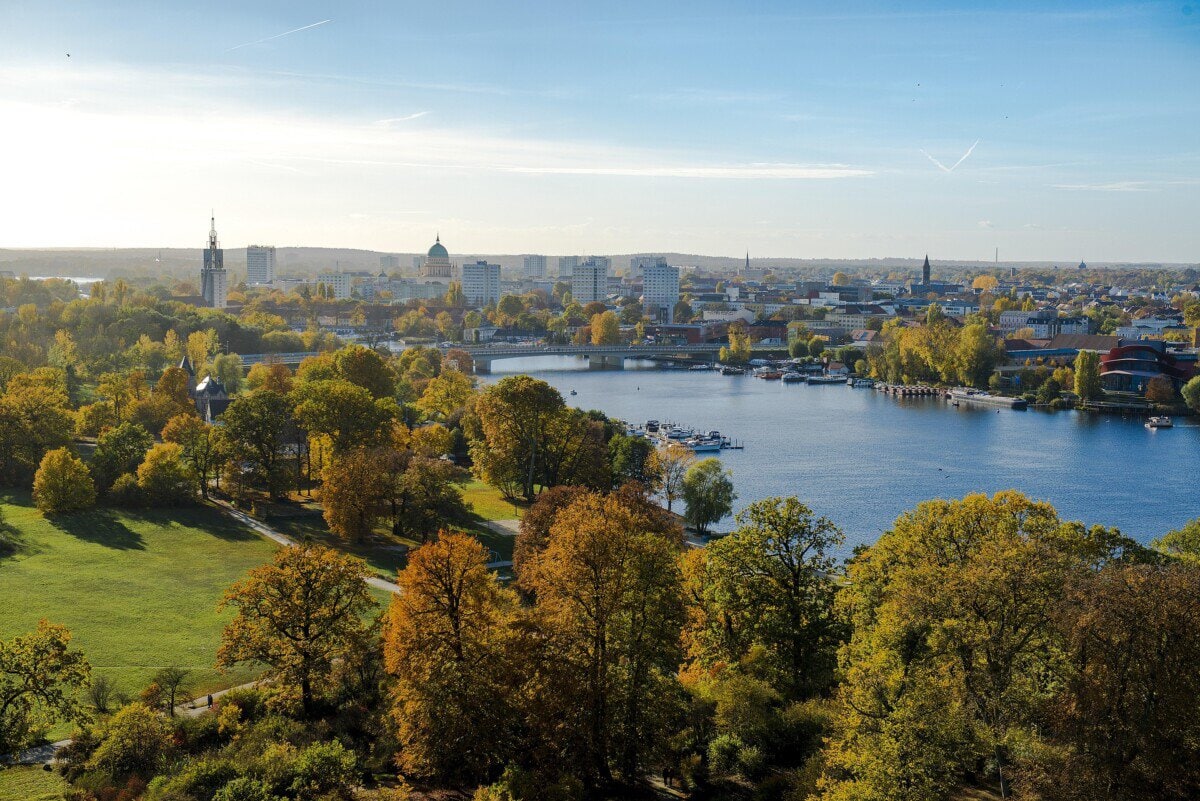
Berlin is a big, flat city surrounded by an unusually generous ring of lakes, forests and small historic towns, and the country’s excellent regional rail network means almost all of them are wit...
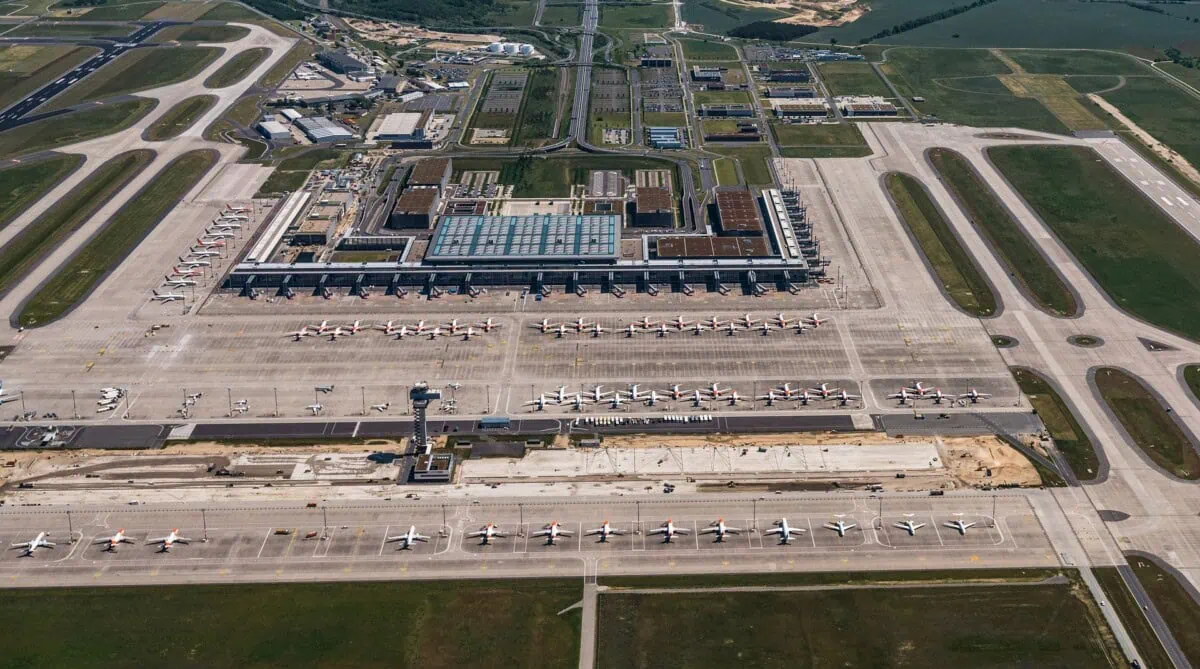
One Airport for a City That Used to Have Three Berlin is unusual among major European capitals in having gone from three commercial airports down to exactly one. Berlin Brandenburg Airport (BER) opene...
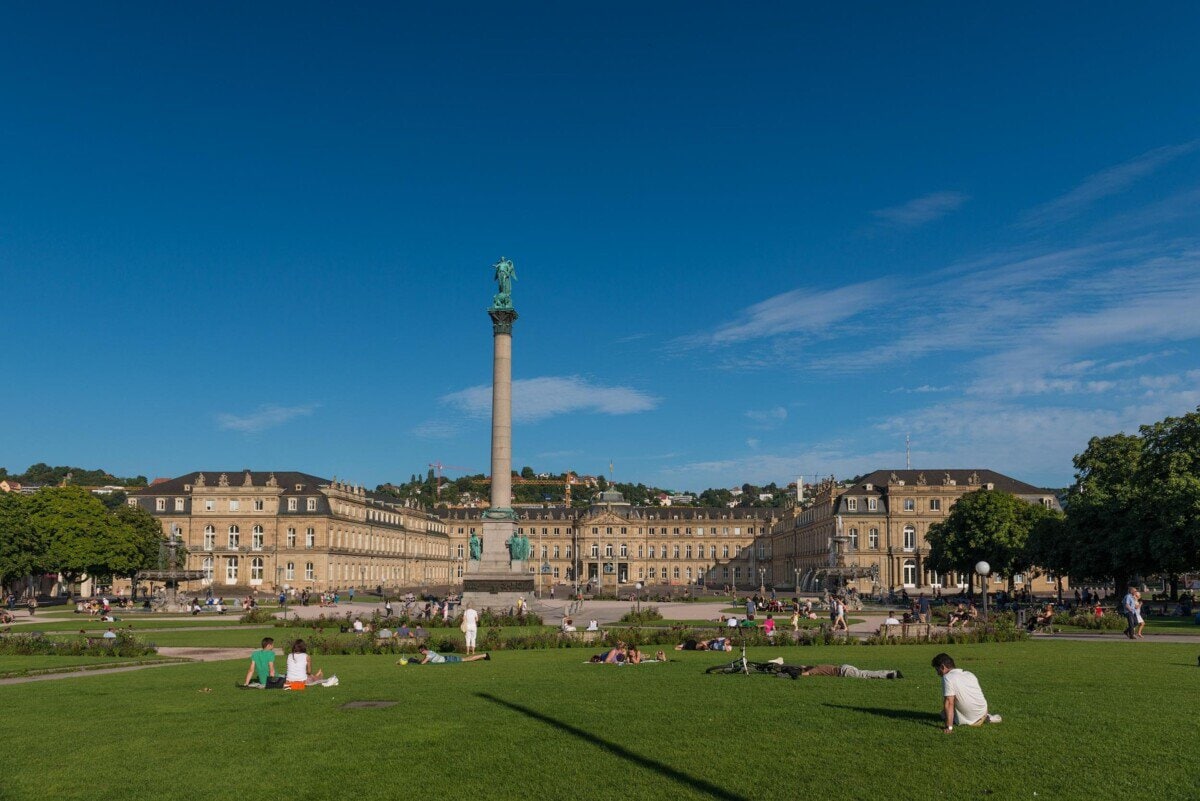
Stuttgart rarely draws the same instant recognition as Berlin or Munich, yet it invented much of the modern car industry. Mercedes-Benz and Porsche both keep their flagship museums here, a few kilomet...
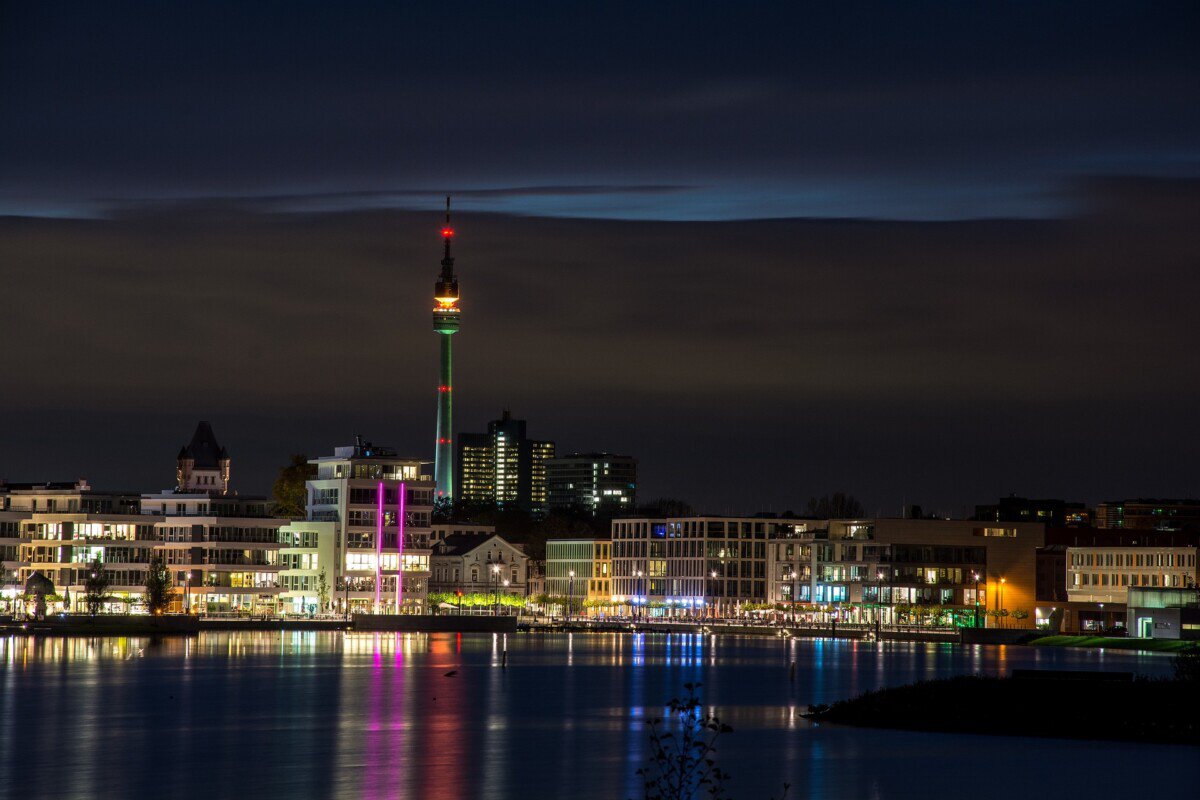
Dortmund rarely tops a first time visitor’s list of German cities, and that is exactly why it rewards the traveller who does show up. This is the Ruhr region’s largest city, a place that s...
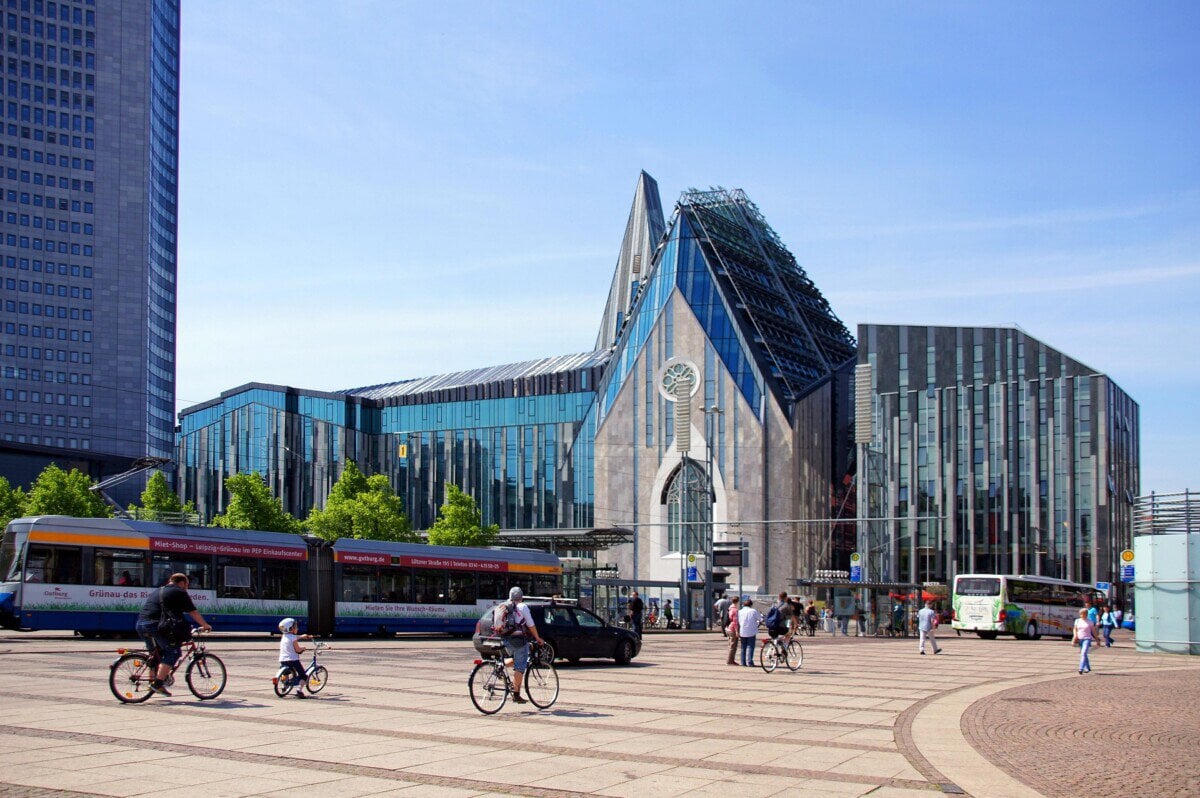
Leipzig spent much of the last century in Dresden’s shadow among foreign visitors, yet within Germany it has always been understood as one of the country’s genuine cultural heavyweights. T...
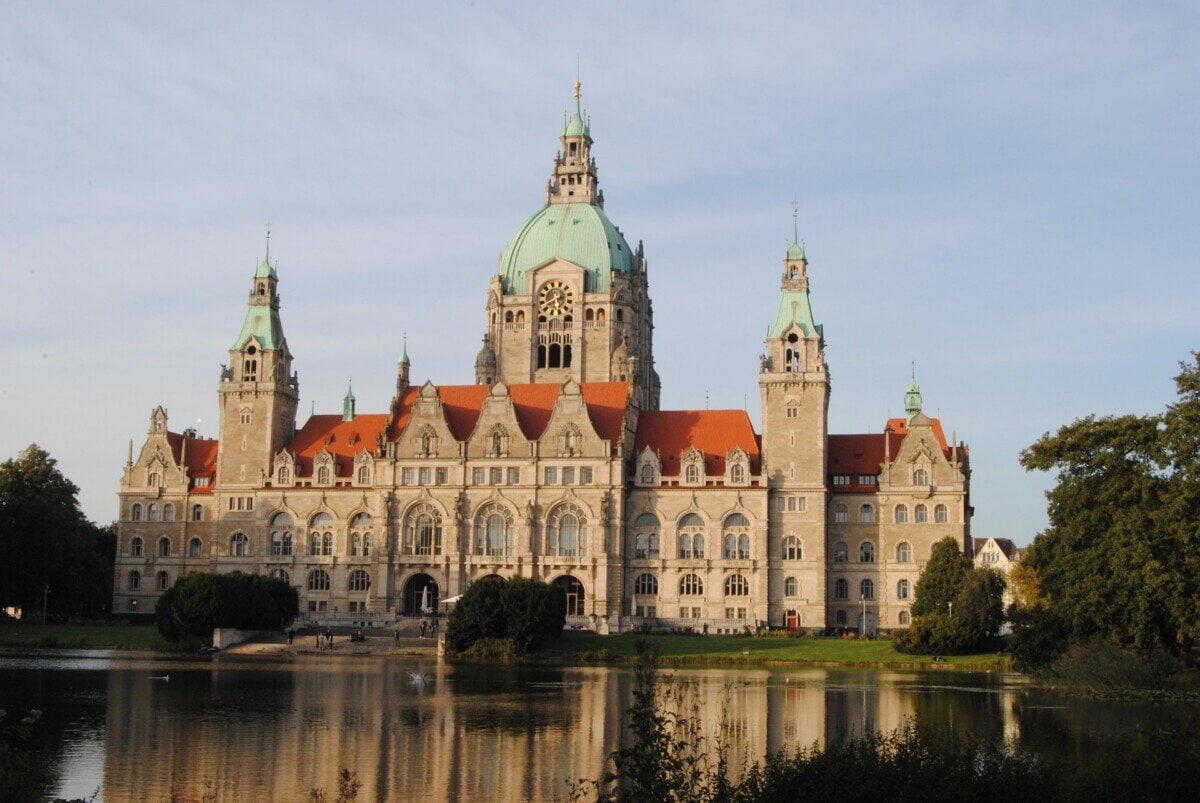
Hanover rarely turns up on a first-time visitor’s shortlist of German cities, and that says something about the country’s sheer depth rather than anything lacking in Hanover itself. As the...
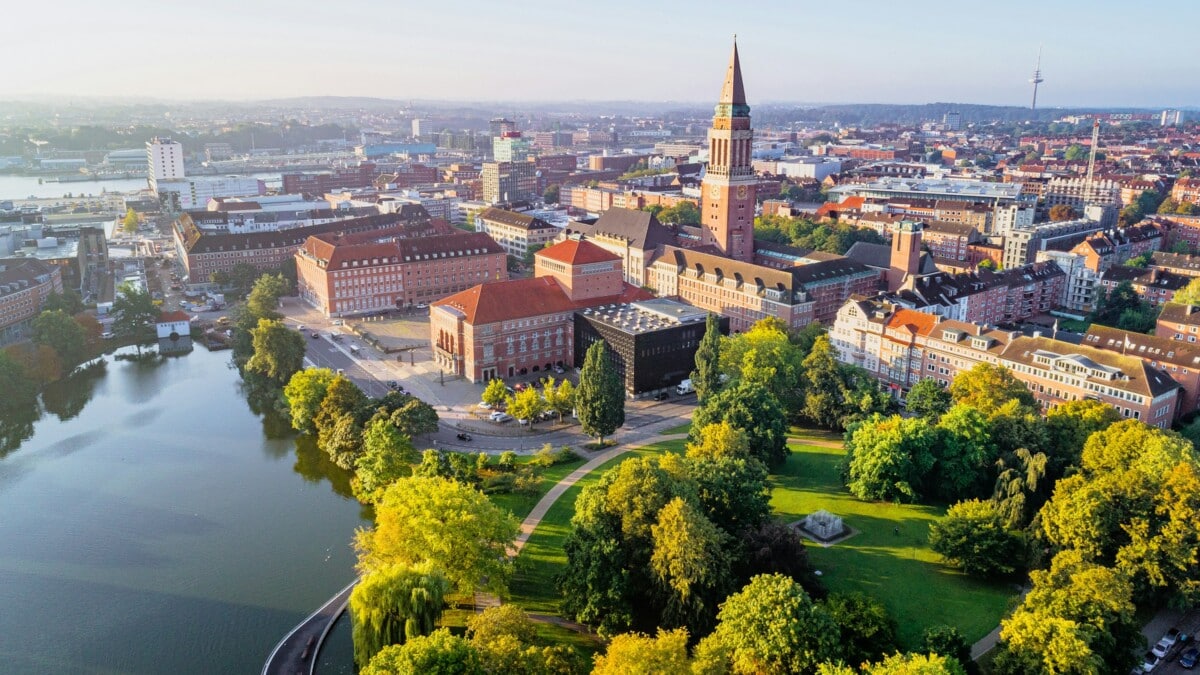
Kiel rarely gets mentioned in the same breath as Hamburg or Lübeck, and that is largely a matter of scale rather than substance. This is Germany’s northernmost major city and the capital of Schl...
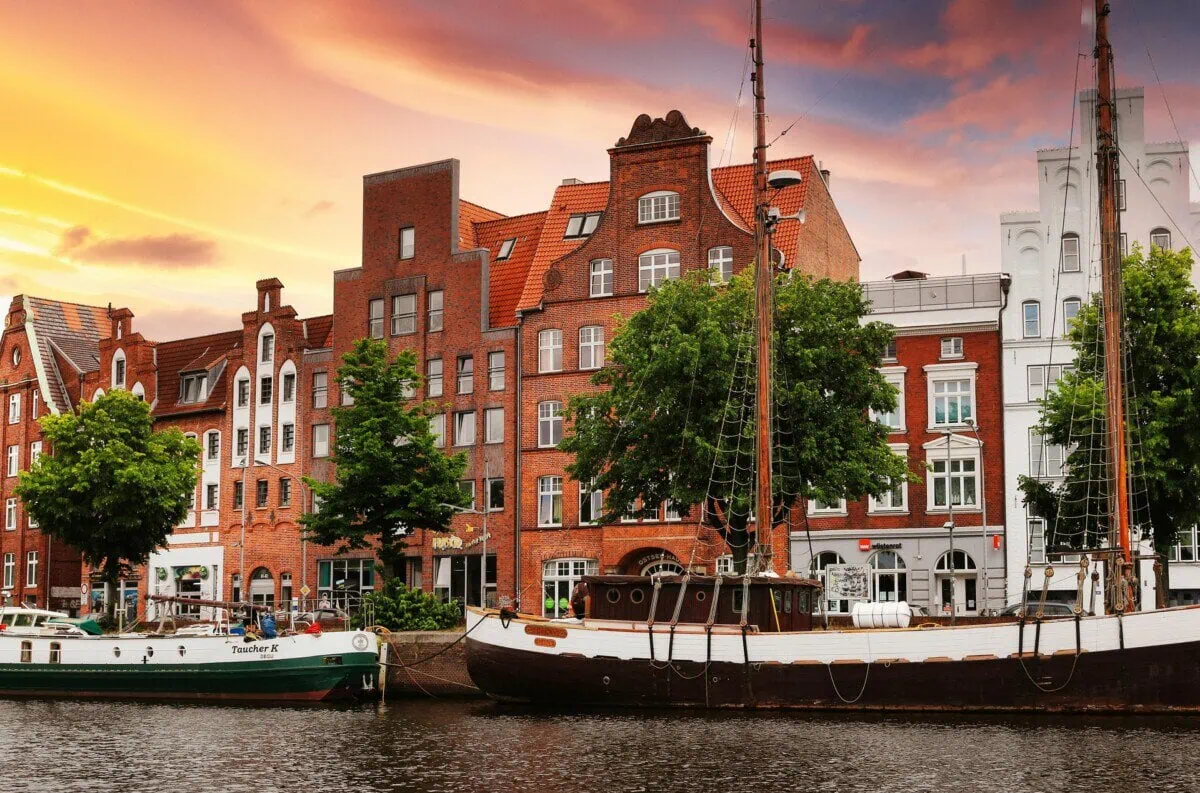
Lübeck is the kind of city that makes the word “medieval” feel like an understatement rather than a marketing label. The entire old town sits on a small island encircled by the Trave and t...
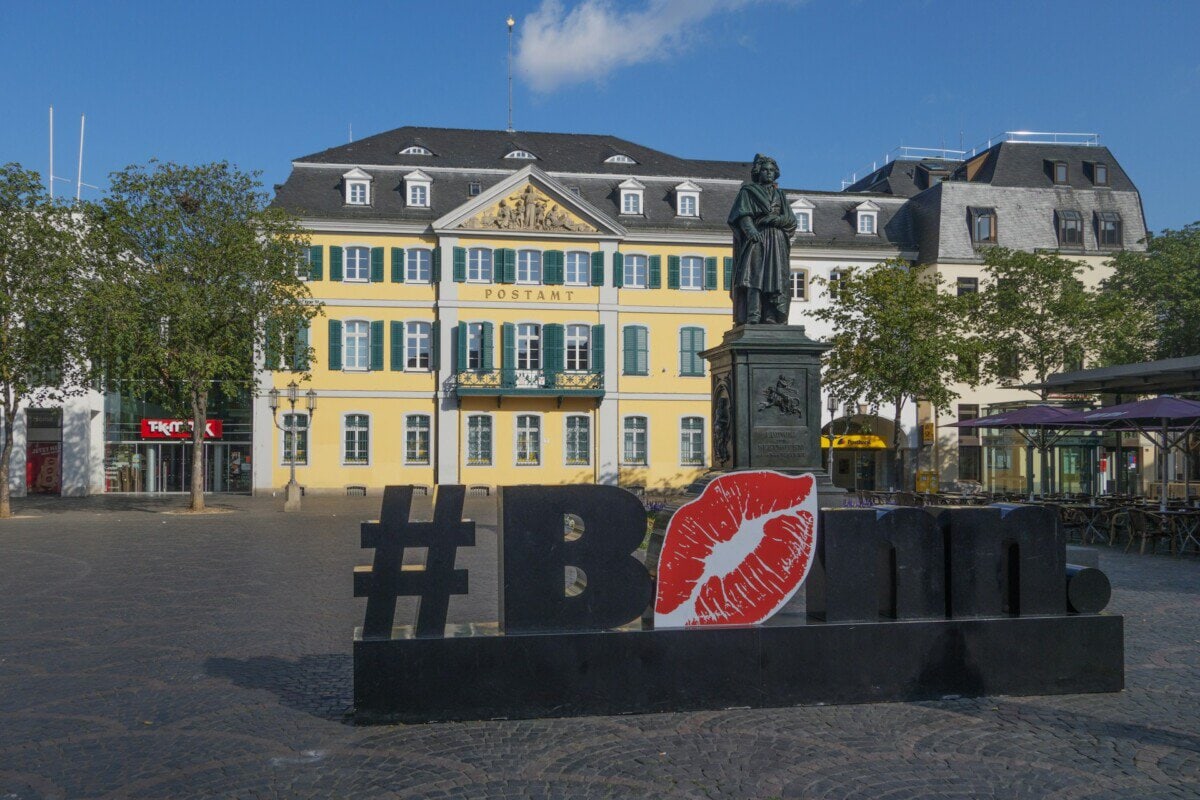
Bonn is a city that spent four decades running a country while officially insisting it wasn’t really the capital at all. From 1949 until 1990, this quiet university town on the Rhine served as t...
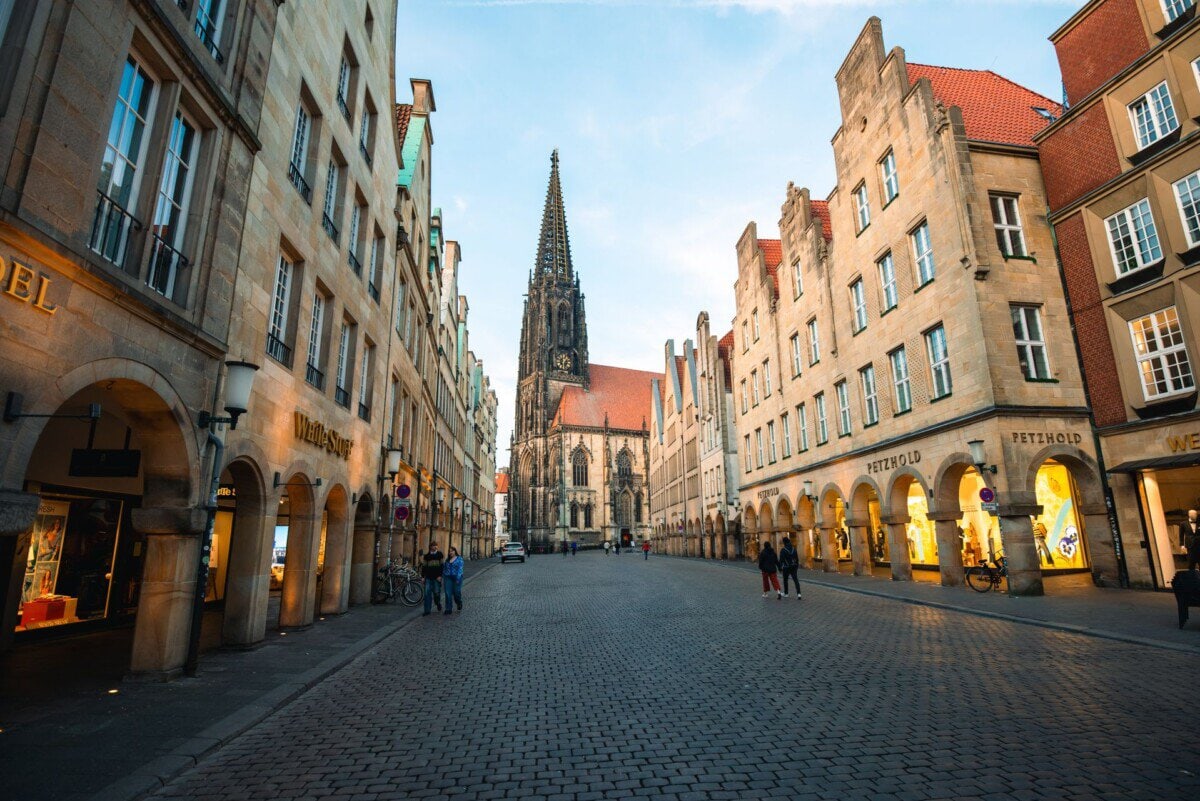
Münster rarely appears on a first time visitor’s shortlist of German cities, and that is largely because its two biggest claims to fame sound almost contradictory. This is the city where the Thi...
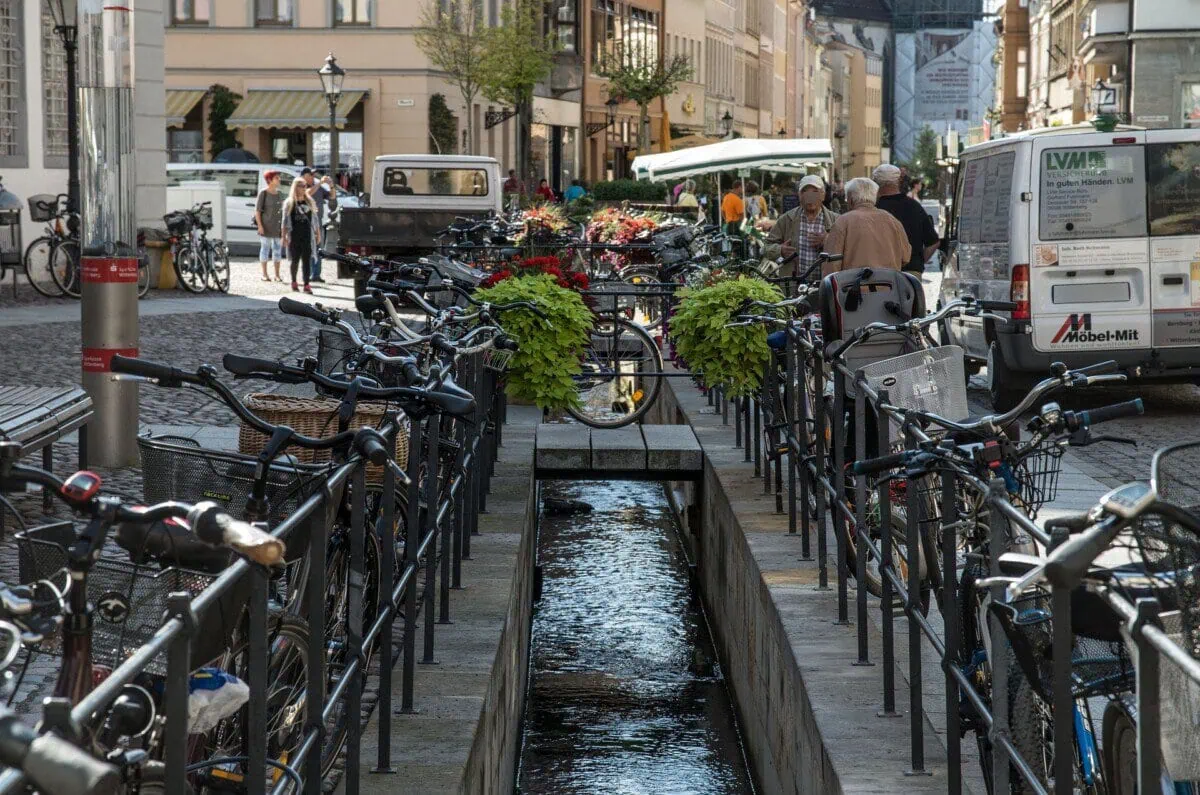
Leipzig sits on the flat Saxon plain where the White Elster, the Pleisse and the Parthe rivers converge, and that central position puts the city within easy reach of some of eastern Germany’s ri...
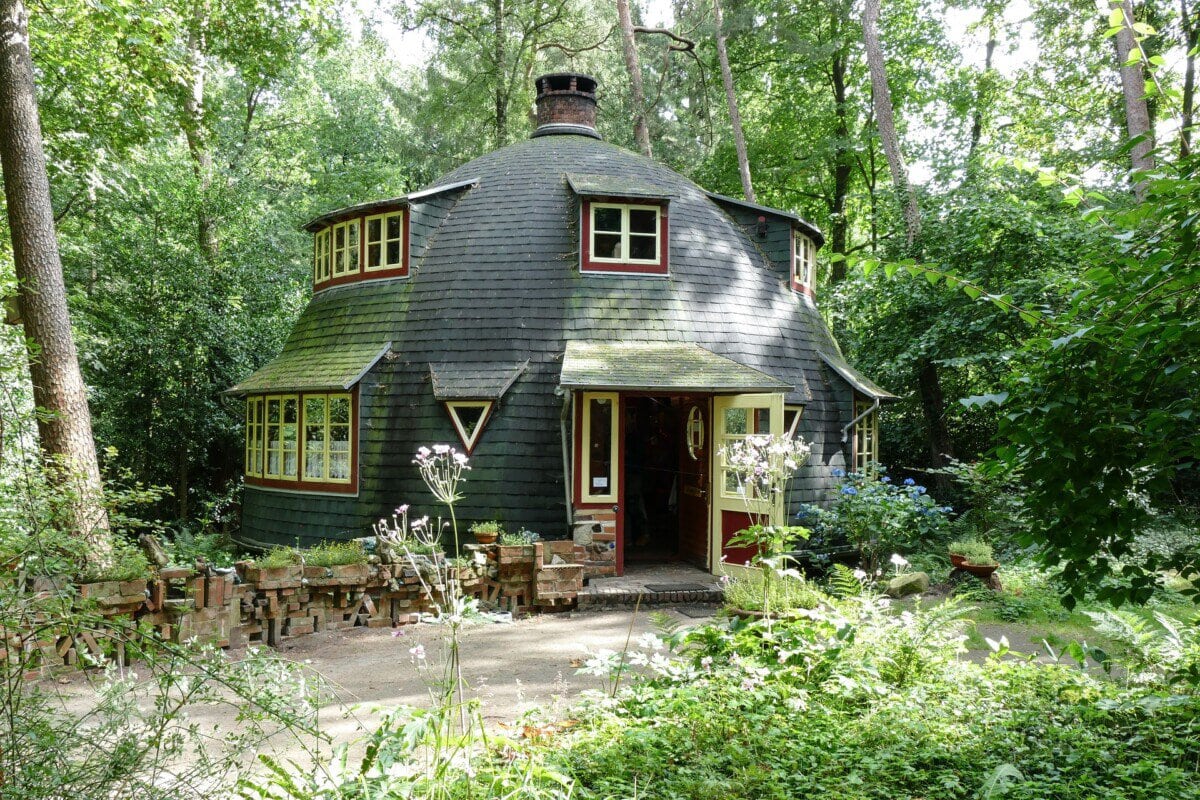
Bremen sits on a bend of the River Weser roughly 60 kilometres inland from the North Sea, and that position gives the city an unusually varied spread of day trips for its size. Within an hour or so of...
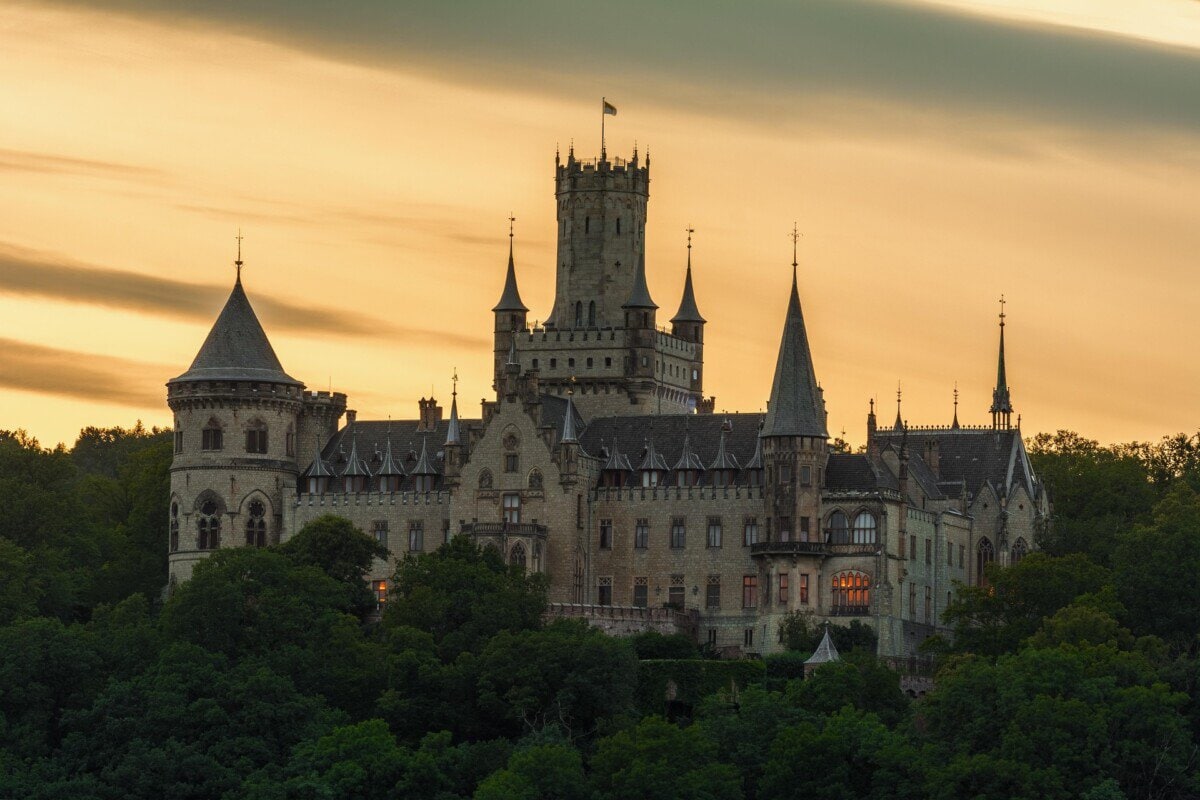
Hanover sits almost dead centre in Lower Saxony, and that geography turns out to be the city’s quiet superpower for anyone building a day trip out of the Hauptbahnhof. Within roughly an hour by ...
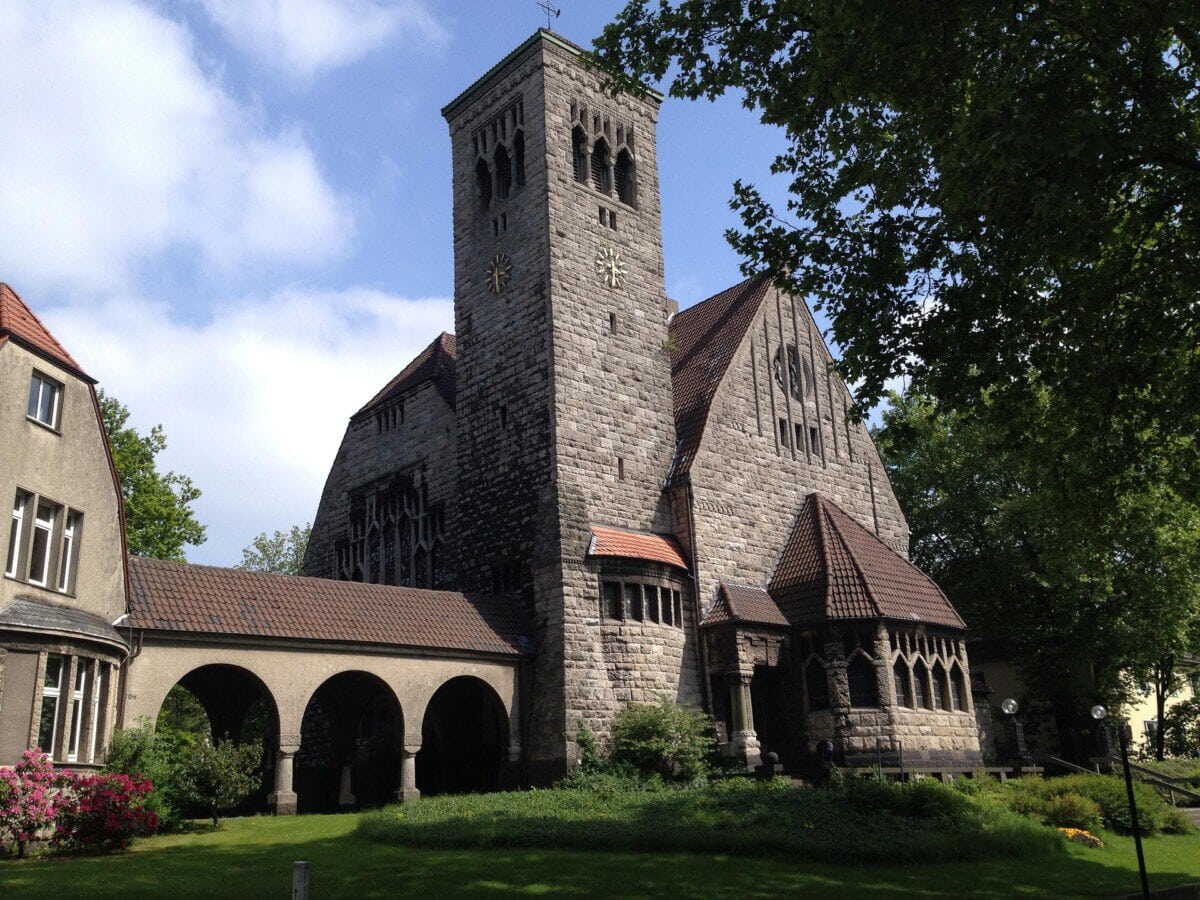
Dortmund sits at the heart of the Ruhr, Germany’s old industrial engine room, and that position makes it one of the country’s better-connected cities for a day trip that needs no car at al...

Dresden’s rebuilt Baroque skyline sits right at the edge of Saxony’s wildest scenery, and the Elbe river that curls through the city centre keeps cutting a path south-east into sandstone c...
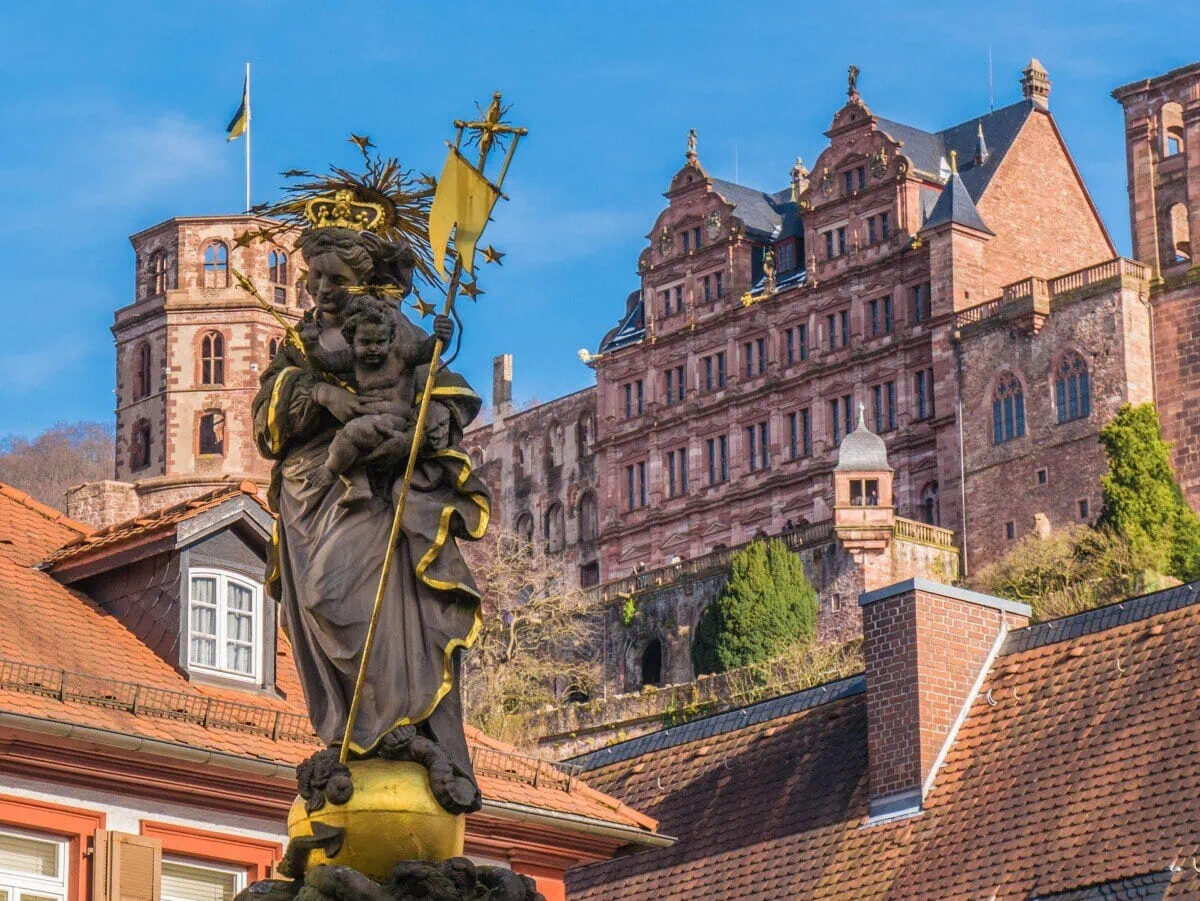
Frankfurt gets treated as a stopover more often than a destination, but the city’s real advantage is what sits within an hour or so of its main station. Frankfurt am Main Hauptbahnhof is one of ...

Munich Airport: Germany’s Best-Connected Gateway to the Alps Munich Airport (MUC) sits roughly 28 kilometres from the city centre, but its real value to a winter traveller has nothing to do with...
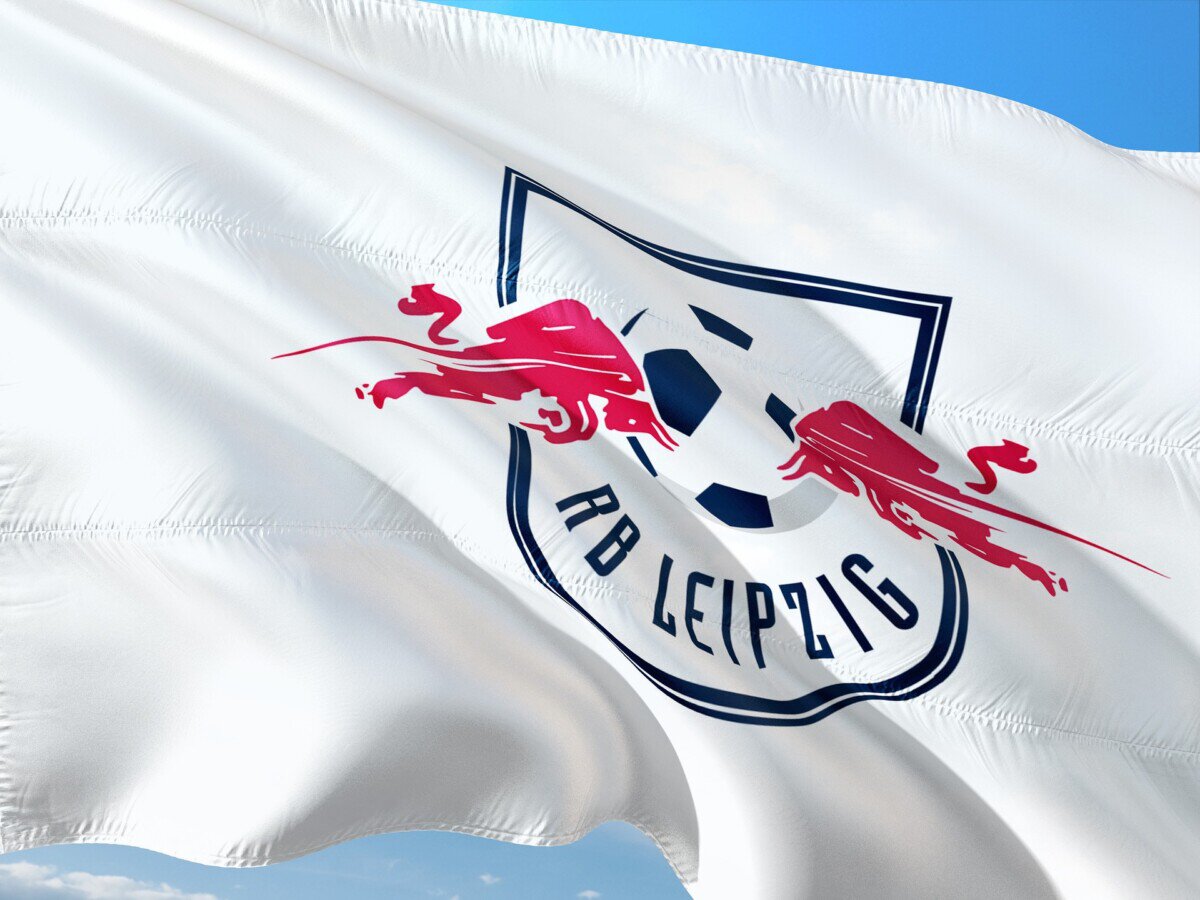
RB Leipzig is the newest name in German top-flight football by a considerable distance, and its story is unlike anything else in the Bundesliga. Founded on 19 May 2009 by Red Bull GmbH, the club began...
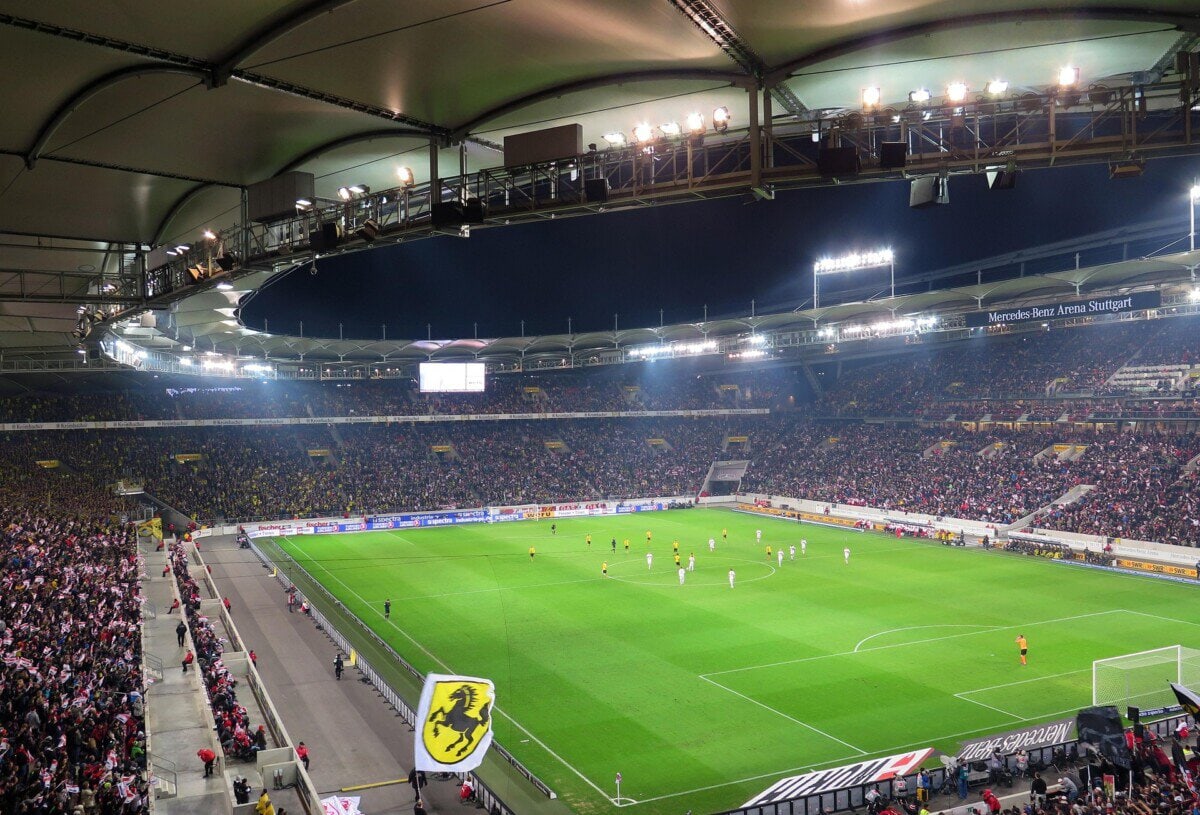
VfB Stuttgart is one of German football’s most consistently well supported clubs, and its history goes back further than most casual fans realise. Founded on 9 September 1893, the club has won f...

Hannover 96 is one of German football’s genuine fallen giants, a club whose history carries far more weight than its current 2. Bundesliga standing might suggest to a first-time visitor. Founded...
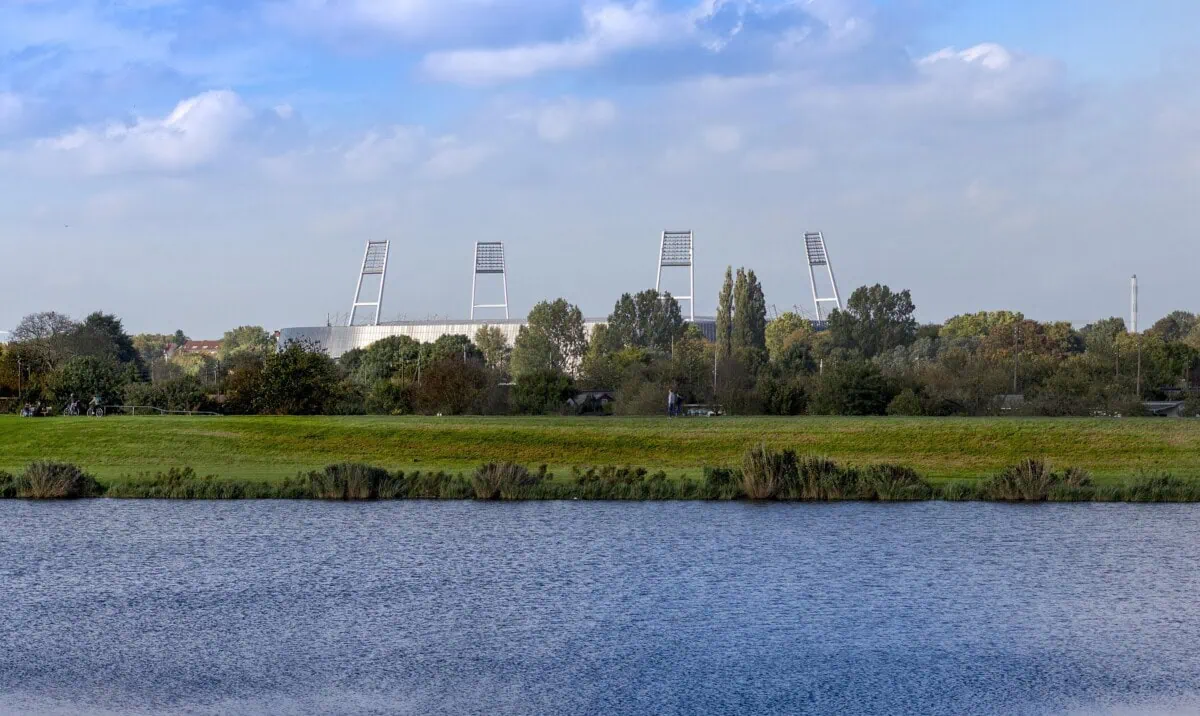
Werder Bremen is one of the founding names of German professional football, a club whose green and white shirts have been a fixture of the top flight for the vast majority of the Bundesliga’s ex...
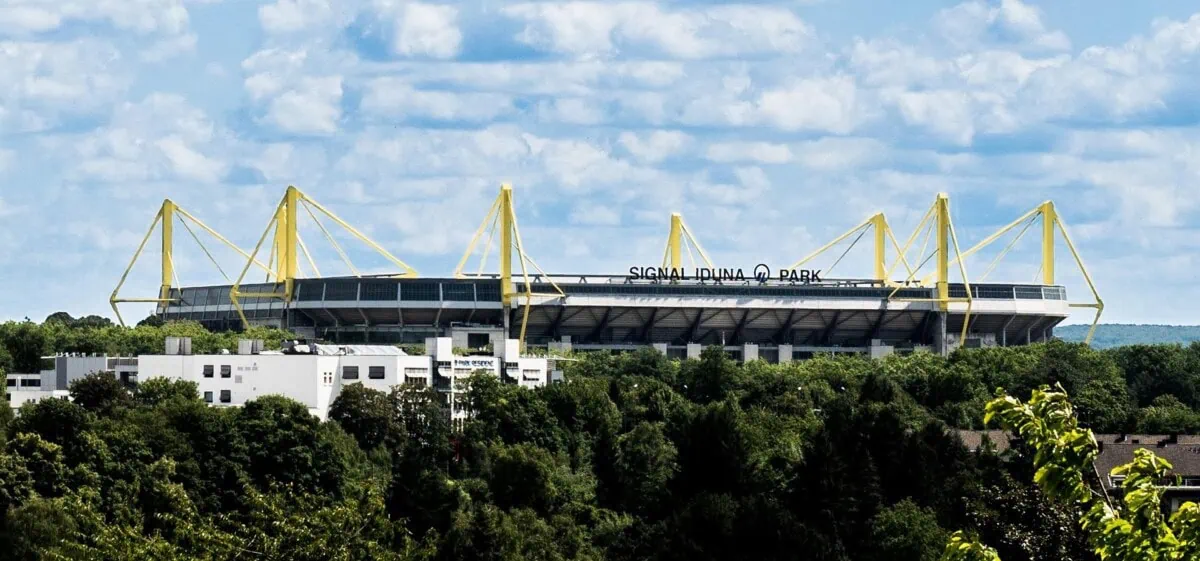
Borussia Dortmund needs no introduction to anyone who has followed European football over the last three decades. Founded in 1909, the club has won eight Bundesliga titles, a Champions League in 1997,...
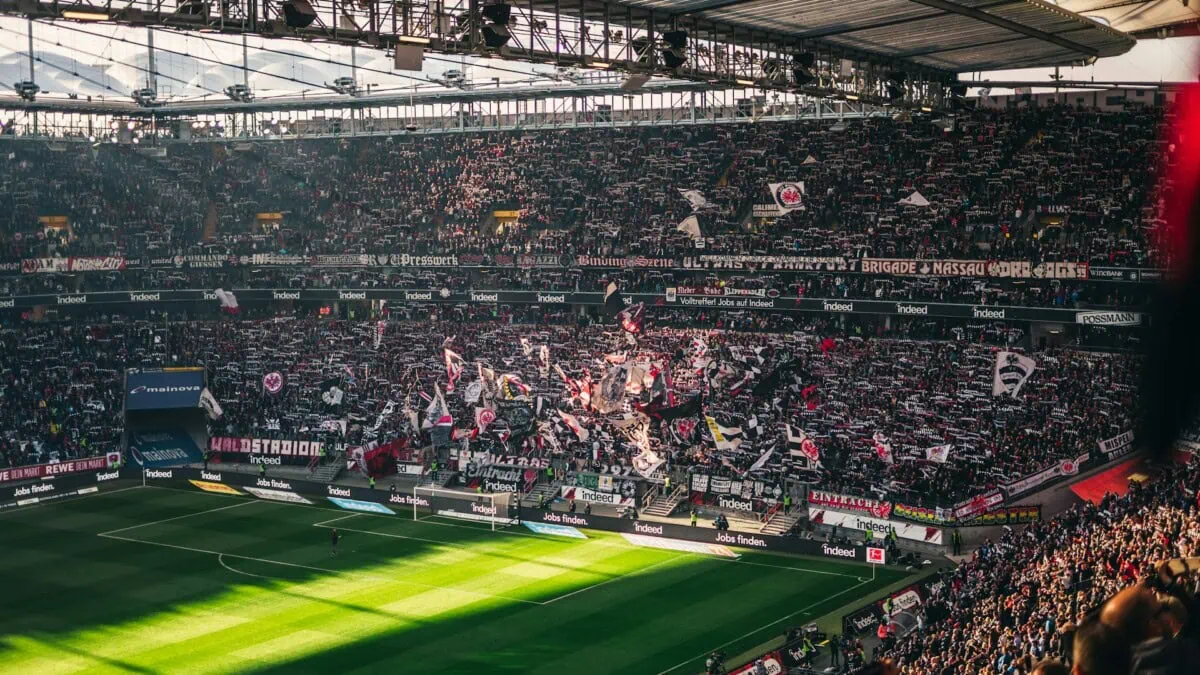
Eintracht Frankfurt do not carry the sheer trophy weight of Bayern Munich or Borussia Dortmund, but few clubs in Germany generate a fiercer, more travelled following. Founded in 1899, the club has won...
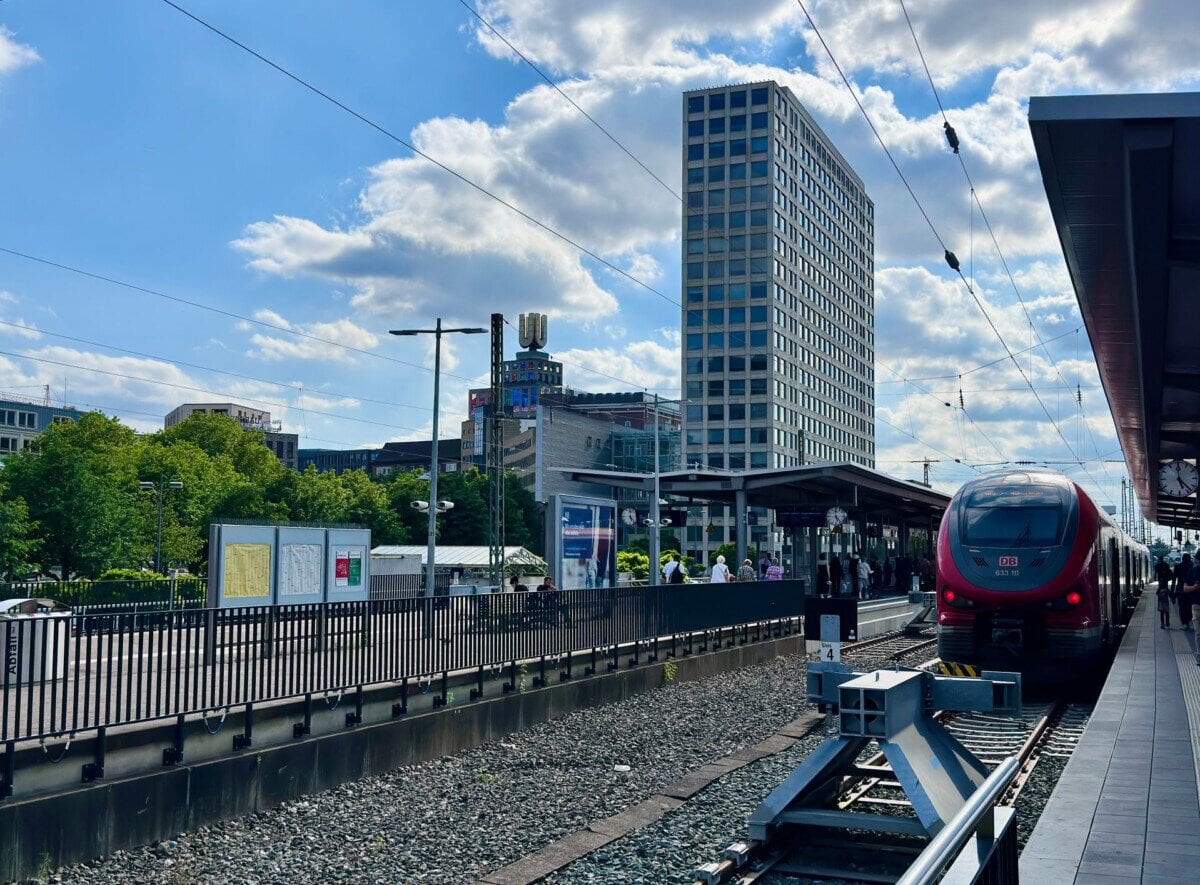
No Railway Station of Its Own: Why the Dortmund Transfer Choice Counts Picking the right Dortmund Airport transfer takes more thought than at some of Germany’s more centrally placed regional hub...
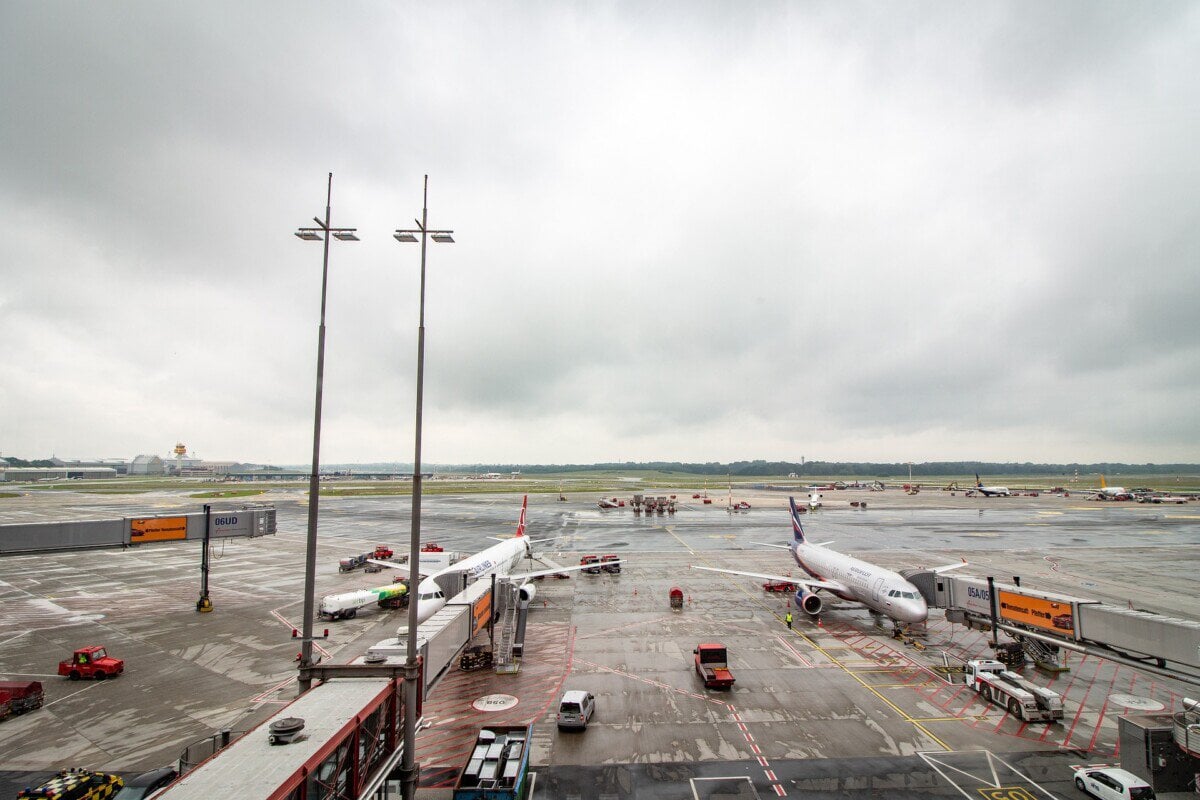
Hamburg Airport: The One That Never Had to Move Hamburg Airport (HAM) is a rare thing among major European hubs: it has never moved. It has operated from the same site in Fuhlsbüttel since 1911, and b...
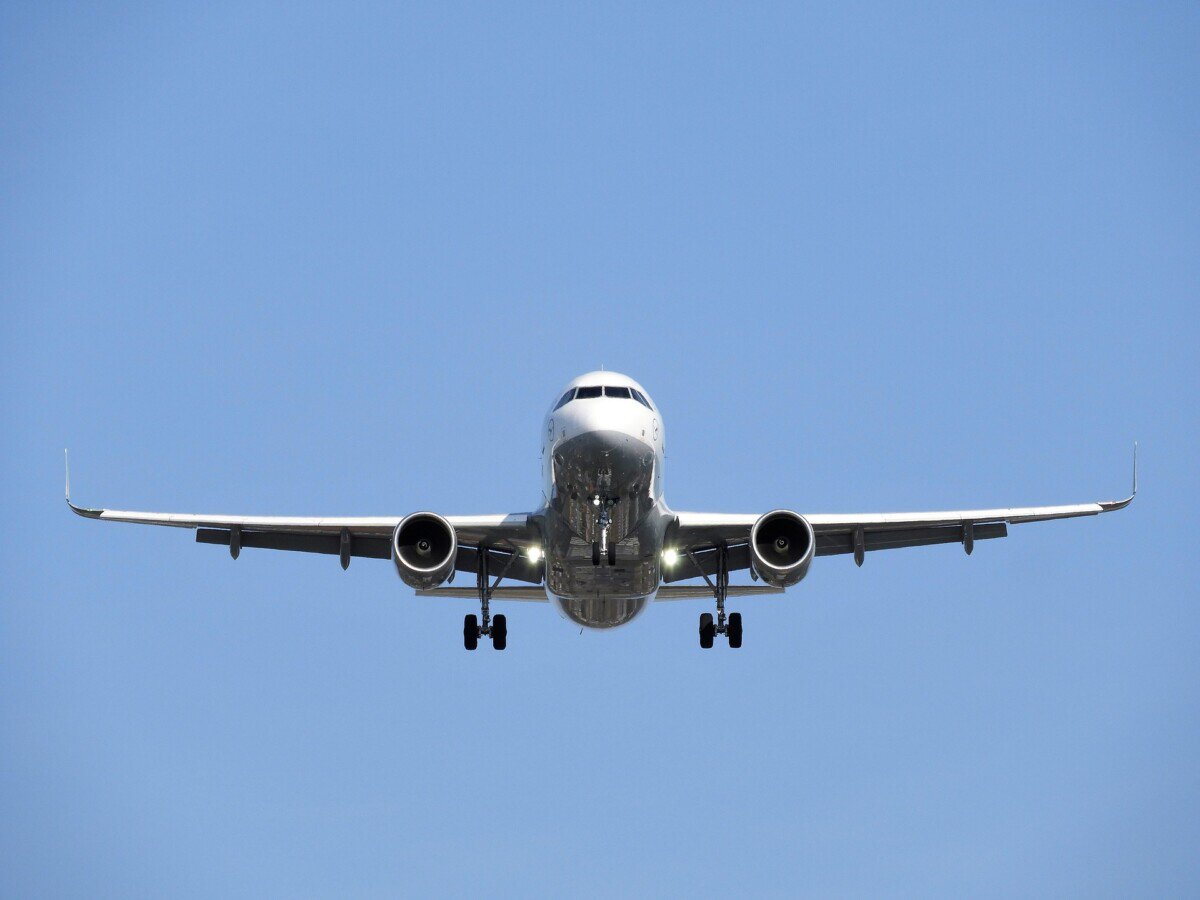
Eleven Kilometres, One Rail Platform: Why Hanover’s Transfer Choice Is the Simplest in Germany Hannover Airport (HAJ) sits just 11 kilometres (6.8 miles) north of the city centre, in the distric...
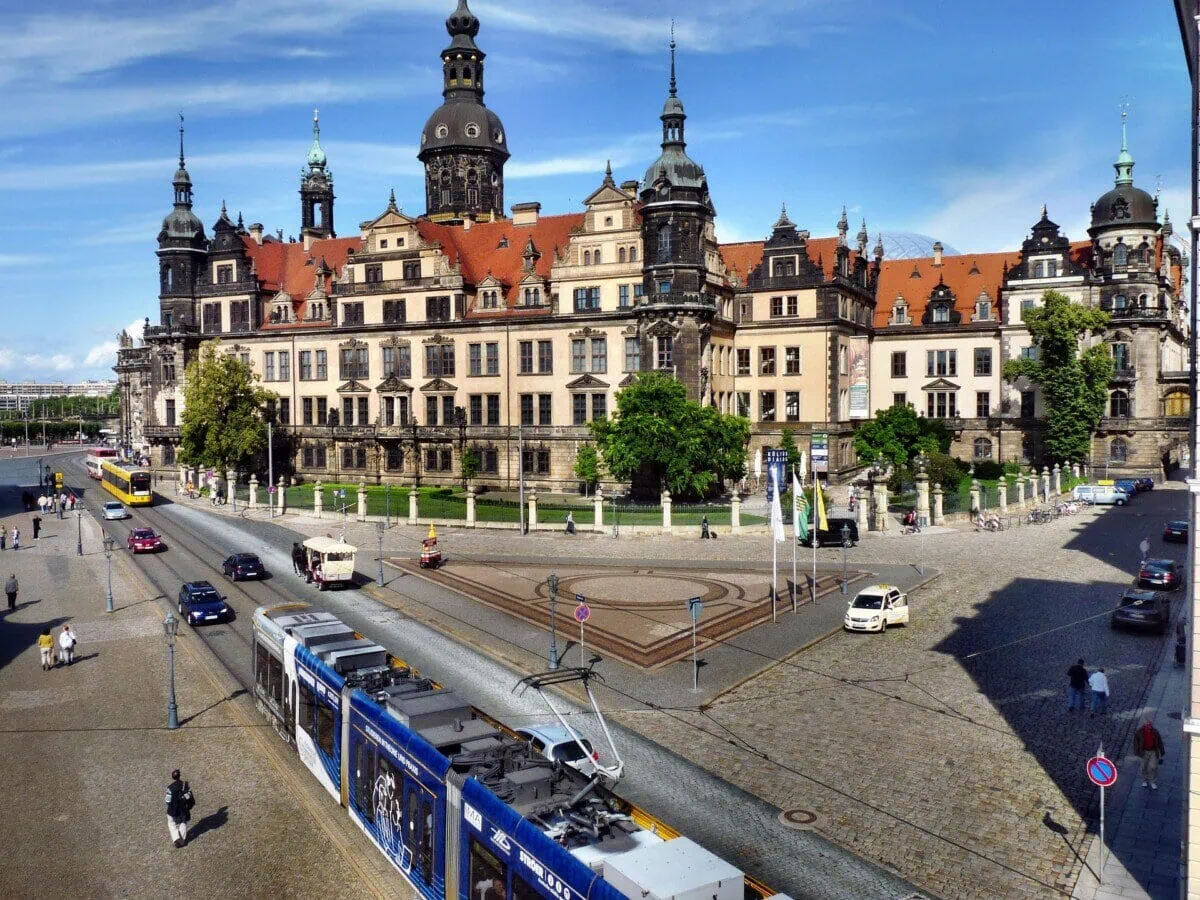
Dresden Airport Is Smaller Than You Might Expect, and That Changes the Maths Dresden Airport (DRS) is a small regional airport, carrying under a million passengers a year rather than the tens of milli...
Travel discoveries, useful tips and behind-the-scenes moments from AppSavvyTraveller.