Reviewed by our editorial team Published
Stuttgart rarely draws the same instant recognition as Berlin or Munich, yet it invented much of the modern car industry. Mercedes-Benz and Porsche both keep their flagship museums here, a few kilometres apart, and both draw serious crowds even from visitors with no real interest in cars.
The city sits inside a genuine green bowl, ringed by forested hills that locals call the Stuttgarter Kessel. That shape traps summer heat and autumn mist in equal measure, but it also means vineyards climb straight up hillsides within the city limits, something almost no other German city can claim.
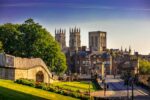
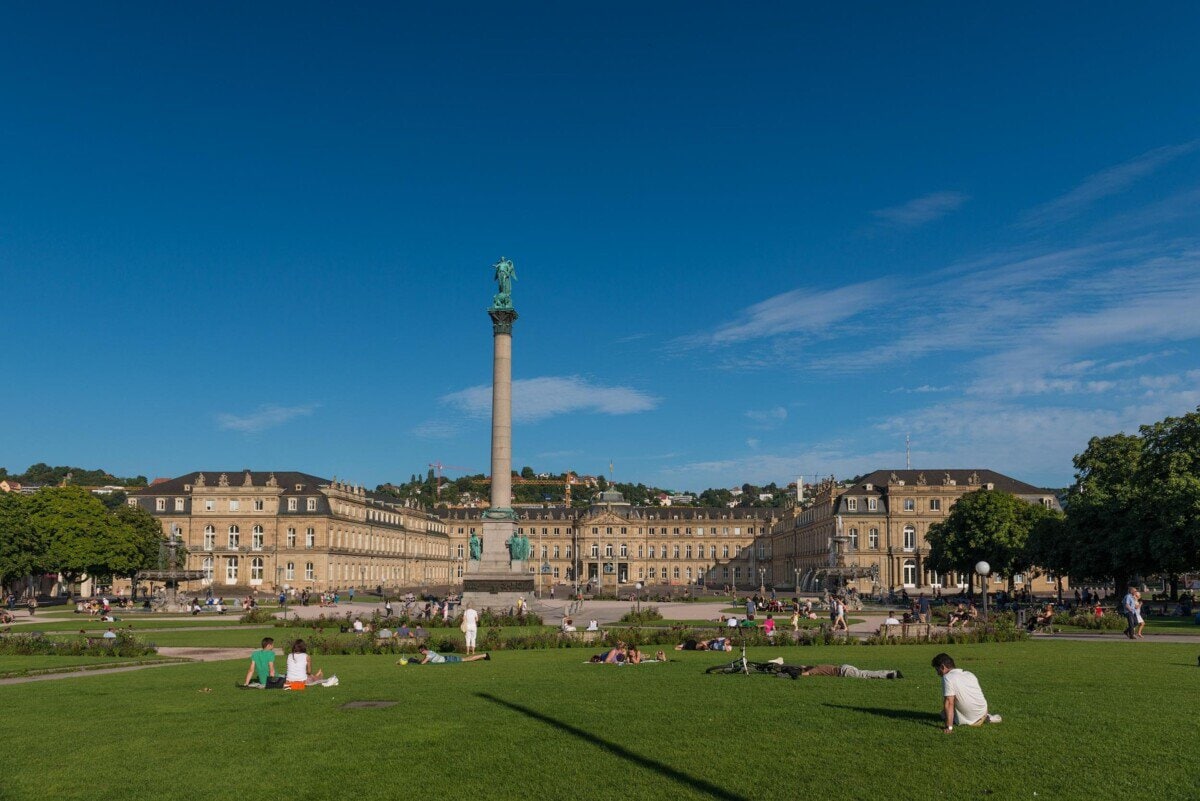
History runs deeper than the car badges suggest. The Stiftskirche’s two mismatched towers have watched over the old town since the Middle Ages, and the Baroque Neues Schloss still anchors Schlossplatz, the city’s largest public square.
Stuttgart also built one of engineering’s genuine curiosities in the 1950s: a slender concrete tower that became the template for hundreds of TV towers built afterwards worldwide. The Fernsehturm still stands on a wooded hill above the Waldau district, a short ride from the centre.
Green space is not an afterthought either. Wilhelma combines a zoo and a botanical garden inside one set of grounds, and Killesberg Park turned a played out quarry into one of the city’s favourite viewpoints, complete with its own miniature railway.
This guide works through Stuttgart’s essential sights roughly in order of how much a first visit needs them, followed by the food, wine, shopping, family and rainy day options that round out a longer stay. For getting from the airport into the centre, a separate guide on this site already covers Stuttgart Airport transfers in full detail.
| Section | What you’ll find |
| Mercedes-Benz Museum | The double-helix building housing over 160 vehicles from Mercedes-Benz’s history, plus ticket prices and visit-length advice. |
| Porsche Museum | Porsche’s design-forward museum near the Zuffenhausen factory, with admission cost and timing tips. |
| Hop-On Hop-Off Bus | Route, stops and ticket booking for the city’s red double-decker sightseeing bus. |
| Schlossplatz and the New Palace | The Baroque Neues Schloss and the city’s largest public square, right by Königstraße. |
| The StuttCard | How the StuttCard’s free museum entry and transit options work, and what each version costs. |
| Stiftskirche | The old town’s twin-towered medieval church and its unusual asymmetric design. |
| TV Tower (Fernsehturm) | The world’s first concrete TV tower, its observation deck, history and admission prices. |
| Wilhelma | Combined zoo and botanical garden in Bad Cannstatt, with glasshouses and animal enclosures. |
| Miniaturwelten | A hand-built model railway recreation of Stuttgart’s Hauptbahnhof, opposite the real station. |
| Staatsgalerie | The city’s leading art museum, covering Old Masters through 20th century collections. |
| Bad Cannstatt and Its Mineral Springs | Stuttgart’s mineral-spa district and its thermal baths. |
| Killesberg Park | A former quarry turned hilltop park with a miniature railway and skywalk viewpoint. |
| Markthalle Stuttgart | An Art Nouveau market hall for local food, produce and a quick lunch stop. |
| The Zacke Rack Railway | The historic rack railway connecting the centre to the hillside vineyards. |
| VfB Stuttgart and the MHPArena | Matchday and stadium tour details for the city’s Bundesliga football club. |
| Swabian Cooking and Vineyards | Regional Swabian dishes to try and where the city’s urban vineyards can be visited. |
| Shopping Along Königstraße | The pedestrianised main shopping street running from the station to Schlossplatz. |
| Things to Do with Families | Kid-friendly picks drawn from the sights covered earlier in this guide. |
| Rainy Day Options | Indoor alternatives for wet weather, drawn from the museums and attractions above. |
Mercedes-Benz Museum: A Double Helix of Automotive History
The Mercedes-Benz Museum opened on 19 May 2006 a short walk from the Neckar in Bad Cannstatt, the district where Gottlieb Daimler once built his first vehicles. Dutch firm UN Studio designed the building around a genuine double helix, two interlocking ramps that let visitors spiral continuously downward without ever doubling back on themselves.
Visitors take a glass lift straight to the top floor and work down through 160 original vehicles spread across 16,500 square metres, more than 1,500 exhibits in total once uniforms, engines and ephemera are counted. The collection opens with the 1886 Benz Patent-Motorwagen, widely credited as the first purpose built automobile.
The museum splits its route into chronological Legend Rooms and thematic Collection Rooms, so a visitor can follow the brand’s history decade by decade or detour into racing, motorsport safety or pop culture side galleries. Silver Arrow grand prix cars share floor space with the Popemobiles built for several pontiffs, a combination that rarely fails to surprise first time visitors.
Adult admission currently runs to around €12.00 (£10.30/$14.00), dropping to roughly €6.00 (£5.10/$7.00) at the reduced rate, with free entry for children under 14 accompanied by an adult. The museum closes on Mondays along with most of Stuttgart’s other major indoor attractions, so it is worth checking this before building a tight itinerary.
Because the ramps only move in one direction, allow at least two to three hours to see the collection properly without doubling back through earlier galleries. An audio guide is included with the standard ticket and covers the collection in more depth than the wall text alone.
The museum sits a short S-Bahn ride from Stuttgart Hauptbahnhof, making it an easy half day trip even without a car. Anyone visiting Bad Cannstatt for its mineral springs, covered later in this guide, can combine both in the same afternoon without much extra travel.
Tickets can be booked in advance below, which is worth doing on weekends and during trade fair weeks when timed entry slots to the museum fill up by early afternoon.
Porsche Museum: Engineering as Art
The Porsche Museum stands in Zuffenhausen, a district north of the centre that has been Porsche’s manufacturing home since the 1930s and still builds the current 911 a short walk away. Vienna based Delugan Meissl Associated Architects designed the building’s striking white shell, a form that appears to float on just three angled supports.
Inside, the 5,600 square metre exhibition space holds more than 80 vehicles spanning the marque’s history from the 1948 Porsche 356 No. 1 through to current motorsport machinery. Unlike a strictly chronological layout, cars are grouped loosely by theme, so record breaking Le Mans winners sit within sight of everyday road cars from the same era.
The 917, the car that finally won Porsche its first outright Le Mans victory in 1970, is one of the collection’s genuine highlights, alongside a rotating selection of concept cars rarely shown elsewhere. A basement workshop area lets visitors watch technicians restoring historic vehicles on selected days, adding a working element the static displays alone do not provide.
Adult admission is currently priced at around €12.00 (£10.30/$14.00), with a reduced rate near €6.00 (£5.10/$7.00) for students and children, and under 14s enter free with a paying adult. Like most of Stuttgart’s major museums, it closes on Mondays, so a Tuesday to Sunday visit is essential for planning purposes.
The onsite restaurant, Christophorus, takes its name from Ferry Porsche’s own nickname for his first prototype and serves a fuller menu than the average museum cafe. Budget roughly two hours for the permanent collection, longer for anyone keen to linger over the motorsport sections.
A U-Bahn stop named directly for the museum sits right outside, making it one of the easiest major attractions in the city to reach without a car. Combining it with the Mercedes-Benz Museum on the same day is possible but tight, since both reward a proper two hour visit rather than a rushed hour.
Best if you want daily housekeeping and a front desk. Filter by area first, then by price.
Check availabilityBest for longer stays. Whole apartments and houses, so you are not eating out three times a day.
View rentalsBest for double-checking. Runs the same search across several booking sites so you are not leaving money behind.
Compare pricesRiding Stuttgart’s Red Double-Decker Hop-On Hop-Off Loop
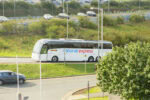
A red double-decker hop-on hop-off bus loops through Stuttgart’s main sights on a ticket that stays valid for 24 hours from first use. Riders can step off at any stop, spend as long as they like, and simply catch a later bus without paying again.
The main Blue Tour covers around nine stops in roughly 95 minutes end to end, departing from the i-Punkt tourist information point directly opposite Stuttgart Hauptbahnhof. Two seasonal add-ons, a Green Tour and a Wine Tour, run on weekends and public holidays and swing further out toward the Bad Cannstatt vineyards and Killesberg.
Coverage on the main loop includes Schlossplatz, the Mercedes-Benz Museum, Wilhelma, and the Linden Museum, with a recorded commentary available in eleven languages including English, German and French. On a dry day the open top deck gives an unbroken view over the Kessel that a walking route at street level simply cannot match.
Adult tickets run at roughly €20.00 (£17.20/$23.40), though the exact price shifts a little by season and route chosen. Buses run hourly through the main spring to autumn season, with a reduced schedule during the winter months.
Schlossplatz and the New Palace
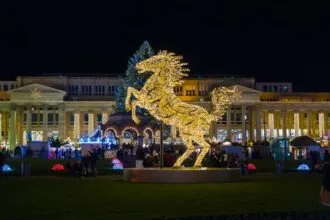
Schlossplatz is Stuttgart’s largest public square, a broad Baroque expanse that has anchored the city centre since the 18th century. At its centre stands the Jubiläumssäule, a column topped by a gilded statue of Concordia, erected in 1841 to mark King Wilhelm I’s 25th year on the throne.
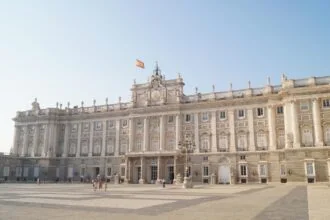
The square’s eastern side is dominated by the Neues Schloss, a Baroque and neoclassical palace built between 1746 and 1807 for Duke Carl Eugen. Heavily damaged in the Second World War, it was rebuilt largely to its original exterior and now houses several Baden-Württemberg state ministries rather than functioning as a public museum.
On the square’s western flank sits the Königsbau, a neoclassical colonnaded building completed in 1860 that now holds a shopping arcade behind its historic facade. The contrast between a working government palace and a retail centre a few hundred metres apart says a lot about how casually Stuttgart mixes its history into daily life.
The glass cube of the Kunstmuseum Stuttgart occupies the square’s northern corner, opened in 2005 to house the city’s modern and contemporary art collection separately from the older Staatsgalerie. Its illuminated glass exterior makes a genuinely striking contrast against the surrounding Baroque stonework, especially after dark.
Schlossplatz doubles as the city’s biggest outdoor events space, hosting the late summer Stuttgarter Weindorf wine festival and a large stretch of the winter Christmas market among its regular calendar. Both events fill the square with wooden stalls that change its character completely from a quiet daytime walkway.
The square sits a short walk from Stuttgart Hauptbahnhof along Königstraße, the pedestrianised shopping street covered later in this guide, making it a natural starting point for a first walking loop of the centre. Free to visit at any time, it rewards even a short ten minute detour between other sights.
The StuttCard: A Digital Pass to Stuttgart’s Museums and Transit
The StuttCard is a digital city pass giving free entry to close to 60 partner attractions across Stuttgart and the surrounding region. It comes in 24, 48 and 72 hour versions and is delivered straight to a phone, with no physical card to collect anywhere.
The standard card covers museums including the Mercedes-Benz Museum, Porsche Museum and Staatsgalerie, plus three mineral spas and even Ludwigsburg Residential Palace outside the city. A 24 hour card costs around €25.00 (£21.50/$29.25), rising to roughly €36.00 (£30.96/$42.12) for the 72 hour version.
A StuttCard PLUS upgrade adds unlimited travel on the VVS public transport network across the whole Stuttgart region, priced from about €35.00 (£30.10/$40.95) for 24 hours up to €55.00 (£47.30/$64.35) for 72 hours. That option removes the need to buy separate transit tickets while moving between the museums and parks covered elsewhere in this guide.
Beyond free entry, holders also get discounts at a number of restaurants and theatres around the city centre. Anyone planning to visit three or more paid attractions in a single day will usually find the card works out cheaper than paying each entry fee on its own.
Stiftskirche’s Mismatched Towers
Stiftskirche, Stuttgart’s collegiate church, traces its origins to a Romanesque building from the 10th and 11th centuries, later rebuilt with a Gothic chancel between 1321 and 1347. Its most distinctive feature is a pair of mismatched towers, one still Romanesque and one Gothic, a quirk that survived centuries of rebuilding rather than being tidied away.
The church became the spiritual centre of the Württemberg Reformation in 1534, when its altars and religious imagery were stripped out under new Protestant doctrine. It has functioned as a Lutheran parish church ever since, rather than existing purely as a historic monument.
Inside, a row of Renaissance tomb effigies for the Counts and Dukes of Württemberg lines the choir, carved in careful detail by court sculptors of the period. A golden pulpit added around 1500 remains one of the interior’s most striking single features.
The church’s bell collection includes the so called Gate Bell, cast in 1285 and still the oldest bell in the tower, rung by rope rather than electric motor on special occasions. Allied bombing in the Second World War badly damaged the building, and reconstruction through the 1950s rebuilt much of the interior in a plainer, more modern style than the original.
A renovation between 1999 and 2003 added contemporary elements alongside the historic fabric, including new altar sculpture by Holger Walter that sits deliberately apart from the medieval stonework. The result is a church that reads as genuinely layered rather than restored to a single historic moment.
Stiftskirche sits just off Schillerplatz in the heart of the old town, a short walk from Schlossplatz and the weekly farmers market that fills the surrounding square. Entry is free, and the interior rarely feels crowded even when the streets outside are busy with shoppers.
Climbing the World’s First Concrete TV Tower
Stuttgart’s Fernsehturm opened on 5 February 1956 on a wooded hill above the Waldau district, built to a design by structural engineer Fritz Leonhardt. At 216.61 metres (711 feet) to its antenna tip, it briefly stood among Europe’s tallest freestanding structures.
Its real claim to fame is structural rather than simply tall: it was the world’s first tower built primarily from reinforced concrete for telecommunications use, rather than the riveted steel lattice that had defined towers before it. The design proved so influential that more than 200 similar concrete towers were later built around the world using Stuttgart’s basic template.
Two observation levels sit near the top, at roughly 150 and 153.5 metres, with a Panorama Café occupying part of the tower’s basket structure. On a clear day, views stretch across the Stuttgarter Kessel and out towards the Swabian Jura on the horizon.
The tower closed for an extended period over fire safety concerns, a closure that ran for well over a decade before a full renovation. It finally reopened to the public on 30 January 2016, restoring one of the city’s best known viewpoints after a long absence.
Adult admission currently runs to around €8.00 (£6.80/$9.30), with a reduced rate near €4.00 (£3.40/$4.60) for children and students. Opening hours run on a seasonal schedule rather than fixed year round hours, so checking current times before a special trip is worth doing.
The tower sits a short bus ride from the city centre, close enough to combine with a walk through the surrounding Waldau woodland on the same afternoon. Photographers tend to rate late afternoon light as the best time to catch the view, once the haze that often sits over the Kessel has cleared.
Entry tickets for the tower can be booked below, which helps avoid a wait at the base on clear weekend afternoons when the observation deck gets busiest.
Wilhelma: Where a Zoo Meets a Botanical Garden
Wilhelma began life in the 1840s as a private royal retreat for King Wilhelm I of Württemberg, built in an elaborate Moorish revival style rarely seen elsewhere in Germany. The surviving pavilions and garden pools from that era still give parts of the grounds a distinctly exotic character quite unlike a standard European zoo.
The gardens opened to the public later in the 19th century and gradually expanded into one of Europe’s few genuinely combined zoological and botanical gardens, rather than treating animals and plants as separate attractions. Today the site covers roughly 30 hectares along the Neckar in Bad Cannstatt.
The animal collection runs into the thousands across thermal wildlife houses, big cat enclosures and a dedicated great ape building, while the botanical side holds several historic glasshouses filled with orchids, cacti and tropical species. A magnolia collection dating back to the royal era still blooms each spring in one of the older garden sections.
Adult admission currently sits at around €20.00 (£17.20/$23.40), with a reduced rate near €10.00 (£8.60/$11.70) for children and concessions. Given the combined scale of the zoo and gardens, a full visit easily fills half a day, longer for anyone keen to see every glasshouse.
The original Moorish Landhaus and its ornamental garden pools remain one of the more photographed corners of the grounds, a reminder that Wilhelma began as royal leisure architecture rather than a purpose built zoo. Restoration work has kept much of that 19th century detailing intact despite the site’s much larger modern footprint.
Wilhelma sits a short walk from the Mercedes-Benz Museum in Bad Cannstatt, making the two an easy pairing for a single day that mixes cars with animals and gardens. Both sit close to the S-Bahn line back into central Stuttgart, keeping the return journey simple.
Best for finding routes the airlines do not sell as a single ticket. Combines carriers to bring the fare down.
Search flightsBest if you want maps and messaging working the moment you switch your phone on.
See eSIM plansBest after a long flight or a late landing. Price agreed before you travel, and no taxi queue.
Check transfersMiniaturwelten: A 30 Year Model of Stuttgart Built at 1:160 Scale
Miniaturwelten Stuttgart is a model railway exhibition built by artist Wolfgang Frey over more than 30 years, recreating Stuttgart’s Hauptbahnhof and surrounding cityscape in miniature. The layout covers around 180 square metres, making it one of the largest city models anywhere in Europe.
More than 500 buildings were individually researched and rebuilt from scratch rather than bought as ready made kits, giving the model a level of accuracy generic train sets rarely match. The display recreates the station and its rail yards as they looked through the 1980s and 1990s, before recent redevelopment changed the area.
It sits inside the Hindenburgbau building on Arnulf-Klett-Platz, directly across the square from Stuttgart Hauptbahnhof, making it an easy add-on before or after a train journey. Opening hours are limited to Thursday through Sunday afternoons, from 1pm to 5pm, with the museum closed Monday to Wednesday.
Standard adult admission costs around €9.00 (£7.74/$10.53), and entry is free for anyone holding a StuttCard. Most visits run to around an hour, making this a reasonable stop between the Wilhelma grounds and the Staatsgalerie, the two sections either side of it in this guide.
Staatsgalerie: Stuttgart’s Home for Modern Art
The Staatsgalerie Stuttgart began as a classicist gallery in 1843, built to display the royal court’s art collection to the wider public. Heavily damaged in the Second World War, the original building was rebuilt and reopened in 1958, restoring much of its historic exterior.
The gallery’s international reputation, though, rests largely on its 1984 extension, the Neue Staatsgalerie, designed by British architect James Stirling. Its postmodern facade and central rotunda deliberately echo Karl Friedrich Schinkel’s Altes Museum in Berlin, while its offset entrance and bold colour blocks made it one of the most talked about museum buildings of its decade.
Inside the older wing, the collection runs from Old German and Dutch masters through Italian Renaissance works and 19th century Romantic painting. The newer wing shifts entirely into the 20th century, with genuine strength in Picasso, Klee, Kandinsky and Beuys alongside pieces by Miró, Matisse and Otto Dix.
One of the gallery’s most striking single rooms holds a rotating display connected to Oskar Schlemmer, a Stuttgart born Bauhaus artist whose costume designs and paintings get particular prominence given the local connection. The permanent collection alone easily fills two to three hours for anyone with a real interest in 20th century European art.
Adult admission currently runs to around €7.00 (£6.00/$8.10), with reduced rates for students and reduced or free entry on selected days that are worth checking directly with the gallery before visiting. Special exhibitions typically carry a separate, higher price on top of the standard ticket.
The gallery sits directly on Konrad-Adenauer-Straße, close enough to Schlossplatz and the main train station to fold easily into a single day covering several of the sights earlier in this guide. Its sculpture garden outside the Neue Staatsgalerie is free to walk through even without a ticket.
Bad Cannstatt and Its Mineral Springs
Bad Cannstatt, merged into Stuttgart as a district in 1905, sits on genuinely rare geology: it holds one of the largest concentrations of mineral springs anywhere on the planet. Of the 19 surviving springs, 11 are officially recognised state wells, a scale that ranks the district second only to Budapest worldwide.
The 19th century saw the district market itself heavily as a spa town, with around 40 mineral springs once in active use for various treatments. Several historic bathhouses from that era still operate today, including the Art Nouveau Mineralbad Leuze on the banks of the Neckar.
The Mombach spring is the only one that releases water without artificial pumping, and its natural outflow still feeds both the local baths and the nearby Wilhelma grounds covered earlier in this guide. That continuous natural flow is part of why the district has sustained a genuine spa culture for well over a century.
Cannstatt is also home to the Cannstatter Wasen, Germany’s second largest folk festival after Munich’s Oktoberfest, held on a fairground beside the Neckar each autumn. Beer tents, funfair rides and a genuinely local crowd give it a different atmosphere from the more tourist facing Christmas markets elsewhere in the city.
The district has a strong claim to being the birthplace of the modern car industry, since Gottlieb Daimler built his first workshop here before the company that became Mercedes-Benz grew out of it. That history is exactly why the Mercedes-Benz Museum, covered earlier in this guide, sits just a few minutes’ walk from Cannstatt’s spa quarter.
A short S-Bahn ride from central Stuttgart, Bad Cannstatt rewards a half day that mixes a thermal bath visit with a walk along the Neckar promenade. Anyone travelling in autumn should check the Wasen’s dates in advance, since the district gets considerably busier during the festival’s run.
Killesberg Park’s Quarry-Turned-Garden
Killesberg Park began life as a working stone and clay quarry before the city transformed it for the 1939 national garden show, turning an industrial scar into ornamental gardens almost overnight. It has since hosted several further Bundesgartenschau national garden exhibitions, expanding the grounds further each time.
The park’s modern landmark is the Killesbergturm, a 40 metre observation tower completed in 2001 to a design by engineer Jörg Schlaich, built using cable stayed bridge technology rather than a conventional steel frame. Its open lattice structure gives genuinely elevated views back across the park and the wider Stuttgarter Kessel.
An older tower, the 20 metre Bismarckturm, dates to 1904 and was renovated for its centenary, giving the park two very different viewpoints from two very different eras standing within sight of each other. Both are free to climb during the park’s normal opening hours.
Since 1939, a narrow gauge railway on 381 millimetre track has run through the grounds, operated today with a mix of diesel and vintage steam locomotives during the summer season. It remains a popular draw for families, covered in more detail later in this guide.
The Theodor Heuss House, dedicated to Germany’s first federal president, sits within the park and functions as a small museum open on a limited schedule. Each July, the park hosts the Lichterfest Stuttgart, a lantern festival drawing large evening crowds for its fireworks and illuminated displays.
Killesberg borders the Weissenhof Settlement, a 1927 housing estate built by leading modernist architects including Le Corbusier and Mies van der Rohe, now a UNESCO listed heritage site. Entry to the park itself is free outside major festival dates, making it an easy, low cost stop on any Stuttgart itinerary.
Markthalle Stuttgart’s Art Nouveau Food Hall
Markthalle Stuttgart opened in 1914 as the city’s grand covered food market, designed by architect Martin Elsaesser in a lavish Art Nouveau style rarely applied to a working market hall. Its stained glass roof and wrought iron balconies have made it a protected historic building rather than a purely functional space.
Inside, dozens of independent stalls sell fresh produce, cheese, cured meats, spices and regional wine, giving the hall a genuinely local feel compared with a typical tourist food court. Many stallholders have run the same pitch for generations, and the mix skews heavily towards Swabian and Mediterranean specialities.
The building survived the Second World War with relatively little damage compared with much of the surrounding old town, which is part of why its original Jugendstil detailing still feels so complete today. Restoration work over the decades has focused on preserving rather than modernising the interior.
A handful of small counters serve prepared food and coffee, making the hall a workable lunch stop rather than purely a place to shop for ingredients to cook later. It gets noticeably busier on Saturday mornings, when locals do their weekly shopping alongside visitors drawn by the architecture.
Entry is free, and browsing the stalls, even without buying anything, gives a genuine sense of Stuttgart’s everyday food culture away from restaurant menus. The hall sits just off Marktplatz, a short walk from both Schlossplatz and the old town’s church district.
For visitors building a food focused day, Markthalle pairs naturally with the Swabian cooking covered later in this guide, since several stalls sell the same regional specialities that turn up on nearby restaurant menus. Allow 30 to 45 minutes for a proper browse, longer if lunch is part of the plan.
Riding the Zacke: Stuttgart’s Historic Rack Railway
Stuttgart runs one of the very few rack railways still built into an everyday urban transport network rather than kept purely as a tourist novelty. Known locally as the Zacke, it has climbed the same steep hillside route since 1884, making it one of the oldest surviving rack lines in Germany.
The line runs from Marienplatz in the Stuttgart-Süd district up to Degerloch, gaining considerable height over a genuinely short distance using a toothed rail system to grip the slope. Originally built as a steam operation, it was electrified in 1902 and has run on overhead power ever since.
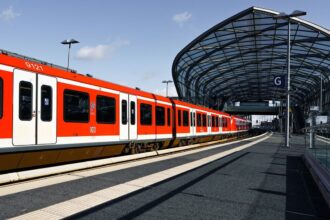
Today the Zacke operates as Line 10 of the SSB Stadtbahn network, meaning a standard VVS ticket covers the ride exactly like any other tram or bus in the city. That integration is genuinely rare among the world’s rack railways, most of which run as standalone tourist attractions charging a separate fare.
The carriages themselves are unmistakable, painted in a distinctive red livery and built with a stepped floor to keep passengers level despite the steep gradient outside. Locals use the line as a genuine commuter shortcut, particularly useful for reaching the residential slopes around Degerloch without a long walk uphill.
For visitors, the appeal is less about the destination and more about the ride itself, since the climb offers unusual views back down over the rooftops of Stuttgart-Süd that a bus route simply cannot match. The full journey takes only a few minutes, so it works as an easy add-on rather than a planned excursion.
The Zacke connects easily with the wider Stadtbahn network at Marienplatz, making it simple to combine with a visit to the nearby old town or the Bohnenviertel district’s bars and cafes. It is worth riding at least once purely for the novelty of a working rack railway hidden inside an ordinary city transit map.
Best for short city stops where being central matters more than the room. Dorms and private rooms both listed.
See hostelsBest if you have ever given up on a claim. AirHelp checks whether the flight qualifies and pursues it for you.
See the benefitsBest for a day with a suitcase and nowhere to put it. Find a storage point near where you already are.
View storageVfB Stuttgart and the MHPArena
VfB Stuttgart plays its home matches at the MHPArena, a stadium in the Cannstatter Wasen area that has hosted major football in the city since the 1930s. Originally opened in 1933 and rebuilt several times since, it now holds around 60,000 spectators following renovation work ahead of the Euro 2024 tournament.
The stadium has carried several different names over the decades as sponsorship deals changed, most recently rebranding from the Mercedes-Benz Arena to MHPArena in 2023. Locals often still default to whichever name was current when they first started attending matches, so do not be surprised if both names turn up in conversation.
Beyond VfB’s league fixtures, the stadium has hosted matches at both the 2006 World Cup and UEFA Euro 2024, reflecting Stuttgart’s status as one of Germany’s more reliable international tournament hosts. Its location beside the Cannstatter Wasen fairground means it sits within easy reach of the Neckar and the mineral spring district covered earlier in this guide.
Stadium tours run on non matchday dates and take in areas such as the pitch side and changing facilities, though ticket prices, tour times and current matchday logistics deserve more space than a general city guide can properly give them. Because of that, this site covers the MHPArena in full in a separate, dedicated stadium guide.
What is worth knowing here is that the ground sits a short Stadtbahn ride from the city centre, with several lines stopping directly at the Cannstatter Wasen station beside the stadium. Even a non matchday walk around the exterior gives a decent sense of the scale involved.
For anyone building football into a wider Stuttgart itinerary, the stadium pairs naturally with a visit to Bad Cannstatt’s mineral baths or the Cannstatter Wasen fairground on the same afternoon. Match tickets and tour bookings are best arranged well in advance given how quickly VfB fixtures tend to sell out.
Swabian Cooking and the Württemberg Vineyards
Swabian cooking runs on hearty, filling dishes built for cold winters rather than delicate presentation, and Stuttgart takes genuine pride in specialities found almost nowhere else in Germany. Maultaschen, a large pasta pocket stuffed with meat, spinach and herbs, is the dish most associated with the region, sometimes nicknamed “Herrgottsbescheißerle” after a local legend about hiding meat from a fasting priest.
Spätzle, small hand pulled egg noodles, appear on nearly every traditional menu, often paired with lentils and sausage in the classic combination Linsen mit Spätzle und Saitenwürstle. Another local favourite, Gaisburger Marsch, a beef and potato stew named after Stuttgart’s Gaisburg district, shows how many of the city’s signature dishes trace back to specific neighbourhoods rather than the region generally.
What sets Stuttgart apart from most German cities, though, is that its vineyards sit inside the city limits, climbing the same hillsides that ring the centre. The signature grape is Trollinger, a pale, easy drinking red that accounts for more than 98 percent of all German plantings, alongside Lemberger and a smaller amount of Riesling.
The hillside above Bad Cannstatt, known as Rotenberg, is topped by the Grabkapelle, a neoclassical mausoleum built between 1820 and 1824 for King Wilhelm I’s second wife, Queen Katharina. A walking path through the working vineyards leads up to the chapel, giving one of the city’s best combined views of vines, river and skyline in a single short hike.
Each late summer, Schlossplatz and the surrounding streets host the Stuttgarter Weindorf, a wine festival where local growers’ cooperatives pour their own vintages alongside Swabian food stalls. It runs for around two weeks and draws a mix of locals and visitors rather than skewing purely towards tourists.
For a sit down meal, the old town and Bohnenviertel district hold the highest concentration of traditional Weinstube wine taverns, many family run for generations and pouring almost exclusively local Württemberg wine. Pairing a Weinstube dinner with a Rotenberg walk earlier in the day makes for a genuinely rounded introduction to the region’s food and wine culture.
Shopping Along Königstraße
Königstraße runs in a fairly straight line from Stuttgart Hauptbahnhof down to Schlossplatz, and at around 1.2 kilometres it ranks among Germany’s longest pedestrianised shopping streets. Most of the city’s international chain stores cluster along this single stretch, making it the obvious starting point for anyone shopping on a first visit.
The street’s anchor store is Breuninger, a department store founded in 1881 that remains a genuinely local institution rather than a chain import. Its flagship building on Marktstraße, just off Königstraße, spans multiple floors of fashion, beauty and homeware alongside a well regarded rooftop restaurant.
The Königsbau Passagen, tucked behind the historic colonnaded facade on Schlossplatz covered earlier in this guide, adds an indoor shopping centre with a more contemporary retail mix. Its location right on the square makes it an easy stop at either end of a Königstraße walk.
For something more upmarket, the Dorotheenquartier near Markthalle opened in the late 2010s with a concentration of designer boutiques and a smaller, more curated feel than the main pedestrian drag. It sits close enough to the market hall to combine both into the same short detour off Königstraße.
Side streets such as Calwer Straße, home to a glass roofed 19th century shopping passage, hold a denser mix of independent boutiques, cafes and bars than the main street’s chain stores allow for. It is genuinely worth the short detour for anyone hoping to avoid the busiest stretch of Königstraße on a Saturday afternoon.
Most shops in the city centre close by early evening and stay shut on Sundays, in line with German trading law, so weekday afternoons or Saturday mornings tend to be the most reliable time to shop without disappointment. Königstraße connects directly to the Hauptbahnhof at one end, making it an easy last stop before catching a train onward.

Things to Do with Families
Stuttgart handles a family trip better than its car museum reputation might suggest, largely because so many of its biggest attractions already double as genuine days out for children. Wilhelma is the obvious anchor, since combining a zoo with a botanical garden gives kids animals and glasshouses to explore in the same visit rather than choosing between the two.
Killesberg Park’s narrow gauge railway is a reliable hit with younger children, running vintage steam and diesel locomotives through the grounds each summer alongside playgrounds dotted around the wider park. The nearby Killesbergturm observation tower gives older kids a small, safe climb with a genuine reward at the top.
Both the Mercedes-Benz Museum and Porsche Museum work surprisingly well for car mad children, since the sheer scale and variety of vehicles on display tend to hold attention longer than a typical museum collection. Neither museum requires deep automotive knowledge to enjoy, and the Porsche Museum’s basement workshop viewing area gives an easy talking point for kids curious about how things work.
For a broader view of the city, riding the Zacke rack railway up to Degerloch is short, cheap and genuinely different from a normal tram ride, making it an easy add on rather than a planned excursion. Climbing the Fernsehturm, when it is open on its seasonal schedule, gives a similarly memorable payoff for relatively little effort.
Markthalle Stuttgart’s stained glass roof and food stalls make for an easy, low pressure stop between bigger sights, particularly useful when children need a short break rather than another full attraction. A snack from one of the deli counters usually buys enough patience for one more stop afterwards.
Combined with a walk along the Neckar promenade near Bad Cannstatt, these sights mean a family itinerary in Stuttgart rarely runs short of genuinely child friendly options. Spacing museum visits with outdoor stops at Wilhelma or Killesberg tends to work better than stacking several indoor attractions back to back in a single day.
Rainy Day Options in Stuttgart
Stuttgart’s hillside setting does not spare it from genuinely wet weather, so it helps that most of the city’s headline sights are indoors to begin with. The Mercedes-Benz Museum and Porsche Museum both work as full, unhurried visits regardless of what is happening outside, and both sit close enough to S-Bahn or U-Bahn stations to reach without much of a soaking.
The Staatsgalerie, split between its historic building and the James Stirling extension, offers another substantial indoor option that easily fills an afternoon on its own. Its collection is varied enough that even visitors without a strong interest in art tend to find something that holds their attention.
Wilhelma’s glasshouses and indoor animal houses keep a rainy visit from becoming a washout, since a large share of the collection sits under cover even when the outdoor enclosures are less appealing in poor weather. The combined zoo and botanical layout means there is usually another indoor section to move on to if one area gets crowded.
Markthalle Stuttgart stays fully covered regardless of the weather outside, and its stained glass roof arguably looks better under grey skies than in bright sunshine, when reflections can wash out the detail. It doubles easily as a lunch stop on a day built mostly around indoor sights.
For a covered shopping option, the Königsbau Passagen and Dorotheenquartier both give a dry alternative to walking the length of Königstraße, since much of the retail here sits under cover or close enough together to hop between shops without getting properly wet. Breuninger’s multiple floors alone can occupy a couple of hours on a genuinely poor weather day.
Failing all of that, a hot meal at one of the old town’s Weinstube taverns turns a wet afternoon into a proper sit down occasion rather than a rushed dash between buildings. Between the museums, the gallery and the market hall, a rainy day in Stuttgart rarely needs to be wasted.

Rupert’s Handy Travel Tips
Planning a visit to Stuttgart? Rupert has a few tips worth knowing before you go:
- Skip Monday for museums: the Mercedes-Benz Museum, Porsche Museum and Staatsgalerie all close on Mondays, so build them into a Tuesday to Sunday day instead.
- Check the Fernsehturm’s seasonal hours first: the tower runs limited opening times rather than a fixed year round schedule, so confirm before making a special trip.
- Bring a normal VVS ticket for the Zacke: the historic rack railway to Degerloch is Line 10 of the Stadtbahn network, so no special fare or booking is needed.
- Check the Messe Stuttgart, Wasen and Weindorf calendar: hotel prices and crowds spike sharply during trade fairs, the autumn folk festival and the late summer wine festival.
- Combine the Bad Cannstatt sights into one day: the Mercedes-Benz Museum, the mineral baths and Wilhelma all sit within an easy walk of each other.
- Save shopping for a weekday or Saturday: most shops on Königstraße close on Sundays under German trading law.
Want to meet the reindeer behind our travel tips? Find out more in our page Who is Rupert?.




Frequently Asked Questions About Things to Do in Stuttgart
What is Stuttgart’s biggest attraction?
The Mercedes-Benz Museum is the most visited single attraction, followed closely by the Porsche Museum a short distance away in Zuffenhausen.
How many days do you need in Stuttgart?
Two to three full days cover the essentials comfortably, including both car museums, the old town around Schlossplatz, and either Wilhelma or Killesberg Park.
Is Stuttgart worth visiting if you don’t like cars?
Yes. The Staatsgalerie’s art collection, Wilhelma’s combined zoo and botanical garden, Killesberg Park and the old town’s churches all stand on their own regardless of any interest in Mercedes-Benz or Porsche.
Is the Stuttgart TV Tower really the first of its kind?
Yes, in a specific sense: it was the world’s first tower built primarily from reinforced concrete for telecommunications use, a design that went on to inspire more than 200 similar towers worldwide.
Do you need a car to get around Stuttgart?
No. The city’s S-Bahn, Stadtbahn and bus network, including the historic Zacke rack railway, covers the centre and surrounding districts well without one.
What food is Stuttgart known for?
Maultaschen and Spätzle are the genuinely local specialities, often served alongside lentils, sausage and a glass of the region’s own Trollinger red wine.
What is Bad Cannstatt known for?
Its mineral springs. The district holds 19 surviving springs, a scale that ranks it second only to Budapest anywhere in the world.
Is Stuttgart good for a family trip?
Yes. Wilhelma, the Killesberg Park narrow gauge railway, the interactive elements of both car museums and the Zacke rack railway all work well for children.

Further Reading & Related Guides
For getting into the city in the first place, our Stuttgart Airport Transfers guide covers the S-Bahn, the U6 stadtbahn and every other option from STR. Anyone comparing Stuttgart with other major German car and museum cities will find our Best Things to Do in Nuremberg guide a useful companion, and our Best Things to Do in Cologne guide covers another major cathedral city further north.
If Düsseldorf is part of a wider trip, our Best Things to Do in Düsseldorf guide is worth reading alongside this one. And for onward rail travel around Baden-Württemberg and beyond, our German Rail Tickets Explained guide breaks down the Deutschland-Ticket and regional fares that cover journeys from Stuttgart to Munich, Frankfurt and further afield. If a visit falls in the run-up to Christmas, our Stuttgart Christmas Market guide covers the Stuttgarter Weihnachtsmarkt’s four squares and 2026 dates.