Reviewed by our editorial team Updated
Why Germany Rewards Travellers Who Look Past the Standard Ticket
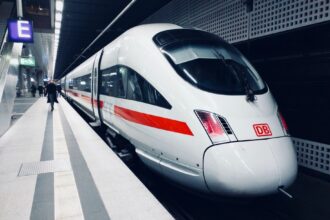
Germany has one of the most confusing train ticketing systems in Europe, and also one of the most rewarding once you understand it. Deutsche Bahn’s standard long distance fares for ICE, IC and EC trains can be genuinely expensive, especially if you book close to travel. Sitting underneath those headline fares is a completely different system of regional day tickets, built for domestic commuters and day trippers rather than tourists, and it is where the real savings live.
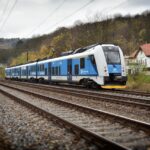
The trade off with almost every ticket in this guide is speed. Regional tickets are valid only on slower RE, RB, IRE and S-Bahn services, not the high speed ICE network, so journeys take longer and often involve more changes. For visitors with time to spare, particularly groups and families, that trade off is usually worth it many times over, since the savings on a single day can run into tens of euros once split between several people.
This guide covers four main ways to cut the cost of German train travel. The nationwide Deutschland-Ticket suits longer stays and frequent city hopping, but as a non resident you should know upfront that Deutsche Bahn’s own website requires a European bank account to buy it. The Bavaria focused Bayern-Ticket rewards groups exploring a single region and carries no such hurdle.
The wider family of Länder-Tickets covers Germany’s other fifteen states, each with its own name and price. The Quer-durchs-Land-Ticket extends that same regional day ticket idea across the whole country for a single day, which matters if your plans cross a state border rather than staying within one.
Before getting into the detail of each option, the table below sets out how they compare on price, coverage and who each one genuinely suits, so you can jump straight to the section that matches your trip.
| Ticket | Price (2026) | Coverage | Difficulty for Non-Residents |
|---|---|---|---|
| Deutschland-Ticket | €63 per calendar month | Regional trains, S-Bahn, U-Bahn, trams and buses nationwide | Open to anyone, but Deutsche Bahn’s site needs a European IBAN; buy via a regional app like MVV or HVV instead to avoid this |
| Bayern-Ticket | From €34 for one person, plus €10 per extra passenger (up to 5 total) | Regional trains and local transport within Bavaria | None: pay-per-use, card or cash, no account needed |
| Länder-Tickets | From around €25 to €37 depending on the state | Regional trains and local transport within one German state | None: pay-per-use, card or cash, no account needed |
| Quer-durchs-Land-Ticket | From around €54 for one person, plus roughly €5 per extra passenger (up to 5 total) | Regional trains nationwide, any state | None: pay-per-use, card or cash, no account needed |
The Deutschland-Ticket: Unlimited Regional Travel for a Flat Monthly Fee
The Deutschland-Ticket launched in May 2023 as the 49-Euro-Ticket and has risen gradually since, to €58 in 2025 and €63 per calendar month in 2026. It is a rolling monthly subscription rather than a single use ticket, covering unlimited second class travel on regional trains, S-Bahn and U-Bahn services, and local trams and buses right across the country.
It is genuinely nationwide, so a single subscription works whether you are moving around Berlin one week and Munich the next, and it is open to visitors as well as residents, not just German nationals or long term residents, with no citizenship or residency check of any kind.
The real friction is practical rather than eligibility based: the ticket is personalised and non transferable, sold either as a digital pass through an app such as DB Navigator or as a physical chip card, and Deutsche Bahn’s own channel takes payment by direct debit, which means you need a European IBAN to subscribe there, something most non-EU visitors simply do not have.
The genuinely low faff workaround is to skip Deutsche Bahn’s own site entirely and buy the same ticket through a regional transport operator’s app instead, such as MVV in Munich, HVV in Hamburg, or BVG in Berlin, most of which accept a normal foreign credit card or PayPal and need no IBAN, German address, or bank account whatsoever. Alternatively, a free IBAN from a service like Wise also works for the direct debit route if you would rather use bahn.de directly.
It can be cancelled month to month, so you are not locked into a long subscription, but you must cancel before the 10th of the month to avoid rolling into the next one. For a shorter trip focused on one region, a Länder-Ticket or the Bayern-Ticket, both covered next, sidestep this entire question, since neither requires a monthly commitment, a bank account, or advance registration of any kind whatsoever.
Browse hotels and accommodation for your journey.
View staysBrowse apartments, homes and self-catering accommodation.
Browse rentalsCompare prices from multiple hotel booking sites.
Check dealsThe Bayern-Ticket: Bavaria’s Day Ticket for Groups
The Bayern-Ticket is the best known of Germany’s regional day tickets, and it is built around group travel rather than solo trips of any kind. In 2026 it costs from €34 for a single traveller, with each additional passenger added for around €10, up to a maximum of five people on one ticket.
Up to three children aged six to fourteen travel free per adult on the ticket, which means a single adult can bring three children along on the base fare alone, making it a genuinely strong option for a family day out without any extra planning required.
The ticket covers unlimited travel on regional trains and most local buses and trams throughout Bavaria, and is valid on weekdays from 9am until 3am the following morning, or from midnight until 3am the following morning on weekends and public holidays. A cheaper Bayern-Ticket Nacht version exists for evening and overnight travel only, starting after 6pm, which suits anyone whose plans are mostly built around an evening out rather than a full day of sightseeing across the region.
Buying online or from a station vending machine is cheaper than buying at a ticket counter, where a small surcharge applies, and it is worth noting that BahnCard discount cards do not stack with the Bayern-Ticket’s already discounted price. There is no residency requirement or IBAN needed here at all, a card or cash at a machine is all it takes.
Split between four or five people making a day of it around Bavaria, this is routinely one of the cheapest ways to travel by train anywhere in Europe, and it easily covers a loop taking in Munich, the Bavarian lakes and smaller towns in a single unhurried day out, with plenty of time to spare for lunch along the way.
Länder-Tickets: A Regional Day Ticket for Every German State
Bavaria is not the only state with its own day ticket. Germany has sixteen federal states, and thirteen of them offer a dedicated Länder-Ticket of their own, working on the same principle as the Bayern-Ticket but priced and named for that specific state. The Baden-Württemberg-Ticket starts from around €27, the Niedersachsen-Ticket from around €29, the Sachsen-Ticket from around €35, and the Brandenburg-Berlin-Ticket from around €36.50, with most other states falling somewhere in this range depending on how much ground each network actually covers.
The family rules vary more than you might expect between states, which catches out plenty of first time visitors who assume every state works the same way. In most regions, up to three children aged six to fourteen travel free per adult, the same generous system used on the Bayern-Ticket.
In Hessen and North Rhine-Westphalia, however, children aged six to fourteen must be counted and paid for as full passengers, with only children aged five and under travelling free, so it is worth checking the rules for your specific state before assuming the Bavarian pattern applies everywhere you go on your trip.
Each Länder-Ticket covers regional trains and, in most states, local trams and buses within that state’s borders, with a small number, including the Bayern-Ticket, extending to selected cross border routes into neighbouring Austria or the Czech Republic. Like the Bayern-Ticket, there is no bank account, residency proof, or advance registration required for any of these.
Finding full English language details for every state ticket can be genuinely difficult, since Deutsche Bahn’s website structure favours German speakers, so it is worth confirming the current price and rules directly on bahn.de or through the DB Navigator app before setting off on your journey rather than relying on assumptions carried over from another region.
The Quer-durchs-Land-Ticket: One Day, the Whole Country
If your day trip crosses state lines rather than staying within one, the Quer-durchs-Land-Ticket, literally the “across the country” ticket, is the option to reach for instead of a Länder-Ticket. It works on the same basic template as the regional day tickets, unlimited travel on regional trains for a single day, but the coverage extends to the whole of Germany rather than a single state, which matters far more than it might first appear once you start planning a longer route.
In 2026, the ticket costs around €54 for the first traveller, with each additional passenger added for roughly €5, up to a maximum of five people on the same booking. Split five ways, that works out at around €14.80 per person for an entire day of unlimited regional travel anywhere in the country, a price that is very hard to beat for a group covering real distance across more than one region in a single outing together, especially over a long weekend.
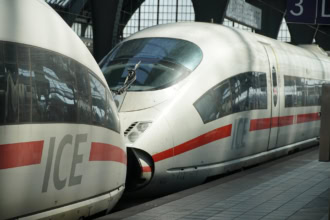
Validity typically runs from 9am on weekdays, or from midnight on Saturdays and Sundays, through to 3am the following morning. As with every ticket in this guide except the Deutschland-Ticket, it excludes ICE, IC and EC long distance services, so a route that would take two hours on a fast train might take four or five on regional connections instead, which is worth building into your plans well before you set a departure time.
The ticket can be bought at a station vending machine, at a DB travel centre, through bahn.de, or via the DB Navigator app, with online and app purchases generally the cheapest and free of any counter surcharge whatsoever, unlike buying in person, and again with no IBAN or residency proof needed.

When Regional Tickets Aren’t the Right Choice
None of these tickets are automatically the cheapest way to travel, and it is worth being honest about when they are not the right fit for your particular trip.
If your trip is built around fast, direct journeys between major cities, such as Berlin to Munich or Frankfurt to Hamburg specifically, Deutsche Bahn’s advance Sparpreis fares on ICE and IC trains can undercut a regional ticket significantly, provided you are willing to commit to a specific train and book several weeks ahead of travel rather than deciding on the day itself once you have already arrived.
Regional tickets also make far less sense for a single traveller making one short hop, since the base price of a Länder-Ticket or the Quer-durchs-Land-Ticket is built to be split across a group rather than carried by one person alone.
A solo traveller taking one short regional journey is often better off simply buying a standard point to point ticket for that route, rather than paying the full group rate for a ticket that was really designed with company in mind from the outset rather than a single passenger travelling alone.
Regional day tickets reward groups, flexible timing and journeys on slower trains, while advance booked long distance fares reward solo travellers and fixed plans on fast trains. Matching the ticket to the actual trip, rather than defaulting to whichever one sounds most appealing on paper, is genuinely where the savings come from, and it is worth running the sums for your specific route before committing to either approach on the day of travel rather than guessing which one will work out cheaper.
How to Choose the Right German Ticket for Your Trip
Start with how long you are staying and how much ground you plan to cover during that time you have available in the country. For a stay of a month or longer with regular city and regional travel, the Deutschland-Ticket at €63 a month is very hard to beat on price, since it removes the need to think about individual tickets entirely, though remember to buy it through a regional app rather than bahn.de directly if you do not already have a European IBAN.
For a shorter trip focused on one region, work out whether that region has its own Länder-Ticket before assuming a nationwide option is the only choice available to you. If you are staying in and around Bavaria, the Bayern-Ticket is clearly the obvious choice to make.
If you are exploring a different state, such as Saxony or Baden-Württemberg, check that state’s own Länder-Ticket rather than defaulting to a nationwide option you may not actually need for a single region trip lasting only a few days rather than a longer stay, and neither of these needs any account setup at all.
If a single day’s plans genuinely cross state borders, whether that is a loop through two or three neighbouring regions or a long cross country hop, the Quer-durchs-Land-Ticket is the one to reach for instead. And whichever ticket you land on, remember that group size changes the maths considerably.
These tickets are all priced to reward travelling with company, so a solo traveller should always check the equivalent advance fare on a direct ICE or IC train before assuming a regional ticket is automatically the cheaper option, since a single ICE ticket booked several weeks ahead can sometimes undercut even a heavily discounted group fare.
How to Buy: App, Website or Station
The DB Navigator app is genuinely the easiest way to buy every pay-per-use ticket covered in this guide, from a single Bayern-Ticket or Länder-Ticket to the Quer-durchs-Land-Ticket for a day trip. It works in English, stores your tickets digitally for inspection on board, and lets you add passenger names to a Länder-Ticket or Quer-durchs-Land-Ticket before you even reach the platform, which several of the tickets covered in this guide specifically require before you travel.
For the Deutschland-Ticket specifically, non residents without a European IBAN should skip bahn.de and subscribe instead through a regional operator’s own app, such as MVV, HVV or BVG, most of which take a normal foreign credit card or PayPal with no German address or bank account required. This is genuinely the lowest faff route if you are only visiting for a few weeks.
Bahn.de itself remains the right choice if you already have a European IBAN, whether your own or one created through a service like Wise, and it offers the same range of pay-per-use tickets through a browser rather than the app for anyone who would rather book from a laptop before their trip.
Station vending machines and staffed ticket counters remain available at almost every station for the pay-per-use tickets, and machines are generally the cheaper of the two, since Deutsche Bahn adds a small surcharge to tickets bought at a staffed counter rather than at a self service screen or through the app.
Machines typically offer an English language option and accept both cash and card, making them a genuinely reliable backup if your phone battery is low or you would simply rather hand over cash for a same day regional ticket. Whichever channel you choose for the Deutschland-Ticket, remember to cancel before the 10th of the month if you do not want to be charged for the next one.

Rupert’s Handy Travel Tips
Germany’s ticket system rewards a little homework before you travel, so here’s what actually makes a difference.
- No German bank account? Skip bahn.de for the Deutschland-Ticket: buy it through a regional app like MVV or HVV instead, which take foreign credit cards with no IBAN needed.
- Buy online or via the app, not at the counter: station ticket windows add a small surcharge on regional day tickets that you avoid entirely by booking through bahn.de or DB Navigator.
- Write every traveller’s name on the ticket: Länder-Tickets and the Quer-durchs-Land-Ticket require the names of all passengers to be filled in before travel, so do this the moment you buy it.
- Check your state’s specific child rules: most states let three children travel free per adult, but Hessen and North Rhine-Westphalia are notable exceptions, so don’t assume the Bavaria rule applies everywhere.
- Compare against a Sparpreis fare for solo trips: if you’re travelling alone on a fast, direct route, Deutsche Bahn’s advance long-distance fares can beat a regional ticket if booked early enough.
Want to meet the reindeer behind our travel tips? Find out more in our page Who is Rupert?.



Frequently Asked Questions
What is the cheapest way to travel by train in Germany?
For groups making day trips, the Bayern-Ticket, another state’s Länder-Ticket, or the nationwide Quer-durchs-Land-Ticket are usually the cheapest options, since their cost is shared across up to five passengers travelling together. For longer stays with frequent travel, the Deutschland-Ticket’s flat €63 monthly fee is genuinely hard to beat on price.
Can tourists buy the Deutschland-Ticket without a German bank account?
Yes, but not directly through bahn.de, which requires a European IBAN. The easiest workaround is buying the same ticket through a regional operator’s app, such as MVV or HVV, which accept a normal foreign credit card or PayPal instead.
Does the Bayern-Ticket work on ICE trains?
No, none of the tickets covered in this guide are valid on ICE, IC or EC long distance services. They cover regional trains, S-Bahn and U-Bahn services, and in most cases local buses and trams as well.
Is the Quer-durchs-Land-Ticket better value than a state Länder-Ticket?
Only if your journey genuinely crosses state borders. If you are staying within a single state for the day, that state’s own Länder-Ticket is normally cheaper than the nationwide alternative.
Do children travel free on German regional tickets?
In most states, up to three children aged six to fourteen travel free per adult. Hessen and North Rhine-Westphalia are notable exceptions, where children in that age range must be counted and paid for as full passengers.
Further Reading
This guide is part of our wider series on hidden rail passes and cheap train tickets across Europe, covering the overlooked discounts in six countries. If Germany is one stop on a wider European trip, our Interrail Pass guide explains when a multi-country pass still makes sense alongside tickets like these. Travellers continuing south into the Alps should also read our Swiss Travel Pass vs Half Fare Card guide, since Switzerland’s system works on a similar logic of matching the right card to your travel pattern.
For the wider picture on getting around the country beyond these regional tickets, our Germany Travel Guide pulls together the practical essentials for a first visit. And if your trip involves covering serious distance on the fast ICE network rather than staying regional, our Interrail Germany Pass guide is worth comparing against the tickets above, since it can work out cheaper once you’re making several long-distance journeys in one trip.
For booking and comparing fares across operators, our train booking apps guide rounds up the best platforms for finding tickets across Europe, and our eSIM apps guide covers how to stay connected on the move without expensive roaming charges while you are checking timetables and tickets in Germany.